
New 2026 Volvo Conventional Sleeper Trucks For Sale
Shop new 2026 Volvo conventional sleeper trucks, including VNL models built for long-haul comfort, fuel efficiency, safety, and uptime.
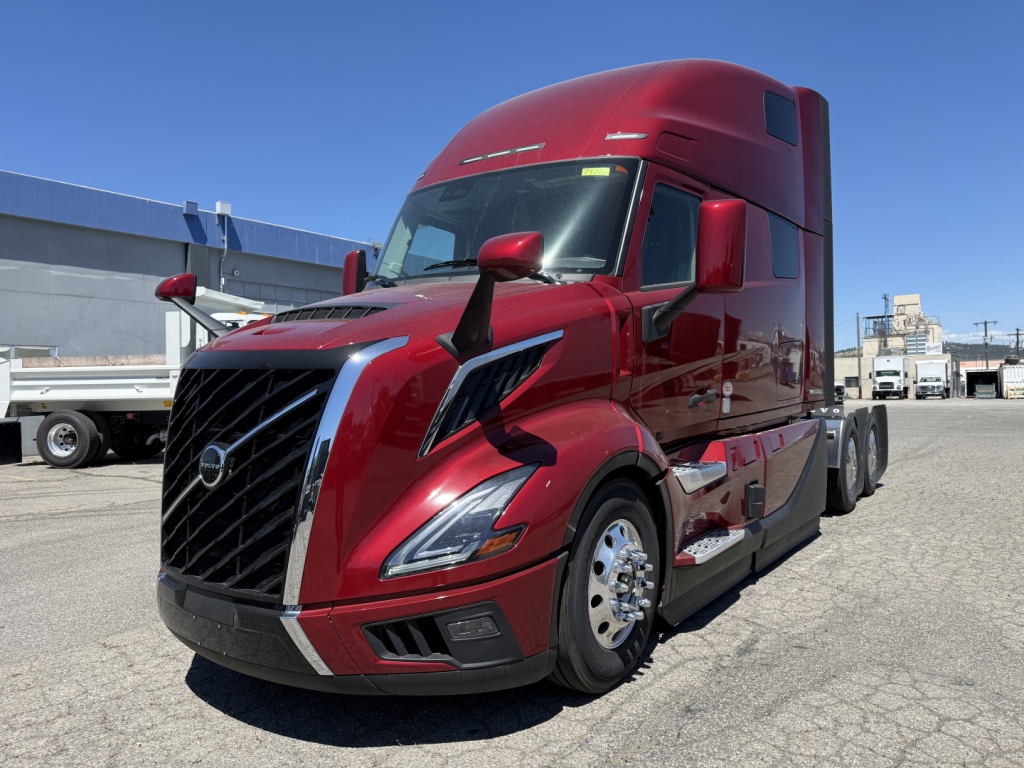
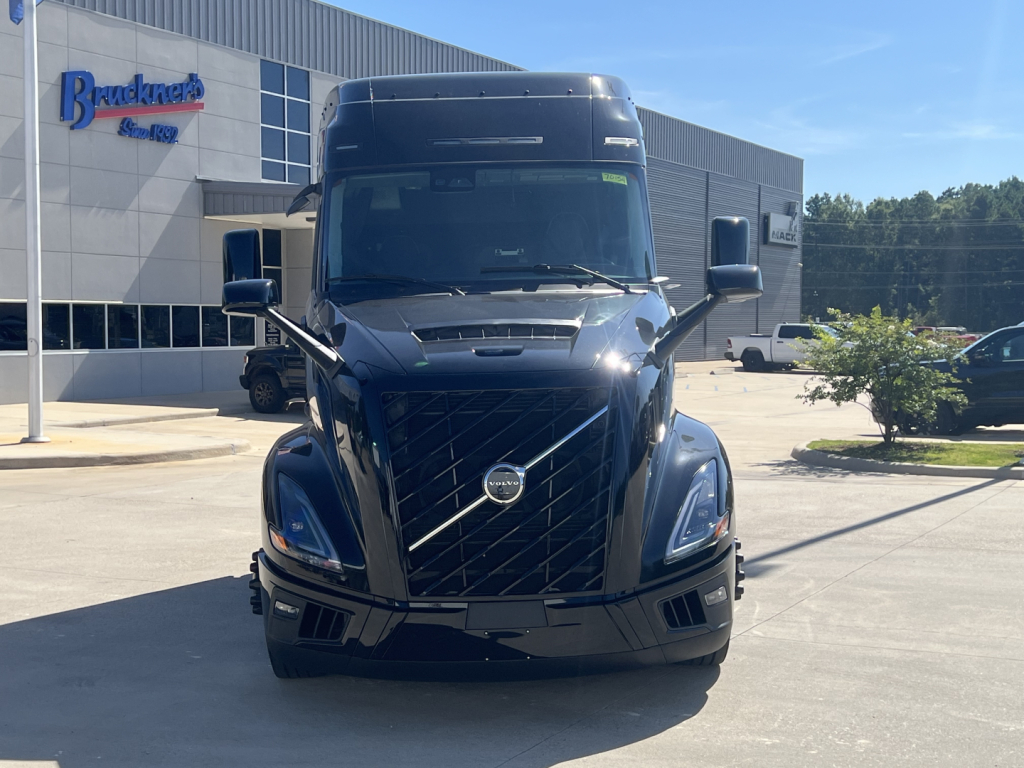
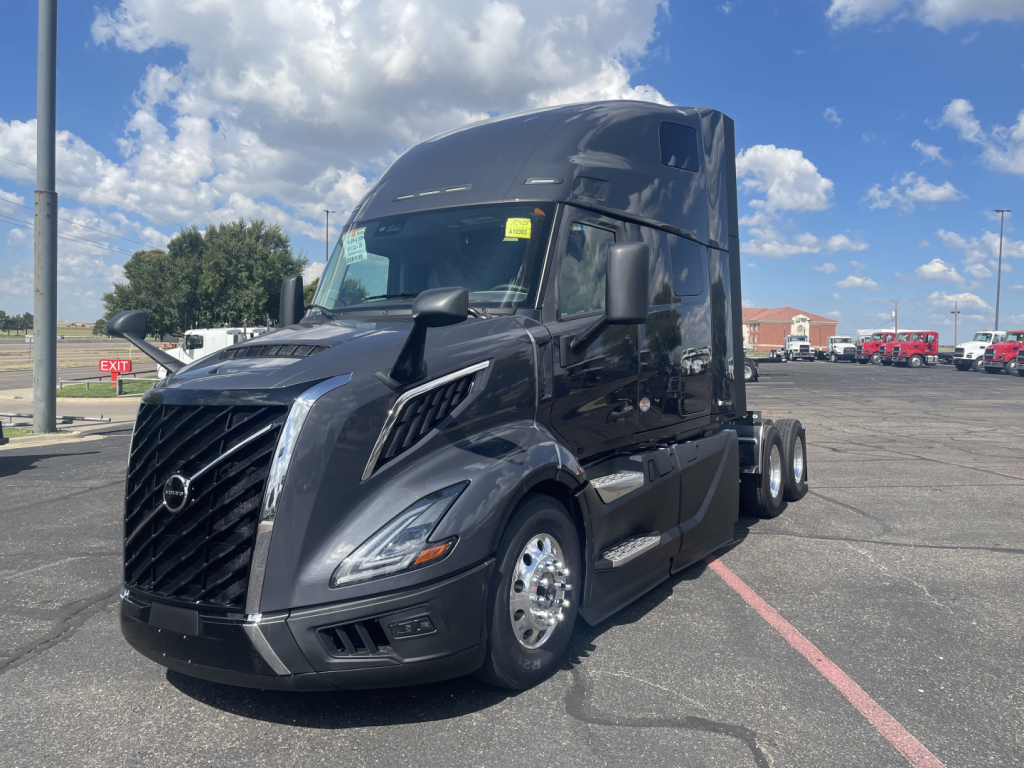
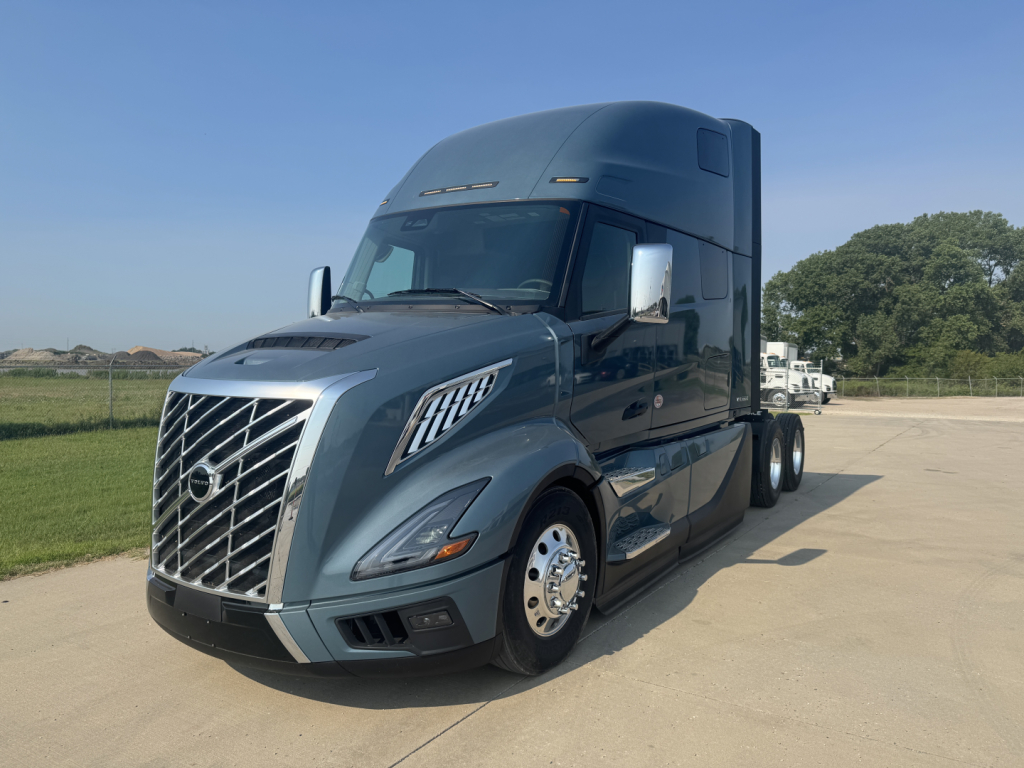
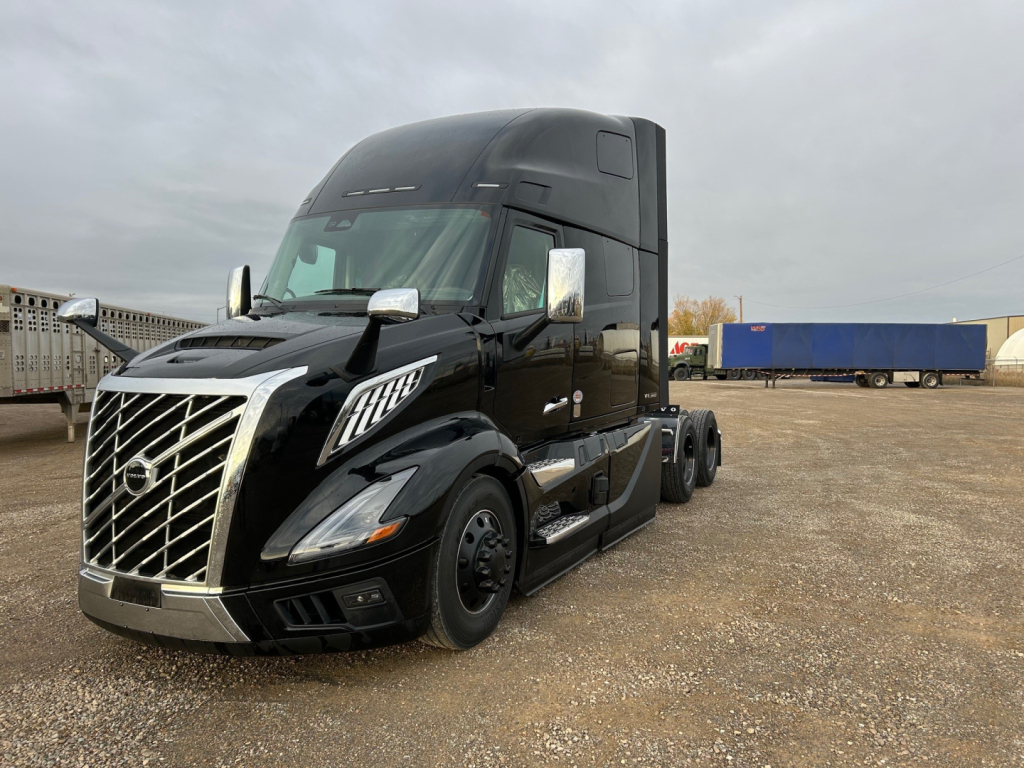
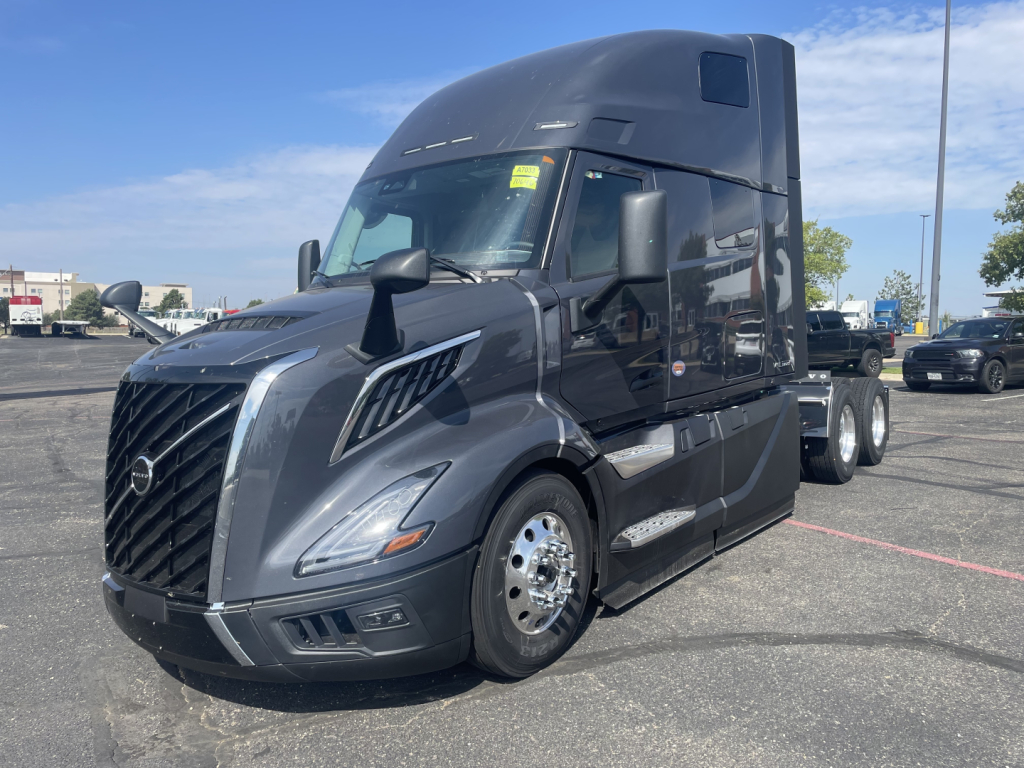
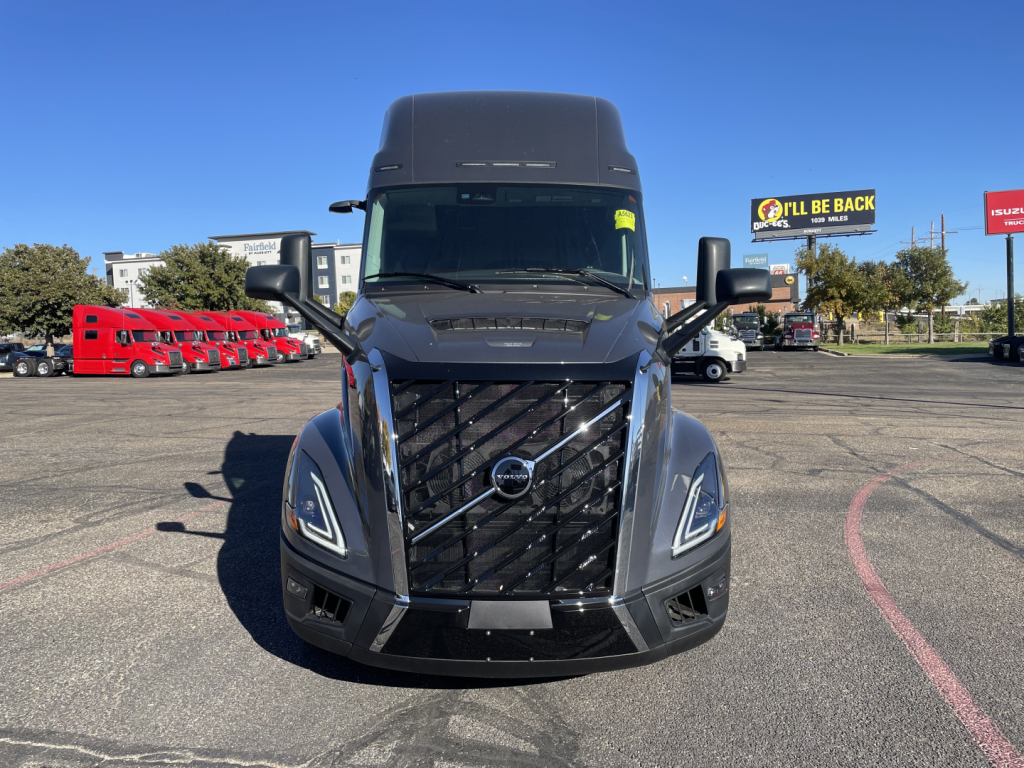
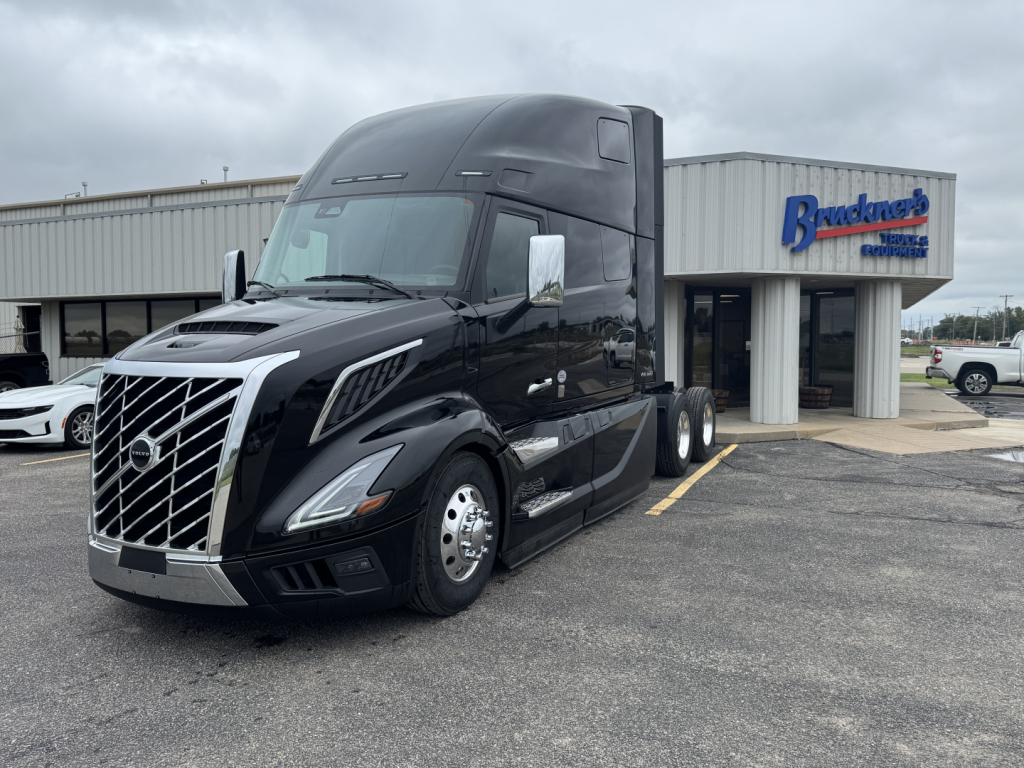
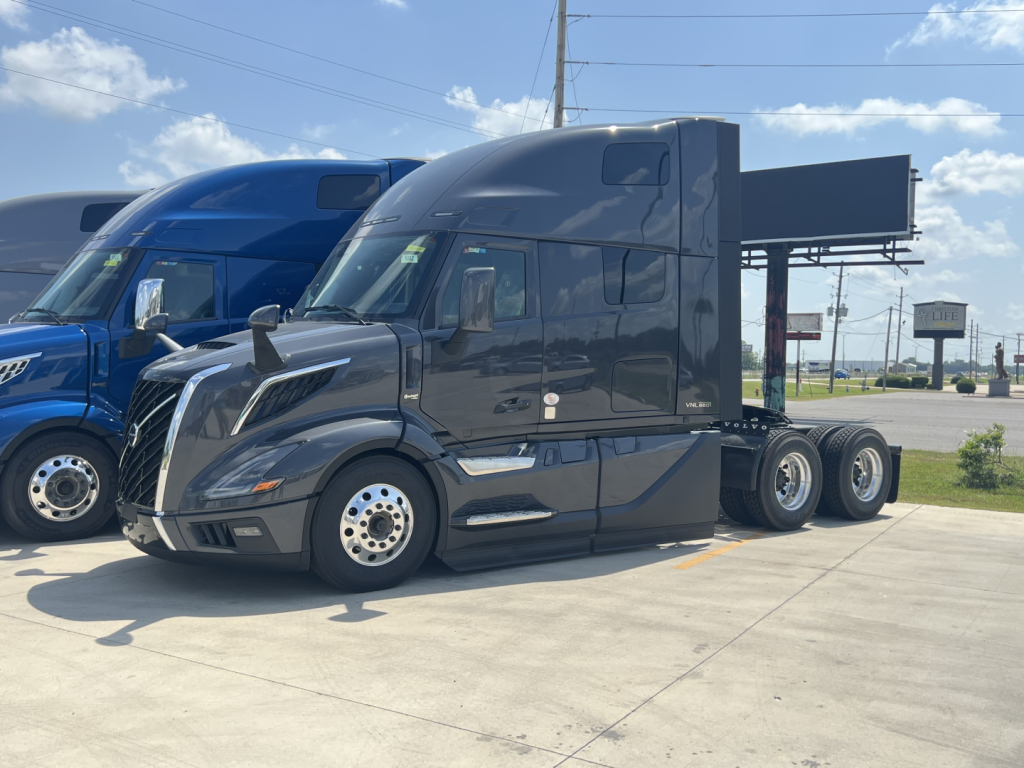
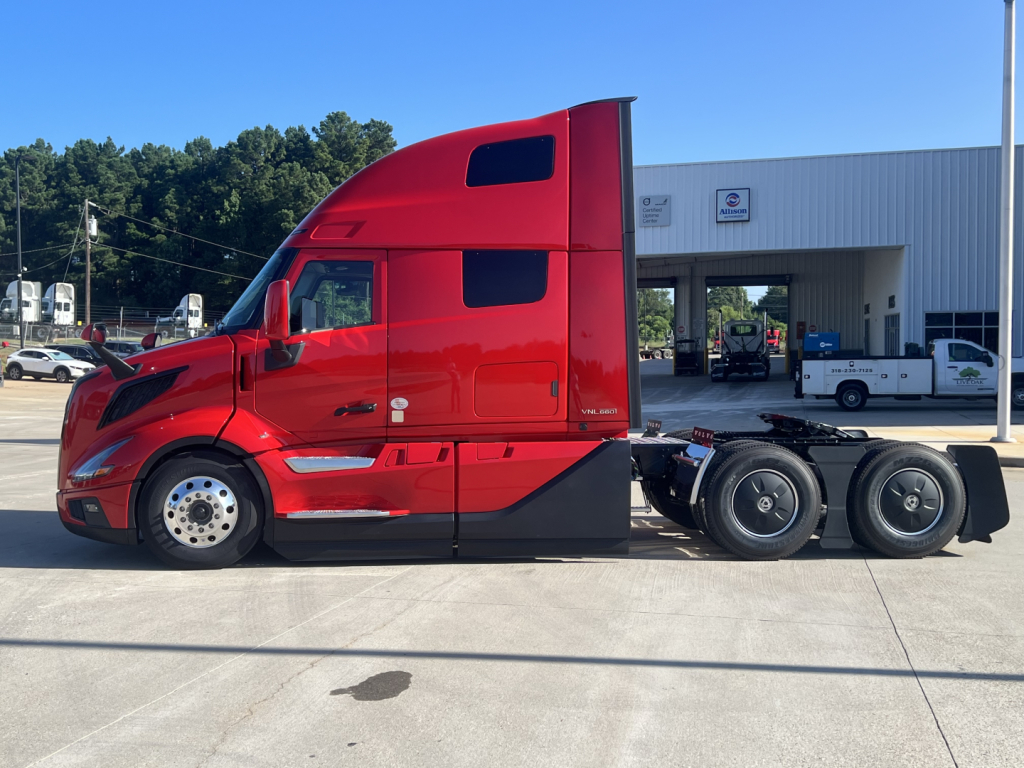
Selling a new 2026 volvo conventional sleeper truck? List your new 2026 volvo conventional sleeper truck for sale and reach thousands of commercial buyers.
New 2026 Volvo Conventional Sleeper Trucks
The key decision on a new Volvo sleeper is spec alignment. Most conventional sleeper models are set up as 6x4 tractors for heavier freight and broad-route flexibility, though some operations may target lighter or fuel-focused configurations depending on application and state weight laws. Common buyer checkpoints include roof height, bunk layout, fairing package, fifth wheel setup, fuel capacity, and rear axle ratio. On the powertrain side, Volvo buyers often compare engine ratings and torque bands with the I-Shift automated manual transmission, especially for fleets focused on fuel efficiency and easier driver onboarding. Advanced aerodynamics, predictive cruise functions, and integrated powertrain controls are major reasons many long-haul buyers stay in the Volvo platform.
Driver environment is a major part of this category. A modern Volvo conventional sleeper is designed to reduce fatigue with a quieter cab, ergonomic dash layout, strong visibility, and driver-assist technology that supports lane control, collision mitigation, and highway awareness. Inside the sleeper, buyers should pay attention to mattress size, standing room, storage access, workstation layout, inverter prep, HVAC performance, and idle-reduction equipment such as parking coolers or auxiliary climate systems. These details directly affect rest quality and driver satisfaction, especially in team operations or multi-night regional runs.
For buyers comparing new 2026 Volvo conventional sleeper trucks across multiple listings, the smartest approach is to look past model badge alone and compare the actual vocation spec. A VNL configured for dry van linehaul can be very different from one intended for reefer work, high-cube freight, or premium owner-operator use. Verify GCWR targets, front axle capacity, suspension, wheelbase, tank placement, and warranty coverage, along with safety electronics and connected diagnostics. A well-matched conventional sleeper truck should deliver low operating cost, good resale appeal, and a cab that keeps drivers productive over long miles.
Frequently Asked Questions about New 2026 Volvo Conventional Sleeper Trucks
What is a Volvo conventional sleeper truck?
A Volvo conventional sleeper truck is a highway tractor with an engine mounted ahead of the cab and an integrated sleeper compartment behind the seats. In Volvo’s North American lineup, the VNL is the best-known example. This design is used primarily for over-the-road freight because it combines aerodynamic efficiency, easier service access, and a dedicated living space for drivers on multi-day routes.
What should I compare first on a new 2026 Volvo VNL sleeper?
Start with the application spec, not just the model name. Compare axle configuration, sleeper size, wheelbase, engine rating, transmission, rear axle ratio, fuel capacity, and fifth wheel position. Those items determine payload flexibility, turning radius, fuel economy, ride quality, and how well the truck fits van, reefer, dedicated, or long-haul fleet work.
Are Volvo sleeper trucks good for fuel economy?
Volvo sleeper trucks are widely recognized for strong highway fuel economy when the spec matches the route. Aerodynamic body design, integrated powertrain controls, and the I-Shift automated transmission are key contributors. Final results still depend on speed, terrain, weight, idle time, axle ratio, and driver habits, so buyers should review the full spec instead of assuming every sleeper configuration will perform the same.
What sleeper features matter most for long-haul drivers?
The most important sleeper features are the ones that improve rest and reduce fatigue. Buyers typically focus on bunk size, storage layout, standing room, insulation, HVAC performance, noise control, lighting, power outlets, and idle-reduction equipment such as a parking cooler. A comfortable and functional sleeper can make a noticeable difference in retention and productivity on extended runs.
Why do fleets choose new Volvo conventional sleepers?
Fleets often choose new Volvo conventional sleepers for a mix of safety technology, driver acceptance, fuel efficiency, and integrated diagnostics. The platform is especially attractive for linehaul operations that want a modern aero tractor with automated transmission availability and a driver-friendly cab. For many buyers, the value is not just purchase price but the combination of uptime, operating cost control, and resale strength.