
New 2026 Conventional Sleeper Trucks For Sale in Washington
Shop new 2026 conventional sleeper trucks in Washington. Compare aero cabs, sleeper sizes, powertrains, safety tech, and long-haul specs.
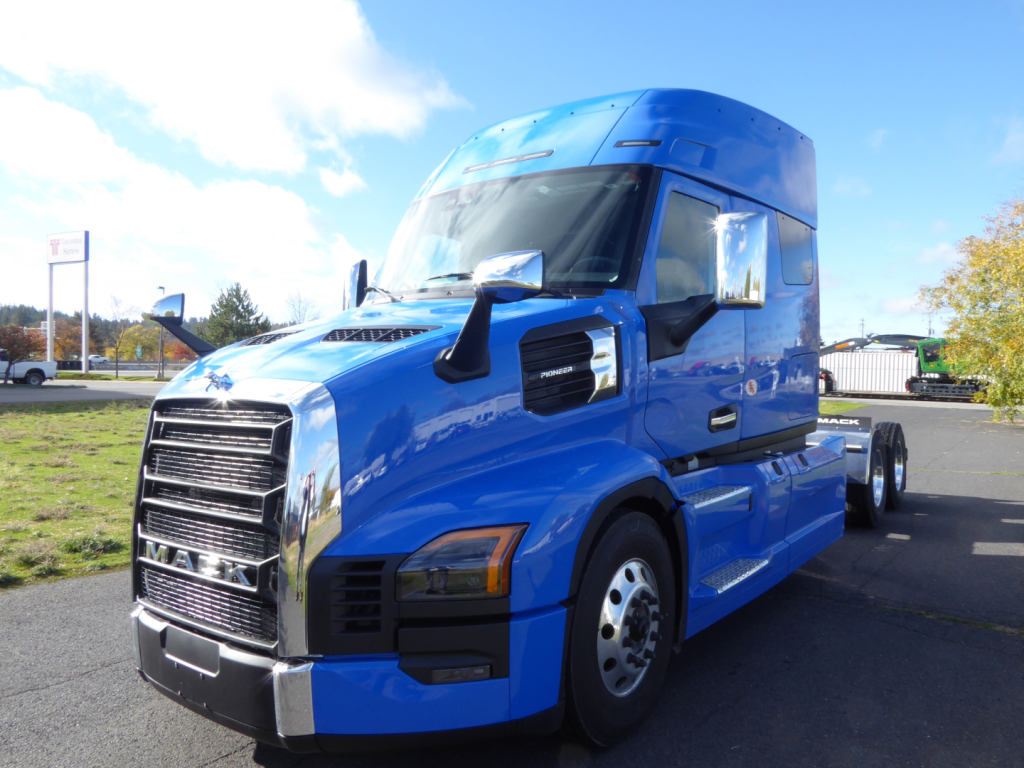
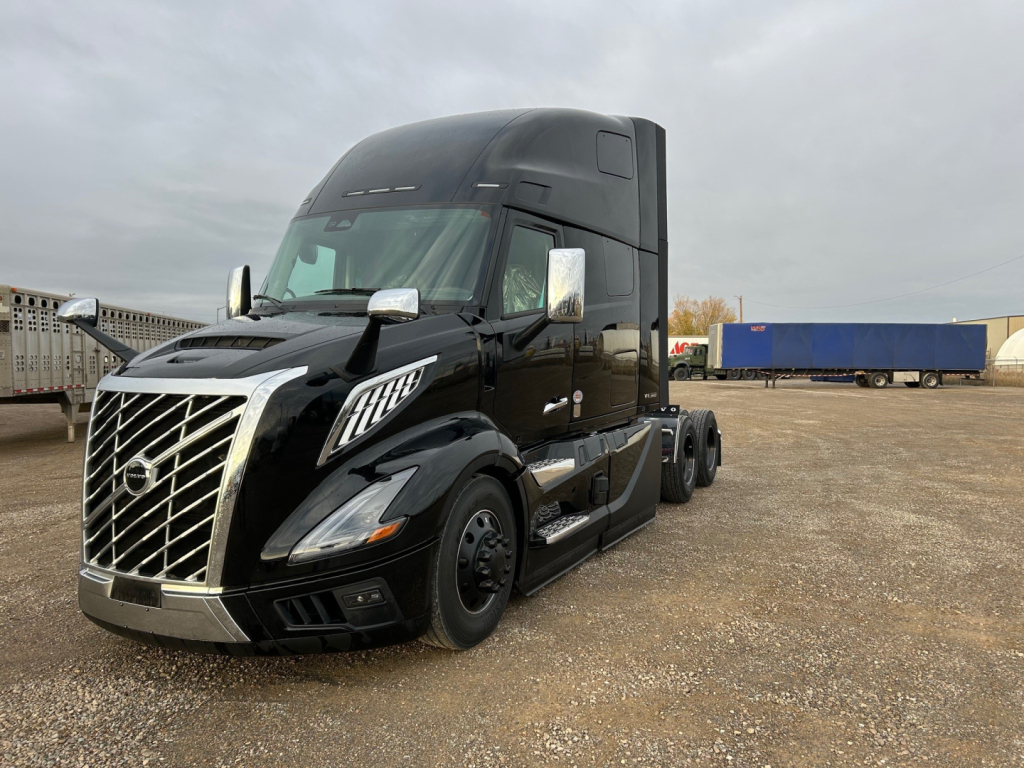
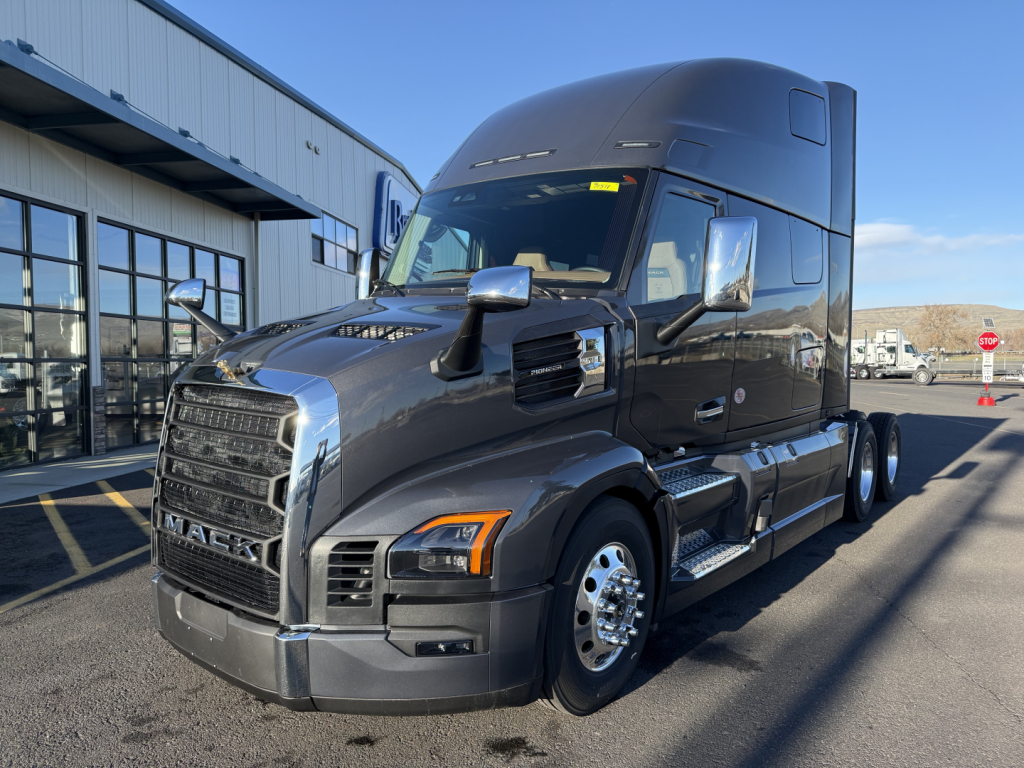
Selling a new 2026 conventional sleeper truck? List your new 2026 conventional sleeper truck for sale and reach thousands of commercial buyers.
New 2026 Conventional Sleeper Trucks in Washington
For Washington buyers, spec decisions often come down to terrain and route mix. Trucks running the I-5 corridor may prioritize fuel-efficient downsped drivetrains, adaptive cruise, and premium driver-assist packages, while trucks crossing Snoqualmie Pass, Stevens Pass, or working heavy mountain freight usually need the right rear axle ratio, stronger engine brake performance, and cooling capacity that holds up on grades. A 6x4 tandem axle setup is the most common in this class, with sleeper sizes often ranging from mid-roof configurations around 60 to 70 inches up to larger high-roof sleepers for teams or extended time on the road. Fuel capacity, fairing design, wheelbase, and fifth wheel placement all affect payload distribution, ride quality, and turning radius.
The biggest buying differences in new conventional sleeper trucks usually show up inside the spec sheet and the cab. Current models from major OEMs commonly offer integrated automated manual transmissions, collision mitigation systems, lane departure warning, disc brake availability, and telematics that help fleets track idle time, fuel burn, and fault codes. Sleeper amenities can include bunk heaters, shore power, inverters, refrigerators, premium storage layouts, and upgraded insulation for better overnight comfort. Buyers should also compare front axle ratings, suspension type, frame layout, PTO needs, and tank capacity to make sure the truck matches the freight and the duty cycle, not just the price point.
A well-matched conventional sleeper should be evaluated as a revenue tool over its first several years, not just as a new truck purchase. Warranty coverage, dealer support across Washington and neighboring lanes, emissions system service access, and parts commonality across the fleet can matter as much as cab styling. For owner-operators and fleet managers alike, the best 2026 sleeper tractor is the one with a drivetrain matched to actual gross weights, a sleeper that fits the run length, and a spec that protects fuel economy without sacrificing pull, comfort, or resale value.
Frequently Asked Questions about New 2026 Conventional Sleeper Trucks in Washington
What is a conventional sleeper truck used for?
A conventional sleeper truck is used for over-the-road freight that requires a tractor with an integrated sleeping compartment behind the cab. It is the most common configuration for long-haul dry van, refrigerated, and dedicated freight, but it is also widely used in regional operations where drivers spend occasional nights out. The sleeper adds rest space, storage, and onboard amenities while keeping the aerodynamic and service advantages of a conventional hooded tractor.
What sleeper size is best for a 2026 conventional sleeper tractor?
The right sleeper size depends on how long the truck stays out and how much in-cab living space the driver needs. Mid-roof sleepers are often a strong fit for regional and shorter OTR runs because they balance weight, cost, and aerodynamics. Larger high-roof sleepers make more sense for teams, extended runs, and fleets focused on driver comfort and retention. Storage layout, bunk width, stand-up room, and options like a refrigerator or inverter can matter as much as the sleeper's published dimension.
Is a 6x4 the normal axle configuration for conventional sleeper trucks?
Yes, a 6x4 tandem drive is the standard setup for most conventional sleeper tractors because it provides the traction, axle capacity, and durability needed for highway freight in varied terrain. It is especially common for operations running mountain grades, heavier gross weights, or mixed weather conditions. Some fleets also evaluate 6x2 configurations for fuel economy in specific applications, but 6x4 remains the most broadly accepted and versatile spec in the sleeper tractor market.
What should Washington buyers look for in a new sleeper truck spec?
Washington buyers should pay close attention to gradeability, engine brake performance, axle ratio, fuel capacity, and driver-assist technology. Trucks that regularly cross mountain passes need a drivetrain that can hold speed on climbs and control descents without overstressing brakes. Buyers running coastal or corridor freight may put more emphasis on fuel economy, wheelbase, and maneuverability. Cold-weather features, bunk heaters, and strong dealer support across the Pacific Northwest are also practical considerations.
Which specs affect fuel economy most on a conventional sleeper truck?
Fuel economy is heavily influenced by the full powertrain and aerodynamic package, not just engine rating. Key factors include rear axle ratio, transmission gearing, cruise speed, roof and side fairing design, idle strategy, tire choice, and total weight. Wheelbase, ride height, and accessories mounted on the chassis can also change drag and efficiency. On a new conventional sleeper, the best fuel economy usually comes from a properly integrated engine, transmission, and axle spec matched to the route and average load.