
New 2026 Conventional Sleeper Trucks For Sale in Colorado
Shop new 2026 conventional sleeper trucks in Colorado. Compare high-roof specs, sleeper sizes, powertrains, fuel capacity, and driver features.
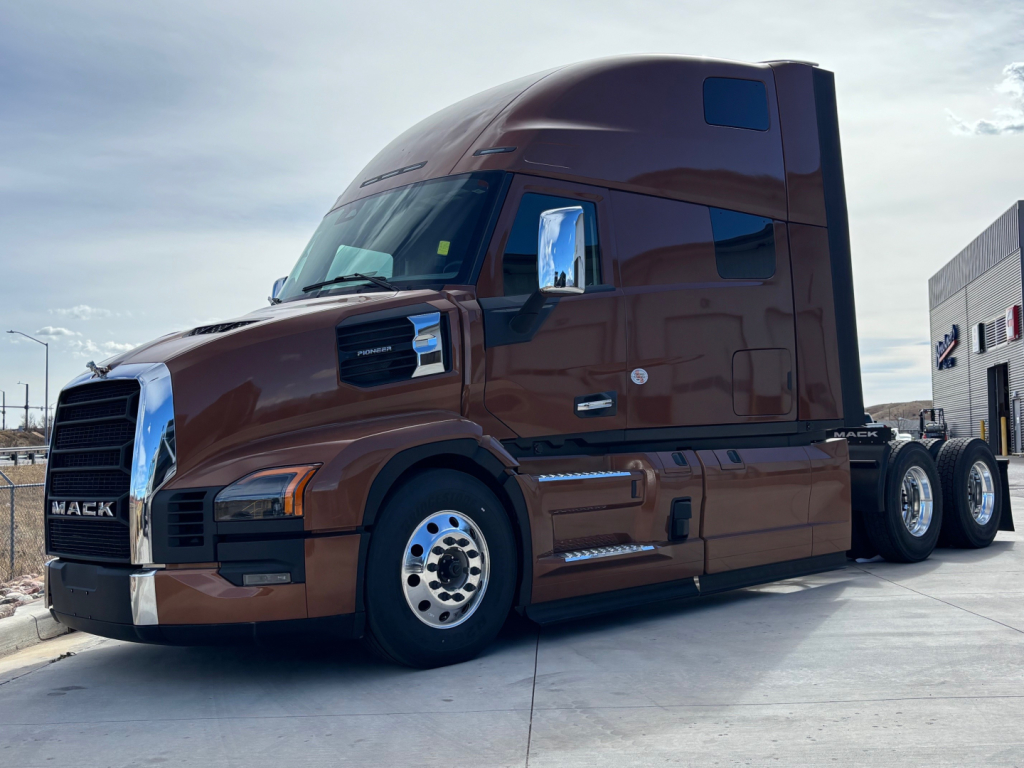
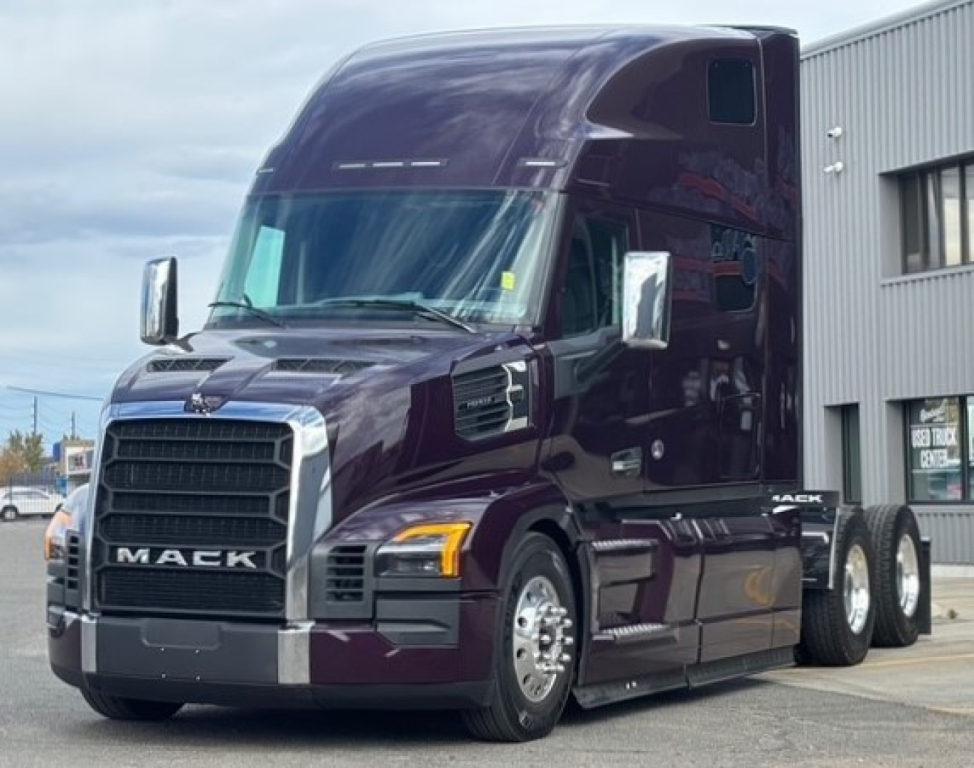

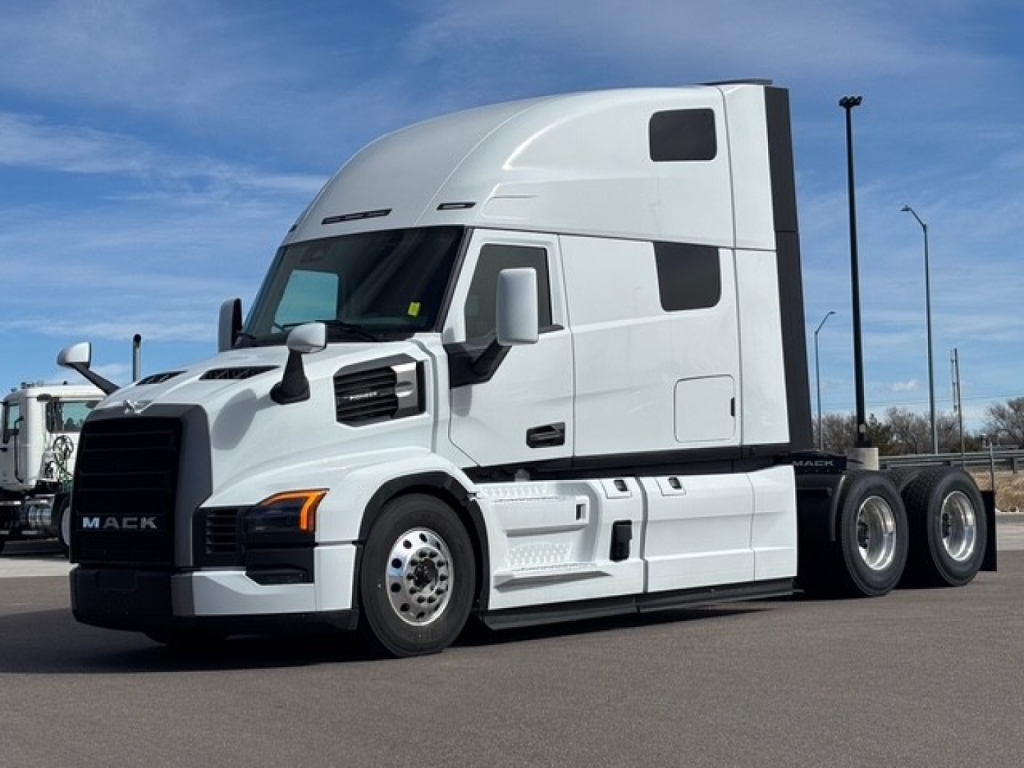
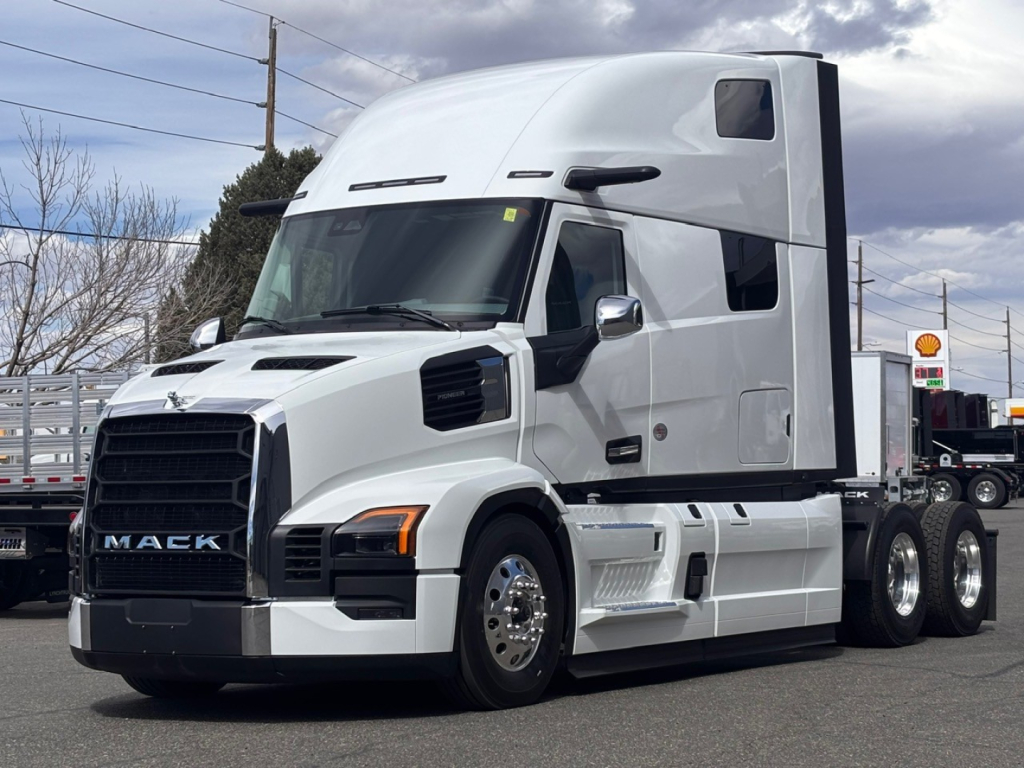
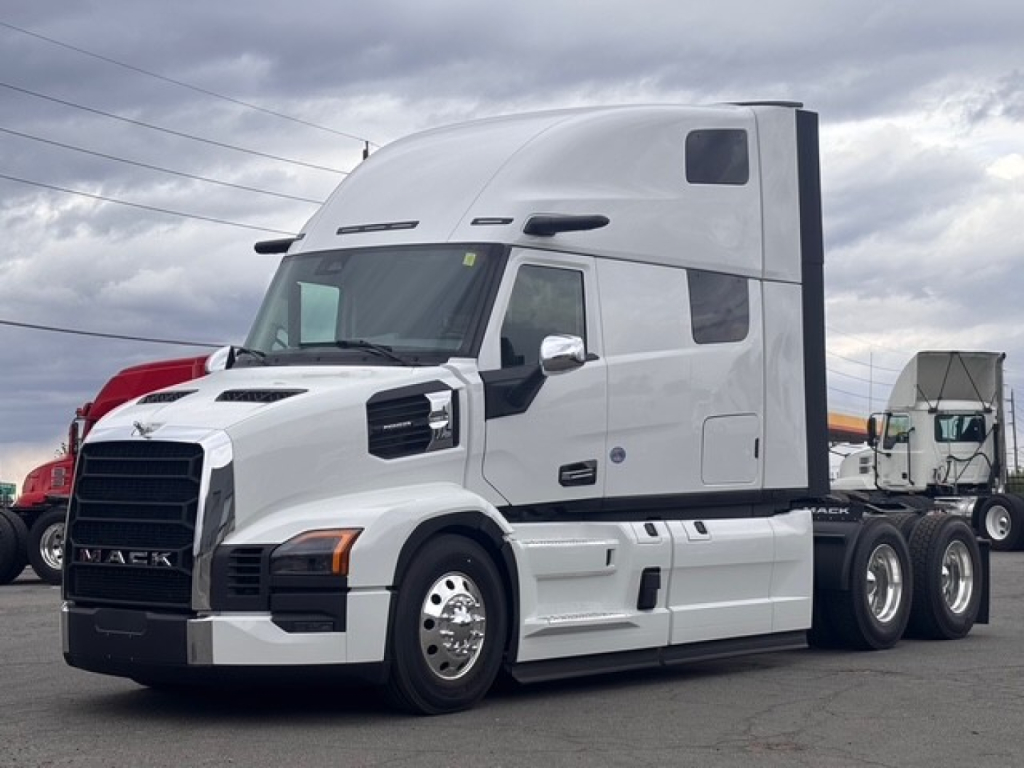
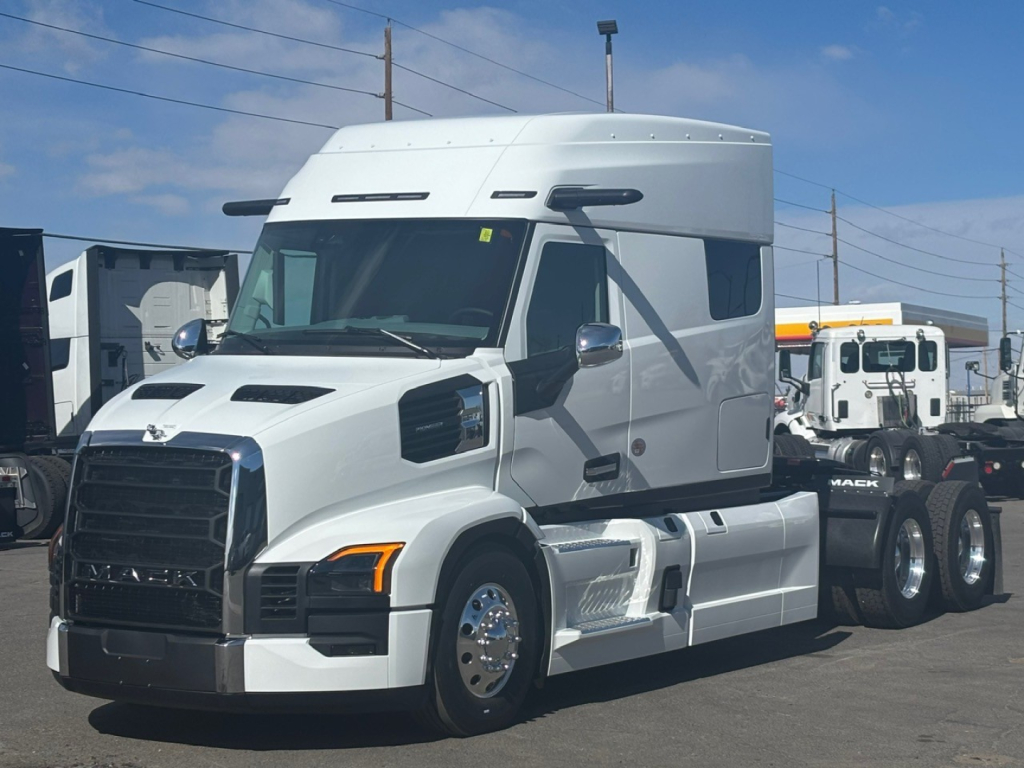
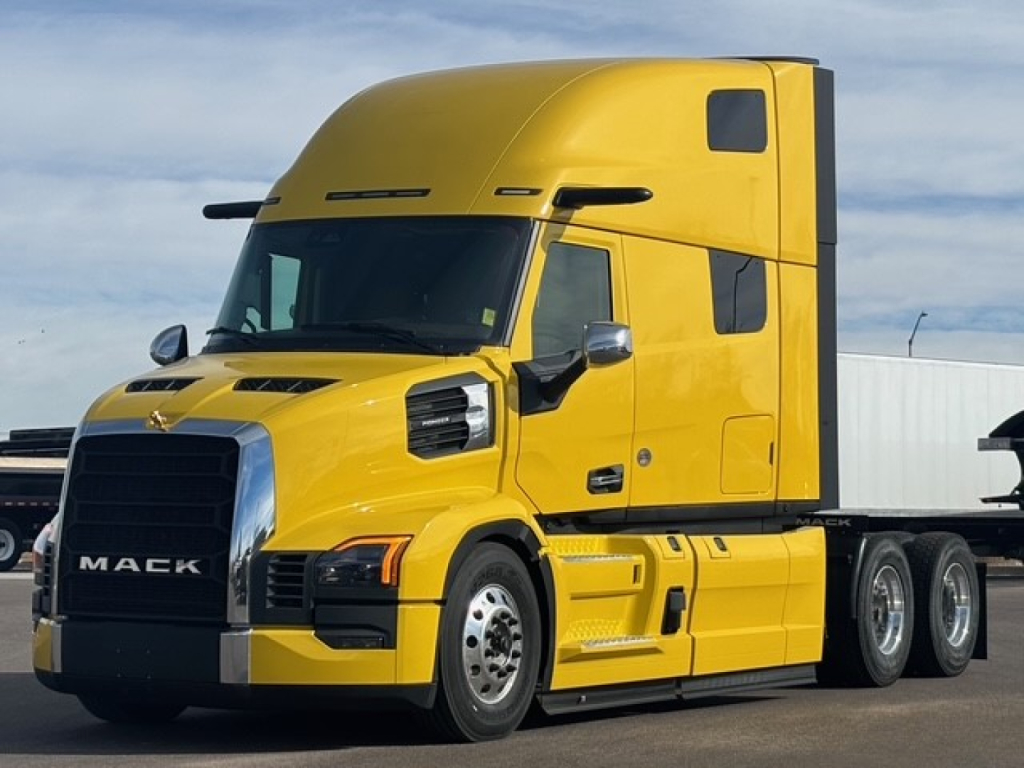
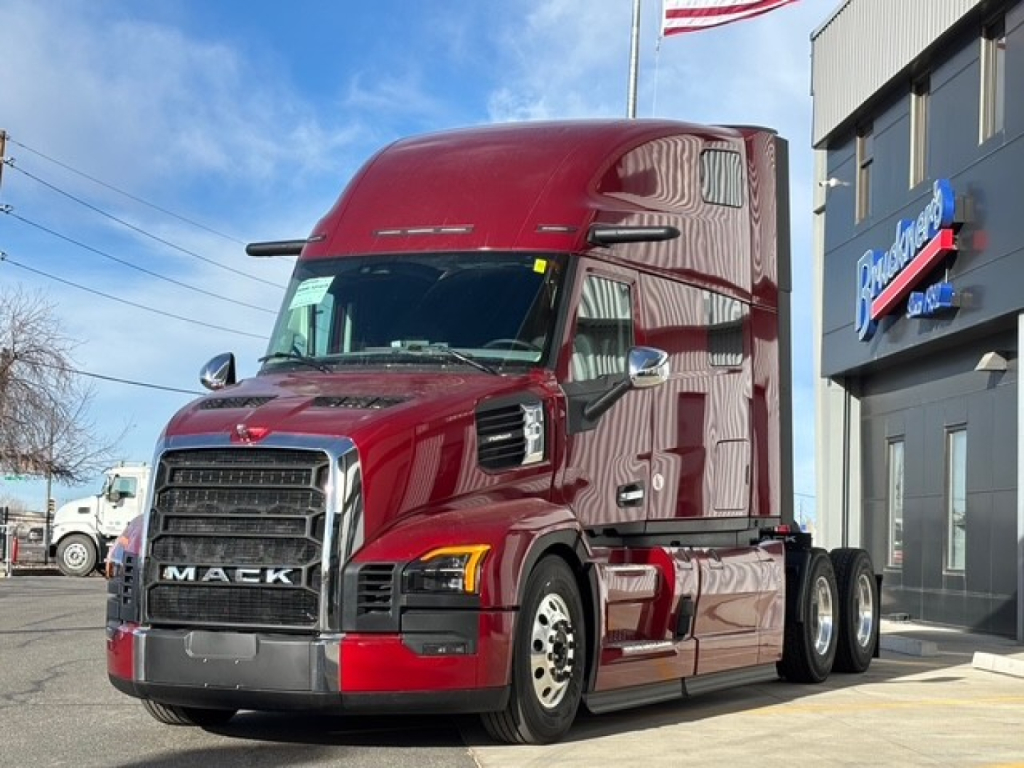
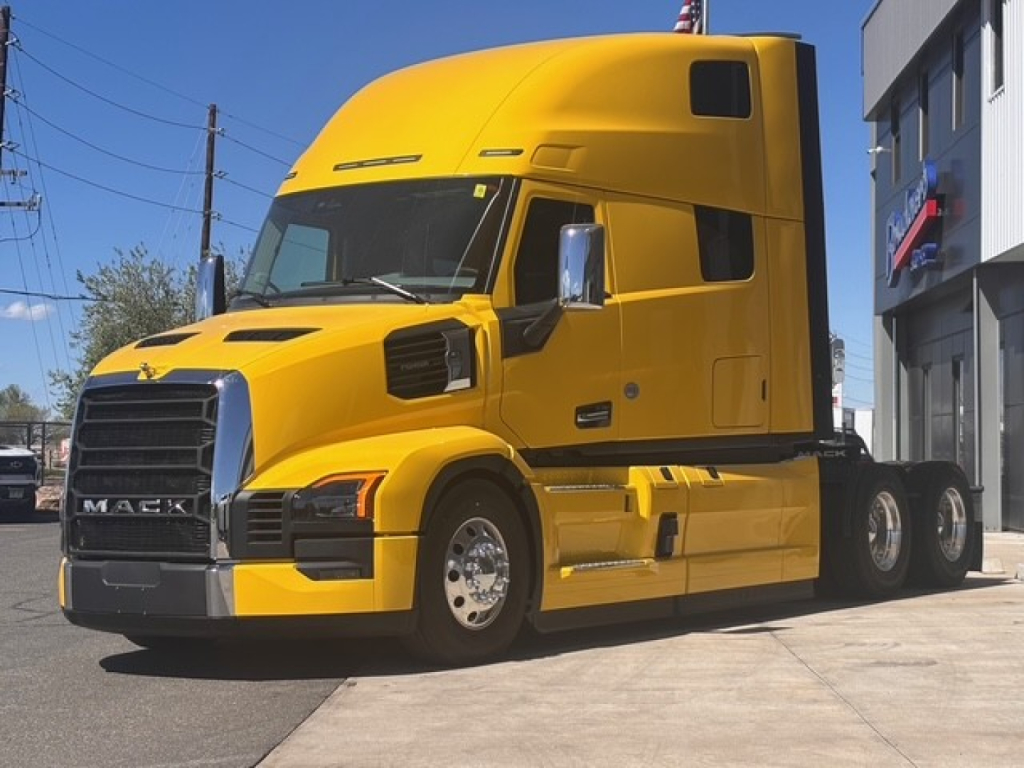
Selling a new 2026 conventional sleeper truck? List your new 2026 conventional sleeper truck for sale and reach thousands of commercial buyers.
New 2026 Conventional Sleeper Trucks in Colorado
Sleeper configuration is the next major decision. High-roof 76-inch sleepers are common because they give drivers true stand-up room, more cabinet space, and better week-long livability than mid-roof or shorter sleeper designs. Double-bunk layouts, integrated refrigerators, diesel-fired parking heaters, and battery or engine-off cooling systems can make a significant difference in retention and idle reduction. Premium trims may also include upgraded bunk systems, premium control panels, heated and ventilated seats, and enhanced audio packages. If the truck will stay out for extended trips, interior storage, mattress layout, inverter capacity, and HVAC operation during rest periods deserve close attention.
Chassis and safety specs should be matched to freight and operating region. Typical new conventional sleepers in this class use tandem drive axles, air ride suspensions, full air disc or drum brake setups, and fuel capacity in the 200-plus gallon range across dual tanks. Buyers should confirm wheelbase, fifth wheel position, kingpin-to-rear-axle dimension, and front axle capacity before assigning trailers or planning bridge-law-sensitive lanes. Disc brakes, inter-axle differential locks, collision mitigation, lane support, digital mirror systems, backup cameras, and steering-assist features are increasingly common on new trucks and can improve both uptime and driver confidence.
A buyer comparing new 2026 conventional sleeper trucks should also weigh warranty structure, emissions coverage, service network strength, and software integration. New trucks offer the advantage of current safety systems, factory telematics compatibility, and cleaner packaging around idle management and driver comfort features. For Colorado-based operations, a well-spec'd conventional sleeper can balance mountain performance, fuel range, and sleeper comfort while staying versatile enough for over-the-road freight, dedicated contract lanes, or high-mileage regional work.
Frequently Asked Questions about New 2026 Conventional Sleeper Trucks in Colorado
What is a conventional sleeper truck?
A conventional sleeper truck is a highway tractor with a hooded front-end design and an integrated sleeping compartment behind the cab. It is also known as a sleeper tractor or sleeper semi truck. This configuration is used for over-the-road and regional hauling when the driver needs onboard space for rest, storage, and overnight operation. Conventional sleepers are the standard choice for long-distance freight because they balance aerodynamics, service access, ride quality, and driver comfort.
What horsepower is typical for a new 2026 conventional sleeper truck?
Most new conventional sleeper trucks in this class are spec'd with 13-liter engines producing roughly 400 to 515 horsepower, depending on application. Lower horsepower ratings can work well for fuel-conscious fleet service on lighter or flatter lanes, while higher ratings are better suited to heavy freight, mountain routes, and operations that need stronger grade-climbing performance. Buyers in Colorado often place extra value on torque output, engine brake strength, and rear axle ratio because elevation and terrain can expose an under-spec'd truck quickly.
Why do many buyers choose a 76-inch high-roof sleeper?
A 76-inch high-roof sleeper gives the driver stand-up room, more storage, and better living space for multi-day dispatches. That added room supports double-bunk layouts, refrigerators, larger cabinets, and more effective engine-off comfort systems. It is a common choice for long-haul fleets and owner-operators because driver comfort affects retention, rest quality, and time on the road. A smaller sleeper can reduce weight and initial cost, but it usually gives up the livability many long-distance operations need.
What specs matter most when comparing conventional sleeper trucks for Colorado routes?
Powertrain matching is critical in Colorado. Buyers should look closely at horsepower, torque, automated transmission calibration, axle ratio, and engine brake capability for mountain grades and mixed elevations. Fuel capacity, cooling performance, wheelbase, and front axle rating also matter, especially if the truck will handle heavy van, reefer, or bulk trailer loads. Safety technology such as collision mitigation, lane support, cameras, and digital mirrors can add value for fleet operations running busy interstate corridors and winter conditions.
What are the advantages of buying a new conventional sleeper truck instead of a used one?
A new conventional sleeper truck provides current emissions components, factory warranty support, the latest driver-assist systems, and a clean maintenance baseline. It also allows buyers to prioritize newer comfort and idle-reduction features such as parking heaters, integrated coolers, upgraded sleeper controls, and advanced telematics compatibility. For fleet managers, that can translate into more predictable uptime and easier standardization across drivers and routes. The tradeoff is higher acquisition cost, so the best value depends on annual miles, service cycle, and how important warranty and spec control are to the operation.