
New 2026 Mack Conventional Sleeper Trucks For Sale
Shop new 2026 Mack conventional sleeper trucks with modern aero design, MP13 power, mDrive automation, and long-haul driver comfort.
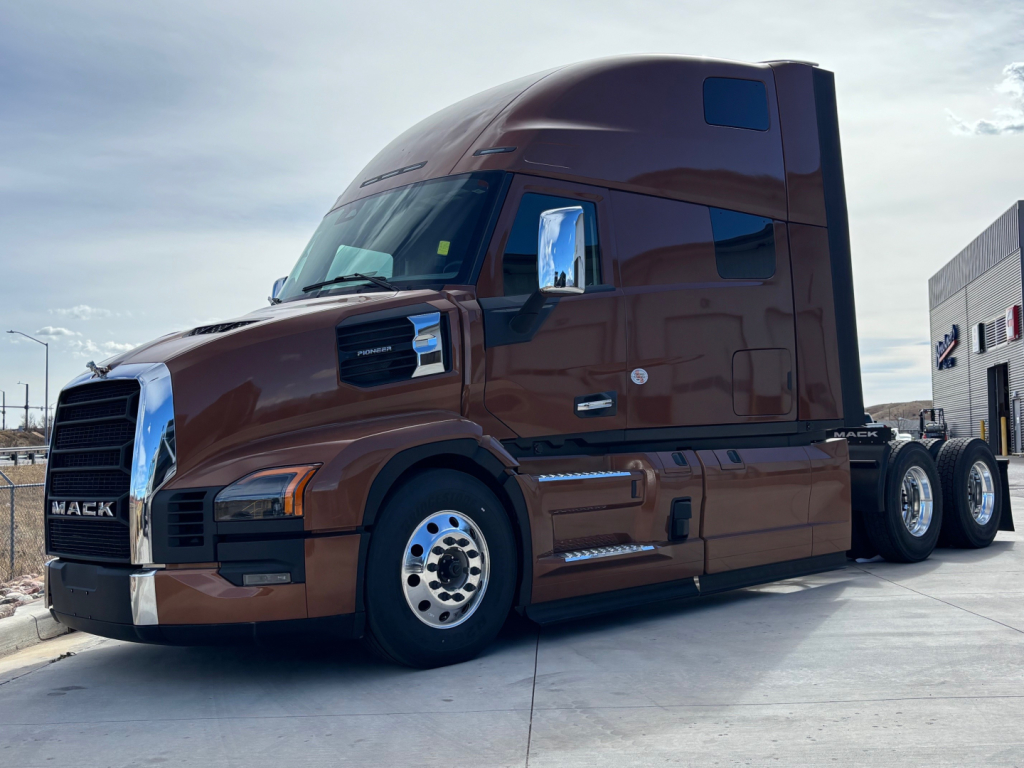
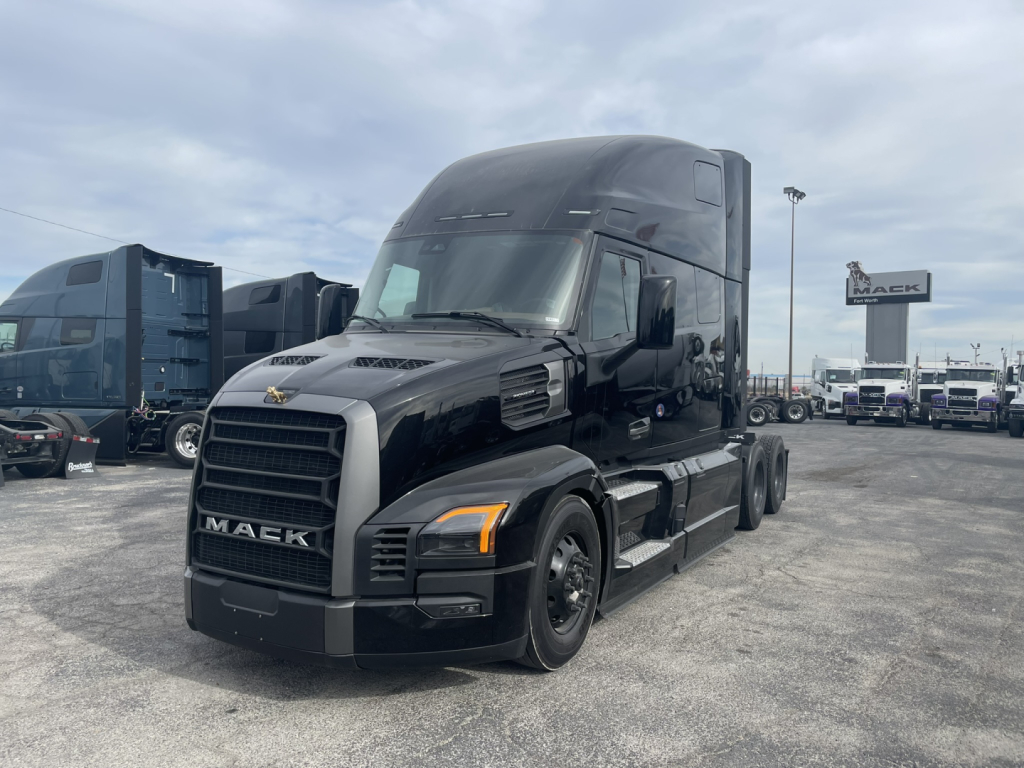
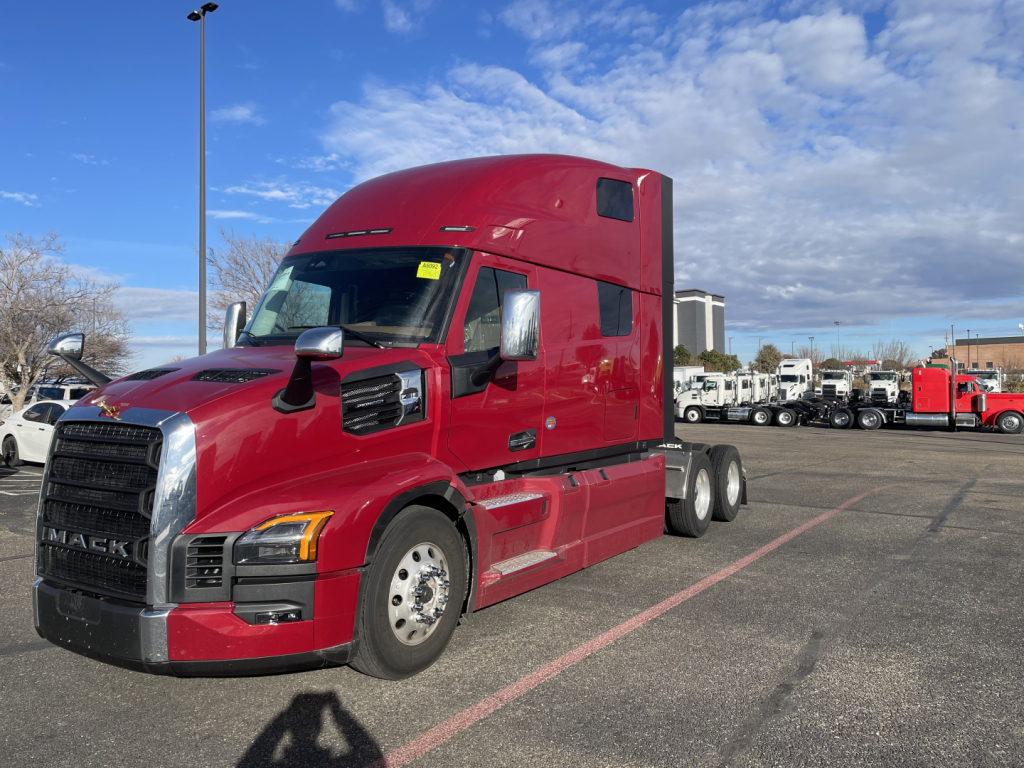
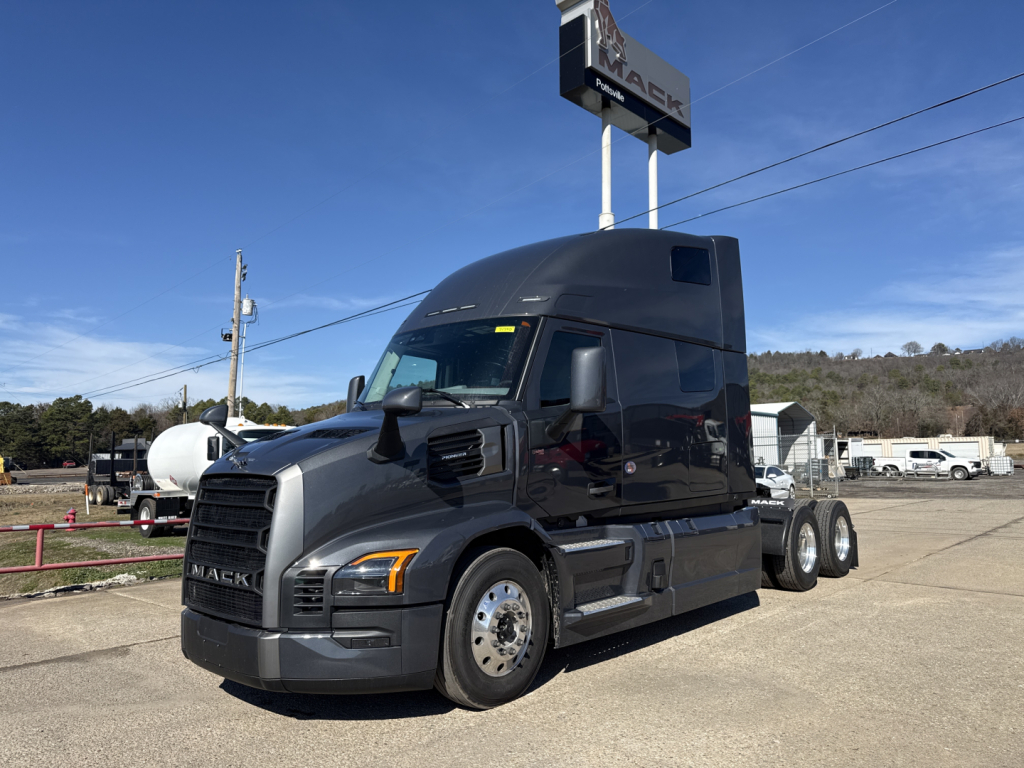
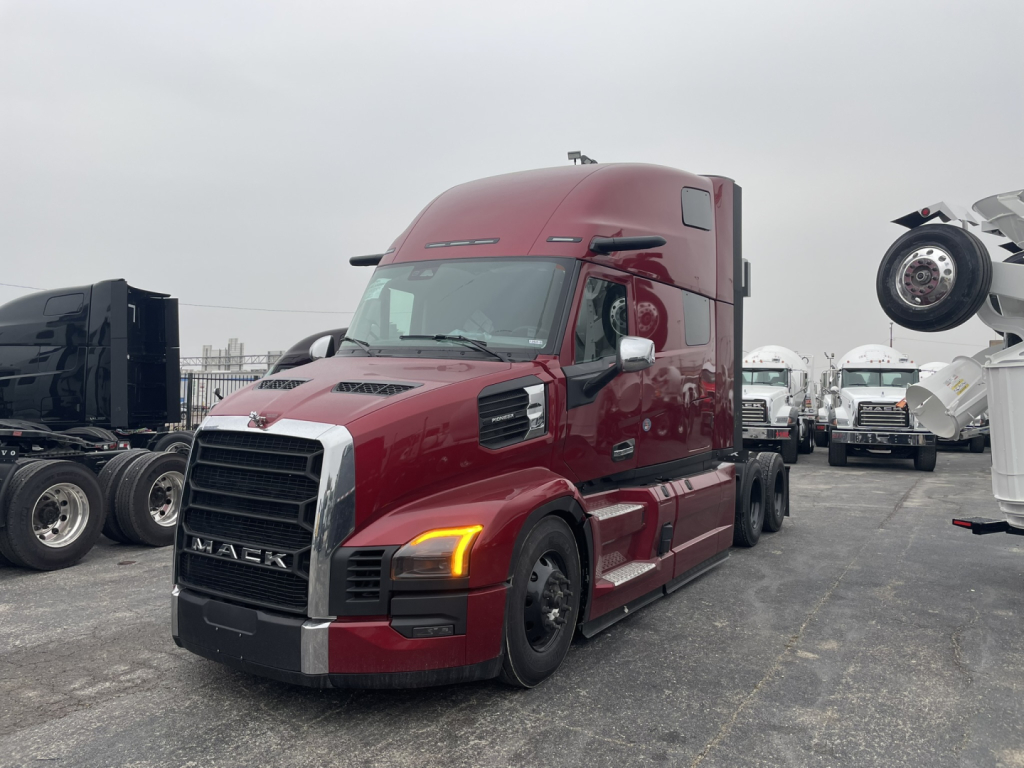
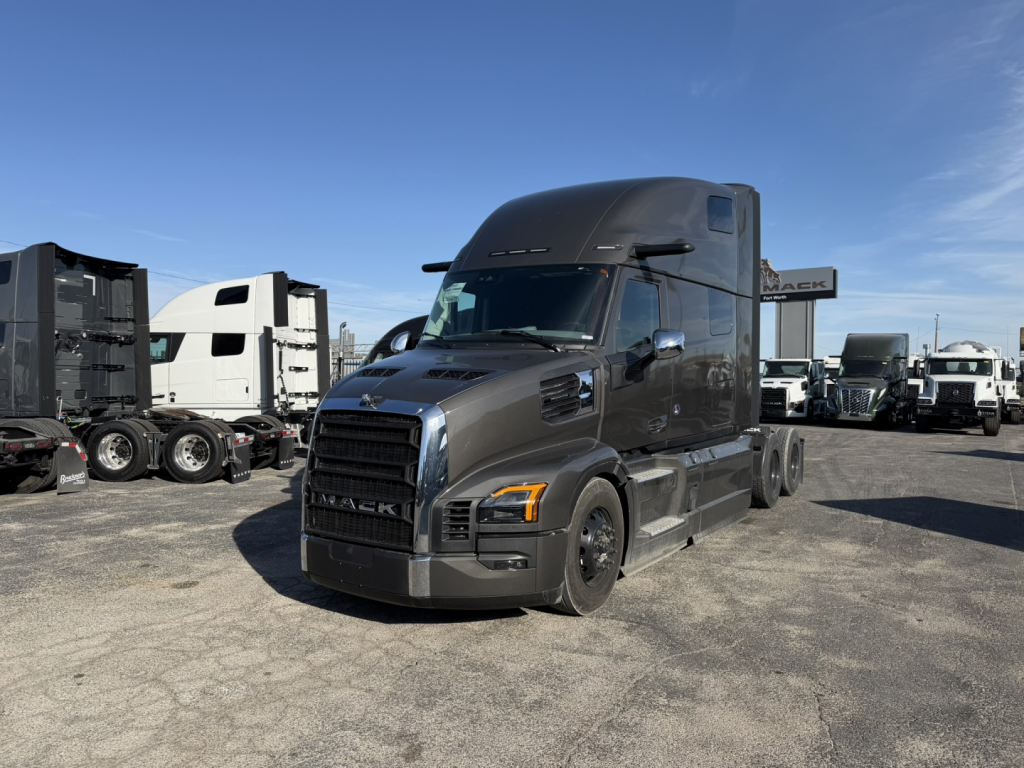
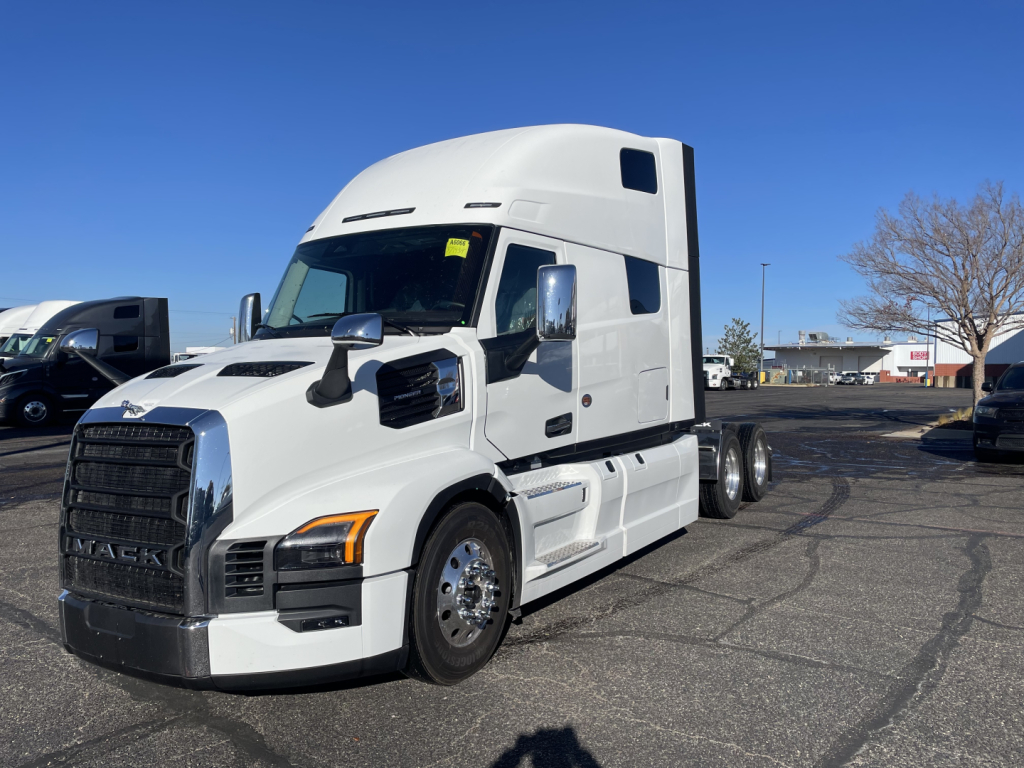
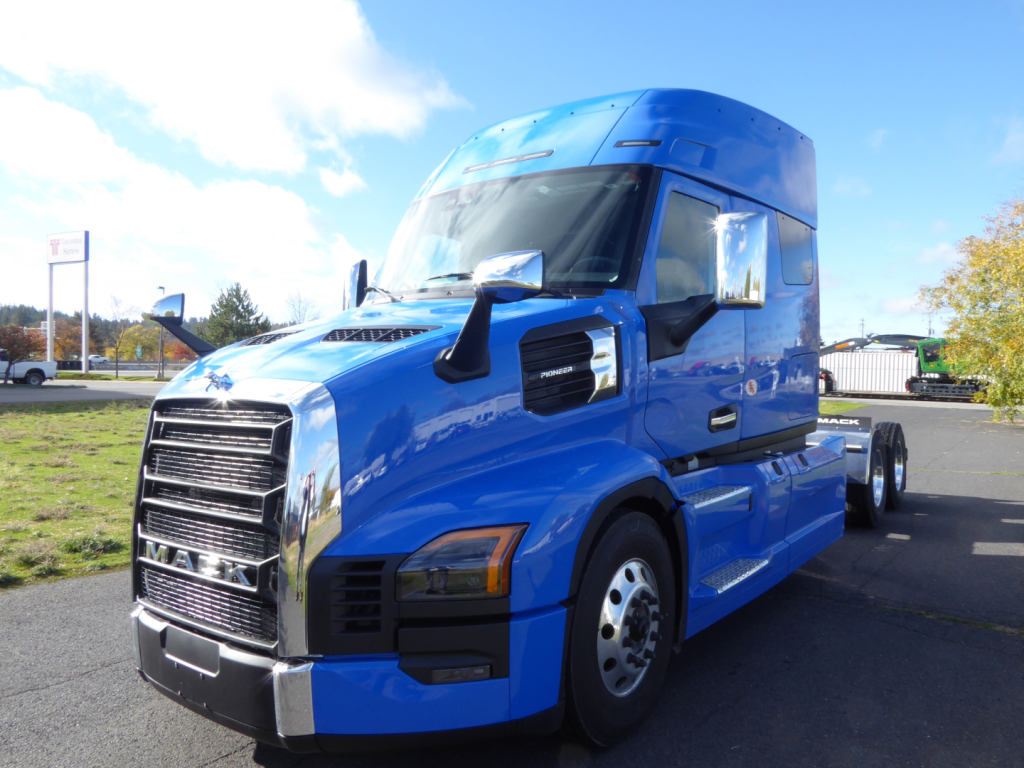
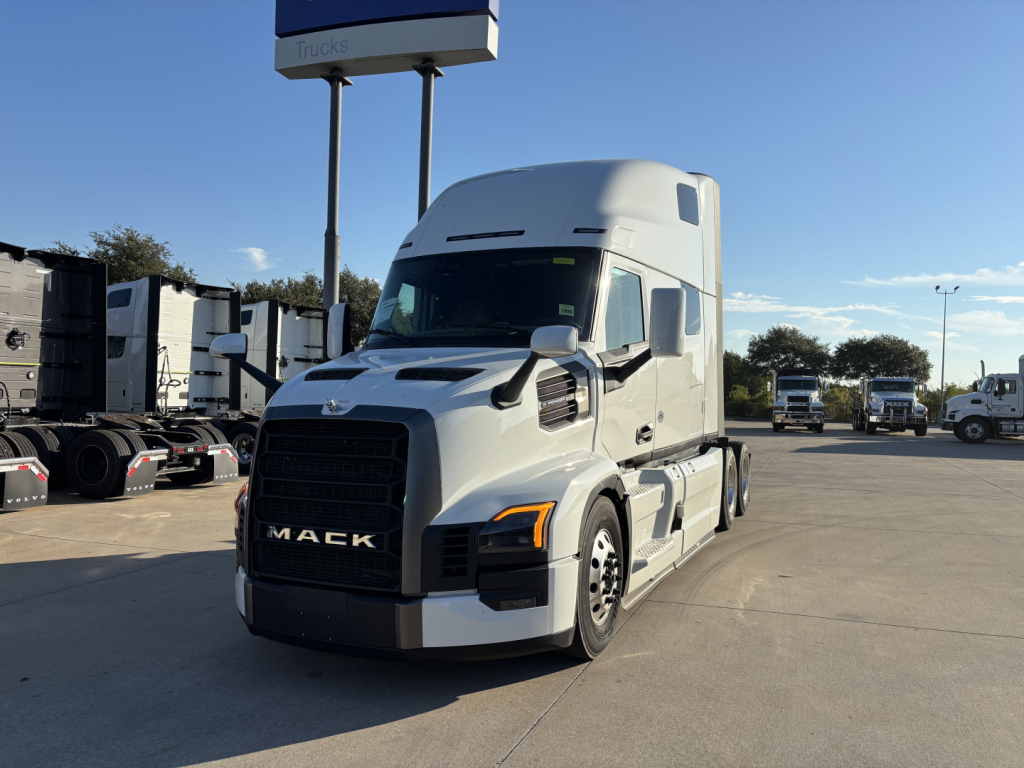
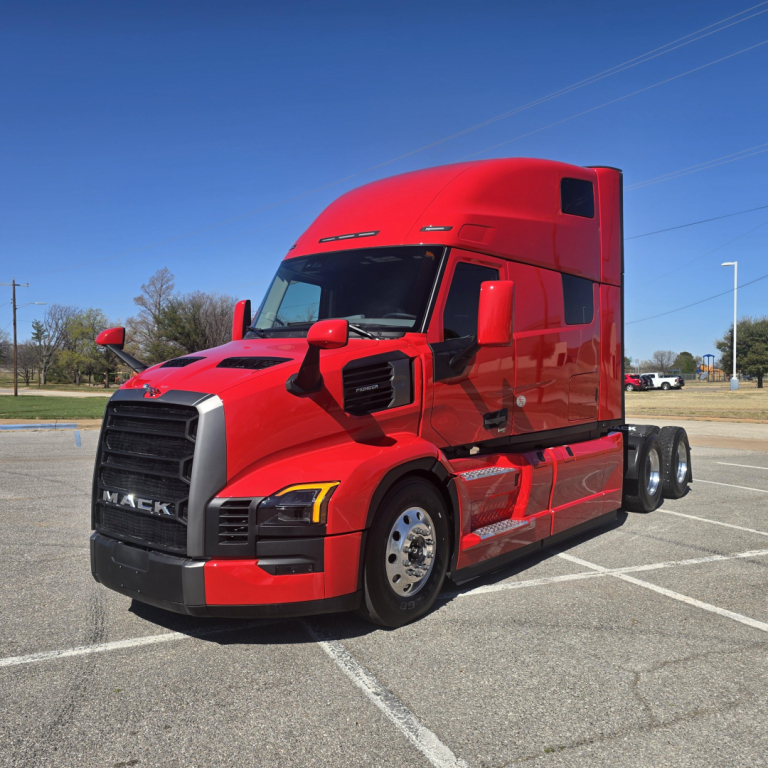
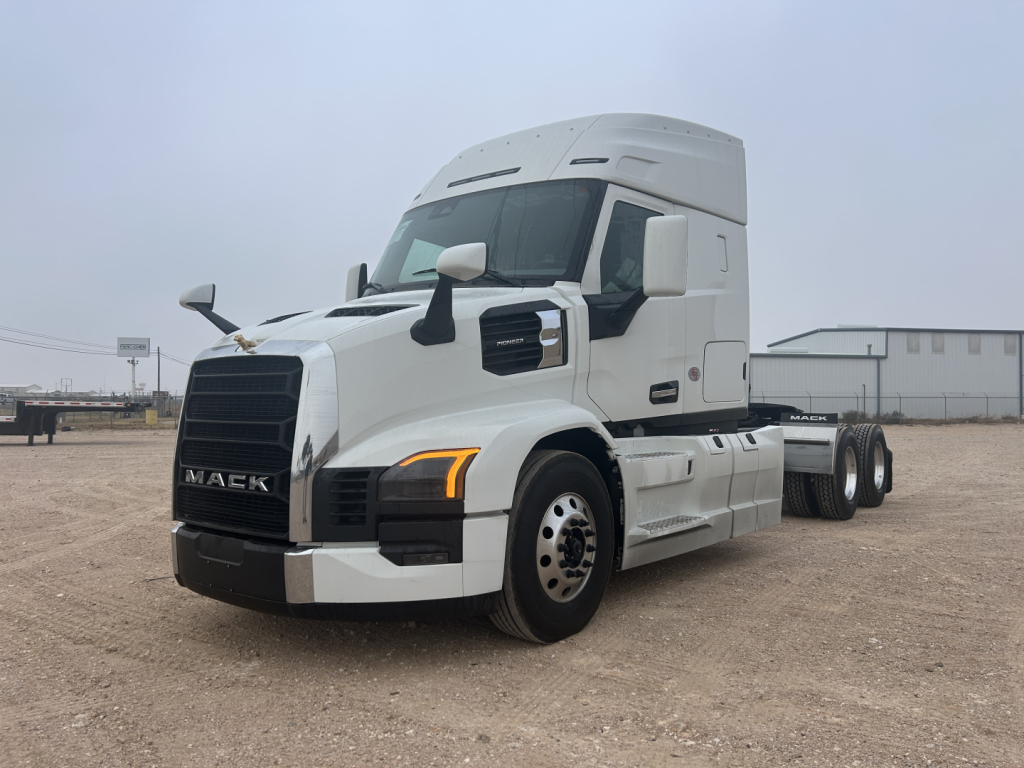
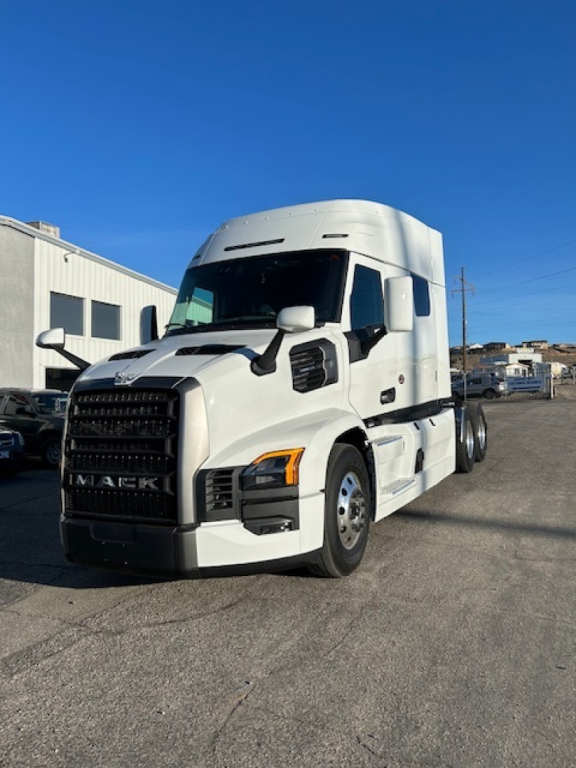
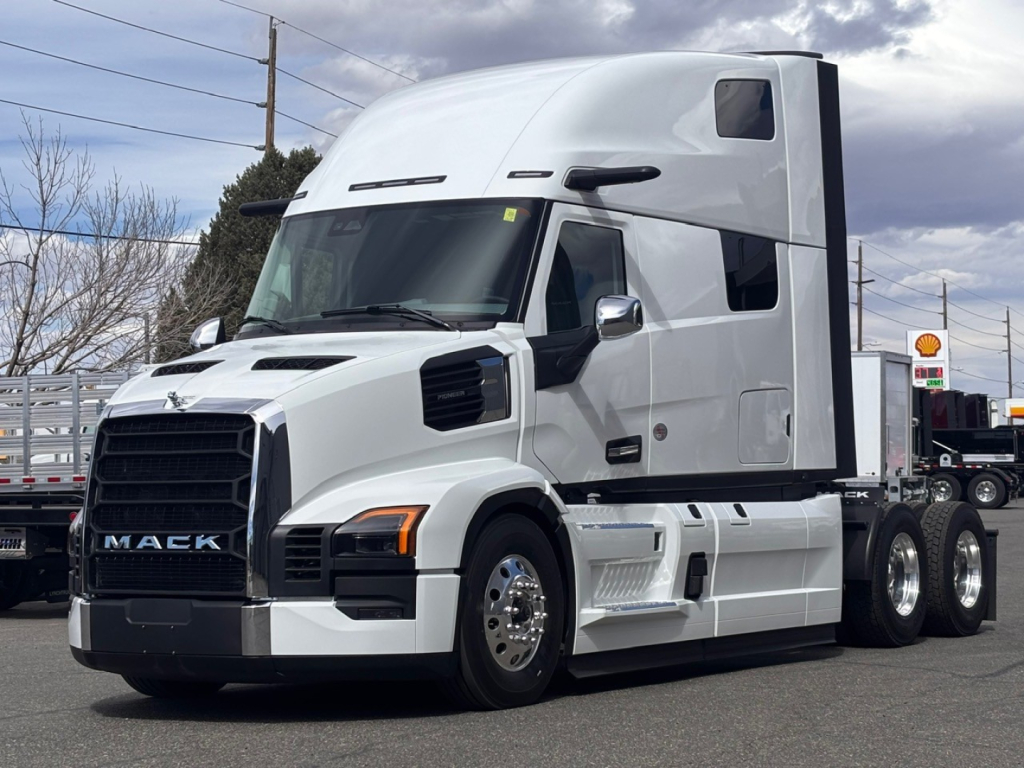
2026 Mack PR64T64
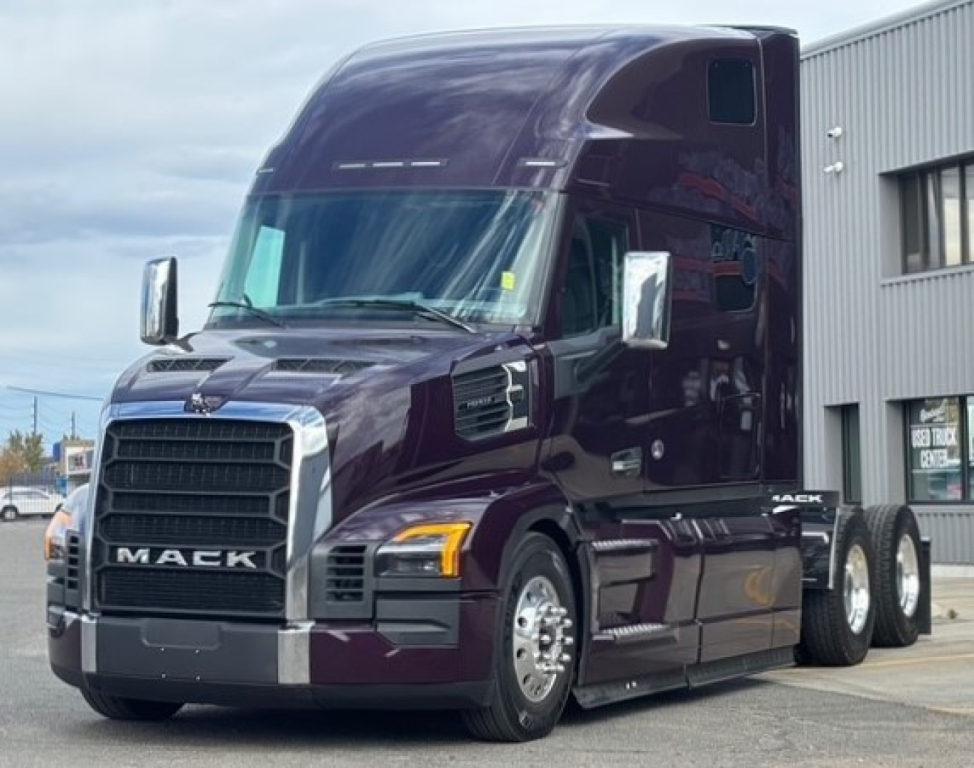

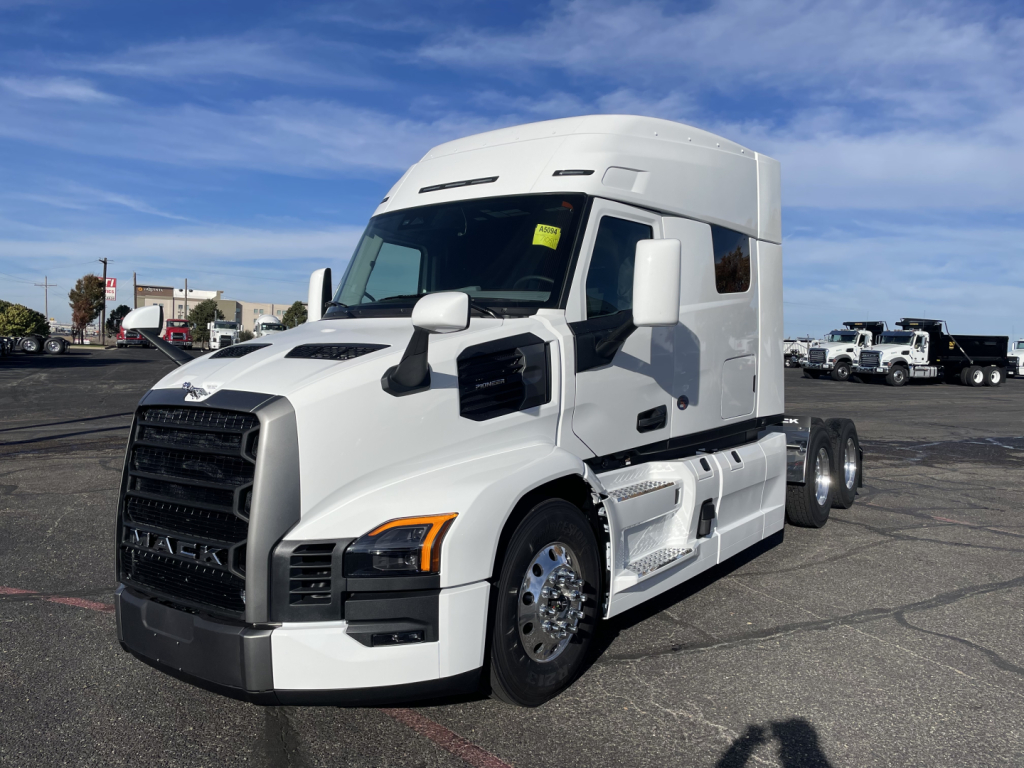
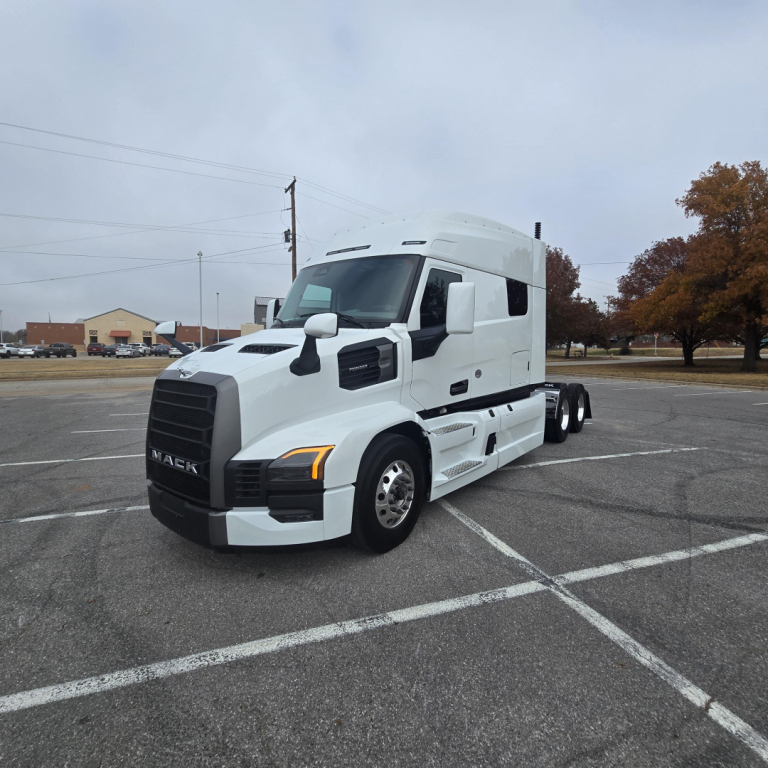
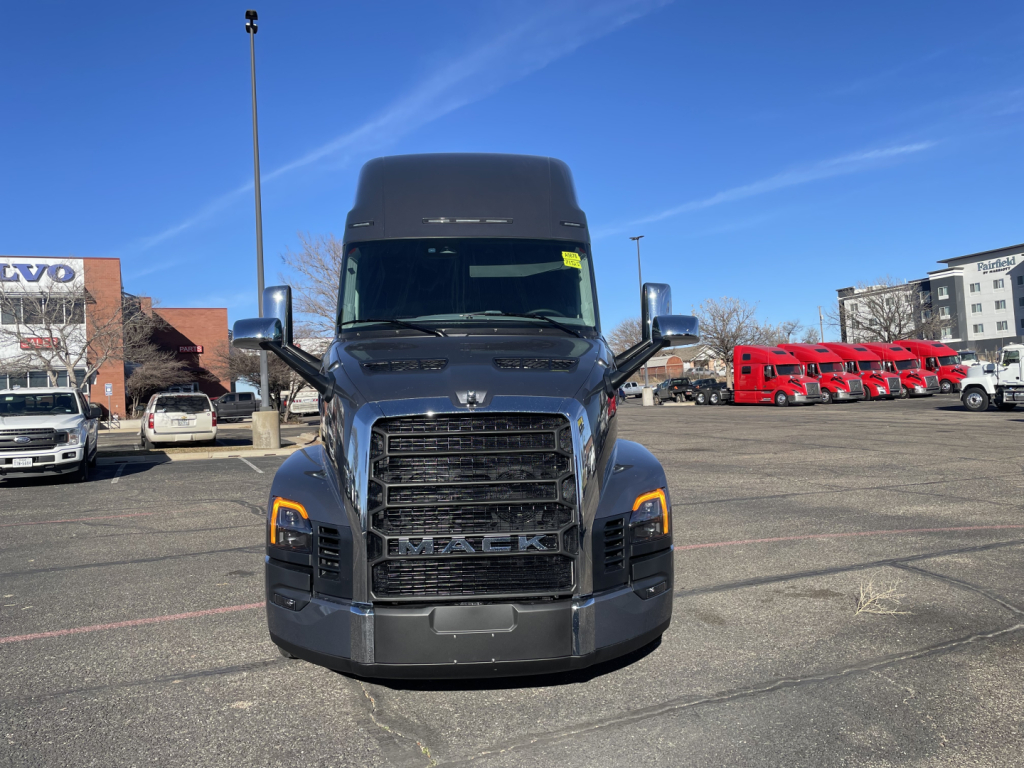
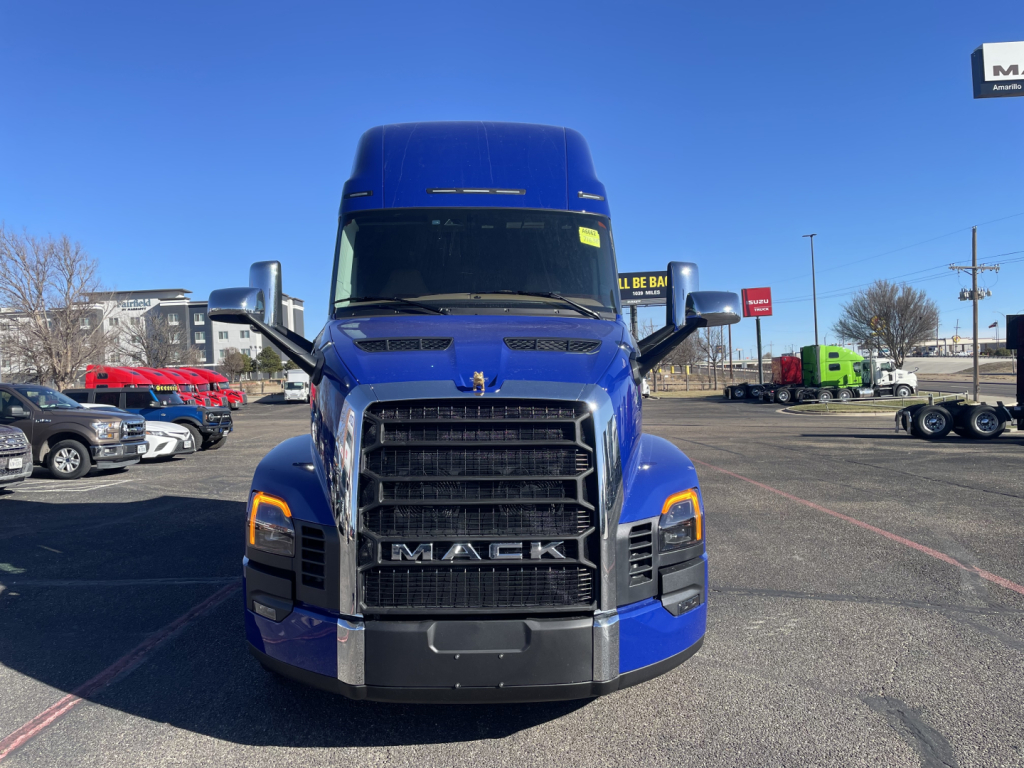
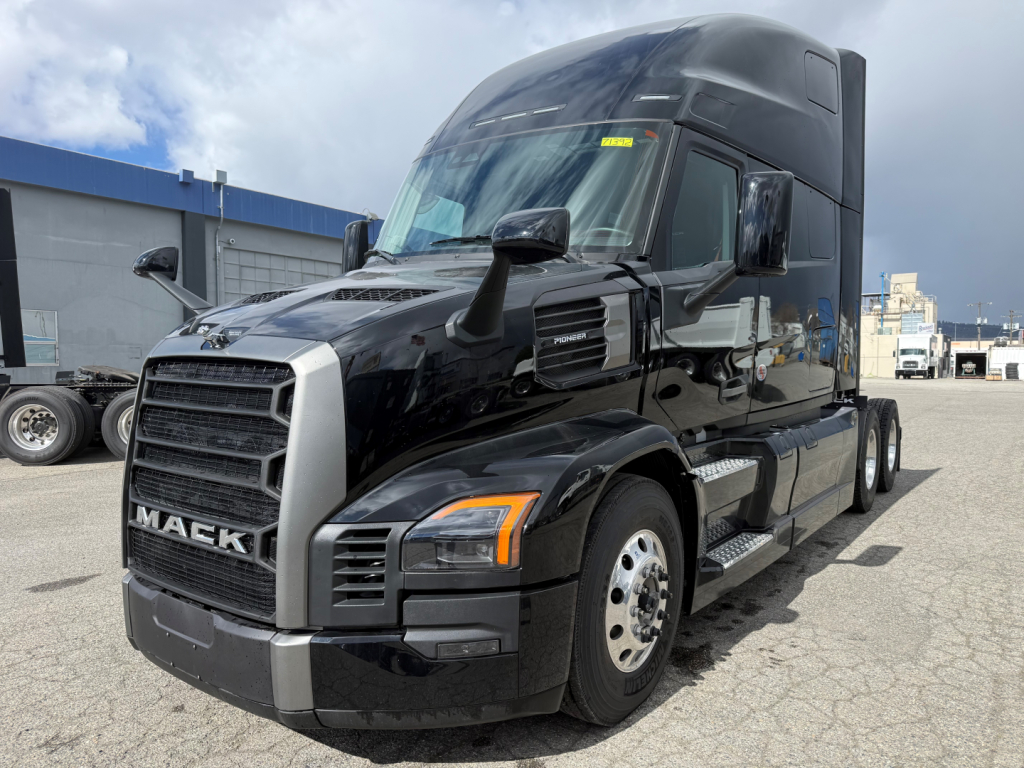
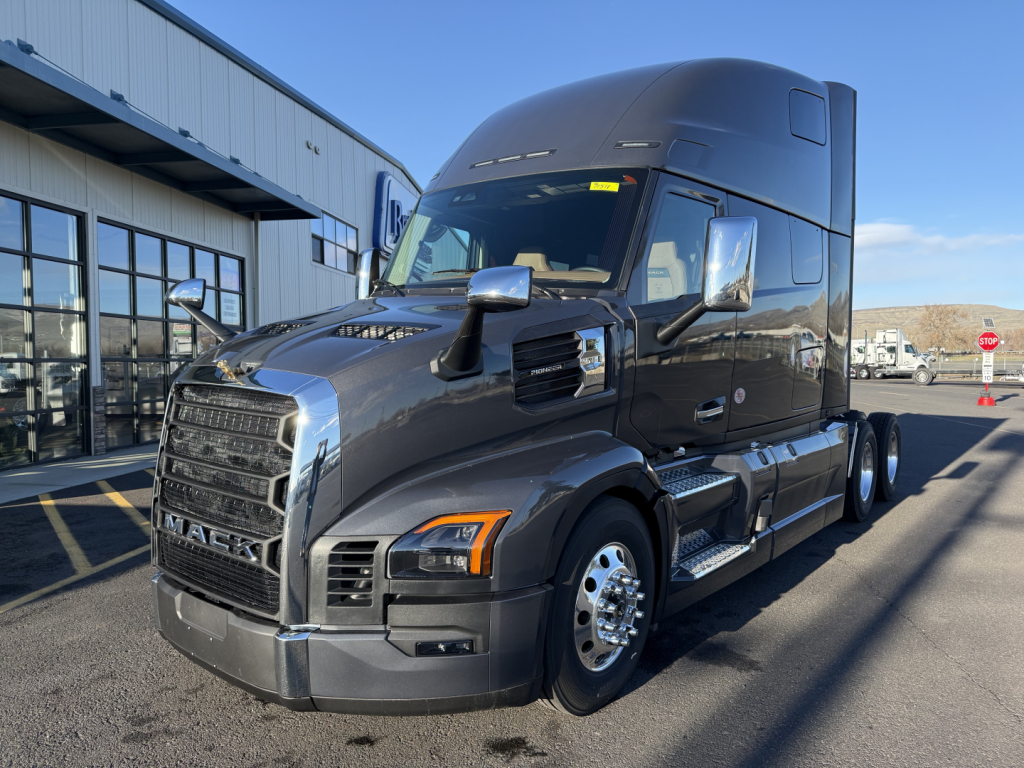

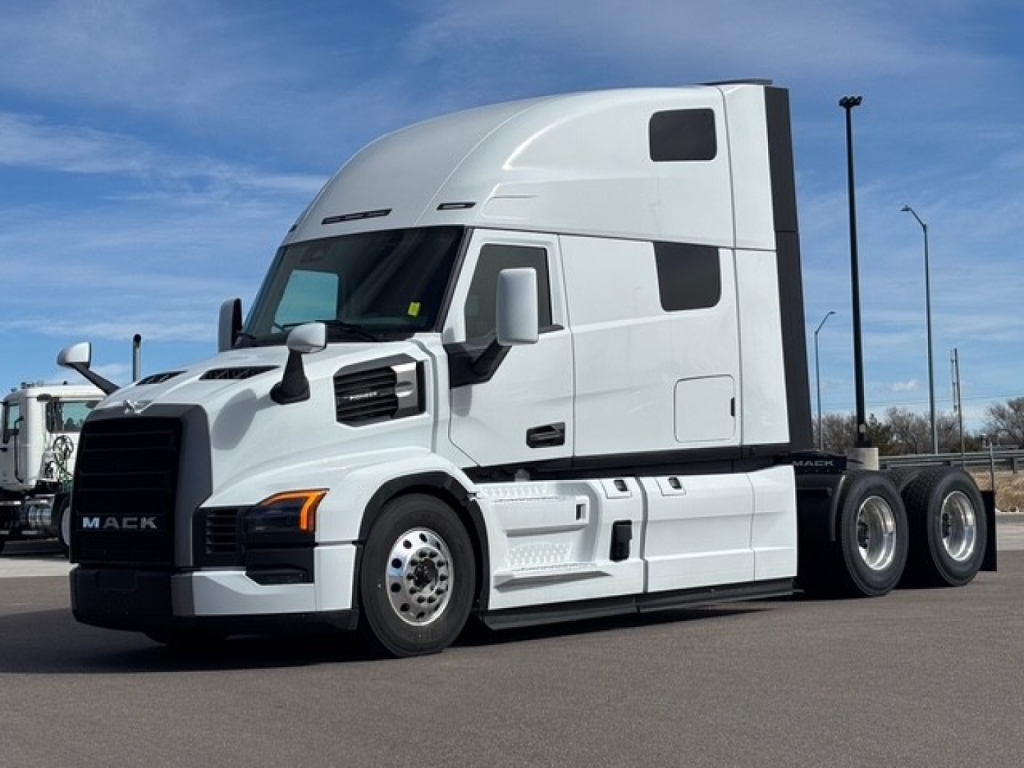
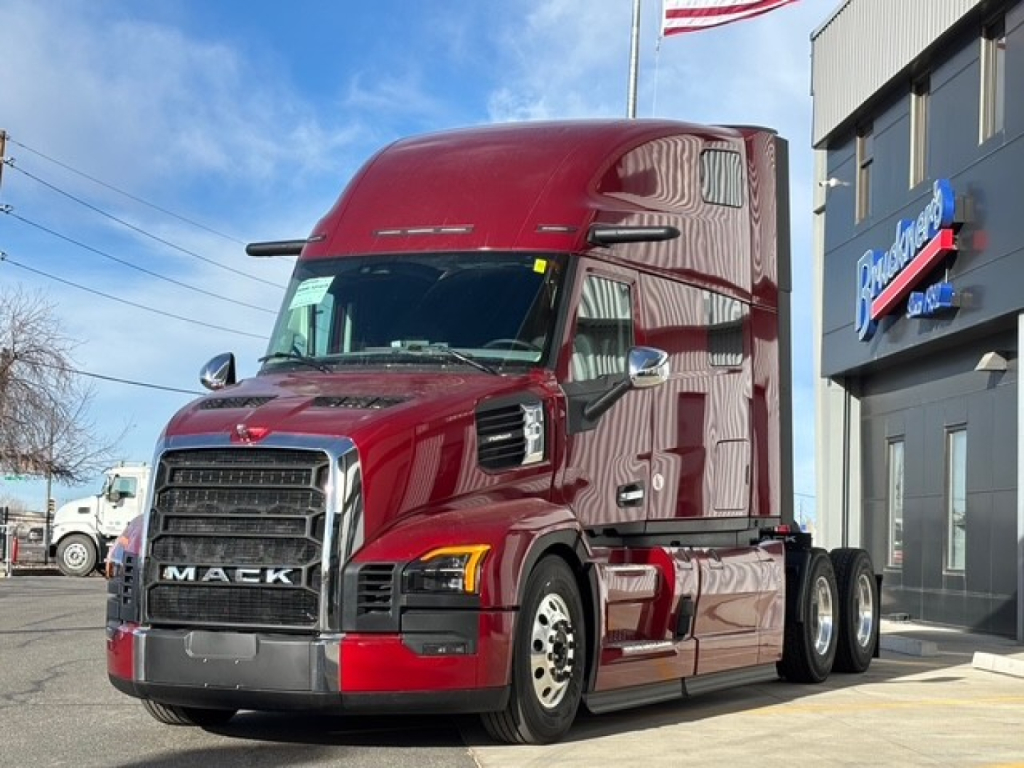
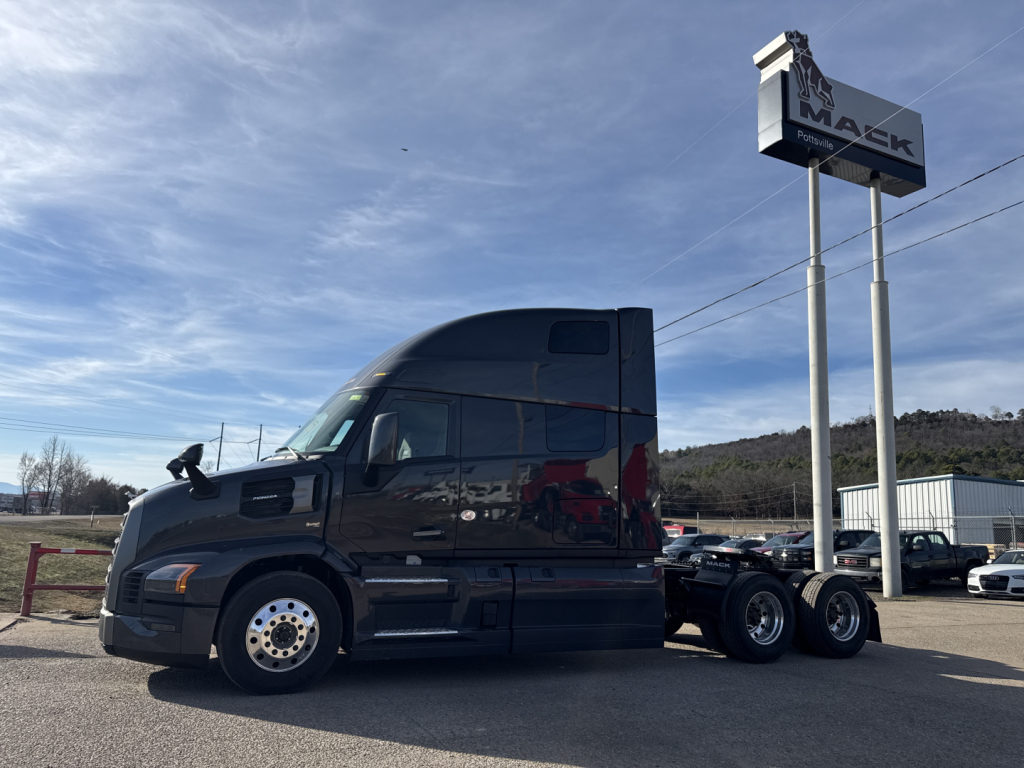
Showing 1 to 28 of 34 results
Selling a new 2026 mack conventional sleeper truck? List your new 2026 mack conventional sleeper truck for sale and reach thousands of commercial buyers.
New 2026 Mack Conventional Sleeper Trucks
The biggest purchase decision in a Mack conventional sleeper usually comes down to cab size, roof height, and fuel capacity. A 64-inch sleeper can make sense for regional overnights or dedicated runs where wheelbase and weight matter. A 76-inch mid-roof or high-roof sleeper gives teams and over-the-road drivers more storage and living space, especially when spec'd with a refrigerator, inverter, bunk configuration, parking heater, or integrated battery-based climate system. Fuel tank layouts commonly range from around 225 gallons total into higher dual-tank capacities, and that matters for lane planning, DEF strategy, and how often the truck needs to stop.
Mack has pushed hard on safety and driver-assist technology in this category, so buyers should compare package content carefully instead of looking only at horsepower. Depending on the spec, features may include adaptive cruise control, lane support, active braking, backup cameras, digital mirrors, blind spot coverage, and disc brakes. Those options can improve driver acceptance and reduce fatigue, but they also affect repair approach, calibration needs, and replacement cost after a collision. Interior trim levels vary as well, from practical fleet specs to premium sleepers with heated and ventilated seats, upgraded audio, sleeper control panels, and shore power. On a highway tractor that may stay out for days at a time, those details are not cosmetic. They directly affect retention and utilization.
A good buyer comparison should focus on engine rating, rear axle ratio, wheelbase, fifth wheel setup, suspension, and sleeper amenities as one complete package. A 445 hp MP13 with 1,850 lb-ft can be a strong fit for general dry van and reefer work, while higher horsepower ratings may better suit heavier gross weights, mountain lanes, or customers that prioritize stronger grade performance. Check the wheelbase against your trailer mix and kingpin settings, and verify that the fifth wheel travel matches your load distribution needs. In this equipment class, the right spec is less about maximum options and more about matching the truck to the freight, terrain, maintenance plan, and the driver who will live in it.
Frequently Asked Questions about New 2026 Mack Conventional Sleeper Trucks
What engine and transmission are common in a new 2026 Mack conventional sleeper truck?
A common setup is the Mack MP13 diesel engine paired with the Mack mDrive 12-speed automated manual transmission. Horsepower ratings often fall in the mid-400s to low-500s, depending on the intended application. This combination is popular in over-the-road service because it supports fuel efficiency, reduces driver workload, and integrates closely with Mack’s powertrain controls.
What sleeper size should a buyer choose in a Mack conventional sleeper?
The right sleeper size depends on route length, driver needs, and wheelbase limits. A 64-inch sleeper is often suitable for regional overnight work or dedicated lanes where maneuverability and lower tare weight matter. A 76-inch sleeper is usually the better fit for long-haul operations, team driving, or any operation where the driver will spend extended time in the truck and needs more storage, bunk space, and room for amenities like a refrigerator or inverter.
Are Mack conventional sleeper trucks good for fuel-efficient highway applications?
Yes, they are designed for linehaul work where aerodynamics, downsped drivetrains, and automated shifting can improve miles per gallon. Fuel efficiency will depend on the full spec, including roof height, axle ratio, tire setup, wheelbase, cruise speed, and trailer type. Buyers should evaluate the truck as a complete system rather than judging fuel economy by engine rating alone.
What safety features should buyers compare on a 2026 Mack sleeper tractor?
Buyers should look closely at driver-assist and visibility features because package content can vary significantly between trucks. Common items in this category include adaptive cruise control, lane support, active braking, backup cameras, digital mirrors, blind spot monitoring, and all-wheel disc brakes. These systems can improve driver confidence and accident avoidance, but they also add calibration and repair considerations that should be understood before purchase.
What axle ratio works best on a Mack conventional sleeper?
There is no single best ratio because it depends on freight weight, terrain, cruise speed, and trailer type. Ratios such as 2.79 are often chosen for fuel-conscious highway service on flatter lanes, while something like 3.42 may be a better fit for heavier loads, more stop-and-go operation, or routes with sustained grades. The best ratio is the one that keeps the engine in its efficient operating range without sacrificing startability or drivability.