
New 2026 Mack Conventional Sleeper Trucks For Sale in Alaska
Shop new 2026 Mack conventional sleeper trucks with MP13 power, M-Drive transmission, high-roof sleepers, and long-haul specs.
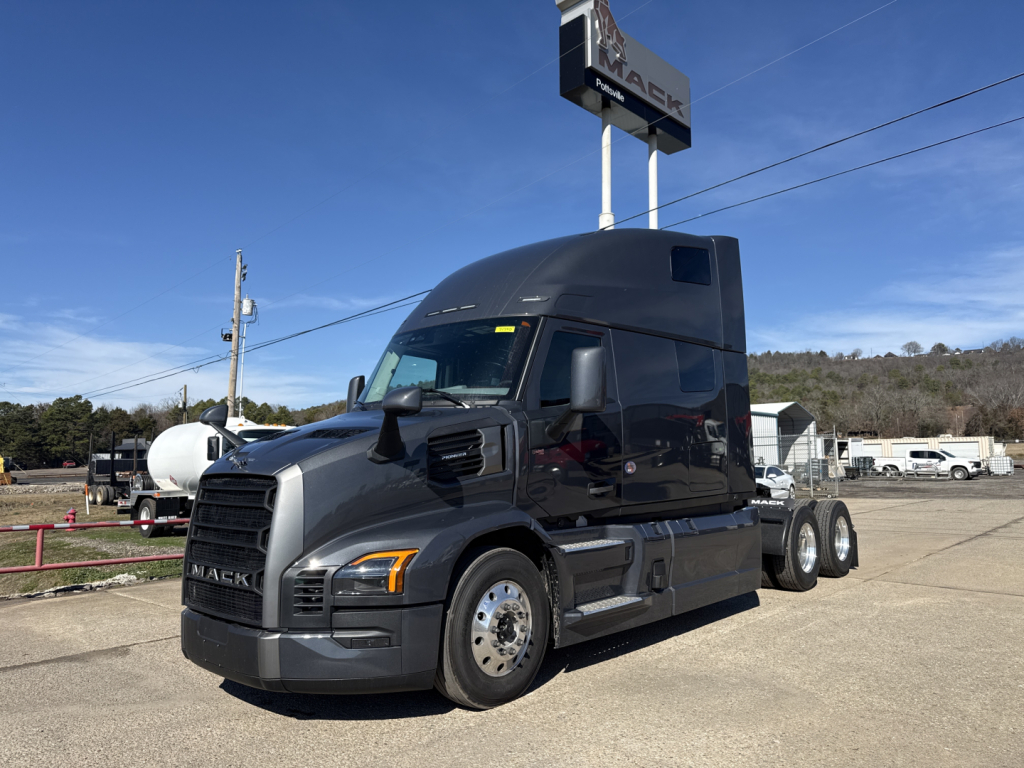
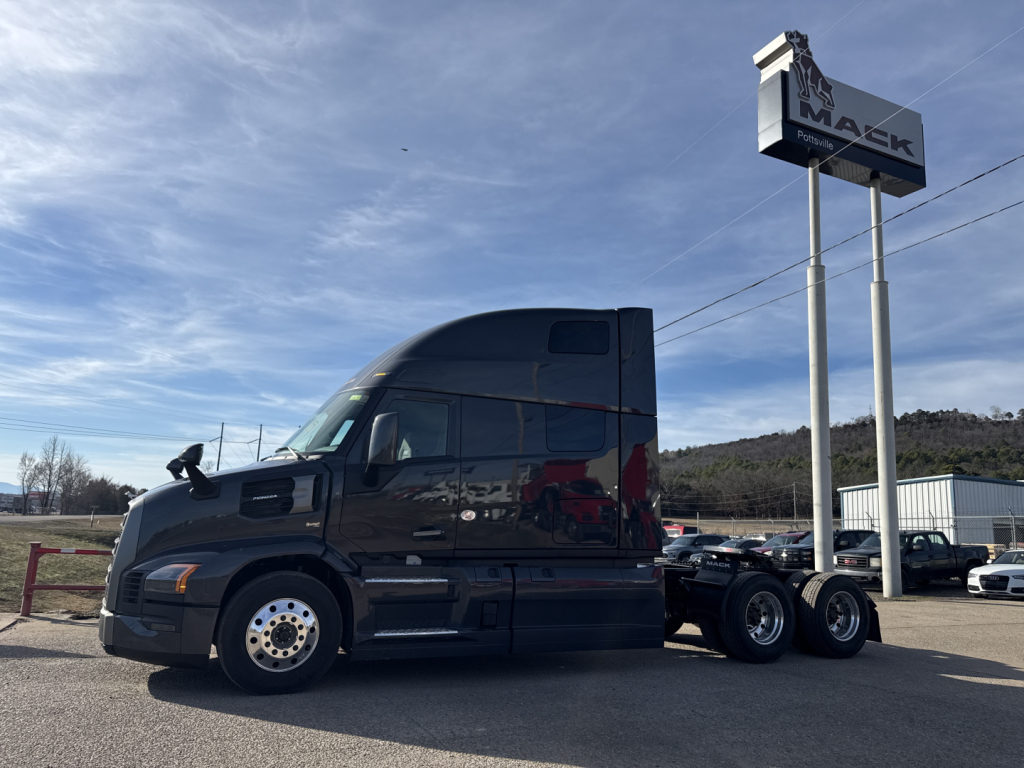
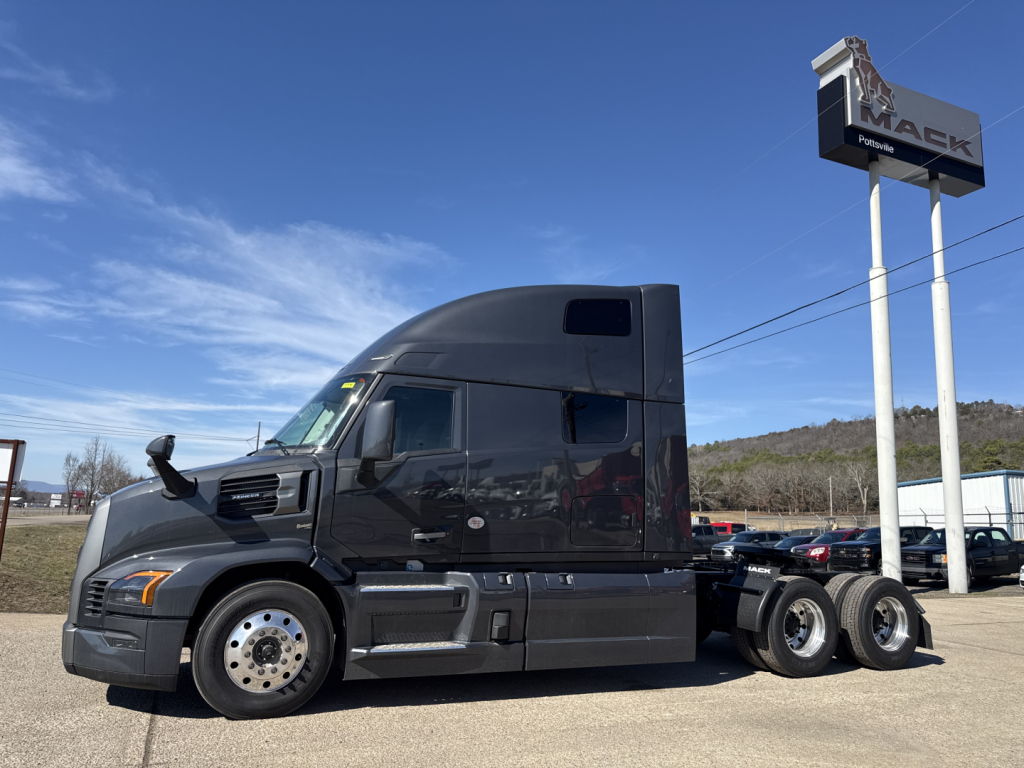
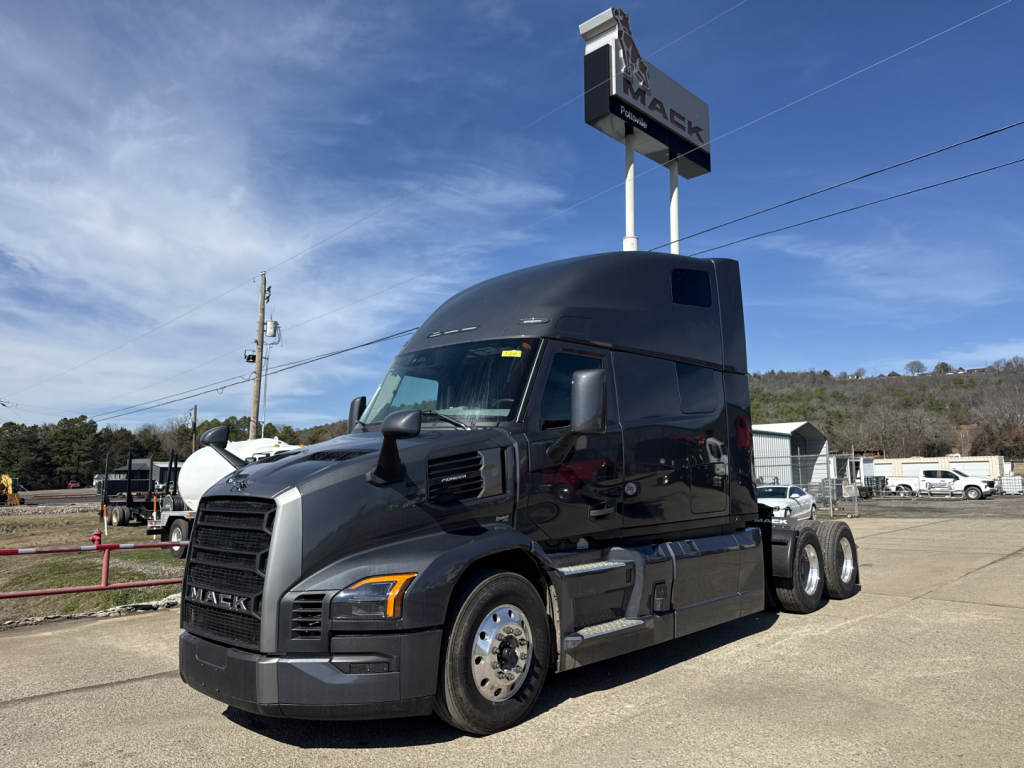
Selling a new 2026 mack conventional sleeper truck? List your new 2026 mack conventional sleeper truck for sale and reach thousands of commercial buyers.
New 2026 Mack Conventional Sleeper Trucks in Alaska
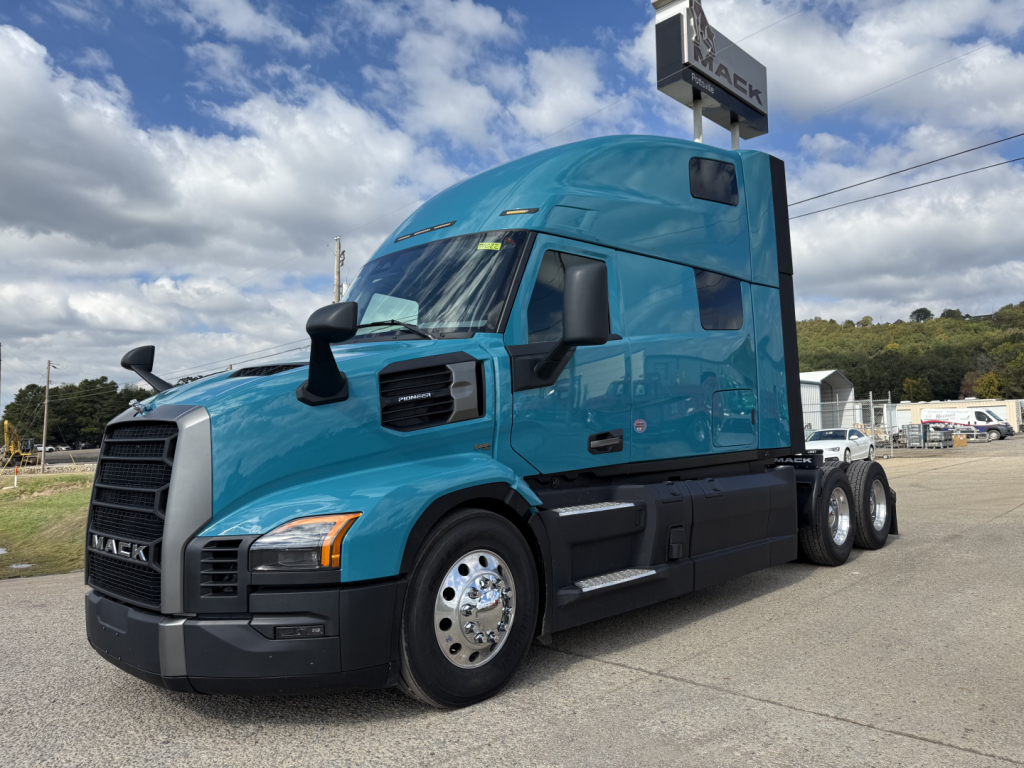
The sleeper and chassis spec deserve close attention because they directly affect how the truck performs in your operation. Many 2026 Mack conventional sleepers are set up with wheelbases around 228 to 238 inches, 13,200 lb front axles, and rear ratios such as 2.64 for efficient highway cruising. Fuel capacity can vary significantly, with dual tank setups commonly ranging from 250 to 325 total gallons. For Alaska buyers, tank capacity, cold-weather starting performance, and cab heat provisions are more than convenience items. Features like a parking heater, electronic climate control, and a well-insulated 76-inch high-roof sleeper can make a real difference in driver comfort during extended idle management or harsh seasonal conditions.
Powertrain integration is one of the main reasons fleets shop Mack sleeper tractors. The Mack MP13 and M-Drive package is designed to work as a matched system, which can help with drivability, shift logic, fuel economy, and service consistency across a fleet. Buyers comparing new Mack conventional sleeper trucks should look at horsepower and torque ratings, transmission programming, axle ratio, and intended cruise speed as one package rather than as separate specs. A low numerical rear ratio can support fuel economy on open highway lanes, but it needs to match the trailer weight, terrain, and average gross combination weight the truck will actually see.
A new 2026 Mack sleeper tractor also gives buyers access to current emissions compliance and the latest safety and driver-assistance features, which matters for fleets running multi-state freight or recruiting experienced drivers. CARB and EPA certification can be important if the truck may eventually rotate into lanes or ownership structures that require broader compliance. Beyond the headline specs, serious buyers should compare sleeper storage layout, bunk configuration, fairing condition and design, fifth wheel placement, and service network support. On a conventional sleeper, the right spec is the one that balances fuel economy, wheelbase, maneuverability, fuel range, and driver livability without compromising the freight the truck is expected to haul.
Frequently Asked Questions about New 2026 Mack Conventional Sleeper Trucks in Alaska
What is a Mack conventional sleeper truck used for?
A Mack conventional sleeper truck is a highway tractor with a sleeper compartment mounted behind the cab, designed for long-haul and regional freight where the driver needs overnight accommodations. These trucks are commonly used for dry van, reefer, dedicated contract freight, and other over-the-road applications that require good fuel range, aerodynamic efficiency, and a comfortable living space.
What specs matter most when buying a new 2026 Mack conventional sleeper?
The key specs are engine rating, transmission, rear axle ratio, wheelbase, axle capacities, sleeper size, and fuel capacity. On many new 2026 Mack sleepers, buyers will see an MP13 engine around 445 HP, an M-Drive automated manual, a 76-inch high-roof sleeper, a 13,200 lb front axle, and 40,000 lb rears. Those numbers need to be matched to your average load weight, terrain, expected cruise speed, and trailer type so the truck performs efficiently in real service.
Is the Mack M-Drive a good choice for long-haul sleeper operations?
For many fleets, yes. The Mack M-Drive automated manual is popular in long-haul applications because it simplifies driver operation, supports consistent shifting, and works closely with the Mack engine calibration. That integrated setup can help with fuel economy, reduce driver fatigue in traffic or mountain grades, and make it easier to standardize training across a fleet. Buyers should still confirm that the transmission programming matches their route profile and gross weight expectations.
Why does rear axle ratio matter on a Mack sleeper tractor?
Rear axle ratio affects engine RPM at cruise speed, gradeability, launch feel, and overall fuel economy. A ratio like 2.64 is often selected for highway efficiency, especially on lighter or mid-weight linehaul work, but the right ratio depends on terrain, trailer weight, and road speed. If the truck will spend more time in steep grades, heavy gross weights, or lower-speed regional service, a different ratio may provide better performance and drivability.
What should Alaska buyers pay attention to on a new sleeper truck?
Alaska buyers should pay close attention to cold-weather equipment, fuel range, heating systems, and the truck’s ability to support driver comfort in extended winter conditions. A parking heater, strong HVAC system, high-roof sleeper insulation, and sufficient fuel capacity are especially important. Buyers should also review tire spec, battery capacity, block heater or cold-start provisions, and how the wheelbase and axle setup fit the routes, surfaces, and service support available in their operating area.