
New 2026 Winch Trucks For Sale
Shop new 2026 winch trucks, including self-loader wreckers and integrated tow trucks with drag winches, underlifts, and recovery booms.
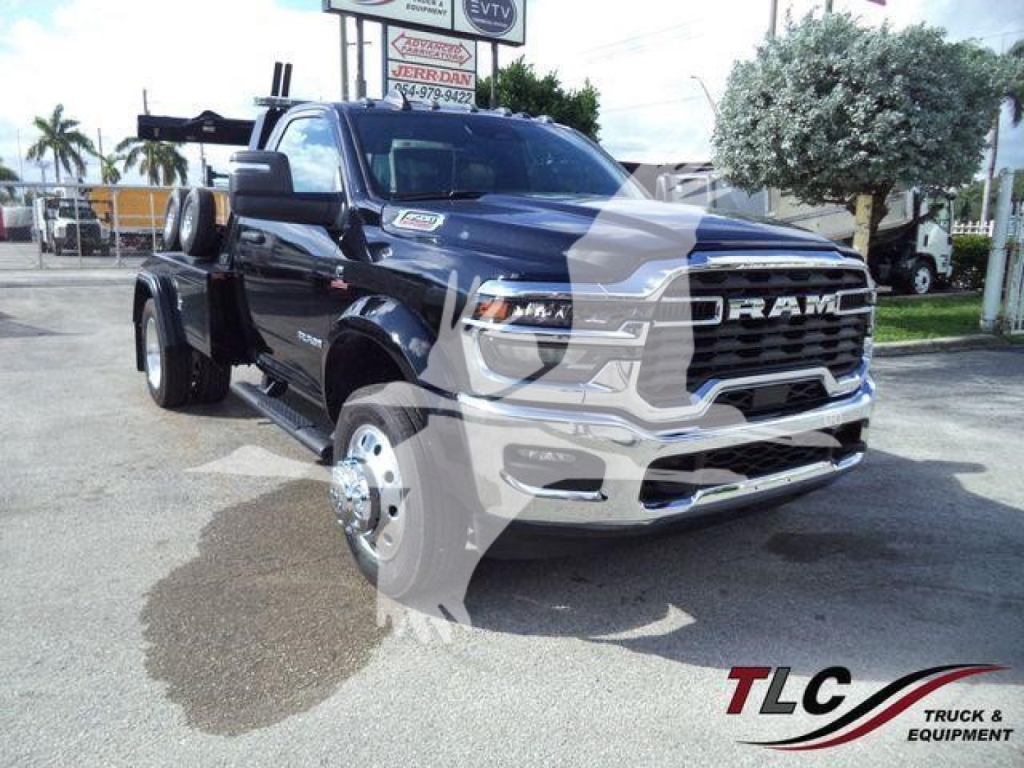
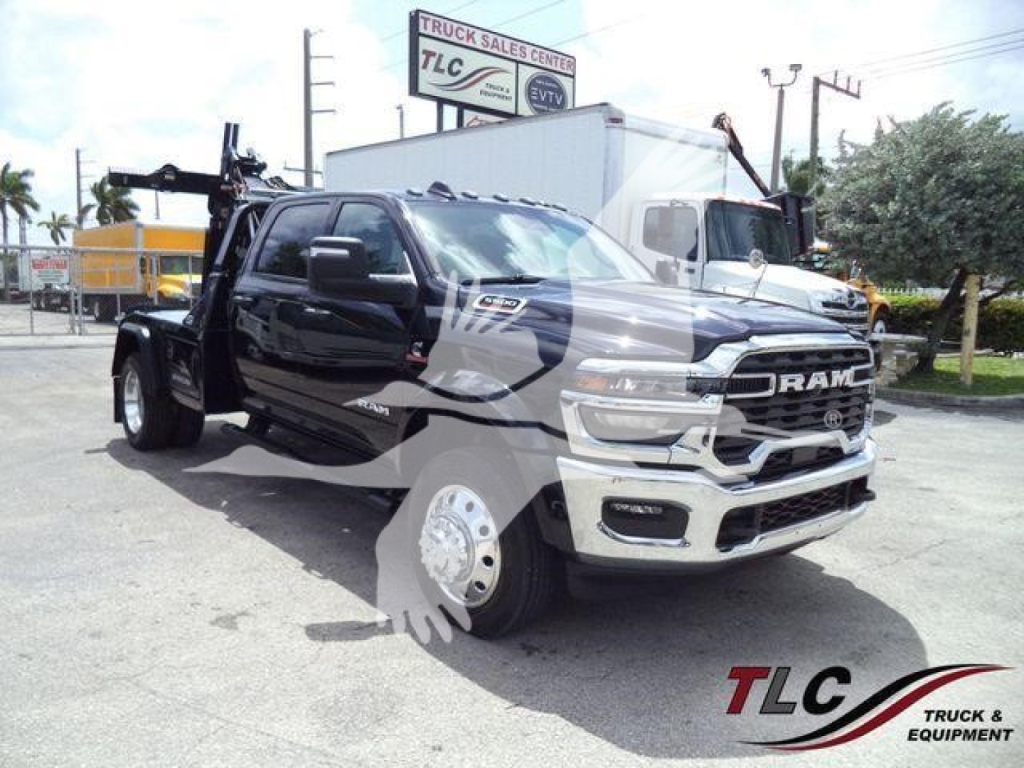
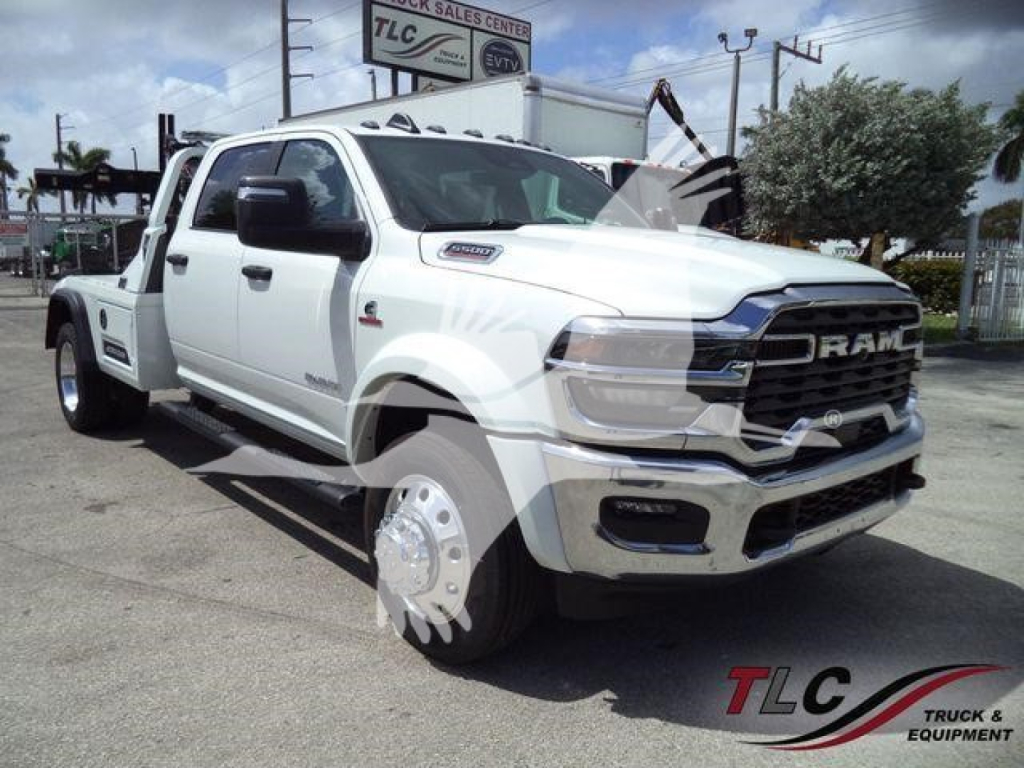
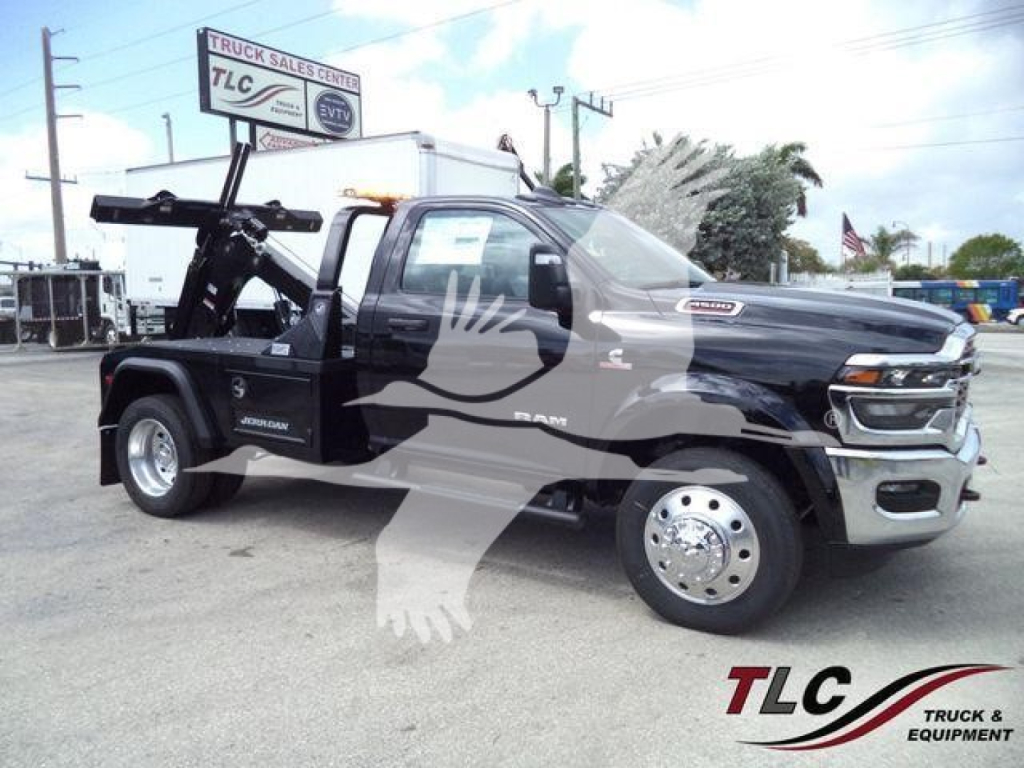
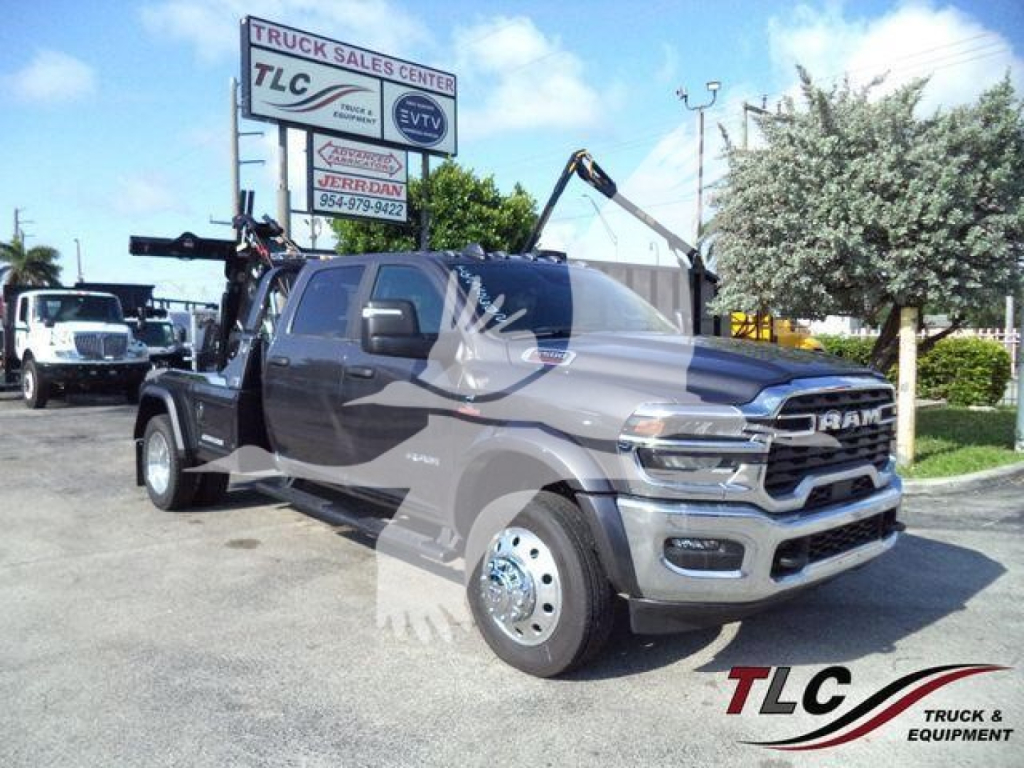
Selling a new 2026 winch truck? List your new 2026 winch truck for sale and reach thousands of commercial buyers.
New 2026 Winch Trucks
Chassis choice matters as much as the wrecker body. In current listings, it is common to see Ram 4500 and 5500 4x2 or 4x4 chassis for light-duty service, and medium-duty platforms like the International MV series for higher-capacity work. Diesel power remains standard, often paired with automatic transmissions such as heavy-duty 8-speeds or Allison automatics. For operators working in snow, gravel lots, or off-pavement scenes, 4x4 can be worth the added cost. For metro repossession, parking enforcement, and high-frequency towing, a 4x2 can offer a lower acquisition cost and slightly simpler maintenance. GVWR, axle rating, brake type, and suspension setup should all match the class of cars, pickups, vans, and small commercial units the truck is expected to tow.
Upfit details separate an average truck from one that works hard every shift. Popular bodies in this category include Jerr-Dan MPL series self-loaders and integrated wreckers in steel or aluminum construction. Aluminum bodies help reduce curb weight and can improve payload margin, while steel bodies are often chosen for durability and lower repair complexity. Look for practical equipment such as tunnel tool boxes, LED work lights, amber light bars, backup cameras, dual fuel tanks, air ride seating, and clear access to chains, straps, L-arms, wheel grids, and frame forks. Hydraulic stiff legs, modular body design, and underlift level-assist features can also improve efficiency and control during recovery operations.
A buyer comparing new 2026 winch trucks should think in terms of job mix, not just rated capacity. A truck handling dealer tows, breakdown calls, and private-property impounds has different needs than one expected to recover loaded vans or perform more technical roadside work. The best fit usually comes from matching turning radius, cab style, wheelbase, body material, and storage layout to the operator’s territory and call volume. A properly spec’d winch truck can serve as a fast-loading repossession unit, a municipal tow truck, or a general service wrecker, but only if the towing gear, chassis ratings, and body design are aligned from the start.
Frequently Asked Questions about New 2026 Winch Trucks
What is the difference between a winch truck and a self-loader wrecker?
In this category, the terms often overlap. Many buyers searching for a winch truck are actually looking for a self-loader or integrated wrecker equipped with one or two drag winches, a wheel-lift or underlift, and a recovery boom. The key difference is that a basic winch-equipped truck may refer broadly to any truck with a recovery winch, while a self-loader wrecker is designed to quickly pick up and tow vehicles without leaving the cab as often, making it more efficient for repossession, impound, and roadside towing work.
What capacity should I look for in a new 2026 winch truck?
Capacity depends on the vehicles you plan to handle most often. Light-duty units commonly use 8,000 lb drag winches and are well suited for passenger cars, SUVs, and light pickups. Medium-duty integrated wreckers may offer 8-ton to 12-ton boom ratings, larger underlifts, and dual winches for more demanding recovery work. Buyers should compare boom rating, underlift rating, winch pull, and chassis GVWR together, because the truck’s real working capability is determined by the complete package, not one published number.
Is a 4x4 winch truck worth it?
A 4x4 chassis is usually worth considering if the truck will work in snow, mud, rural roads, construction areas, or uneven recovery scenes where traction matters. It can improve access and reduce the chance of getting stuck during a hook-up. A 4x2 chassis is still a strong choice for urban towing, paved routes, and high-volume impound work where lower cost and simpler driveline maintenance may be more important than off-road capability.
Are aluminum wrecker bodies better than steel bodies?
Aluminum bodies are popular because they reduce weight, resist corrosion well, and can leave more usable capacity within the truck’s overall rating. Steel bodies are still widely used because they are rugged, familiar to repair, and often cost less upfront. The better choice depends on operating environment, expected service life, repair practices, and how closely the build needs to manage weight on a lighter chassis.
What equipment should be included on a winch truck for daily towing work?
Most buyers want the truck equipped with the towing and recovery gear needed to go directly into service. That usually includes safety chains, wheel-lift straps, tow socks, L-arms or wheel grids, frame forks, work lights, an amber light bar, and secure toolbox storage. On larger integrated units, features like dual winches, hydraulic stiff legs, backup cameras, and underlift assist systems can make daily operation safer, faster, and more versatile.