
New Winch Trucks For Sale
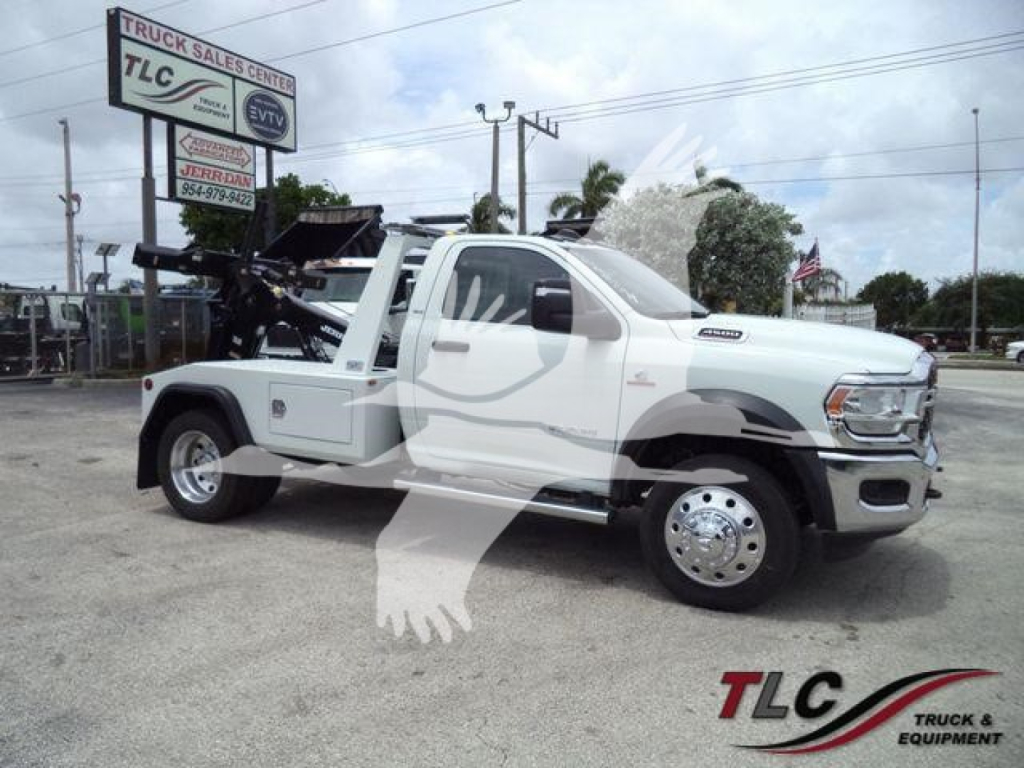
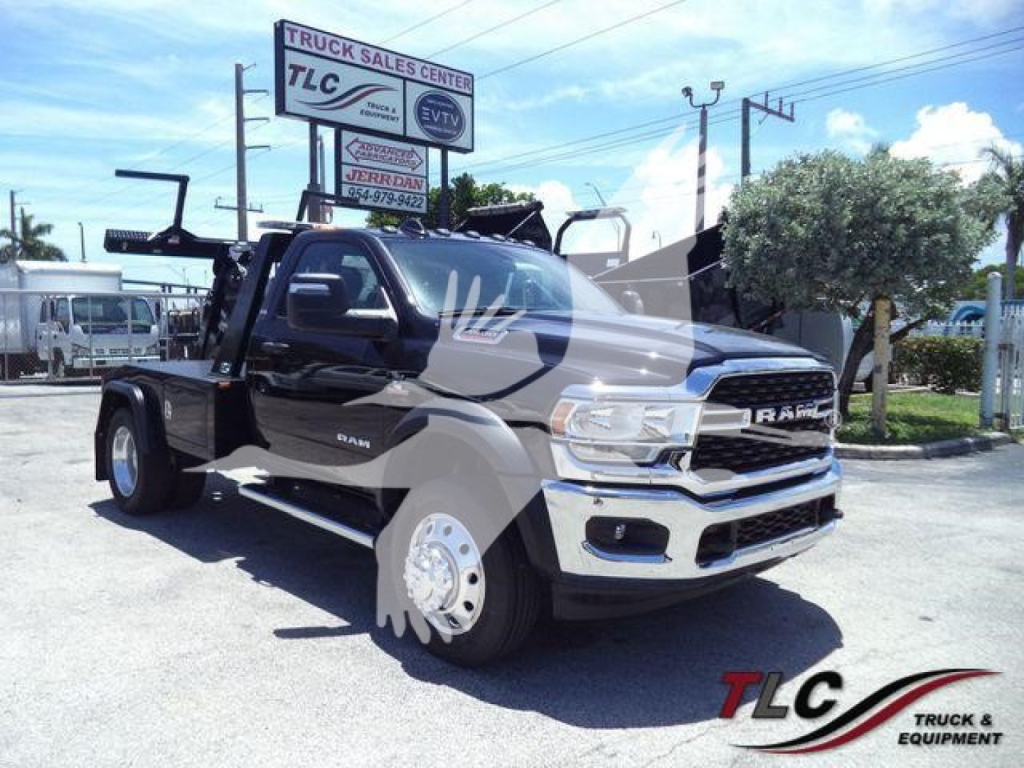
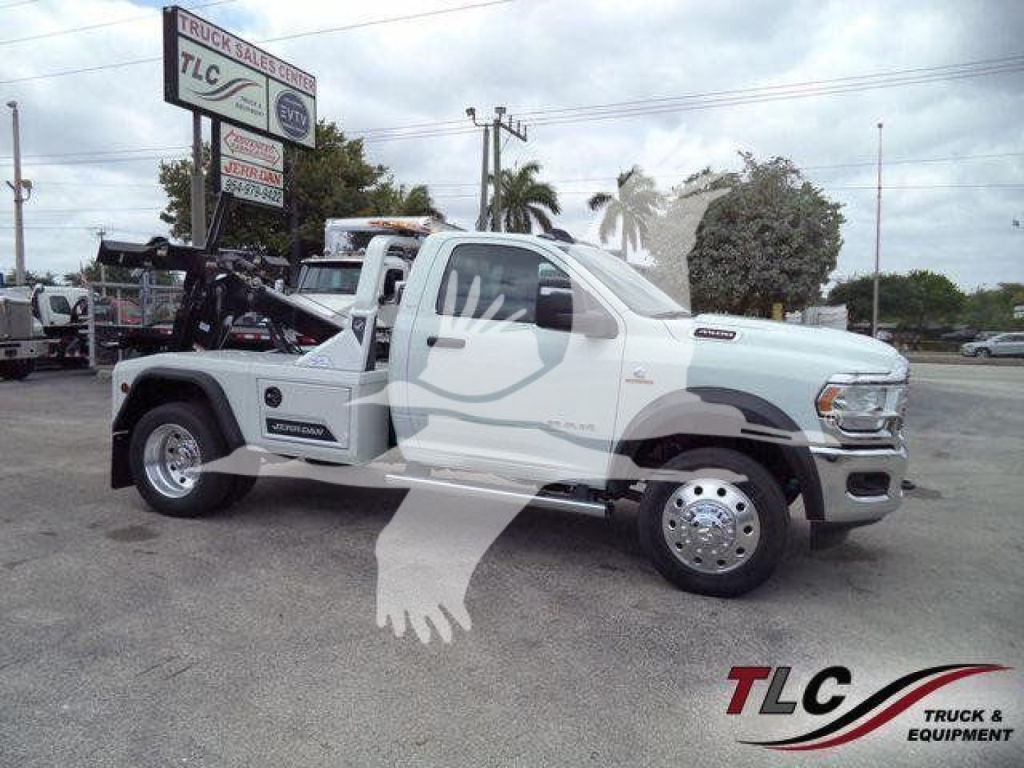
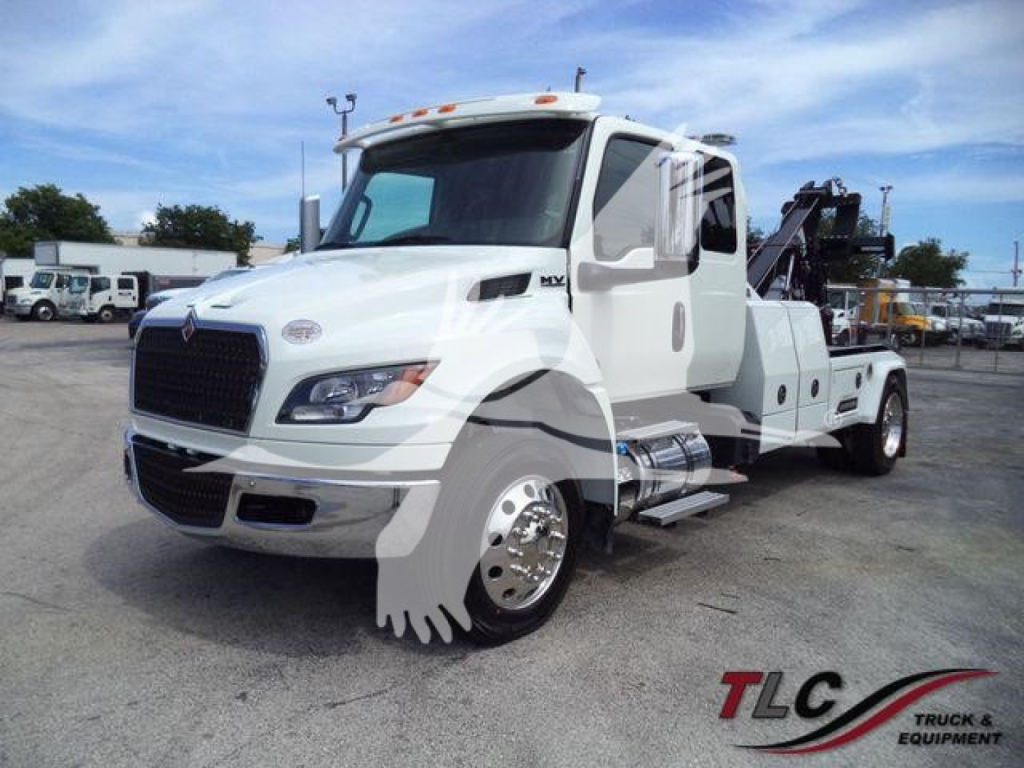
Shop new winch trucks and self-loader wreckers with 4x4 chassis, diesel power, underlifts, and drag winches for towing and recovery work.
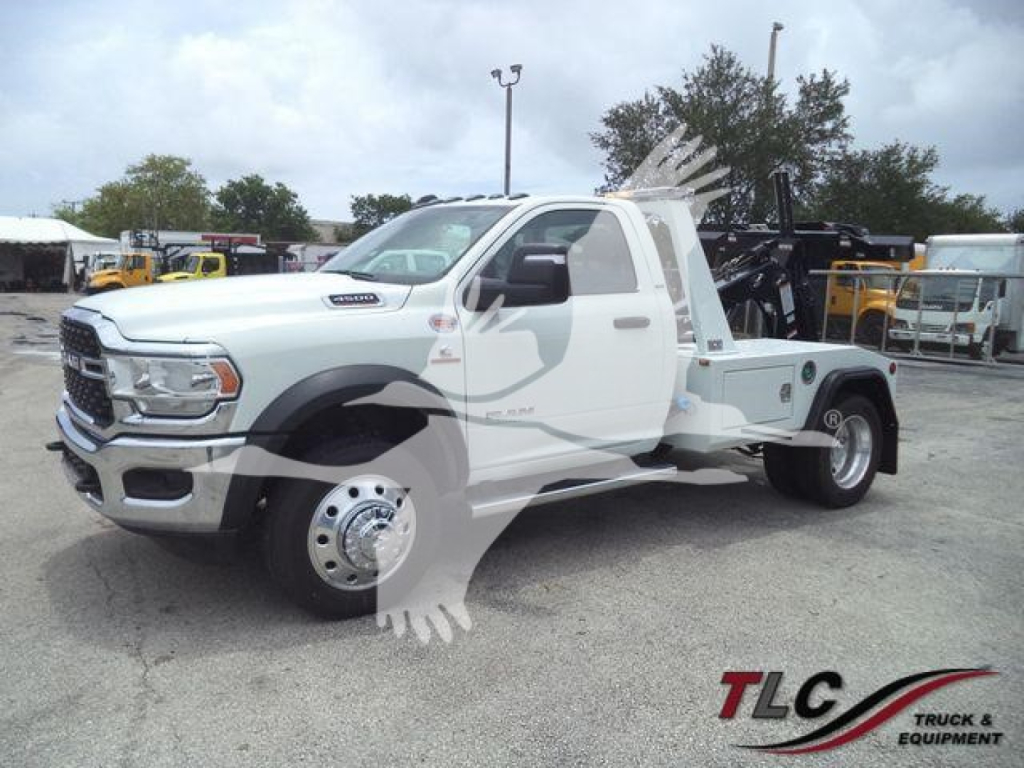
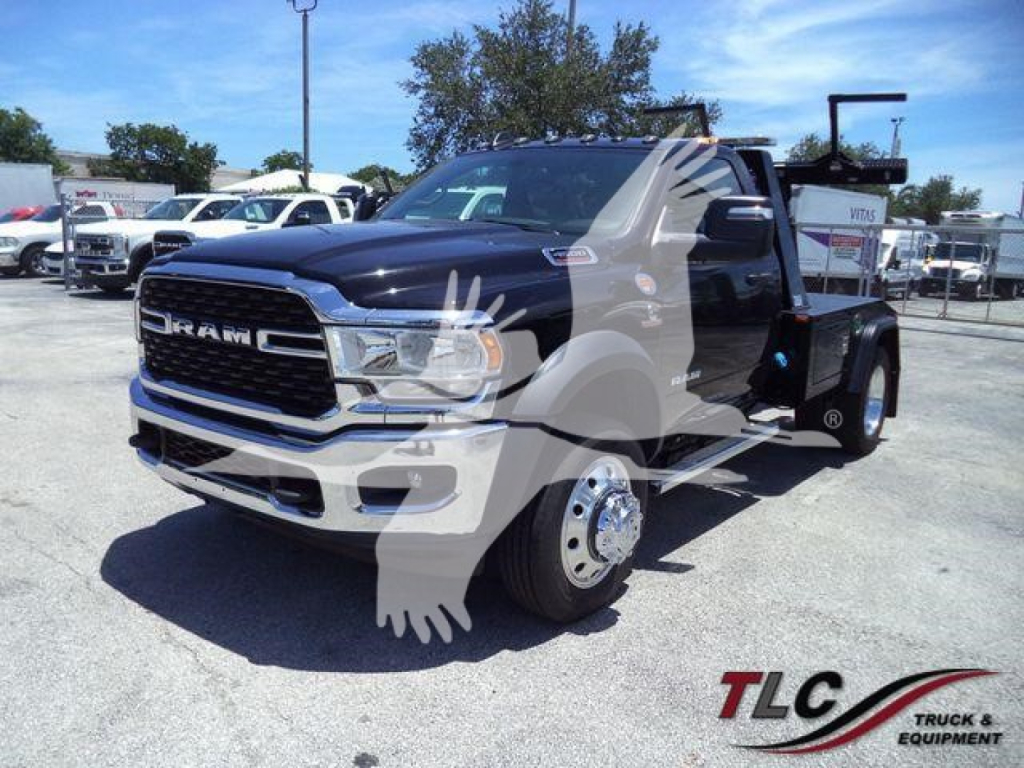
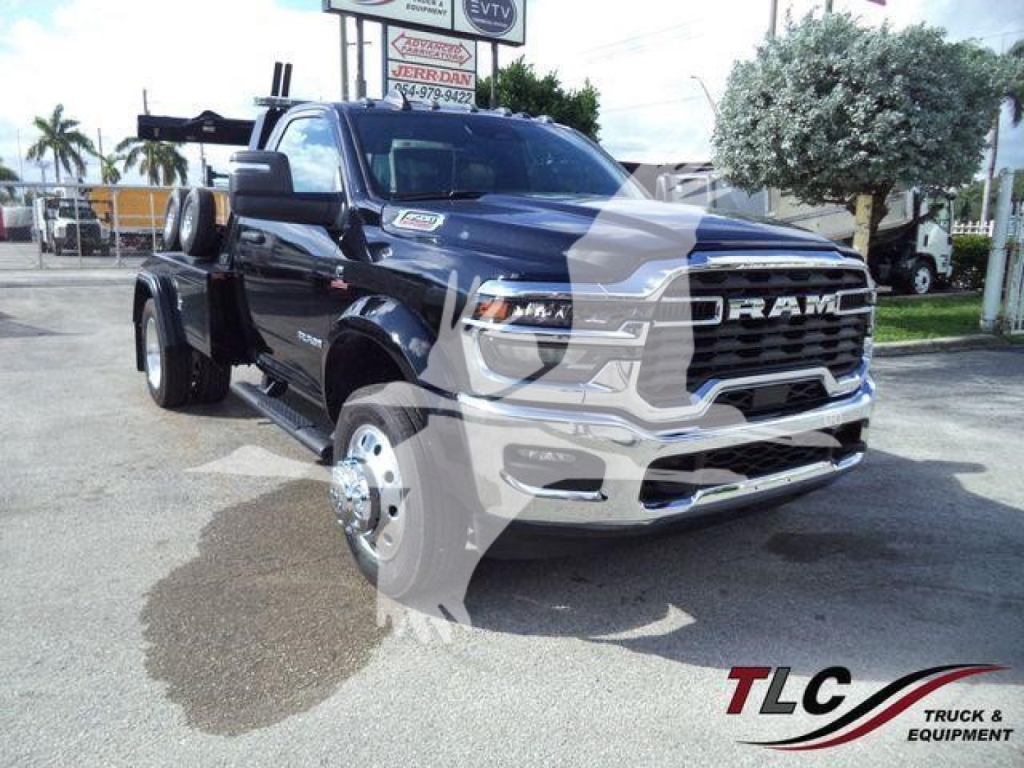
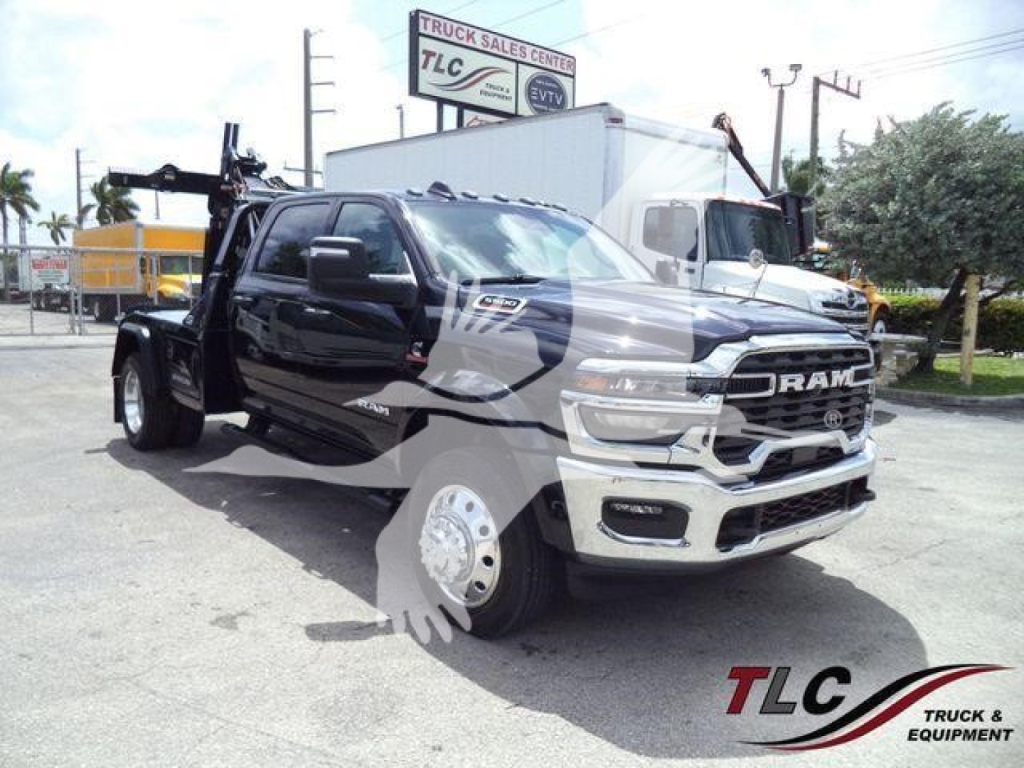
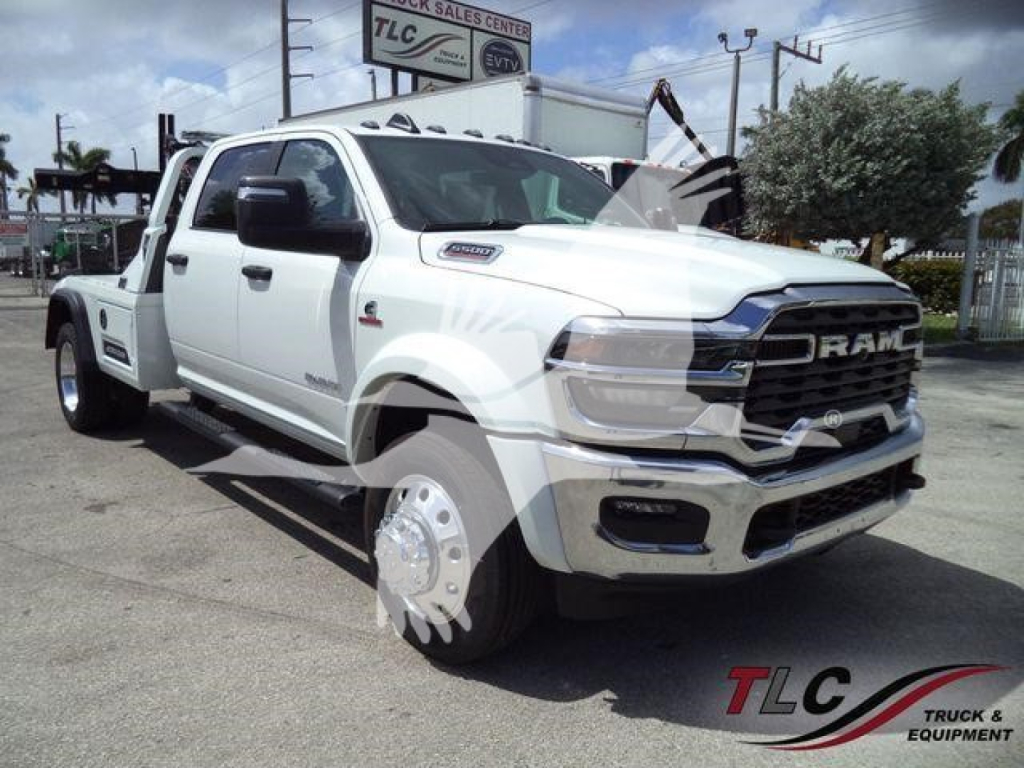
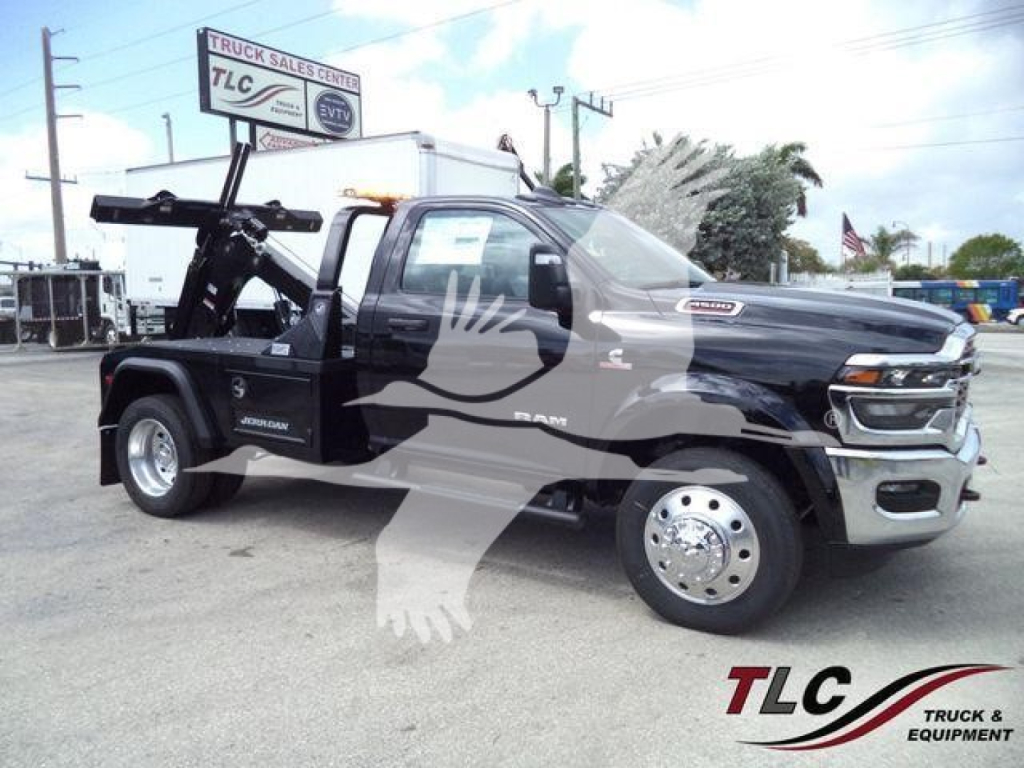
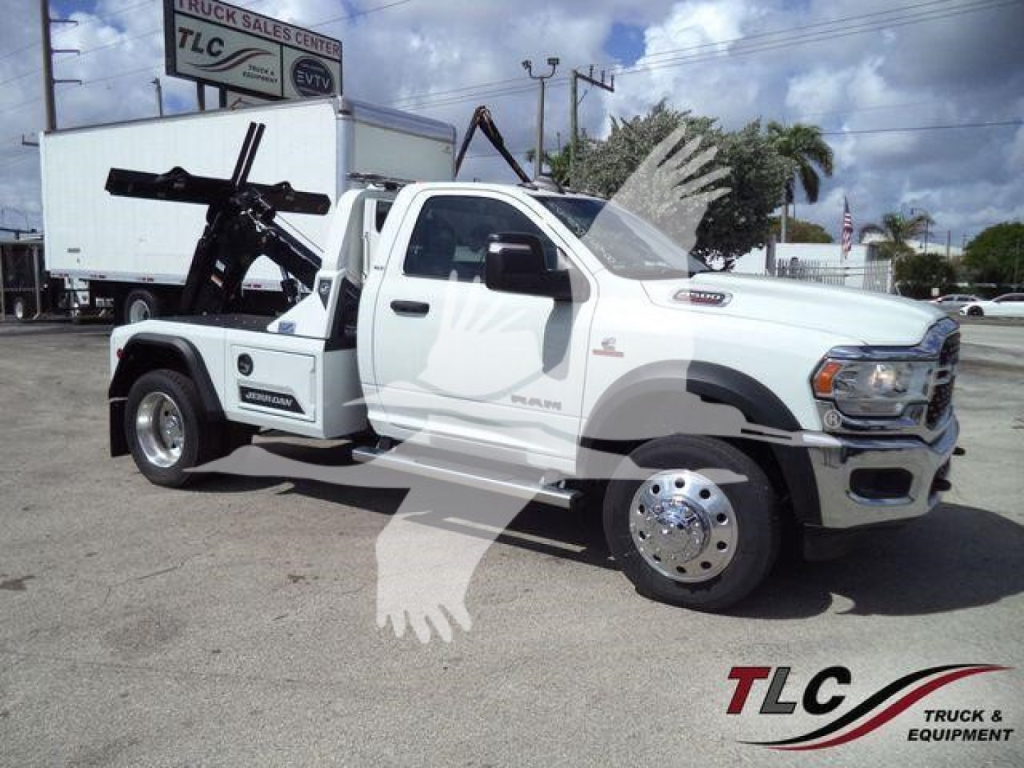
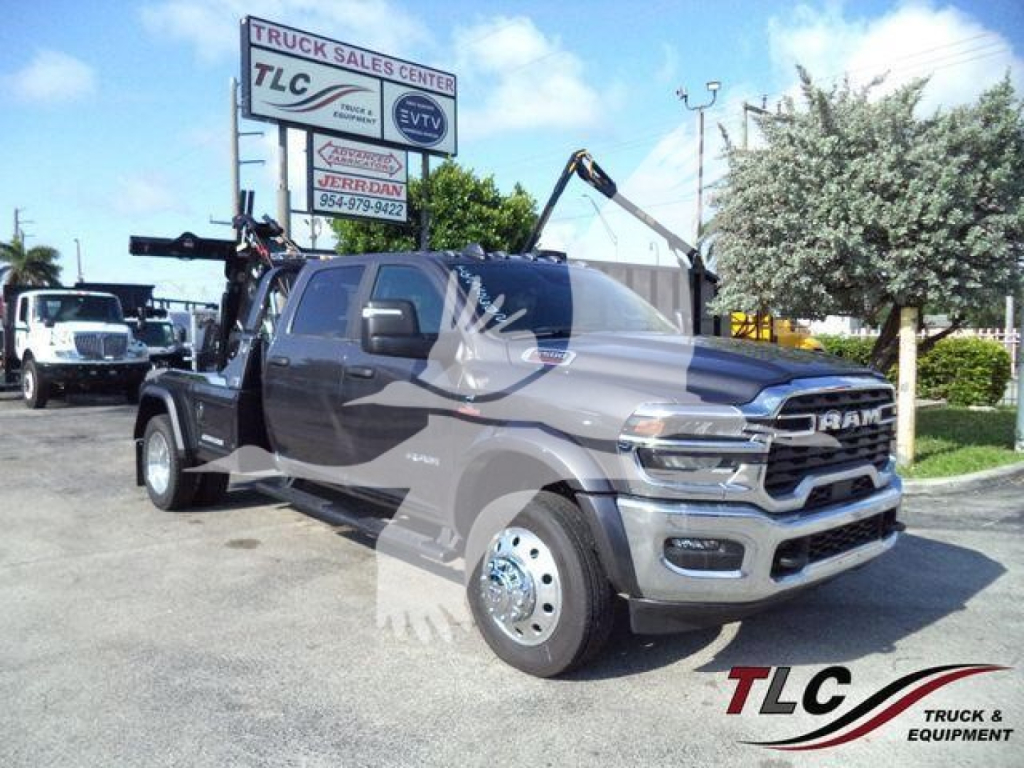
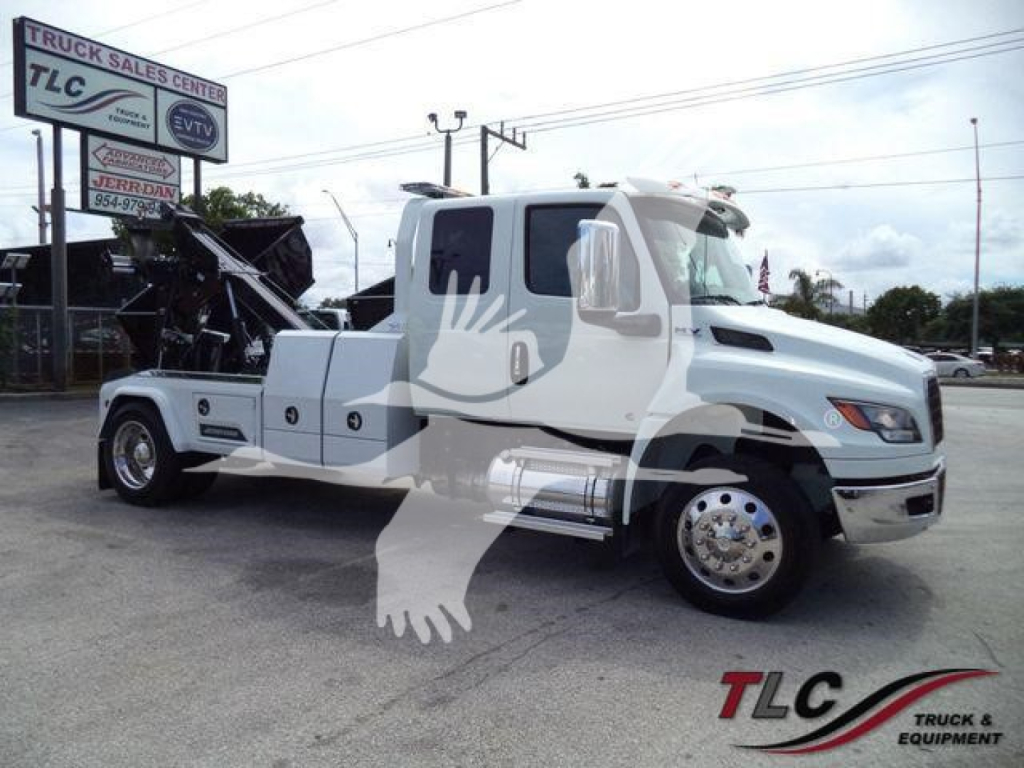
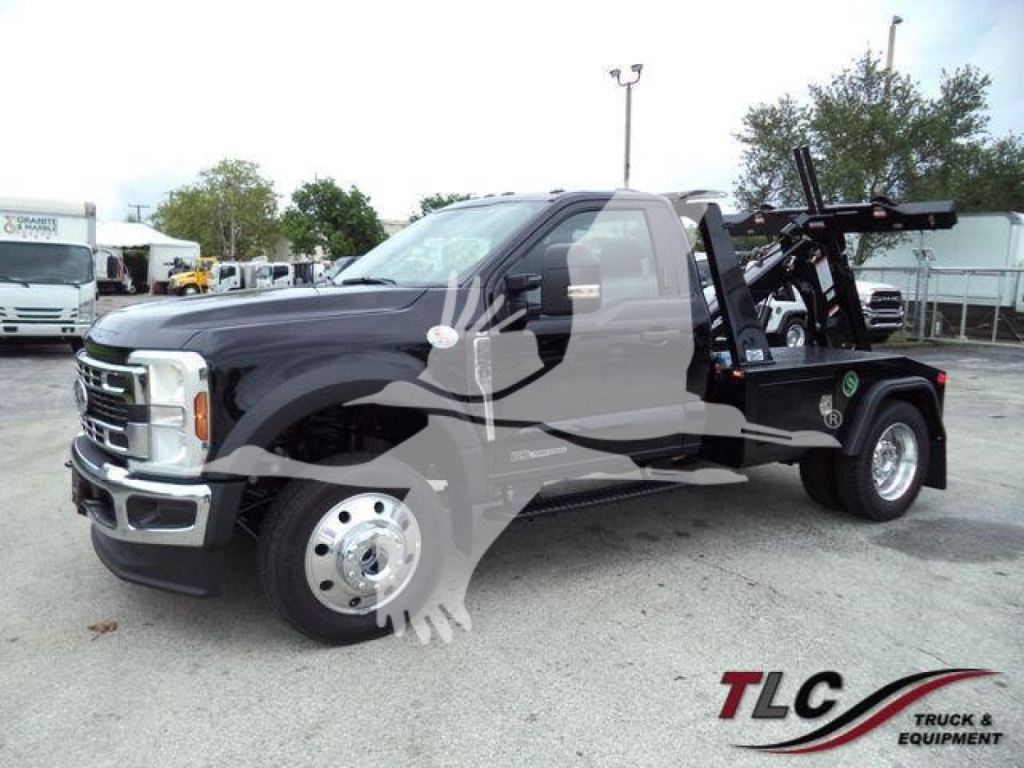
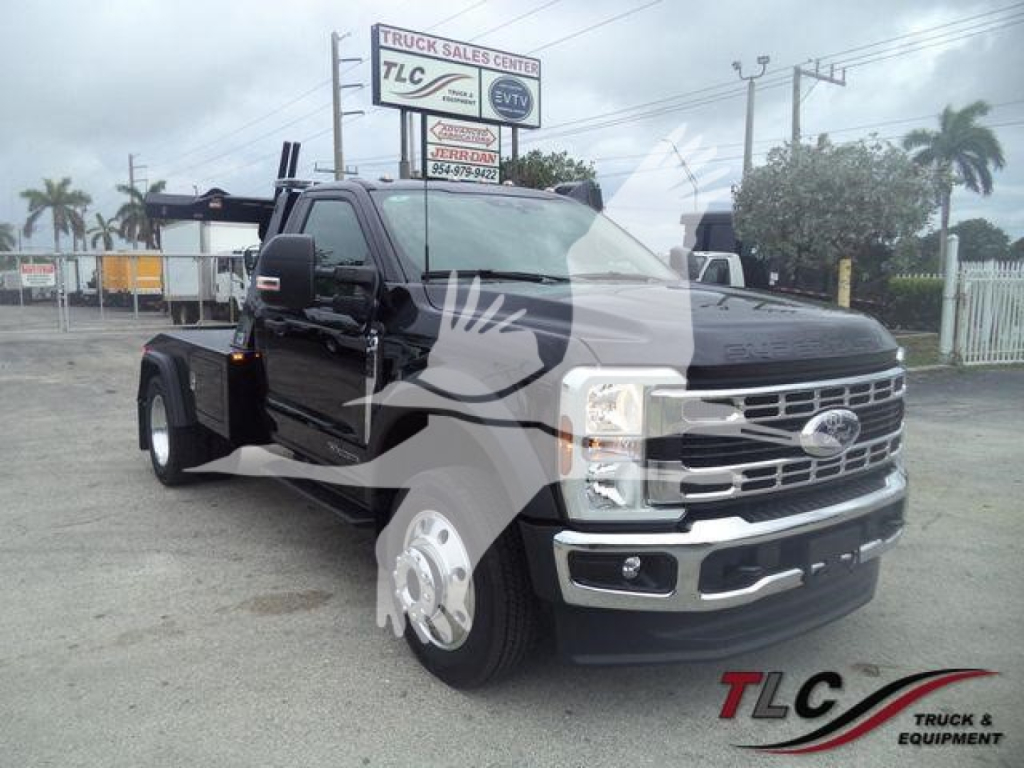
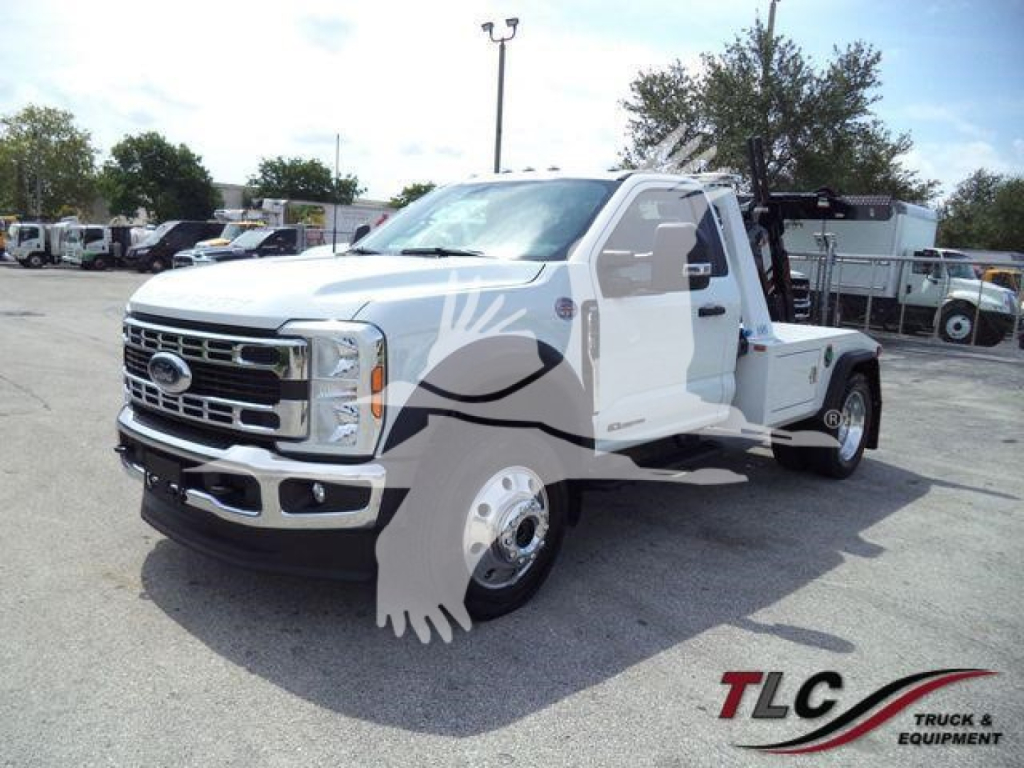
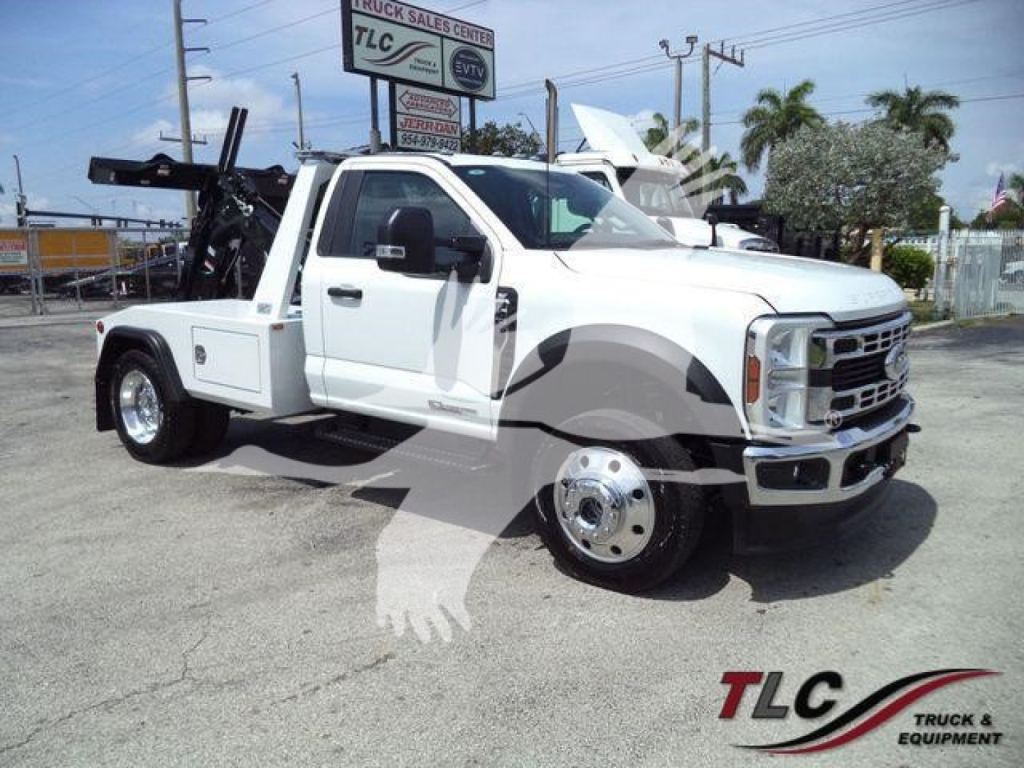
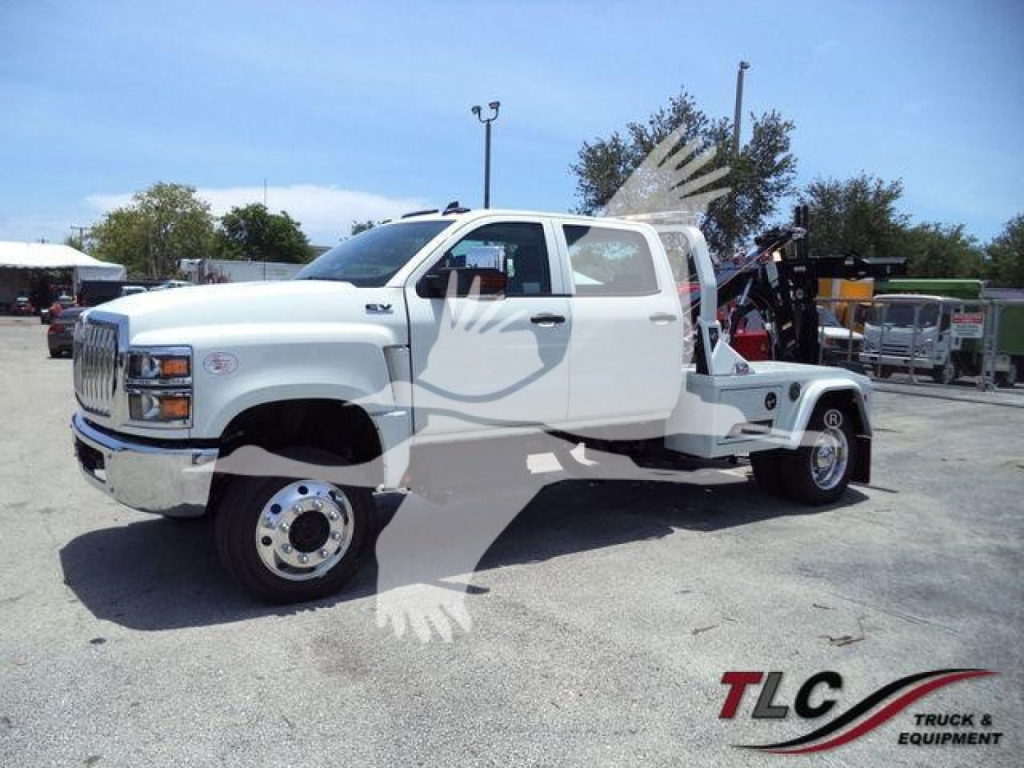
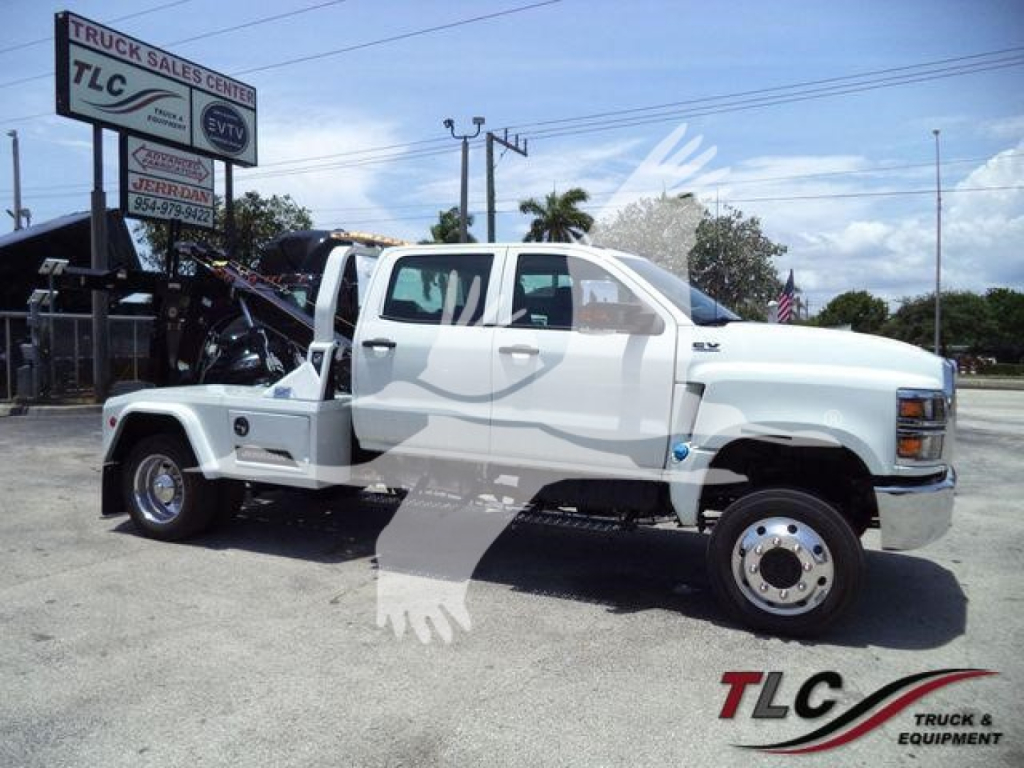
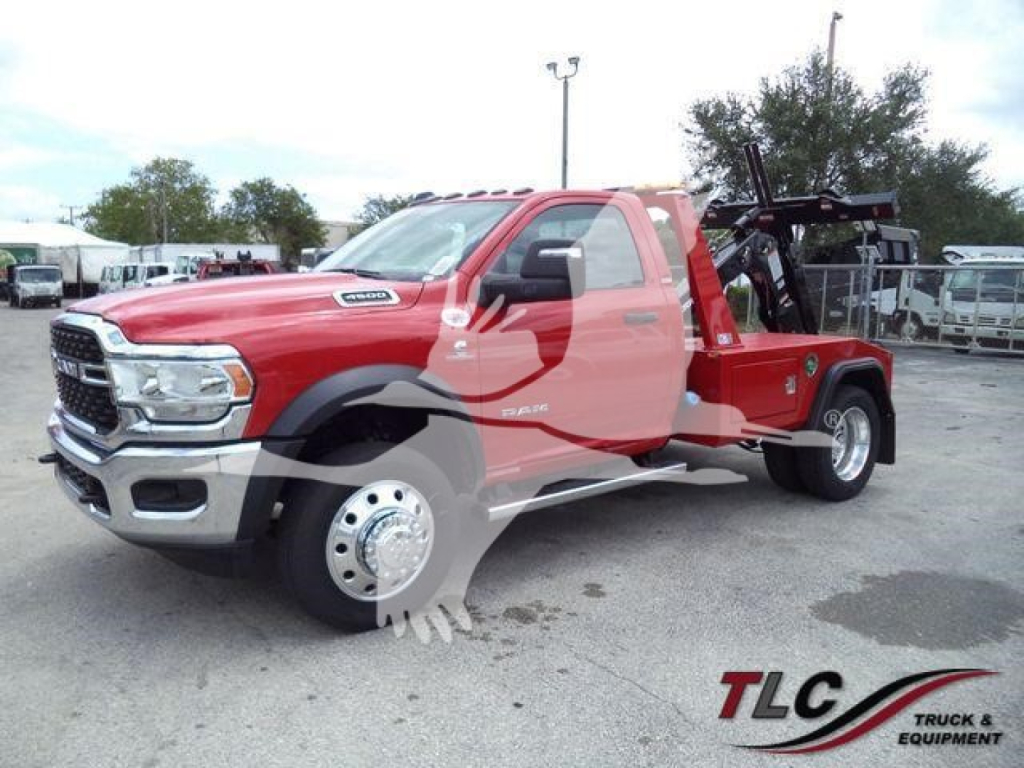
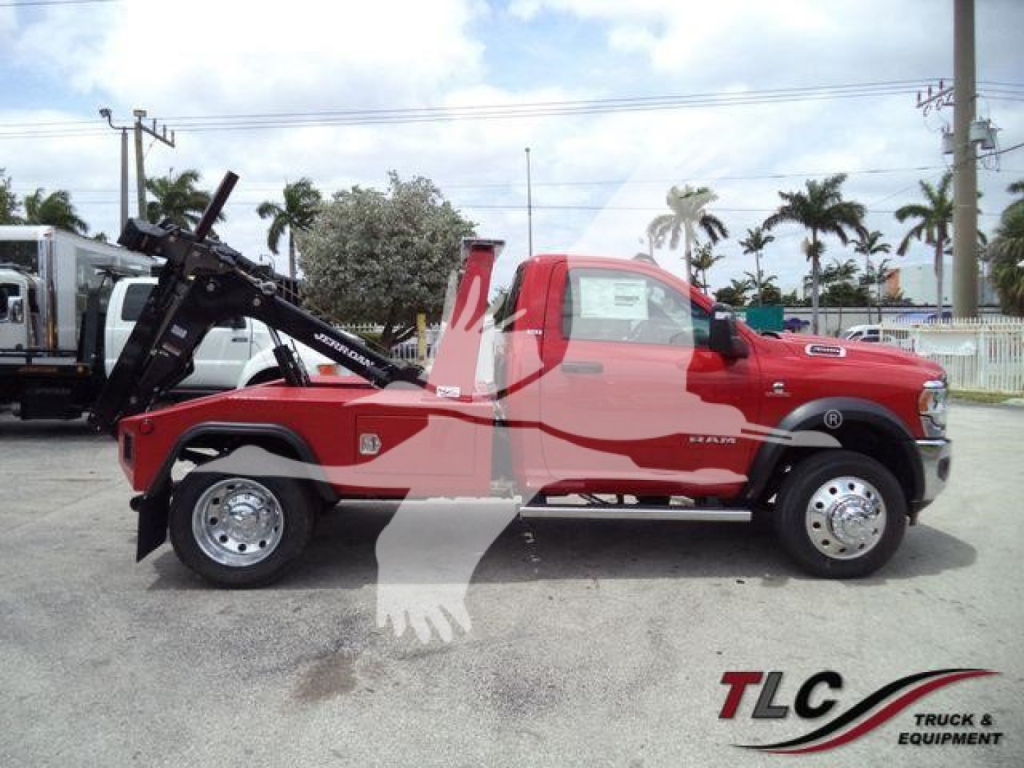
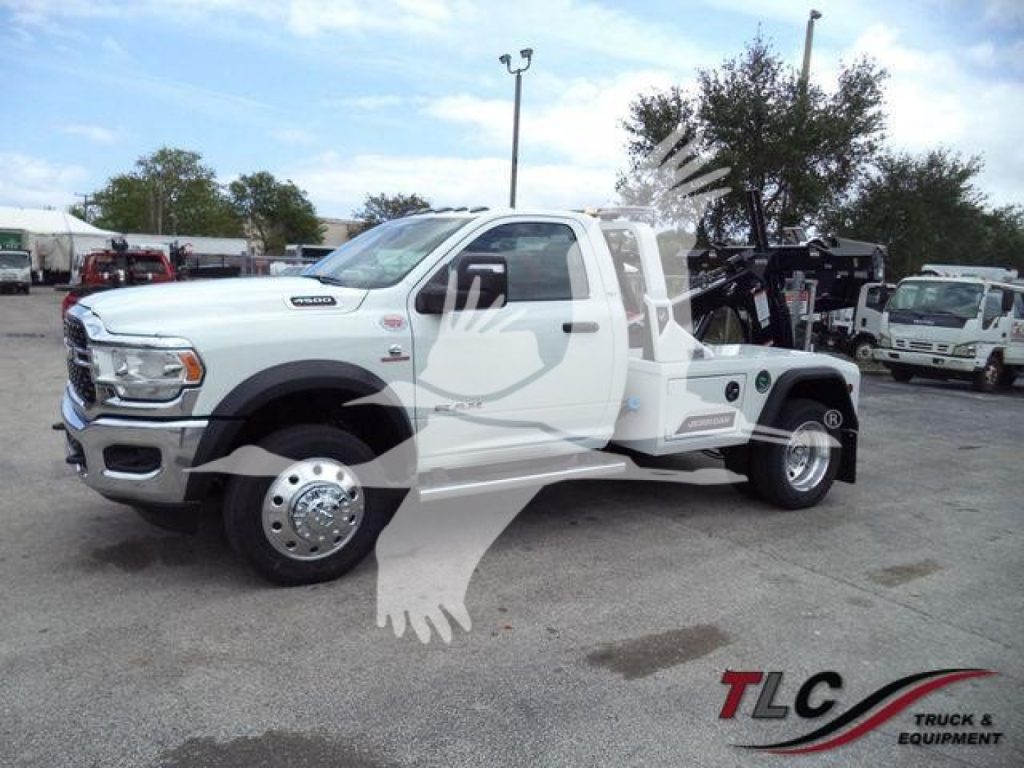
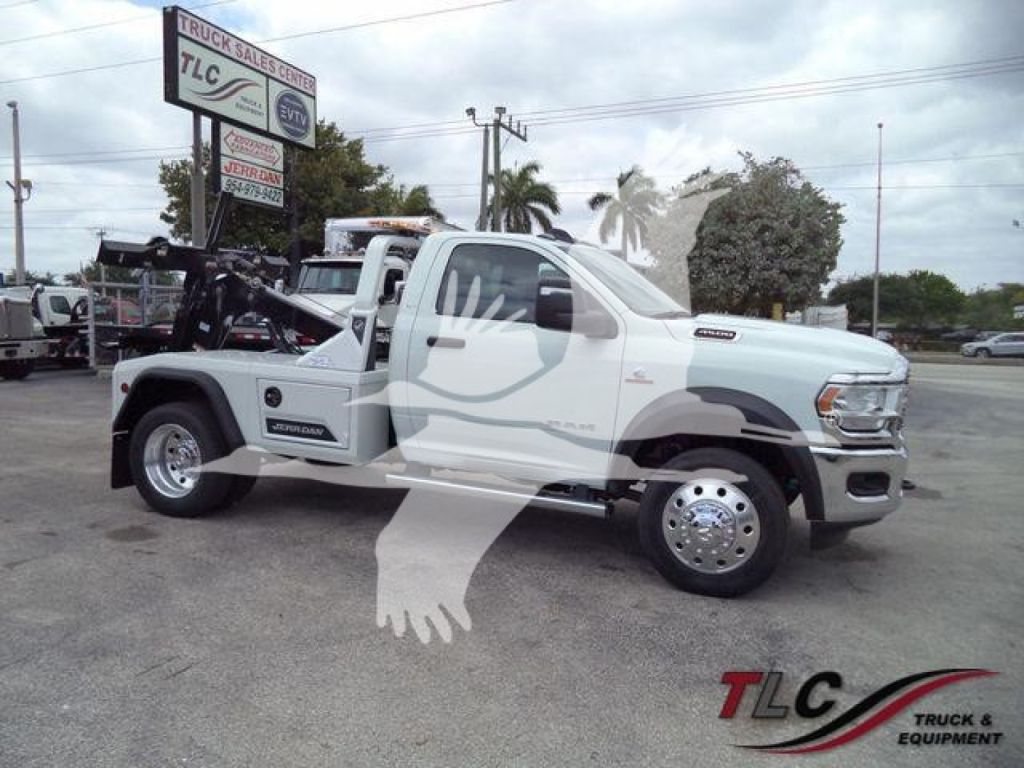
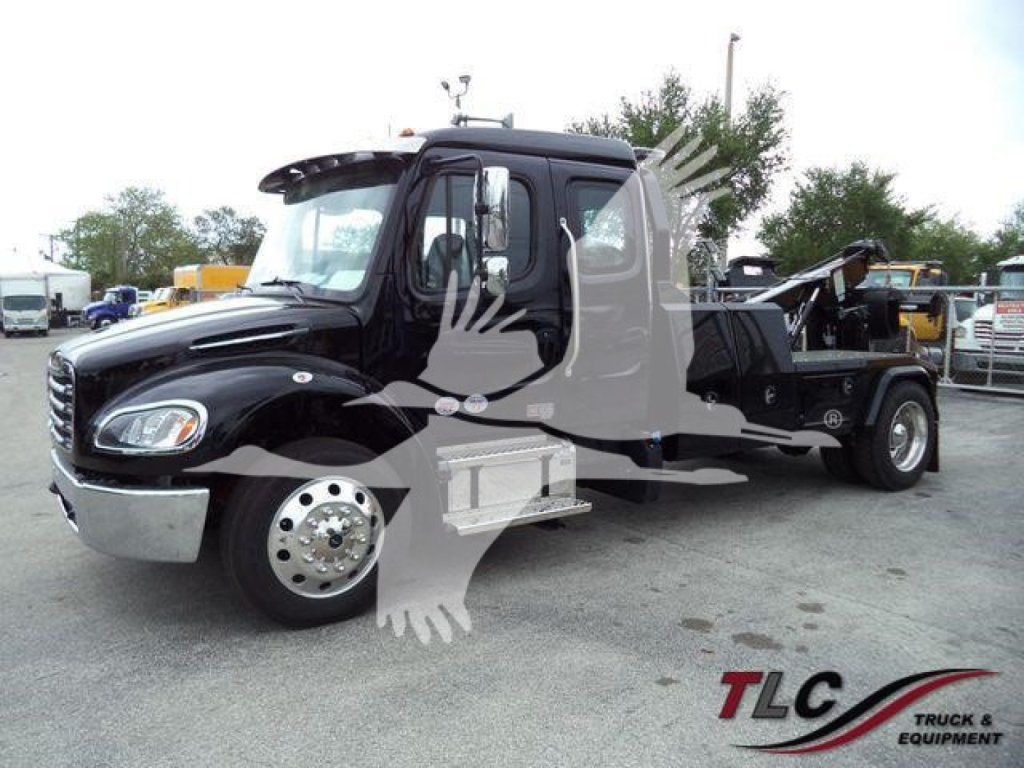
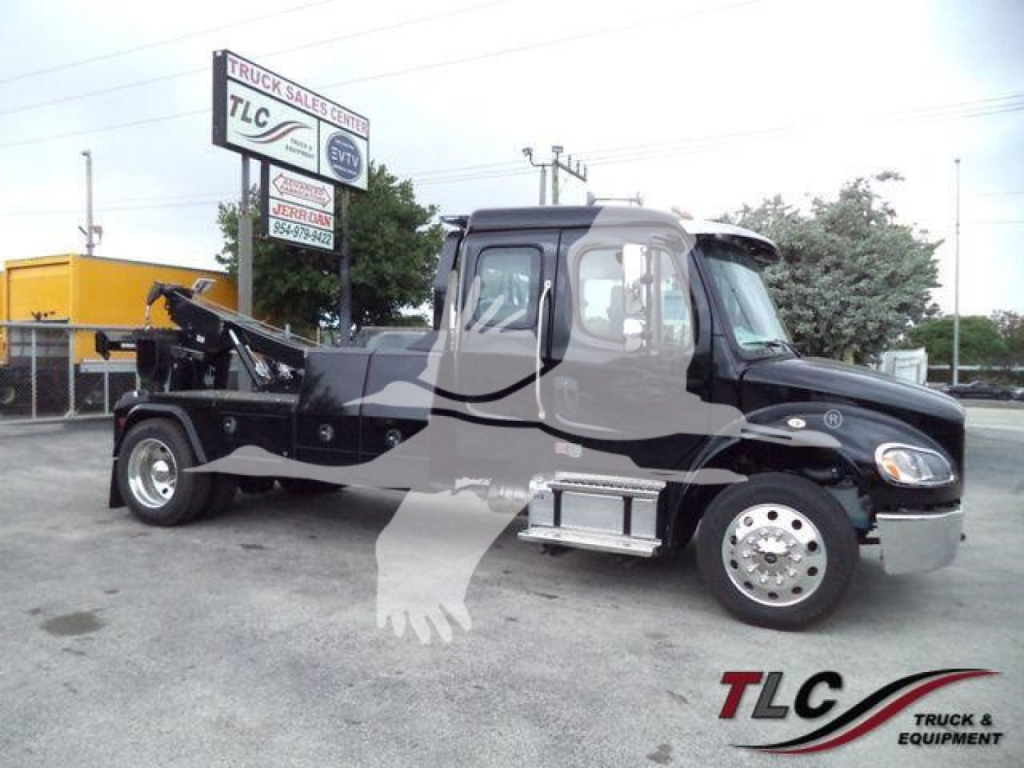
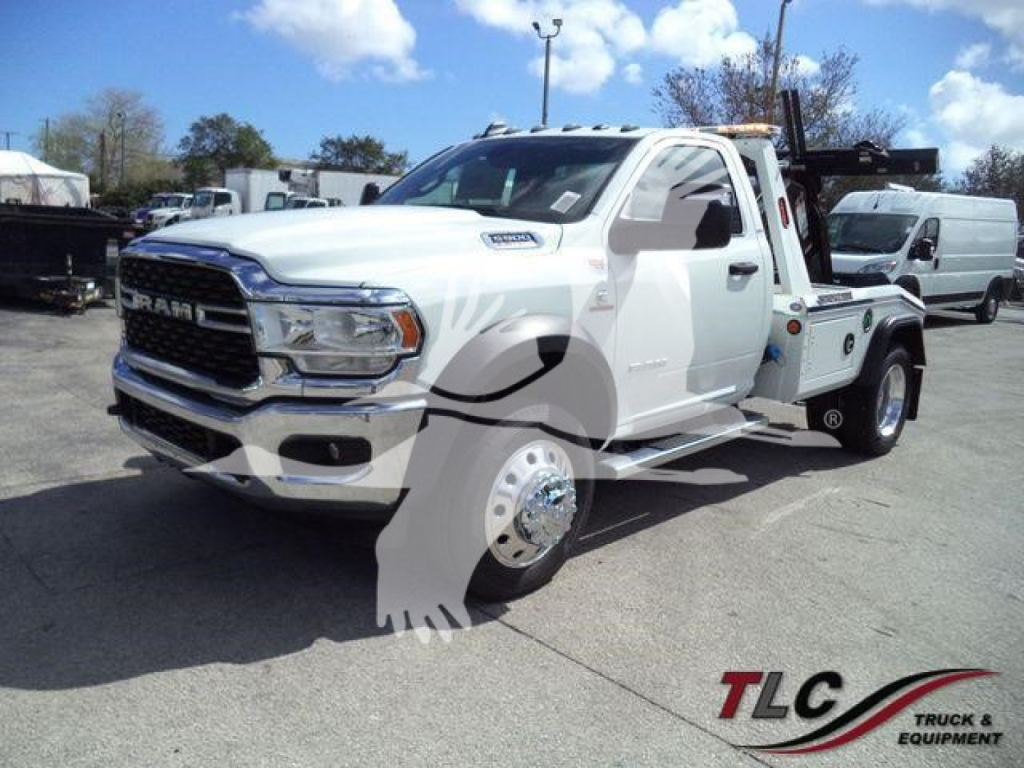
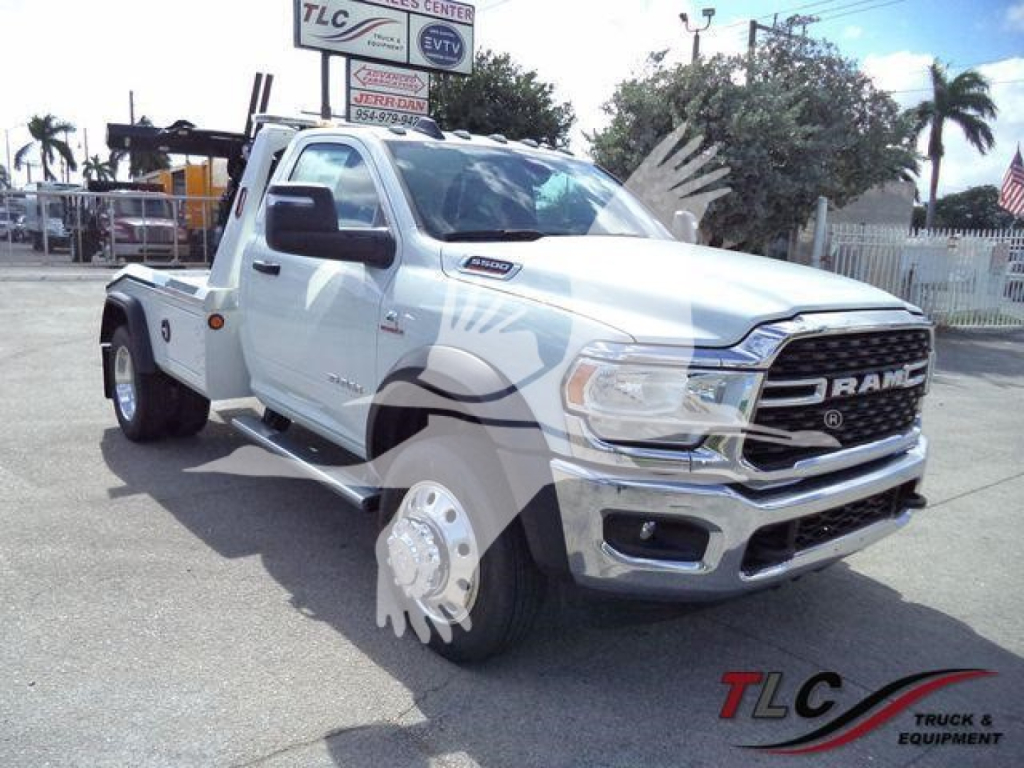
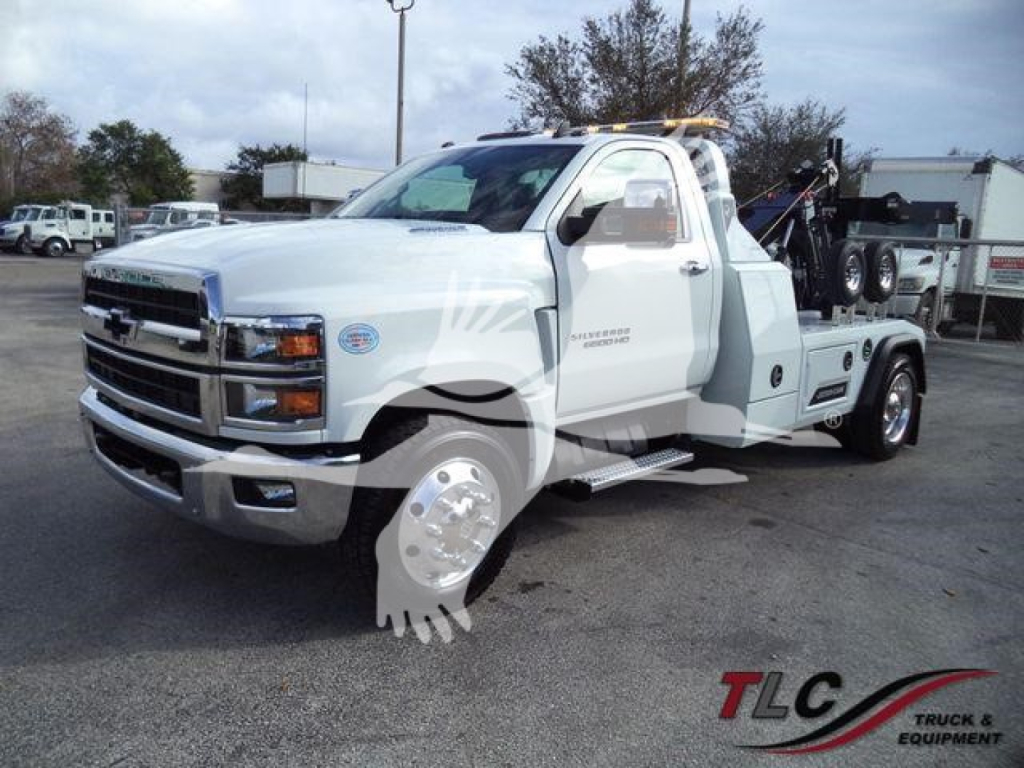
Showing 1 to 28 of 58 results
Selling a new winch truck? List your new winch truck for sale and reach thousands of commercial buyers.
New Winch Trucks
The most important buying decision is matching the upfit to the jobs you handle every day. A typical light-duty winch truck may carry an 8,000-lb drag winch, a 4,000-lb self-loading underlift, and tow ratings around the 7,500-lb range, which is well suited for passenger cars, pickups, small vans, and tighter urban calls. Some configurations step up to dual drag winches or add a recovery boom for more capability when positioning disabled vehicles or working more difficult pulls. Buyers should look closely at underlift reach, retracted and extended ratings, tilt angles, boom design, and body material. Steel bodies usually offer durability and repairability, while aluminum bodies can reduce empty weight and help preserve payload margin.
Daily-use features separate a productive winch truck from one that just looks good on paper. Wireless or wired controls, backup cameras, LED or amber light bars, DOT lighting, work lights, backup alarms, toolbox layout, wheel grids, tie-down systems, and no-lube pivot designs all affect operator speed and maintenance time. On a new truck, drivetrain specs also deserve attention. Diesel engines in this class commonly deliver strong torque for stop-and-go towing, and heavier chassis like a 5500 can provide more GVWR headroom for body and equipment weight. Cab choice matters too. Regular cabs are easier to package and maneuver, while crew cabs can make sense for companies carrying extra personnel or gear.
A new winch truck is often chosen for uptime, warranty coverage, and current safety equipment as much as for towing specs. Buyers should confirm GVWR, front axle capacity, rear axle ratio, wheelbase, PTO or hydraulic setup, and how the body integrates with the chassis electronics. If the truck will spend most of its life on highway service calls, repossession work, dealership transport, or police rotation towing, the right setup is usually a light-duty self-loader with enough winch capacity, lighting, and storage to work efficiently without stepping into a heavier medium-duty wrecker. Also known as a self-loader wrecker or auto-loader tow truck, this equipment class is built around quick dispatch response, compact dimensions, and repeatable daily towing performance.
Frequently Asked Questions about New Winch Trucks
What is a winch truck in this category?
In this category, a winch truck usually refers to a light-duty wrecker or self-loader tow truck fitted with a drag winch, wheel-lift underlift, and towing gear for moving disabled vehicles. Many buyers will also know these trucks as self-loader wreckers or auto-loader tow trucks. They are designed for fast hookups, short recovery pulls, and routine towing of cars, pickups, and light commercial vehicles rather than heavy recovery work.
How much winch capacity does a new light-duty winch truck usually have?
A common configuration in this class includes an 8,000-lb drag winch, although some trucks are equipped with dual winches for added flexibility. Winch rating is only one part of the equation, because underlift capacity, boom geometry, chassis GVWR, and body design also determine real-world performance. Buyers should compare the full towing and recovery package instead of focusing on winch size alone.
Is 4x4 important on a new winch truck?
4x4 is a major advantage for operators who work on wet shoulders, gravel lots, job sites, snow, or uneven recovery locations. It improves traction when approaching disabled vehicles and can reduce the chance of getting the tow truck stuck during a hookup. For operators working mostly on paved urban routes, 4x4 may be less critical, but many buyers still prefer it for versatility and resale appeal.
What should I compare between a Ram 4500, Ram 5500, and Ford F-450 winch truck?
The key comparisons are GVWR, axle ratings, wheelbase options, diesel engine output, transmission pairing, cab configuration, and how the wrecker body is matched to the chassis. A heavier chassis such as a 5500 generally offers more weight capacity for the upfit and equipment, while an F-450 or 4500 may be a strong fit for lighter, more maneuverable builds. The best choice depends on the weight of the body, the towing jobs you handle, and how much reserve capacity you want for tools, fuel, and operators.
What features matter most for daily towing use on a new winch truck?
The most useful day-to-day features are usually the underlift design, drag winch controls, work lighting, camera visibility, toolbox access, tie-down equipment, and body durability. Buyers should also pay attention to wheel grid design, safety chains, backup alarms, no-lube components, and the layout of controls around the tow operation. These details have a direct effect on hookup speed, operator safety, and maintenance time over the life of the truck.