
New International Winch Trucks For Sale
Shop new International winch trucks and wrecker builds with proven chassis, diesel power, towing equipment, and recovery-ready specs.
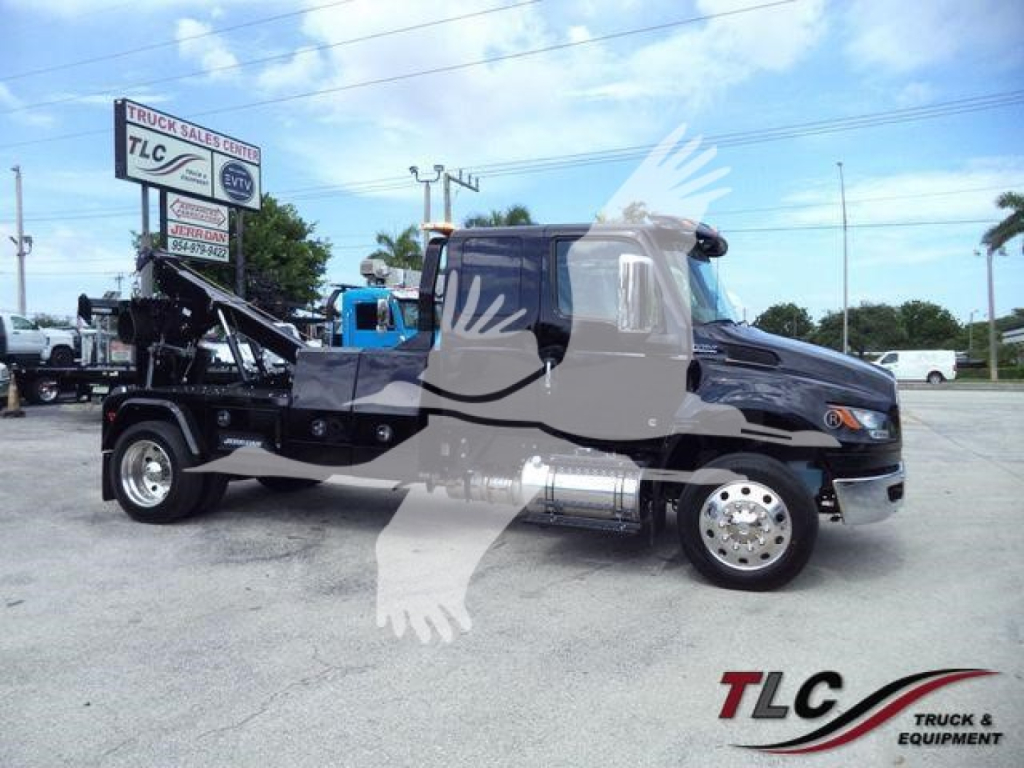
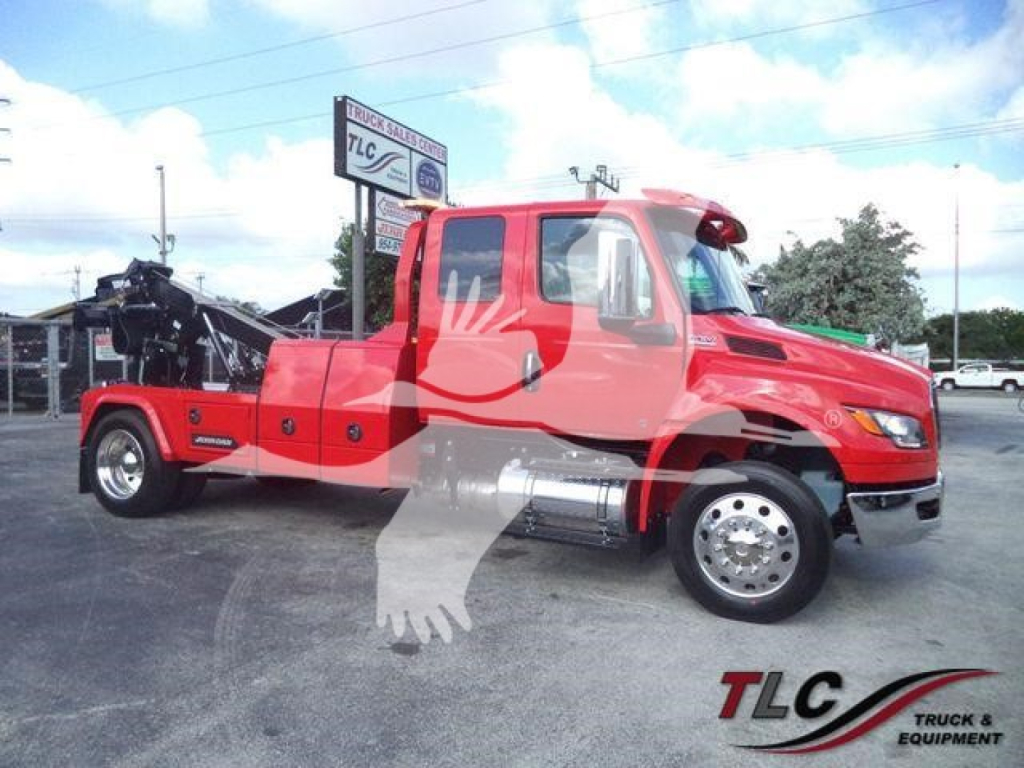
Selling a new international winch truck? List your new international winch truck for sale and reach thousands of commercial buyers.
New International Winch Trucks
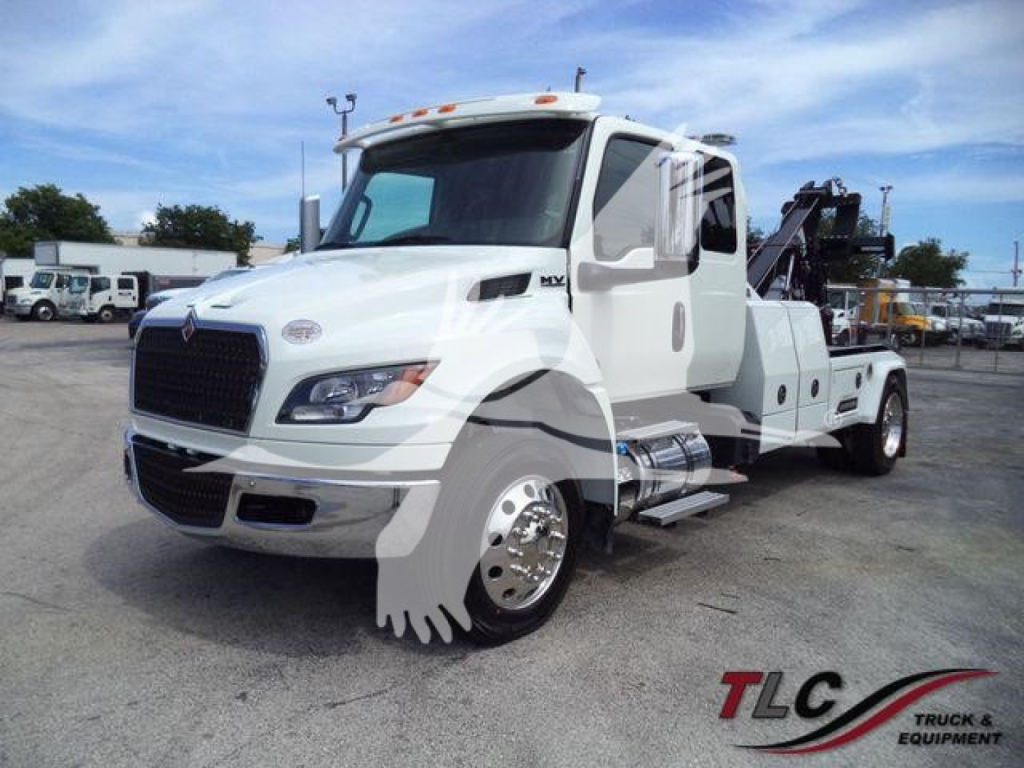
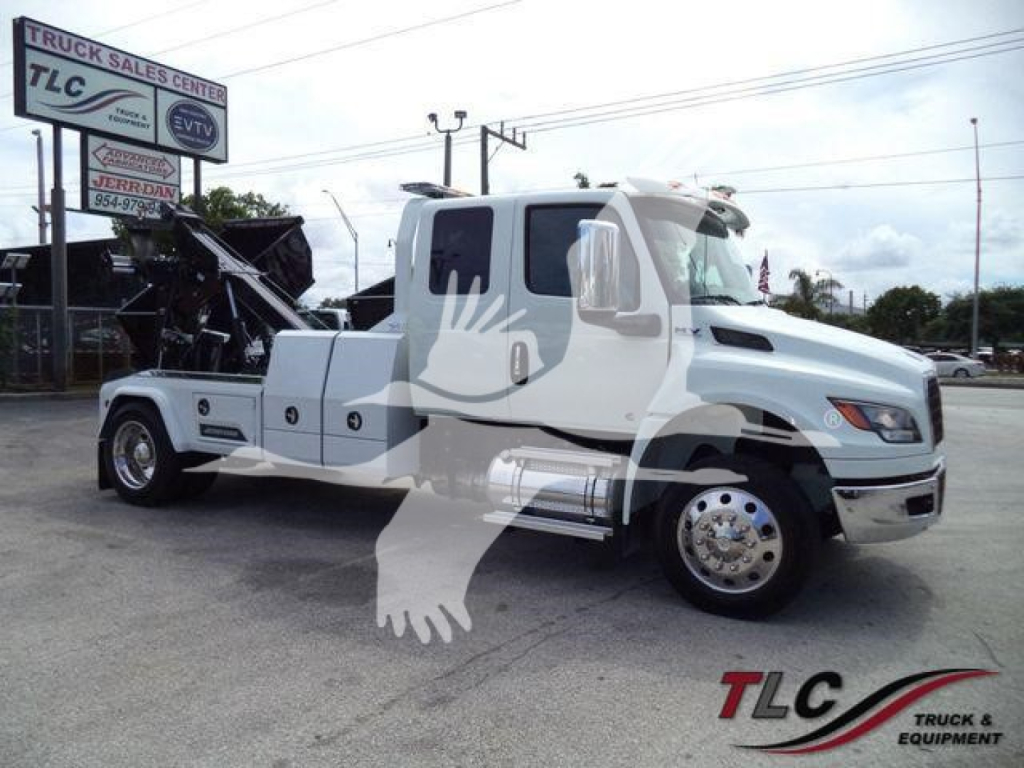
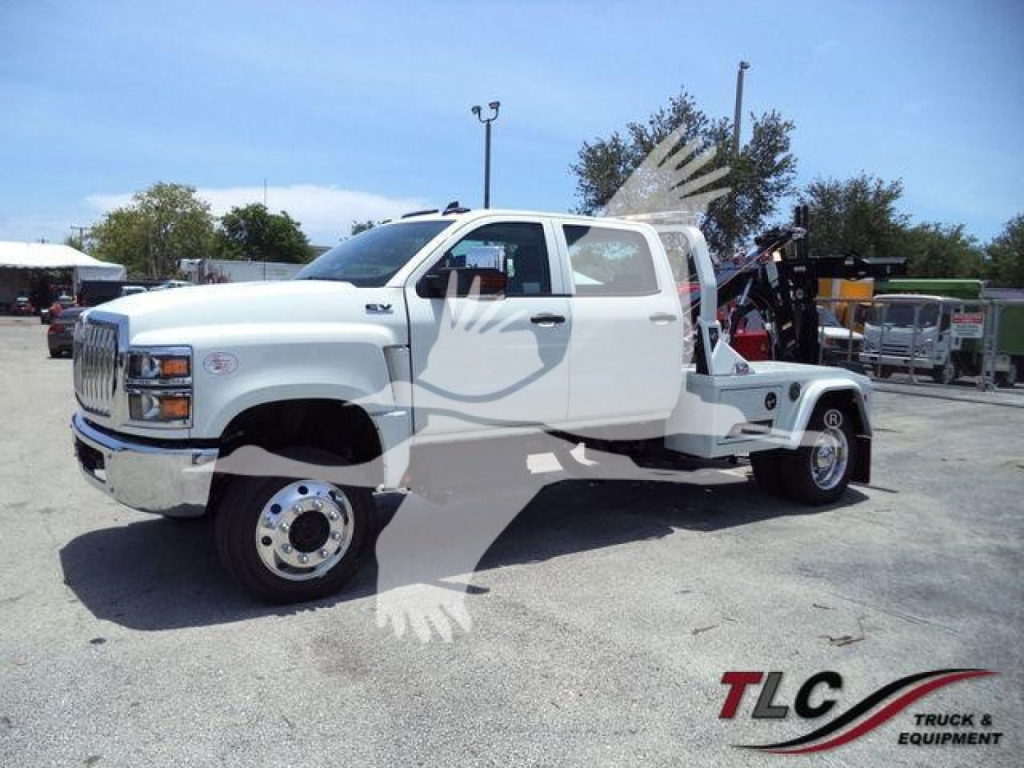
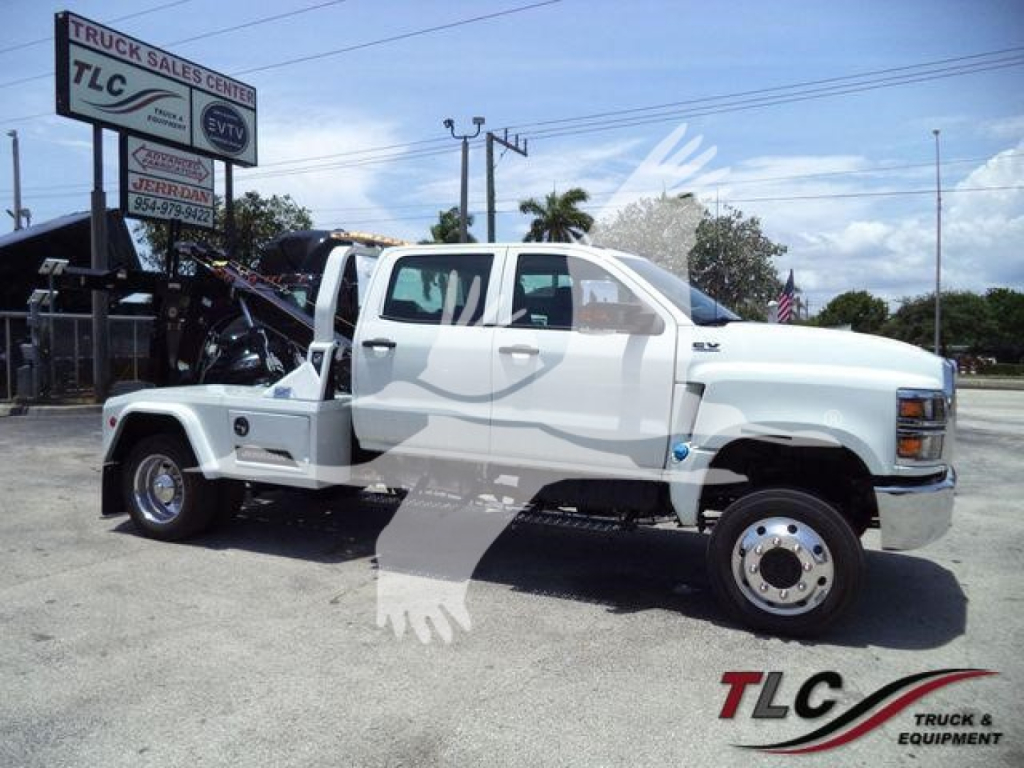
On the chassis side, International winch trucks are typically configured with diesel power, automatic transmissions, and either hydraulic or air brake setups depending on GVWR and application. MV models often show up in Class 6 and Class 7 builds with air ride suspension, 22.5-inch rubber, and higher GVWR ratings suited for larger wrecker bodies. CV models are often used for lighter-duty 4x4 or 19,500-GVWR applications where maneuverability and access matter. Buyers should look closely at wheelbase, front axle rating, rear axle ratio, cab style, and fuel capacity because those details affect body fit, stability under load, and day-to-day usability.
The recovery package matters as much as the truck itself. Common specs in this category include dual worm winches, wheel grids with L-arms, frame forks, spade attachments, tunnel toolboxes, LED light bars, work lights, and hydraulic stiff legs. Winch line size, cable length, boom rating, and wheel-lift rating should be checked against the type of vehicles being towed most often. A 12-ton wrecker setup may sound straightforward, but the practical value comes from how the body is equipped, how the weight is distributed on the chassis, and whether the truck carries the attachments needed for real-world calls.
For buyers comparing new International winch trucks for sale, cab comfort and serviceability also deserve attention. Extended cabs, air ride seats, power accessories, and clean switch layouts matter on long shifts and high call volume routes. International's medium-duty platform is widely recognized for straightforward vocational upfitting and parts support, which is important when uptime drives revenue. The best spec is the one that matches the tow mix, local road conditions, licensing requirements, and storage needs without overbuying capacity that sits unused.
Frequently Asked Questions about New International Winch Trucks
What is the difference between an International self-loader and a heavier winch wrecker?
A self-loader, also called an autoloader, is built for quick hookups and high-volume light-duty towing. It usually uses dual drag winches and a wheel-lift system to move cars and light trucks efficiently. A heavier winch wrecker adds more boom capacity, stronger underlift components, stabilizers such as stiff legs, and a broader range of recovery attachments. That setup is better for commercial vehicles, accident recovery, and jobs where lifting and controlled winching matter more than speed alone.
Which International chassis is more common for a new winch truck, the CV or the MV?
Both are used, but they serve different roles. The International CV is commonly chosen for lighter-duty towing, especially where a smaller footprint or 4x4 capability is useful. The International MV is more common in medium-duty wrecker applications where higher GVWR, larger tires, air brakes, and heavier body packages are needed. The right choice depends on the body rating, expected tow mix, and the legal weight limits in the operating area.
What specs matter most when comparing new International winch trucks for sale?
The key specs are GVWR, axle ratings, engine output, transmission, brake type, wheelbase, and the full wrecker body rating. On the recovery side, focus on boom capacity, wheel-lift rating, number and rating of winches, cable size and length, stabilizer design, and included attachments such as forks, L-arms, and safety gear. Buyers should also verify that the chassis and body are matched correctly so the truck has usable payload, proper weight distribution, and safe front axle loading when towing.
Are new International winch trucks good for commercial towing fleets?
They are a strong fit for many fleets because the platform is widely used in vocational service and supports a broad range of wrecker upfits. International MV and CV chassis are commonly ordered with diesel engines, automatic transmissions, and cab configurations that suit long operating days. For fleet buyers, the advantages usually come down to service access, familiar controls, straightforward body integration, and the ability to spec trucks consistently across multiple duty levels.
Do I need air brakes on a new International winch truck?
Not always, but they are common on larger medium-duty wreckers. Air brakes are typically preferred on higher-GVWR builds because they align well with heavier chassis specifications and commercial-duty use. Lighter winch trucks may use hydraulic brakes, especially in lower GVWR classes. The correct setup depends on the truck's rating, local regulations, driver qualification requirements, and the weight of the vehicles being towed on a regular basis.