
New 2026 Commercial Trucks For Sale in Alaska
Shop new 2026 trucks for sale in Alaska, including vocational and highway models built for cold weather, heavy loads, and tough road conditions.
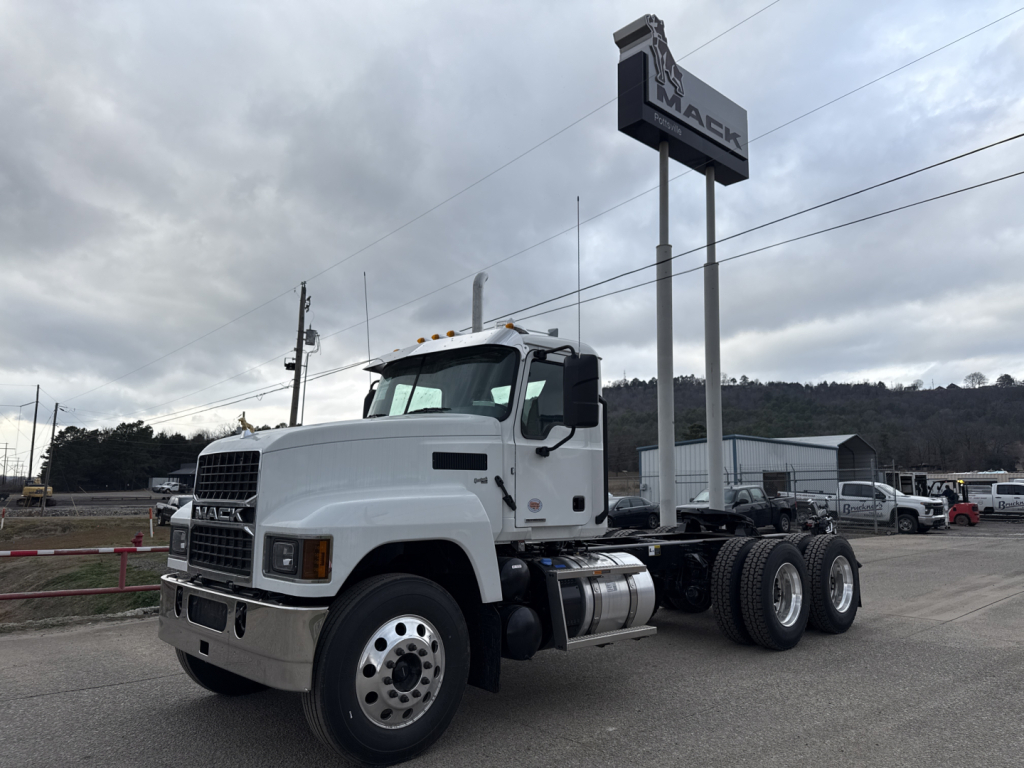
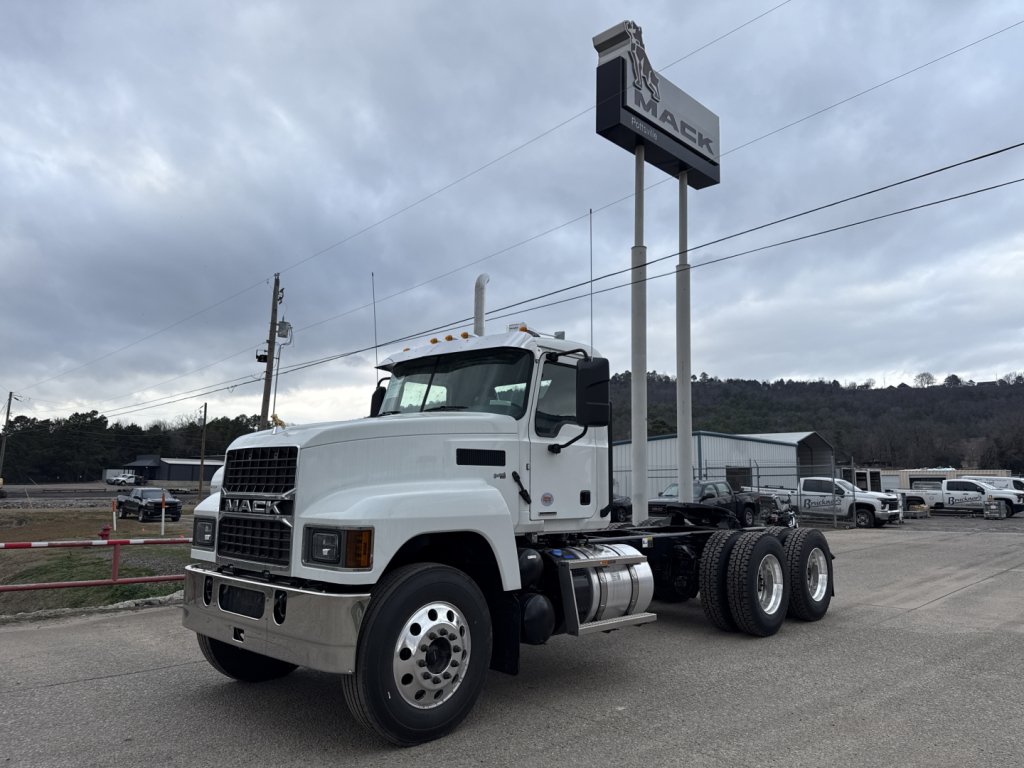
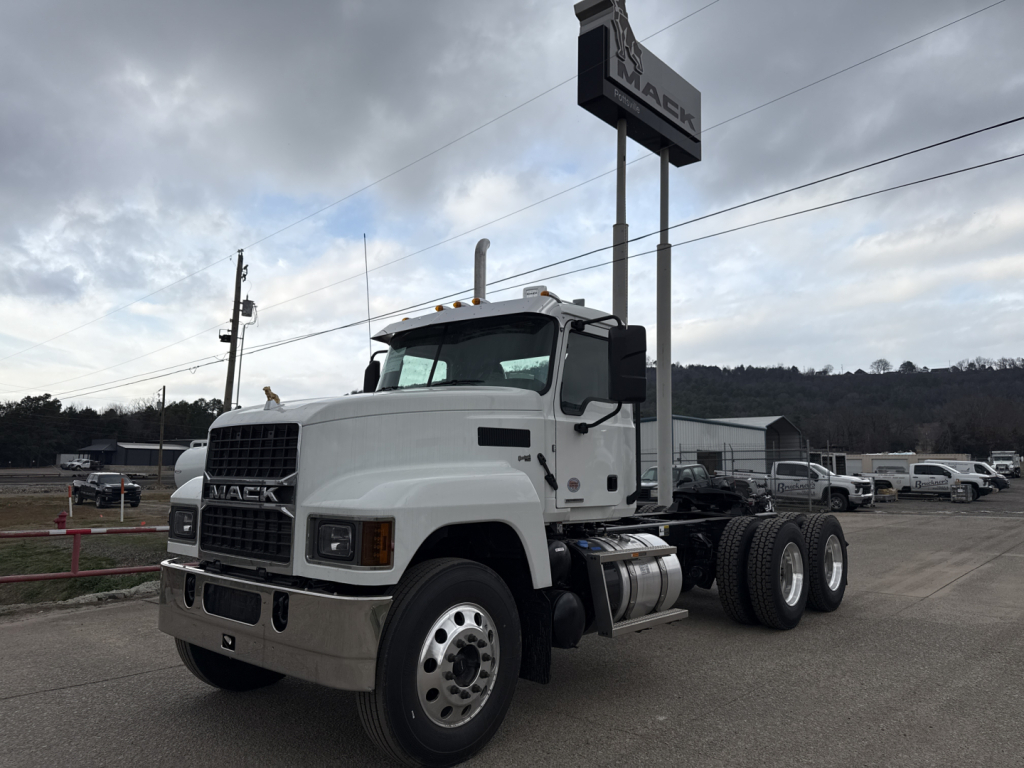
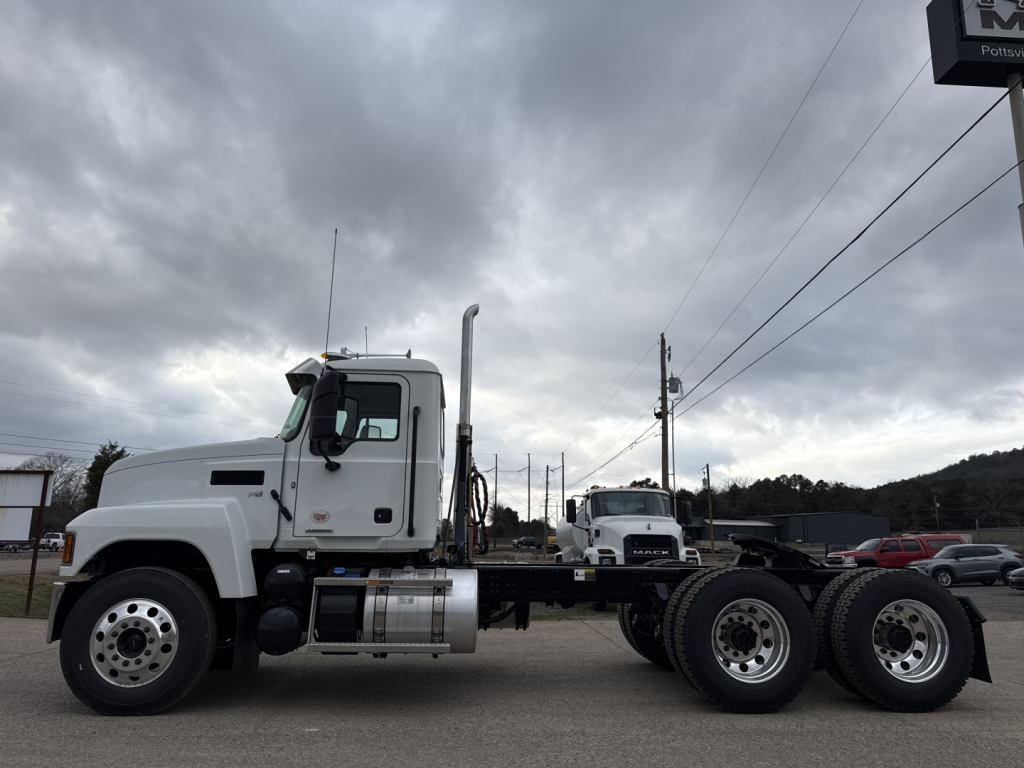
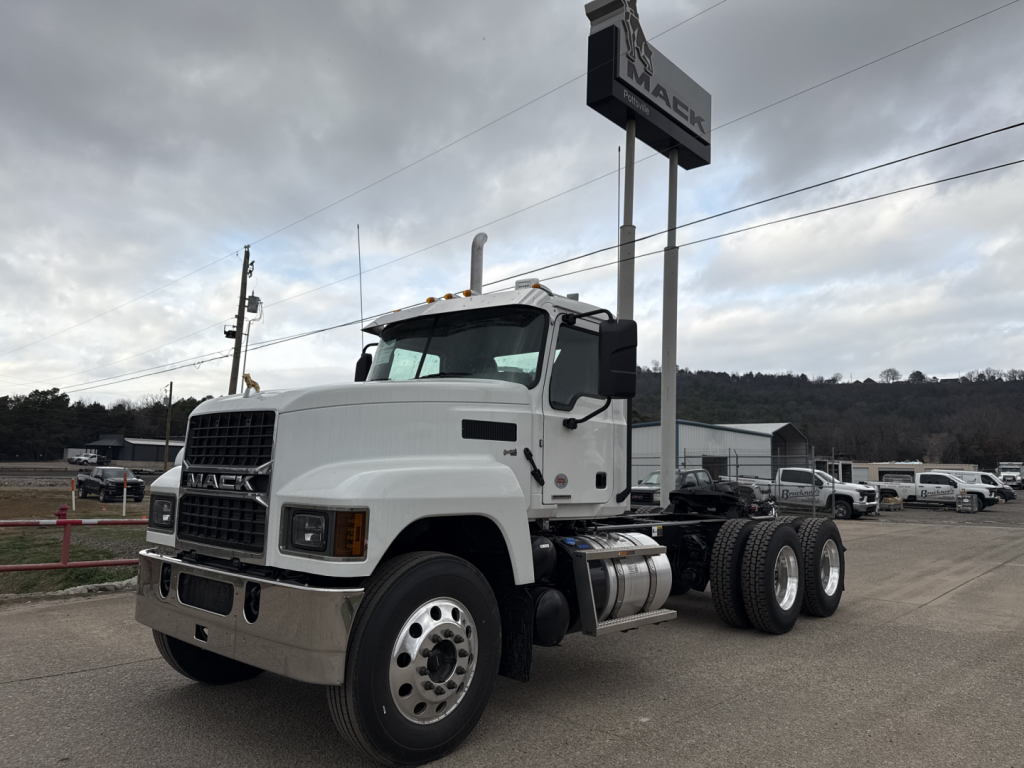
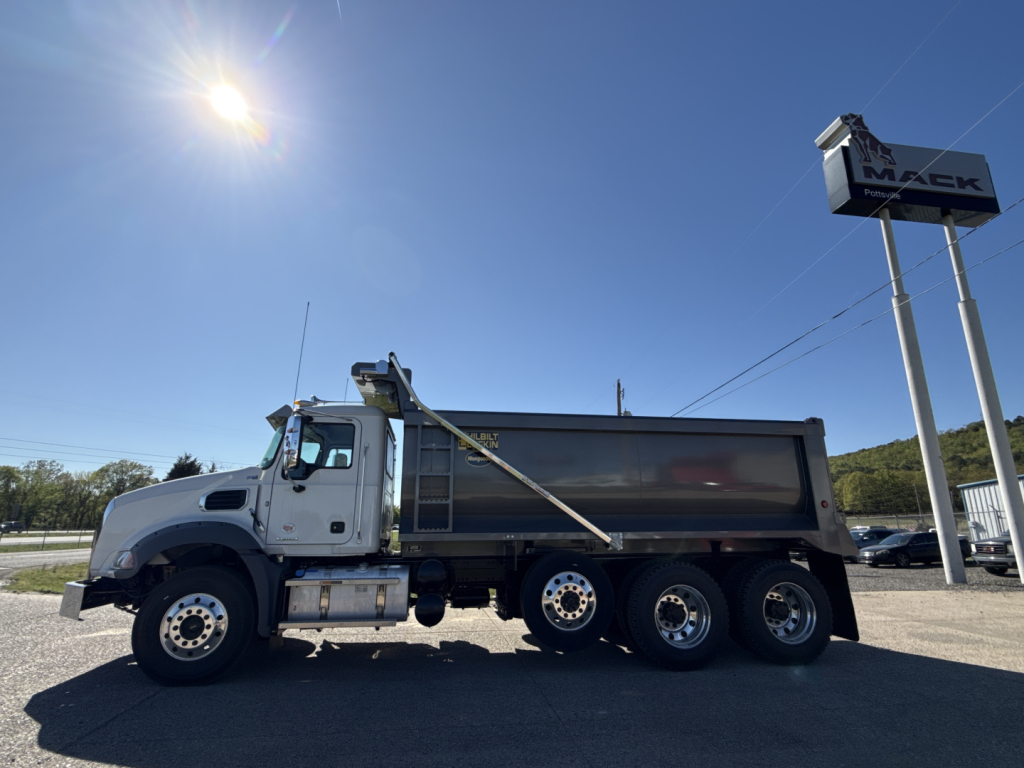
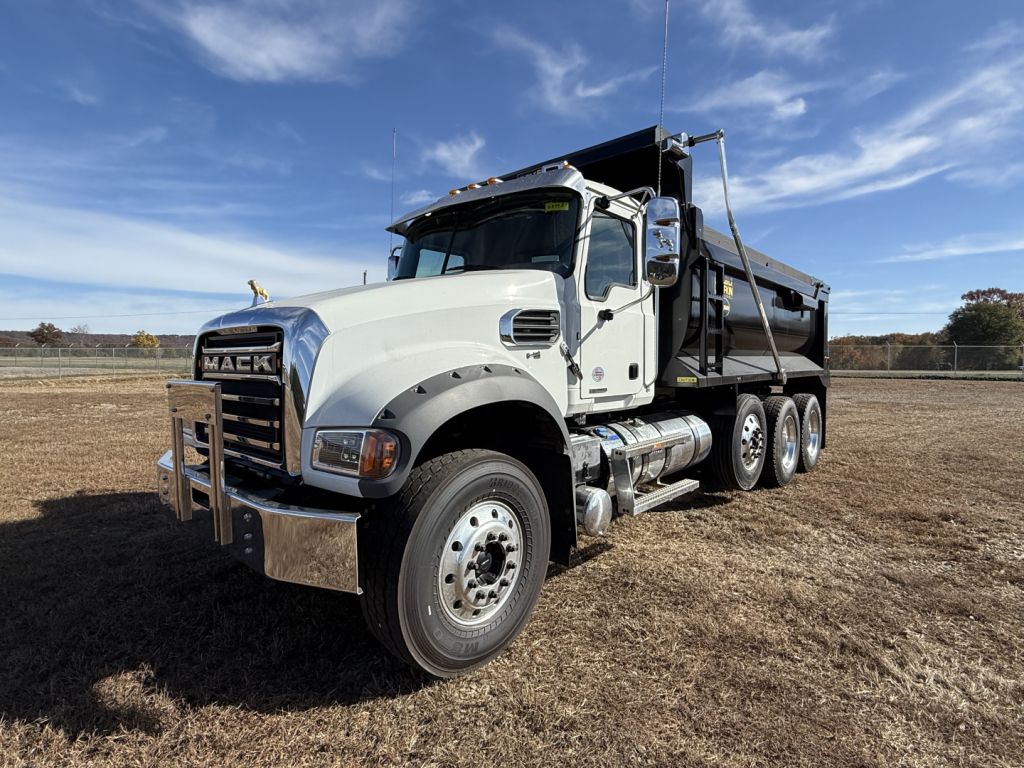
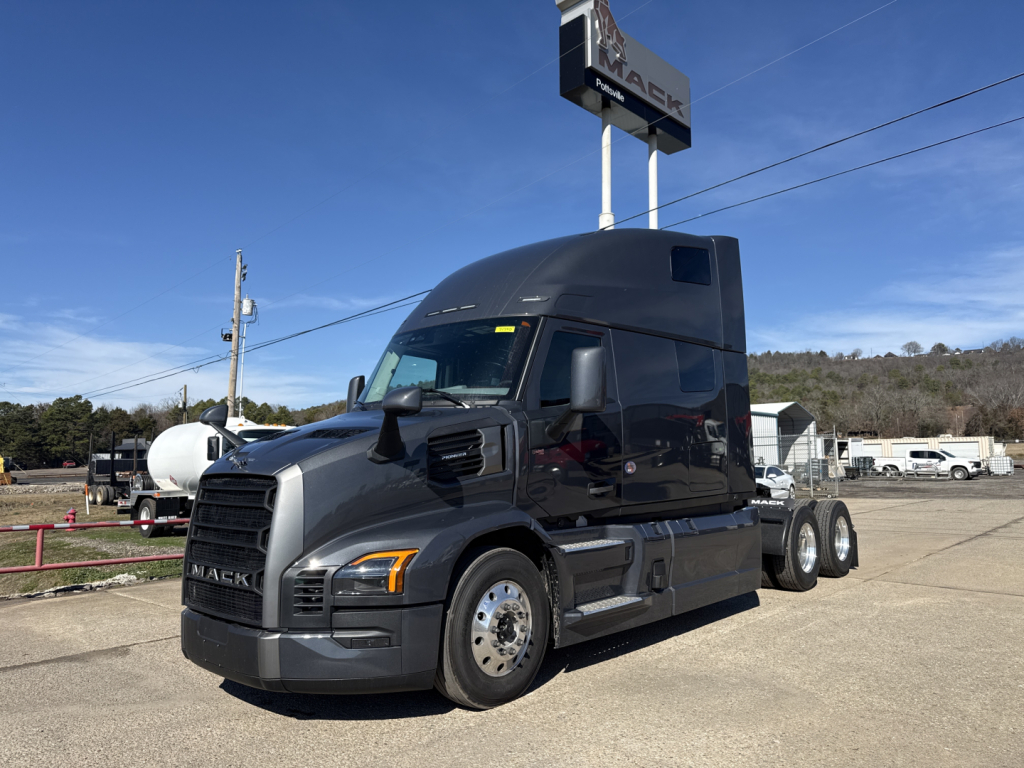
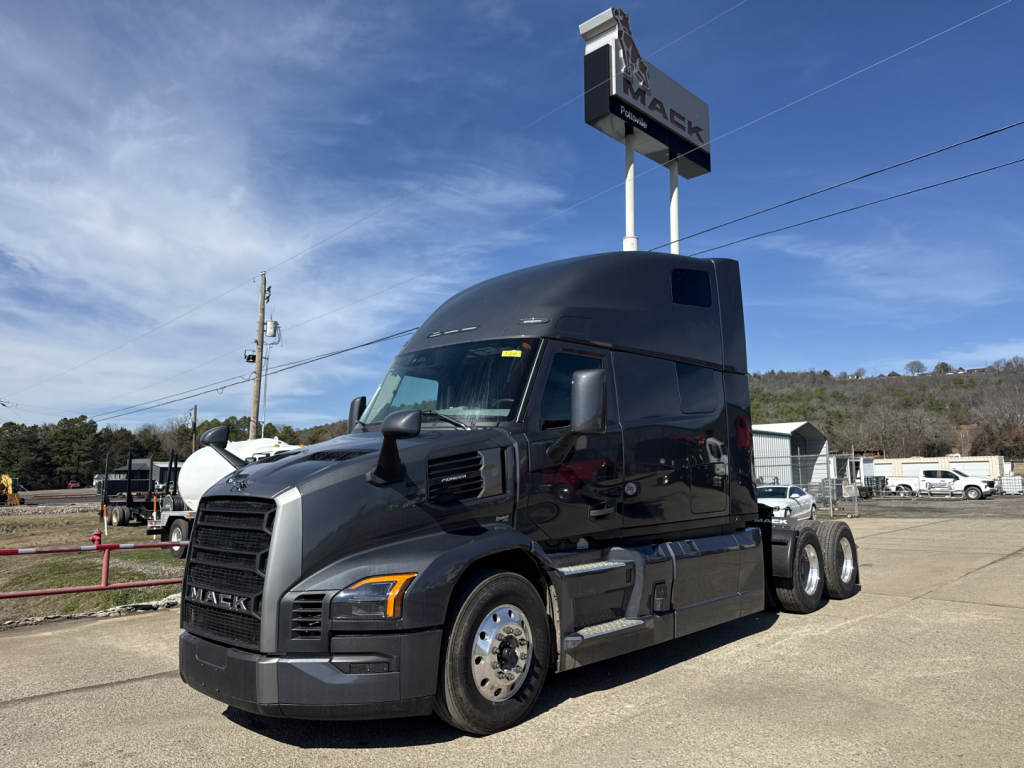
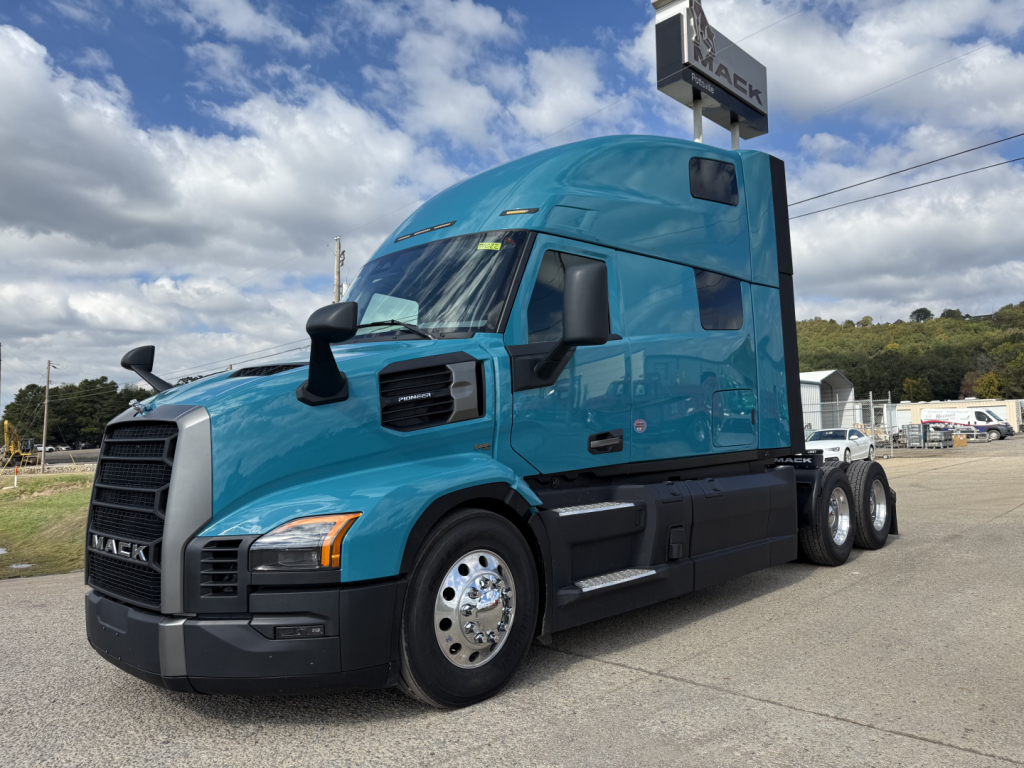
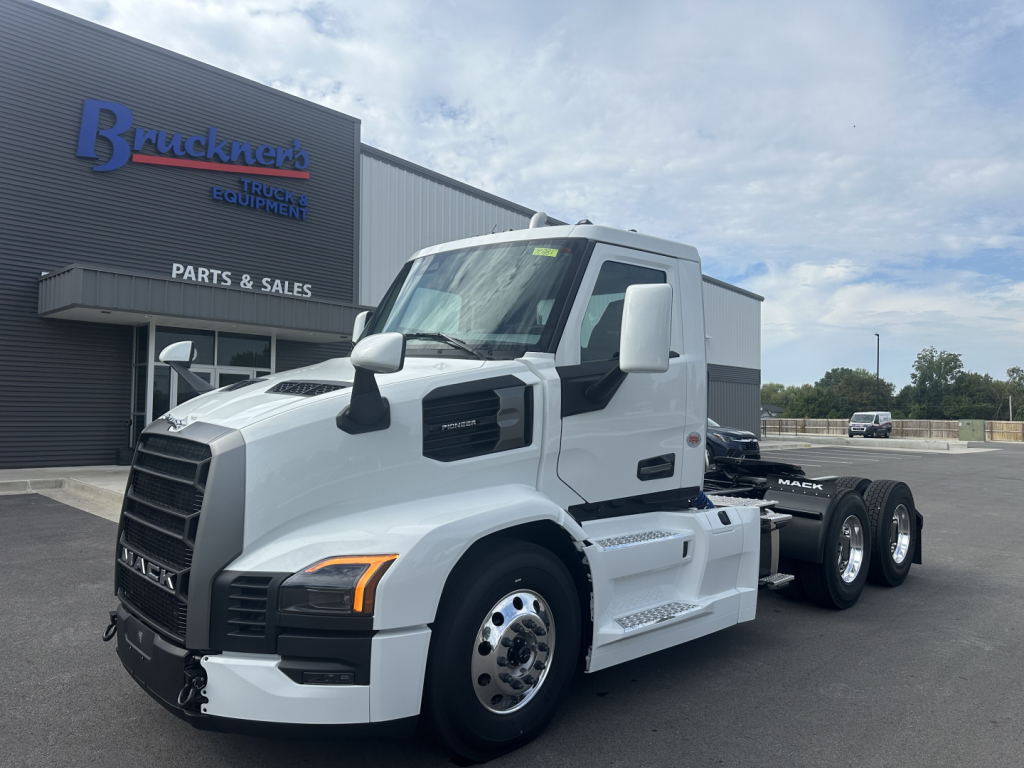

Selling a new 2026 commercial truck? List your new 2026 commercial truck for sale and reach thousands of commercial buyers.
New 2026 Commercial Trucks in Alaska
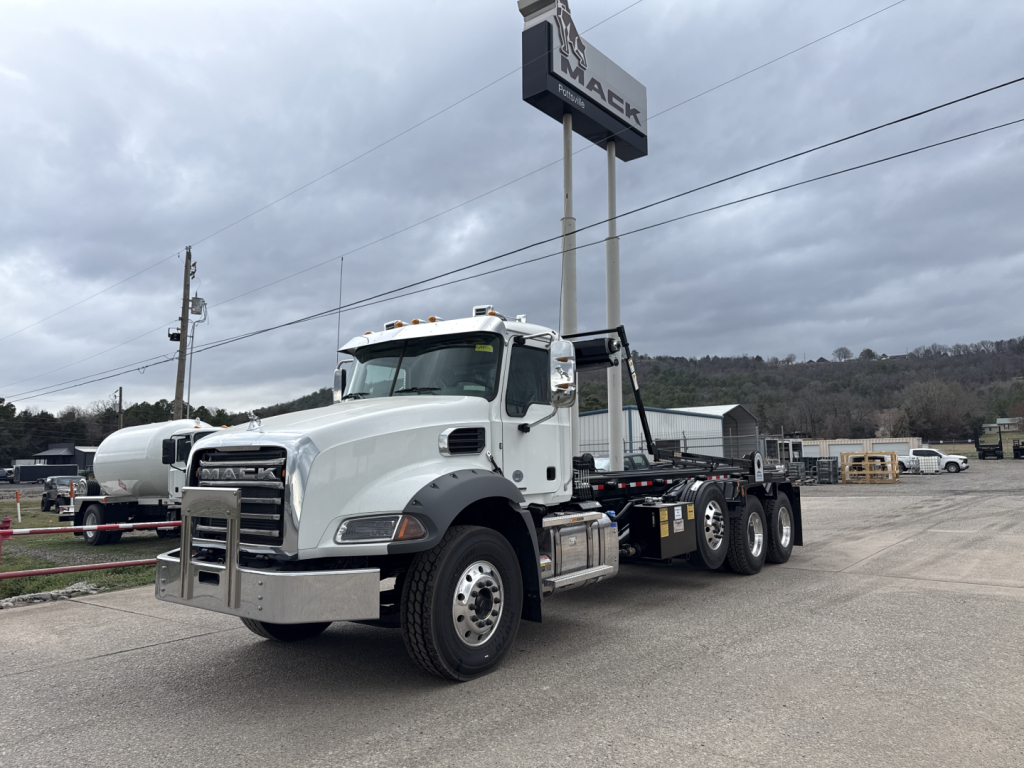
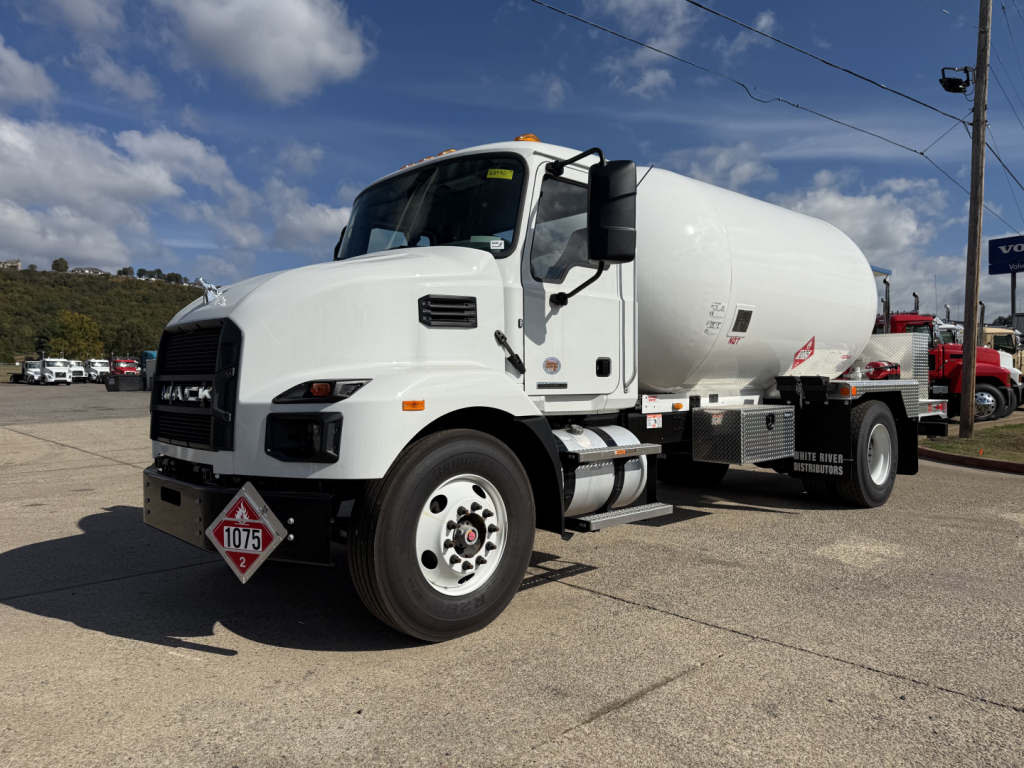
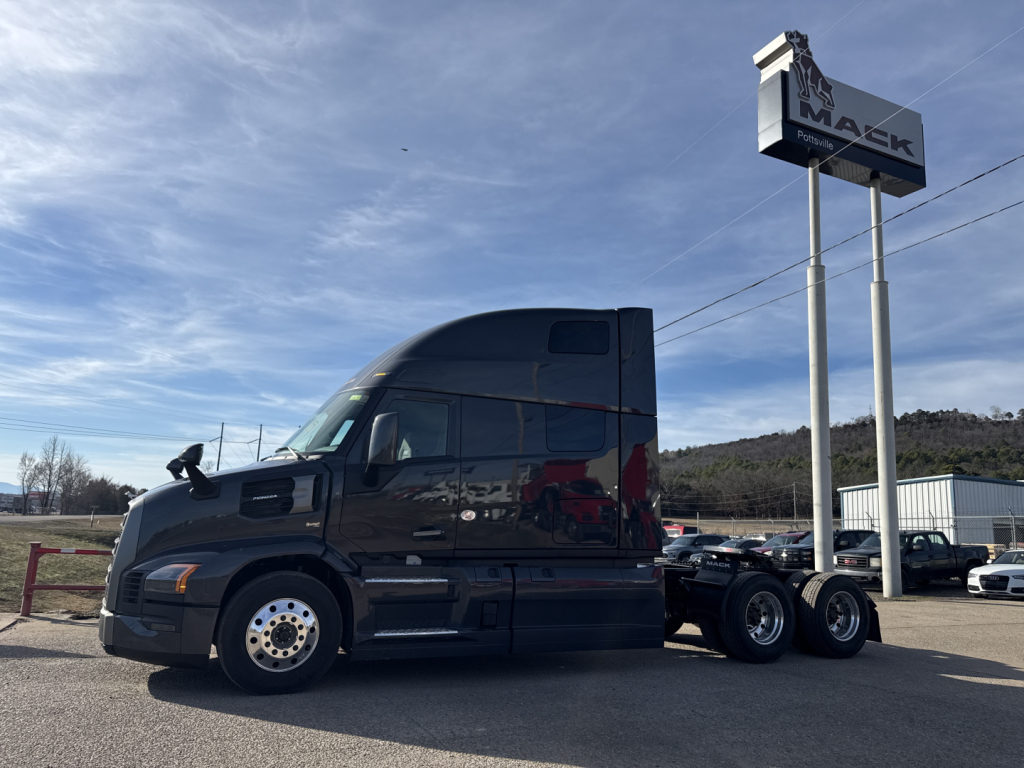
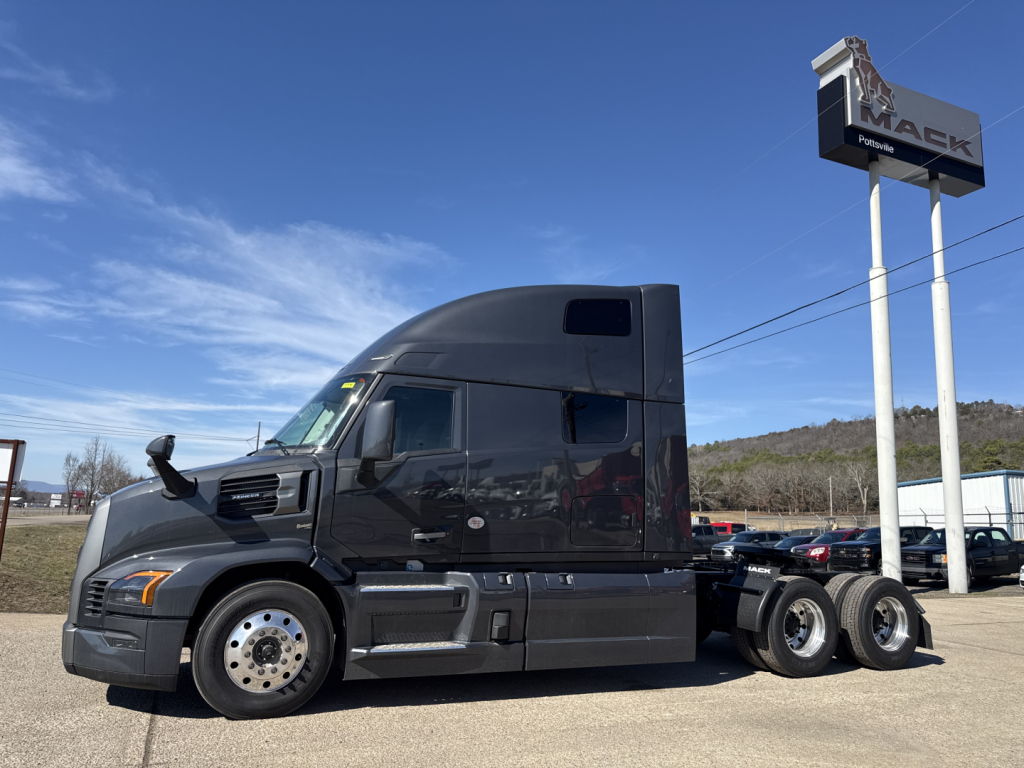
The 2026 market includes both on-highway tractors and vocational trucks such as dump trucks, mixers, and other severe-service platforms. For linehaul or regional freight, common decision points include day cab versus sleeper, 6x4 axle setup, horsepower and torque ratings, transmission type, wheelbase, and rear axle ratio. A spec like a 12-speed automated manual paired with a high-torque diesel and a 40,000 lb tandem rear is common in heavy tractor applications because it balances driver ease, gradeability, and fuel economy. In vocational work, buyers often look harder at frame strength, PTO provisions, front axle capacity, suspension design, and body upfit compatibility. If the truck will spend time on rough surfaces, frost-heaved roads, or job sites, suspension choice and ground clearance matter as much as engine output.
Alaska buyers also need to think beyond the base truck. Battery capacity, block heater setup, winter fronts, heated mirrors, engine brake performance, and tire selection can have a direct effect on uptime. Fuel tank sizing and placement matter on longer runs where service intervals between stops are wider. For heavy haul, construction, municipal, oilfield, and aggregate work, locking differentials, power dividers, double-frame sections, and vocational interior materials are worth close attention. On newer builds, telematics, collision mitigation systems, and factory integration for body controls can also improve fleet management and reduce downtime, especially when trucks are operating far from service points.
Comparing new 2026 trucks means looking at total application fit, not just brand or horsepower. Check GVWR and GCWR targets, axle spread, fifth wheel position, brake configuration, tire size, and how the truck is geared for the terrain and average payload. A well-specced Alaska truck should be able to start reliably in deep winter, maintain traction on mixed surfaces, and carry the durability needed for long service intervals in hard conditions. The right truck in this category is the one that matches route, load, climate, and body application without leaving capacity or uptime on the table.
Frequently Asked Questions about New 2026 Commercial Trucks in Alaska
What should I look for in a new 2026 truck for use in Alaska?
Focus first on application and climate readiness. In Alaska, a truck should be spec'd for cold-weather starting, traction, and long service intervals. Key items include adequate battery capacity, engine heaters, axle ratings that match the load, differential locks or power divider for low-traction conditions, proper tire selection, and fuel capacity suited to remote routes. For vocational work, front axle capacity, frame strength, PTO compatibility, and suspension design are especially important.
Are day cab trucks a good choice for Alaska operations?
A day cab can be an efficient choice for local haul, construction, municipal work, port drayage, and shorter regional routes. They generally save weight, reduce upfront cost, and simplify body or chassis packaging. For longer runs between towns or routes with limited lodging and support, a sleeper may be the better fit. The decision comes down to route length, driver schedule, payload targets, and how much onboard storage or rest capability the operation needs.
What axle and suspension specs are common on new heavy-duty trucks?
Many heavy-duty tractors and vocational trucks are built with a 6x4 tandem axle configuration, often using front axles in the 12,000 lb class and tandem rears around 40,000 lb, depending on the job. Air ride suspensions are common in highway service for ride quality and cargo protection, while heavier vocational suspensions may be preferred for severe-duty applications. Rear axle ratio, wheelbase, and locking traction devices should be matched to terrain, startability, and average gross weight.
Is an automated manual transmission a good option in a 2026 truck?
For many buyers, yes. Automated manual transmissions are now common in both highway and some vocational applications because they improve driver consistency, reduce clutch wear, and can help with fuel economy. They are especially useful in fleets with multiple drivers or routes that include traffic, grades, and changing road conditions. Buyers should still confirm the transmission's ratio spread, PTO compatibility if needed, and how it performs with the truck's engine rating and rear axle ratio.
Why buy a new 2026 truck instead of a used one?
A new truck gives you current safety systems, factory warranty support, and the ability to choose a specification that closely matches the intended work. That matters in Alaska, where a poor spec can create avoidable downtime and operating cost. New trucks also give buyers access to the latest engine, transmission, telematics, and body integration features, which can improve uptime, driver satisfaction, and long-term maintenance planning.