
New 2026 Conventional Daycab Trucks For Sale in Alaska
Shop new 2026 conventional daycab trucks in Alaska with specs for local, regional, vocational, and heavy-haul fleet applications.
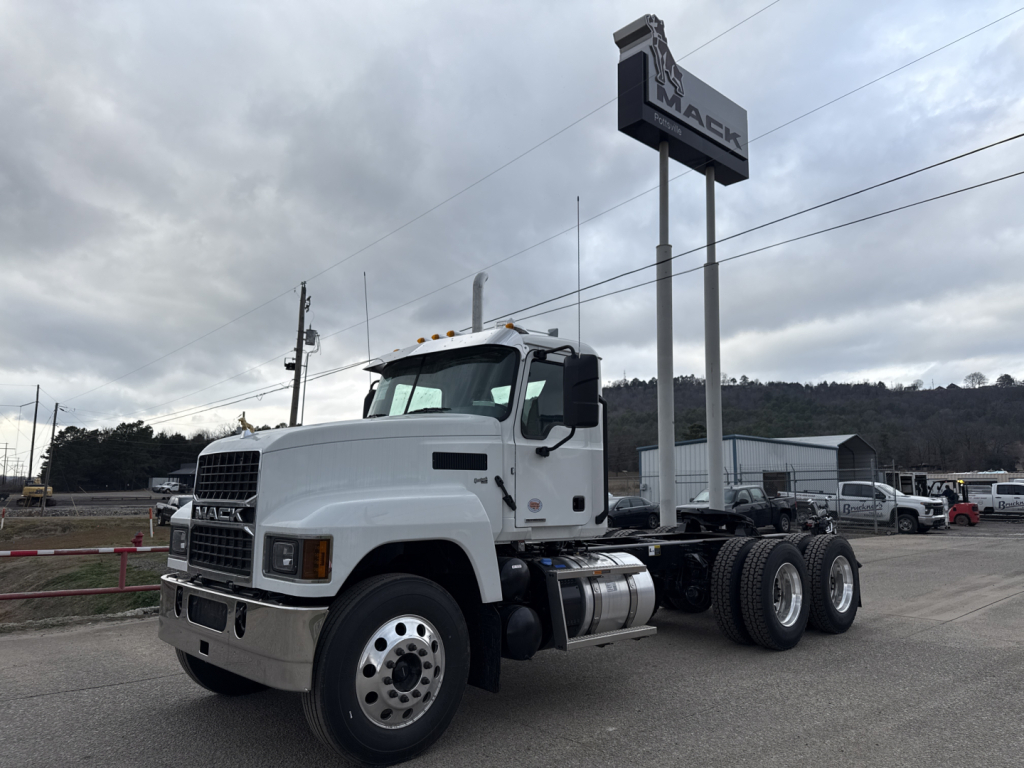
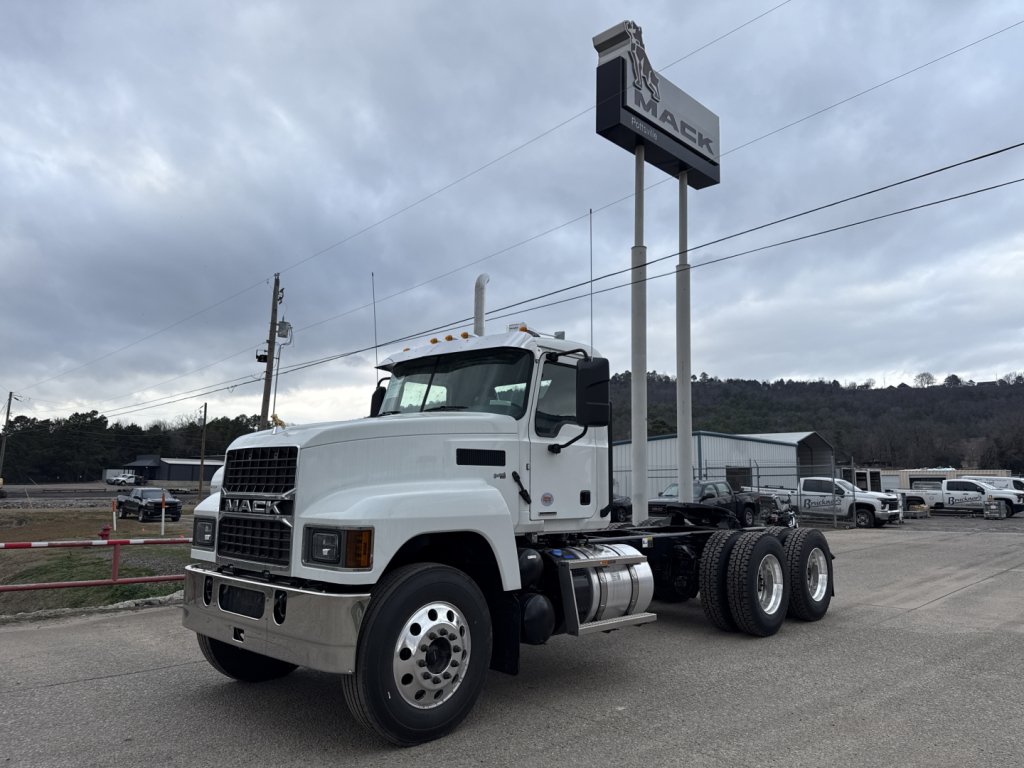
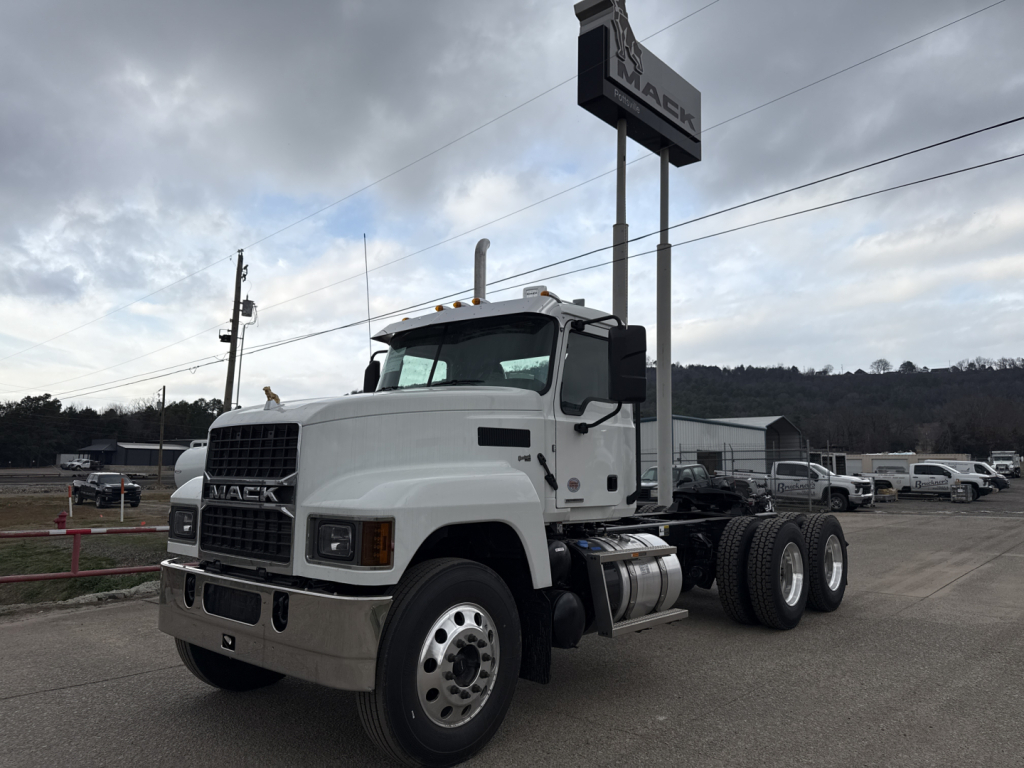
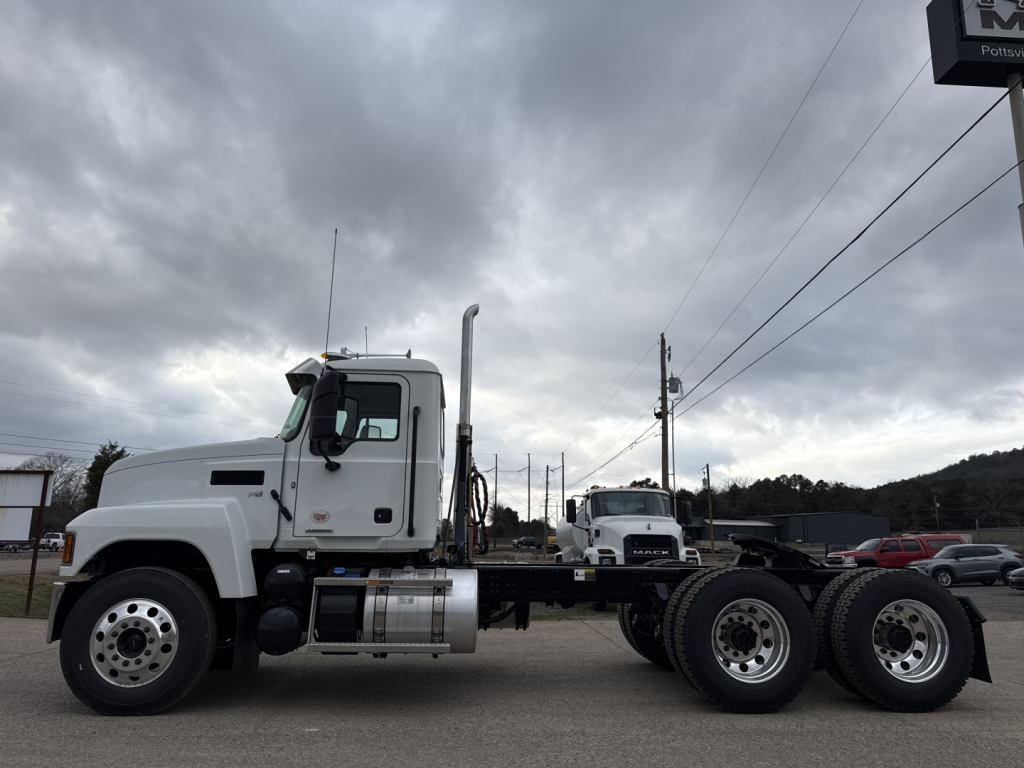
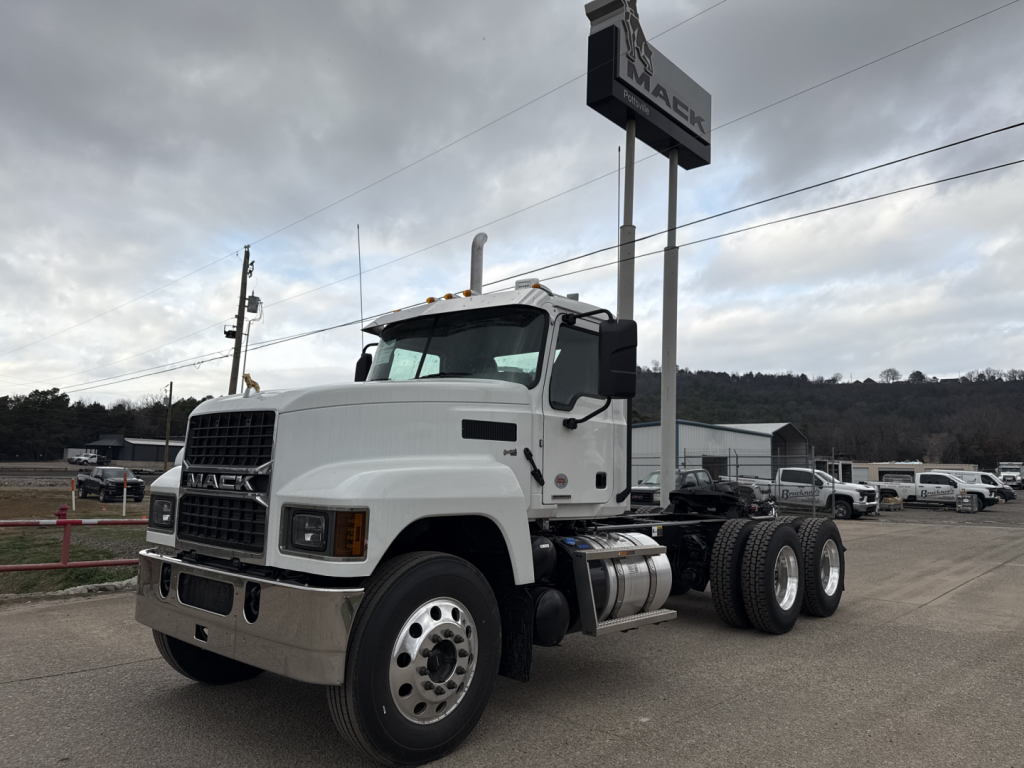
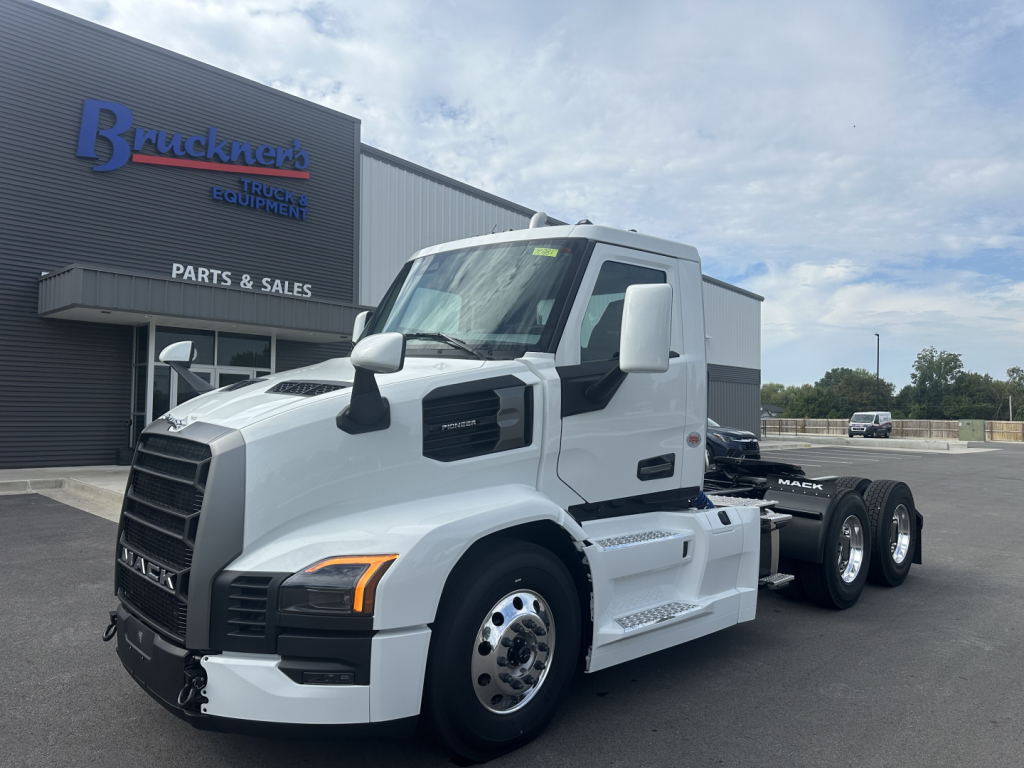
Selling a new 2026 conventional daycab truck? List your new 2026 conventional daycab truck for sale and reach thousands of commercial buyers.
New 2026 Conventional Daycab Trucks in Alaska
Spec decisions matter more in this category than brand badge alone. Common setups include tandem rear axles rated around 40,000 lb, 12,000 lb front axles, air ride suspensions, locking differentials, and wheelbases in the low-200-inch range depending on body clearance and trailer swing requirements. Power generally lands in the mid-to-upper horsepower bands for regional and vocational use, often paired with automated manual transmissions or proven manual gearboxes. Buyers running steep grades, heavy gross weights, or mixed pavement conditions should pay close attention to rear axle ratio, power divider, and whether the truck is equipped for PTO-driven hydraulics. Fifth wheel selection, kingpin setting, and back-of-cab packaging also affect trailer compatibility and turning radius.
For Alaska service, cold-start performance and driver uptime are major considerations. New 2026 conventional daycabs may be ordered with engine and fuel heating strategies, block heaters, battery upgrades, full locking rear axles, and spec choices that better suit snow, ice, and remote service intervals. Tire size, aluminum versus steel wheels, single vertical exhaust versus horizontal routing, and air system protection can all influence long-term operating cost. Cab ergonomics matter too, especially on regional routes where the truck may not sleep out but still logs long days. Seat support, dash layout, visibility over the hood, and easy entry and exit all make a difference in driver acceptance.
A buyer comparing new conventional daycab trucks should match the truck to the actual duty cycle, not just the advertised horsepower. A linehaul daycab hauling van or reefer freight needs different gearing and aerodynamics than a vocational tractor pulling equipment or working with a wet kit. Frame strength, suspension type, brake package, tire inflation options, and service access all affect lifecycle cost. The strongest value in this category usually comes from a balanced spec that supports the intended trailer, terrain, annual mileage, and maintenance plan without carrying unnecessary weight or complexity.
Frequently Asked Questions about New 2026 Conventional Daycab Trucks in Alaska
What is a conventional daycab truck best used for?
A conventional daycab truck is best suited for local and regional hauling where the driver returns home daily and does not need a sleeper berth. Common applications include dry van, reefer, flatbed, tanker, dump, lowboy, and port drayage work. The shorter cab configuration reduces overall length and often improves maneuverability, which is useful in city deliveries, terminals, and jobsite environments.
What specs matter most when buying a new 2026 conventional daycab in Alaska?
In Alaska, the most important specs usually include cold-weather starting support, axle ratings, rear axle ratio, differential locks, suspension type, and tire selection. Buyers should also review wheelbase, fifth wheel position, PTO provisions, and fuel capacity based on route length and trailer type. A truck that looks well-equipped on paper can still be a poor fit if the gearing, frame layout, or winterization package does not match the operating conditions.
Is an automated manual transmission a good choice for a daycab tractor?
An automated manual transmission is a strong choice for many daycab applications because it can reduce driver fatigue, help protect the drivetrain, and improve consistency across a fleet. It is especially useful in stop-and-go service, regional haul, and operations with multiple drivers. Manual transmissions still have a place in certain vocational or severe-service applications, but many fleets now prefer automated manuals for ease of use and training efficiency.
How do wheelbase and fifth wheel setup affect a conventional daycab?
Wheelbase and fifth wheel placement directly affect turning radius, bridge law compliance, trailer swing clearance, and weight distribution across the axles. A shorter wheelbase can improve maneuverability, but it must still provide enough clearance between the tractor and trailer. The fifth wheel type and kingpin setting should be matched to the trailer fleet and the intended load so the truck handles properly and keeps axle weights legal.
Can a conventional daycab be used for heavy vocational or PTO work?
Yes, many conventional daycab trucks are commonly spec'd for vocational and PTO-driven work. A buyer should confirm the truck has the right transmission provisions, PTO opening, hydraulic compatibility, frame strength, rear suspension rating, and axle ratio for the job. For dump, lowboy, equipment hauling, or tanker applications, the right driveline and chassis spec is more important than simply choosing the highest horsepower engine.