
New 2026 Mack Conventional Daycab Trucks For Sale in Alaska
Shop new 2026 Mack conventional daycab trucks with specs for local, regional, and vocational hauling, including axle, wheelbase, and drivetrain insights.
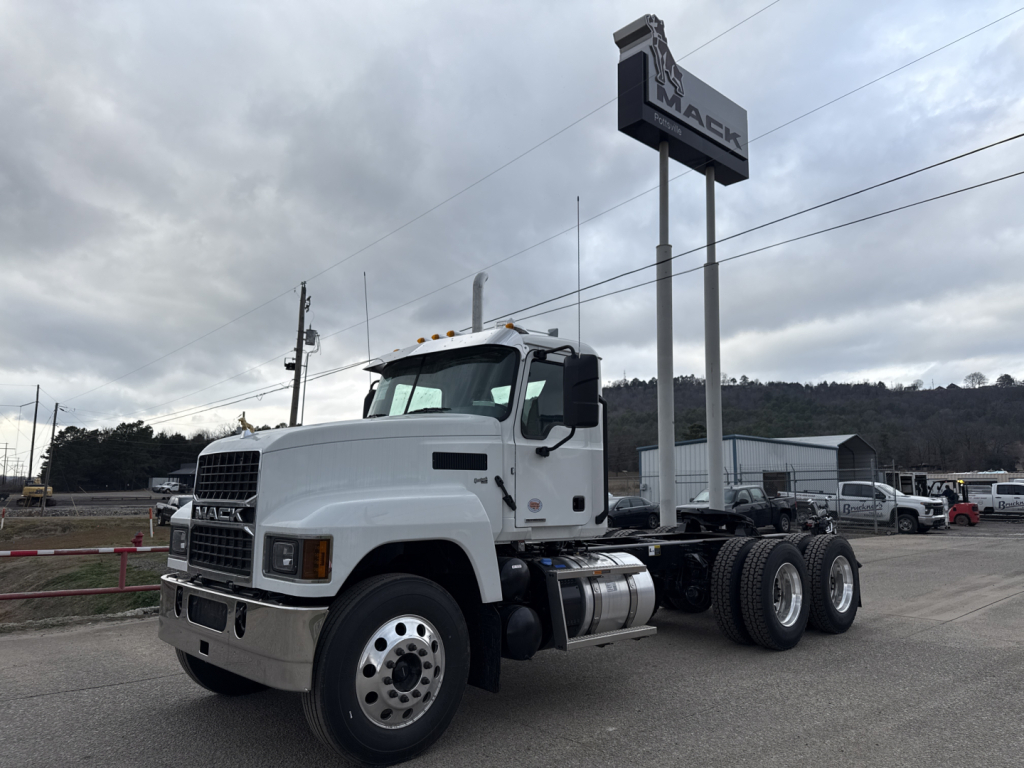
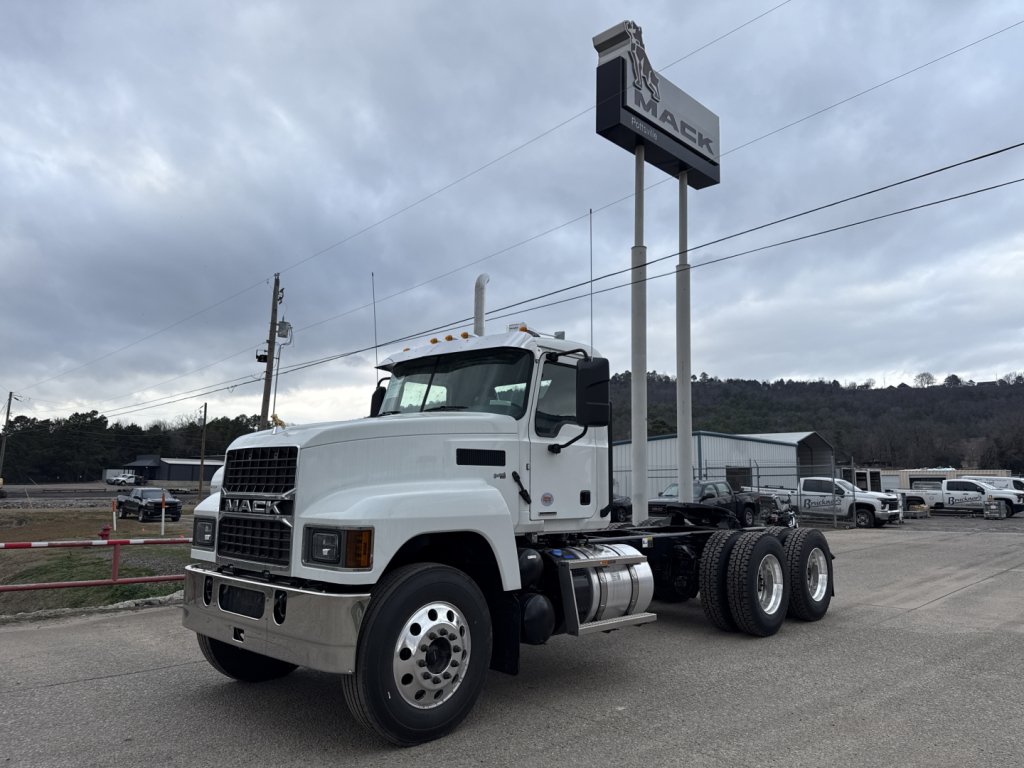
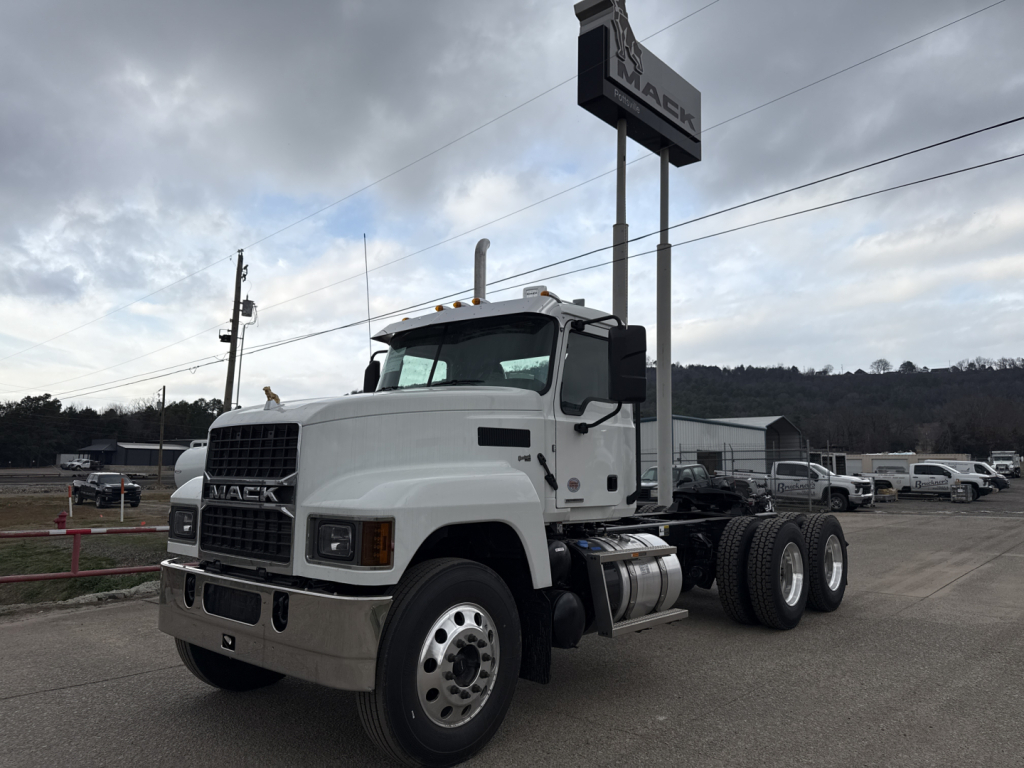
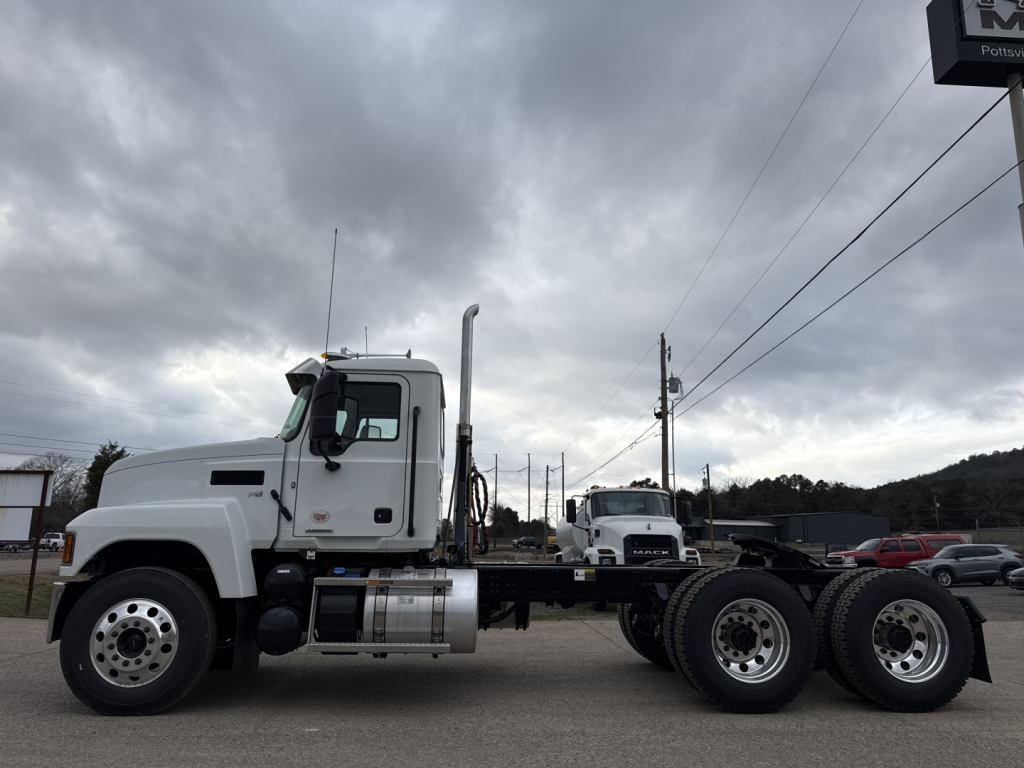
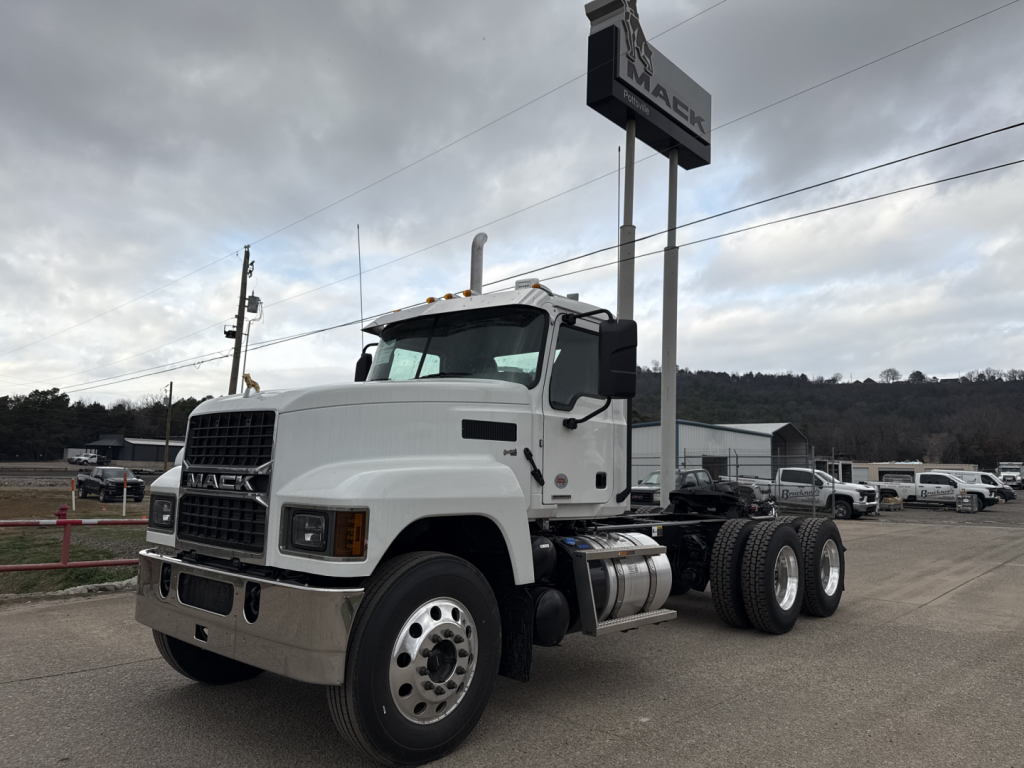
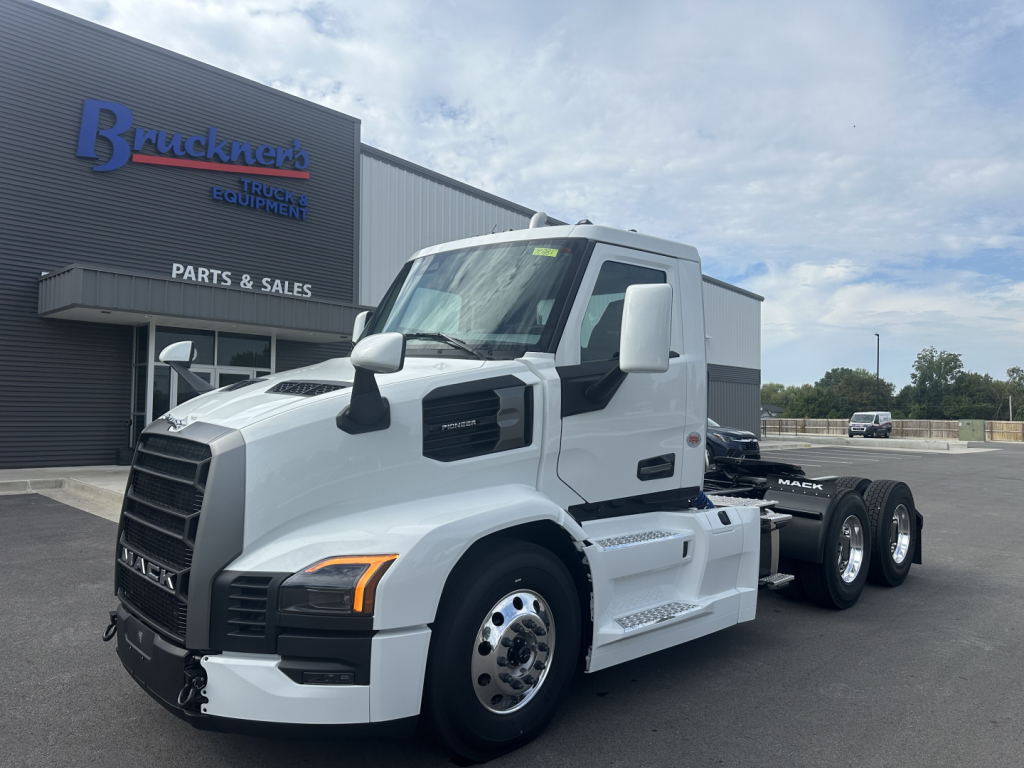
Selling a new 2026 mack conventional daycab truck? List your new 2026 mack conventional daycab truck for sale and reach thousands of commercial buyers.
New 2026 Mack Conventional Daycab Trucks in Alaska
For buyers comparing specs, the big decisions are engine rating, transmission, axle package, and wheelbase. Current Mack daycab configurations commonly center on the MP8 engine, often in the mid-400 horsepower range, paired with an M-Drive automated manual for fuel-efficient regional work and reduced driver fatigue. Tandem rear axle setups around 40,000 pounds are common, along with 12,000-pound front axles, driver-controlled locking differentials, and ratio choices such as 3.56 depending on cruise speed, terrain, and startability requirements. A wheelbase in the low 200-inch range is a practical middle ground for frame space, bridge compliance, and turning radius, especially when a PTO, hydraulic equipment, or specific trailer swing clearance is part of the application.
Mack conventional daycabs are also a strong fit when uptime and serviceability are priorities. Buyers often look for air ride rear suspension, fixed or sliding fifth wheel options, aluminum wheels, and tire sizes like 11R24.5 for a balance of load capacity and replacement availability. If the truck will pull end dumps, lowboys, tankers, or heavy regional van and flatbed freight, pay close attention to frame spec, PTO provisioning, cooling package, fuel capacity, and exhaust layout. In colder markets, cab insulation, heater performance, battery capacity, and winter-friendly aftertreatment operation deserve extra attention because they affect real-world reliability as much as the powertrain does.
The 2026 Mack lineup also appeals to fleets standardizing around safety and driver retention. A modern daycab can be ordered with updated cab ergonomics, improved visibility, and integrated driver-assist technology that supports city and regional routes. The best spec is not simply the highest horsepower truck. It is the truck matched to lane length, trailer type, payload, road conditions, and idle profile. For buyers evaluating Mack Pinnacle or newer Pioneer-style daycab configurations, the goal is a tractor that delivers the right balance of turning ability, legal payload, driveline life, and operating cost over several years of hard commercial use.
Frequently Asked Questions about New 2026 Mack Conventional Daycab Trucks in Alaska
What is a Mack conventional daycab best used for?
A Mack conventional daycab is best suited for local and regional hauling where the driver returns home daily and sleeper space is unnecessary. Common applications include dry van, flatbed, tanker, dump, port drayage, municipal support, and other vocational tractor work. The daycab layout reduces overall weight, improves maneuverability compared with many sleeper tractors, and simplifies cab access for routes with frequent stops.
What specs matter most when buying a new 2026 Mack daycab?
The most important specs are engine horsepower and torque, transmission type, rear axle ratio, axle ratings, wheelbase, suspension, and fifth wheel setup. Those choices determine how the truck starts on grades, cruises at highway speed, handles payload, and fits a specific trailer or body requirement. Buyers in heavier or colder service should also evaluate PTO readiness, locking differentials, tire size, fuel capacity, and the cooling and charging systems because those details affect year-round performance and uptime.
Is the Mack M-Drive a good choice for a daycab tractor?
The Mack M-Drive is a strong fit for many daycab applications because it helps reduce driver fatigue, delivers consistent shifting, and can improve fuel economy in stop-and-go or regional service. It is especially useful in fleets with multiple drivers because shift quality is less dependent on driver technique. For severe-duty or highly specialized work, the right calibration and axle ratio still matter, so the transmission should be matched carefully to terrain, load, and PTO needs.
How do I choose the right wheelbase for a conventional daycab?
Wheelbase should be selected based on trailer swing clearance, bridge laws, frame space needs, and turning radius. A shorter wheelbase generally improves maneuverability in yards, terminals, and tight city routes, while a longer wheelbase can provide better ride quality and more room for fuel tanks, battery boxes, hydraulic equipment, or PTO accessories. For many tandem axle daycab tractors, a wheelbase around the low 200-inch range is a versatile starting point, but the correct number depends on the exact trailer and job.
Are Mack daycabs a good option for Alaska service?
Yes, a properly spec'd Mack daycab can be a strong option for Alaska service, especially for local and regional operations that need durable chassis components and dependable traction. Buyers should pay close attention to cold-weather priorities such as heater output, battery capacity, insulation, block heating provisions, differential locks, and aftertreatment performance in low temperatures. Tire choice, axle ratio, and corrosion protection also become more important when the truck will see steep grades, rough surfaces, and extended winter conditions.