
New 2026 Conventional Sleeper Trucks For Sale in Alaska
Shop new 2026 conventional sleeper trucks in Alaska. Compare high-roof specs, powertrain options, axle ratings, and cold-weather features.
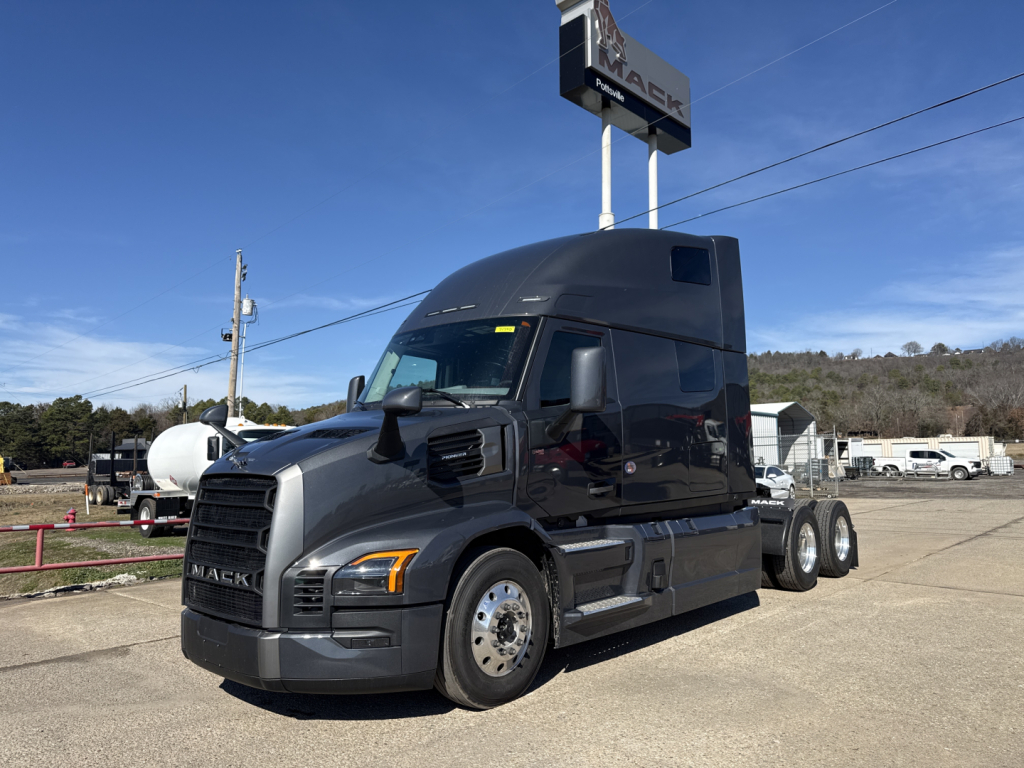
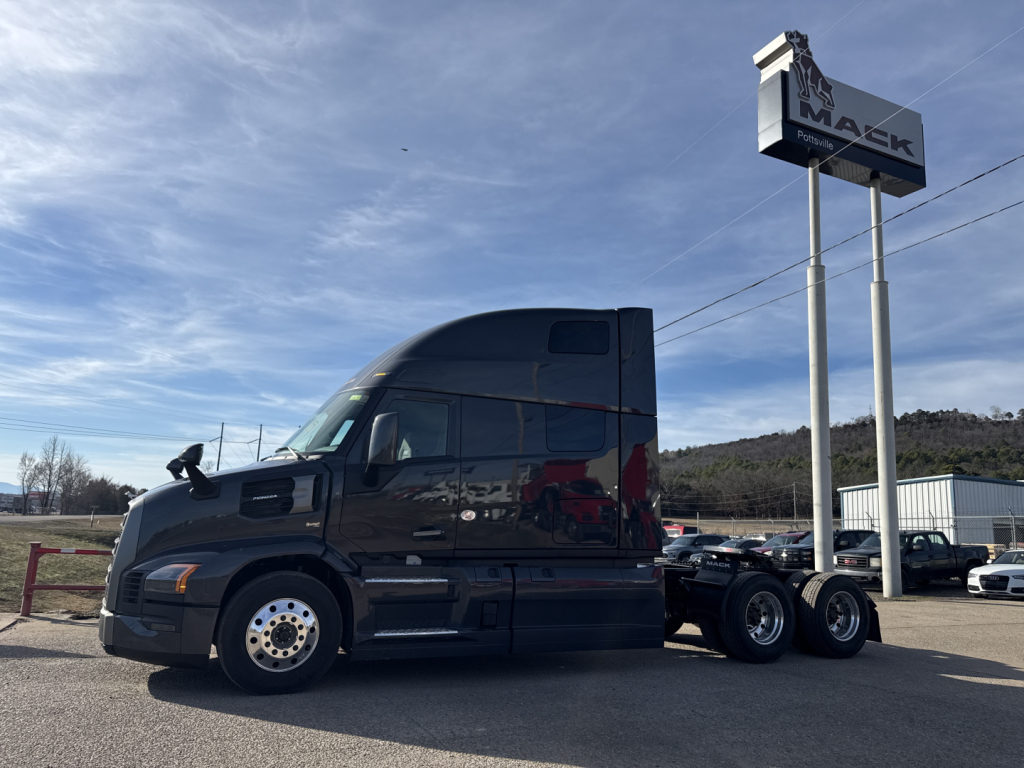
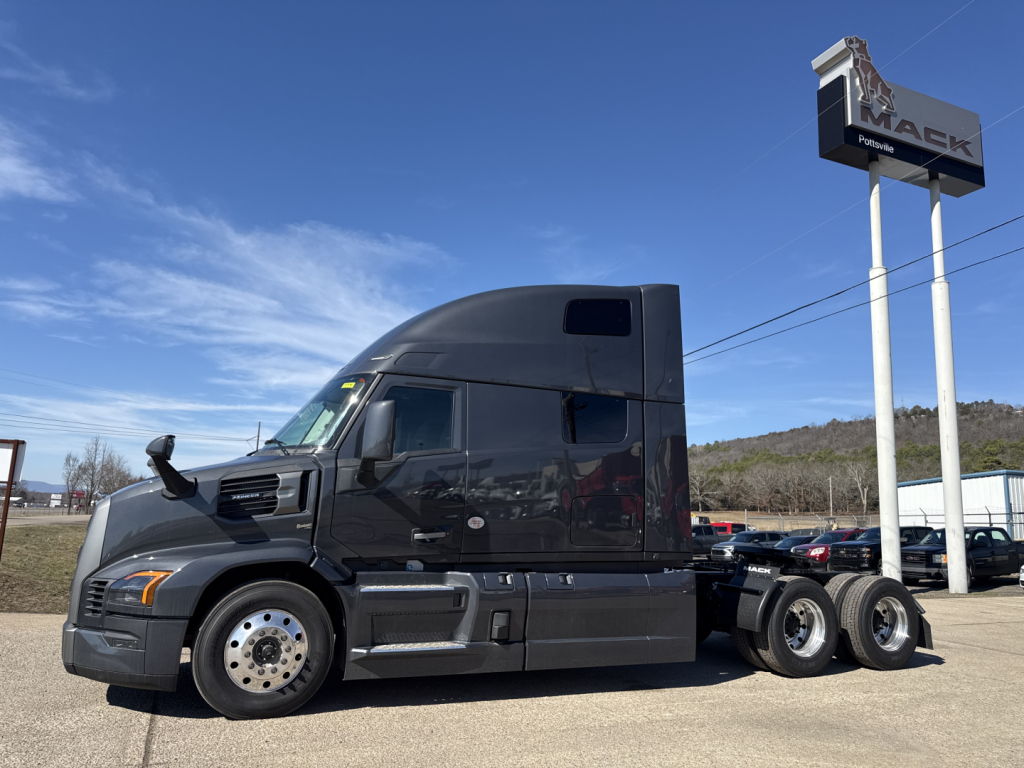
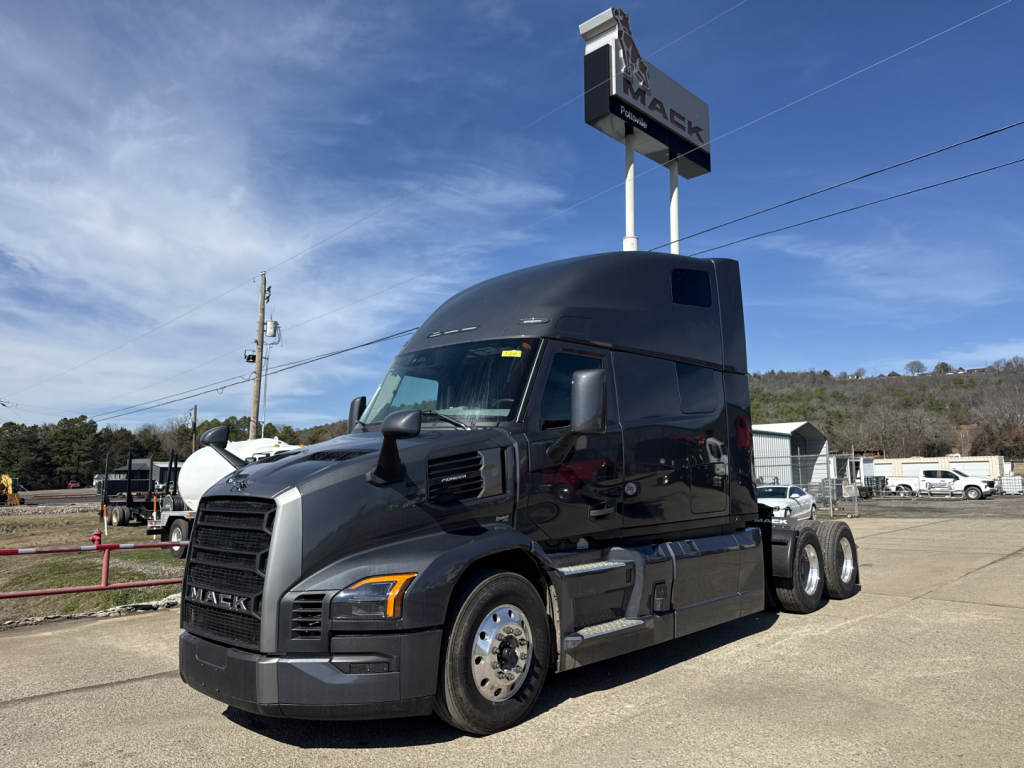
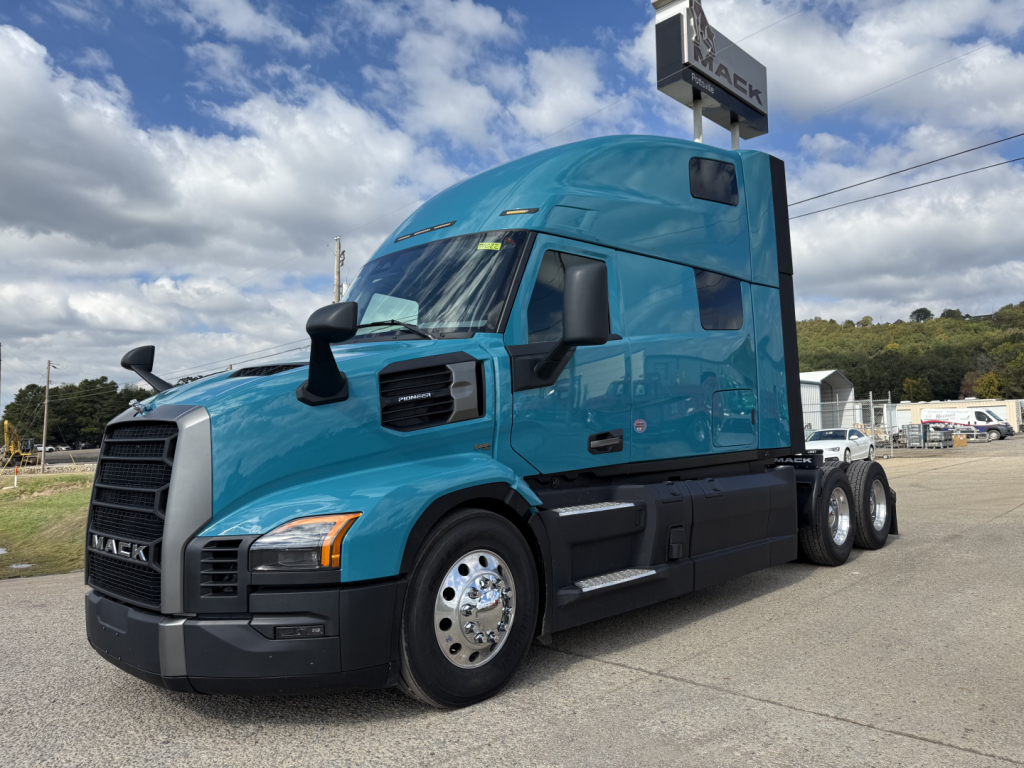
Selling a new 2026 conventional sleeper truck? List your new 2026 conventional sleeper truck for sale and reach thousands of commercial buyers.
New 2026 Conventional Sleeper Trucks in Alaska
Common 2026 specs in this category include 13-liter engines in the 445 to 500 horsepower range, torque ratings around 1,650 to 1,850 lb-ft, and 12-speed automated manual transmissions such as Volvo I-Shift or Mack mDRIVE. Fleet-oriented builds often use a 6x4 configuration, 13,000 to 13,200 lb front axles, 40,000 lb rears, and rear axle ratios in the mid-2s for fuel economy at highway speeds. Wheelbases commonly land in the 230 to 240 inch range depending on sleeper size, fuel capacity, and fairing package. Buyers comparing listings should also look at brake type, suspension spec, tire size, fifth wheel setup, and whether the truck is emissions certified for broader interstate and CARB-sensitive operations.
Sleeper configuration matters as much as the drivetrain. A 76-inch high-roof sleeper is a popular choice because it gives a solo driver enough room for standing height, storage, and extended time on the road without moving into an oversized platform. In Alaska, larger fuel tank combinations can be especially useful, and parking heaters are more than a comfort item because they reduce engine idling and improve overnight usability in sub-freezing conditions. New-model conventional sleepers also bring updated driver-assist systems, improved visibility packages, tighter aero treatment, and more refined cab insulation, all of which can affect retention, fatigue, and total operating cost.
For heavy highway freight, reefer lanes, van freight, and general long-distance pulling, the conventional sleeper remains the standard choice because it balances service access, road manners, and resale strength. The best spec depends on route profile and payload. A lighter, fuel-economy-focused build may suit long interstate runs, while a buyer dealing with mountain grades, winter traction demands, or heavier gross combinations may want more torque, a deeper ratio, and a more robust cooling and braking package. The right 2026 truck is not just the newest one on the page. It is the one with a sleeper, powertrain, and Alaska-ready support features that match the work cycle.
Frequently Asked Questions about New 2026 Conventional Sleeper Trucks in Alaska
What is a conventional sleeper truck?
A conventional sleeper truck is a highway tractor with a hooded front-end design and an integrated rear sleeper compartment for driver rest. It is the standard over-the-road configuration for long-haul freight because it combines aerodynamic efficiency, easier engine access, and enough living space for multi-day trips. In most specs, it is built as a tandem-axle 6x4 tractor for van, reefer, and general freight applications.
What sleeper size is common on new 2026 conventional sleeper trucks?
A 76-inch high-roof sleeper is one of the most common configurations in this category. It gives a practical balance of interior space, exterior aerodynamics, and overall wheelbase. Buyers who expect extended time away from the terminal usually prefer a high-roof layout for standing room, cabinet storage, bunk comfort, and room for hotel-load features such as parking heaters and auxiliary climate systems.
What specs matter most for a conventional sleeper truck in Alaska?
In Alaska, buyers should pay close attention to cold-weather and distance-related specs. Important items include a strong HVAC system, bunk or parking heater, fuel capacity, battery reserve, engine block heating provisions, and tire and brake specs suited to winter service. Drivetrain choices also matter because steep grades, remote routes, and severe temperatures can justify more torque, a suitable rear ratio, and dependable automated transmission calibration for low-traction conditions.
What engine and transmission setup is typical in this category?
Many new conventional sleeper trucks are spec'd with 13-liter diesel engines producing roughly 445 to 500 horsepower and 1,650 to 1,850 lb-ft of torque. Automated manual transmissions dominate this class because they help with fuel economy, driver consistency, and ease of operation. Common pairings include 12-speed automated units matched to fuel-efficient rear axle ratios for linehaul work, though some operations choose more aggressive gearing for terrain and payload demands.
How do I choose between a fuel-economy spec and a heavier-duty spec?
The decision comes down to route, average gross weight, and operating environment. A fuel-economy spec usually features a lower rear axle ratio, aero-focused wheelbase, and a power rating tuned for steady highway cruising. A heavier-duty spec may add torque, cooling capacity, stronger braking components, and gearing that improves gradeability and startability. For buyers running mixed terrain, winter roads, or heavier loads, the heavier-duty approach can make more sense even if the fuel burn is slightly higher.