
New 2026 Mack Trucks For Sale in Alaska
Shop new 2026 Mack trucks in Alaska, including daycabs, sleepers, and vocational models built for heavy haul, construction, and severe duty work.
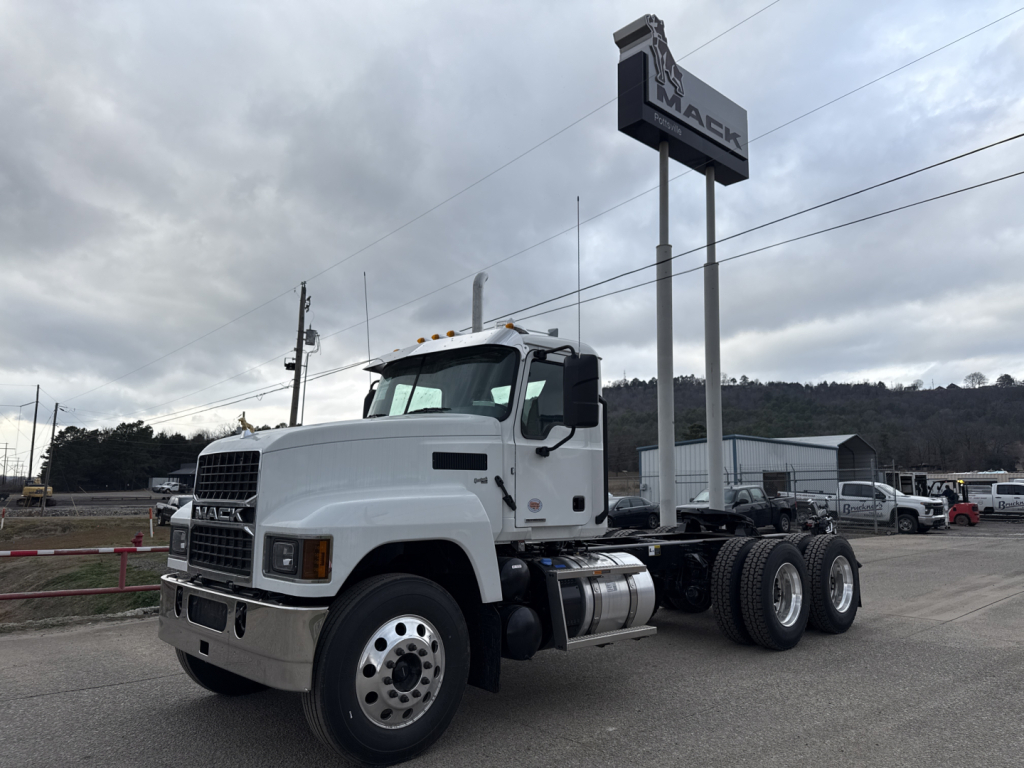
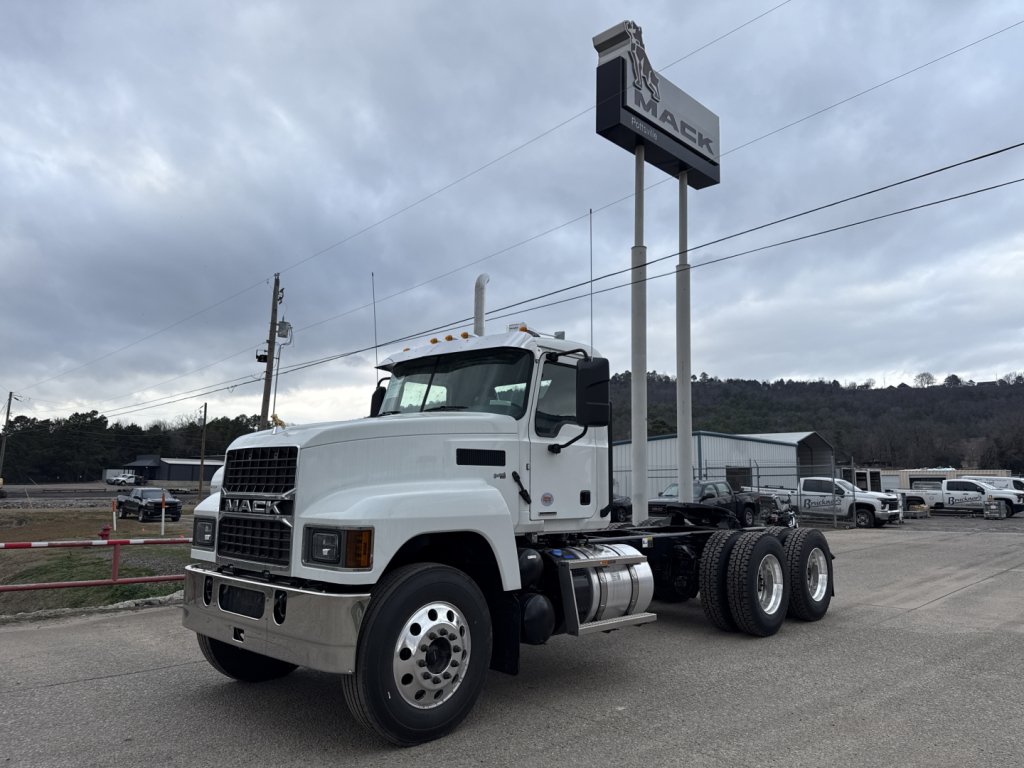
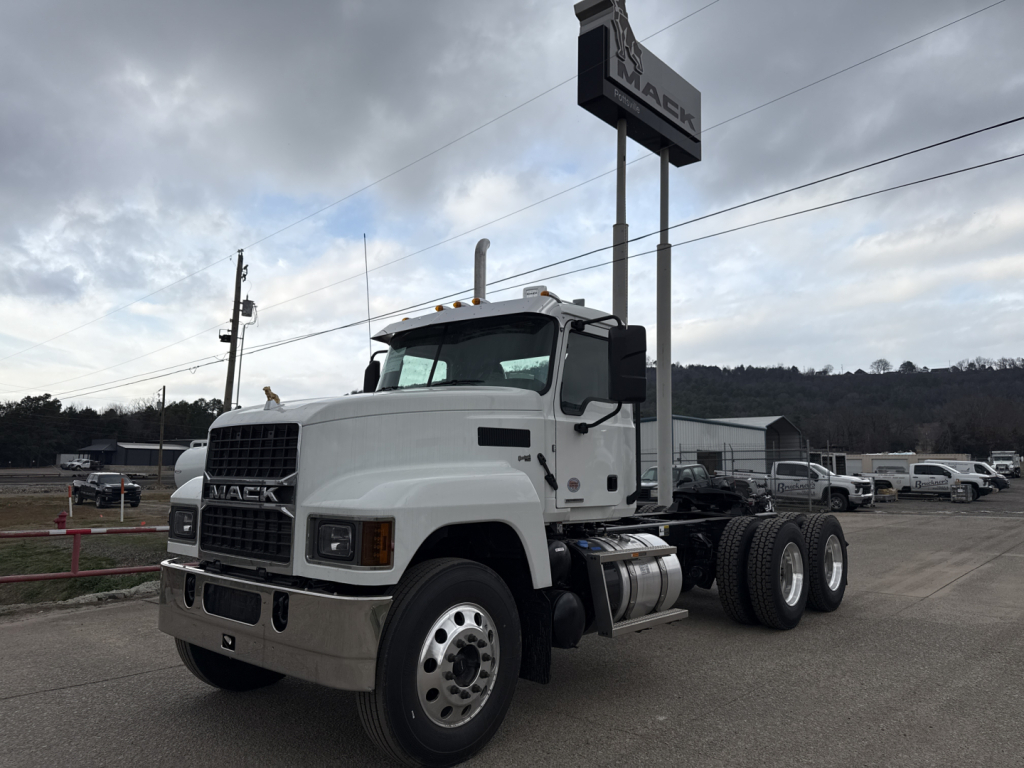
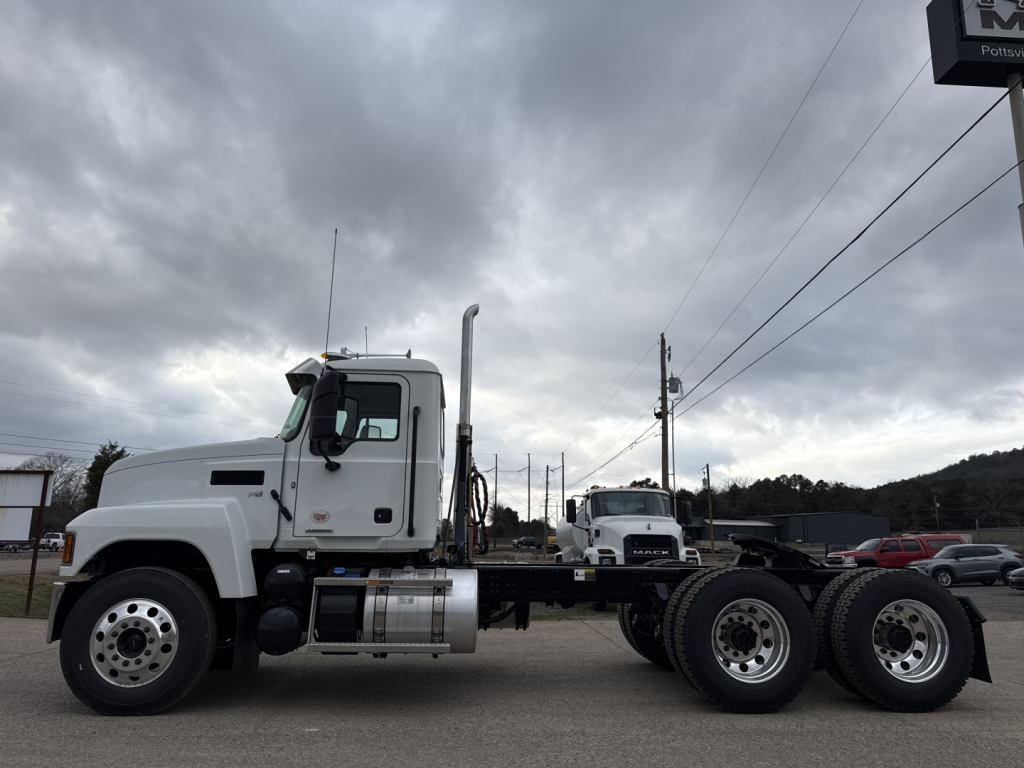
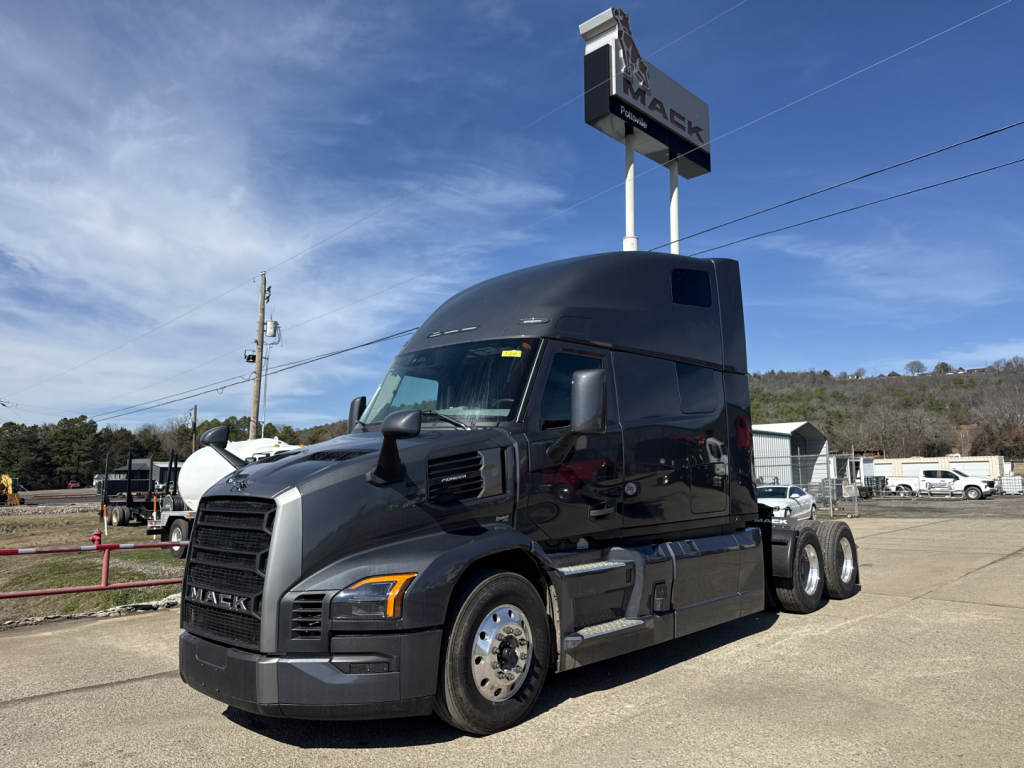
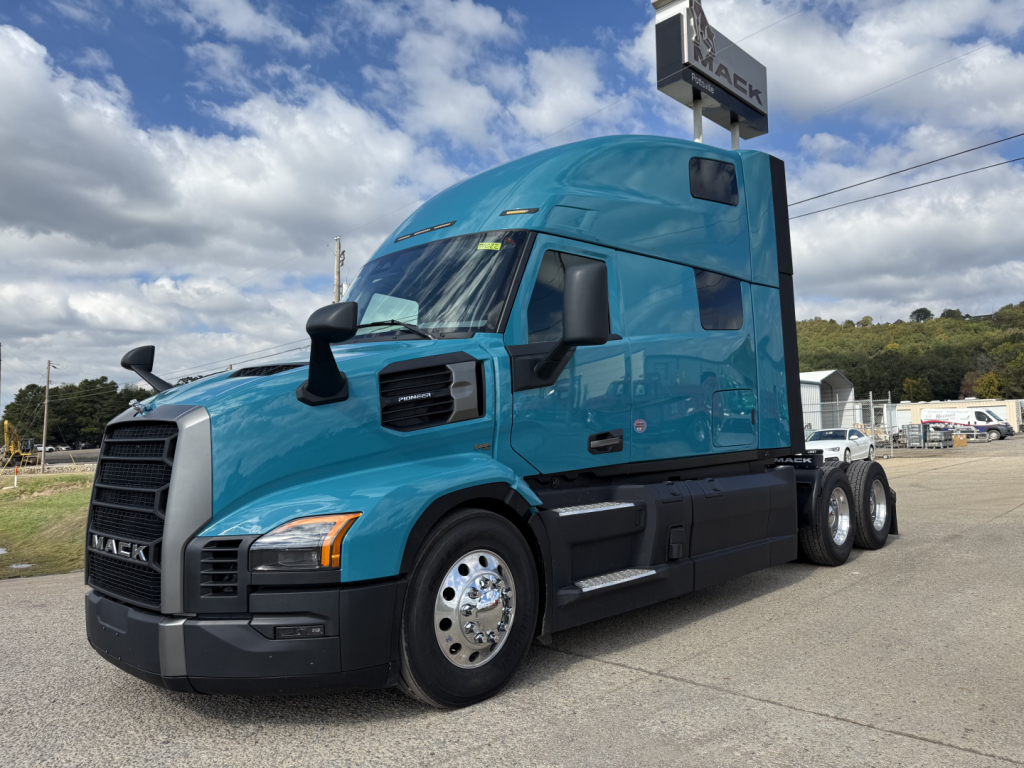
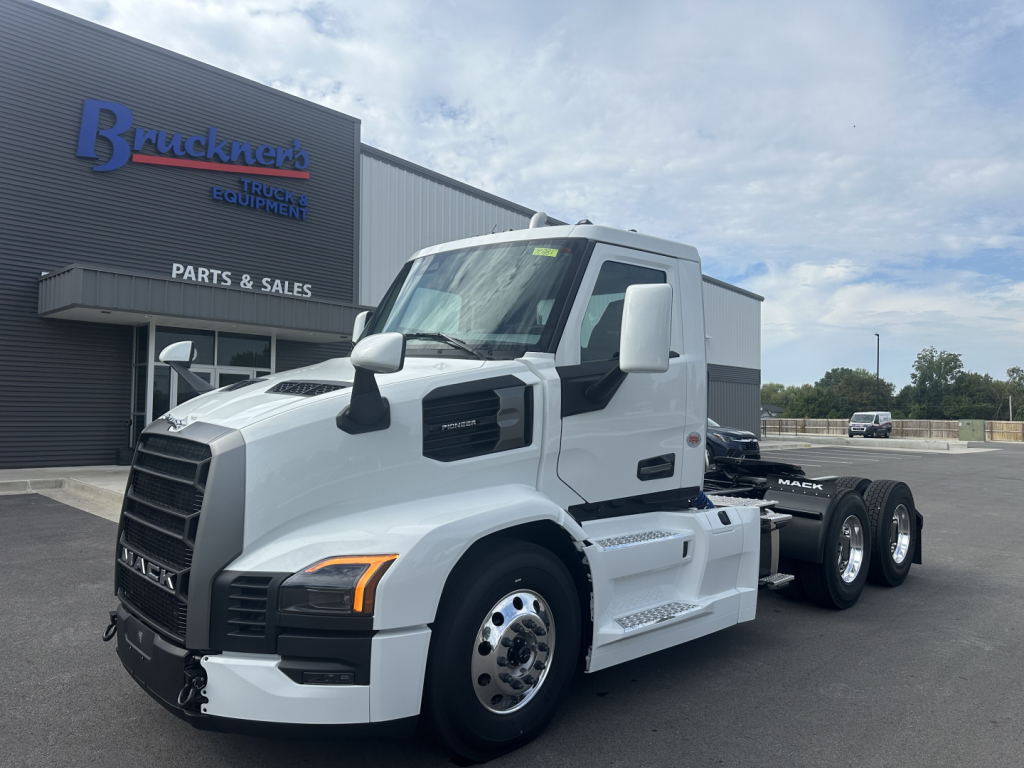

Selling a new 2026 mack truck? List your new 2026 mack truck for sale and reach thousands of commercial buyers.
New 2026 Mack Trucks in Alaska
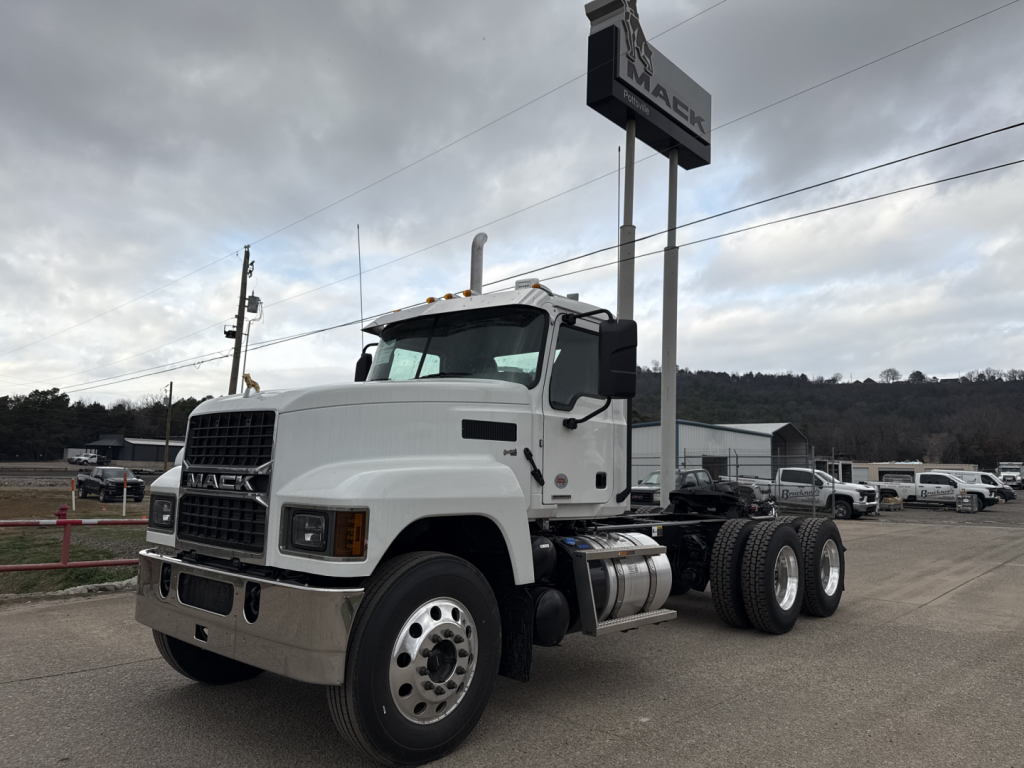
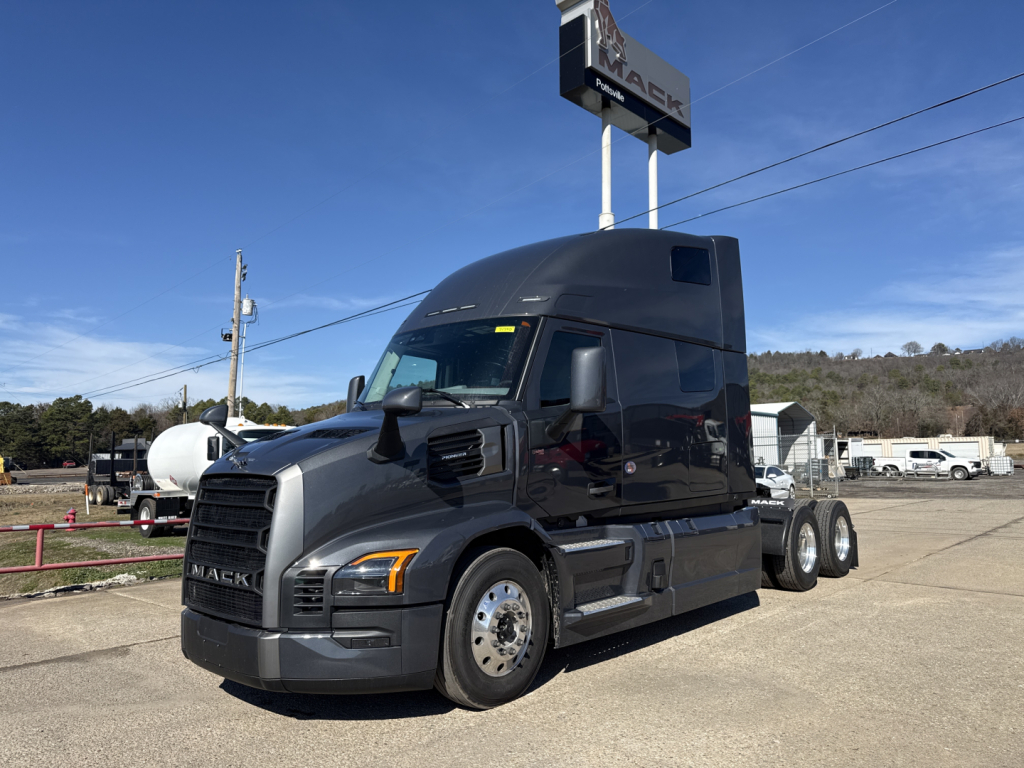
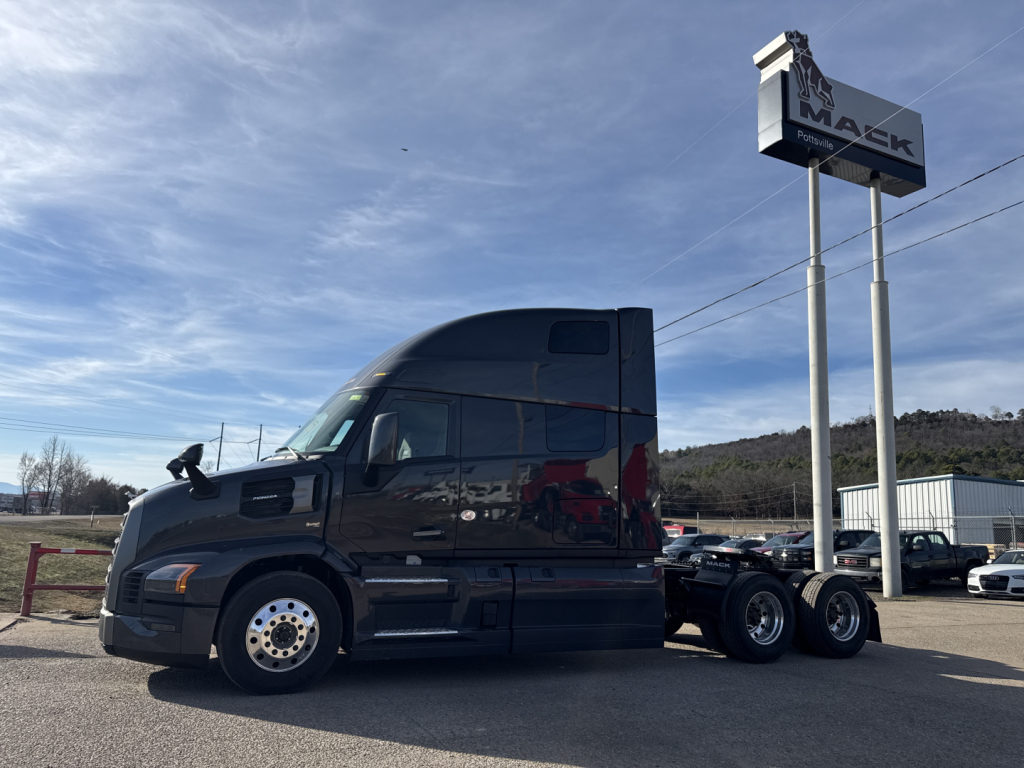
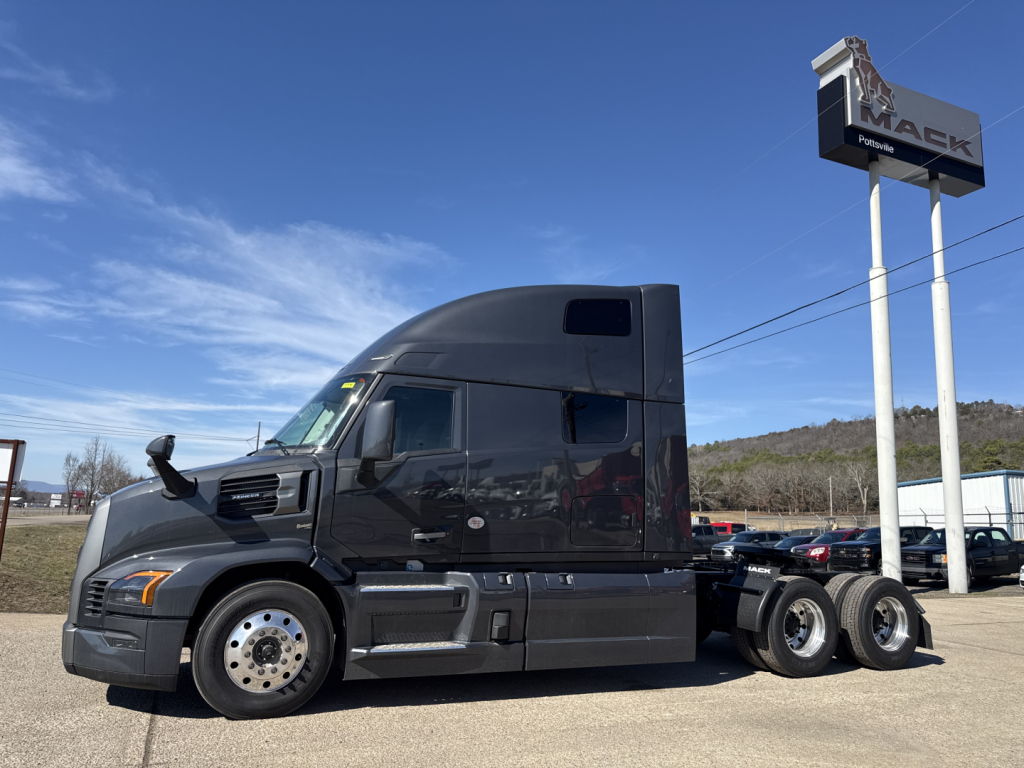
For on-highway work, new Mack conventional daycabs and sleeper tractors are commonly chosen for regional freight, fuel haul, heavy spec linehaul, and winter-sensitive operations where traction and driver comfort matter. Key decisions usually include axle setup, wheelbase, rear ratio, fuel capacity, and sleeper size. Mack automated manual transmissions, especially M-Drive variants, are popular because they reduce driver fatigue and can be matched to fuel economy or startability needs depending on terrain and gross combination weight. Buyers comparing a daycab to a 76-inch high-roof sleeper should look beyond cab size and focus on intended route length, idle reduction needs, parking heater spec, and how the truck is geared for grades, ice, and long distances between service points.
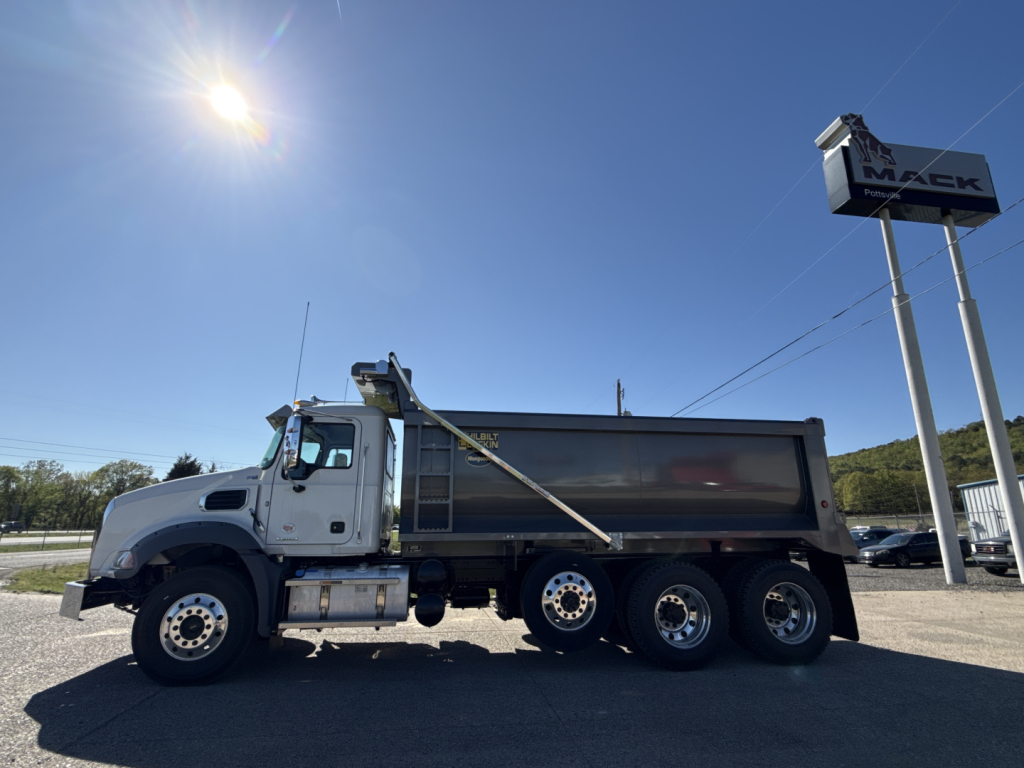
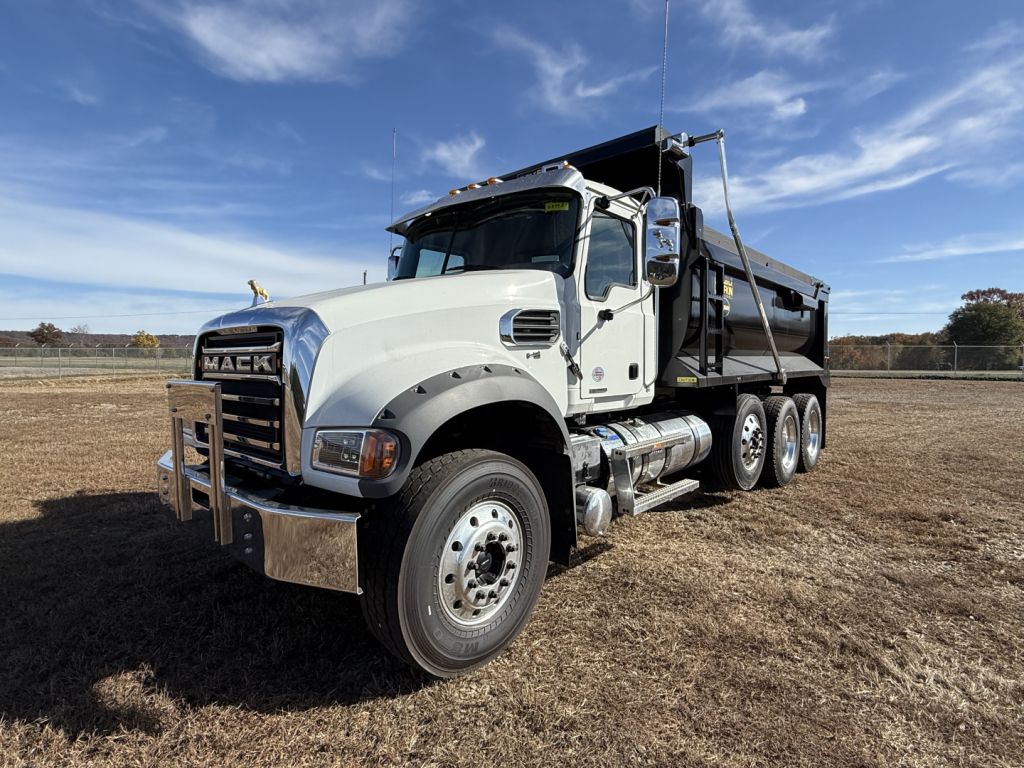
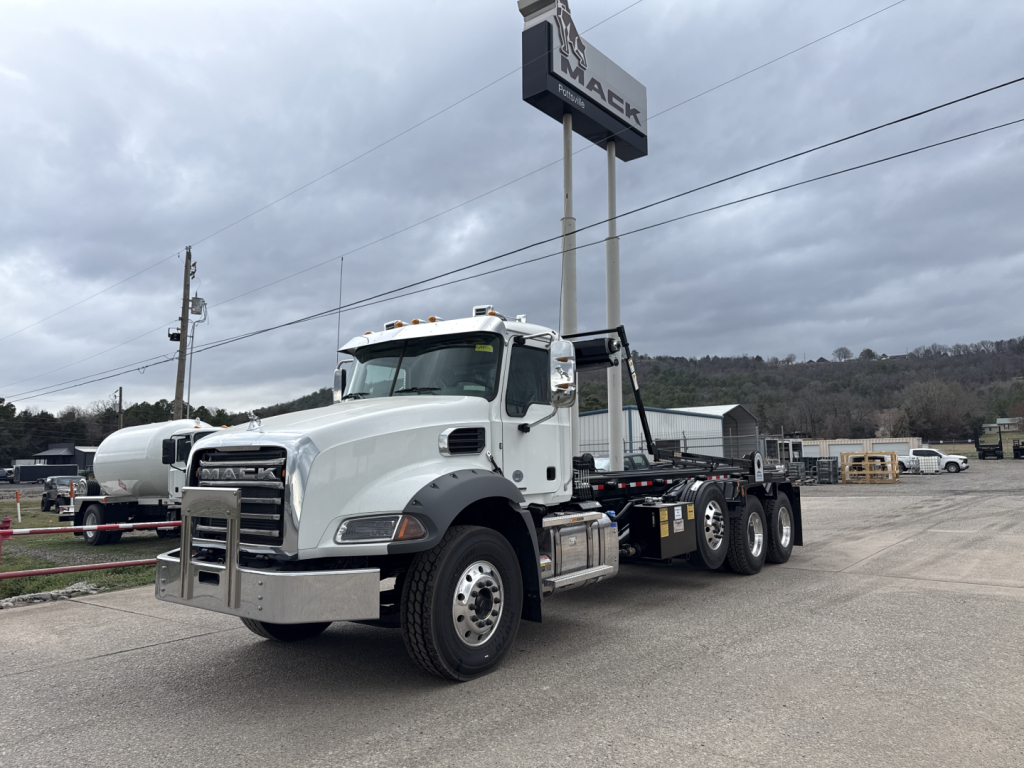
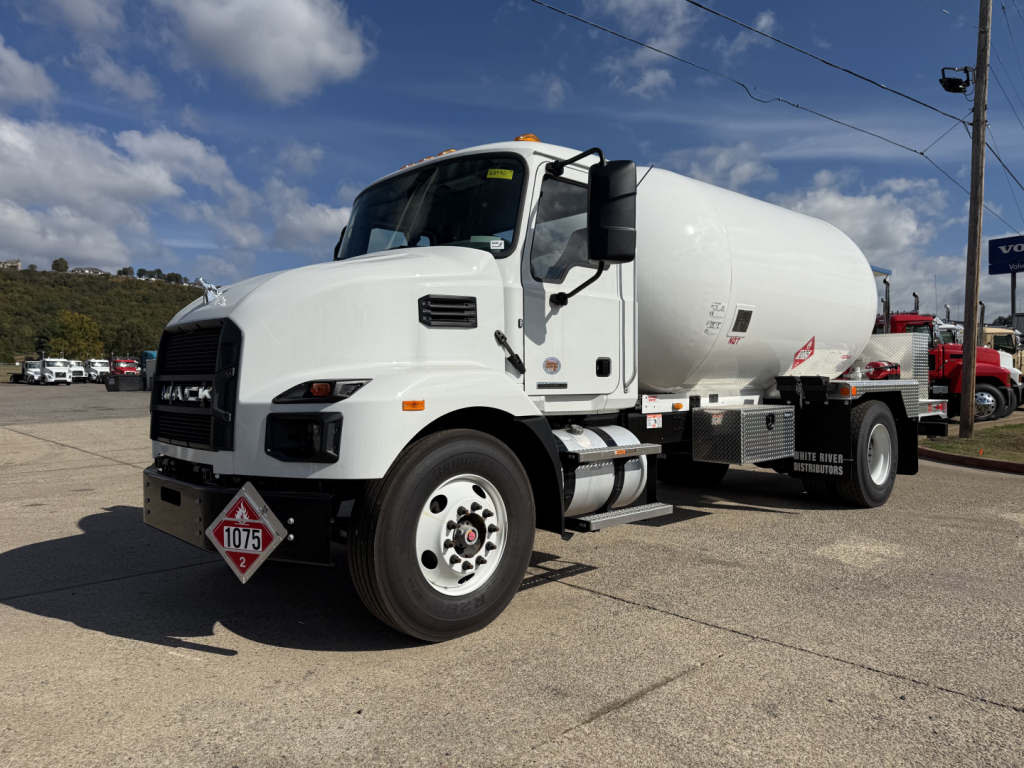
For vocational use, Mack Granite and similar severe-duty platforms remain a strong fit for dump, construction, municipal, and material-hauling applications. This is where front axle capacity, suspension type, body integration, PTO provisions, and frame reinforcement matter more than cosmetic features. A buyer looking at a new Mack dump truck should verify body length and side height, hoist configuration, tailgate design, and legal payload potential relative to local bridge and axle laws. Mack's heavier front ends, high torque diesel engines, and vocational transmission programming are especially relevant for low-speed maneuvering, soft ground, and repeated stop-start cycles. Options such as lift axles, locking differentials, heated mirrors, work lighting, and severe-service cooling packages can make a major difference in year-round uptime.
The strongest 2026 Mack truck spec is the one that matches the job without carrying unnecessary weight or complexity. In Alaska, that often means balancing cold-weather reliability, serviceability, and payload against emissions equipment strategy, wheelbase, and cab configuration. Buyers should compare gross axle weight ratings, engine horsepower and torque, transmission model, suspension capacity, and intended body or trailer setup before focusing on price alone. A properly spec'd new Mack can serve as a highway tractor, a construction dump, or a multipurpose vocational truck, but the right choice depends on terrain, annual miles, loaded weight, and how much off-pavement time the truck will actually see.
Frequently Asked Questions about New 2026 Mack Trucks in Alaska
What types of new 2026 Mack trucks are most common in Alaska?
The most common new 2026 Mack trucks in Alaska usually fall into three groups: conventional daycabs for regional and local hauling, sleeper tractors for longer runs, and vocational trucks such as dump trucks for construction and material work. The right category depends on route length, terrain, payload, and how often the truck leaves paved roads. In colder and more remote areas, buyers also tend to prioritize equipment that supports winter operation, including strong heating systems, appropriate axle ratios, and specs that improve traction and cold-weather starting.
Is a Mack daycab or sleeper better for Alaska operations?
A Mack daycab is often the better fit for shorter regional runs, local hauling, and applications where payload and maneuverability matter more than driver living space. A Mack sleeper makes more sense for long distances, team operations, or routes where weather, rest availability, and overnight idling are real concerns. In Alaska, sleeper buyers often look for high-roof configurations, parking heaters, larger fuel capacity, and climate control features that improve driver comfort and reduce cold-weather downtime.
What should I look for in a new Mack dump truck spec?
A new Mack dump truck should be evaluated on axle ratings, frame strength, suspension, engine torque, transmission setup, and how the body is matched to the chassis. Front axle capacity and rear suspension are critical if the truck will carry heavy aggregate, rock, or wet material. Body length, side height, hoist type, tailgate design, and any lift axle configuration should also be reviewed carefully because they affect legal payload, loading efficiency, and jobsite performance. In severe-duty work, drivetrain gearing and low-speed control are just as important as horsepower.
Are Mack automated manual transmissions a good choice for heavy-duty work?
Mack automated manual transmissions are a strong choice for many heavy-duty and vocational applications because they reduce driver fatigue and deliver consistent shifting under load. They are commonly spec'd for both highway tractors and vocational trucks, especially where startability, grade performance, and fuel efficiency need to be balanced. The key is matching the transmission programming and gear ratios to the truck's actual work. A poor ratio or axle spec can limit performance, even with a capable transmission.
Which specs matter most when buying a new Mack truck in Alaska?
The most important specs usually include engine horsepower and torque, transmission model, front and rear axle ratings, suspension type, wheelbase, rear ratio, and fuel capacity. In Alaska, buyers should also pay close attention to cold-weather features such as battery capacity, block heater provisions, cab and bunk heating, mirror heat, and tire selection. If the truck is for vocational work, PTO compatibility, frame reinforcement, and body integration become major factors. If it is for highway service, sleeper size, gearing, and idle reduction equipment often move to the top of the list.