
New 2026 Refuse Side Loader Trucks For Sale
Shop new 2026 refuse side loader trucks with automated collection bodies, high-visibility cabs, and specs built for residential route work.

Selling a new 2026 refuse side loader truck? List your new 2026 refuse side loader truck for sale and reach thousands of commercial buyers.
New 2026 Refuse Side Loader Trucks
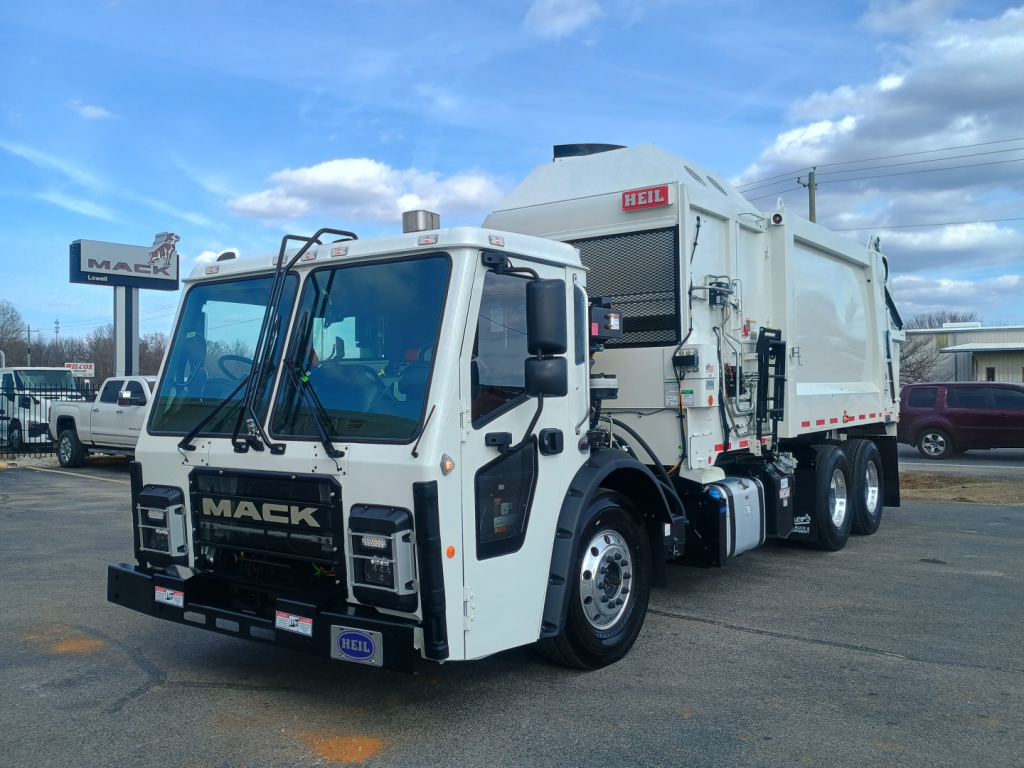
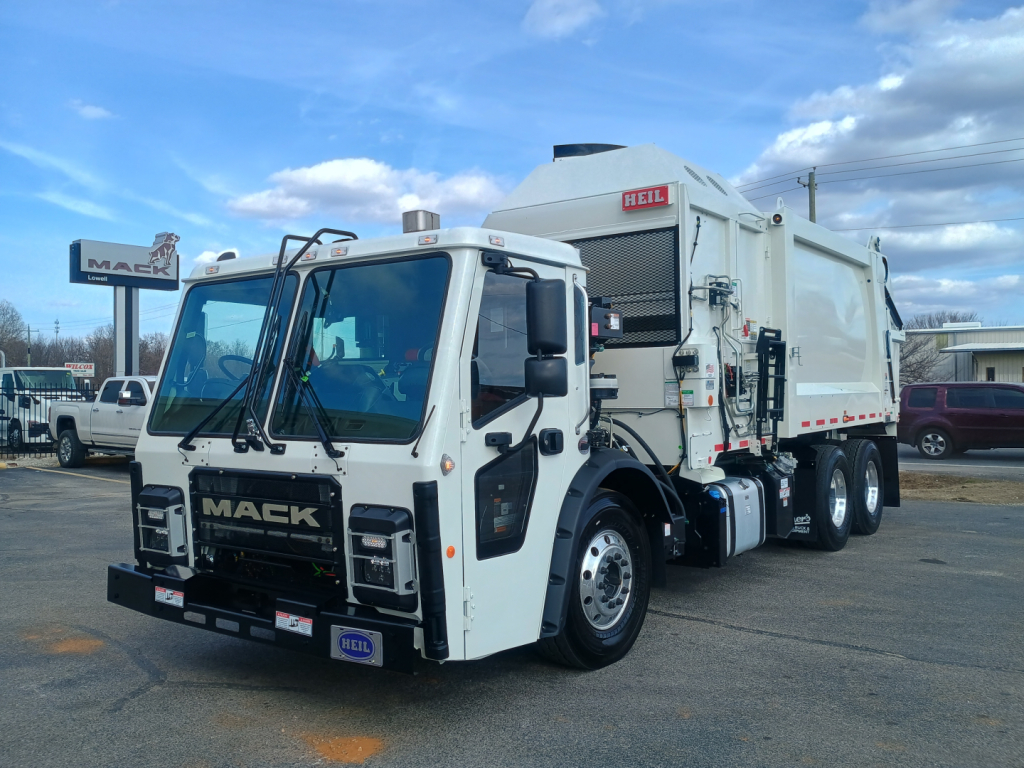
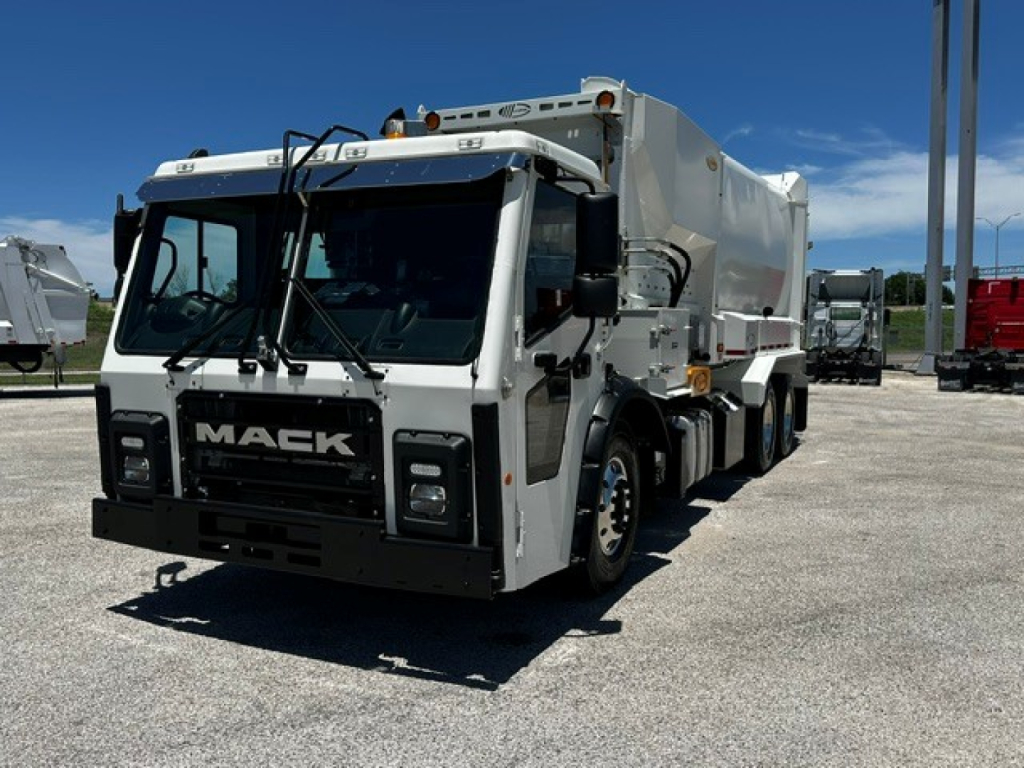
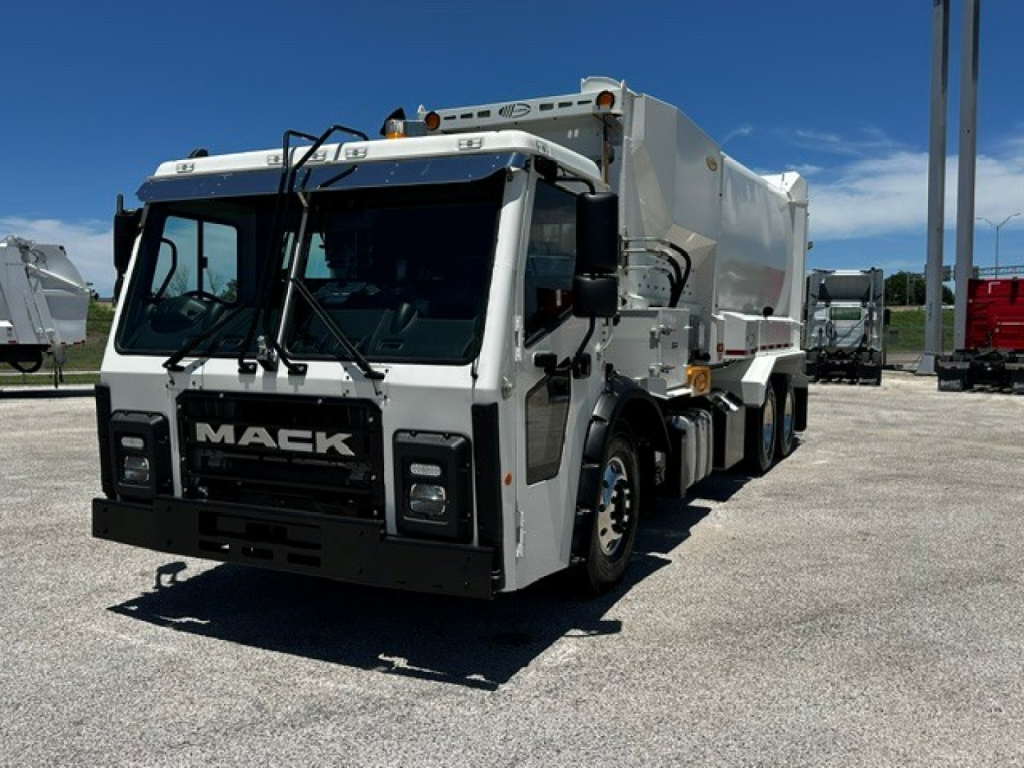
Cab layout is a major buying point in a side loader. Many units are spec'd with right-hand drive or dual sit/drive configurations to improve curbside visibility and reduce driver strain in dense neighborhoods. Low-entry refuse cabs also make frequent in-and-out operation easier over a full shift. Typical 2026 specs in this class include diesel engines in the mid-300 horsepower range, fully automatic Allison transmissions such as the 4500 RDS, and axle ratings around 20,000 pounds front and 46,000 pounds rear. Rear ratios in the 5-series are common to support stop-and-go work, gradeability, and body PTO performance rather than fuel economy at highway cruise.
Suspension, axle lockup, and packer body details deserve close attention. Refuse side loaders often run heavy-duty rear suspensions such as Camelback-style setups for durability under repeated loading and route abuse. Interwheel differential locks are valuable for wet alleys, steep approaches, and transfer station conditions. On the body side, buyers should compare hopper size, compaction force, arm geometry, and camera coverage. Systems such as single or multi-camera setups help with cart alignment, backing awareness, and claim reduction. New 2026 units may also offer cleaner electrical integration, updated safety interlocks, and better diagnostics between chassis and body controls, which can reduce downtime and simplify fleet maintenance.
A good refuse side loader spec is one that matches the route, not just the body size. Tight suburban streets may favor maximum visibility and tighter turning over sheer payload, while longer residential runs may justify a larger body and emphasis on packer efficiency. Common evaluation points include legal payload by municipality, bridge formula considerations, local emissions requirements, service access, and how easily the truck can be standardized across the fleet. For municipal and private haulers alike, the right new refuse side loader truck should deliver predictable arm performance, low cab entry, durable suspension components, and a body-chassis package that stays productive through constant stop-start collection work.
Frequently Asked Questions about New 2026 Refuse Side Loader Trucks
What is a refuse side loader truck used for?
A refuse side loader truck is primarily used for automated residential trash and recycling collection. The truck uses a hydraulic arm mounted on the side of the body to grab, lift, and empty standardized carts into the hopper without the driver leaving the cab. This setup improves route efficiency, reduces labor requirements, and supports consistent curbside pickup in neighborhoods with high stop density.
What body size is common on a new refuse side loader?
A 28-yard body is a common spec in this category, especially for residential automated side loading. Actual body choice depends on route density, material type, transfer distance, and legal weight limits. Buyers should look beyond rated cubic yards and compare hopper capacity, packing performance, and real-world payload on the routes the truck will run.
Why do many side loader refuse trucks use an Allison automatic transmission?
Fully automatic transmissions are common because refuse collection is constant stop-and-go work with frequent starts, short moves, and PTO-dependent body operation. An Allison automatic helps with smooth launch, reduced driver fatigue, and consistent performance in residential service. It is a practical match for low-speed route work where durability and ease of operation matter more than manual gear control.
Is right-hand drive important on a refuse side loader truck?
Right-hand drive is important for many residential collection fleets because it gives the driver a better view of curbside carts, parked cars, pedestrians, and mailbox placement. Some trucks are also available with dual sit/drive layouts for added flexibility. The best choice depends on route design, driver preference, and local operating practices, but visibility from the collection side is a major safety and productivity advantage.
What specs matter most when comparing new 2026 refuse side loader trucks?
The most important specs usually include chassis axle ratings, engine horsepower and torque, rear axle ratio, transmission model, suspension type, body capacity, arm reach, and camera coverage. Buyers should also evaluate differential locks, turning radius, cab entry height, and serviceability of both the chassis and the automated body. On a side loader, the truck performs as a complete system, so body-arm integration is just as important as the chassis spec sheet.