
Refuse Side Loader Trucks For Sale
Refuse side loader trucks for residential collection. Compare ASL vs manual, body sizes, chassis, CNG or electric options, key specs, and buyer tips.
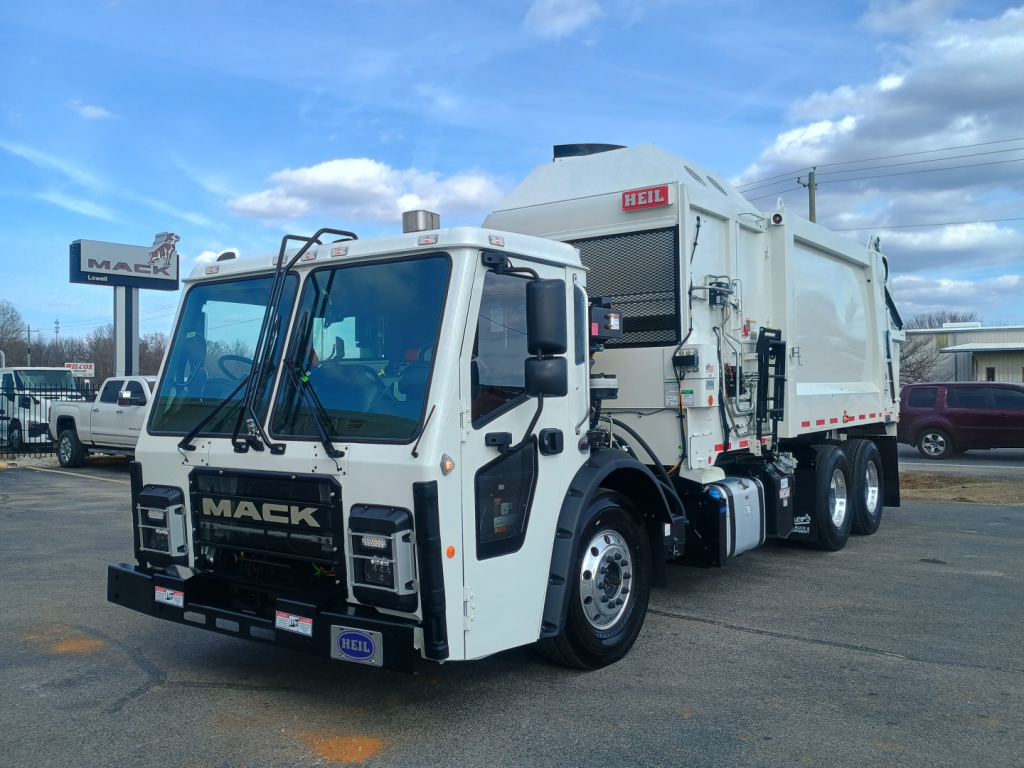
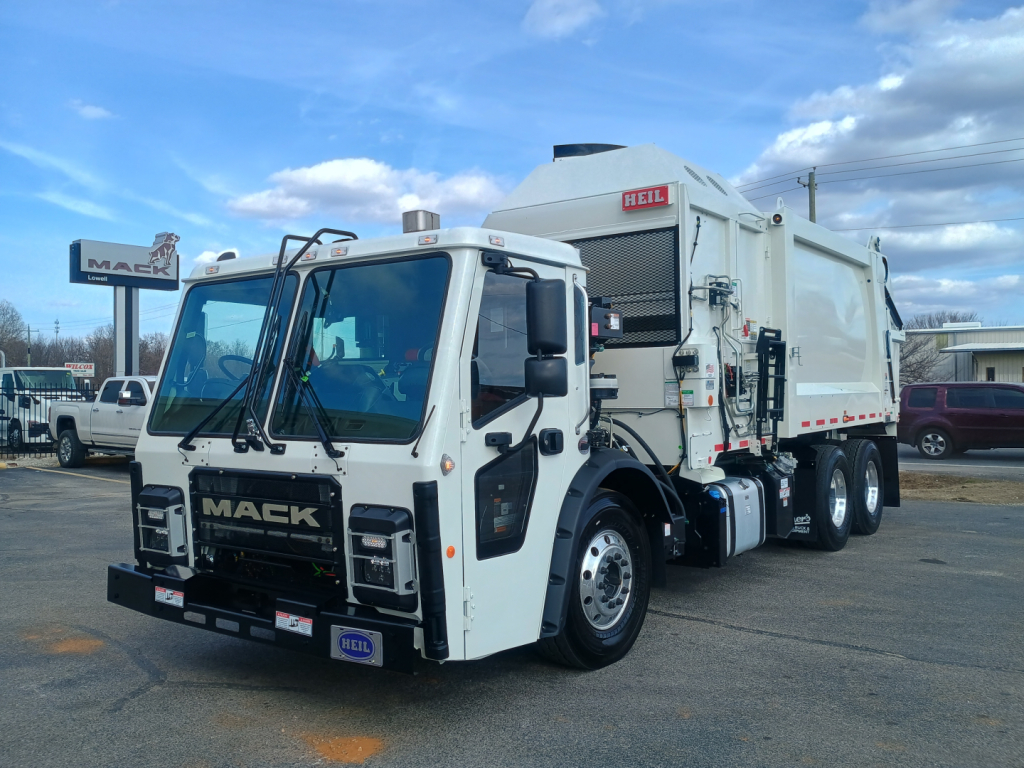
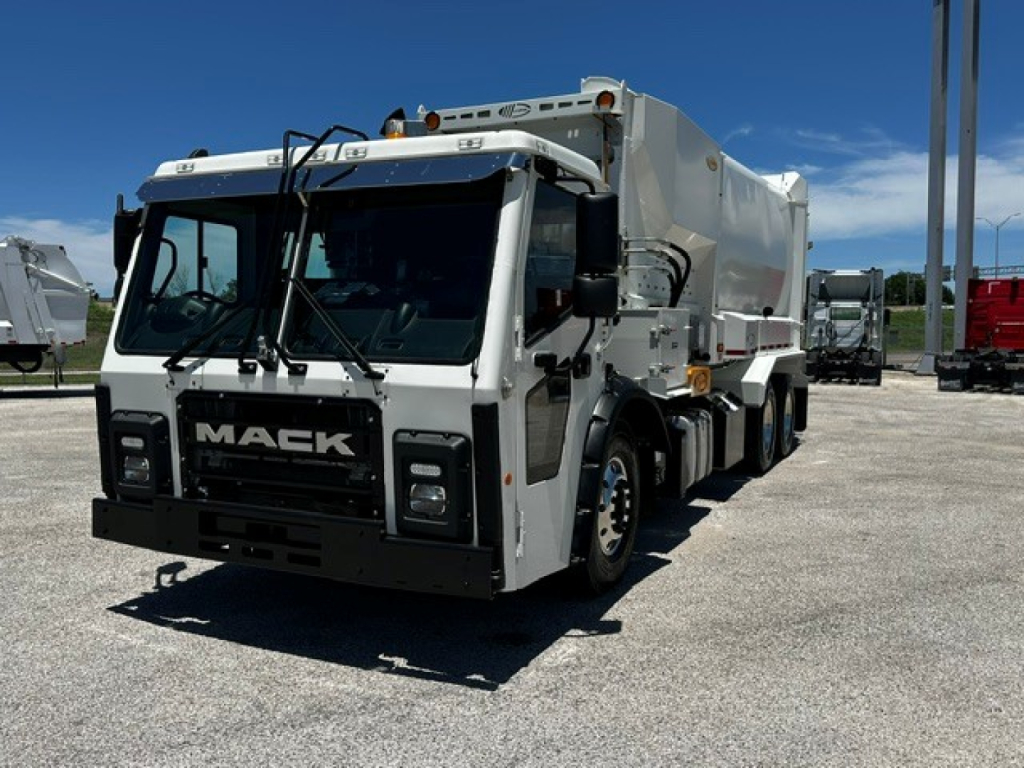
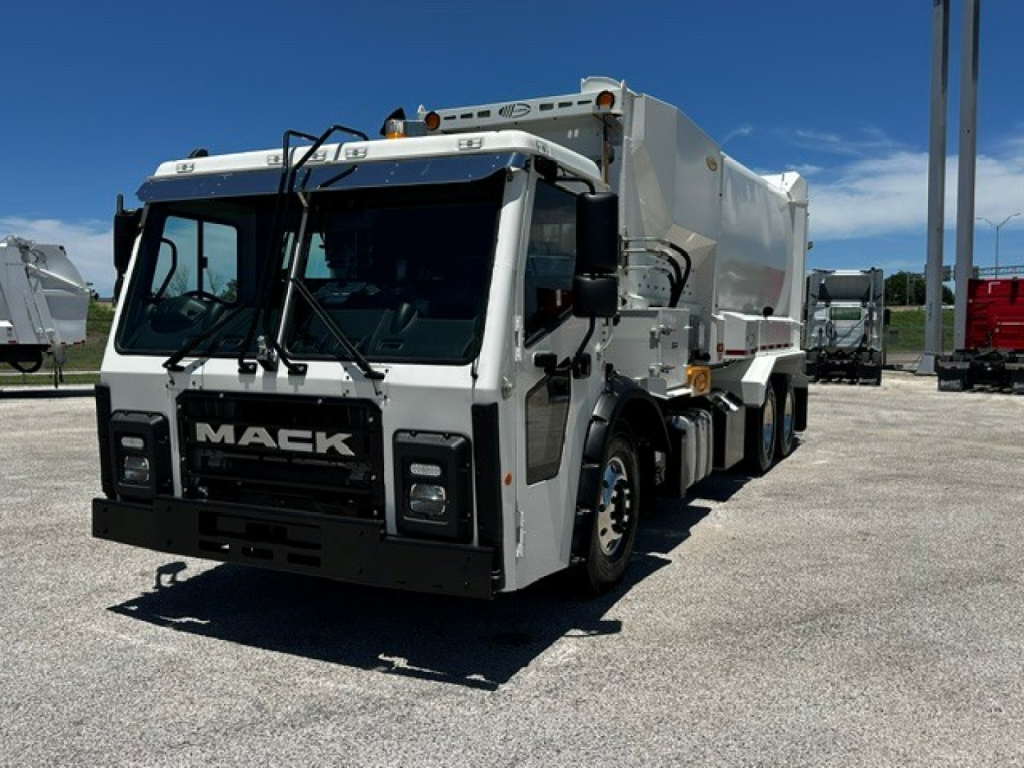

Selling a refuse side loader truck? List your refuse side loader truck for sale and reach thousands of commercial buyers.
Refuse Side Loader Trucks
Body size and axle layout should match route density and disposal turnarounds. Common bodies run 20 to 31 cubic yards, with single axle 4x2 chassis handling smaller 20 to 24 yard bodies and tandem 6x4 chassis favored for 28 to 31 yard capacity and better legal axle distribution. Low-entry cabover platforms with right-hand or dual-steer controls improve visibility and curbside positioning, especially on urban routes with parked cars. Compaction systems and packer geometry target municipal solid waste at roughly 700 to 1,000 pounds per cubic yard, delivering practical payloads in the 6 to 12 ton range depending on material and transfer distance. Full-eject bodies simplify cleanout at the transfer station and reduce hang-ups versus tip-to-dump designs.
Powertrain and hydraulics are tuned for start-stop duty. Allison automatic transmissions with power take-off drive high-flow hydraulic pumps, often with separate circuits for arm and packer to keep tip cycles quick while packing. Cooling packages, transmission retarders, and automatic traction aids protect components under frequent braking and alley work. Fuel choice is a strategic decision: CNG is common for municipal fleets seeking lower emissions and depot fueling, diesel remains the simplest for mixed service or longer deadheads, and battery-electric options are emerging for quiet, early morning routes with predictable daily mileage and on-site charging. Look for tire inflation systems, heavy front axle ratings, and brake specs that match GVWR and route topography.
Buyers comparing refuse side loader trucks for sale should weigh route layout, cart standards, and disposal logistics as much as brand preferences. Inspect used units for arm pin and bushing wear, cylinder leaks, packer floor and blade wear, hopper and tailgate liner condition, ejection panel function, and evidence of structural repairs around the arm tower. Confirm camera systems and right-side visibility aids operate correctly, and review telematics or route management integrations like RFID readers or onboard scales if your program uses them. Side loaders excel at standardized residential collection; rear loaders handle bulk and manual set-outs better, and front loaders dominate commercial dumpster work. For narrow urban grids, prioritize a shorter wheelbase, tight turning radius, and low-entry cab. For long suburban routes with fewer disposal trips, a larger body on a tandem chassis can reduce downtime and keep productivity high.
Also known as: Side Loader Garbage Truck, Side Loader Trash Truck, Side Loader Refuse Truck
Frequently Asked Questions about Refuse Side Loader Trucks
What is the difference between an automated side loader and a manual side loader?
An automated side loader uses a hydraulic arm to grab and tip standardized carts from the curb, allowing a single operator to service high stop counts quickly. It delivers faster cycles, improved ergonomics, and more consistent productivity when carts are uniform and placed correctly. A manual side loader relies on crew handling for loose bags, bulky items, or non-standard set-outs. It offers flexibility for routes with inconsistent containers but comes with higher labor requirements and slower averages.
Which body size and axle configuration should I choose for residential routes?
Match body volume and axles to route density, disposal distance, and local weight limits. Smaller 20 to 24 yard bodies on 4x2 chassis fit tight urban routes with frequent transfer station turns. Heavier suburban programs benefit from 28 to 31 yard bodies on 6x4 chassis to spread weight and reduce trips. Verify wheelbase and kingpin-to-axle spacing for legal axle loads, and target a turning radius that fits alleys and cul-de-sacs on your map.
Should I spec diesel, CNG, or electric for a side loader?
Diesel is the simplest choice for mixed service, varied daily mileage, or areas without depot fueling. CNG works well for municipal fleets with centralized fueling and emissions goals, often lowering fuel cost per mile and noise. Battery-electric side loaders suit predictable daily routes, quiet-zone or early morning operations, and fleets with planned charging infrastructure. Evaluate route length, stop counts, grade, ambient temperature, and accessory loads to confirm range and charging windows.
What performance specs matter most on an automated side loader arm?
Key indicators are reach, lift capacity, and cycle time. Typical reach spans 8 to 12 feet to work around parked cars, with lift capacities around 800 to 1,000 pounds to handle full 96 gallon carts without strain. Short, repeatable cycle times help maintain route speed, but durability matters just as much. Look for robust tower construction, easy-to-service pins and bushings, protected hydraulics and hoses, and smooth metering for precise placement in tight spaces.
What should I inspect on a used refuse side loader before buying?
Check the arm structure for cracks or weld repairs, measure pin and bushing play, and look for hydraulic leaks at cylinders and hose swivels. Inspect the hopper, packer floor, and rails for abrasion and thin spots, confirm the eject panel travels smoothly, and verify tailgate seals. In the cab, test dual-steer or right-hand controls, camera views, and joystick response. Review maintenance logs for packer blade work, pump replacements, and cooling system service, and assess frame and body corrosion if the truck ran in snow or coastal regions.