
Mack Refuse Side Loader Trucks For Sale
Shop Mack refuse side loader trucks with LR cab-over chassis, MP7 power, Allison automatics, and heavy-duty specs for residential waste routes.
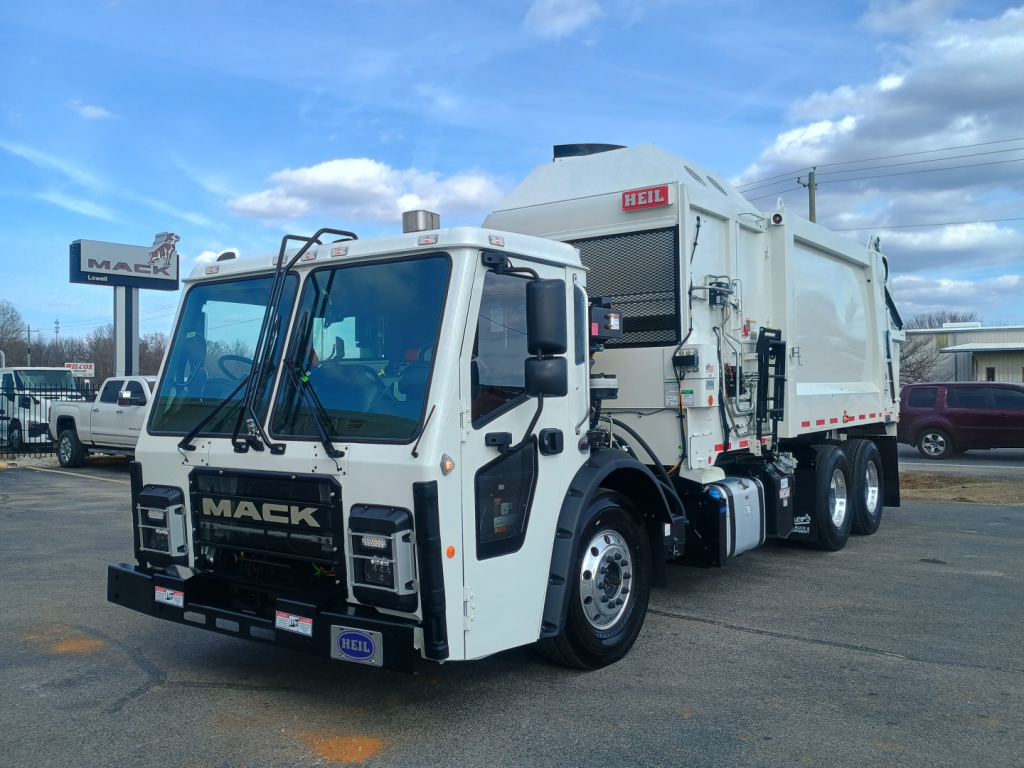
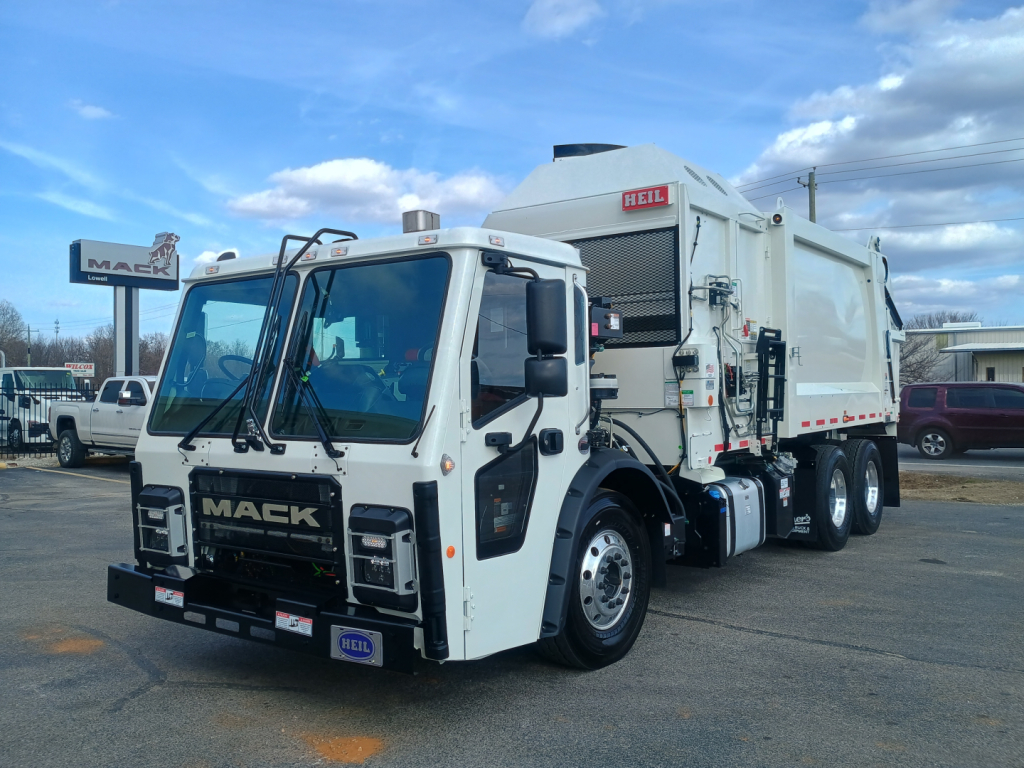
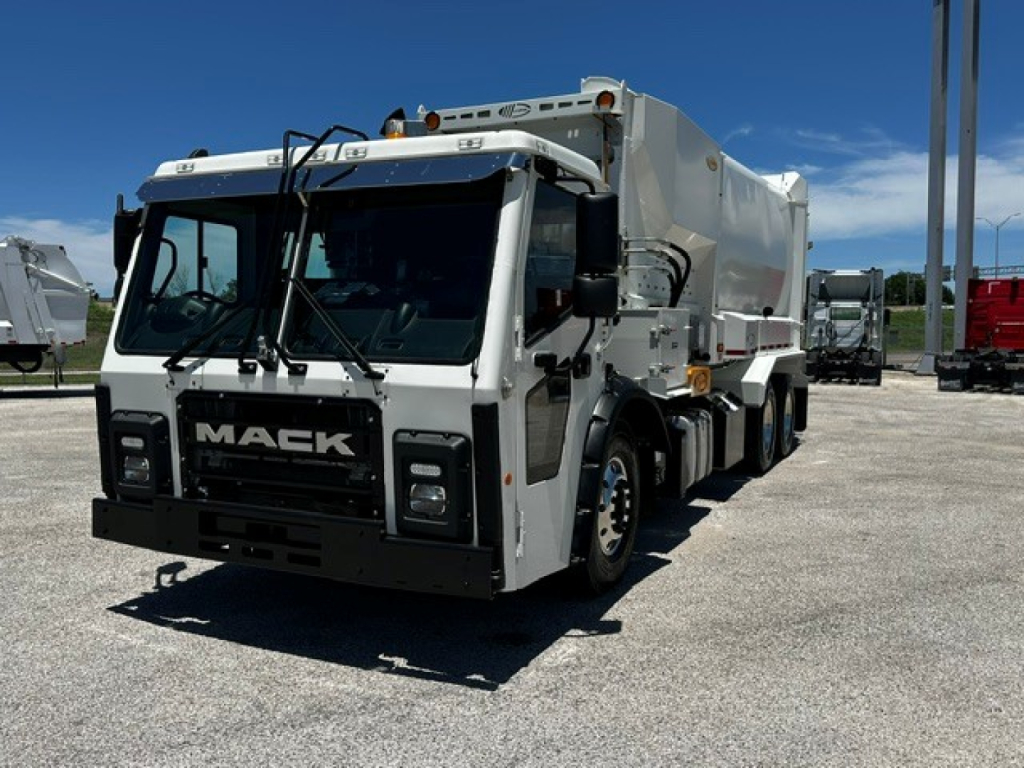
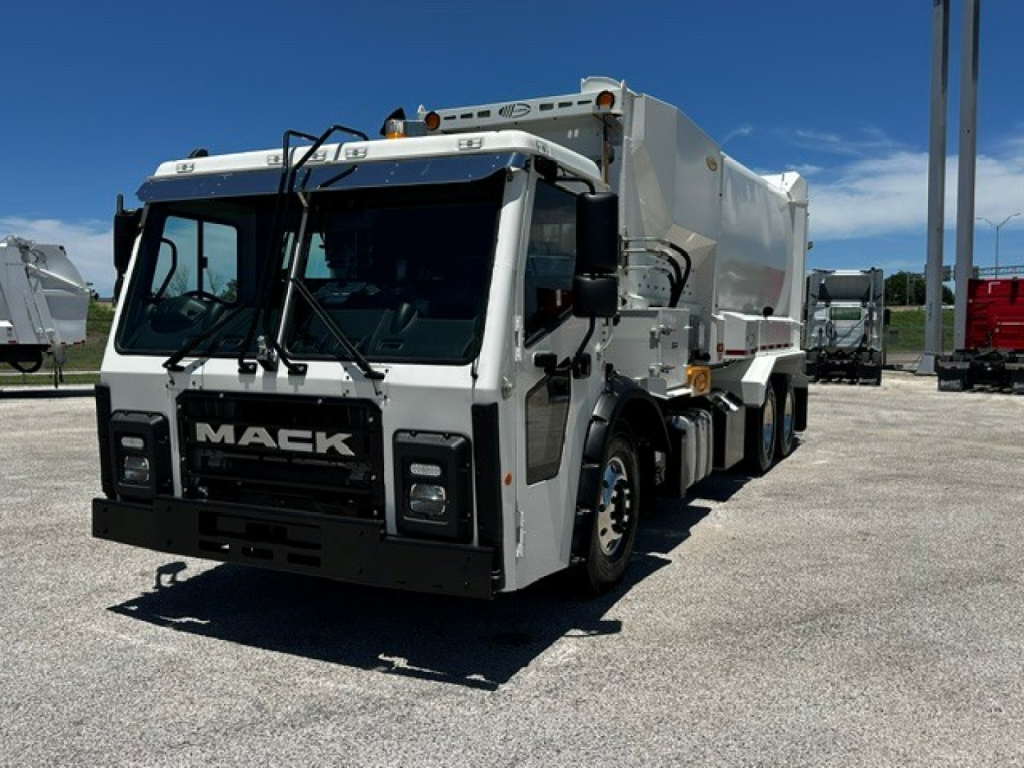

Selling a mack refuse side loader truck? List your mack refuse side loader truck for sale and reach thousands of commercial buyers.
Mack Refuse Side Loader Trucks
A typical Mack refuse side loader uses the MP7 engine in the mid-300 horsepower range with an Allison automatic transmission, a combination that fits constant start-stop duty and PTO-driven body operation well. Tandem axle configurations, around 66,000-pound GVWR, 20,000-pound front axles, and 46,000-pound rear axles are common on heavier municipal and private fleet specs. Rear ratios in the 5.0-plus range are also normal for refuse work because they favor low-speed pulling power and launch performance over road speed. Wheelbase is another key decision. It affects body length, lift geometry, turning radius, and bridge weight distribution, so it should be matched to the neighborhoods and transfer distances the truck will actually run.
On a Mack side loader, cab ergonomics and durability are just as important as raw chassis numbers. Refuse trucks live in one of the harshest vocational cycles in the industry, with hundreds of stops, curb strikes, tight backing, hydraulic demand, and long idle periods. Buyers should look closely at frame reinforcements, cooling capacity, transmission programming, suspension choice, and body electrical integration. Mack's low-cab-forward design is especially relevant here because repeated entry and exit, side visibility, and close-quarter control can have a direct effect on productivity and safety. If the truck will be used on automated residential routes, confirm compatibility with the side loader body manufacturer, cart tipper controls, camera systems, and in-cab control layout.
The best Mack refuse side loader spec depends on route style. Automated suburban collection may prioritize arm cycle speed, cart reach, and payload balance. Urban municipal work may put more emphasis on sightlines, axle ratings, and durability around tight streets and repeated turns. Private haulers often compare maintenance access, parts support, and uptime across the full chassis and body system. A strong side loader spec is not just about engine and axle numbers. It is about how the Mack chassis, transmission, suspension, and refuse body work together under daily collection conditions.
Frequently Asked Questions about Mack Refuse Side Loader Trucks
What makes a Mack LR a good chassis for a refuse side loader?
The Mack LR is widely used in refuse service because its low-entry cab, forward visibility, and cab-over layout suit residential collection routes with frequent stops and tight turns. It is designed for vocational work, which makes it a practical platform for side loader body installation, hydraulic operation, and repeated urban duty cycles. Buyers often choose it for driver access, maneuverability, and route efficiency rather than for over-the-road performance.
What engine and transmission are common in Mack refuse side loader trucks?
A common setup is the Mack MP7 engine paired with an Allison automatic transmission such as the 4500 RDS. This combination is well suited to refuse work because it handles repeated acceleration, low-speed operation, and PTO-related body functions effectively. Horsepower in the mid-300 range is typical, with gearing selected to support launch torque and stop-and-go collection rather than highway cruising speed.
Why do axle ratings and GVWR matter so much on a side loader?
Axle ratings and GVWR determine how much legal payload the truck can carry and how well that weight is distributed during collection. Side loaders can place changing loads on the chassis as material accumulates in the body, so front axle capacity, rear axle capacity, suspension spec, and wheelbase all need to work together. On heavier Mack side loader configurations, tandem rears and GVWRs around 66,000 pounds are common for demanding municipal or private hauling applications.
What should buyers check when matching a Mack chassis to a side loader body?
Buyers should confirm wheelbase, frame layout, PTO compatibility, hydraulic requirements, electrical integration, and cab control placement before finalizing a spec. The side arm reach, hopper size, and legal axle loading all depend on how the body is installed on the chassis. It is also smart to verify camera systems, warning devices, and service access, since uptime often depends on how well the body manufacturer and chassis builder work together.