
2026 Mack Refuse Side Loader Trucks For Sale
Shop 2026 Mack refuse side loader trucks, including LR64 configurations with automated side loader bodies for residential waste routes.
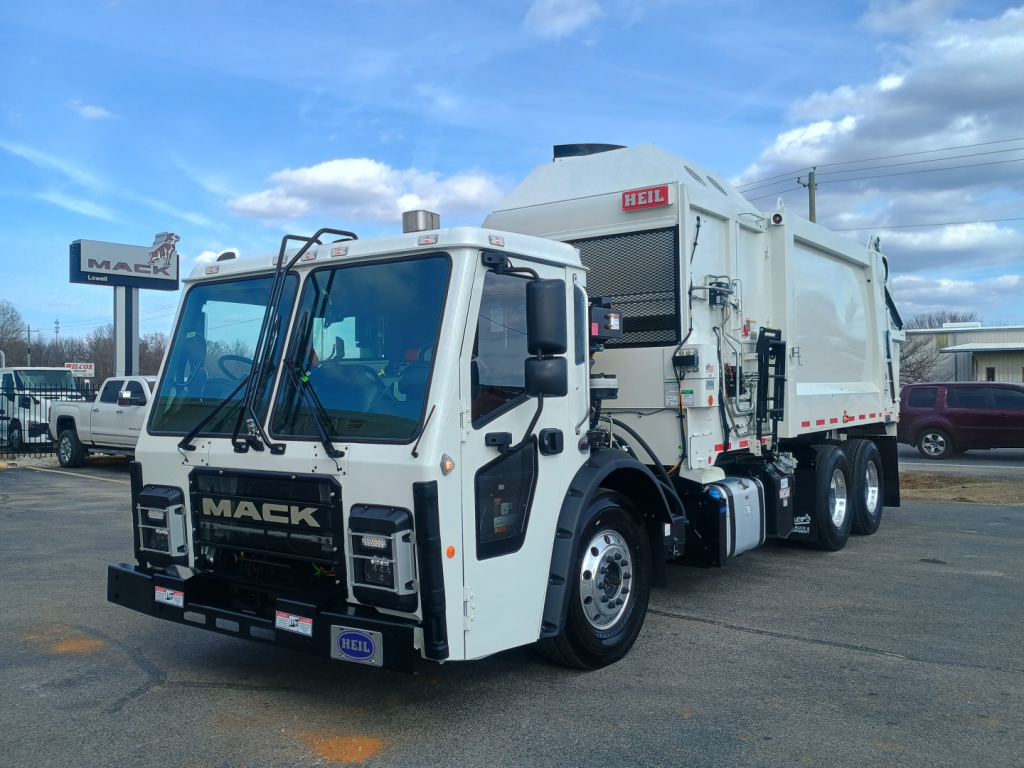
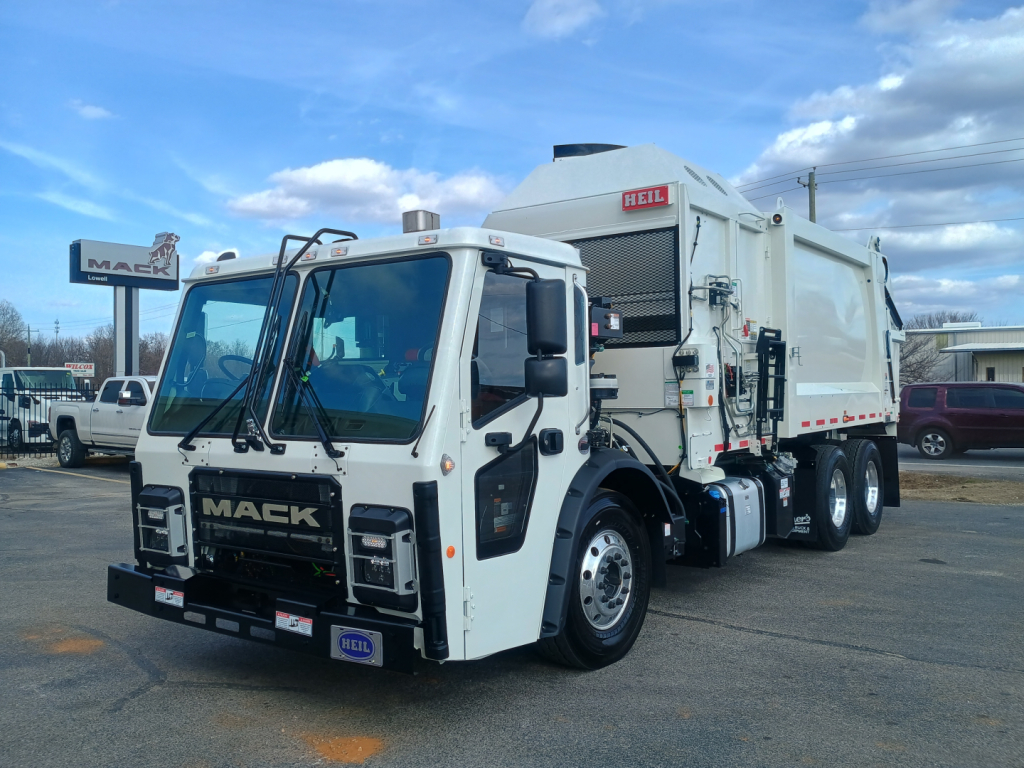
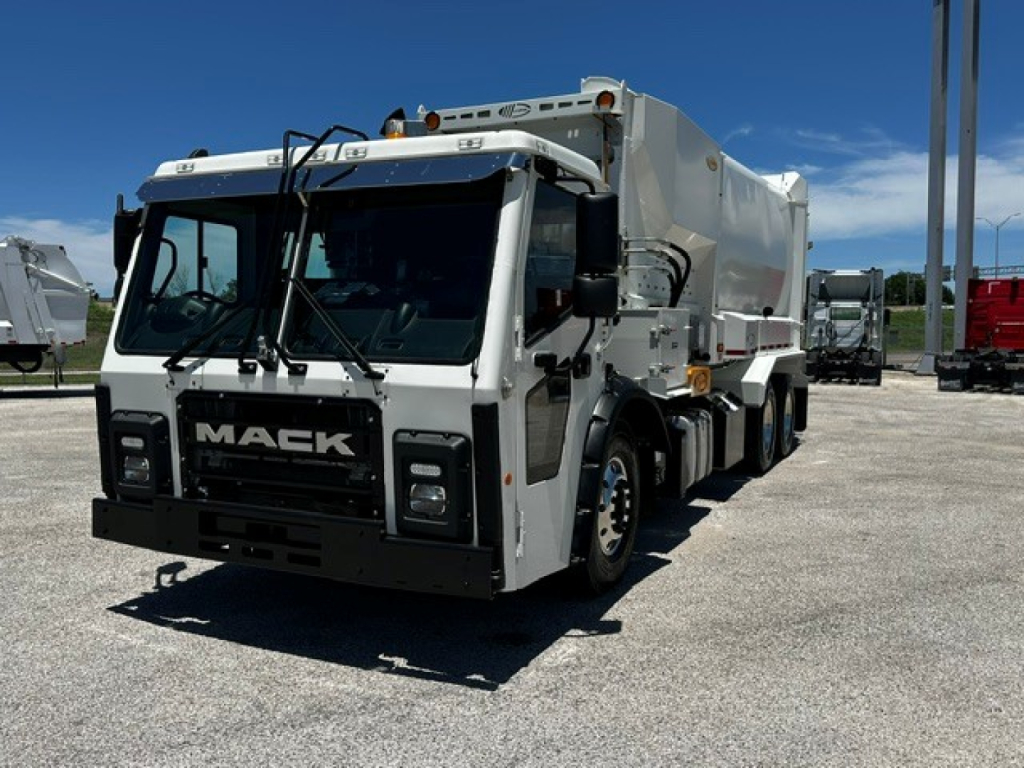
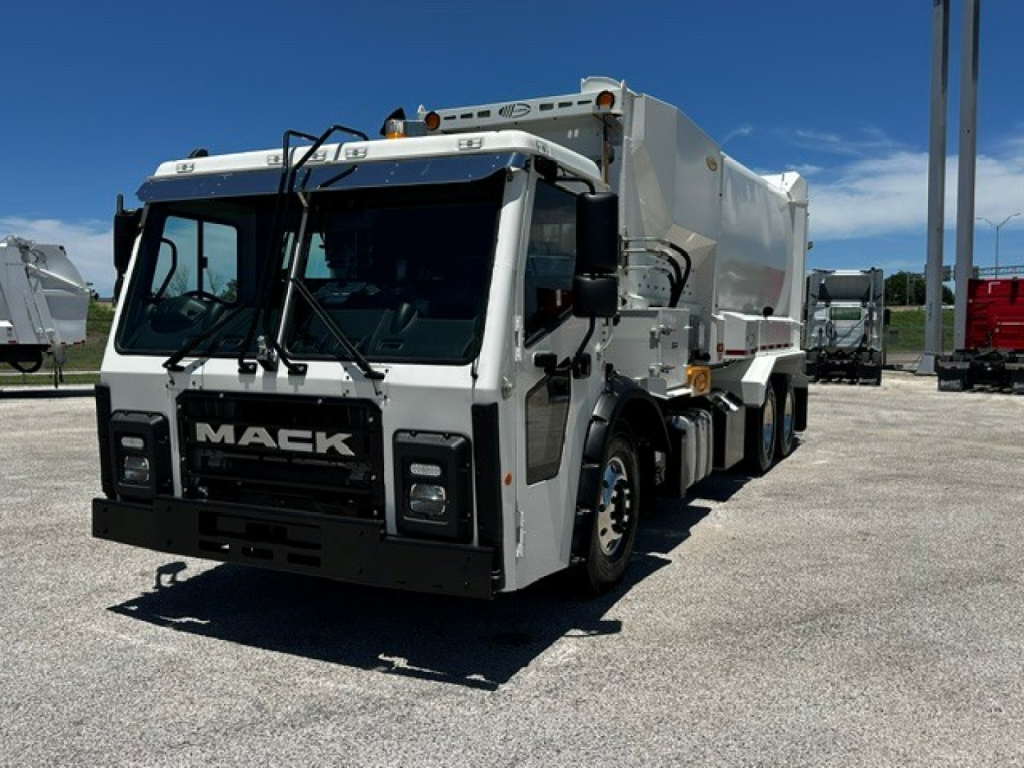

Selling a 2026 mack refuse side loader truck? List your 2026 mack refuse side loader truck for sale and reach thousands of commercial buyers.
2026 Mack Refuse Side Loader Trucks
The chassis and body combination is the real buying decision. Common specs in this class include the Mack MP7 engine in the mid-300 horsepower range, Allison 4500 RDS automatic transmissions, front axle ratings around 20,000 pounds, and rear axle ratings in the 46,000-pound range. Buyers should also pay close attention to rear axle ratio, suspension type, and differential lock setup, since route density, grade, and transfer-station distance all affect drivability and fuel burn. Mack Camelback suspensions remain a familiar choice in severe-service refuse work because of their durability, especially on routes with repeated starts, uneven pavement, and heavy packer cycling.
On the body side, automated side loader setups such as a Heil Python are common for residential cart service. Key details include hopper size, arm reach, packer cycle time, camera coverage, and the control layout for left-hand and right-hand operation. A 28-yard body is a popular fit for municipal and private hauler applications that need a balance of payload and neighborhood maneuverability. Buyers comparing side loaders should look beyond body capacity and verify arm performance, cart compatibility, legal payload expectations, and how the body integrates with the chassis wheelbase, electrical system, and hydraulic demands.
For fleet buyers, uptime and driver acceptance are major factors in this category. Mack refuse side loaders are typically chosen for the LR cab design, service access, and vocational focus, but the best truck for the job still depends on route structure. Dense suburban runs, alley service, HOA communities, and contract municipal work all place different demands on turning radius, cab configuration, and onboard visibility systems. Features such as interwheel differential locks, multi-camera systems, and dual sit-drive layouts can materially improve productivity and safety on repetitive collection routes where every stop counts.
Frequently Asked Questions about 2026 Mack Refuse Side Loader Trucks
What is the typical application for a Mack refuse side loader truck?
A Mack refuse side loader is typically used for automated residential waste collection. These trucks are built to service cart-based routes with frequent stops, tight turns, and repetitive curbside pickup. The low-entry cab, strong visibility, and compatibility with automated side loader bodies make them a common choice for municipal fleets, private waste haulers, and contract residential sanitation work.
What chassis and powertrain specs are common on a 2026 Mack LR64 refuse side loader?
A common configuration in this category includes a Mack LR64 chassis with a Mack MP7 engine around 355 horsepower and an Allison 4500 RDS automatic transmission. Front axle ratings are often around 20,000 pounds, with rear axle ratings near 46,000 pounds. Rear ratios in the low 5s, heavy-duty suspensions, and interwheel differential locks are also typical because side loader refuse trucks operate in severe stop-and-go conditions and need strong low-speed performance.
Why do buyers choose an automated side loader body instead of a rear loader?
An automated side loader body is usually chosen for residential routes that rely on standardized carts and want faster one-person collection. The side arm reduces labor requirements, improves route consistency, and can increase stops per hour when carts are placed properly. Compared with a rear loader, a side loader is generally less flexible for loose waste or manual pickup, but it is more efficient on dedicated cart routes with enough curb access for the arm to operate cleanly.
What should I look for when comparing refuse side loader body specs?
The most important body details are capacity, arm design, reach, hopper size, compaction performance, and camera visibility. Buyers should also confirm cart compatibility, body weight, hydraulic performance, and how the body is mounted to the chassis. A larger body does not automatically mean a better fit, because route density, transfer distance, axle ratings, and legal payload all affect real-world performance.
Is dual sit or dual drive important on a refuse side loader?
Dual sit or dual-drive capability can be very important on residential collection routes, especially where operators need strong visibility to the curbside and flexibility in route operation. Right-hand driving positions are often preferred for safer curbside pickup, while dual-position setups can help with driver comfort, training, and route adaptability. For fleets working in dense neighborhoods or mixed service areas, this feature can improve both safety and productivity.