
2026 Refuse Side Loader Trucks For Sale
Shop 2026 refuse side loader trucks with automated collection bodies, dual-drive cab options, and high-capacity specs for residential routes.

Selling a 2026 refuse side loader truck? List your 2026 refuse side loader truck for sale and reach thousands of commercial buyers.
2026 Refuse Side Loader Trucks
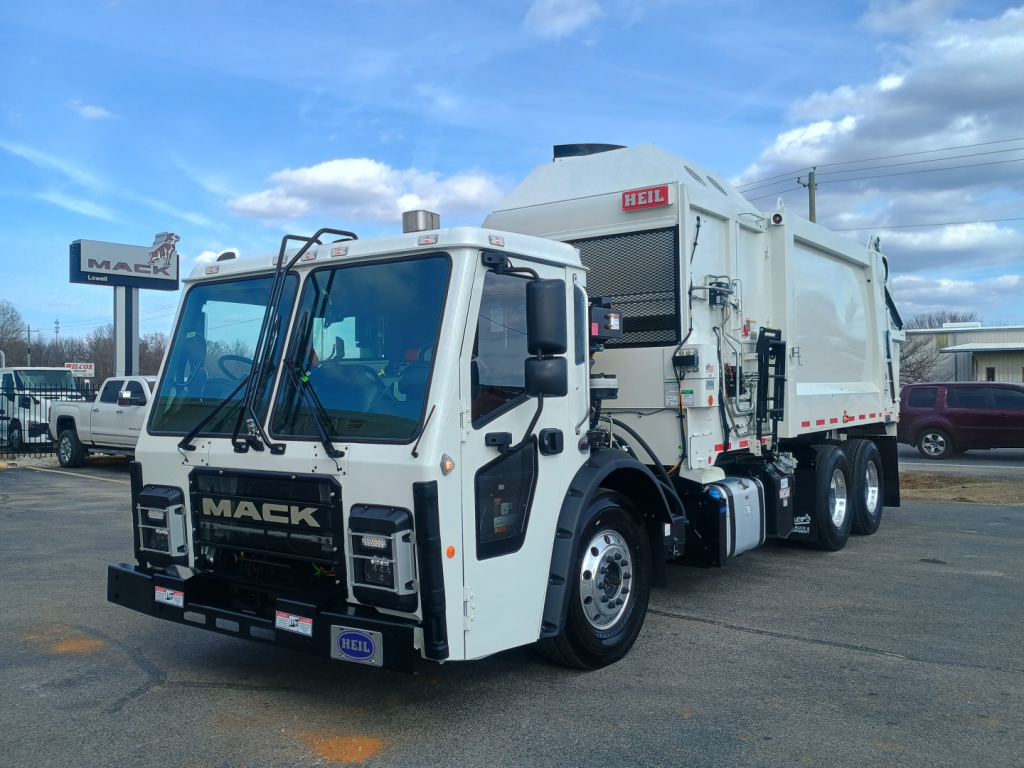
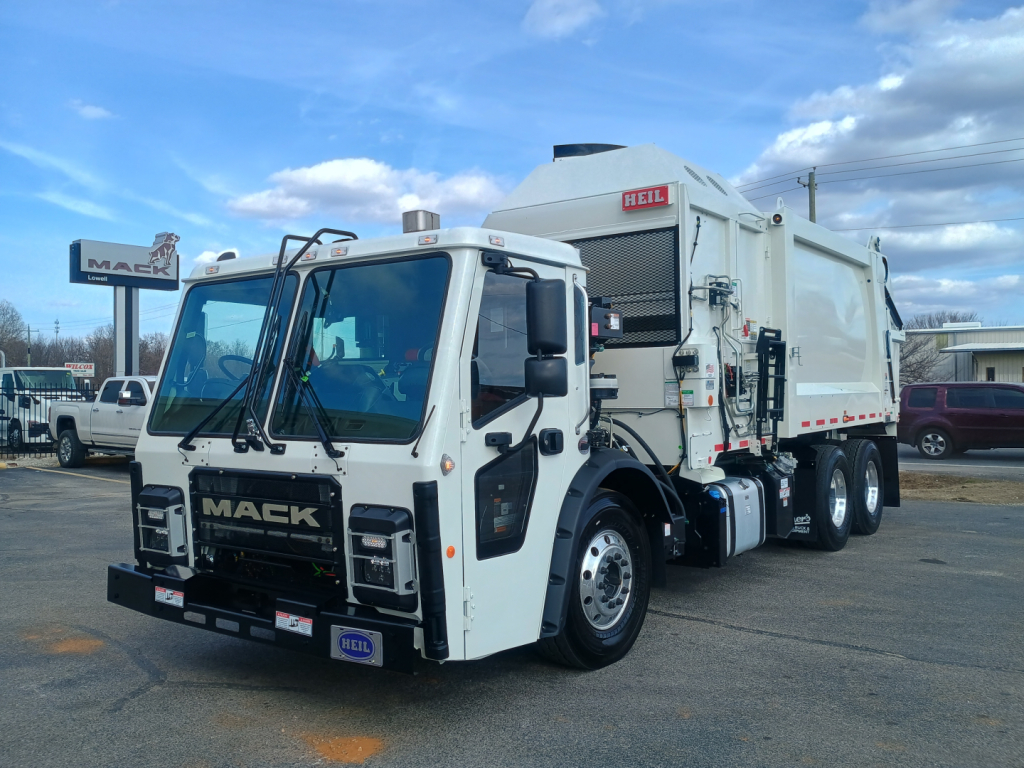
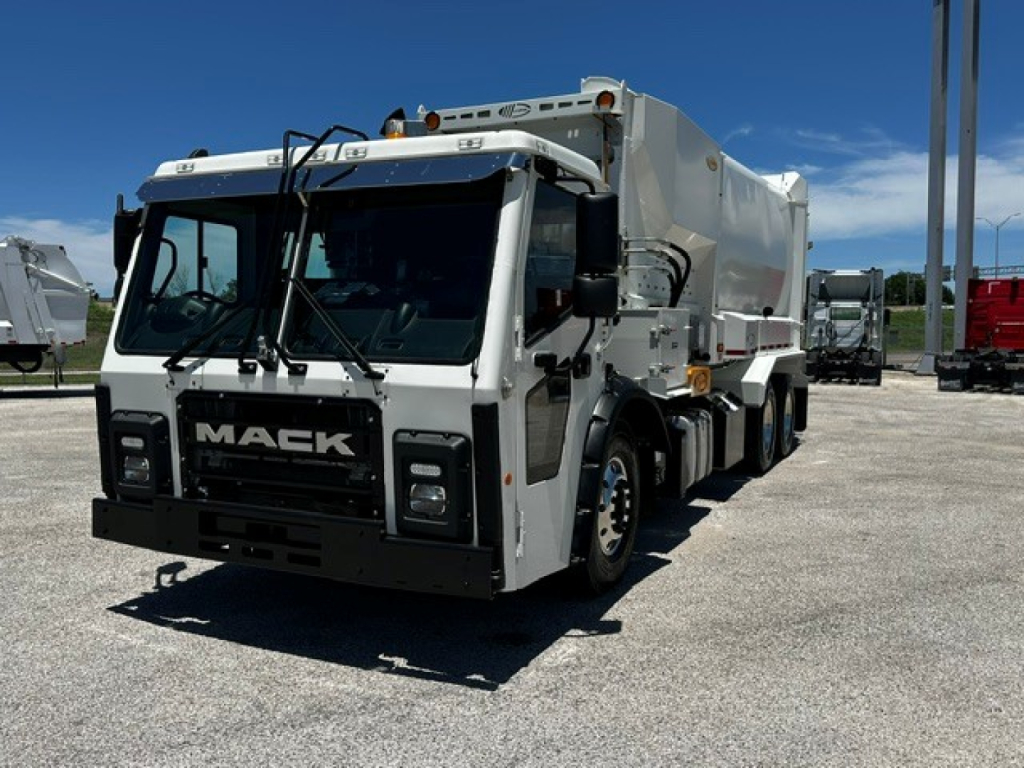
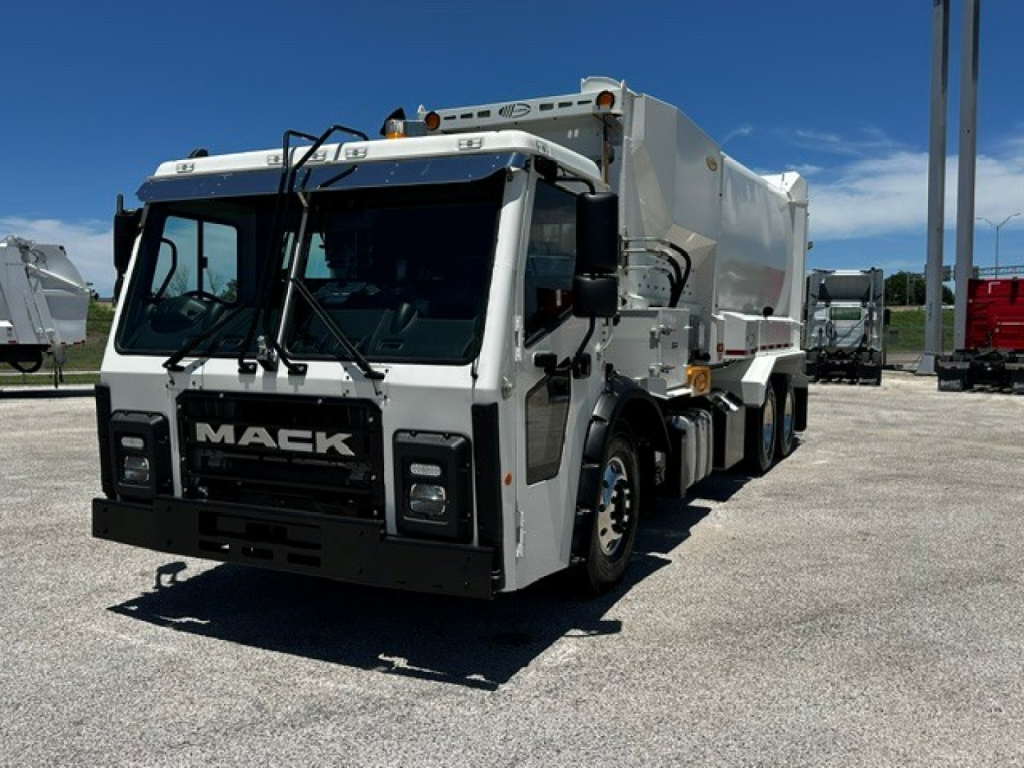
Common 2026 refuse side loader specs include bodies in the upper-20-yard range, tandem or heavy-duty rear axle setups, and automatic transmissions matched to repeated stop-and-go duty. Many current builds pair the refuse body with a low-entry cab chassis such as the Mack LR, often with horsepower in the mid-300 range and Allison automatic transmissions for smooth launch and packer operation. Rear axle ratios, suspension type, and differential locks matter more than they do on general freight trucks because refuse work combines low-speed maneuvering, alley access, tight turns, and frequent starts on uneven surfaces. Dual sit or dual-drive cab configurations are especially important for buyers operating right-hand pickup routes but needing flexibility for transfer travel, left-side operation, or mixed municipal service patterns.
The body deserves just as much attention as the chassis. A modern refuse side loader typically includes an automated arm, hopper, packer system, camera package, and in many cases electronic integration for route monitoring and safety visibility. Buyers should evaluate arm geometry, lift capacity, hopper design, and packing force based on the cart sizes used in their market. If routes include narrow suburban streets, parked cars, or cul-de-sacs, turning radius and cab visibility become major decision points. If the truck will work in hilly terrain or all-weather service, look closely at suspension durability, rear ratio, traction aids, and brake performance under constant stop cycles.
For long-term ownership cost, the key questions are service access, body controls, hydraulic reliability, and parts support across both the chassis and body manufacturer. Refuse side loaders live a hard life, so uptime depends on simple daily inspection points, durable arm components, and dependable electrical and camera systems. A strong 2026 side loader should balance payload, maneuverability, operator ergonomics, and route productivity without overspecifying the truck into unnecessary weight or fuel burn. Buyers who match the body size, axle ratings, and cab configuration to the actual route will usually get better pack density, lower labor cost per stop, and fewer problems with driver acceptance over the life of the truck.
Frequently Asked Questions about 2026 Refuse Side Loader Trucks
What is a refuse side loader truck used for?
A refuse side loader truck is used primarily for automated residential trash collection. The truck uses a hydraulic side arm to pick up standardized carts from the curb, dump them into the hopper, and return them to the ground without the driver leaving the cab. This setup improves collection speed, reduces crew size, and is especially effective on municipal and private hauling routes with consistent cart-based service.
What should I look for when comparing 2026 refuse side loader trucks?
Start with body capacity, arm reach, lift rating, and the cab configuration. Then compare chassis ratings, horsepower, transmission, rear axle ratio, suspension, and traction equipment. On refuse applications, the right spec depends on route density, cart size, street width, grades, transfer distance, and how much time the truck spends in stop-and-go collection versus road travel. Camera systems, dual-drive layouts, and serviceability also have a direct impact on productivity and operator acceptance.
Are dual-drive or dual-sit refuse side loaders worth it?
They can be, especially for fleets that run mixed route patterns or want added flexibility in staffing and operations. A dual-drive or dual-sit cab allows operation from either side, which can help on routes with different pickup patterns, transfer station travel, or municipal contracts that change over time. The added complexity and cost should be weighed against the value of route versatility, driver visibility, and reduced operational limitations.
What body size is common on a refuse side loader?
A common size for an automated side loader is around 28 cubic yards, although exact capacity varies by manufacturer and route design. The right size depends on set-out rate, material density, and how far the truck must travel before dumping. Larger bodies can improve route completion, but they also need to be matched to axle ratings, legal weight limits, and the maneuverability required in neighborhoods with narrow streets or tight turns.
Why are axle ratio, suspension, and differential locks important on refuse trucks?
Refuse side loaders work in severe-duty conditions with constant starts, curb approaches, uneven pavement, and occasional soft shoulders or steep grades. Axle ratio affects launch performance and low-speed drivability. Suspension choice affects durability, ride stability, and body support under repeated loading cycles. Differential locks help maintain traction in mud, snow, wet alleys, and off-camber collection points where a standard highway spec would struggle.