
New 2026 Mack Refuse Side Loader Trucks For Sale
Shop new 2026 Mack refuse side loader trucks, including LR64 configurations with automated side loader bodies for residential waste routes.
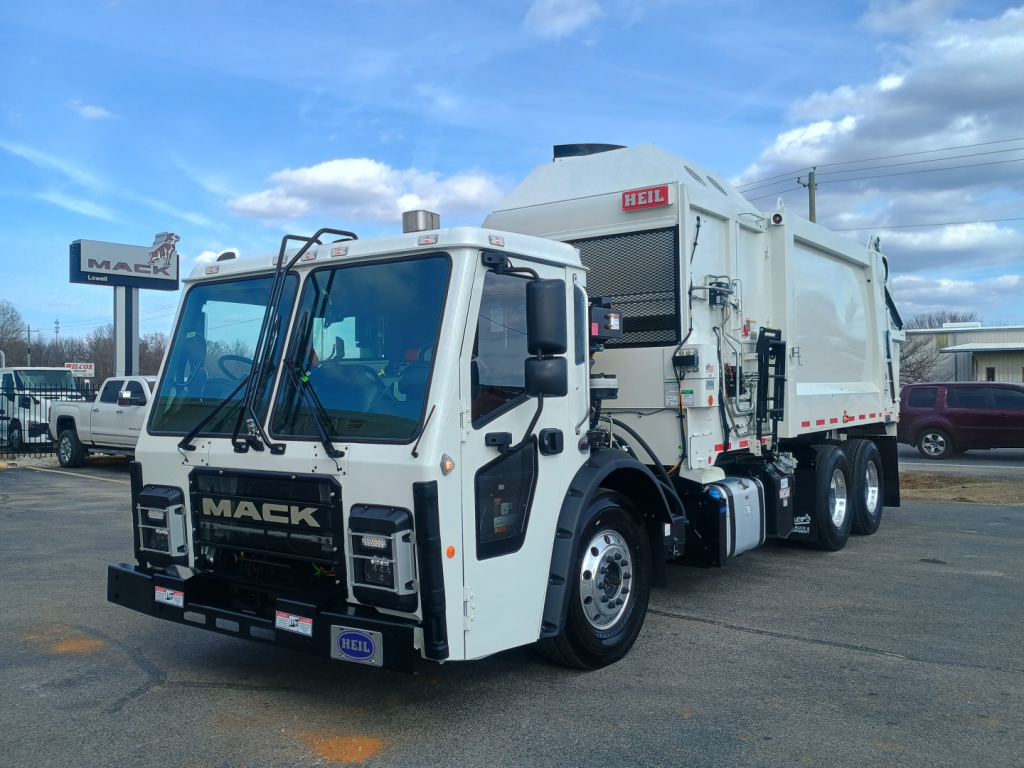
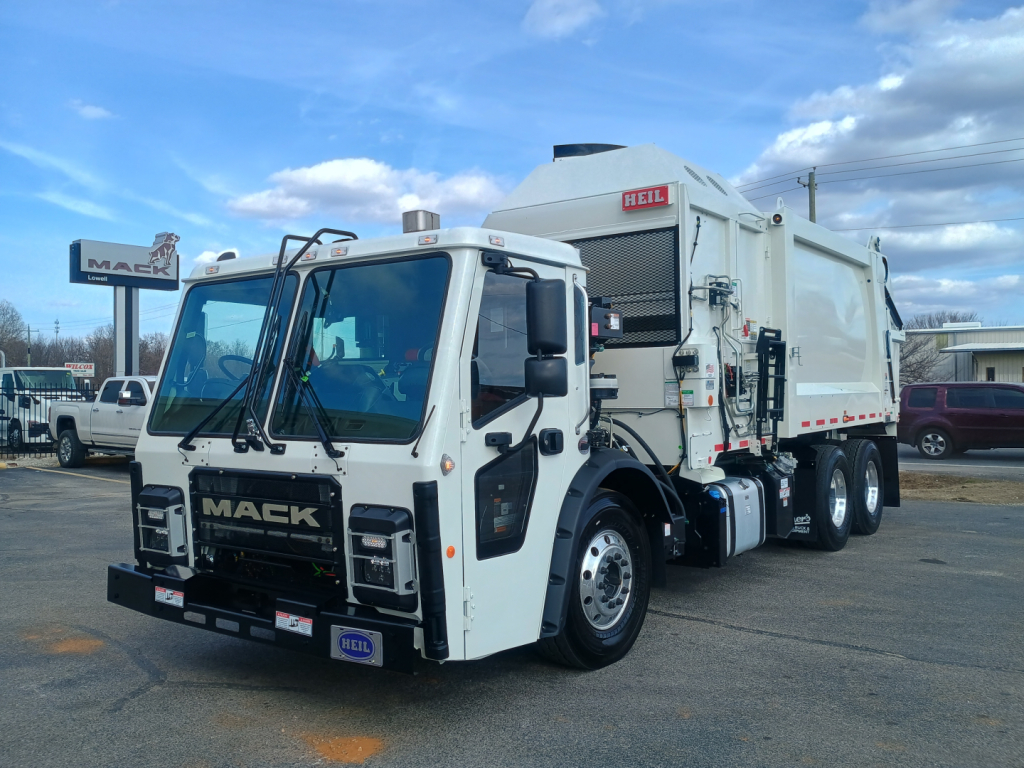
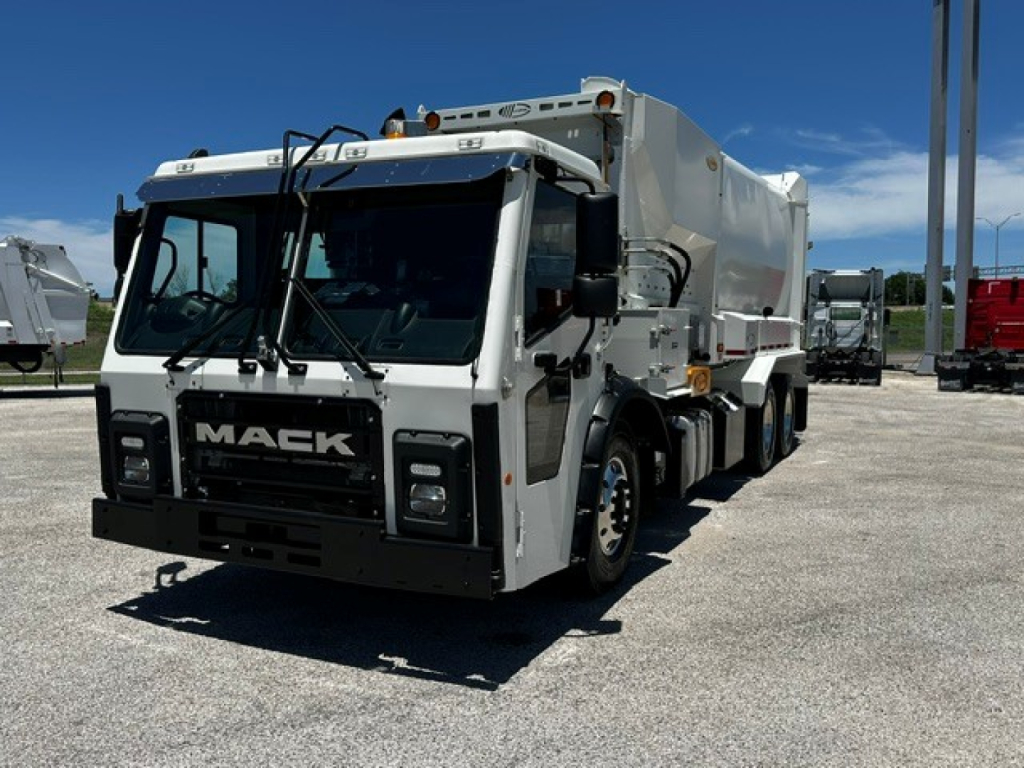
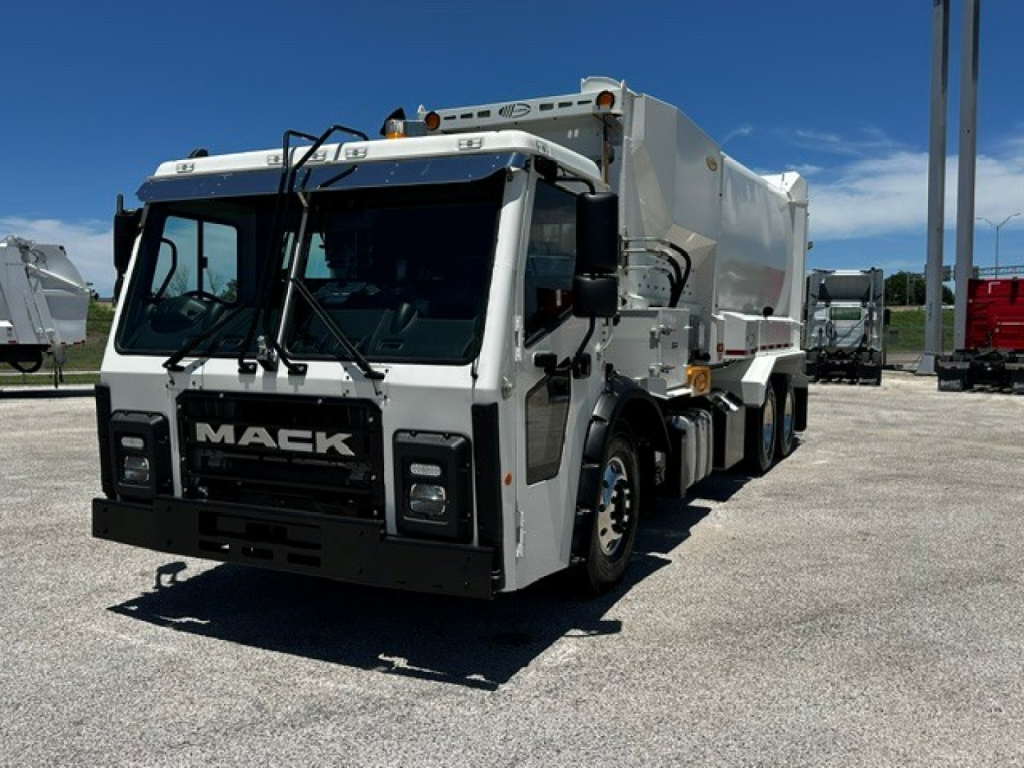

Selling a new 2026 mack refuse side loader truck? List your new 2026 mack refuse side loader truck for sale and reach thousands of commercial buyers.
New 2026 Mack Refuse Side Loader Trucks
The body spec drives daily productivity. Many side loader setups in this class use automated side loader bodies around 28 cubic yards, often paired with a hydraulic arm and hopper arrangement designed for residential carts. Important details include arm reach, lift capacity, packer cycle times, hopper geometry, camera coverage, and body controls. A well-matched side loader body should handle repetitive stop-and-cycle work without slowing down the route. Systems such as 3rd Eye camera packages are common because they improve visibility around the loading side and help document pickups, cart contamination, and backing events.
On the chassis side, Mack LR models are typically spec'd with diesel engines in the 350 hp range, Allison automatic transmissions such as the 4500 RDS, and axle configurations that support heavy payloads and constant stop-start service. Front axle ratings around 20,000 pounds and rear ratings around 46,000 pounds are common on heavier residential specs. Suspension choice matters. Mack Camelback-style rear suspensions are valued for refuse durability, while rear ratios in the 5.XX range are often selected to improve launch and low-speed route performance. Interwheel differential locks are also a practical feature for alleys, wet access roads, and transfer station surfaces where traction can become an issue.
A buyer comparing new 2026 Mack refuse side loader trucks should pay close attention to cab configuration and operator ergonomics. Dual sit and dual-drive layouts can be a major advantage for routes that require right-side pickup but also involve frequent maneuvering, dense neighborhoods, or municipal operating preferences. Visibility from the LR cab, ease of entry and exit, steering position, body control placement, and service access all affect uptime and driver acceptance. The best spec is the one that fits the route every day: cart size, number of lifts per hour, legal gross weight, maintenance staffing, and the level of automation expected from the fleet.
Frequently Asked Questions about New 2026 Mack Refuse Side Loader Trucks
What is a refuse side loader truck used for?
A refuse side loader truck is used primarily for residential solid waste and recycling collection. Its hydraulic arm lifts and dumps carts from the side of the truck, allowing the operator to remain in the cab during most pickups. This design improves route efficiency, reduces the need for additional labor, and supports consistent collection in subdivisions, municipal neighborhoods, and other high-stop environments.
Why is the Mack LR64 a common choice for side loader refuse applications?
The Mack LR64 is popular in refuse service because it is designed around low-entry, high-visibility urban operation. It offers a cab layout that supports constant stop-and-go driving, tight turning in residential streets, and compatibility with automated side loader bodies. Buyers also value its heavy-duty frame, refuse-oriented axle and suspension options, and drivetrain combinations that are proven in demanding collection cycles.
What specs matter most when buying a new refuse side loader?
The most important specs are body capacity, arm reach and lift capability, front and rear axle ratings, transmission, rear suspension, and rear axle ratio. Buyers should also check camera systems, differential locks, cab layout, and whether the truck is set up for dual sit or dual-drive operation. The right specification depends on route density, cart weights, transfer distance, and local road conditions more than on a single headline number.
Are automated side loader bodies better for residential collection than rear loaders?
Automated side loader bodies are often better for cart-based residential routes because they allow one operator to complete the route with minimal manual handling. They improve efficiency when homes are spaced consistently and carts are positioned properly at the curb. Rear loaders can still be the better fit for routes with loose bag waste, commercial stops, or areas where manual collection flexibility is more important than full automation.
What transmission and drivetrain setup is common on a new Mack refuse side loader?
A common setup includes a Mack diesel engine in the mid-300 hp range paired with an Allison automatic transmission such as the 4500 RDS. This combination is well suited for repeated starts, low-speed operation, and hydraulic body work. Buyers often choose aggressive rear axle ratios and heavy-duty suspensions to improve launch performance, durability, and control under frequent stop-start loads.