
New Mack Refuse Side Loader Trucks For Sale
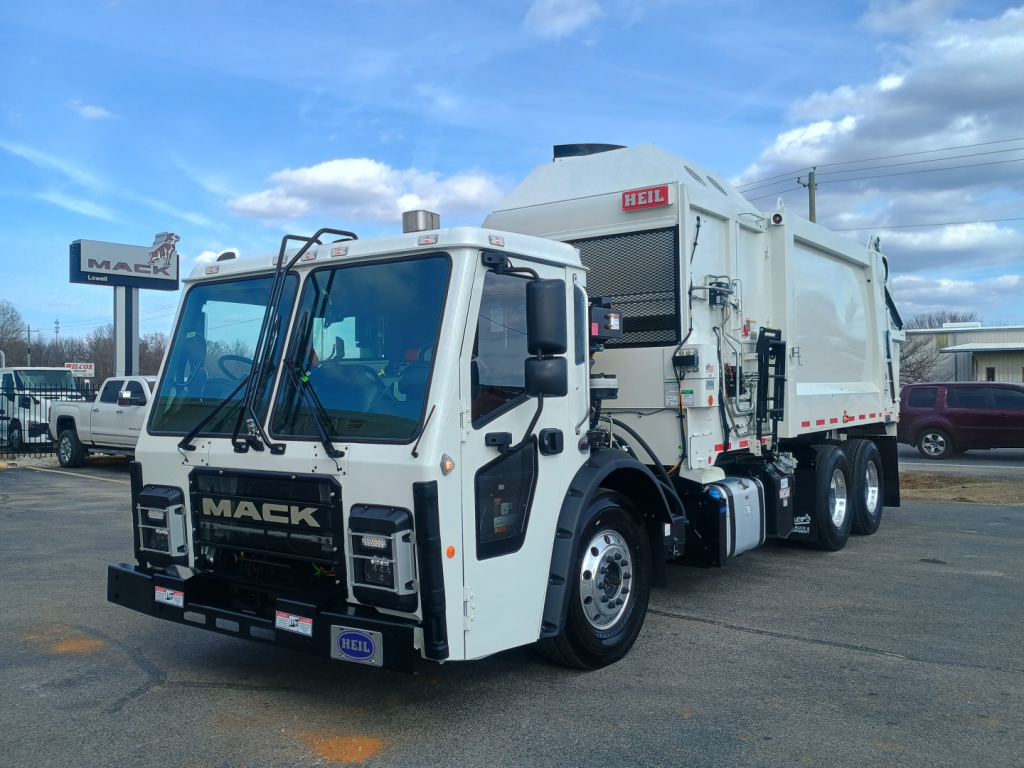
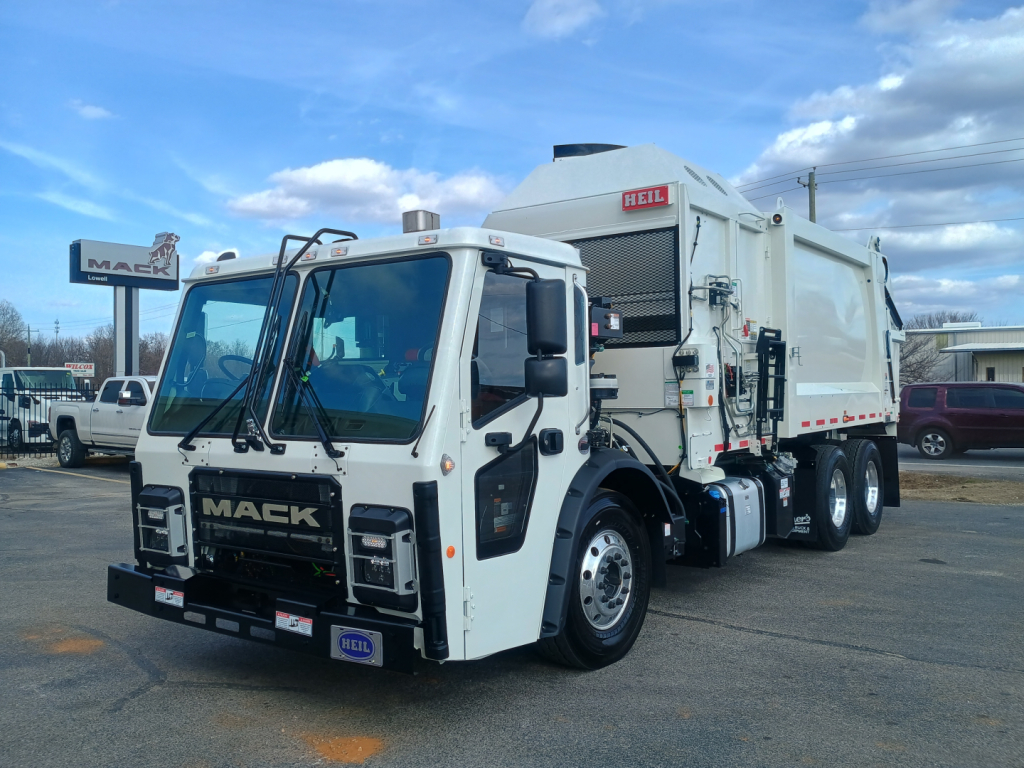
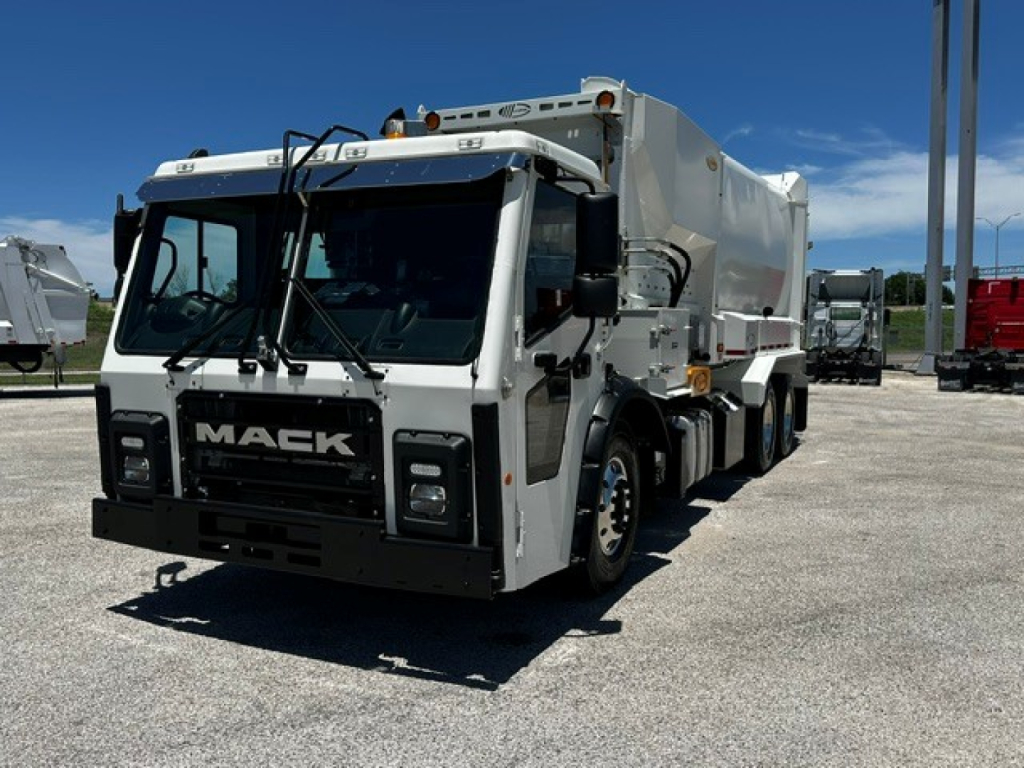
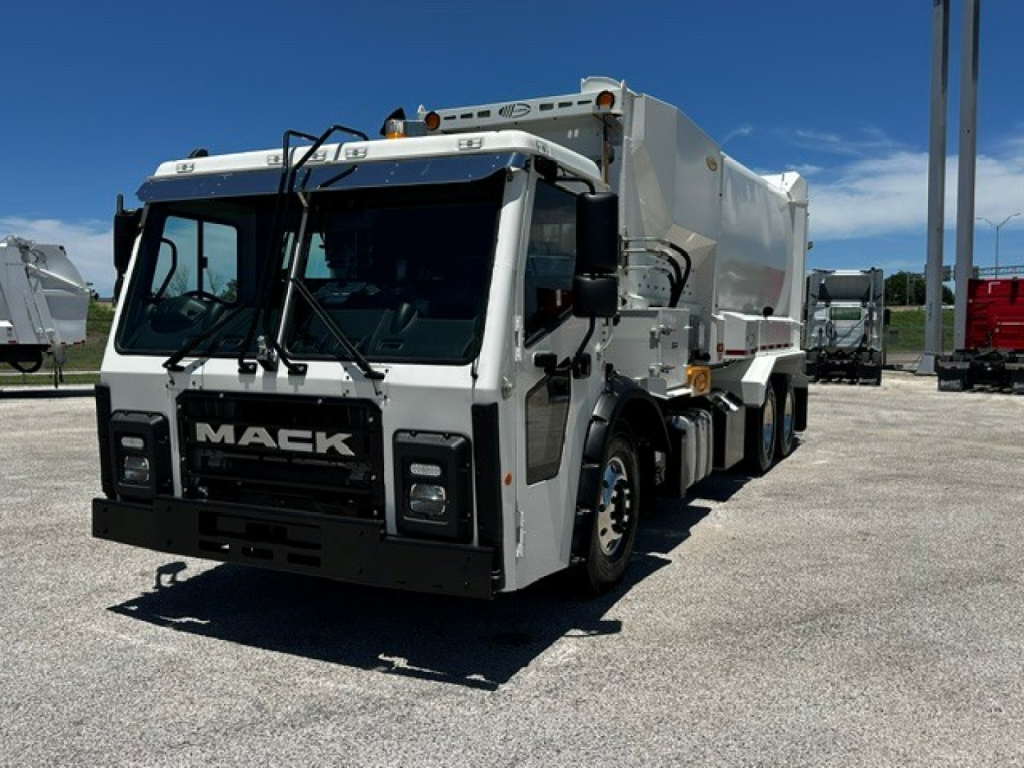
New Mack refuse side loader trucks built for automated residential collection with LR cab design, MP7 power, and high-capacity body options.

Selling a new mack refuse side loader truck? List your new mack refuse side loader truck for sale and reach thousands of commercial buyers.
New Mack Refuse Side Loader Trucks
A typical Mack refuse side loader in this class is spec'd with the Mack MP7 engine in the mid-300 horsepower range and an Allison automatic, often a 4500 RDS 6-speed. That combination is common for a reason. It delivers the low-speed durability, launch consistency, and PTO compatibility needed for packer operation and repeated route starts. Tandem axle setups around 20,000-lb front and 46,000-lb rear capacities are also common, with GVWRs in the 66,000-lb range depending on body and local regulations. Rear suspension choice matters. Mack Camelback is still favored by fleets that want a proven heavy-duty mechanical setup, while mRIDE parabolic suspensions can improve ride quality and reduce chassis harshness.
On the body side, many buyers in this segment are comparing automated side loader systems such as 28-yard units with cart tipper arms, hopper design, cycle times, and camera integration. Body and arm geometry affect more than capacity. They influence reach, pickup consistency, contamination handling, and how well the truck performs on tight residential streets with parked cars or uneven set-outs. Features like interwheel differential locks, rear axle ratio selection around 5.31, and a wheelbase near 210 inches are all part of dialing in gradeability, maneuverability, and legal payload. Camera systems, including hopper and side-view coverage, are now a practical spec item for safety, training, and claim defense.
The main buying decision is not just chassis brand or body brand. It is how the complete truck is matched to route density, can size, terrain, transfer station distance, and maintenance preferences. A municipality or private hauler running short urban routes may prioritize visibility, arm speed, and cab ergonomics. A fleet dealing with rough streets, heavier loads, or longer pushes to disposal sites may focus more on suspension durability, axle ratings, cooling performance, and packer body integration. Mack side loader refuse trucks remain a strong fit for fleets that want a purpose-built refuse chassis with broad dealer support, vocational durability, and specs that can be tailored to automated collection work.
Frequently Asked Questions about New Mack Refuse Side Loader Trucks
What is a Mack refuse side loader truck used for?
A Mack refuse side loader truck is primarily used for automated curbside trash and recycling collection. The side-mounted arm lifts standardized carts and empties them into the hopper, allowing one operator to service residential routes efficiently. These trucks are most common in municipal and private fleet residential collection because they reduce labor requirements, improve route speed, and keep the operator inside the cab during pickup cycles.
What chassis is most common for a new Mack side loader refuse truck?
The Mack LR is the chassis most commonly associated with new Mack refuse side loader applications. It is a low-entry cabover designed for refuse duty, with strong forward visibility, tight maneuverability, and configurations that support right-hand drive or dual-drive operation. Those features make it well suited for repeated stops, close curb work, and dense neighborhood routing.
What engine and transmission are typical in this category?
A common spec is the Mack MP7 engine at around 355 horsepower paired with an Allison 4500 RDS automatic transmission. This setup is popular because refuse trucks operate in severe stop-and-go service where smooth automatic shifting, PTO compatibility, and durable low-speed performance are more important than over-the-road fuel economy alone. The exact horsepower, torque rating, and transmission programming should match body size, route terrain, and average payload.
How do I choose between Camelback and mRIDE rear suspension on a Mack refuse truck?
Camelback is often chosen by fleets that want a simple, proven heavy-duty suspension with a long track record in severe vocational service. mRIDE can offer a smoother ride and different handling characteristics that some operators and maintenance teams prefer. The better choice depends on route conditions, payload consistency, maintenance philosophy, and how much importance the fleet places on driver comfort versus mechanical simplicity.
What should buyers compare besides the truck chassis?
The body and arm system are just as important as the chassis. Buyers should compare body capacity, arm reach, cycle speed, hopper design, camera systems, packer performance, and service access. Wheelbase, axle ratings, rear ratio, and differential locks should also be reviewed because they affect maneuverability, legal payload, traction, and route performance. A side loader works best when the chassis, body, and route profile are spec'd as one integrated package.