
New Refuse Side Loader Trucks For Sale
New refuse side loader trucks built for residential waste routes, with automated collection, high GVWR ratings, and tight urban maneuverability.
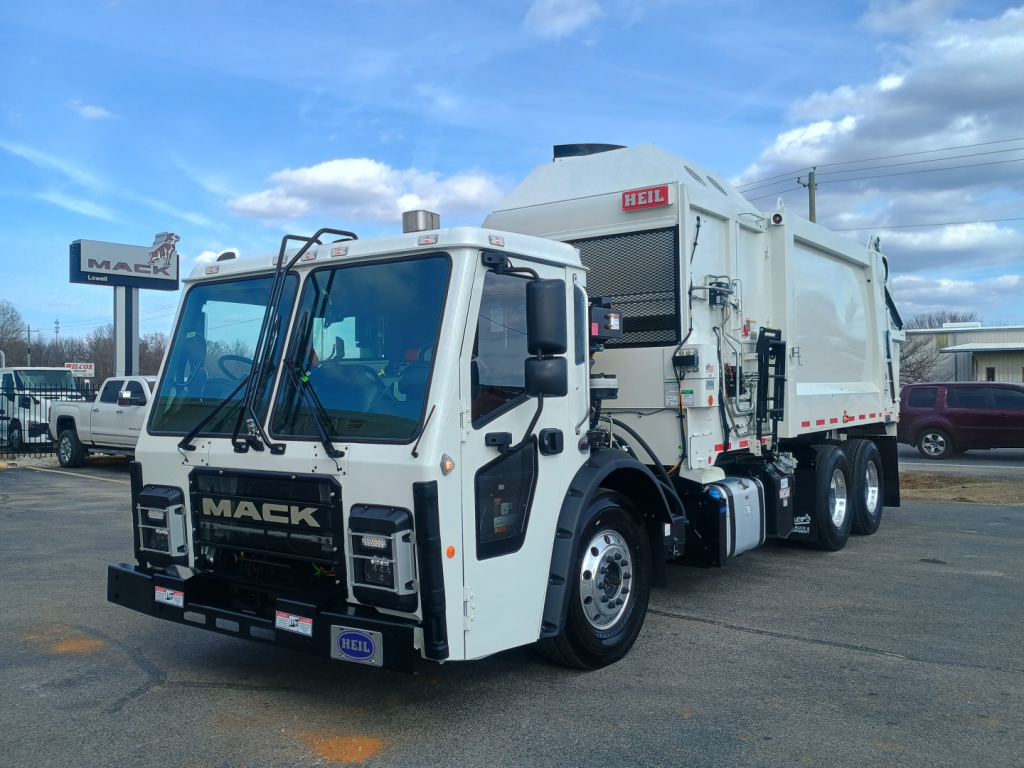
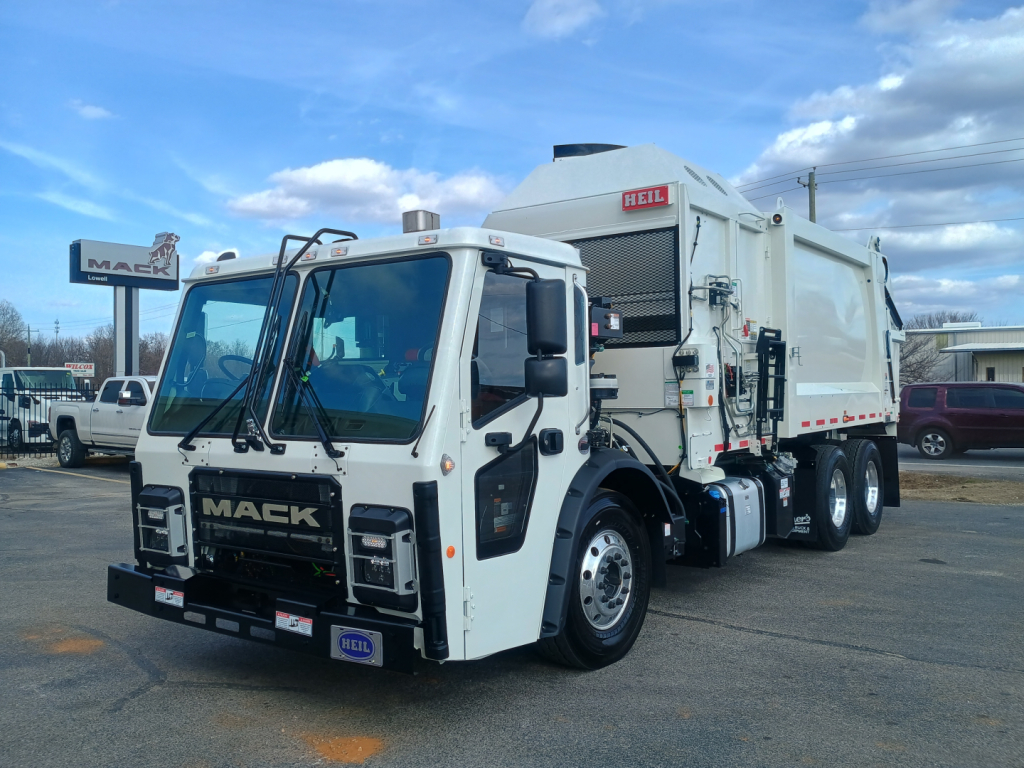
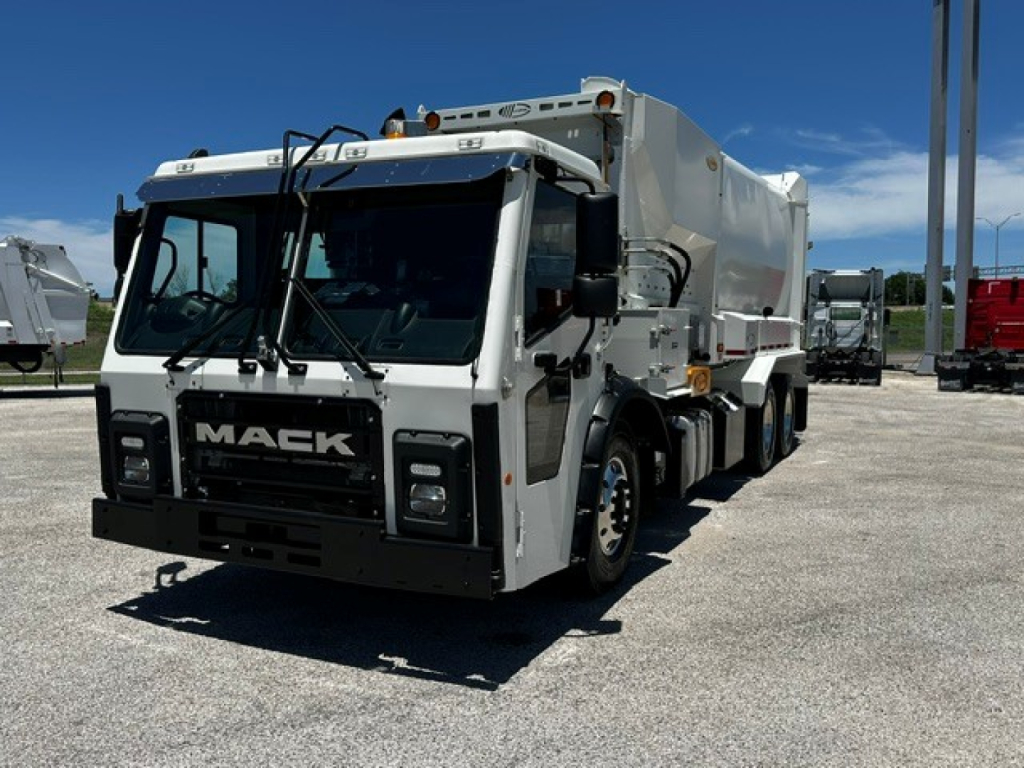
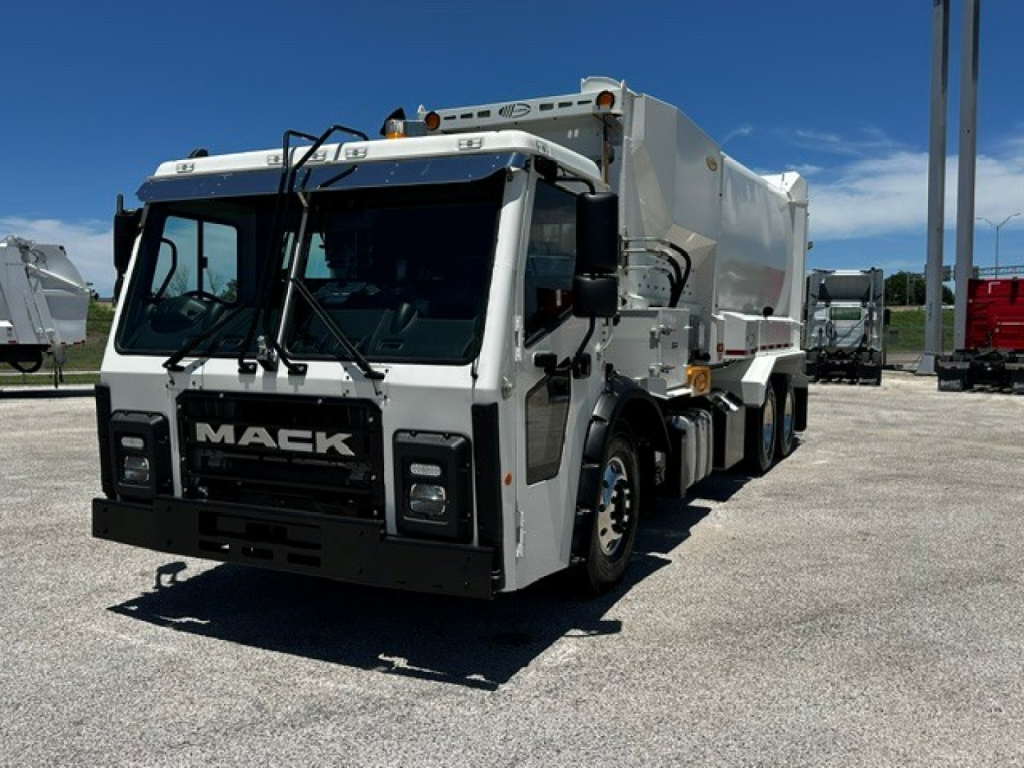

Selling a new refuse side loader truck? List your new refuse side loader truck for sale and reach thousands of commercial buyers.
New Refuse Side Loader Trucks
For buyers comparing new side loader refuse trucks, chassis specs should be matched to body capacity, route density, and local weight limits. Common configurations include low-cab-forward platforms for visibility and tight turning, tandem rear axles for higher legal payload, and GVWR ratings in the heavy Class 8 range. Engines in the mid-300 horsepower range are typical, often matched to fully automatic Allison transmissions because refuse work depends on constant stop-and-go operation, PTO performance, and smooth low-speed control. Rear axle ratios, suspension capacity, wheelbase, and front axle ratings all affect how well the truck handles arm reach, body weight, and transfer station runs.
Body design is just as important as the cab and drivetrain. Buyers should look closely at hopper volume, packer cycle performance, arm geometry, cart compatibility, and hydraulic system access. Automated side loaders can improve route productivity, but they also need to be matched to the container sizes, alley clearance, and set-out style on the route. Visibility from the right side of the cab, camera coverage, frame reinforcement, and clean body mounting are important on a new build. Other details that matter in this category include bridge law compliance, lift capacity, tailgate seal design, and service access for hydraulics, electrical controls, and body components that see daily cycle wear.
A new refuse side loader truck is usually purchased for uptime planning as much as collection capacity. Standardized controls, known engine and transmission packages, and consistent chassis specifications make fleet maintenance easier across multiple routes. Buyers also pay close attention to cab ergonomics, left-hand or right-hand driving position, emissions equipment packaging, and how the truck will perform in hot idle, short-trip, and contamination-heavy service. The best specification is the one that fits the route, the container program, and the maintenance plan without overbuilding the truck or sacrificing payload.
Frequently Asked Questions about New Refuse Side Loader Trucks
What is a refuse side loader truck used for?
A refuse side loader truck is used primarily for residential solid waste and recycling collection. It picks up carts from the side of the truck, often with an automated arm, which allows one operator to service a route from inside the cab. This setup improves efficiency on repetitive curbside routes and reduces the amount of manual handling required compared with rear loader applications.
What chassis specs matter most on a new side loader refuse truck?
The most important chassis specs are GVWR, axle ratings, wheelbase, suspension capacity, rear axle ratio, and transmission type. Refuse trucks carry heavy body weight and work in constant stop-and-go service, so the chassis must support the body, hydraulic loads, and legal payload without sacrificing maneuverability. Automatic transmissions and heavy-duty front and rear axles are common because they handle frequent starts, PTO work, and tight urban driving more effectively.
Why are automatic transmissions common in refuse side loader trucks?
Automatic transmissions are common because refuse collection is low-speed, high-cycle work with constant stopping, starting, and reversing. An Allison automatic is widely used in this category because it delivers smooth engagement, supports PTO operation well, and reduces driver fatigue over a full route. It also helps protect driveline components in severe-duty service where shift frequency is much higher than in linehaul applications.
How do I choose between a single-axle and tandem-axle side loader?
The choice depends on body size, route density, legal weight limits, and transfer distance. A single-axle side loader may be adequate for lighter residential routes where maneuverability is the top priority. A tandem-axle truck is better suited for heavier payloads, larger bodies, and operations that need more GVWR and rear suspension capacity. Buyers should compare expected tons per route, local bridge limits, and how often the truck will leave the neighborhood for disposal runs.
What should buyers inspect on the body side of a new refuse side loader?
Key body considerations include hopper capacity, packer design, arm reach, lift rating, hydraulic layout, and compatibility with the cart sizes used on the route. Buyers should also evaluate visibility around the loading side, camera systems, service access, tailgate sealing, and wear points in the arm and packing system. A strong chassis specification can still underperform if the body is not matched to route conditions, set-out practices, and daily collection volume.