
New 2026 Peterbilt Trucks For Sale
Shop new 2026 Peterbilt trucks for sale, including vocational and highway models with modern powertrains, premium cabs, and proven resale appeal.

Selling a new 2026 peterbilt truck? List your new 2026 peterbilt truck for sale and reach thousands of commercial buyers.
New 2026 Peterbilt Trucks
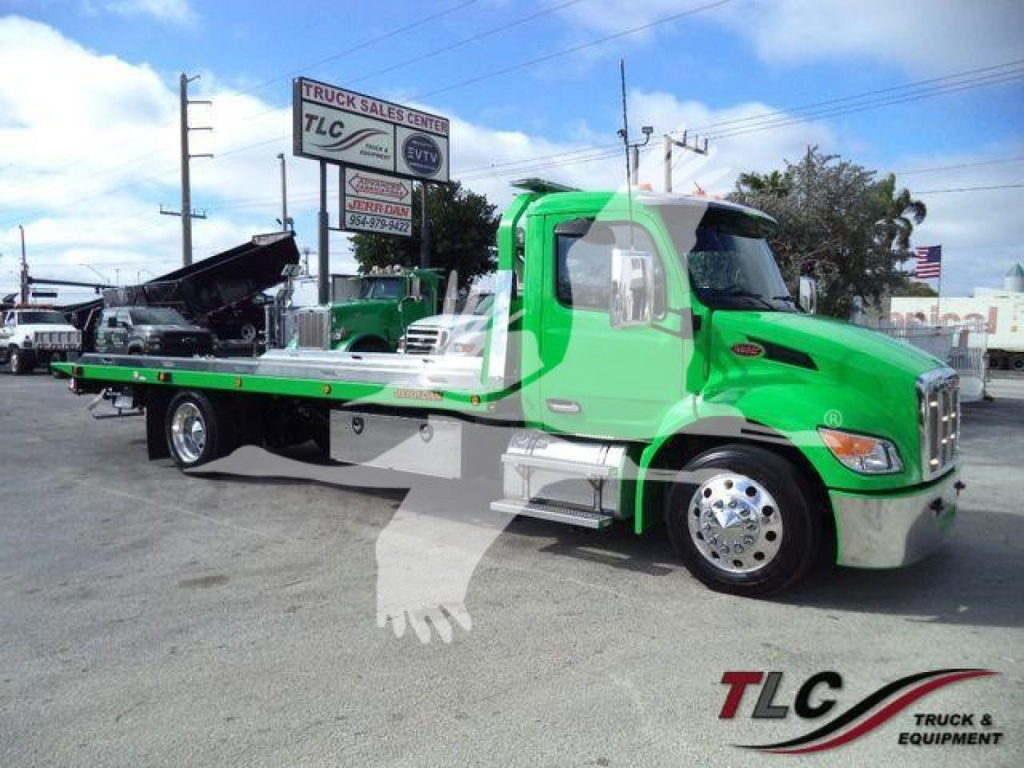
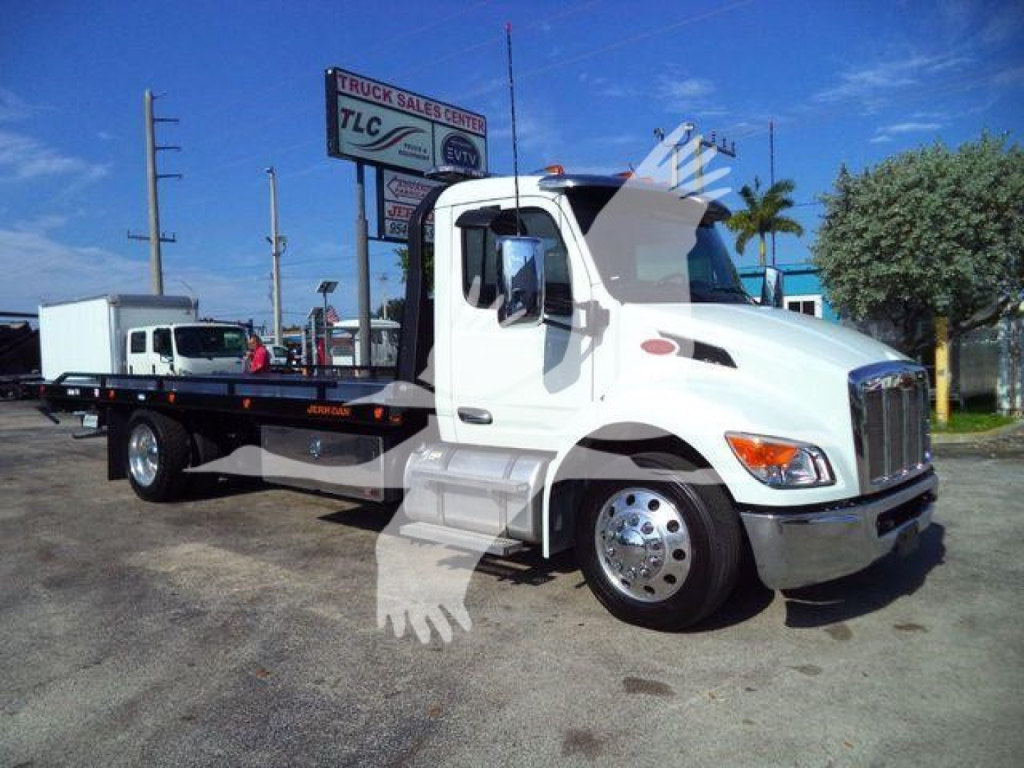
For vocational work, the 2026 Peterbilt lineup is often configured for rollback carriers, wreckers, dumps, mechanics trucks, box trucks, fuel lube bodies, and municipal service. Popular specs include Cummins diesel power, Allison automatic transmissions in medium-duty applications, air brakes, air ride suspension, and 4x2 or 6x4 drivetrains depending on GVWR and body choice. Buyers looking at Class 6 and Class 7 Peterbilt trucks should pay close attention to front axle capacity, rear axle rating, frame reinforcement, and cab-to-axle dimensions because those numbers determine what body can be installed and how well the truck balances once loaded. If the truck will run a carrier bed, crane, or wrecker body, hydraulic provisions, PTO compatibility, and clear back-of-cab packaging are just as important as horsepower.
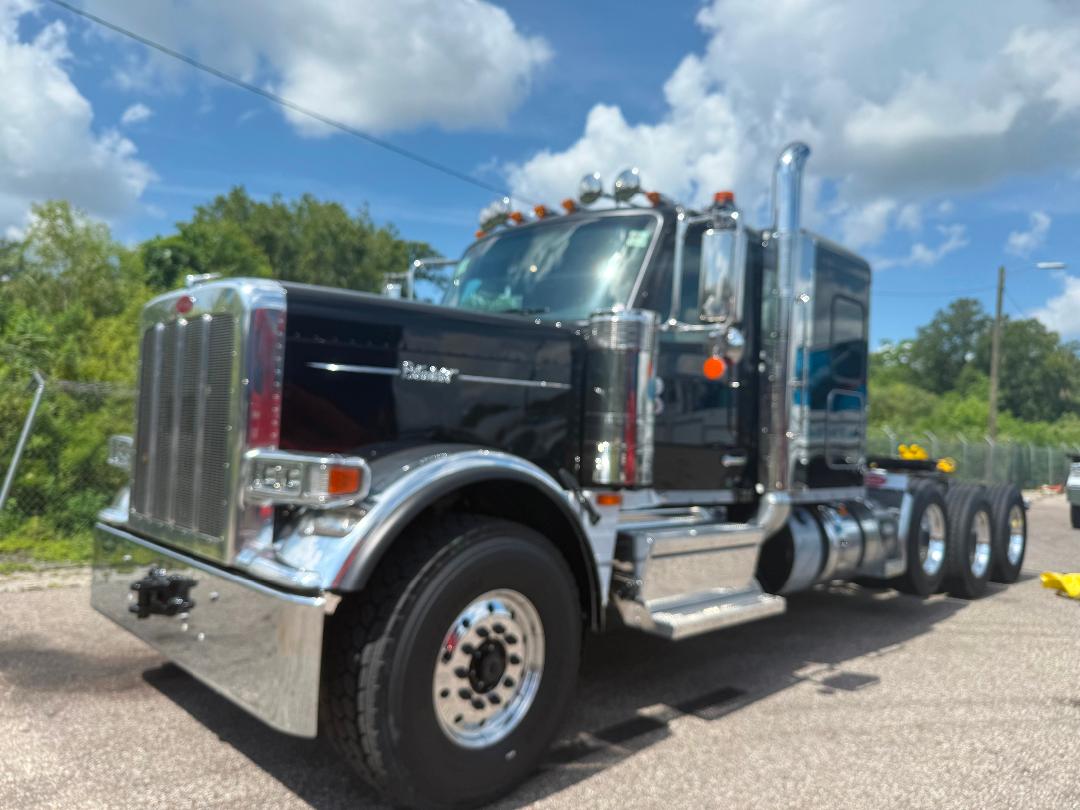
For on-highway use, Peterbilt tractors are known for aerodynamic hood designs, sleeper and day cab options, and driver-focused interiors that help with retention on long runs. In that part of the lineup, buyers usually compare engine families, automated transmission options, fuel tank capacity, wheelbase, and rear axle ratio based on route profile and trailer weight. A regional haul spec can look very different from a long-haul sleeper or a heavy vocational tractor. New model year trucks also tend to bring updated safety systems, improved infotainment, camera integrations, and more refined switch layouts, all of which matter when the truck will be on the road every day.
The smartest way to shop this category is to start with the work cycle, then verify the chassis details. A sharp-looking Peterbilt is easy to find, but the better truck is the one with the right GVWR, axle spread, engine torque curve, transmission programming, and suspension for the body or trailer it will carry. Buyers should also look at service network access, emissions warranty coverage, and lead times for body installation or final upfit. Peterbilt remains a strong choice for fleets and owner-operators who want premium branding, broad vocational adaptability, and a truck that generally holds value well over time.
Frequently Asked Questions about New 2026 Peterbilt Trucks
What are the most common types of new 2026 Peterbilt trucks for sale?
The most common 2026 Peterbilt trucks span both medium-duty and heavy-duty applications. Medium-duty models are frequently used for rollback tow trucks, box trucks, dumps, utility bodies, and municipal work, while heavy-duty models are commonly spec'd as day cab or sleeper tractors for regional and long-haul service. The right choice depends less on badge prestige and more on GVWR, axle ratings, wheelbase, and whether the truck is being built for a body or for fifth-wheel trailer work.
Which Peterbilt models are typically used for vocational truck applications?
Peterbilt vocational applications often center on models like the 536, 537, 548, and 567, depending on weight class and duty cycle. These chassis are commonly ordered with PTO provisions, heavier front axles, body-builder friendly frame layouts, and transmission choices suited to stop-and-go or hydraulic work. For buyers planning a rollback, wrecker, dump, or mechanics body, cab-to-axle measurement and frame spec are usually more important than cosmetic options.
What should I look for when buying a new 2026 Peterbilt truck?
Start with the intended application and confirm the truck is spec'd to support it. Key items include engine horsepower and torque, transmission type, front and rear axle capacities, suspension, brake system, wheelbase, and fuel capacity. If the truck will carry a body, verify PTO compatibility, frame clearance, and body mounting dimensions. If it will be used as a tractor, focus on axle ratio, fifth-wheel placement, sleeper configuration, and expected cruising speed versus load weight.
Are new Peterbilt trucks known for strong resale value?
Peterbilt trucks generally hold value well because of strong brand recognition, broad parts and service support, and consistent demand in both fleet and owner-operator markets. Resale still depends heavily on spec. Desirable drivetrains, popular wheelbases, clean vocational upfits, and documented maintenance history usually support stronger values than narrow or unusual configurations. A truck built for a common application is typically easier to remarket later.
Do new 2026 Peterbilt trucks come with features that improve driver comfort and uptime?
Yes. New Peterbilt trucks are typically ordered with comfort and productivity features that matter in daily operation, including air ride seating, modern cab ergonomics, updated controls, connectivity features, camera systems, and advanced safety technology. On the uptime side, buyers often look for factory warranty coverage, serviceability, engine and transmission combinations with proven support networks, and body-builder ready chassis layouts that reduce delays during upfit and repair.