
New 2026 Isuzu Trucks For Sale
Shop new 2026 Isuzu trucks including NPR, NQR, NRR, and FTR models built for delivery, service, dump, landscape, and cab chassis use.
Selling a new 2026 isuzu truck? List your new 2026 isuzu truck for sale and reach thousands of commercial buyers.
New 2026 Isuzu Trucks
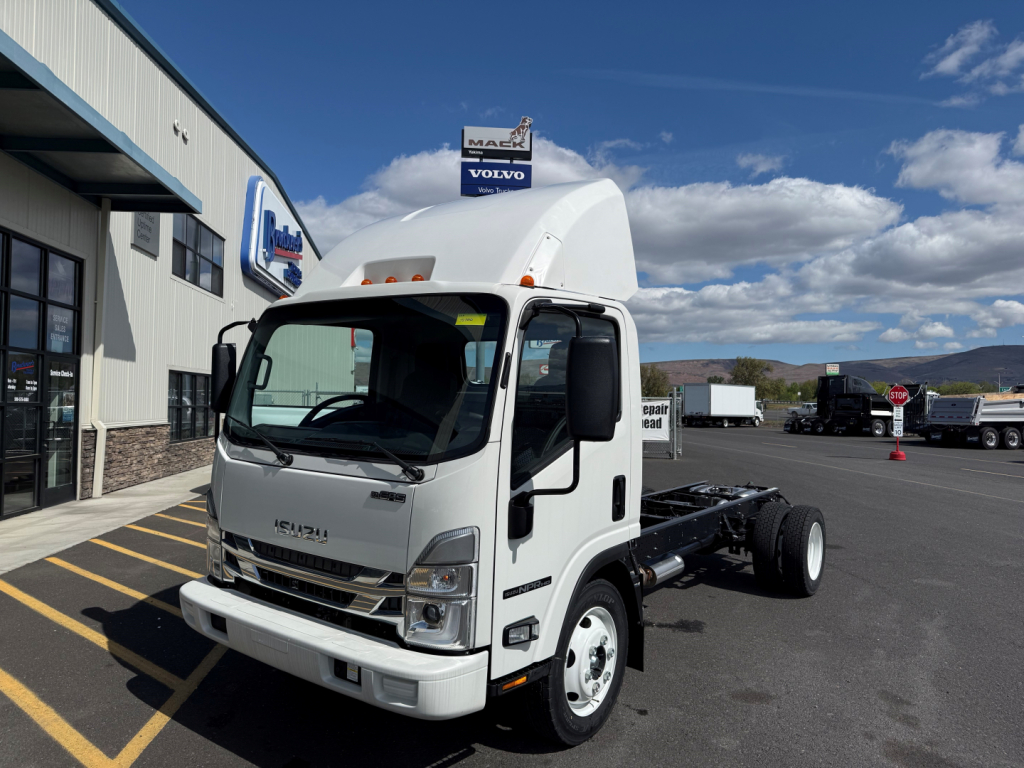
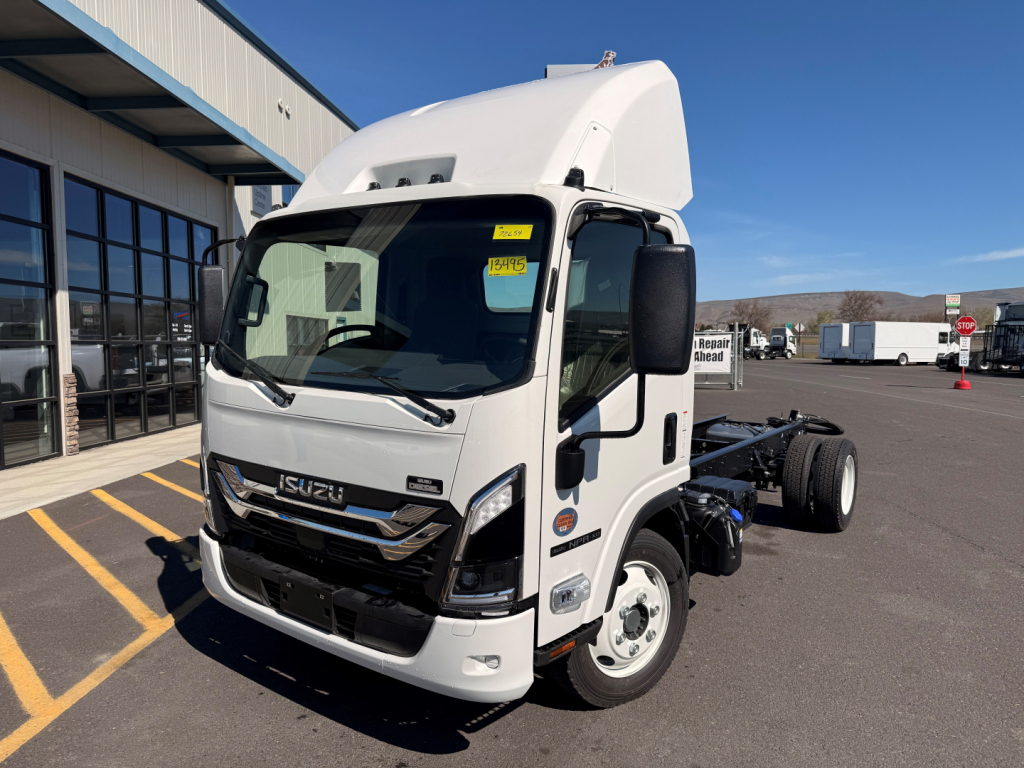
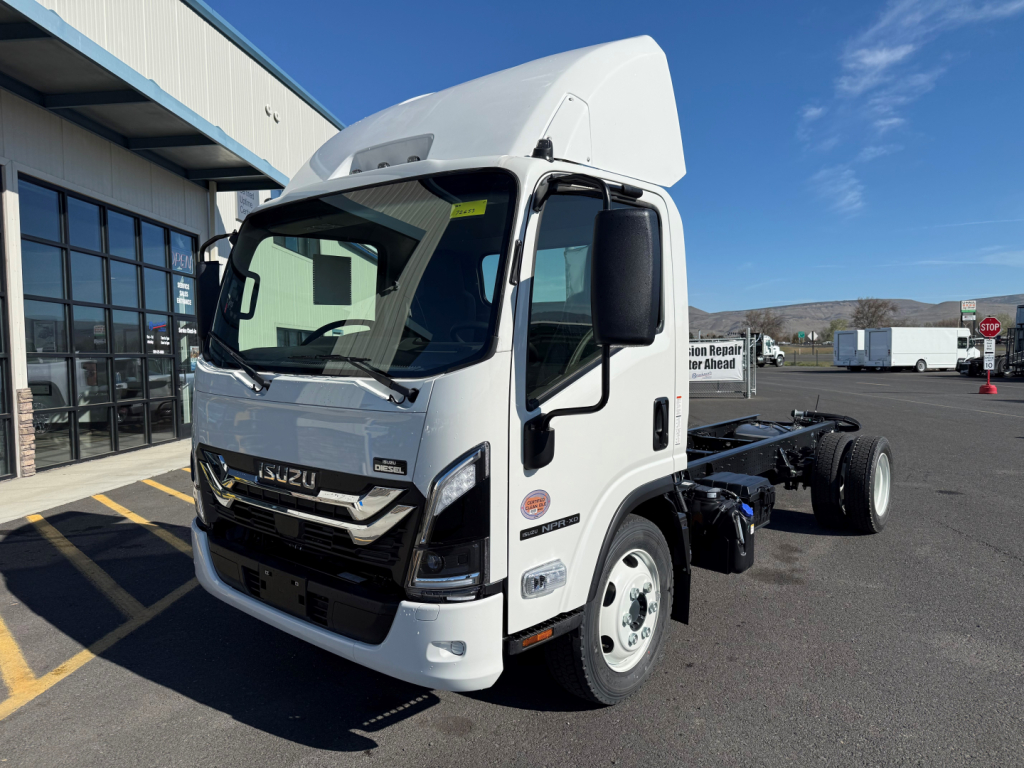
The main buying decision usually starts with series and GVWR. Isuzu NPR and NPR HD models are common in lighter Class 4 and Class 5 applications, while NQR and NRR models step up for higher payload needs and longer bodies. Buyers looking for a non-CDL Class 7 platform often focus on the FTR, especially for 26-foot van bodies, reefer bodies, stake beds, dump bodies, and specialized vocational upfits. Depending on the model, common engine choices include Isuzu diesel platforms, gasoline V8 options, and Cummins diesel power in heavier configurations, paired with proven automatic transmissions from Aisin or Allison. Typical specs buyers compare include wheelbase, axle ratings, rear ratio, suspension type, and final body-ready frame dimensions.
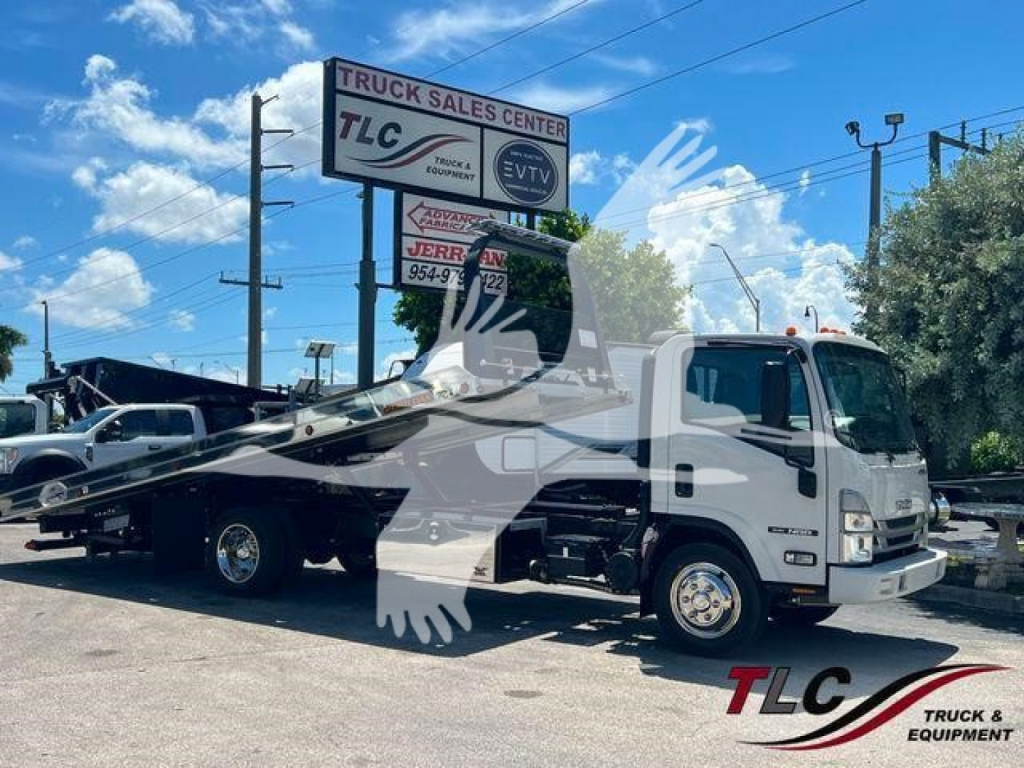
Body compatibility is one of the strongest reasons to shop new Isuzu trucks. These chassis are widely upfitted as dry vans, refrigerated trucks, flatbeds, landscape dumps, contractor dumps, utility bodies, rollback-style applications, and straight truck service bodies. A buyer should match wheelbase and cab-to-axle dimensions to the intended body length first, then confirm payload after body weight, liftgate weight, fuel type, and driver count are factored in. For delivery operations, details such as ramp style, cargo track placement, translucent roof panels, scuff liners, and roll-up versus swing doors matter. For vocational setups, hydraulic capacity, PTO compatibility, hitch requirements, and suspension choice matter more than cosmetic options.
New model-year Isuzu trucks also appeal to buyers who want current emissions equipment, updated safety systems, and cleaner maintenance history from day one. The right spec depends on route density, stop frequency, average payload, and who will service the truck. Gas models can make sense for lower annual mileage or mixed fleet maintenance simplicity, while diesel models are often preferred for torque, fuel economy under load, and long-run durability. Buyers comparing listings should pay close attention to GVWR class, front and rear axle capacity, body-ready wheelbase, and intended upfit, because two Isuzu trucks can look similar on paper while being built for very different jobs.
Frequently Asked Questions about New 2026 Isuzu Trucks
What are the most common Isuzu truck models buyers compare in a new medium-duty lineup?
The most common comparisons are between the NPR, NPR HD, NQR, NRR, and FTR. NPR and NPR HD trucks are often used for lighter delivery and service applications, while NQR and NRR models are chosen when buyers need more GVWR and payload capacity. The FTR moves into heavier medium-duty work and is frequently selected for non-CDL Class 7 applications, including 26-foot box trucks, reefer bodies, and vocational upfits.
Is an Isuzu cab-over truck better for city delivery routes?
For many urban and regional delivery operations, a cab-over Isuzu truck is a strong fit because the shorter overall length improves maneuverability without giving up body space. The low cab forward layout also improves forward visibility and helps drivers work in tight loading docks, alleys, and congested streets. That is one of the main reasons Isuzu chassis are widely used in parcel, beverage, linen, foodservice, and local distribution fleets.
How do I choose the right wheelbase and body length on a new Isuzu truck?
Start with the body type and required cargo volume, then match that to the correct wheelbase and cab-to-axle dimension. A truck spec must leave enough frame length for the body, rear overhang limits, and any liftgate or hitch equipment. Buyers should also calculate payload after subtracting the body, upfit components, fuel, and passengers from the chassis GVWR. A body builder or dealer body chart is the best source for confirming fitment.
Should I buy a gas or diesel Isuzu truck?
Gas and diesel both have a place in the Isuzu lineup, and the better choice depends on duty cycle. Gas engines can work well for lower annual mileage, lighter payloads, and fleets that want simpler maintenance alignment with gasoline-powered support vehicles. Diesel engines are usually favored for higher torque output, better performance under sustained load, and efficiency in heavier or more demanding route work. The intended application matters more than the fuel type alone.
What applications are new Isuzu trucks commonly used for?
New Isuzu trucks are commonly spec'd as dry vans, refrigerated trucks, flatbeds, landscape trucks, dump trucks, utility bodies, and cab-and-chassis platforms for custom upfits. They are especially common in final-mile delivery, food and beverage distribution, contractor service, municipal support, and specialty fleet work. Their appeal comes from body-builder flexibility, tight turning radius, and a chassis range that covers both lighter commercial work and heavier medium-duty jobs.