
New 2026 Isuzu Trucks For Sale in Washington
Shop new 2026 Isuzu trucks for sale in Washington, including NPR and NQR models for delivery, upfit, box truck, and flatbed applications.
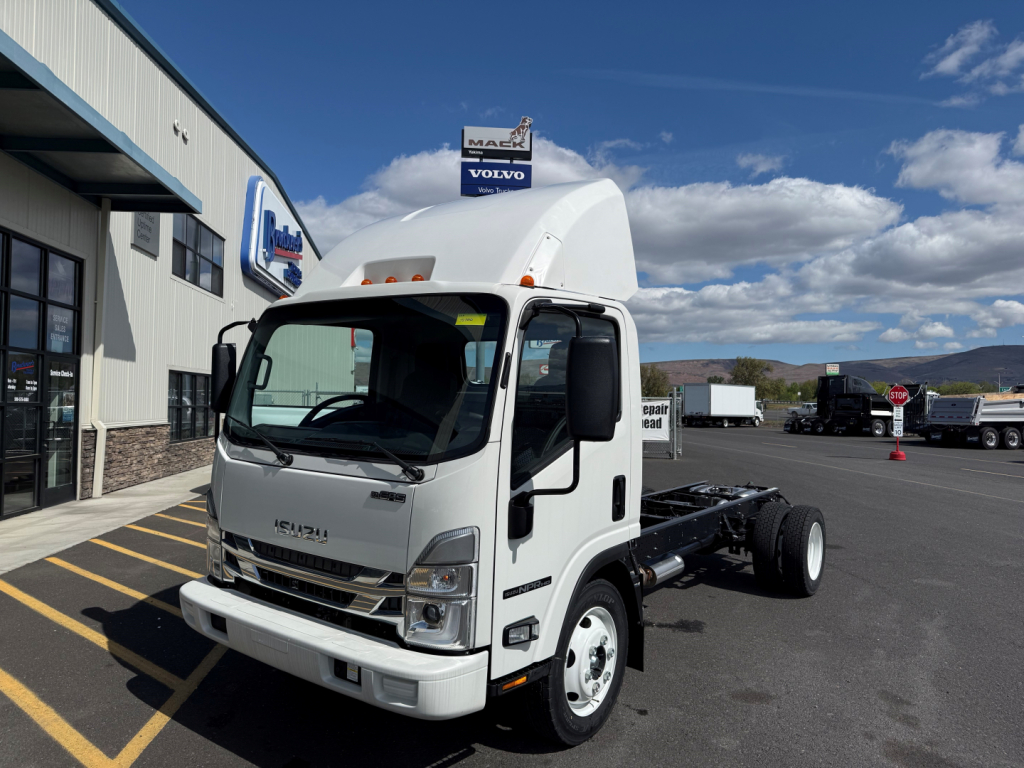
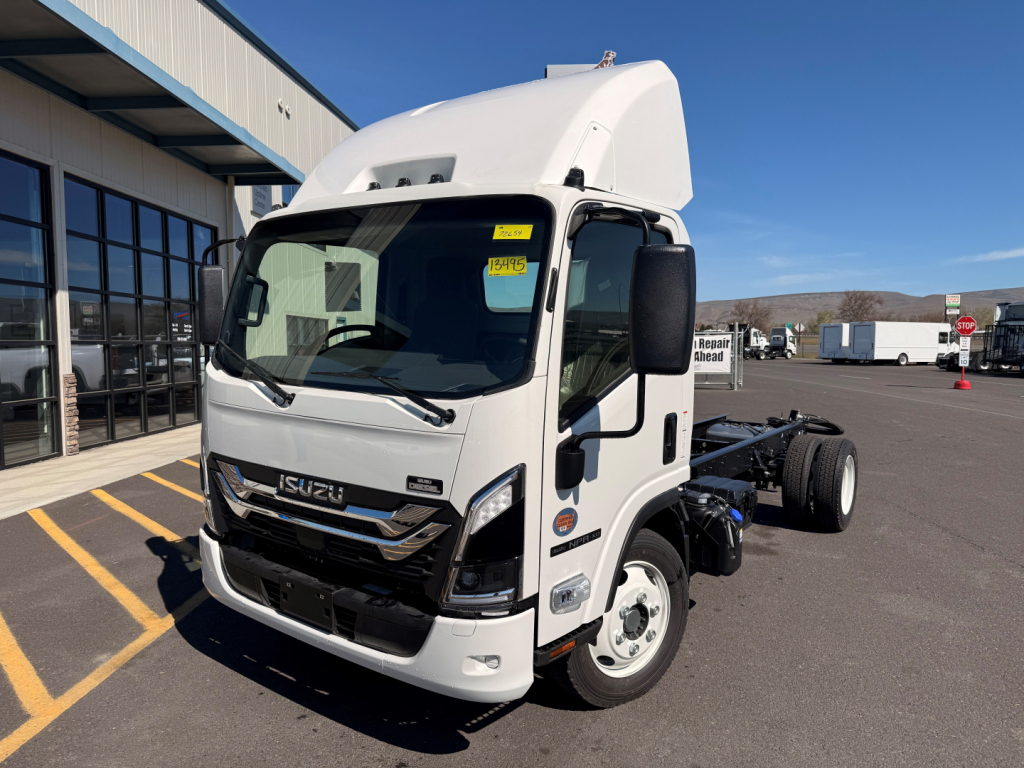
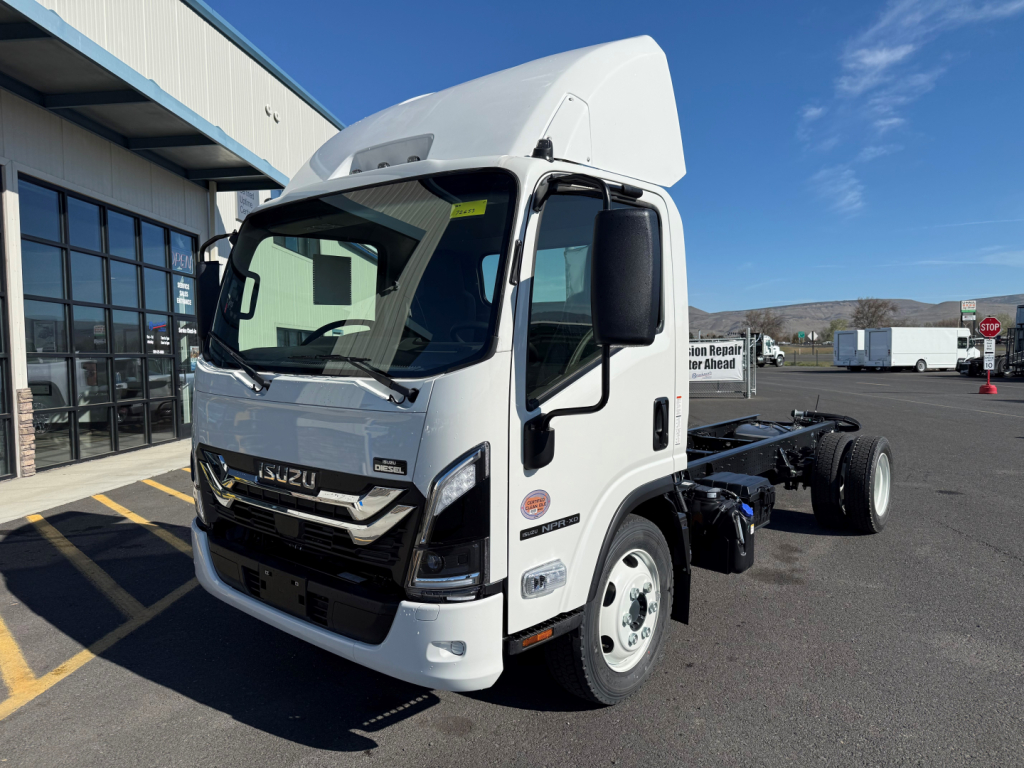
Selling a new 2026 isuzu truck? List your new 2026 isuzu truck for sale and reach thousands of commercial buyers.
New 2026 Isuzu Trucks in Washington
For many buyers, the key decision starts with powertrain and GVWR. In this class, Isuzu commonly offers the 5.2L diesel in models like the NPR XD and a 6.6L gas V8 in gas variants such as the NPR-HD or NQR-Gas, depending on configuration. Diesel is often preferred for higher payloads, frequent daily use, and longer service intervals, while gas can make sense for lighter duty cycles, lower upfront cost, and simpler maintenance planning. Buyers should compare GVWR, wheelbase, front and rear axle ratings, and expected body length before choosing a chassis. Typical setups in this segment support bodies from around 14 to 22 feet, depending on the model and wheelbase.
Washington buyers should also pay attention to terrain, route density, and operating environment. Western Washington stop-and-go delivery routes reward Isuzu’s maneuverability and cab access, while eastern parts of the state may put more emphasis on payload, range, and body durability. If the truck will be used for beverage delivery, parcel routes, landscaping, or contractor supply runs, details like frame strength, PTO compatibility, suspension rating, and cab-to-axle measurement matter as much as engine choice. On van bodies, practical specs include cargo height, scuff liners, logistic track, ramp style, and rear door opening. On flatbeds and landscape bodies, buyers should look closely at deck material, tie-down layout, ramp capacity, and tool storage.
A new 2026 Isuzu truck also appeals to fleets focused on uptime and driver acceptance. The cab forward layout provides excellent sightlines, easier entry and exit on multi-stop routes, and predictable body packaging for vocational upfits. Many buyers also value the broad service familiarity Isuzu has in local delivery and work truck fleets. When comparing listings, the smartest approach is to match the truck to the actual job cycle: body length, payload target, fuel type, and turning environment. In this category, the right Isuzu is less about maximum size and more about selecting a chassis that carries the load efficiently, fits the route, and supports the upfit without compromising reliability.
Frequently Asked Questions about New 2026 Isuzu Trucks in Washington
What are the most common uses for a new 2026 Isuzu truck?
New 2026 Isuzu trucks are commonly used for dry freight delivery, refrigerated delivery, landscaping, flatbed hauling, contractor service, utility work, and other medium-duty vocational applications. Their low cab forward design makes them especially effective on urban and suburban routes where tight turning, frequent stops, and dock access are part of the job. Many buyers choose them as cab and chassis trucks so they can install a body that matches a specific business use.
Should I choose an Isuzu diesel or gas truck?
The choice depends on duty cycle, payload demand, and maintenance strategy. Diesel models are often better for heavier loads, frequent operation, and applications where torque and long-term efficiency matter most. Gas models can be attractive for fleets that want lower initial cost, simpler fueling, and easier service planning for lighter or moderate use. The right answer usually comes from matching engine type to miles per year, average load, and how much stop-and-go work the truck will see.
What body lengths are typical on Isuzu cab and chassis trucks?
Typical body lengths in this class range from about 14 feet on vocational and landscape setups to 22 feet on some box truck applications, depending on wheelbase, GVWR, and axle ratings. A model such as an NPR XD may support a 16 to 18 foot body in many configurations, while larger chassis can accommodate longer van bodies. Buyers should verify cab-to-axle dimension, frame length, and body weight before finalizing an upfit.
Why are Isuzu low cab forward trucks popular for city routes?
Isuzu low cab forward trucks are popular for city routes because they provide a tight wheel cut, short bumper-to-back-of-cab measurement, and strong forward visibility. That combination helps drivers maneuver in downtown streets, alleys, crowded parking lots, and loading zones more easily than many conventional cab trucks. The cab design also supports quick entry and exit, which matters on high-frequency stop routes.
What specs matter most when comparing new Isuzu truck listings?
The most important specs are GVWR, wheelbase, cab-to-axle measurement, engine type, transmission, axle ratings, and intended body length. After that, buyers should review body-specific features such as ramp design, floor construction, scuff liners, tie-downs, toolboxes, and door configuration. A truck that looks similar on paper can perform very differently once payload, route conditions, and upfit requirements are taken into account.