
New 2026 Commercial Trucks For Sale in Georgia
2026 new trucks in Georgia with strong floors, thermal integrity, low tare weight, corrosion resistance, and fuel efficient powertrains. Statewide GA.
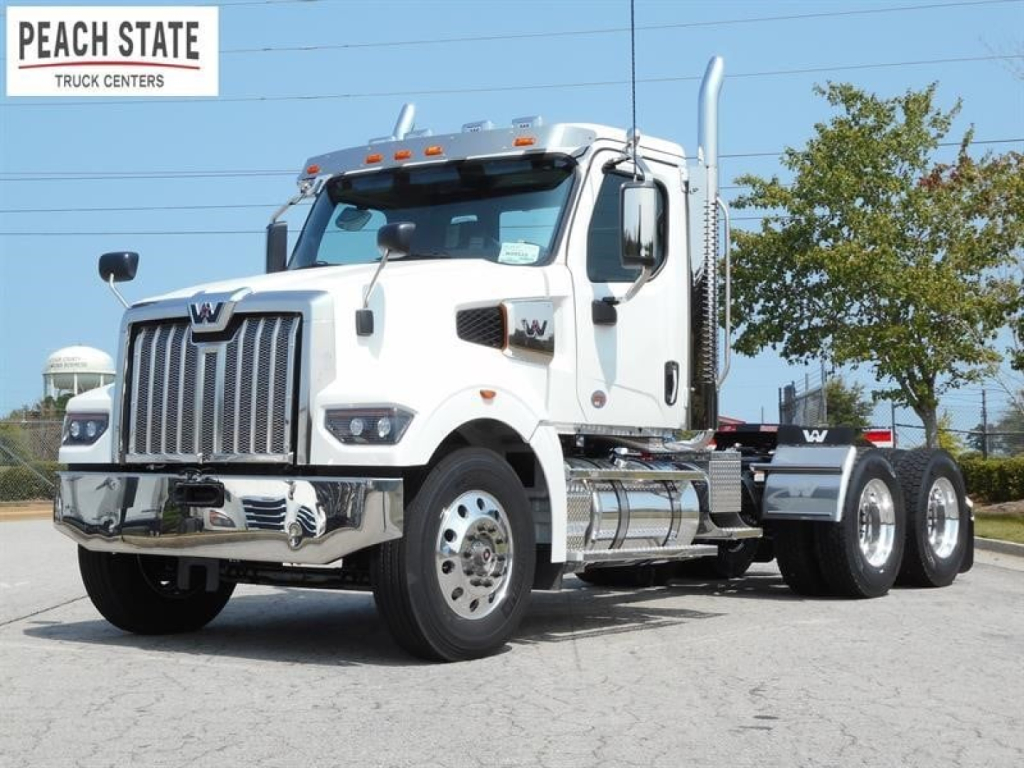
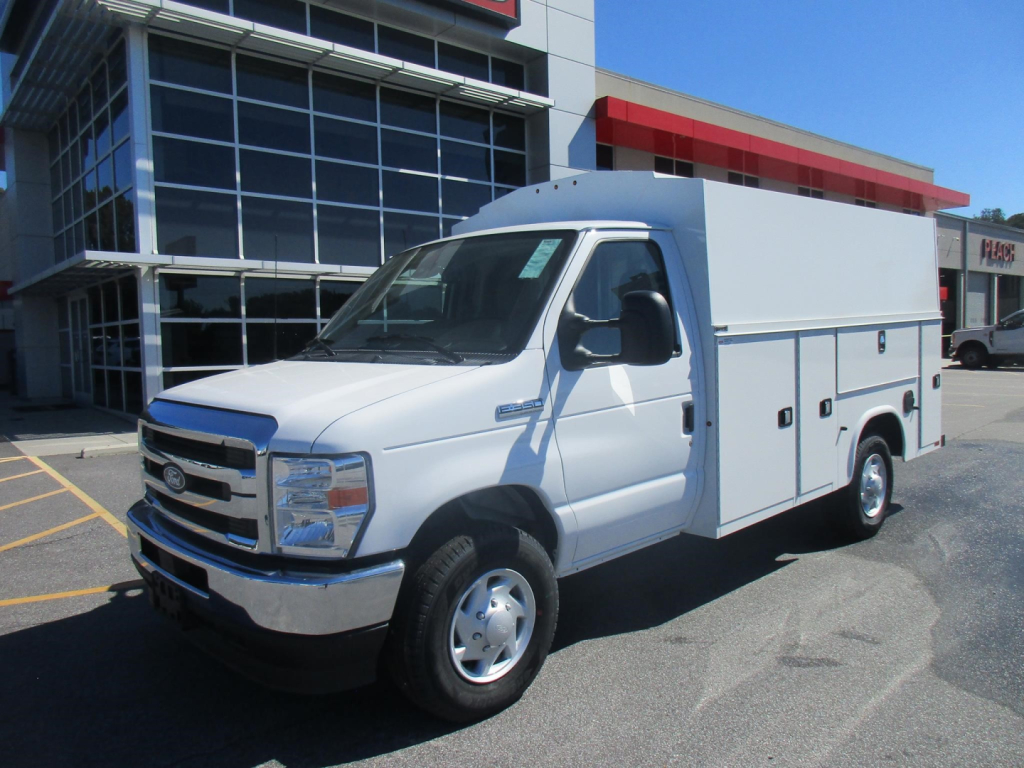
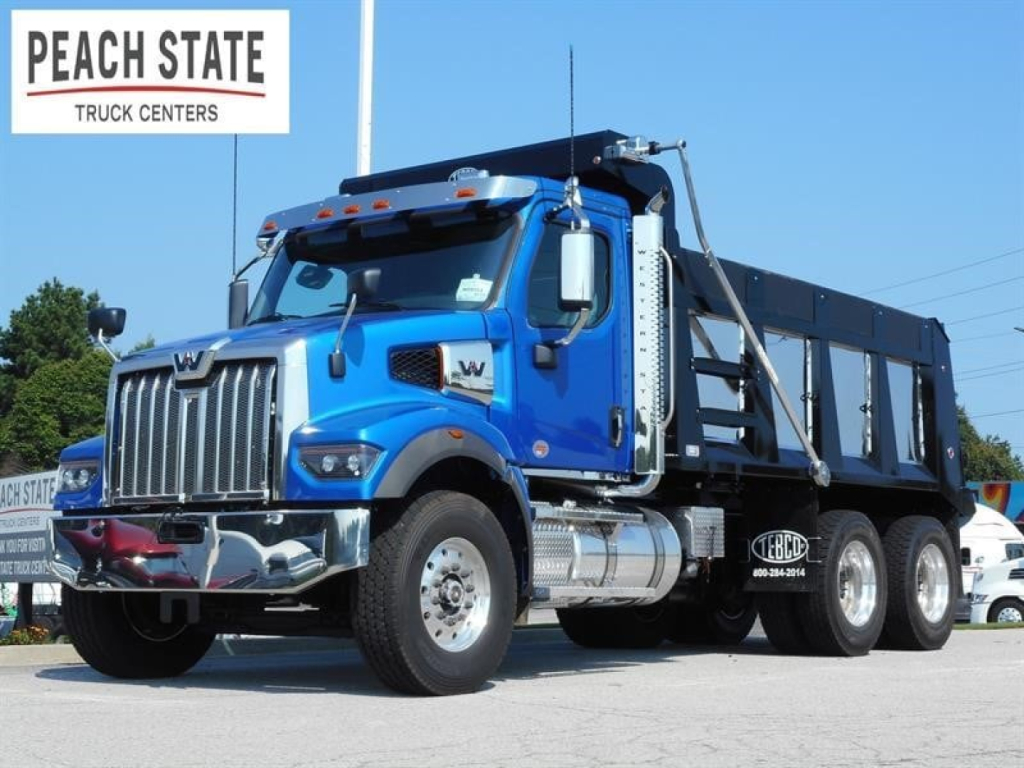
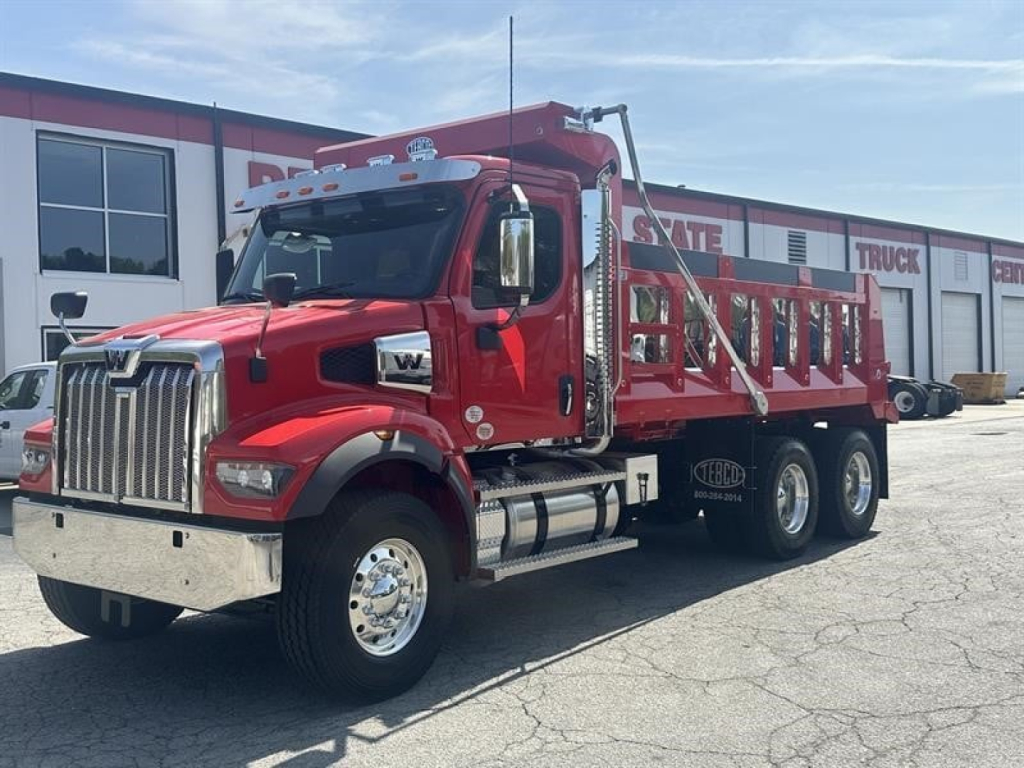
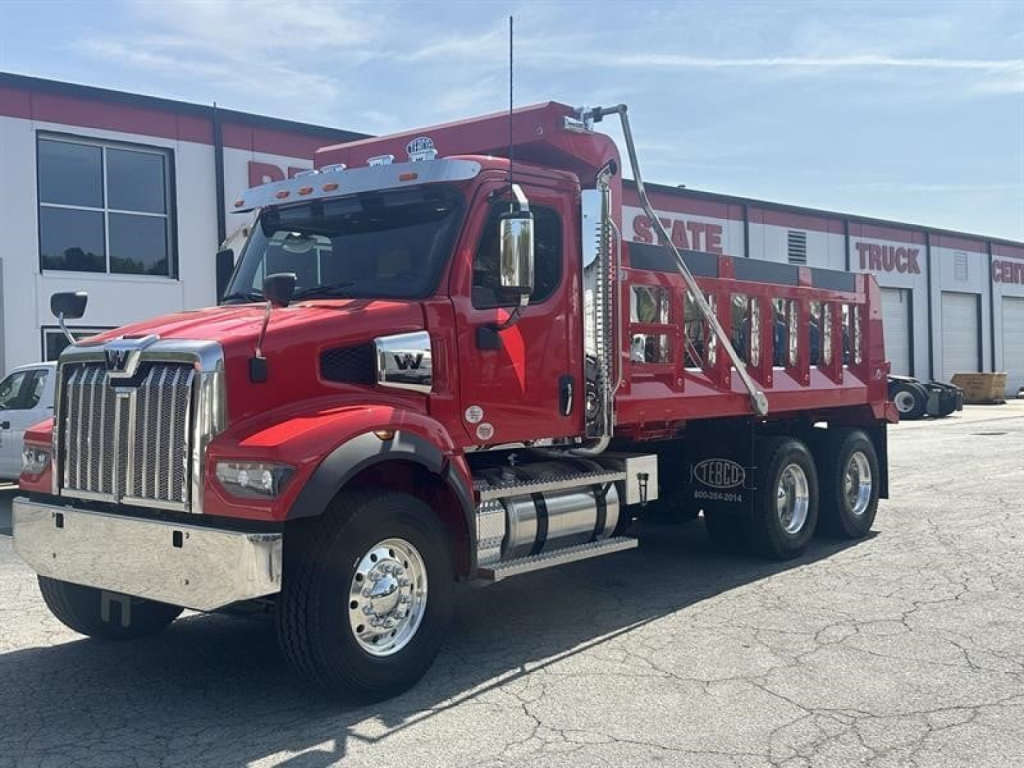
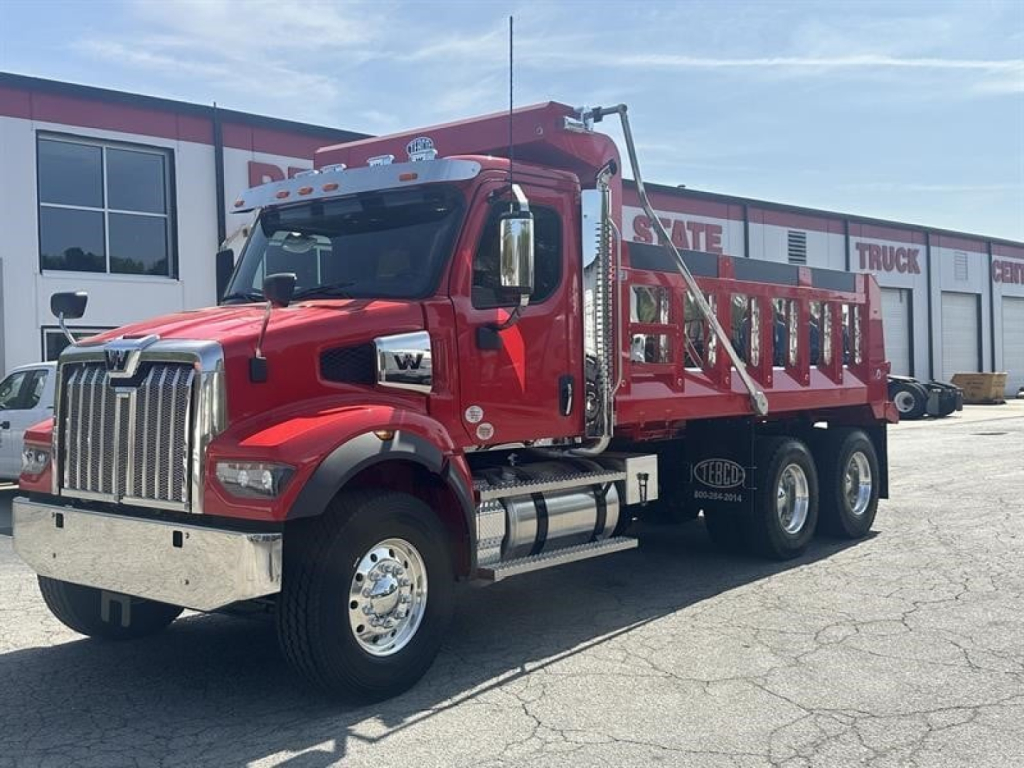
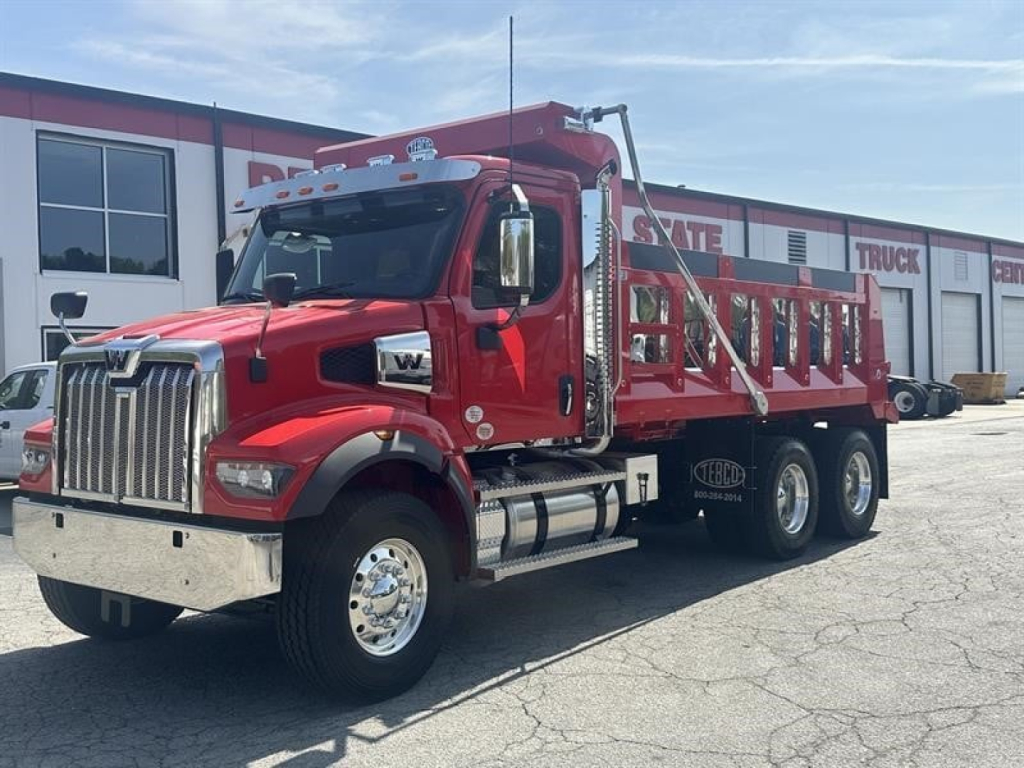
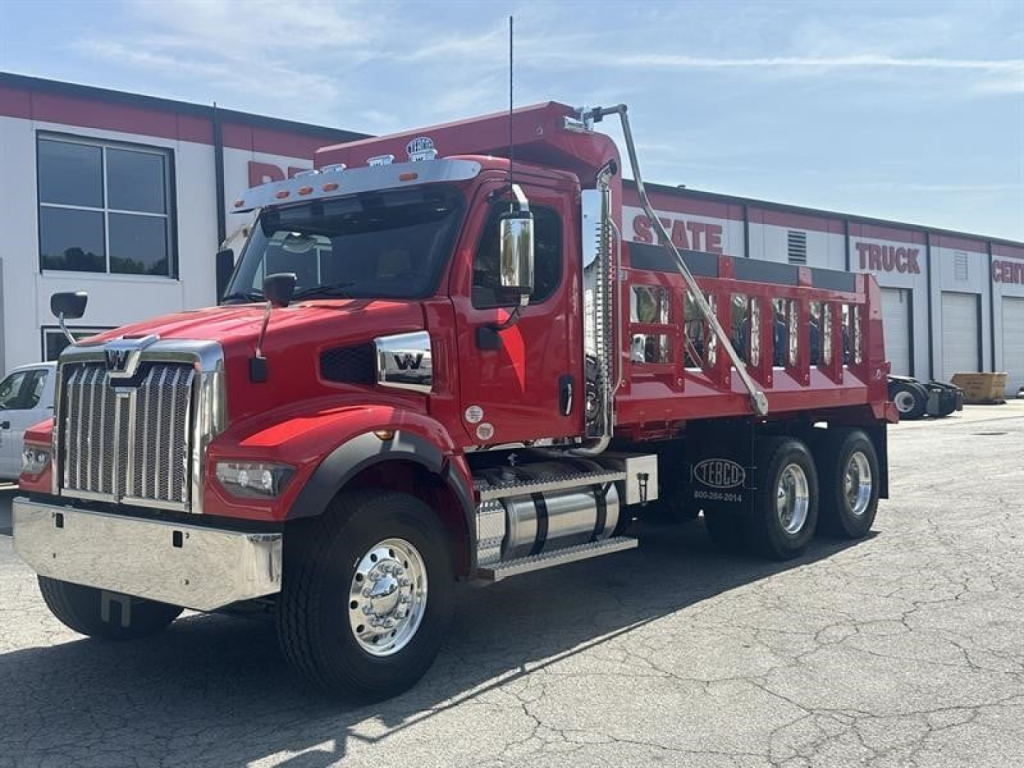
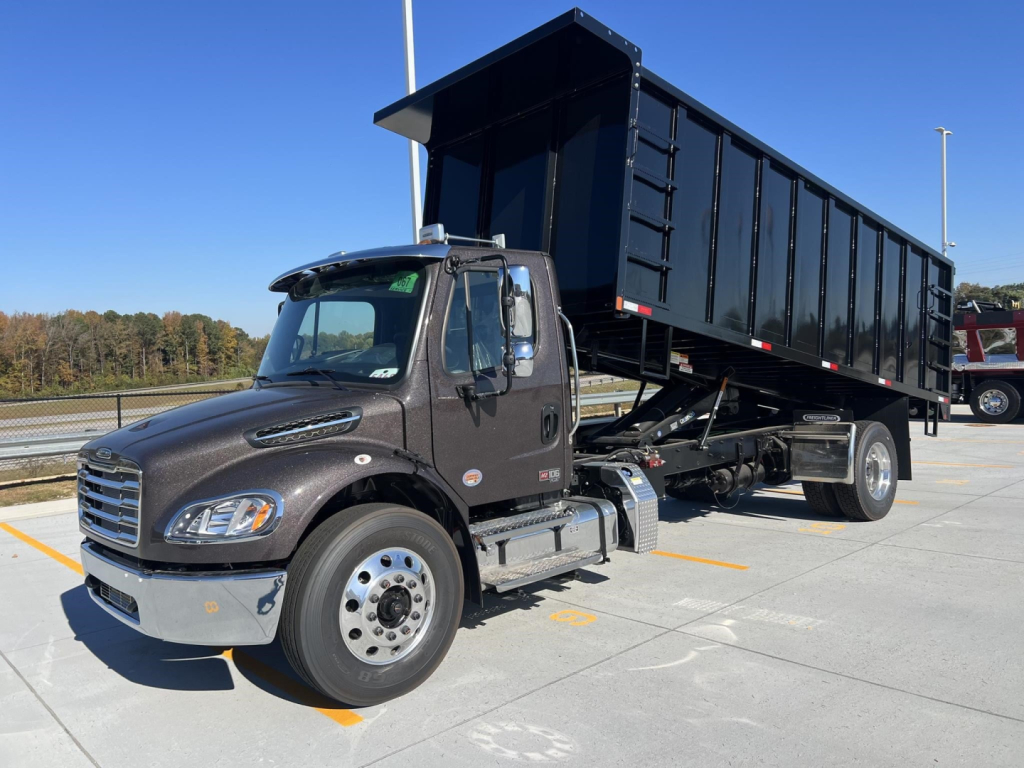
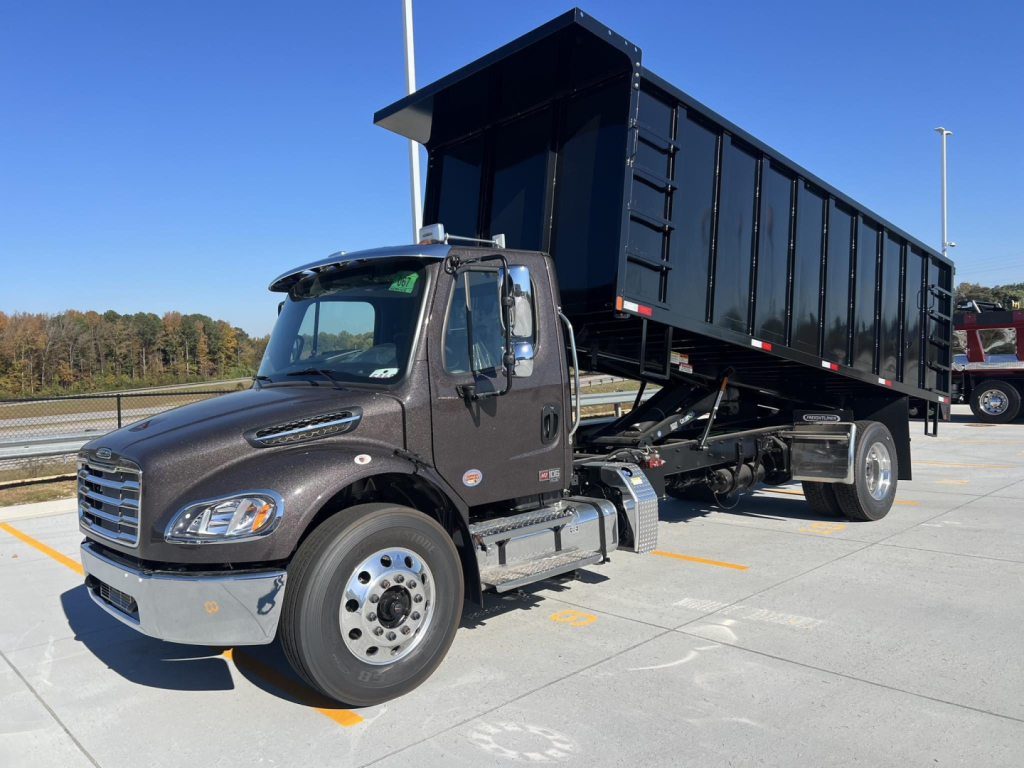
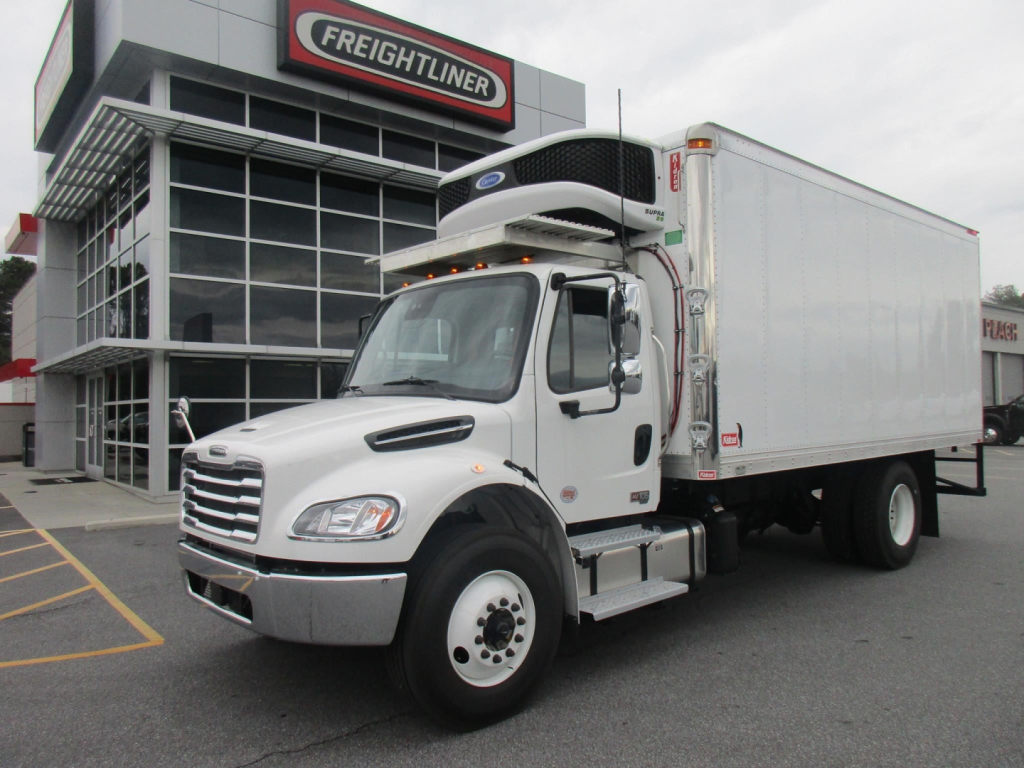
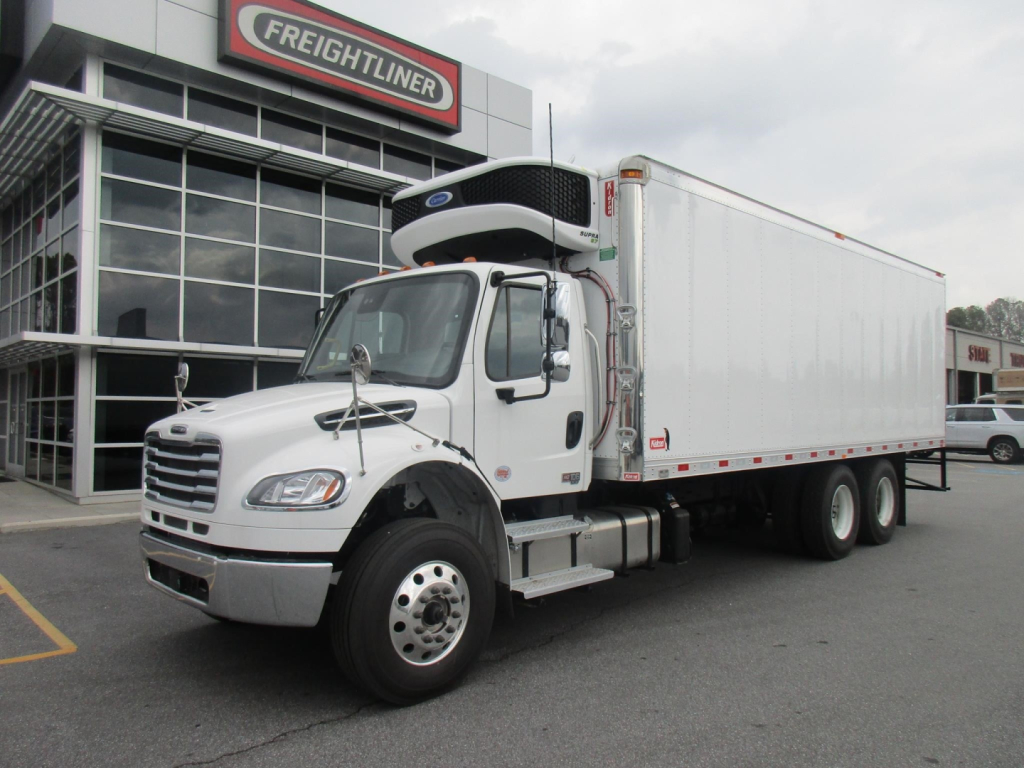
Showing 1 to 28 of 35 results
Selling a new 2026 commercial truck? List your new 2026 commercial truck for sale and reach thousands of commercial buyers.
New 2026 Commercial Trucks in Georgia
Floor strength determines how well a straight truck, platform, or dump spec survives daily abuse. For 24 to 28 foot box trucks that load by forklift, look for laminated hardwood or apitong floors with dense crossmember spacing, aluminum plank floors with integrated sills carry high point loads with less maintenance. Ask for a forklift rating, for example 12,000 pounds at 8 inch wheel centers, and protect it with 12 to 24 inch scuff liners, steel threshold plates, and logistics track to keep pallets off the walls. Platform and stake bodies benefit from 12 inch crossmember spacing and apitong nailers to resist chain bite. Dump bodies built with Hardox 450 or 500 can run thinner plate than A36 or AR400, shedding hundreds of pounds while improving abrasion resistance; the trade off is higher initial cost and the need for correct welding practices.
Thermal integrity is critical on refrigerated straight trucks and sleeper cabs that idle in summer heat. Premium reefer bodies use foam in place polyurethane insulation, thermal breaks at posts and sills, stainless rear frames, and insulated doors with multi seal gaskets to cut heat ingress. Sidewalls in the 3 to 4 inch range and floors with high density foam plus aluminum I beams keep box temperatures stable, reduce unit run time, and save fuel. Sleeper cabs with higher R value insulation, solar reflecting paint, battery HVAC or diesel APUs, and tight door seals reduce idle time and protect aftertreatment systems from heat soak; the trade off is added cost and a modest weight penalty that should be offset by lower fuel burn.
Corrosion resistance in Georgia focuses on humidity, coastal salt air near Savannah and Brunswick, and red clay abrasion. E coated or powder coated frames, aluminum fuel tanks and steps, stainless fasteners, sealed Deutsch connectors, and molded harness routing reduce long term failures. Spec stainless rear frames on refrigerated bodies, galvanized or aluminum crossmembers on platform bodies, and composite fender and fairing materials to limit galvanic interaction with steel brackets, use isolators where dissimilar metals meet. Air disc brakes offer consistent performance in wet conditions, select coated calipers and plated hardware to slow rust bloom. A quality epoxy primer with urethane topcoat on vocational bodies, plus underbody sealant in high spray zones, preserves appearance and resale while keeping maintenance predictable.
Frequently Asked Questions about New 2026 Commercial Trucks in Georgia
How should I spec the floor for a 2026 26 foot box truck that loads by forklift daily?
Choose a forklift rated floor and verify the rating, for example 12,000 pounds at 8 inch wheel centers. Laminated hardwood or apitong with close crossmember spacing works well, aluminum plank floors save weight and resist moisture. Add steel or aluminum threshold plates, 12 to 24 inch scuff liners, and logistics track so pallets and load bars protect the walls rather than the floor edges.
What tare weight reductions make sense for regional Georgia routes without sacrificing durability?
Aluminum wheels, lightweight hubs and drums, and a lightweight fifth wheel are easy wins with little operational downside. Wide base singles and 6x2 tandems can remove 300 to 800 pounds, but evaluate traction on wet grass and clay yards and tire service availability. Many fleets pair wide base singles with automatic traction control and load shift systems, or stay 6x4 and save weight elsewhere to keep balanced performance.
What defines high thermal integrity on a 2026 refrigerated straight truck body?
Look for foam in place polyurethane insulation with consistent density, thermal breaks in the framing, stainless rear frames, insulated doors with multi seal gaskets, and floors that combine high density foam with aluminum I beams. Sidewalls in the 3 to 4 inch range and thicker roof and floor sections lower the K factor, reduce heat ingress, and let the refrigeration unit cycle less, which improves fuel economy and product protection.
Which corrosion resistant features matter most for trucks running in Georgia, including coastal lanes?
An e coated or powder coated frame, aluminum or stainless tanks and steps, stainless fasteners, and sealed electrical connectors provide the baseline. On bodies, specify galvanized or aluminum crossmembers, stainless rear frames on reefers, and quality epoxy primer with urethane topcoat. Use isolators where aluminum meets steel and choose coated brake components to slow rust in humid and coastal environments.
How do stronger floors and corrosion resistant materials affect payload and cost on 2026 trucks?
Upgraded floors and stainless or galvanized components add cost and may add some weight, however they reduce damage from forklifts and moisture, cut unplanned downtime, and support higher resale values. Using higher strength materials like Hardox plate or aluminum plank can offset weight gains, so the net payload impact is often neutral or positive over the life of the truck.