
New 2026 Conventional Sleeper Trucks For Sale in Georgia
Shop new 2026 conventional sleeper trucks in Georgia. Compare raised-roof highway tractors built for long-haul comfort, fuel economy, and uptime.
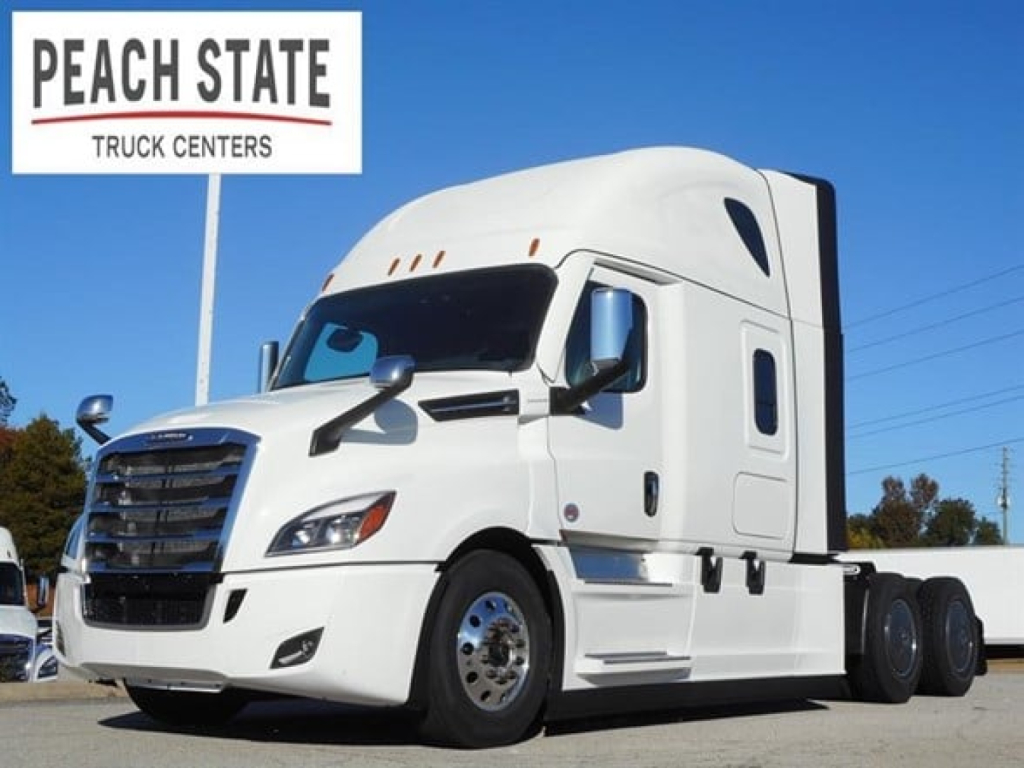
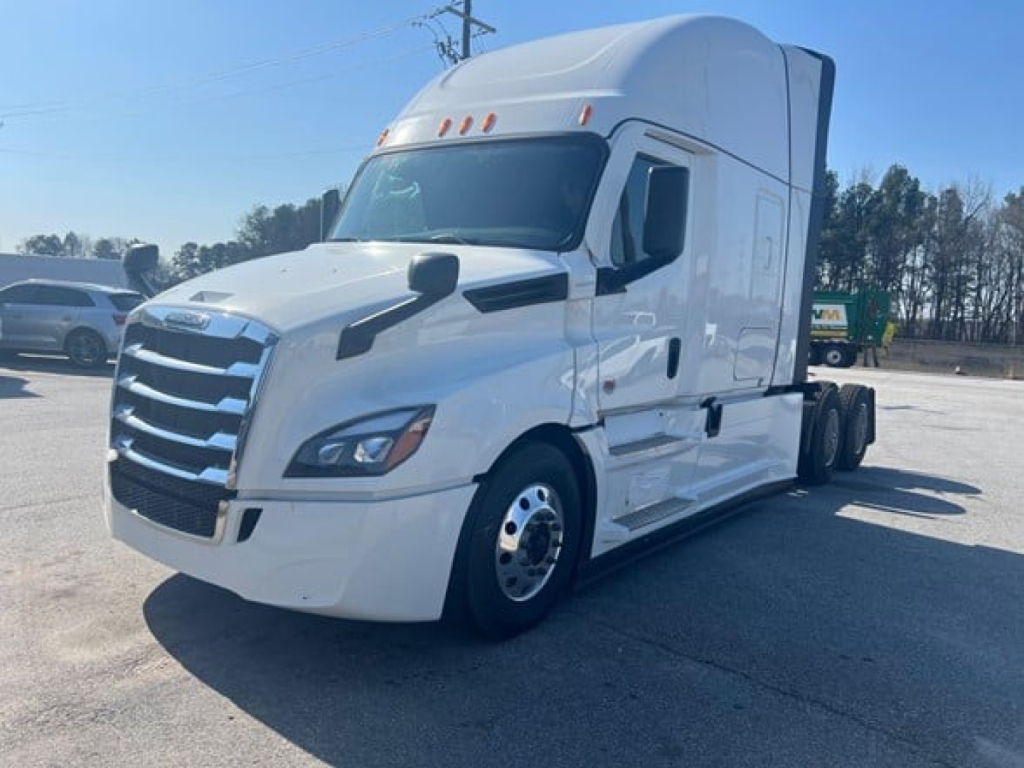
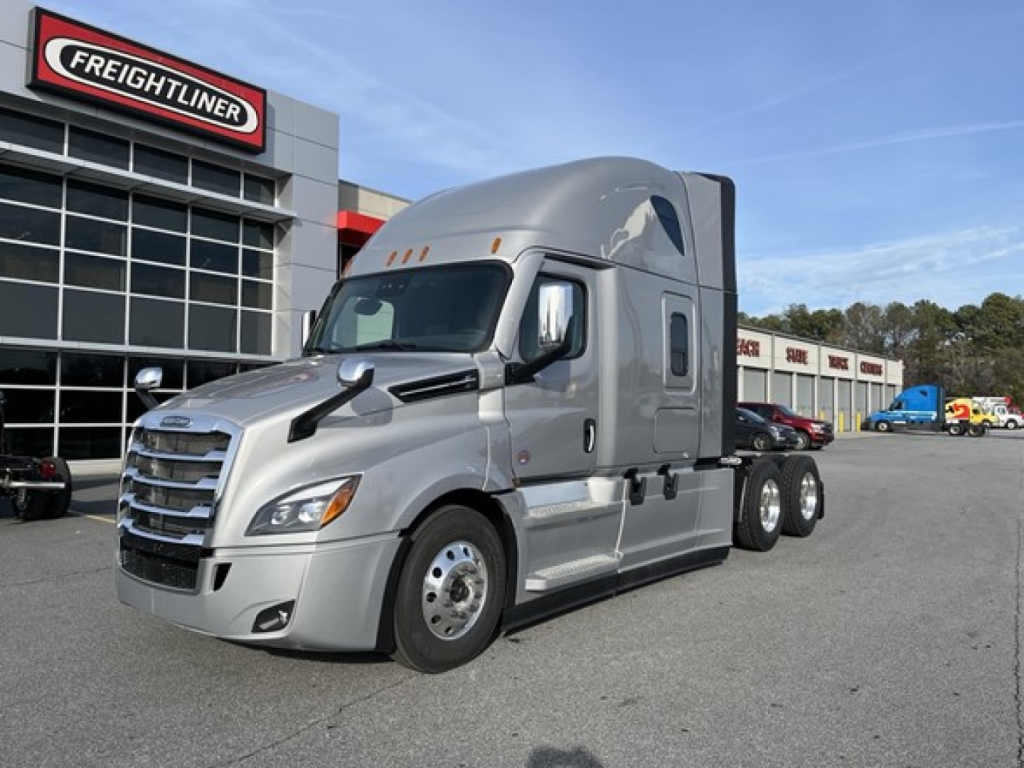
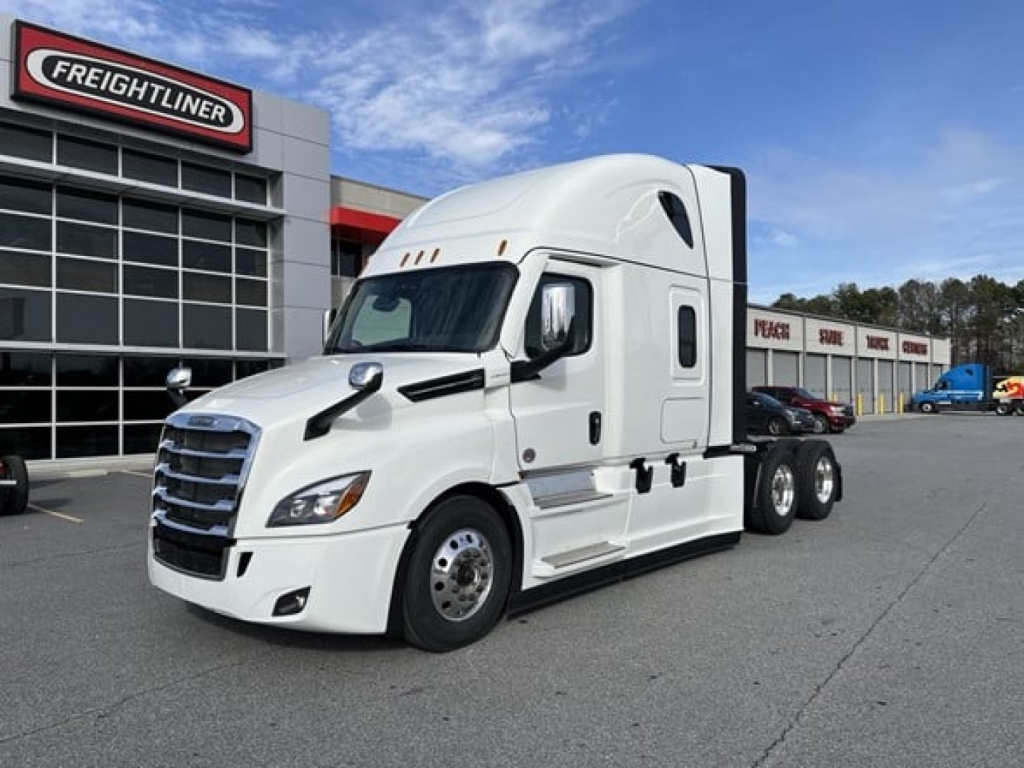
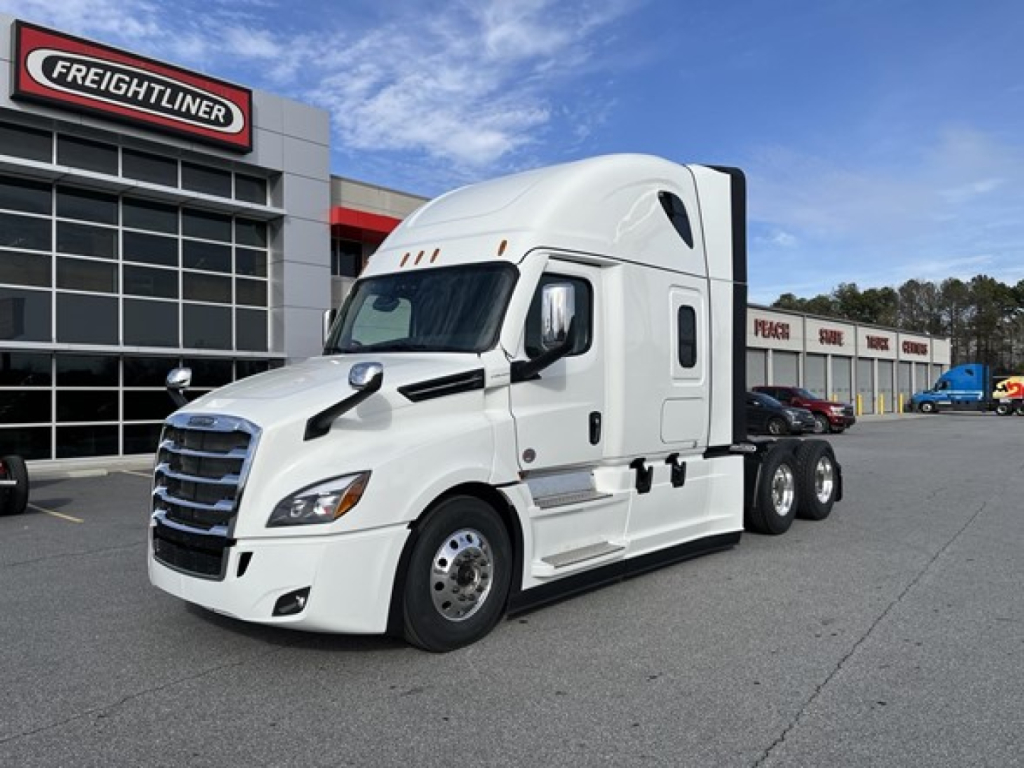
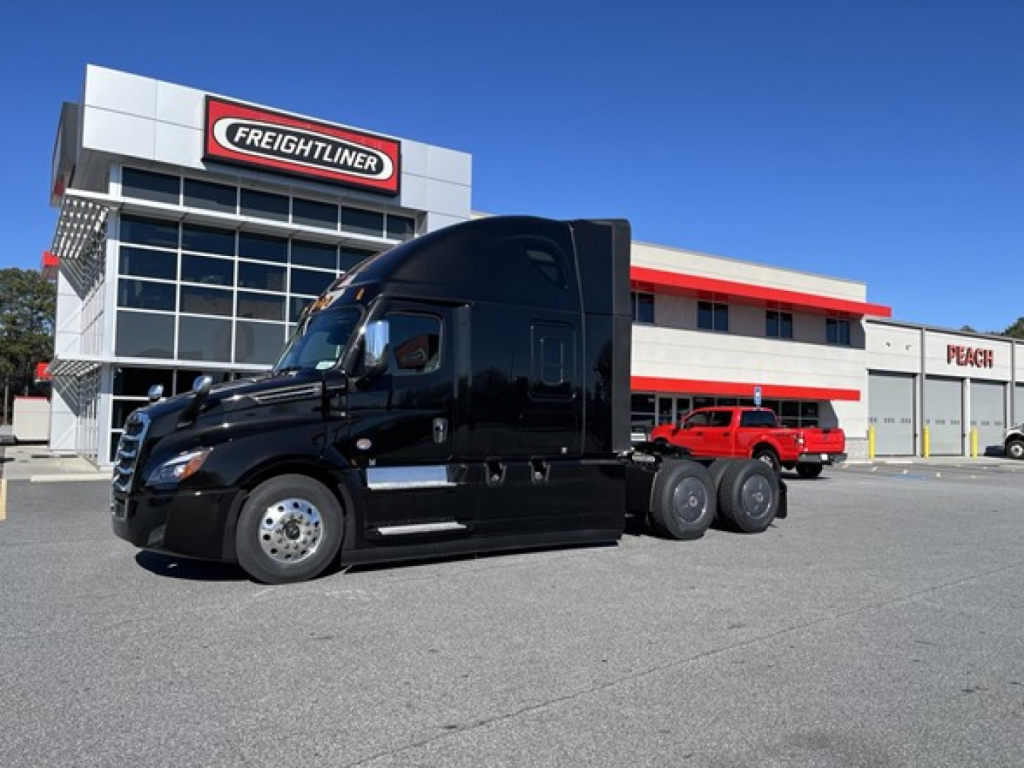
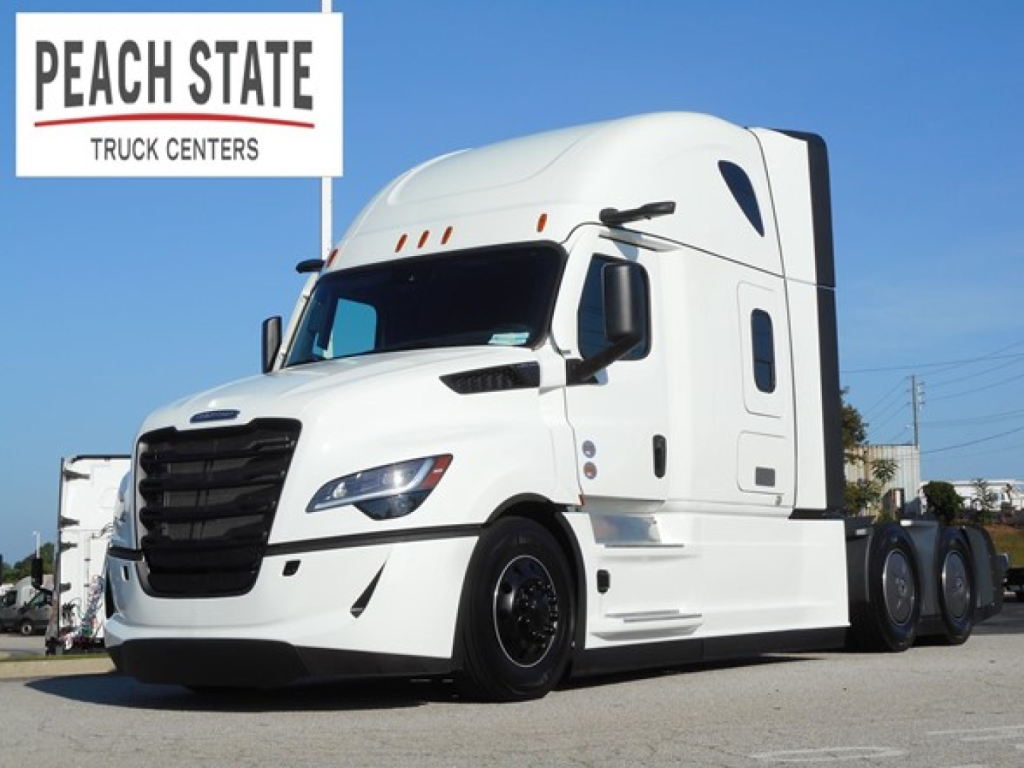
Have new 2026 conventional sleeper truck to sell? List it here to reach thousands of buyers.
New 2026 Conventional Sleeper Trucks in Georgia
The biggest buying decisions usually start with the sleeper and the powertrain. New conventional sleepers commonly come with 60-inch to 72-inch raised-roof sleepers, and double-bunk layouts are common for team operations or fleets that want more storage flexibility. Buyers should compare engine ratings in the 400 to 505 horsepower range, torque output, rear axle ratio, and transmission spec based on average gross weight and terrain. Automated manual transmissions are now the default in much of the market because they improve shift consistency, reduce driver fatigue, and support fuel economy targets. Wheelbase, fifth wheel slide travel, and tank capacity also matter because they affect trailer gap, bridge law flexibility, and total range between fuel stops.
For a new 2026 model, efficiency and safety technology are just as important as raw spec. Many current conventional sleeper trucks are ordered with aerodynamic packages, collision mitigation, adaptive cruise control, lane departure warning, side object detection, and air disc brakes. Idle reduction equipment such as battery APUs, diesel-fired bunk heaters, shore power, inverters, and factory refrigerator prep can make a major difference for fleets trying to control hoteling costs. Interior features like heated or ventilated seats, premium insulation, larger infotainment displays, and improved sleeper storage are not just comfort items. They help with driver acceptance on longer runs and can reduce turnover in a competitive hiring market.
A buyer comparing new conventional sleeper trucks should focus on application first, then on total operating cost over the warranty period. A truck assigned to heavy reefer lanes or Southeast mountain freight may need a different axle ratio and horsepower rating than a fuel-economy-focused van tractor running flatter interstate routes. Georgia buyers should also pay attention to dealer support, emissions warranty coverage, service interval expectations, and parts availability for high-mileage use. The right spec is the one that matches freight type, annual miles, and driver needs without overtrucking the operation.
Frequently Asked Questions about New 2026 Conventional Sleeper Trucks in Georgia
What is a conventional sleeper truck?
A conventional sleeper truck is an on-highway tractor with the engine mounted ahead of the cab and a sleeper compartment mounted behind the seats. It is the most common Class 8 configuration for long-haul freight because it combines aerodynamic highway performance with space for off-duty rest, storage, and onboard amenities. Conventional sleepers are widely used for van, reefer, flatbed, and dedicated freight operations.
What sleeper size is most common on a new 2026 conventional sleeper?
The most common sleeper sizes are typically 60-inch to 72-inch raised-roof configurations, with 72-inch sleepers especially popular for over-the-road service. A larger sleeper usually provides better standing room, more cabinet space, and room for a double-bunk layout. Buyers should choose sleeper size based on trip length, team versus solo operation, and the importance of onboard storage and hoteling equipment.
Are automated transmissions standard in new conventional sleeper trucks?
Automated manual transmissions are now common across new conventional sleeper truck specs and are often preferred for linehaul operations. They help improve fuel economy consistency, reduce clutch wear, and make it easier to place drivers in the truck without sacrificing shift quality. For most fleets and owner-operators focused on highway use, an automated transmission is the baseline choice unless a specific vocational or driver preference requires otherwise.
Which specs matter most when buying a conventional sleeper truck in Georgia?
The most important specs are engine horsepower, torque, rear axle ratio, wheelbase, sleeper size, fuel capacity, and safety technology. In Georgia, many buyers also consider interstate-heavy duty cycles, port-related freight, and regional loads moving through major corridors like I-75 and I-85. A well-matched spec should support the truck's average load, expected terrain, idle time, and target fuel economy without adding unnecessary cost or weight.
What features help lower operating cost on a new sleeper tractor?
Fuel-saving aerodynamic packages, properly matched axle ratios, automated transmissions, idle reduction systems, and advanced driver assistance features can all help lower total operating cost. Battery APUs, bunk heaters, shore power, and inverters reduce engine idling during rest periods, while collision mitigation and air disc brakes can support safety and maintenance performance. Over time, the best cost control usually comes from matching the truck's spec to the actual freight application rather than simply choosing the highest horsepower or largest option package.