
New 2026 Freightliner Conventional Sleeper Trucks For Sale in Georgia
Shop new 2026 Freightliner conventional sleeper trucks in Georgia. Compare Cascadia sleeper specs, powertrains, bunk options, and safety tech.
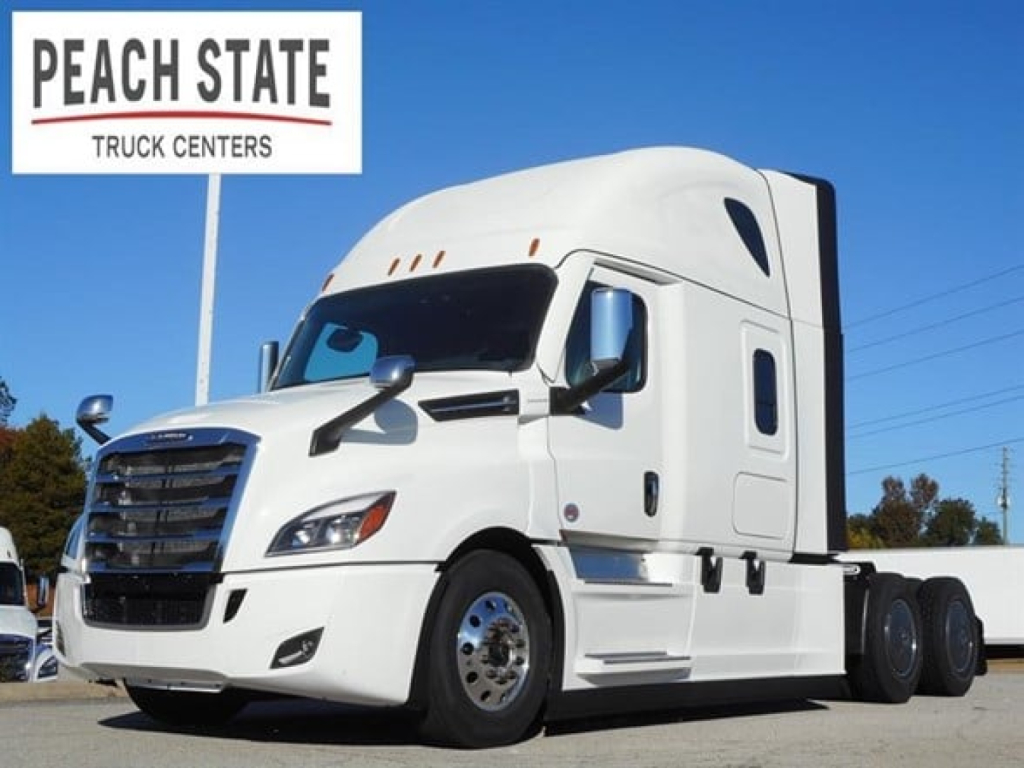
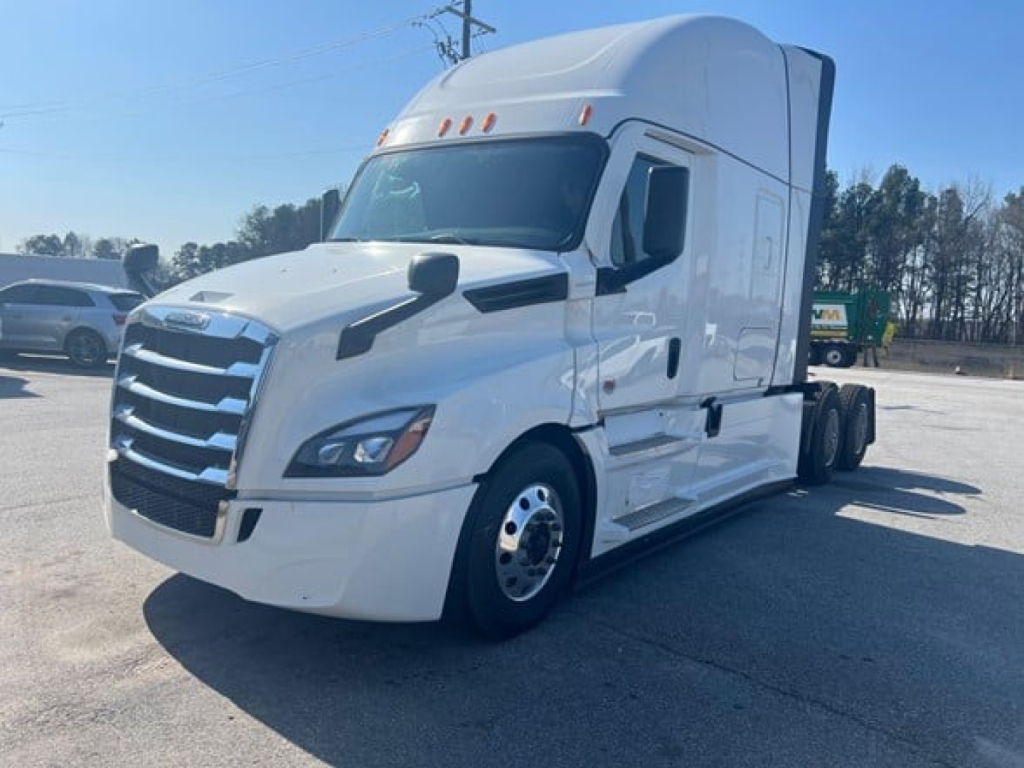
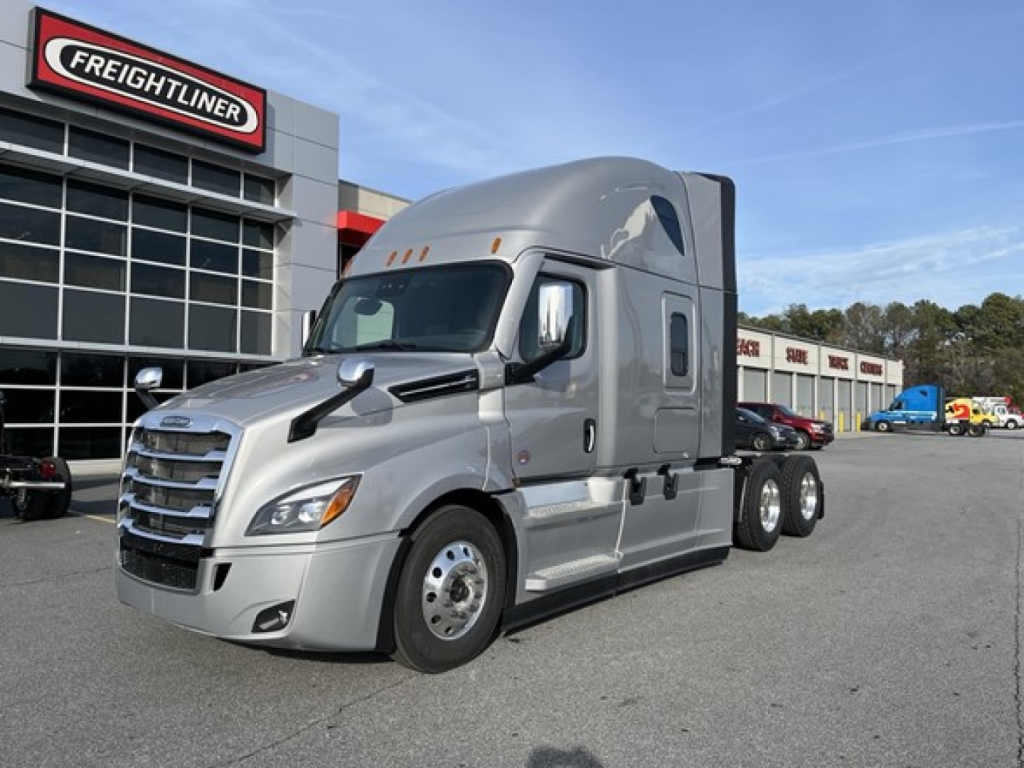
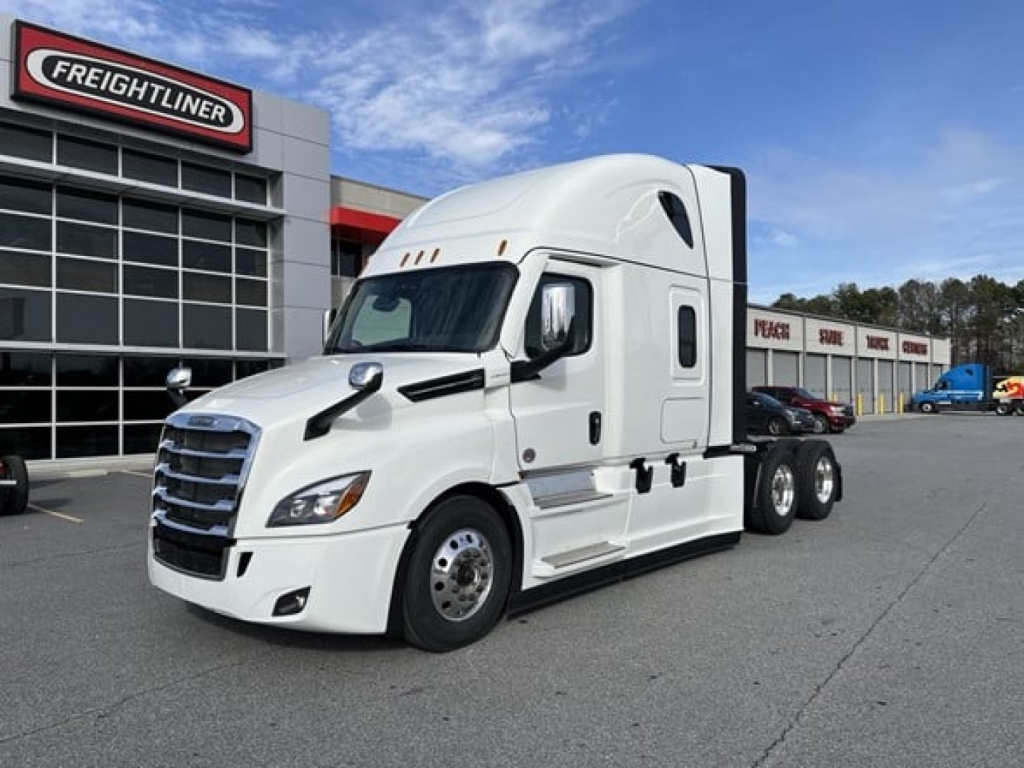
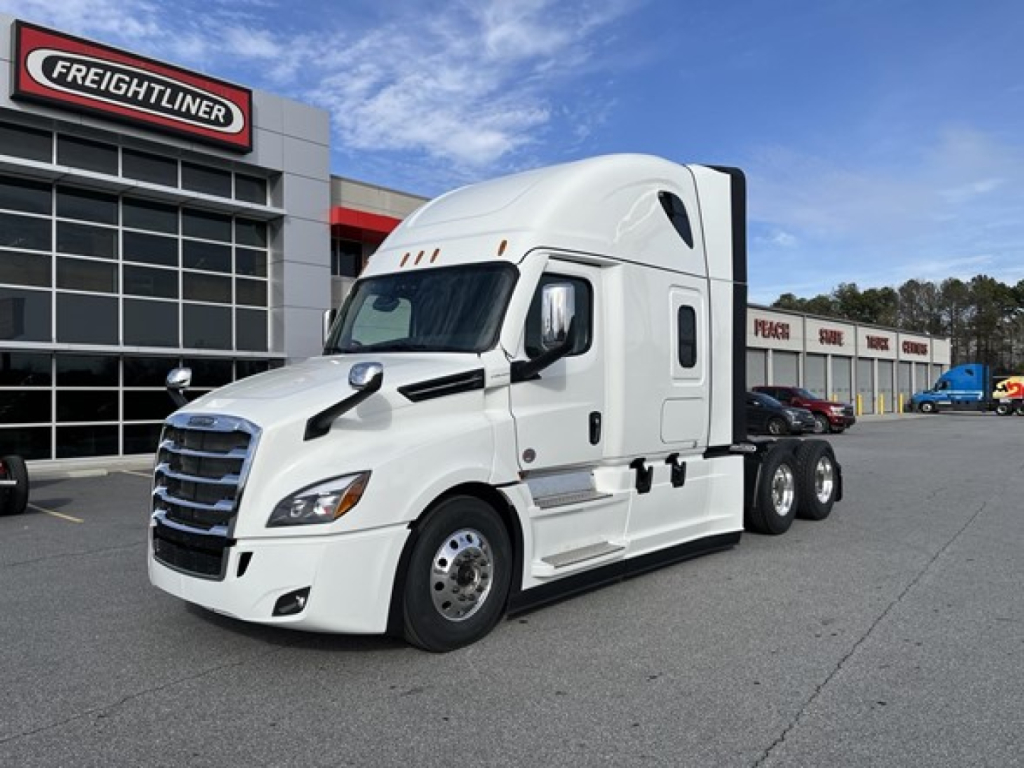
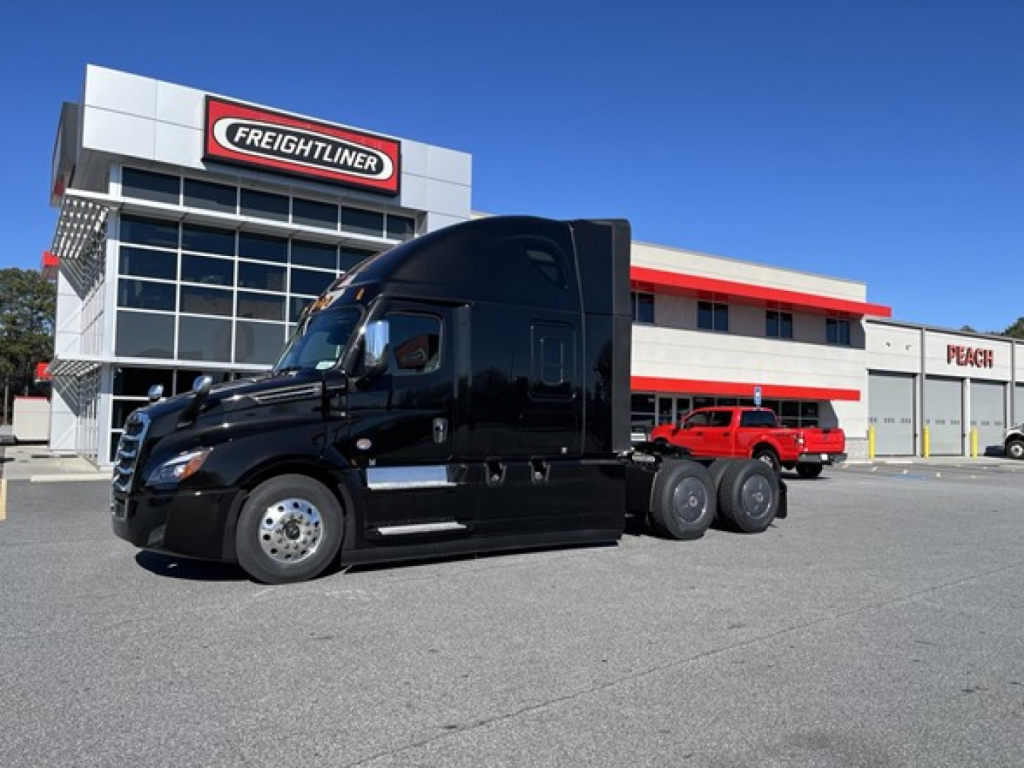
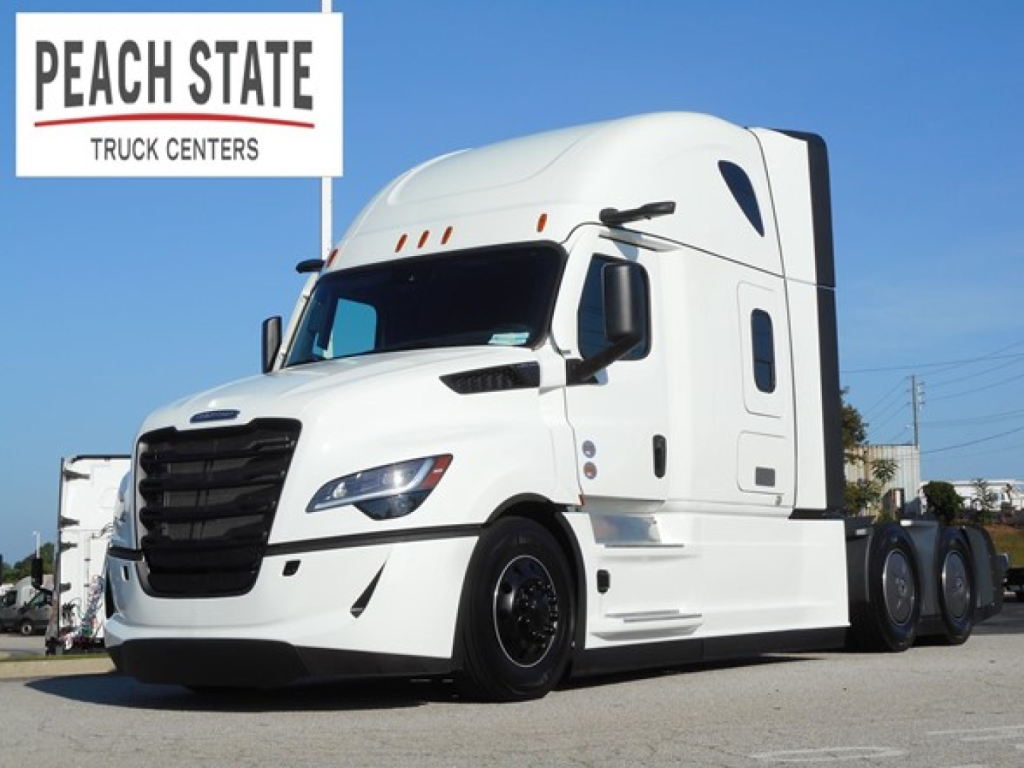
Have new 2026 freightliner conventional sleeper truck to sell? List it here to reach thousands of buyers.
New 2026 Freightliner Conventional Sleeper Trucks in Georgia
The biggest buying decisions usually come down to sleeper size, powertrain spec, rear axle ratio, and wheelbase. Many new Freightliner sleeper trucks are configured with a 72-inch raised roof double bunk, which is a strong fit for team operations or solo drivers who want more storage and livability. Common 2026 Cascadia specs include the Detroit DD15 in the 455 to 505 horsepower range, paired with the DT12 automated manual transmission. For highway applications, buyers often look closely at a fuel-saving rear ratio such as 2.85, along with a wheelbase around the 229-inch range and an air-slide fifth wheel for flexibility across trailer settings. Air disc brakes, locking differentials, and aluminum wheels are also common on well-equipped highway tractors.
For Georgia operations, heat management, idle reduction, and driver retention features deserve extra attention. Factory sleeper packages may include a refrigerator, microwave prep, shore power, inverter, and diesel-fired bunk heater such as an Espar unit. Those details matter on long dwell times, overnight rest periods, and team schedules moving through Atlanta, Savannah, and major Southeast freight lanes. Safety technology is another major differentiator in newer Freightliner conventional sleepers. Buyers frequently prioritize Detroit Assurance packages with forward collision mitigation, adaptive cruise control, lane departure warning, and side object detection, especially when insurance costs and fleet safety scores are part of the purchasing decision.
A good 2026 Freightliner conventional sleeper spec should match the freight before it matches the price. A lighter, downsped Cascadia setup can make sense for dry van and reefer lanes focused on fuel economy, while heavier GCW applications may justify more horsepower, different axle ratios, and a less aggressive downspeed package. Look at sleeper height, bunk layout, seat options, storage, fifth wheel travel, and service support as closely as engine rating. On a new truck, the value is in how the full spec works together over the first several years of operation, not just the badge on the hood.
Frequently Asked Questions about New 2026 Freightliner Conventional Sleeper Trucks in Georgia
What is the most common model in new Freightliner conventional sleeper trucks?
The Freightliner Cascadia 126 is the most common model in this category. It is widely used in long-haul and regional fleet service because it offers a strong mix of aerodynamics, driver comfort, Detroit powertrain integration, and broad dealer support. Buyers usually compare sleeper height, bunk configuration, engine rating, transmission, axle ratio, wheelbase, and safety systems when evaluating a new Cascadia sleeper.
What engine and transmission are common in a 2026 Freightliner sleeper tractor?
A common setup is the Detroit DD15 paired with the DT12 automated manual transmission. In highway sleeper applications, the DD15 is often spec'd around 455 to 505 horsepower, depending on gross weight, terrain, and desired cruising strategy. This combination is popular because it balances fuel economy, drivability, and integration with Detroit's safety and powertrain management systems.
Is a 72-inch raised roof sleeper a good choice for long-haul work?
Yes. A 72-inch raised roof sleeper is one of the most practical configurations for over-the-road service. It provides standing room, more cabinet space, room for double bunk layouts, and better support for onboard amenities like a refrigerator, inverter, shore power, and bunk heater. It is especially useful for teams, irregular-route operations, and solo drivers spending multiple nights per week in the truck.
What specs matter most for fuel economy on a new conventional sleeper truck?
Fuel economy usually comes from the full drivetrain and chassis combination rather than one single component. Buyers should pay close attention to engine rating, transmission programming, rear axle ratio, tire spec, aerodynamic package, wheelbase, and cruising speed. In a Freightliner Cascadia, a downsped setup with a highway-friendly axle ratio such as 2.85 can improve efficiency, but it still needs to match trailer weight, terrain, and startability requirements.
What safety features should buyers look for in a new Freightliner conventional sleeper?
Key safety features include forward collision mitigation, adaptive cruise control, lane departure warning, and side object detection. Air disc brakes are also a major advantage for stopping performance and brake consistency. These systems can help reduce accident exposure, support driver confidence, and improve the overall value of a new truck in fleet service, especially for carriers focused on compliance, insurance performance, and risk management.