
New 2026 Freightliner Conventional Sleeper Trucks For Sale
Shop new 2026 Freightliner conventional sleeper trucks, including Cascadia 126 specs, sleeper options, powertrain choices, and highway features.
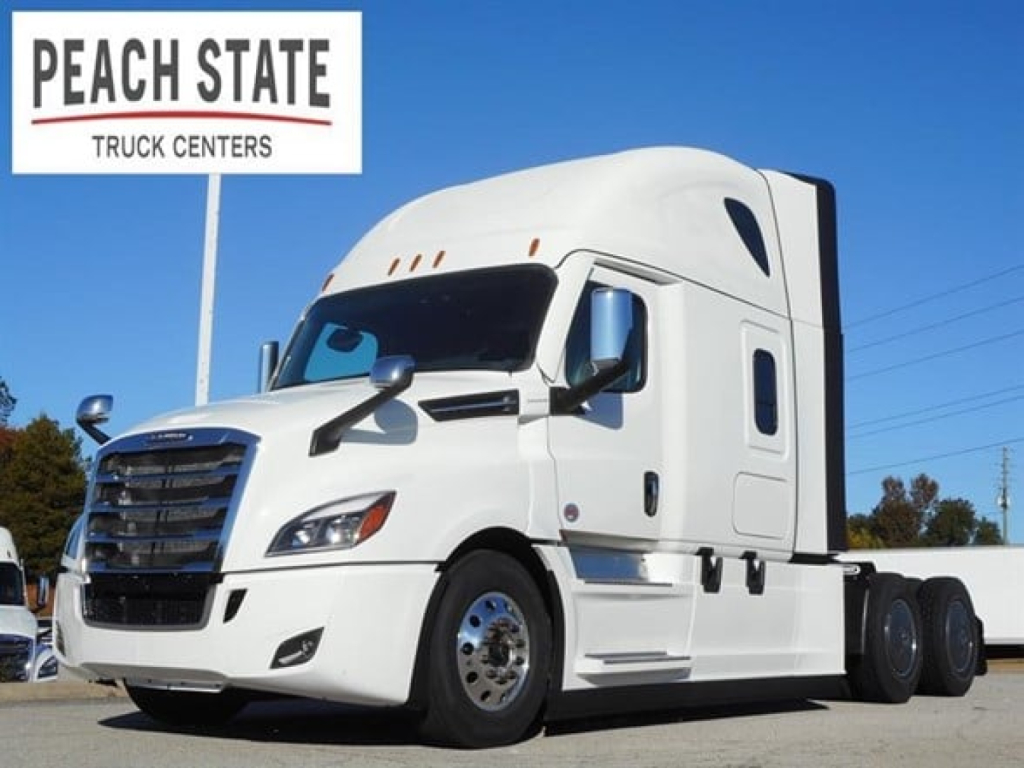
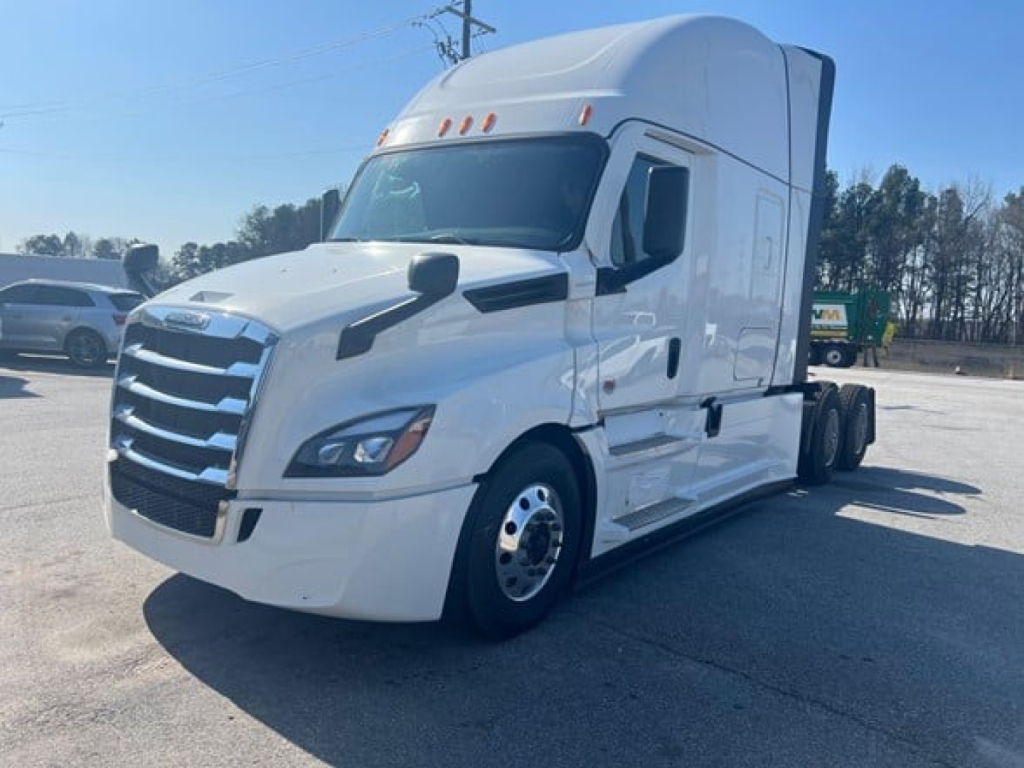
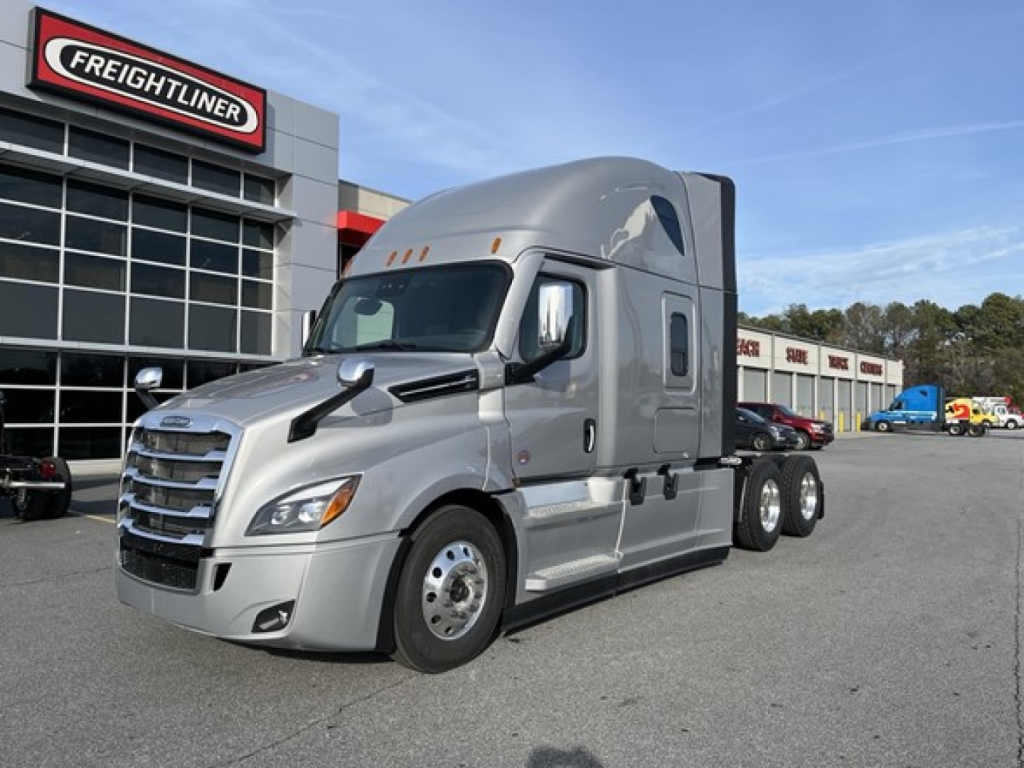
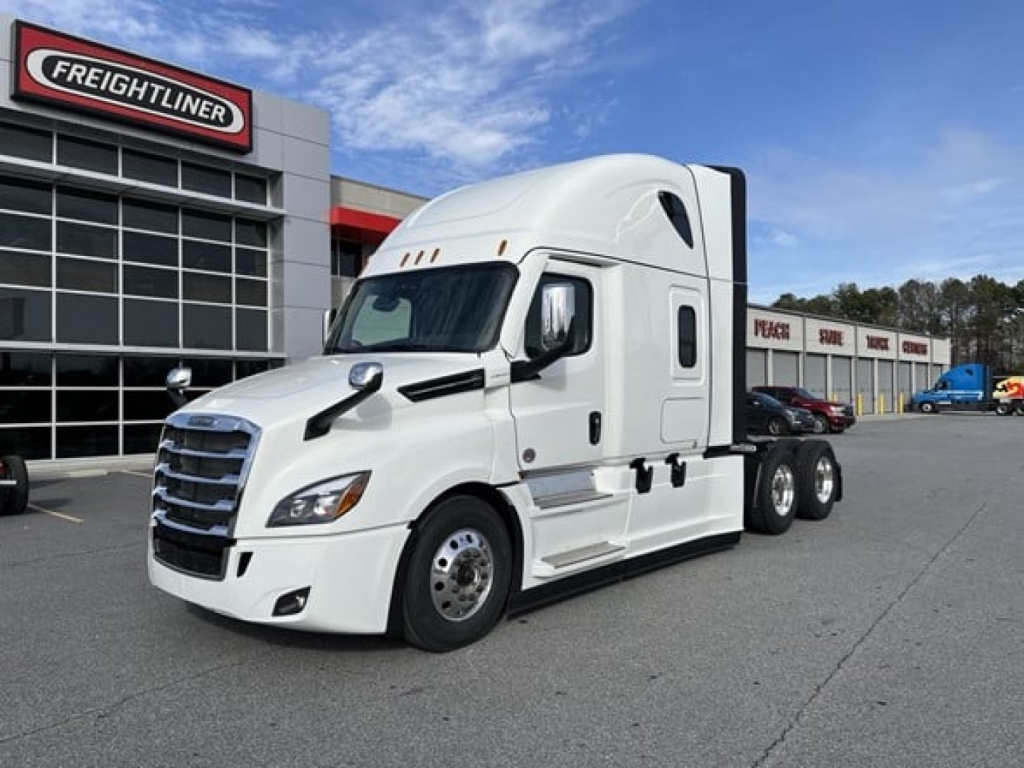
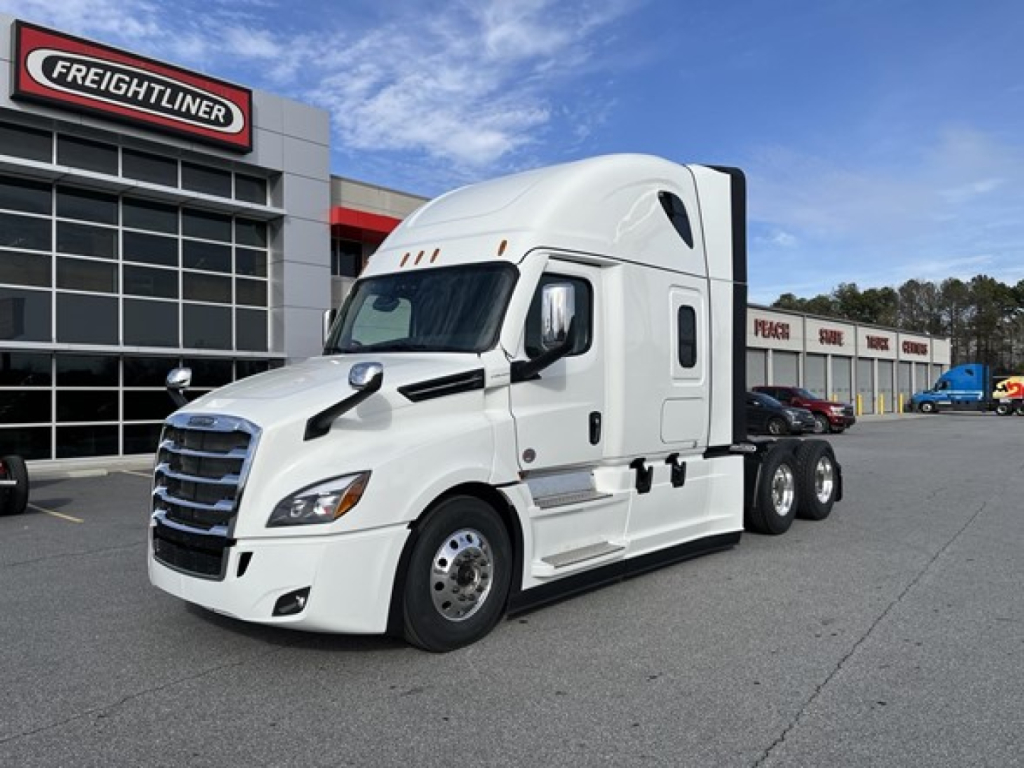
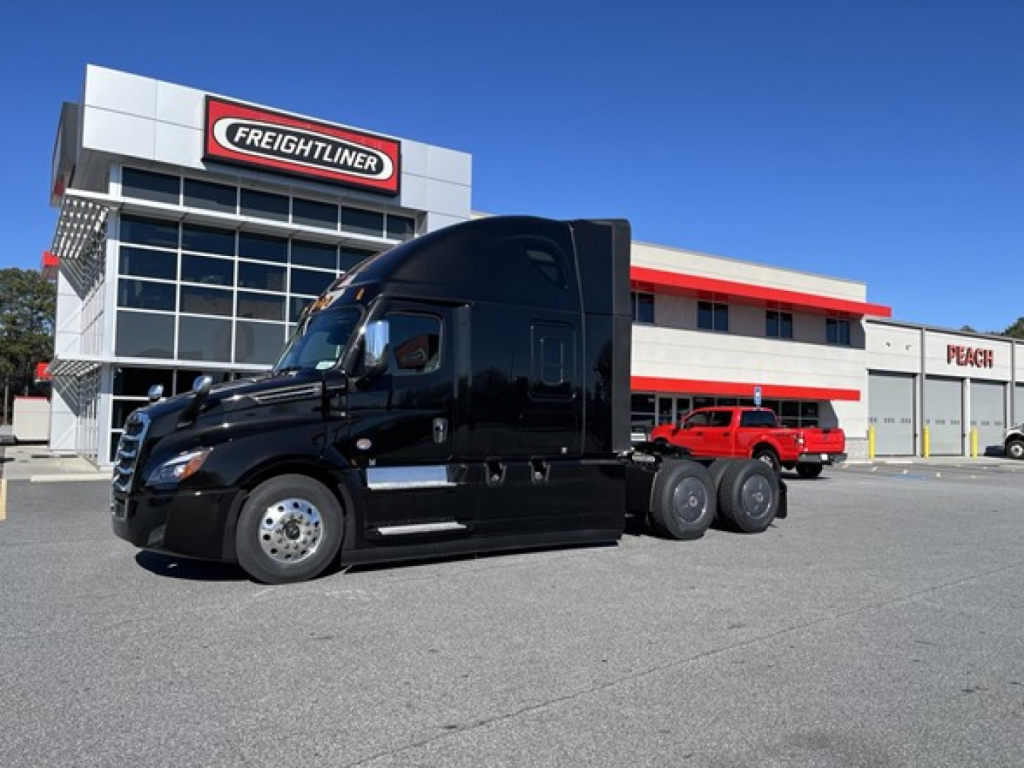
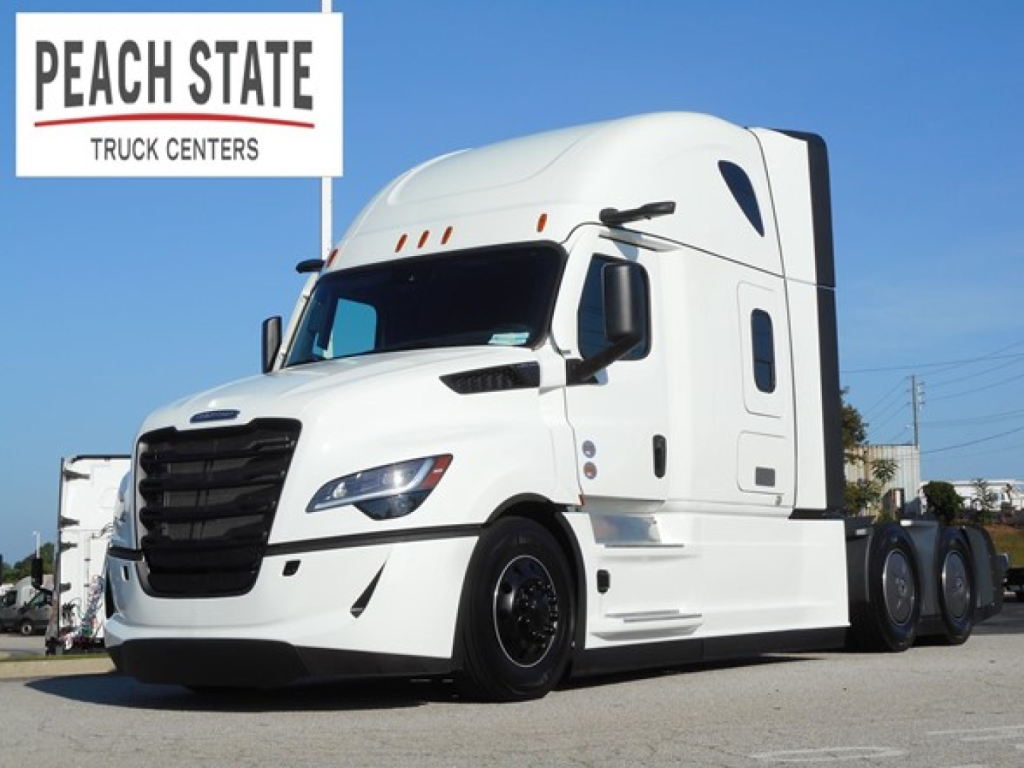
Have new 2026 freightliner conventional sleeper truck to sell? List it here to reach thousands of buyers.
New 2026 Freightliner Conventional Sleeper Trucks
A buyer comparing new Freightliner sleeper trucks should start with the powertrain and axle spec. Common 2026 configurations pair a Detroit DD15 in the 455 to 505 horsepower range with the DT12 automated manual transmission and fast rear axle ratios such as 2.64 to 2.85 for over-the-road fuel economy. Wheelbases around 228 to 236 inches are common on 72-inch raised-roof sleepers, especially when spec'd with sliding fifth wheels for trailer flexibility. Air disc brakes, full fairings, adaptive cruise control, and locking differentials are increasingly common on new units because they improve safety, uptime, and driver confidence without adding much operational complexity.
The sleeper itself matters as much as the engine if the truck will stay out for multiple nights. Freightliner conventional sleepers are often spec'd with 60-inch to 72-inch sleeper boxes, with double-bunk layouts popular in team service and raised-roof packages preferred for driver comfort. Factory refrigerator prep, microwave prep, shore power, auxiliary bunk heaters such as Espar units, inverters, and upgraded seating can make a measurable difference in recruitment and retention. Buyers should also look closely at bunk HVAC strategy, cabinet layout, mattress configuration, and how much room remains after adding personal gear, since those details affect real-world livability more than brochure dimensions.
For most fleets and owner-operators, the appeal of a new 2026 Freightliner conventional sleeper truck is the balance of resale strength, dealer support, and predictable operating economics. Freightliner parts availability is broad, Detroit diagnostics are familiar to many service departments, and Cascadia-spec tractors are easy to standardize across a fleet. The right truck comes down to lane length, gross combination weight, trailer mix, and idle profile. A fuel-focused highway spec will look different from a heavy regional sleeper with more aggressive gearing, but both fall under the same goal: a comfortable, aerodynamic sleeper tractor that keeps freight moving with minimal downtime.
Frequently Asked Questions about New 2026 Freightliner Conventional Sleeper Trucks
What engine and transmission are common in a new 2026 Freightliner conventional sleeper truck?
Most new 2026 Freightliner conventional sleeper trucks in this class are spec'd with a Detroit DD15 engine and a DT12 automated manual transmission. Horsepower ratings commonly fall between 455 and 505 horsepower, depending on intended gross weight, terrain, and cruise speed targets. This combination is popular because it balances fuel efficiency, drivability, and service support, especially in over-the-road applications.
What sleeper size is most common on a Freightliner conventional sleeper?
The most common sleeper size buyers will see is a 72-inch raised-roof sleeper, especially on Cascadia 126 tractors built for long-haul work. This size gives enough room for a double-bunk layout, storage cabinets, and common driver amenities without moving into a larger specialty configuration. Smaller sleeper sizes can fit shorter regional applications, but 72-inch raised-roof sleepers remain the standard for fleets focused on comfort and resale.
Are air disc brakes worth it on a new Freightliner sleeper truck?
Air disc brakes are increasingly worth the added cost for many buyers because they improve stopping consistency, reduce brake fade, and generally simplify brake inspections and service intervals compared with drum setups. They are especially attractive on highway tractors running heavy miles, variable weather, or safety-sensitive freight. Many buyers also value them for stronger driver acceptance and alignment with modern fleet safety standards.
What axle ratio should I look for in a 2026 Freightliner conventional sleeper?
A fuel-economy highway spec often uses faster axle ratios such as 2.64 to 2.85, especially when paired with a direct-drive or overdrive automated transmission and tall tire package. That setup helps keep engine rpm low at cruise speed. Buyers pulling heavier loads, running more secondary roads, or operating in steep terrain may prefer a different ratio to improve startability and grade performance, so the best choice depends on route profile and trailer weight.
What factory options matter most in a long-haul Freightliner sleeper?
The most valuable factory options usually include collision mitigation systems, adaptive cruise control, lane departure warning, side object detection, bunk heater systems, shore power, inverter prep, refrigerator space, and upgraded driver seats. These options affect daily operating comfort, safety, and idle management more than cosmetic upgrades do. For trucks that stay out several nights at a time, sleeper amenities and driver-assist systems often have a direct impact on retention and utilization.