
New 2026 Day Cab Trucks For Sale in Georgia
Shop new 2026 day cab trucks in Georgia with modern safety systems, efficient spec options, and configurations for regional and vocational hauling.
Selling a new 2026 day cab truck? List your new 2026 day cab truck for sale and reach thousands of commercial buyers.
New 2026 Day Cab Trucks in Georgia
The key buying decisions usually start with wheelbase, engine rating, transmission, and front axle capacity. Common 2026 specs in this category include Detroit DD15 power in the 400 to 505 horsepower range for general freight and regional haul, while heavier vocational or lowboy-oriented day cabs may step up to higher horsepower and torque, including larger displacement engines paired with 18-speed manuals or automated manuals. For linehaul-style day cabs, automated transmissions such as the DT12 are now common because they improve consistency, reduce driver fatigue, and support fuel economy goals. Buyers running specialized trailers should also look closely at fifth wheel position, rear axle ratio, suspension rating, and whether the truck is set up for sliding fifth wheel, pusher axles, wet kit installation, or PTO needs.
New-model day cabs also bring a major improvement in safety and driver-assist technology. Collision mitigation, adaptive cruise functions, lane-departure alerts, and integrated braking systems are increasingly standard or commonly ordered on 2026 units. That matters for fleets focused on insurance costs, CSA exposure, and driver retention. Interior updates are just as important on a tractor that may be in and out of terminals all day. Visibility, dash layout, seat durability, HVAC performance, and easy cab access all affect productivity on local and regional routes. Aluminum wheels, aerodynamic packages, and idle-management features can also make a measurable difference in operating cost depending on the application.
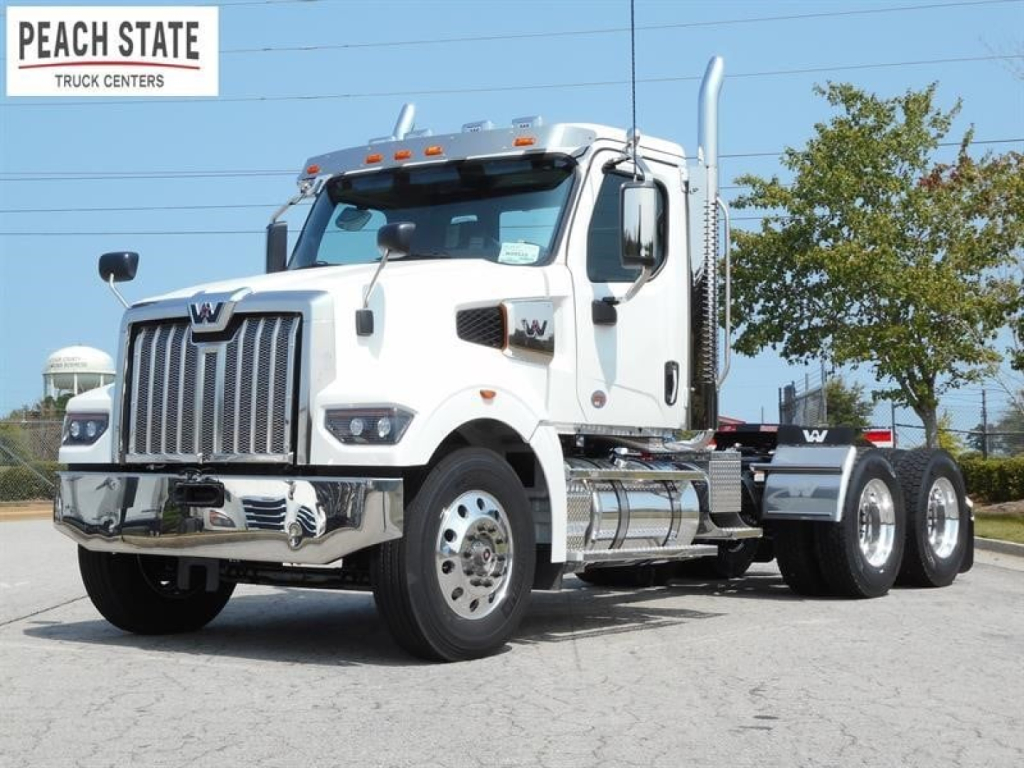
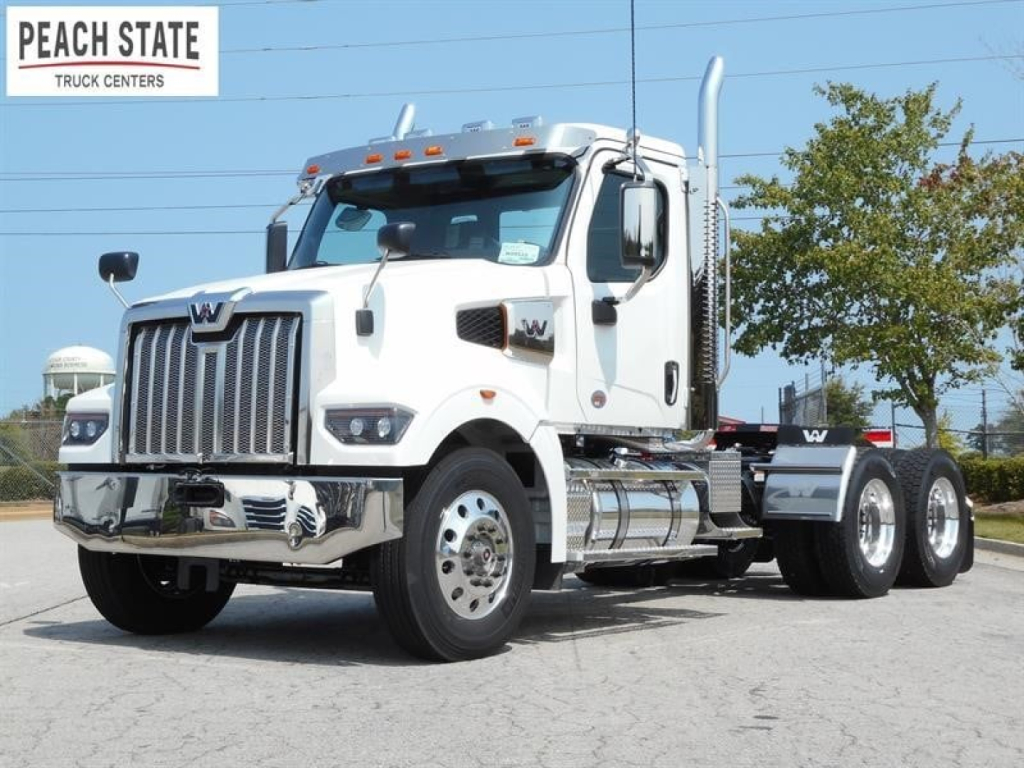
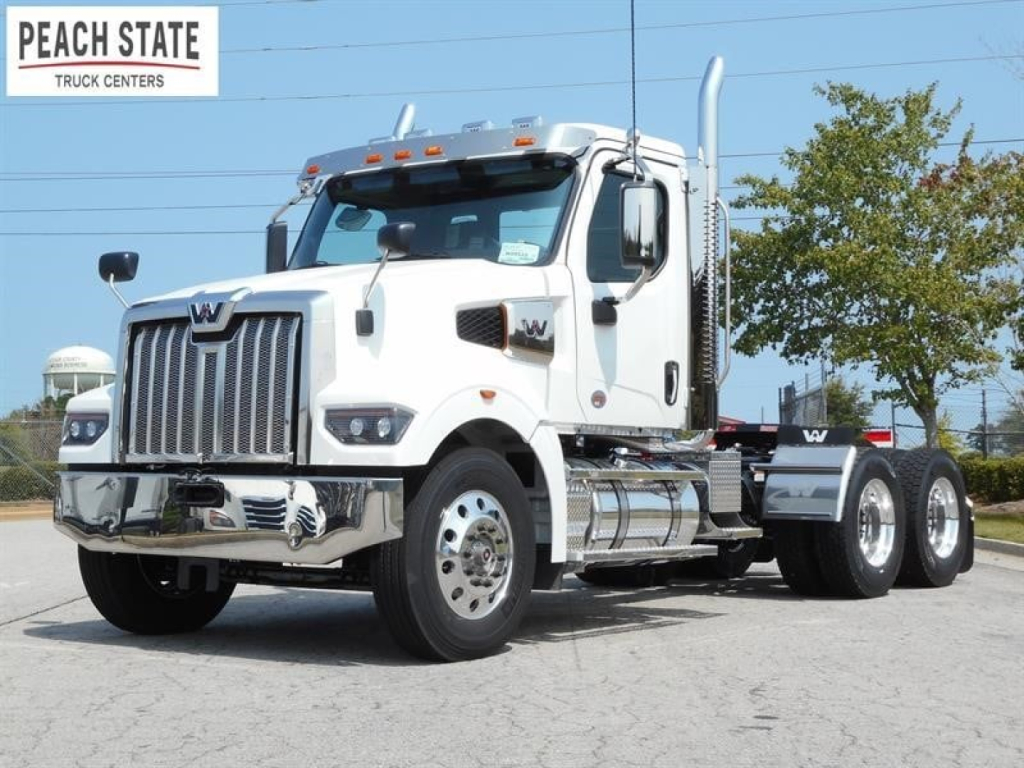
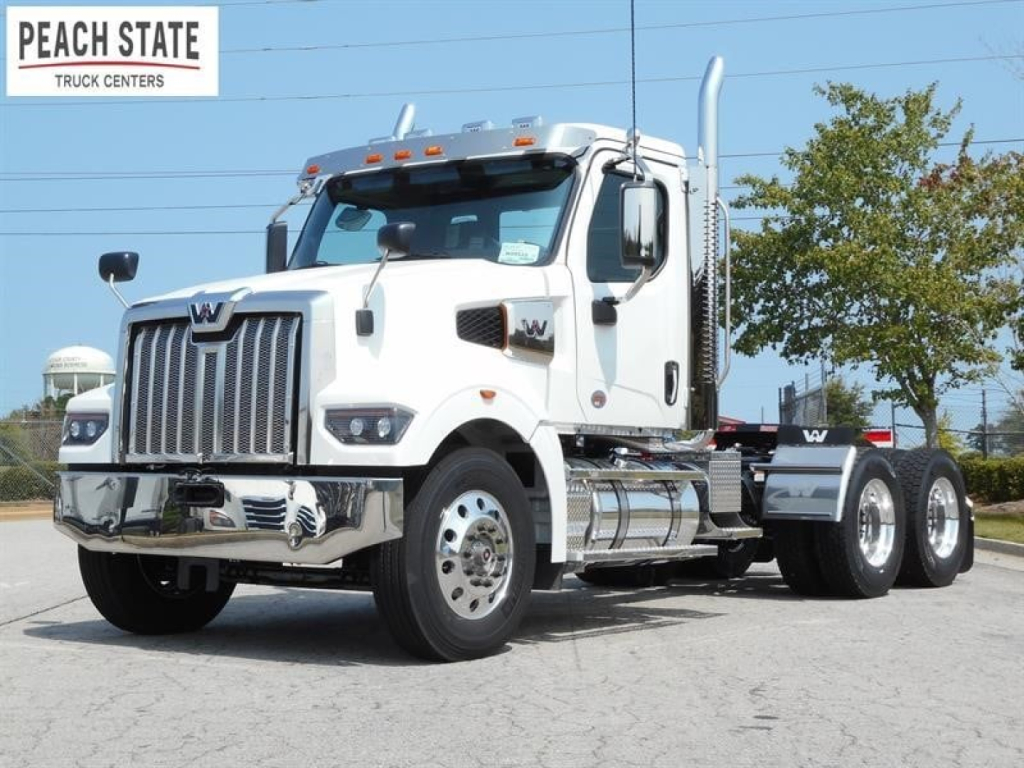
For Georgia buyers, application fit matters more than brand preference alone. A Cascadia day cab may appeal to operations prioritizing fuel economy and on-highway refinement, while a Western Star 49X day cab often fits buyers who need a more vocational platform, heavier front-end options, or severe-service durability. The best 2026 day cab truck is the one spec'd for the trailer, terrain, payload, and daily route length you actually run. Pay attention to warranty coverage, emissions system support, and service network access across your operating area, because uptime is what ultimately determines the value of a new day cab tractor.
Frequently Asked Questions about New 2026 Day Cab Trucks in Georgia
What is a day cab truck best used for?
A day cab truck is best for local and regional hauling where the driver returns home daily and does not need a sleeper berth. Common uses include dedicated freight lanes, drayage, tanker work, dump and vocational service, food and beverage distribution, and short-haul flatbed operations. The shorter cab design improves maneuverability and can reduce empty weight compared with a sleeper tractor, which makes it a practical choice for operations with frequent stops, tight delivery points, or terminal-based dispatch.
What engine and transmission specs are common in new 2026 day cab trucks?
New 2026 day cab trucks commonly use diesel engines in the 400 to 505 horsepower range for regional and general freight applications, with higher horsepower options available for heavy haul and vocational work. Automated manual transmissions are now widely spec'd because they help with fuel economy, training consistency, and driver comfort, while manual transmissions still appear in specialized heavy-duty applications. Buyers should match horsepower, torque, axle ratio, and transmission type to gross combination weight, terrain, trailer type, and average route speed rather than choosing by engine rating alone.
Are day cab trucks good for Georgia operations?
Day cab trucks are a strong fit for Georgia operations because many freight patterns involve regional runs, port traffic, warehouse distribution, and dedicated routes centered on major freight corridors. The configuration works well in congested metro areas and customer yards where a shorter tractor is easier to position. Buyers serving the Port of Savannah, Atlanta distribution centers, or construction and aggregate markets often choose day cabs for their versatility, turning radius, and lower complexity compared with a sleeper truck used on the same type of work.
What should I look for when comparing new day cab trucks for sale?
The most important factors are the truck's intended application, axle and suspension ratings, wheelbase, engine torque, transmission, and fifth wheel setup. A buyer should also review safety systems, emissions warranty, driver comfort features, and the strength of the dealer and service network in the operating region. For specialized work, it is important to verify PTO provisions, wet kit compatibility, tire and wheel package, brake configuration, and any frame or front axle requirements needed for the trailer and payload.
Is a day cab more fuel efficient than a sleeper tractor?
A day cab can be more fuel efficient than a comparable sleeper tractor because it is typically lighter and has less cab area creating aerodynamic drag. Actual fuel economy depends on the full spec, including engine calibration, axle ratio, wheelbase, speed, trailer type, and duty cycle. On regional and local routes, the combination of lower weight, modern automated transmissions, and current aerodynamic features can make a day cab an efficient choice when the operation does not require overnight accommodations.