
New 2026 Day Cab Trucks For Sale
Shop new 2026 day cab trucks with modern safety tech, efficient powertrains, and specs built for regional haul, port, and vocational work.
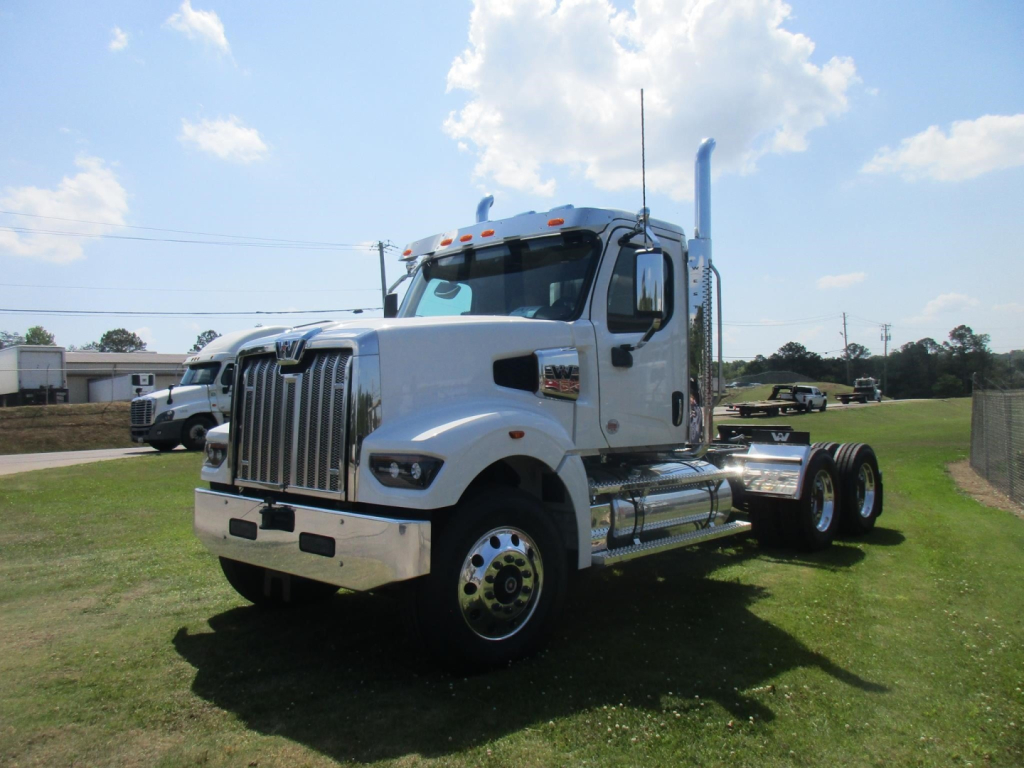
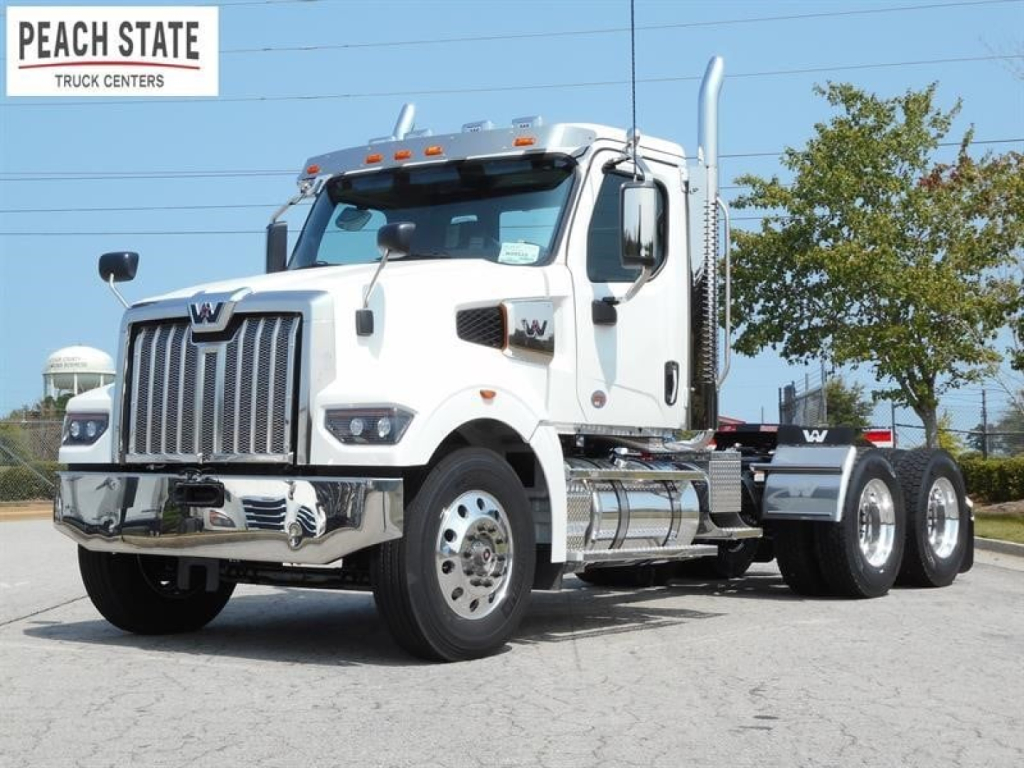
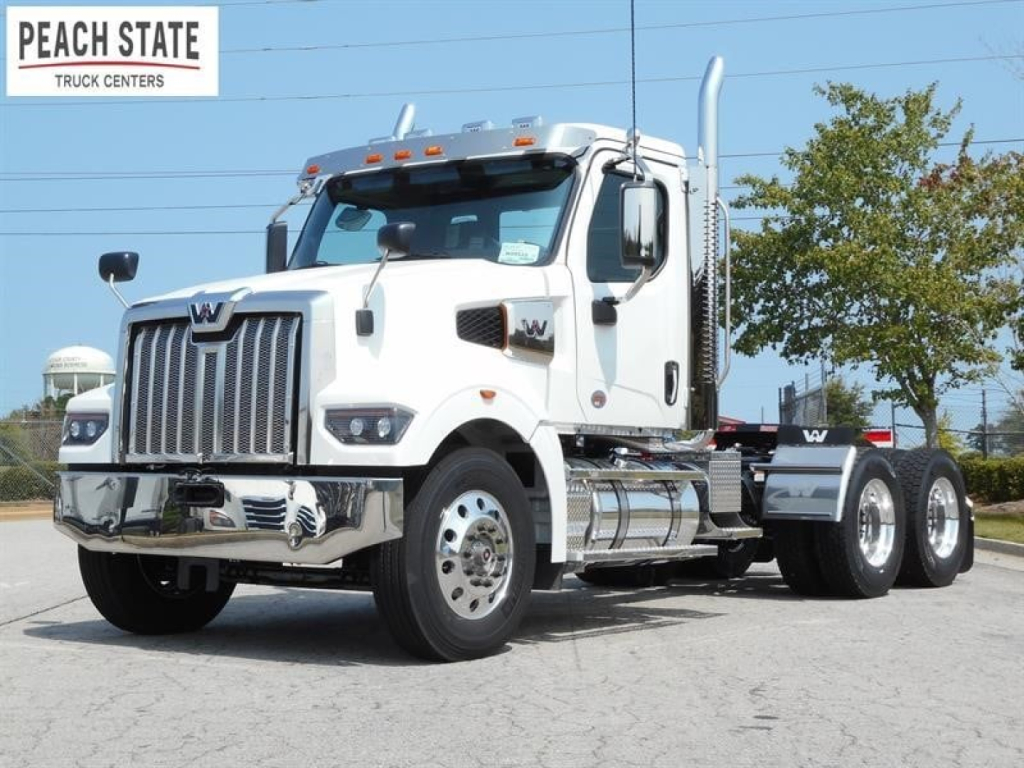
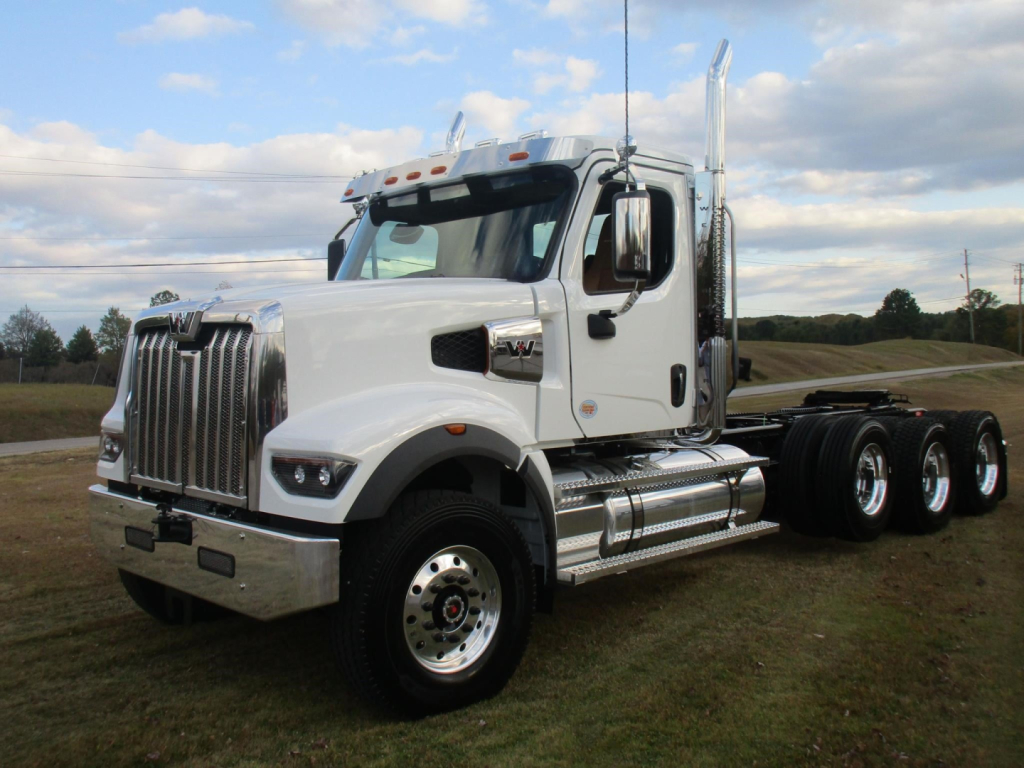
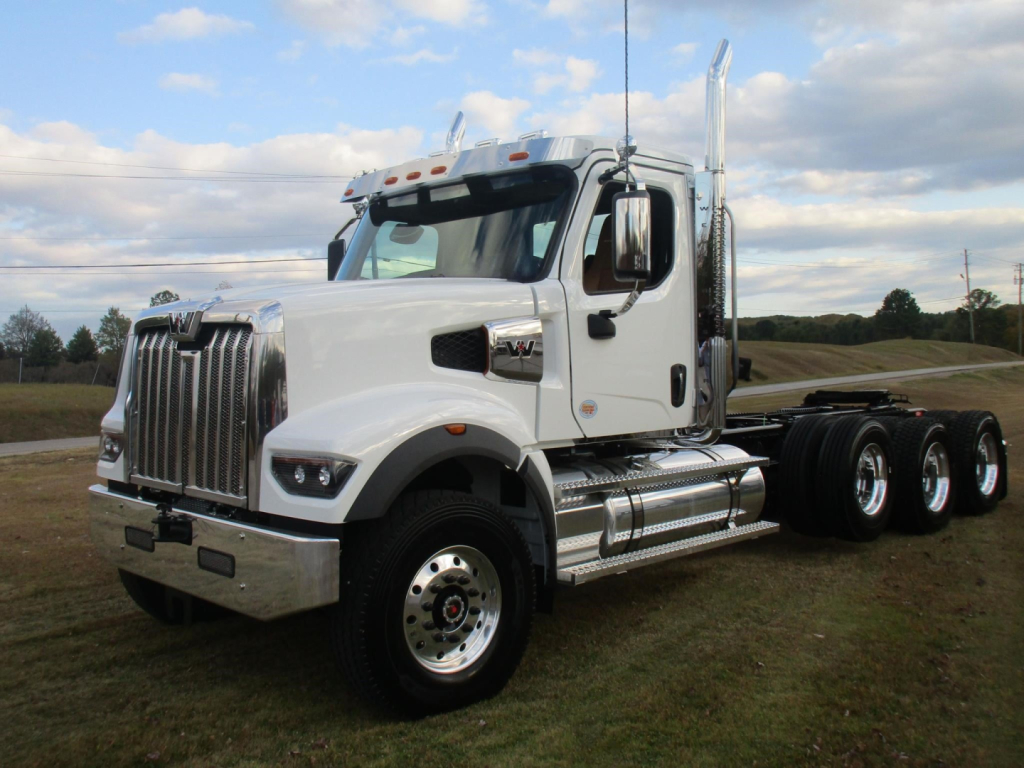
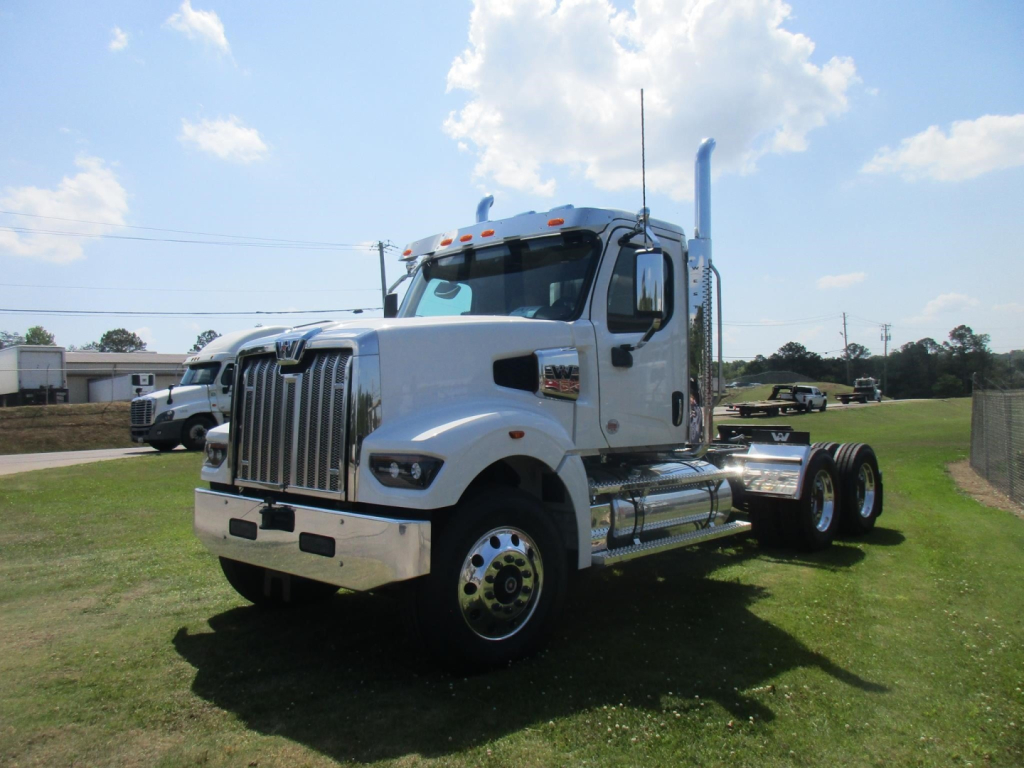
Selling a new 2026 day cab truck? List your new 2026 day cab truck for sale and reach thousands of commercial buyers.
New 2026 Day Cab Trucks
Current 2026 day cab specs commonly center on 6x4 tandem drive configurations, though some buyers will target 6x2 or severe-duty setups depending on application. Engines in the 400 to 505 horsepower range are common, with torque ratings selected around gross combined weight, terrain, and average cruise speed. Automated manual transmissions continue to dominate because they improve driver consistency, reduce clutch wear, and integrate better with collision mitigation, adaptive cruise, and predictive shift strategies. Buyers should also pay close attention to front axle capacity, rear axle ratio, suspension type, fuel tank placement, and wheelbase. A 214-inch wheelbase, for example, can be a strong fit for many regional and vocational tractor specs, but the right number always depends on trailer type and bridge spread targets.
New day cabs also carry a stronger technology package than older fleet tractors. Collision mitigation systems, lane support features, disc or drum brake options, onboard telematics, and integrated powertrain controls are now central buying considerations, not add-ons. Detroit-powered Freightliner and Western Star day cabs are common examples in the market, with DD15 engines and DT12 automated transmissions appearing often in higher-horsepower regional and vocational specs. Buyers comparing new 2026 trucks should look beyond badge and horsepower and focus on duty cycle match, service network, warranty coverage, emissions system layout, and ease of maintenance access around the hood, aftertreatment, and chassis.
The best day cab is the one that fits the route and trailer mix without carrying unnecessary weight or complexity. For van and reefer work, aerodynamic options and fuel efficiency usually drive the spec. For port, tanker, and construction-related work, durability, PTO capability, axle configuration, and frame strength move higher on the list. Cab ergonomics matter too, especially on multi-stop or slip-seat operations where ingress, seat support, steering wheel adjustment, and switch layout affect driver productivity. A well-spec'd 2026 day cab should deliver low downtime, predictable fuel burn, strong resale, and a chassis that is ready to work from the first dispatch.
Frequently Asked Questions about New 2026 Day Cab Trucks
What is a day cab truck used for?
A day cab truck is a road tractor without a sleeper, designed for operations where the driver returns the same day or does not need overnight accommodations. Common applications include regional freight, dedicated contract haul, drayage, tanker work, dump trailer service, and local or metro distribution. The shorter cab and chassis layout usually improve maneuverability, reduce empty weight, and simplify access in tight yards, ports, and urban routes.
What specs matter most when buying a new 2026 day cab?
The most important specs are wheelbase, axle ratings, engine horsepower and torque, transmission type, rear axle ratio, suspension, and fifth wheel position. Those choices determine how the truck handles trailer length, payload distribution, turning radius, gradeability, and fuel economy. Buyers should spec the truck around actual gross combined weight, terrain, stop frequency, and trailer type rather than choosing only by engine output or brand.
Are automated transmissions a good choice in a day cab?
For most fleets and many owner-operators, yes. Automated manual transmissions have become standard in many new day cab applications because they help reduce driver-to-driver variability, improve shift timing, and lower clutch-related wear. They also work well with modern safety systems and predictive cruise features, which can improve fuel economy and reduce fatigue in regional and local haul operations.
How do I choose the right wheelbase for a day cab tractor?
The right wheelbase depends on the trailers you pull, the axle spreads you need, the turning space on your routes, and any bridge law requirements that apply to your operation. A shorter wheelbase generally helps maneuverability and urban access, while a longer wheelbase can improve ride quality, packaging, and weight distribution. The correct choice should be made with the expected trailer kingpin setting, fifth wheel location, and target load profile in mind.
What is the difference between a day cab and a sleeper tractor?
The main difference is that a day cab does not have a sleeper compartment behind the seats. That makes it lighter, shorter, and typically better suited to local and regional work where overnight rest space is not required. A sleeper tractor is the better fit for long-haul applications, while a day cab is often the more efficient and practical choice for operations focused on route density, yard access, and same-day turns.