
New 2026 Day Cab Trucks For Sale in Alabama
Shop new 2026 day cab trucks in Alabama. Compare specs, axle ratings, engines, wheelbases, and vocational or regional haul configurations.
Selling a new 2026 day cab truck? List your new 2026 day cab truck for sale and reach thousands of commercial buyers.
New 2026 Day Cab Trucks in Alabama
For most fleets, the main decision is application. A highway day cab for van or reefer work will usually prioritize fuel economy, aerodynamic trim, automated manual transmission options, and a wheelbase that balances ride quality with turning radius. A vocational day cab often leans toward heavier front axle ratings, double frame reinforcement, PTO provisions, high-horsepower engine choices, locking differentials, and durable suspension packages. Common specs include 6x4 drivetrains, tandem rear axles, diesel engines from major OEMs, and GVWR and GCWR ratings matched to regional hauling or severe-duty work. On tractors in this class, buyers should pay attention to fifth wheel height, slide length, frame rail spec, air ride versus spring suspension, and brake configuration.
New 2026 day cab trucks also bring the latest safety and driver-assist technology, which matters for both liability and uptime. Collision mitigation, lane departure warning, adaptive cruise, air disc brakes, and upgraded telematics are becoming more common across premium spec trucks. Inside the cab, the details that matter are visibility, switch layout, HVAC performance, seat durability, and room for drivers getting in and out all day. A well-spec'd day cab should also be easy to service, with clear access to emissions components, aftertreatment systems, electrical connections, and chassis-mounted equipment. That becomes especially important for Alabama operations dealing with heat, humidity, mixed highway and jobsite use, and heavy stop-and-go cycles.
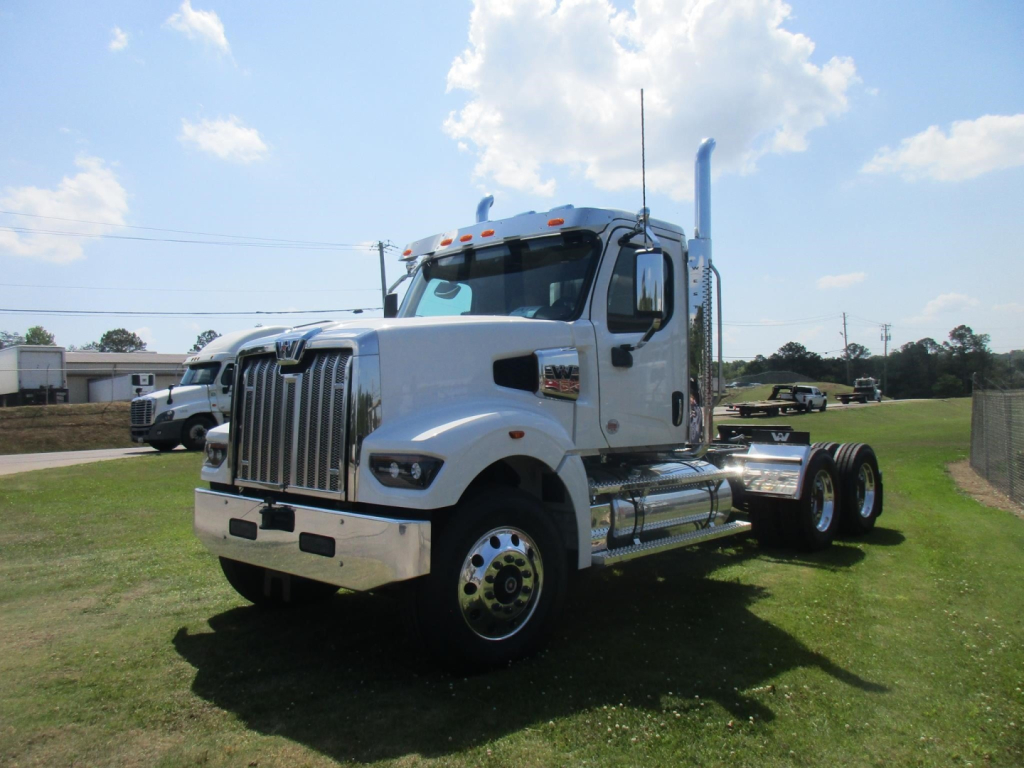
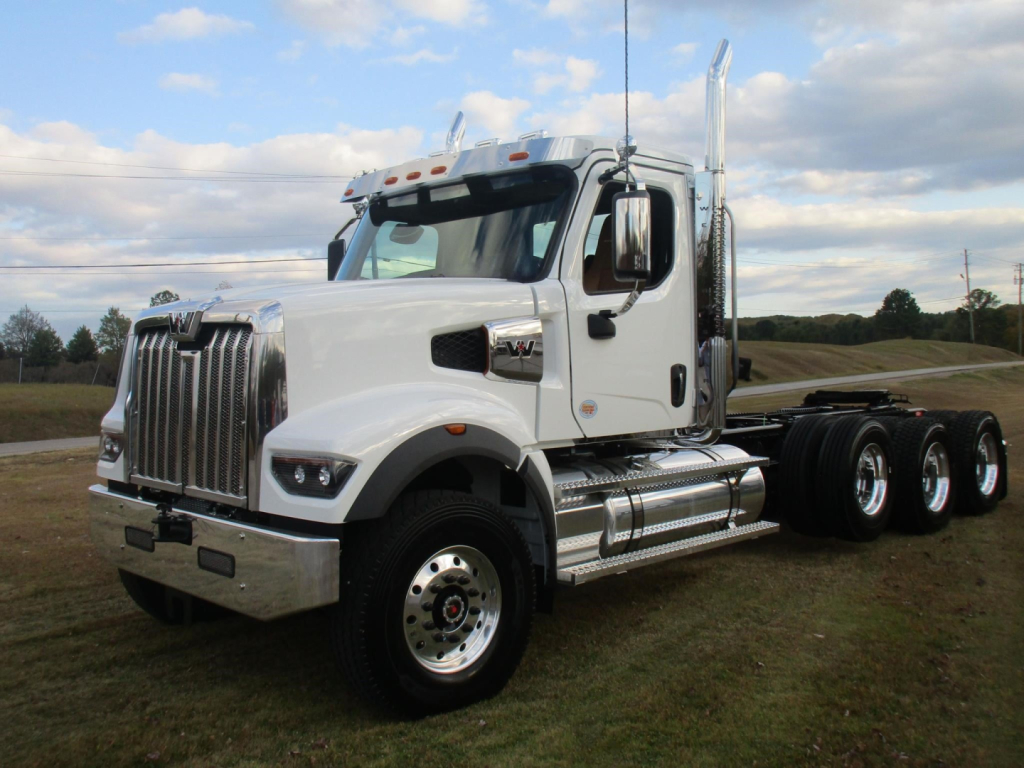
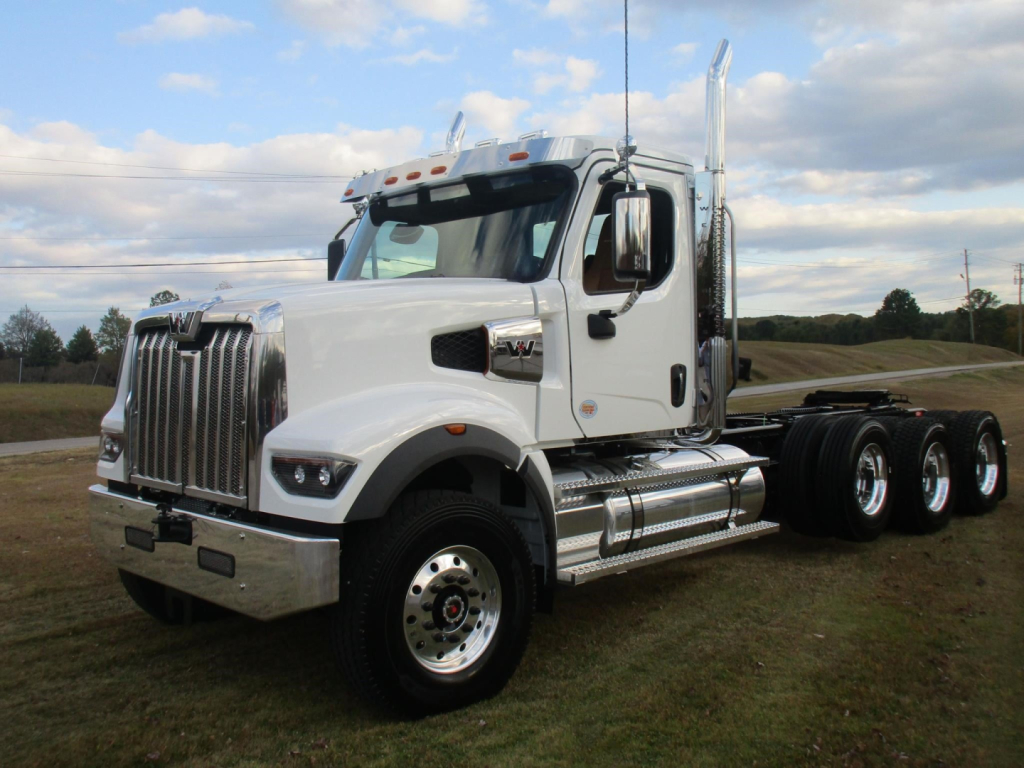
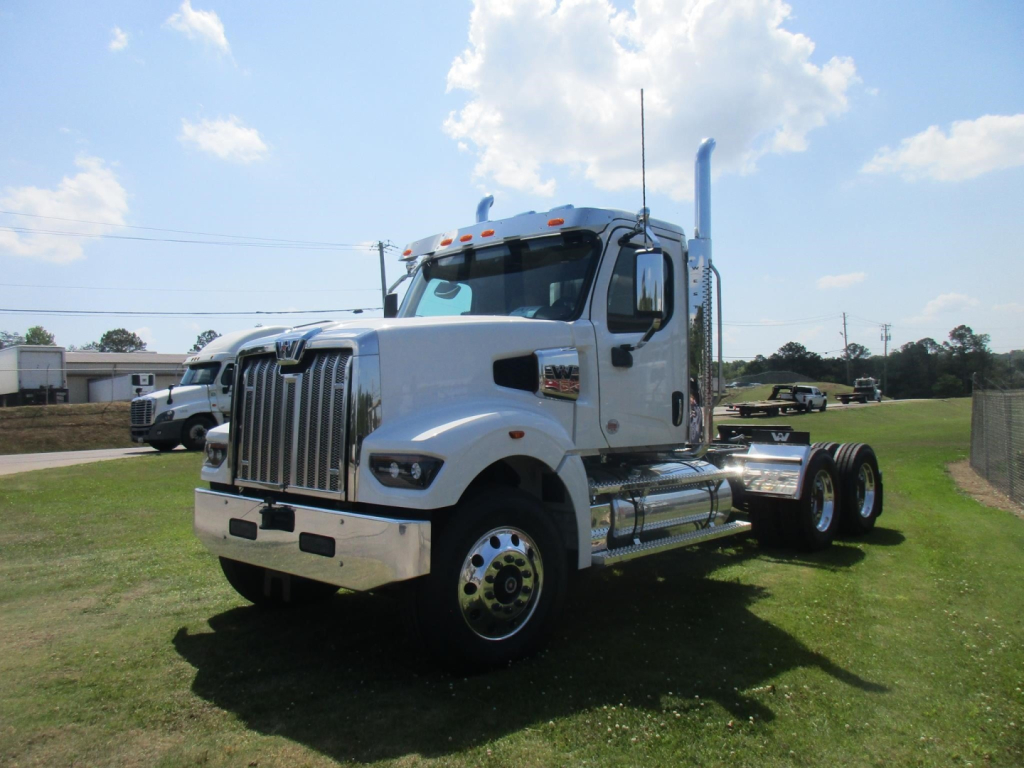
Western Star 49X models are a strong reference point in this category because they are often spec'd for demanding vocational and regional applications. That said, the right day cab is less about badge and more about matching the truck to the work. Look closely at horsepower and torque range, transmission type, rear axle ratio, tire size, and cab-to-axle dimension. If the truck will pull a dump, lowboy, tanker, or heavy flatbed, make sure the frame, suspension, and PTO setup support the intended use from day one. If it will stay on paved regional lanes, an efficient spec with the right gearing and driver comfort package can lower operating cost over the life of the truck.
Frequently Asked Questions about New 2026 Day Cab Trucks in Alabama
What is a day cab truck best used for?
A day cab truck is best used for local and regional hauling where the driver returns home at the end of the shift. Common applications include dedicated freight lanes, container drayage, dump and vocational work, tanker operations, flatbed hauling, and short to medium-length routes. Because there is no sleeper compartment, the truck is lighter, shorter, and often easier to maneuver than a sleeper tractor.
What should I look for when buying a new 2026 day cab truck?
Start with the job the truck will perform. Buyers should match the engine rating, transmission, axle configuration, wheelbase, rear axle ratio, and suspension to the trailer type, payload, and route conditions. For vocational use, heavier axle ratings, PTO capability, frame reinforcement, and severe-duty components are often more important than aerodynamic features. For highway regional work, fuel economy, ride quality, safety systems, and driver comfort usually move higher on the list.
Is a day cab better than a sleeper for Alabama operations?
A day cab is often the better choice for Alabama operations that stay within local or regional territory. It reduces empty weight, improves maneuverability in yards and customer sites, and removes the cost of a sleeper that may never be used. A sleeper still makes sense for longer routes, team operations, or runs that regularly require overnight stays. The better option depends on route length, hours of service planning, and trailer assignment.
What axle and drivetrain setup is common on a day cab tractor?
A 6x4 tandem axle setup is the most common configuration for day cab tractors because it offers broad compatibility with regional and vocational hauling. Many buyers pair that layout with a diesel engine and either an automated manual or manual transmission, depending on fleet preference and driver needs. Front axle rating, rear suspension, and gear ratio should be selected based on GCWR targets, terrain, and how often the truck starts heavy loads from a stop.
Why does wheelbase matter on a day cab truck?
Wheelbase affects turning radius, ride quality, weight distribution, and how the truck interfaces with different trailers or body equipment. A shorter wheelbase helps in tight job sites, ports, and urban areas, while a longer wheelbase can improve stability and packaging space for frame-mounted components. On a tractor, wheelbase also influences fifth wheel placement and kingpin setting, which are important for bridge law compliance, axle balance, and trailer clearance.