
New 2026 Western Star Day Cab Trucks For Sale in Alabama
Shop new 2026 Western Star day cab trucks for heavy-duty regional, vocational, and local haul applications in Alabama.
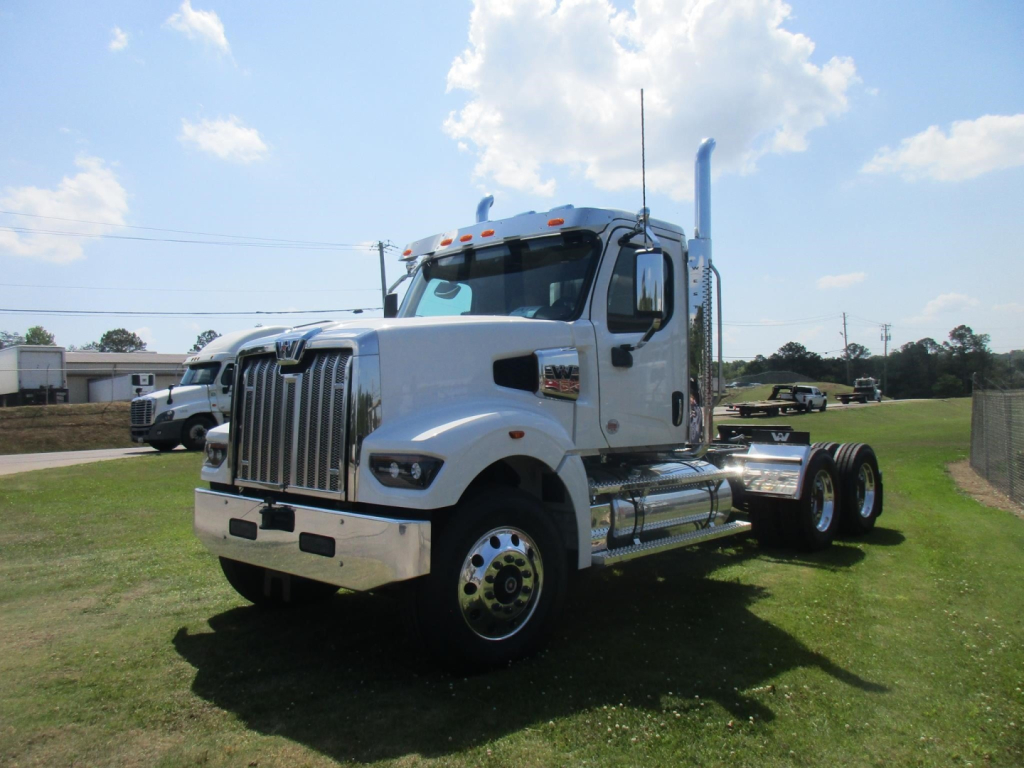
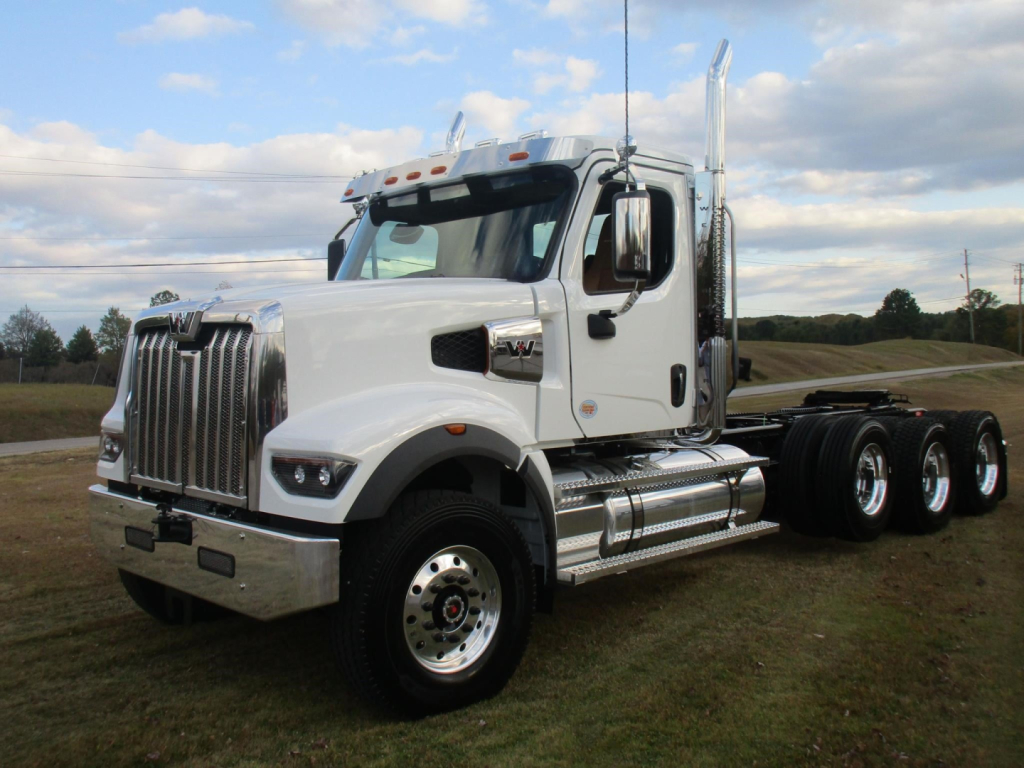
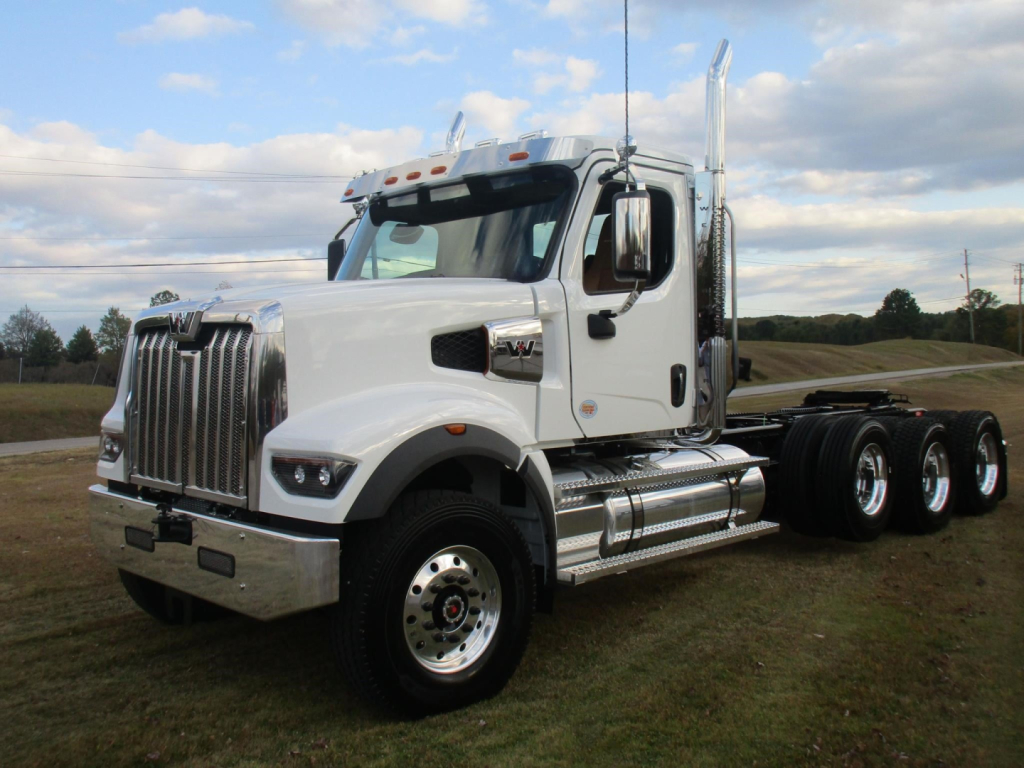
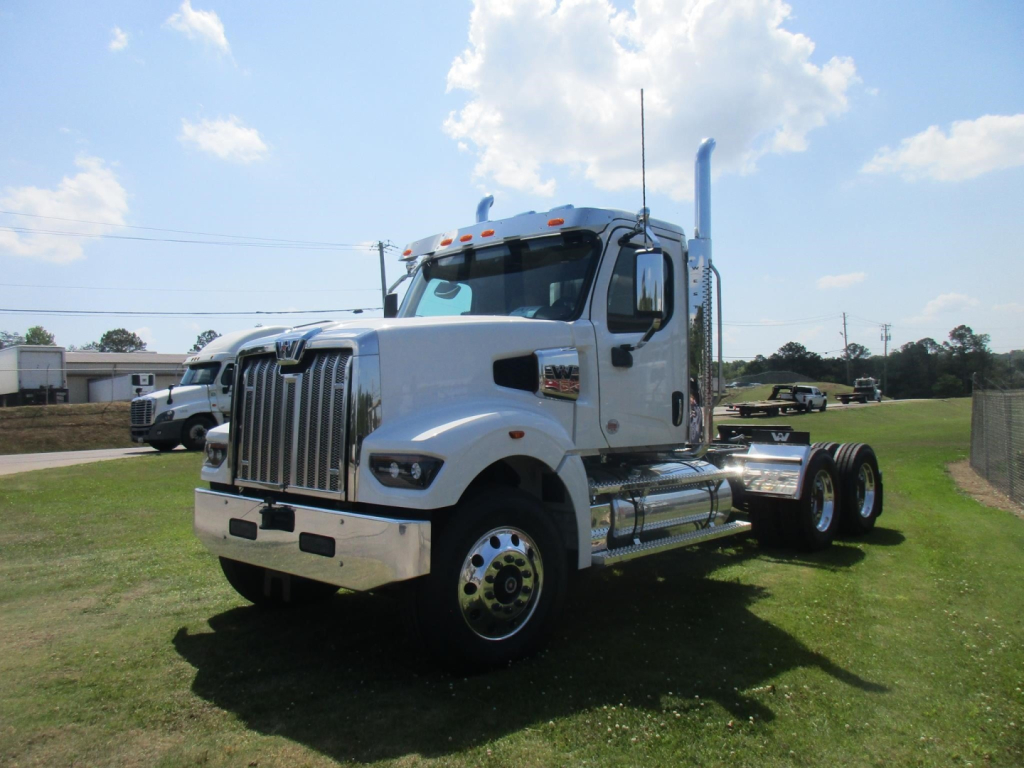
Selling a new 2026 western star day cab truck? List your new 2026 western star day cab truck for sale and reach thousands of commercial buyers.
New 2026 Western Star Day Cab Trucks in Alabama
The key buying decision is usually spec, not just brand. On a Western Star day cab, buyers often compare axle ratings, wheelbase, suspension type, fifth-wheel setup, and powertrain choices based on the trailer and route. Alabama operations may put a premium on cooling performance, corrosion resistance, and PTO readiness for vocational upfits. Depending on the application, you may see heavy front axles, set-forward or set-back axle configurations, locking differentials, air ride or vocational suspensions, and driveline setups designed for both highway speed and low-speed jobsite control. Engine and transmission combinations are commonly selected around GCWR targets, terrain, and idle-time expectations.
Cab layout and driver environment also matter on a day cab because these trucks spend long hours in local and regional service. Western Star is known for a robust interior, clear switchgear, and a vocational-friendly cab structure that holds up well in demanding fleets. Buyers should look closely at visibility around the hood and fenders, entry and exit height, seat and dash configuration, and factory provisions for telematics, camera systems, and body-builder integration. For fleets running multiple shifts, easy service access, common component availability, and practical uptime features can be just as important as horsepower.
For trailer work, a 2026 Western Star day cab should be matched to kingpin setting, bridge law requirements, frame strength, and the type of fifth wheel or hitch arrangement the job requires. Regional freight fleets may lean toward lighter, fuel-conscious specs, while vocational buyers often favor stronger frame rails, higher PTO capacity, and more aggressive axle ratios. Reviewing wheelbase, rear axle spread, tire size, brake package, and fuel tank placement will tell you more about how a truck will perform than the badge alone. A properly spec'd day cab can cover local distribution one day and severe-duty jobsite hauling the next, but only if the chassis matches the work.
Frequently Asked Questions about New 2026 Western Star Day Cab Trucks in Alabama
What is a day cab truck used for?
A day cab truck is used for local, regional, and vocational work where the driver returns home or to a terminal instead of sleeping in the truck. Common applications include regional freight, tanker, dump, flatbed, lowboy, port drayage, and equipment hauling. The lack of a sleeper reduces overall length and weight, which can improve maneuverability and payload flexibility for the right operation.
Why do buyers choose a Western Star 49X day cab?
Buyers choose the Western Star 49X day cab because it is designed for severe-duty and vocational environments while still working well in regional tractor service. It is commonly selected for its durable chassis, broad axle and suspension spec range, strong visibility, and body-builder friendly design. That makes it a practical platform for fleets that need one truck model to cover multiple job types.
What specs matter most on a new 2026 Western Star day cab?
The most important specs are the axle ratings, wheelbase, engine and transmission combination, suspension, rear axle ratio, and fifth-wheel or hitch configuration. Buyers should also verify frame rail strength, PTO capability, fuel capacity, brake package, and tire size. These details determine legal payload, bridge compliance, turning radius, trailer compatibility, and how well the truck handles both highway miles and off-road or jobsite conditions.
Is a day cab better than a sleeper for Alabama regional and vocational work?
For many Alabama operations, a day cab is the better choice when routes are short enough that overnight accommodations are unnecessary. It is generally easier to maneuver in plants, terminals, and construction sites, and it avoids the extra weight and length of a sleeper. A sleeper still makes sense for longer lanes, but a day cab often delivers better efficiency and jobsite practicality for local and regional service.
How do I match a day cab to the trailers I plan to pull?
Start with the trailer type, loaded weight, kingpin setting, and required bridge dimensions. Then confirm the truck's wheelbase, fifth-wheel position, rear axle configuration, and GCWR are appropriate for that load and trailer geometry. Buyers pulling flatbeds, tankers, lowboys, or dump trailers should also check PTO needs, frame clearance, suspension travel, and brake specifications to make sure the tractor is built for the actual work, not just general highway use.