
Western Star Day Cab Trucks For Sale
Shop Western Star day cab trucks with 47X and 49X specs, Detroit power, tandem or tri-axle setups, and vocational-ready Class 8 performance.
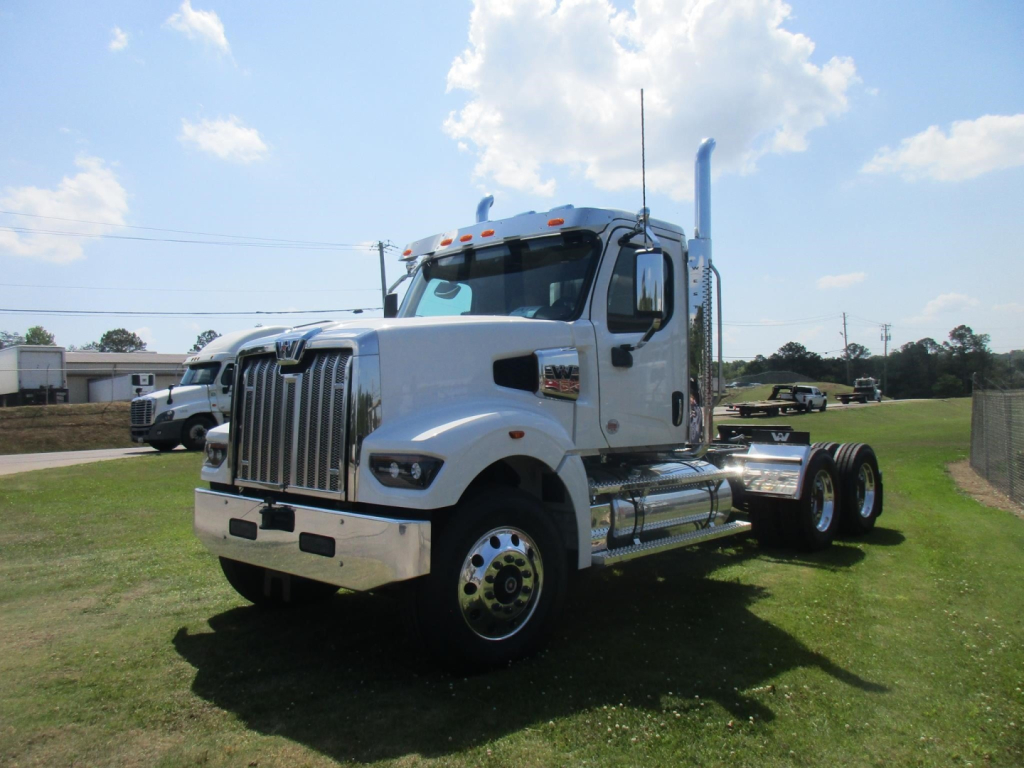
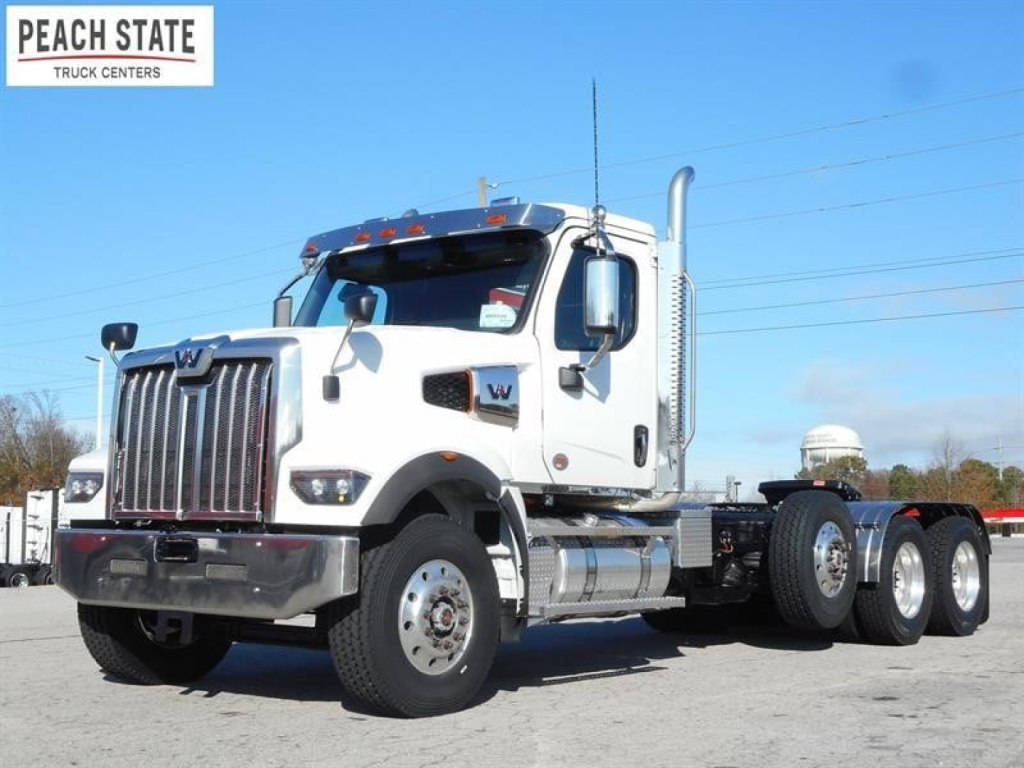
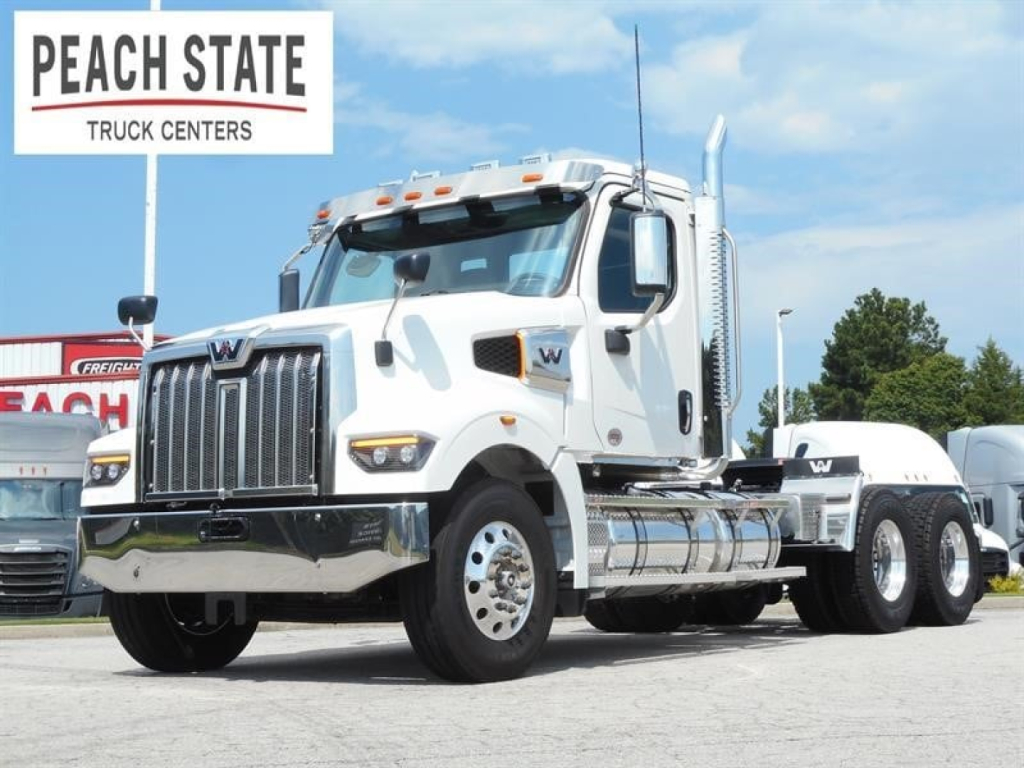
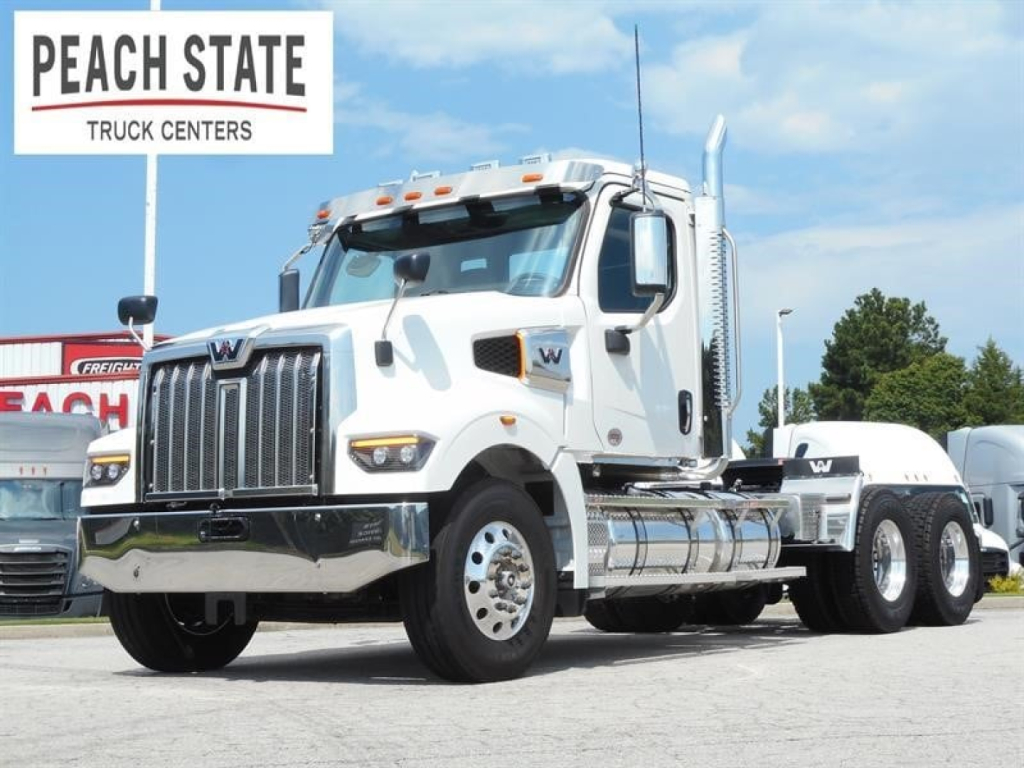
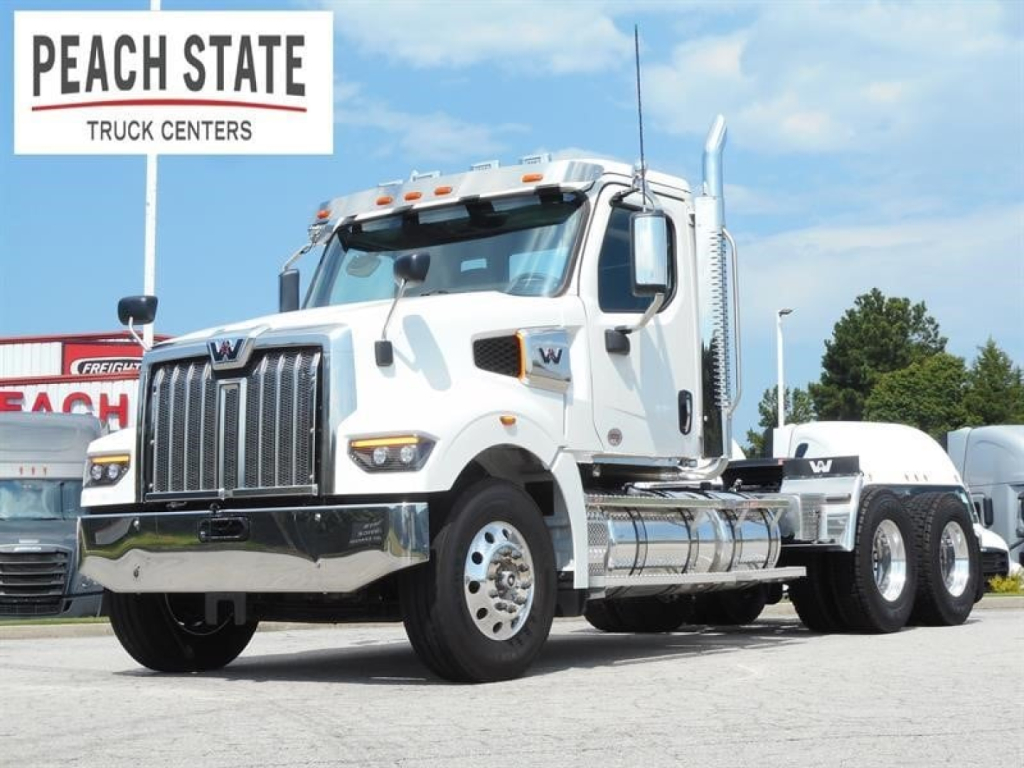
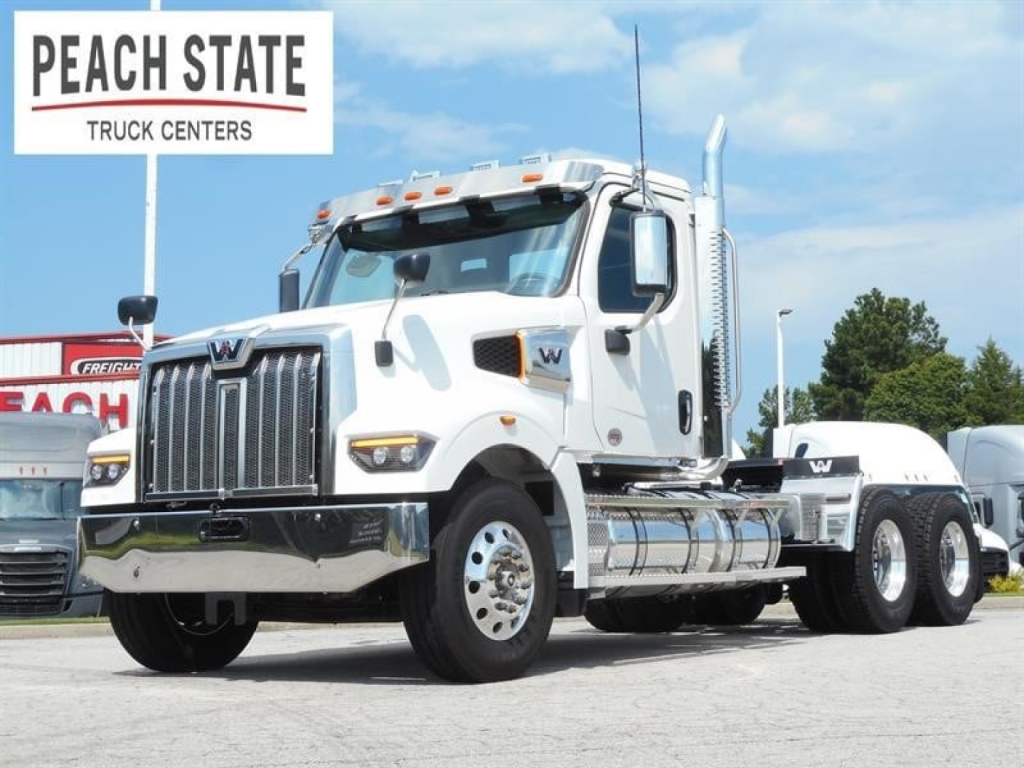
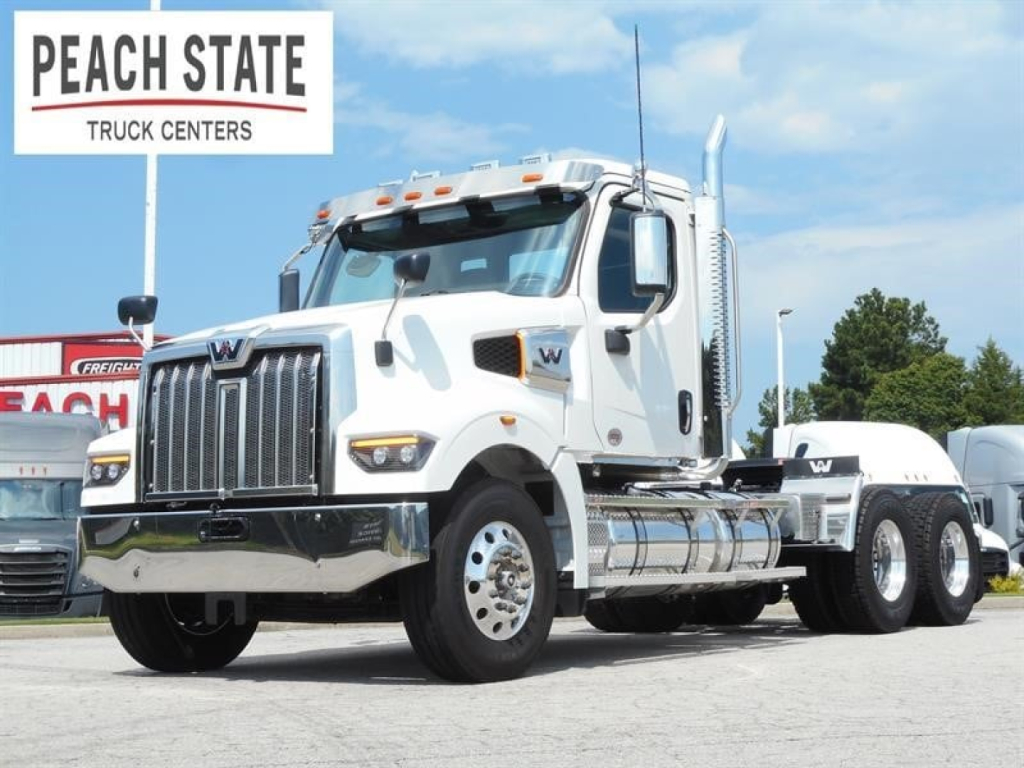
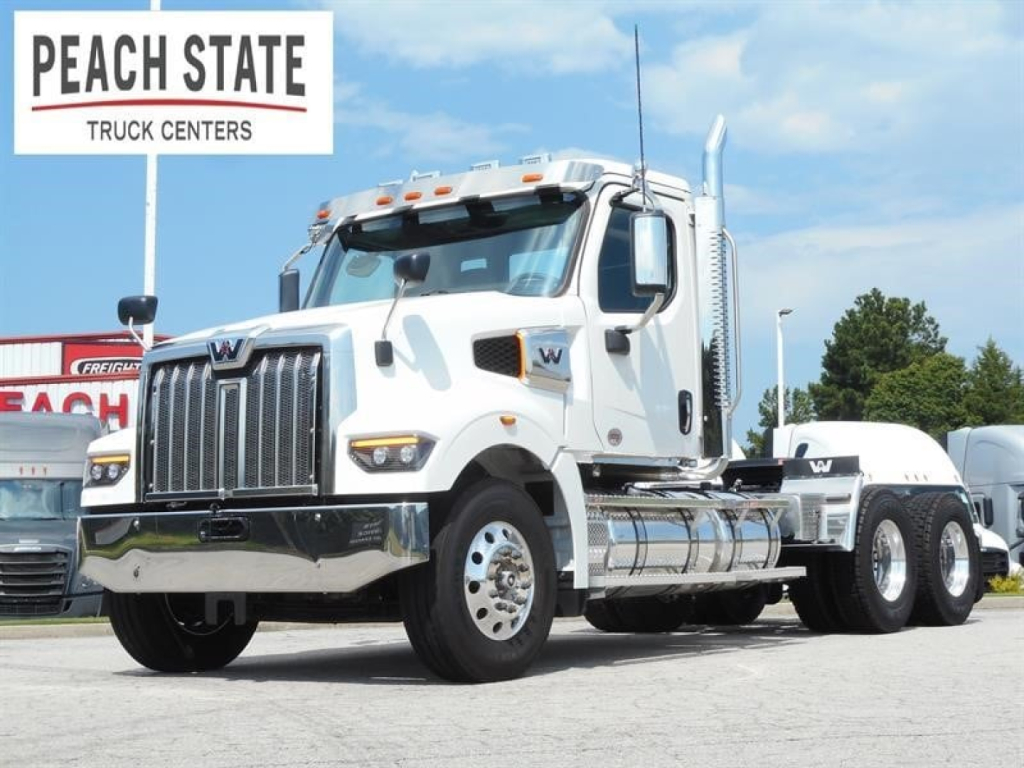
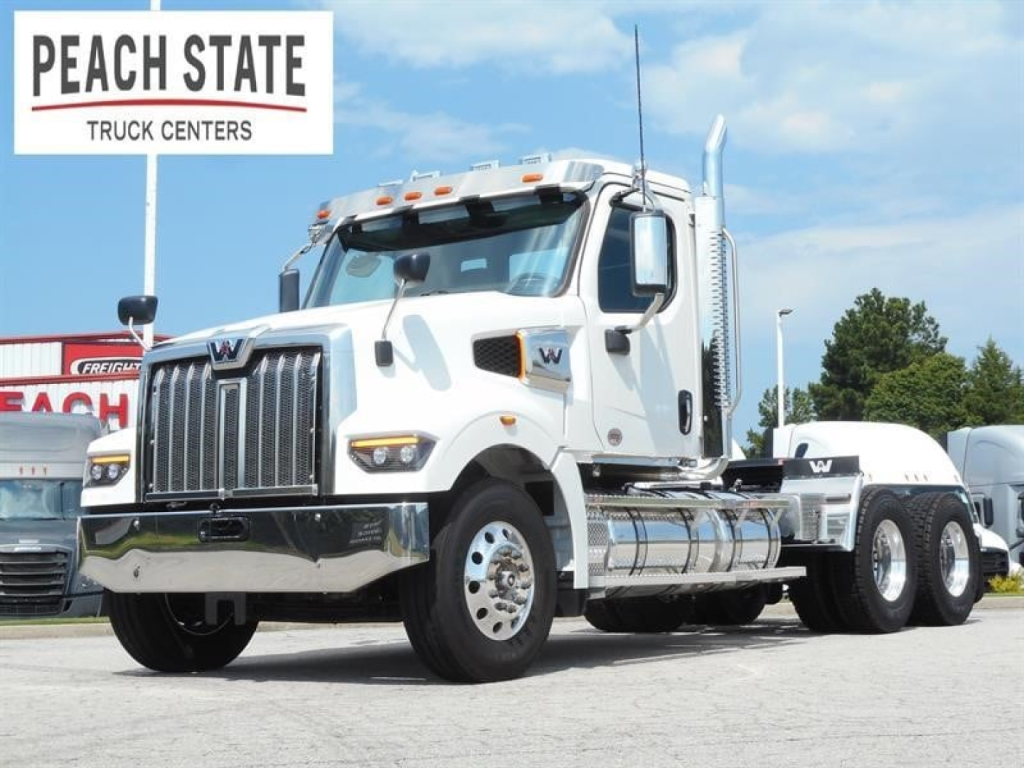
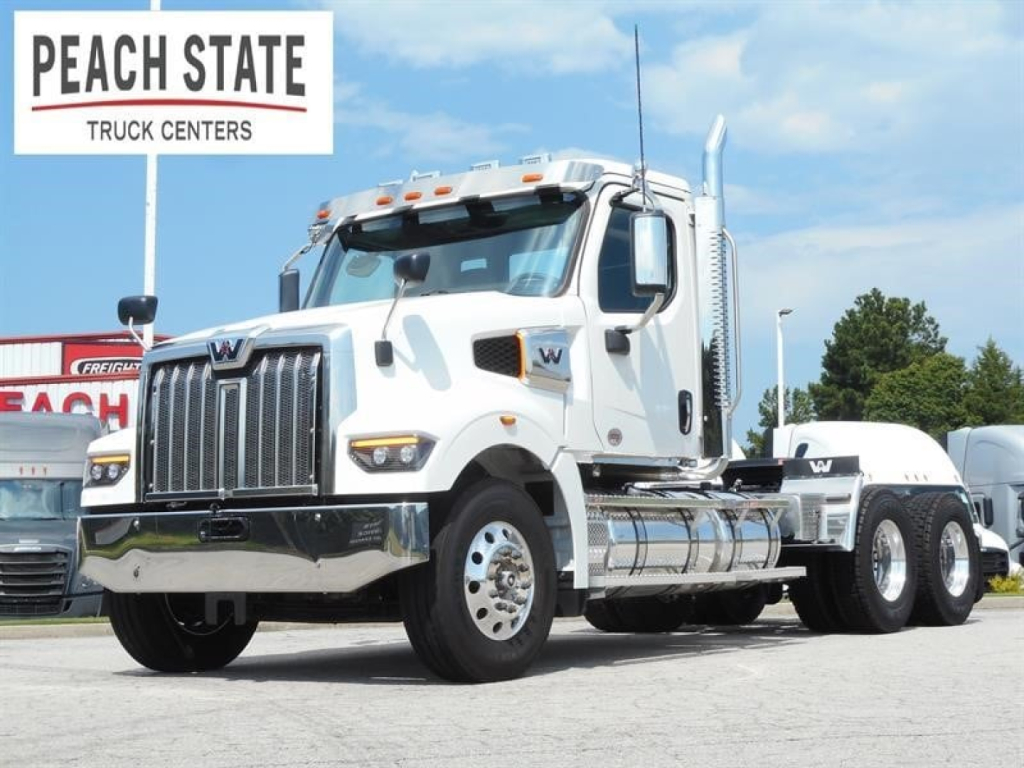
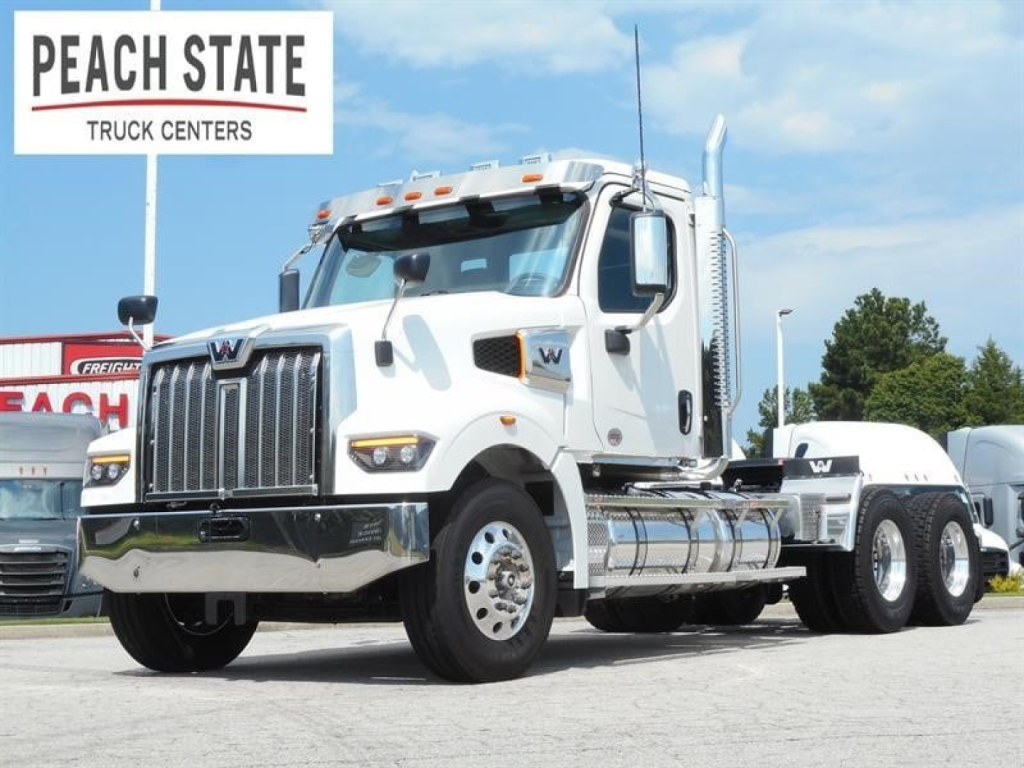
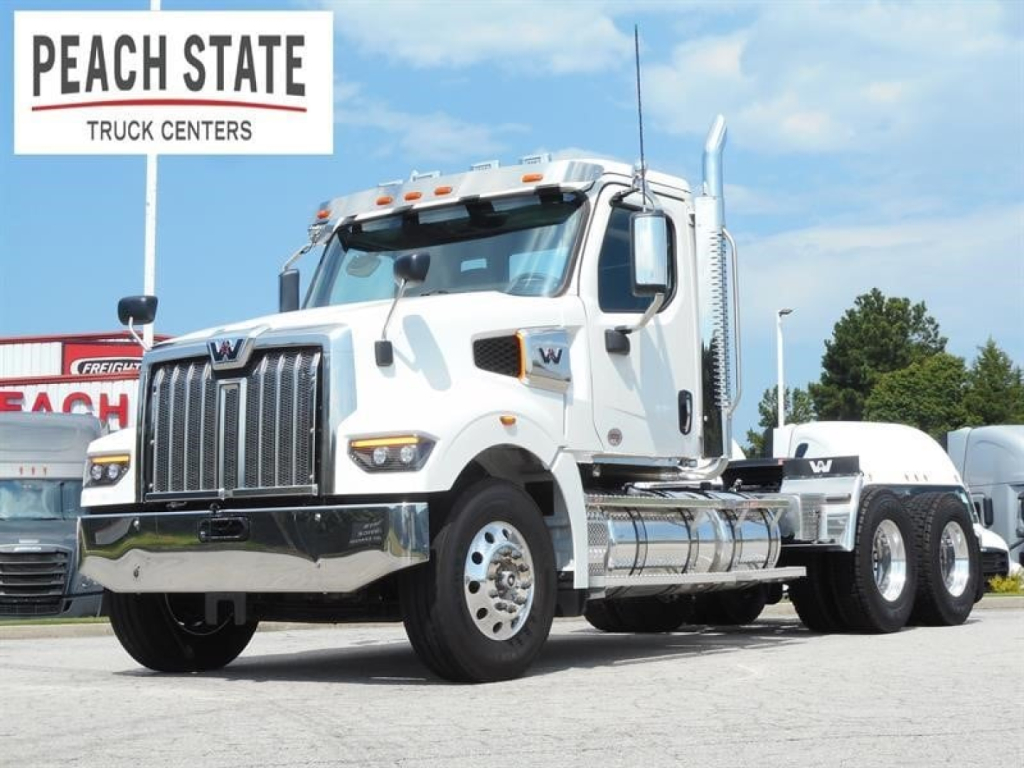
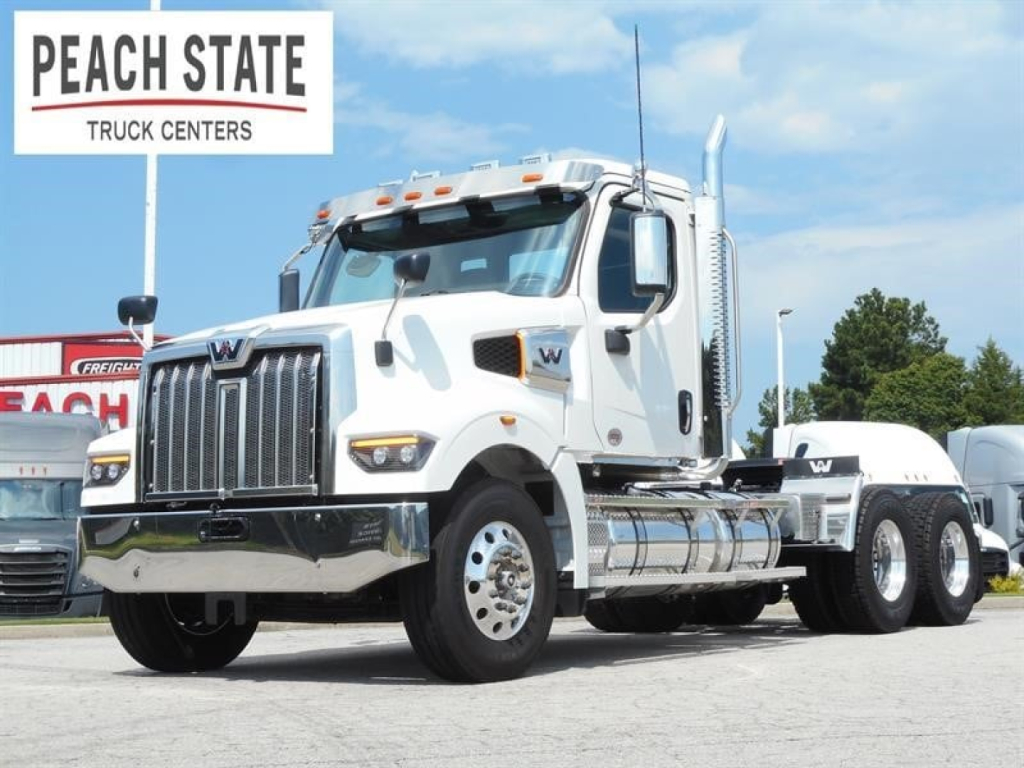
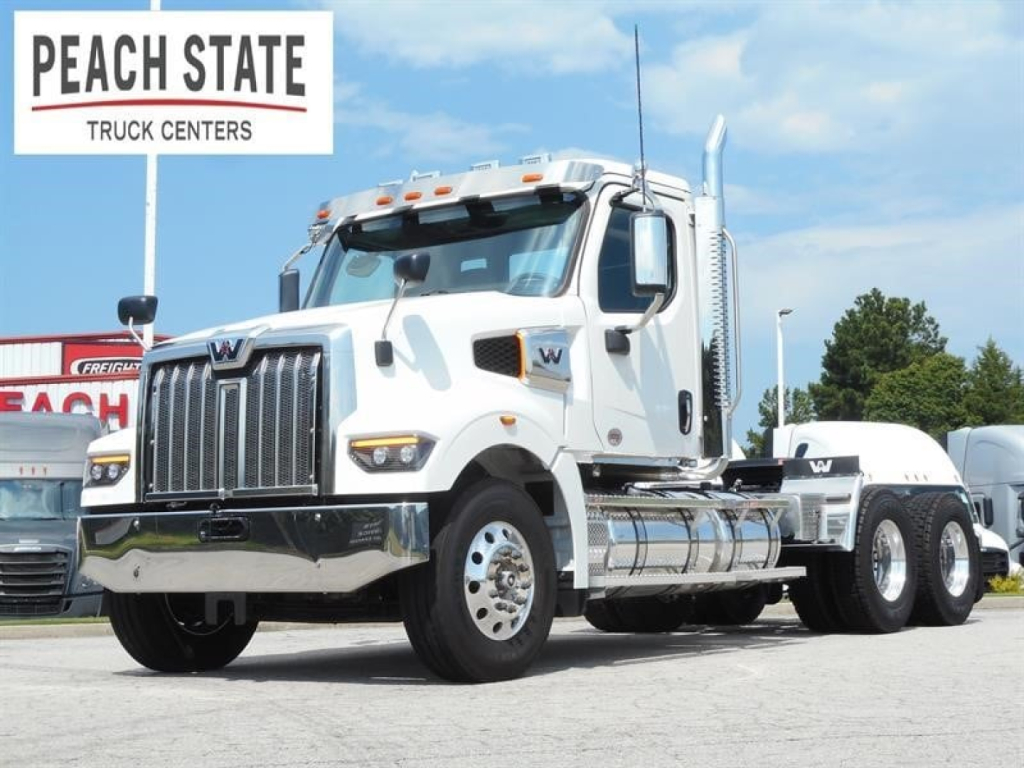
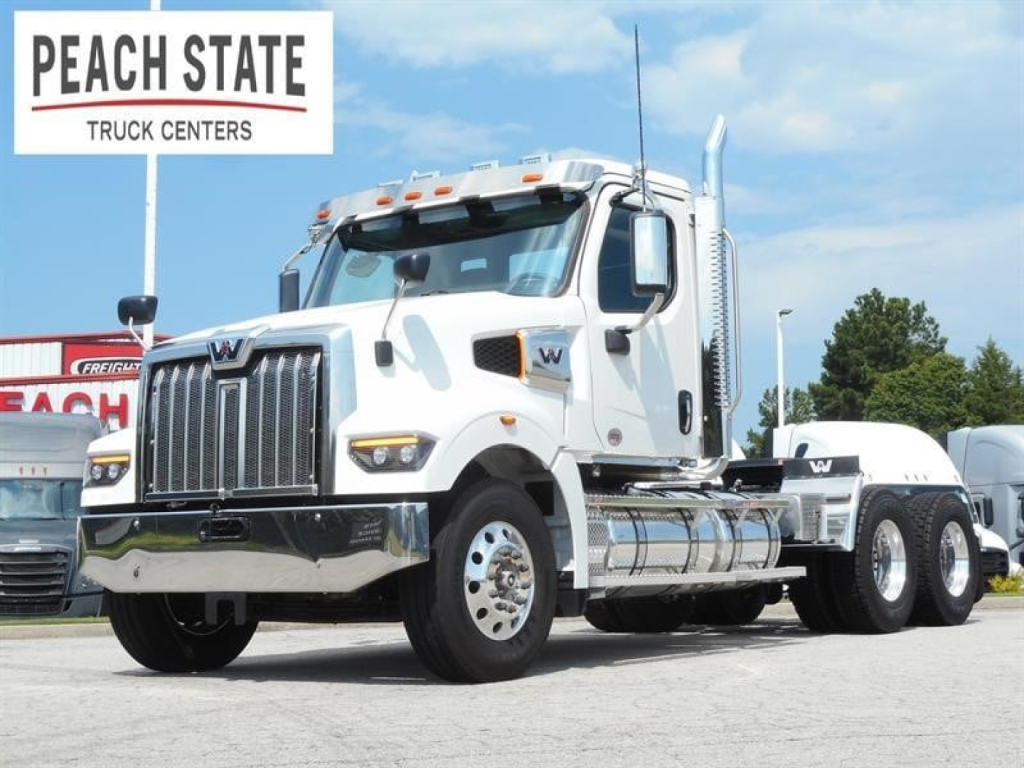
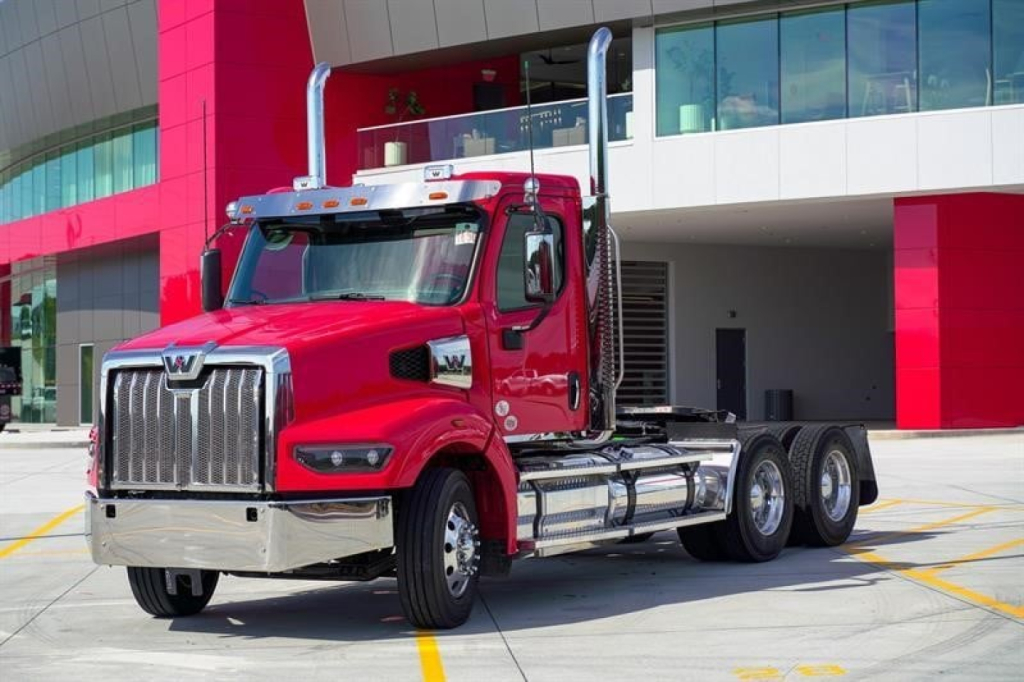
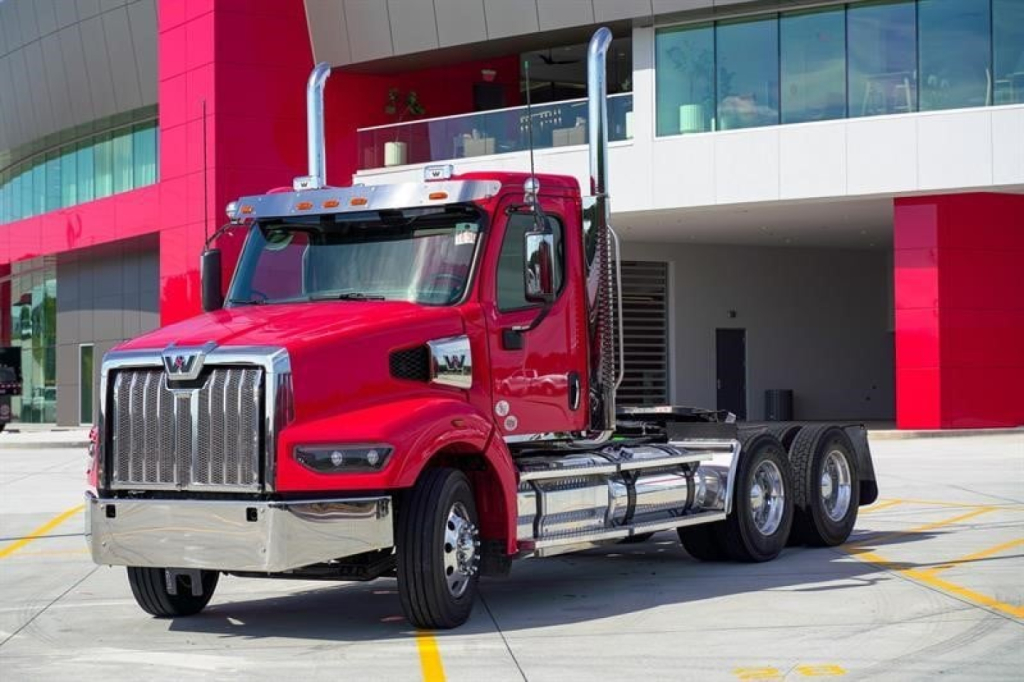
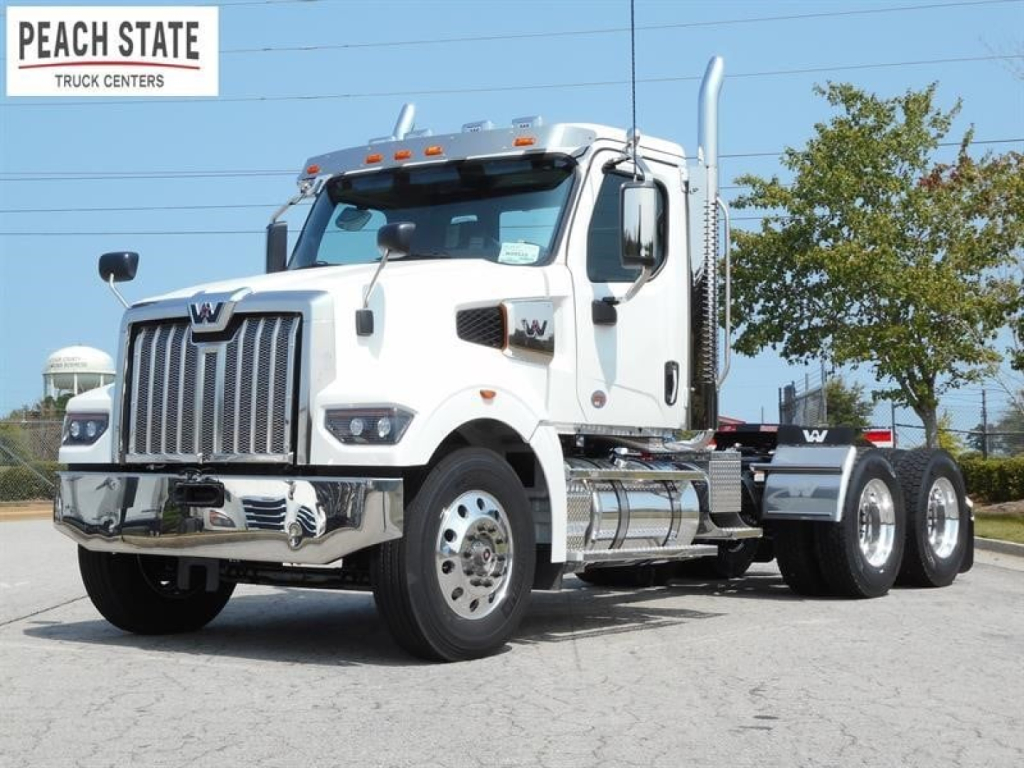
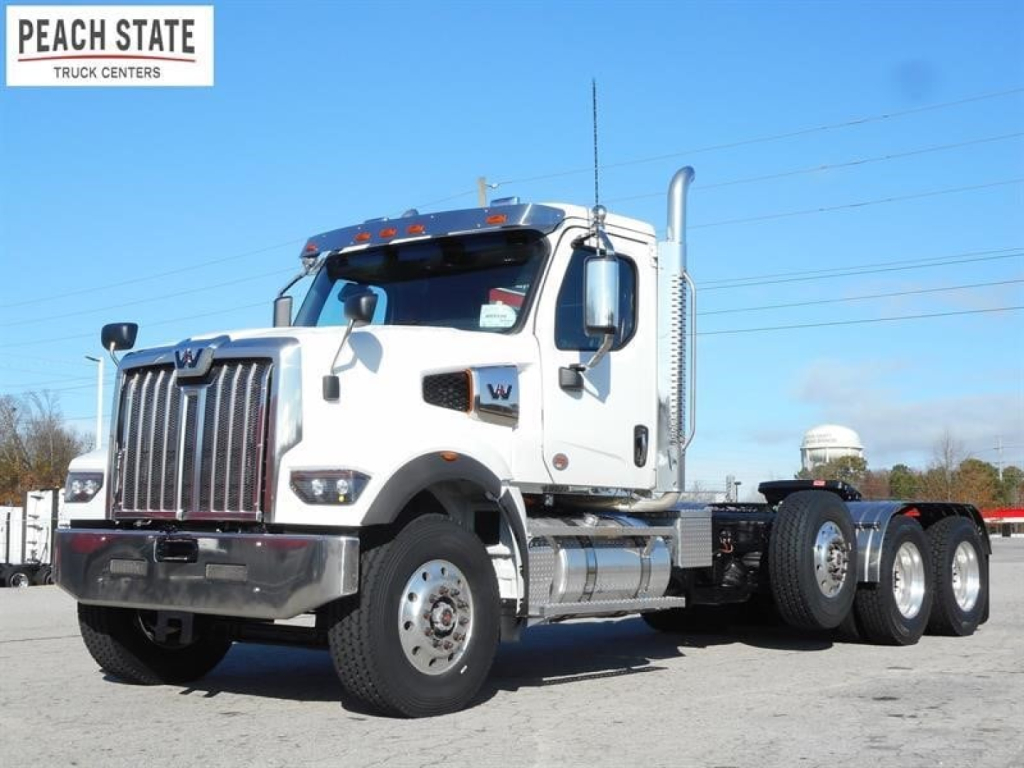
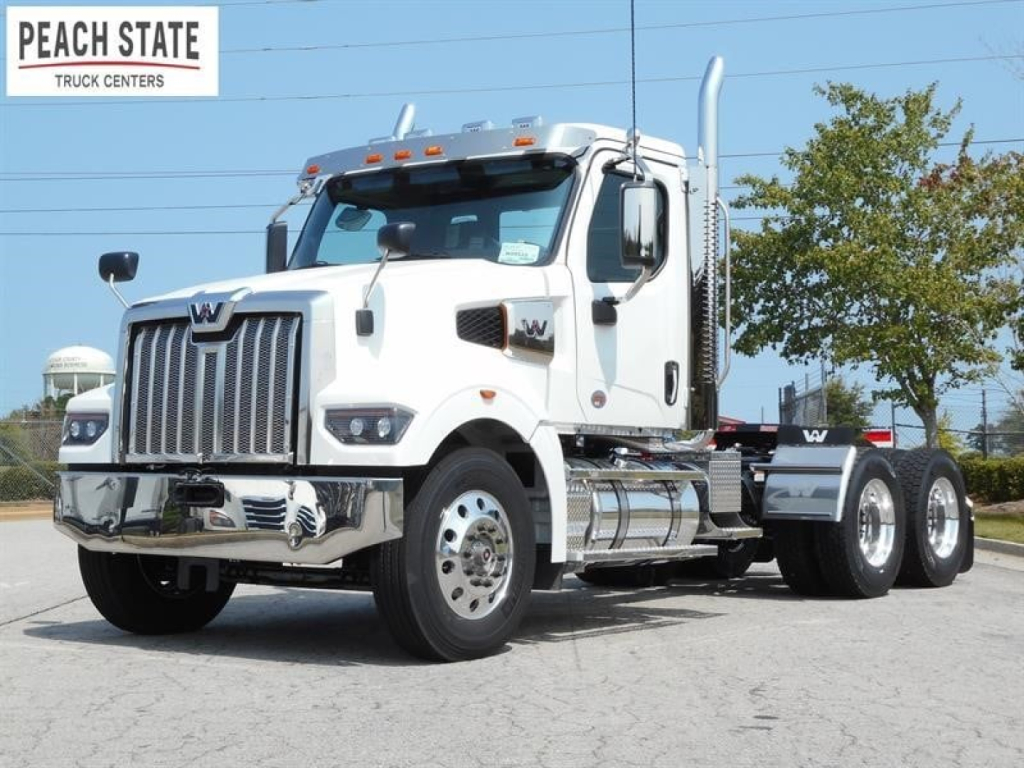
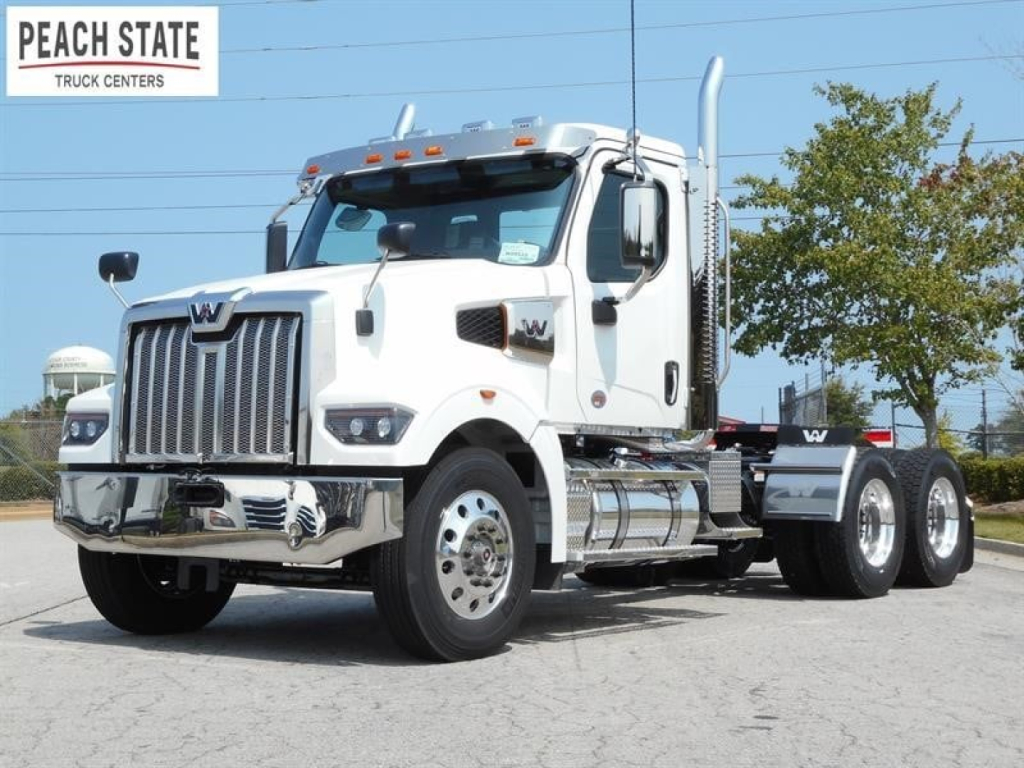
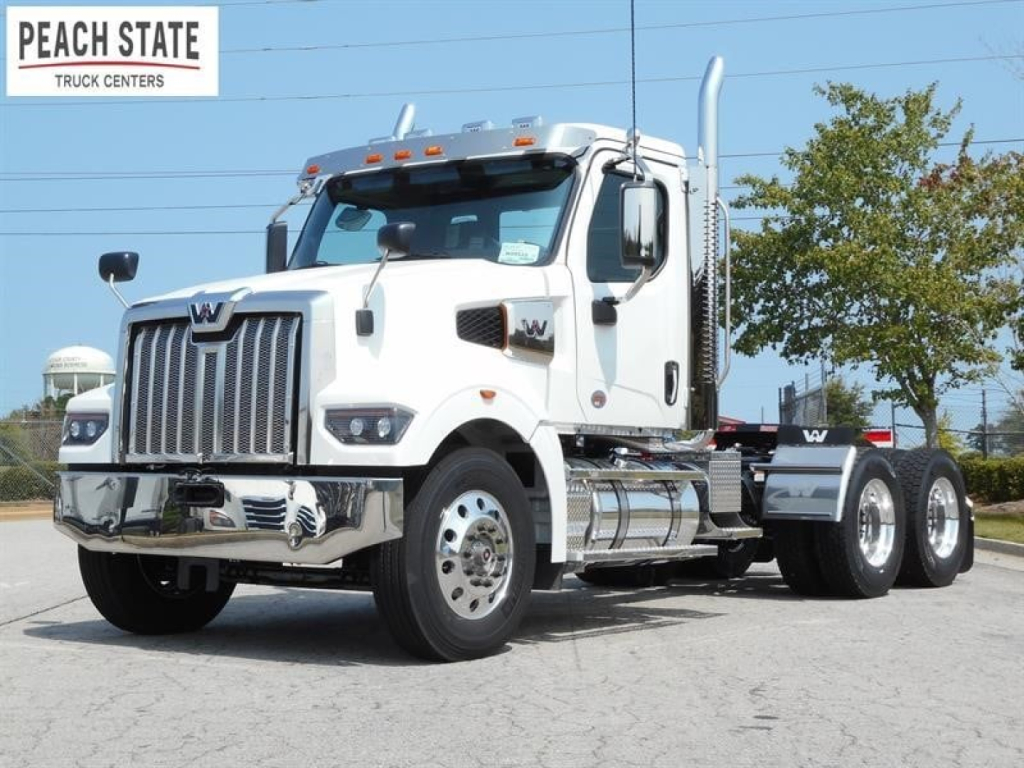
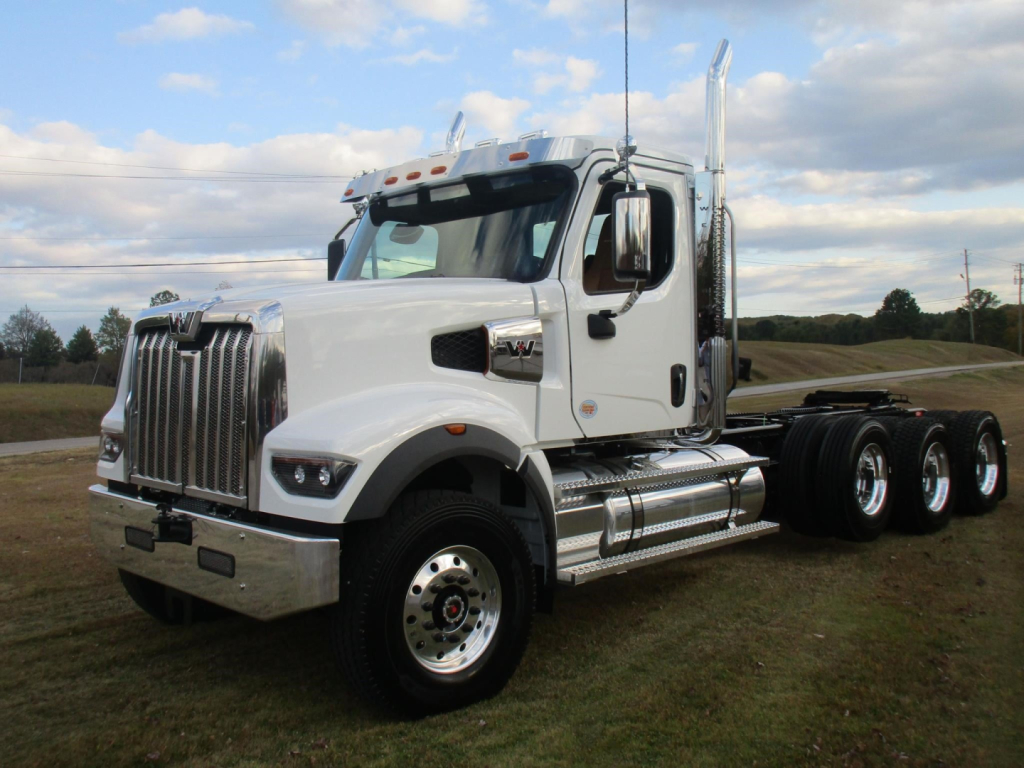
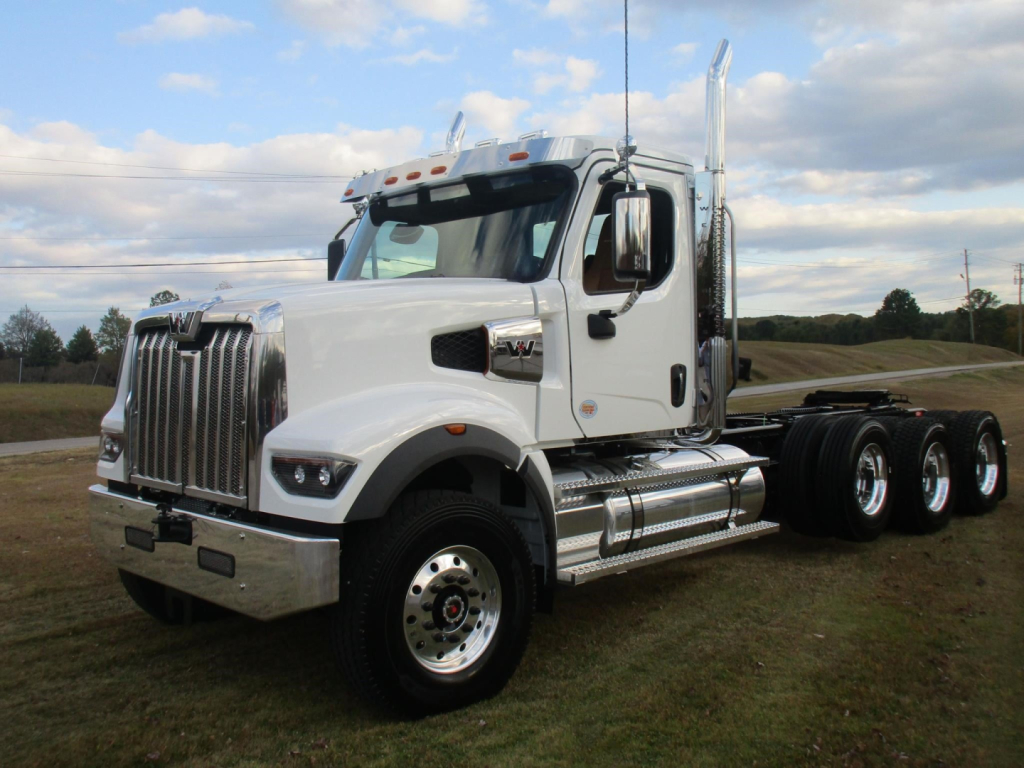
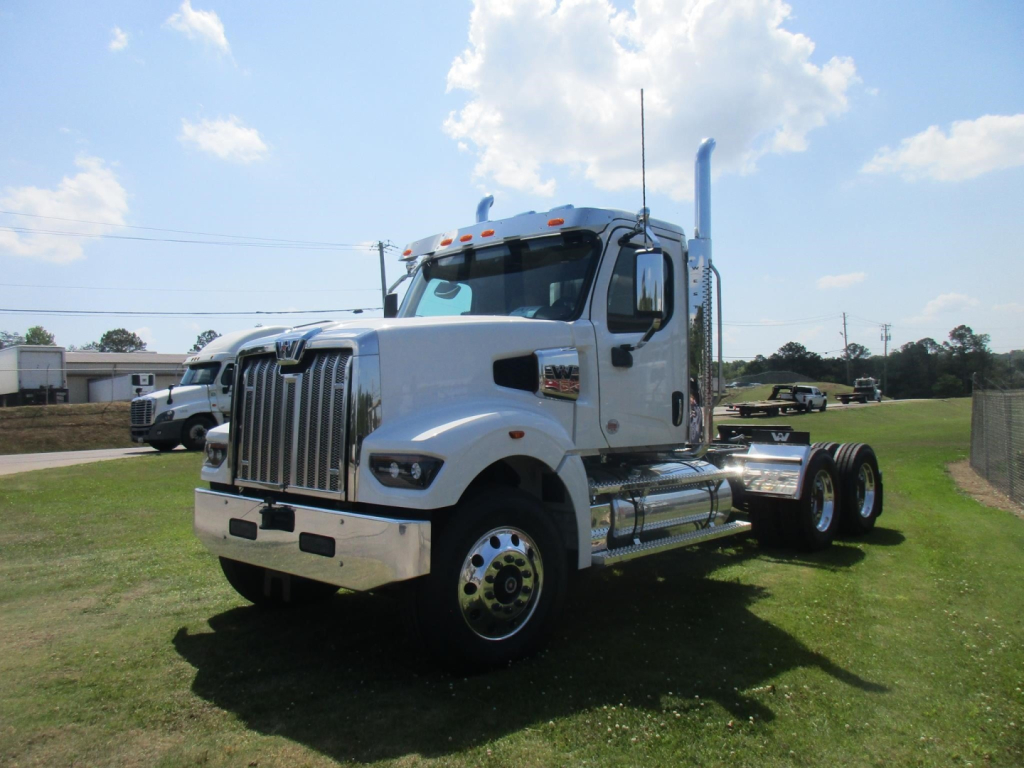
Selling a western star day cab truck? List your western star day cab truck for sale and reach thousands of commercial buyers.
Western Star Day Cab Trucks
The first buying decision is usually application. A 49X day cab is often spec'd for heavier linehaul, lowboy, equipment hauling, and severe-duty work, while a 47X day cab can make sense for fleets that want a modern vocational platform with strong visibility and flexible body or tractor spec options. Common setups include tandem axle 6x4 tractors with 196-inch to 218-inch wheelbases, plus heavier tri-axle or 8x4 configurations for lowboy and specialized hauling. Rear axle ratings around 40,000 to 46,000 pounds are common in tandem specs, and front axle ratings can climb higher when the truck is built for a pusher axle, heavy fifth wheel loads, or vocational attachments.
Detroit powertrains are especially common in late-model Western Star day cabs. Buyers will frequently see DD13, DD15, and DD16 engines paired with the Detroit DT12 automated manual transmission, while some heavy-haul specs still use an 18-speed manual. Horsepower can range from around 450 to 600 HP depending on intended use, but the smarter comparison is torque, rear axle ratio, and transmission strategy. A 505 HP DD15 with a 12-speed AMT and a 3.08 ratio can be a strong regional spec for fuel-conscious fleets, while a DD16 with manual transmission is more appropriate for heavy equipment, lowboy, or high-GCWR work. Air ride suspension, sliding fifth wheels, aluminum wheels, differential locks, and engine brakes are all common features worth comparing closely across listings.
A good Western Star day cab spec should match the freight, route profile, and trailer mix. For regional van or flatbed work, focus on wheelbase, fuel capacity, fifth wheel travel, and driver-assist systems like collision mitigation. For vocational or heavy-haul use, pay closer attention to axle layout, front axle capacity, frame strength, gearing, PTO readiness, and transmission type. Western Star day cabs are known for combining premium interior appointments with a rugged chassis, so they appeal to both owner-operators and fleets that want durability without giving up driver comfort. When comparing trucks in this category, the best value usually comes from choosing the right chassis and drivetrain for the job instead of simply chasing the highest horsepower rating.
Frequently Asked Questions about Western Star Day Cab Trucks
What is a Western Star day cab truck best used for?
A Western Star day cab truck is best suited for regional hauling, local delivery, port work, flatbed operations, vocational tractor duty, and specialized heavy-haul applications where a sleeper is not needed. The day cab design reduces overall length and weight, which improves maneuverability and can help maximize payload. In the Western Star lineup, day cab specs are often chosen by buyers who need a durable Class 8 tractor for demanding routes, jobsite access, or frequent stops.
What is the difference between a Western Star 47X day cab and a 49X day cab?
The Western Star 47X day cab is generally positioned as a versatile vocational platform with modern packaging, strong visibility, and flexible spec options for regional or work-truck applications. The 49X day cab is commonly selected for heavier-duty tractor work, including linehaul, equipment hauling, lowboy service, and more severe operating conditions. The exact difference depends on how the truck is spec'd, but buyers often look at axle ratings, wheelbase, engine choice, and intended trailer type to decide between the two.
Which engine is common in a Western Star day cab?
Detroit diesel engines are very common in Western Star day cabs, especially the DD13, DD15, and DD16. A DD13 or DD15 is often a practical fit for regional and vocational applications where fuel economy, uptime, and broad service support matter. A DD16 is more likely to appear in heavy-haul or specialized specs where maximum horsepower and torque are required. Engine choice should be matched to GCWR, terrain, trailer type, and duty cycle rather than selected by horsepower alone.
Should I choose an AMT or a manual transmission in a Western Star day cab?
An automated manual transmission such as the Detroit DT12 is a strong choice for many fleet and regional applications because it can improve driver consistency, reduce training time, and support fuel-efficiency goals. A manual transmission, including an 18-speed, is still preferred in some heavy-haul, lowboy, and severe-duty operations where the driver needs maximum control over gearing and load handling. The right transmission depends on route profile, driver pool, terrain, and how much start-stop or off-road work the truck will perform.
What specs matter most when buying a Western Star day cab?
The most important specs are axle configuration, wheelbase, front and rear axle ratings, engine model, horsepower and torque, transmission type, rear axle ratio, suspension, fuel capacity, and fifth wheel setup. For heavier vocational work, frame rating, PTO compatibility, and front axle capacity are critical. For regional tractor use, fuel capacity, collision mitigation, air ride suspension, and sliding fifth wheel travel may matter more. The best buying approach is to start with the trailer and load requirement, then work backward to the chassis and drivetrain.