
Western Star Day Cab Trucks For Sale in Georgia
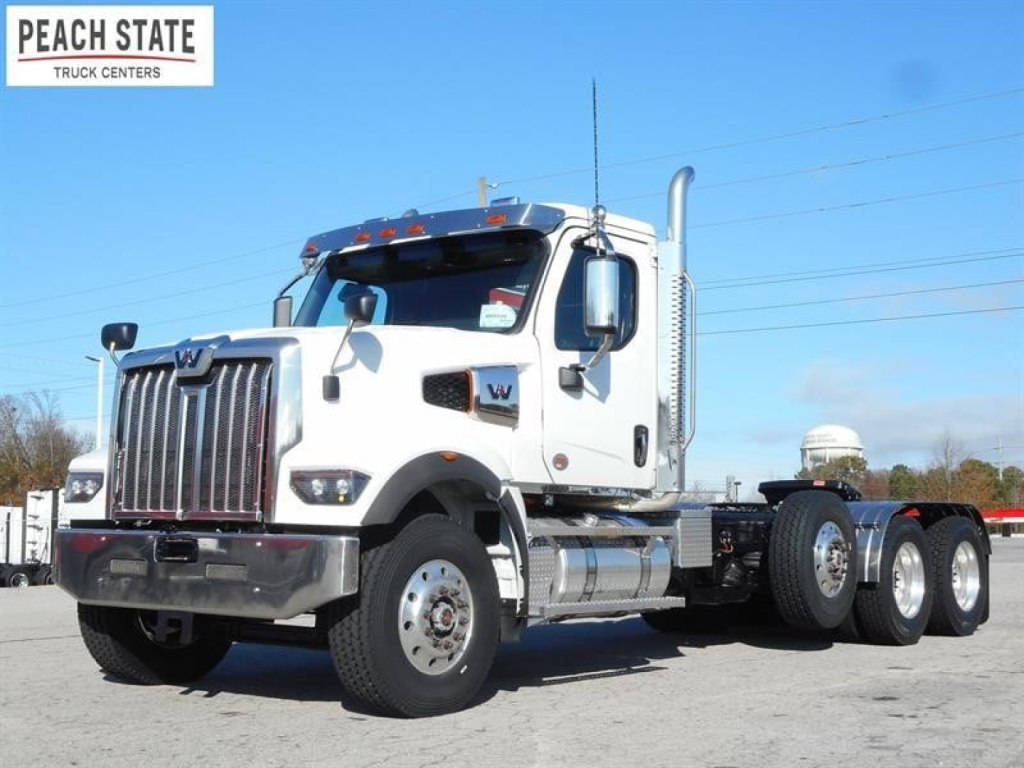
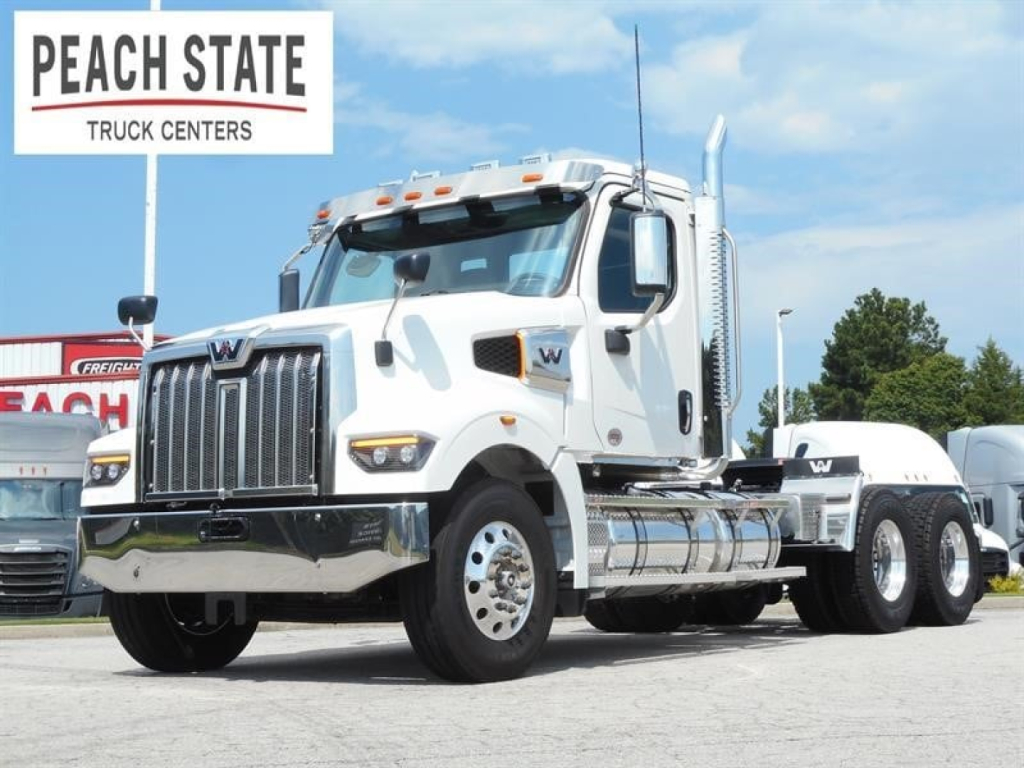
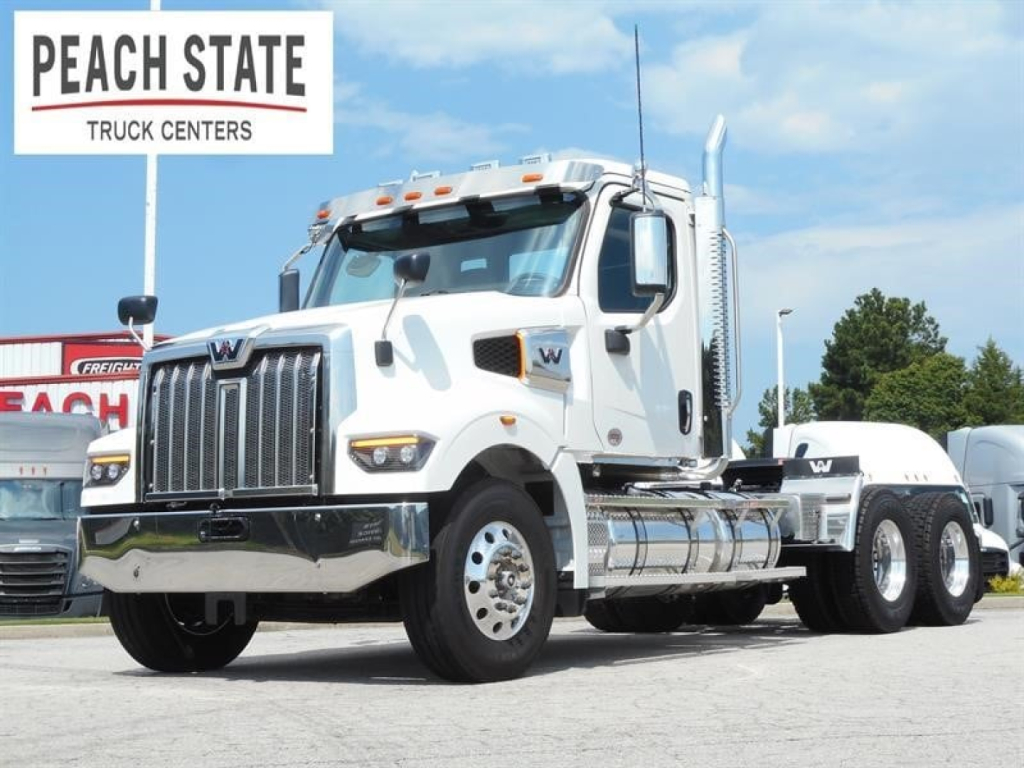
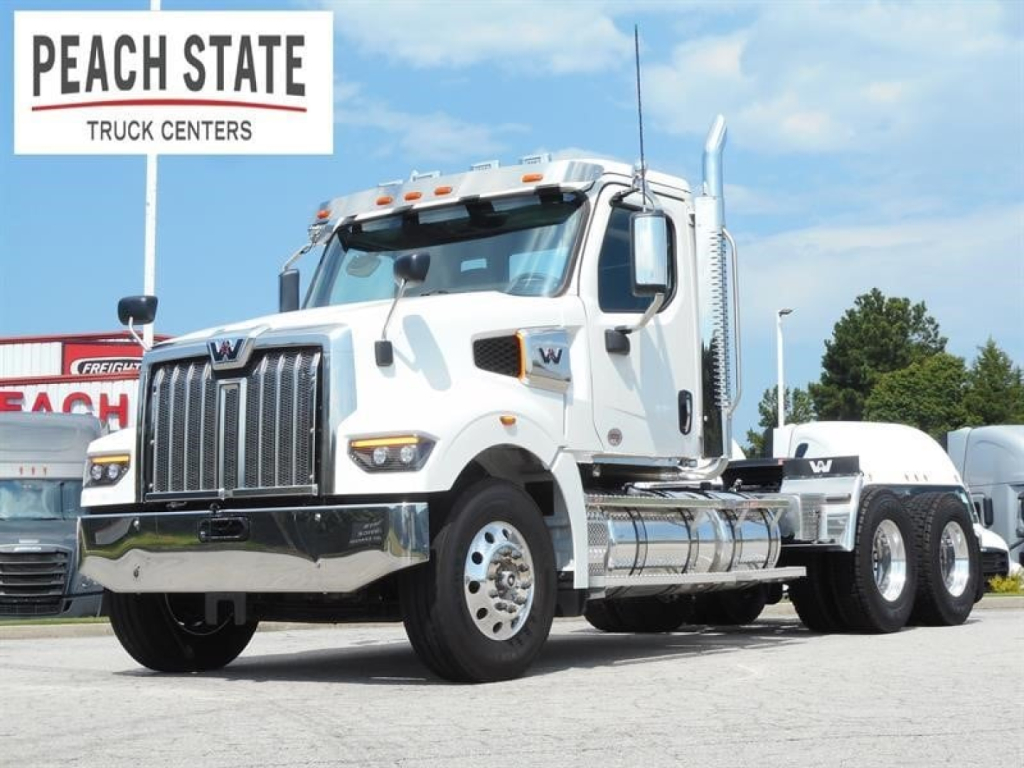
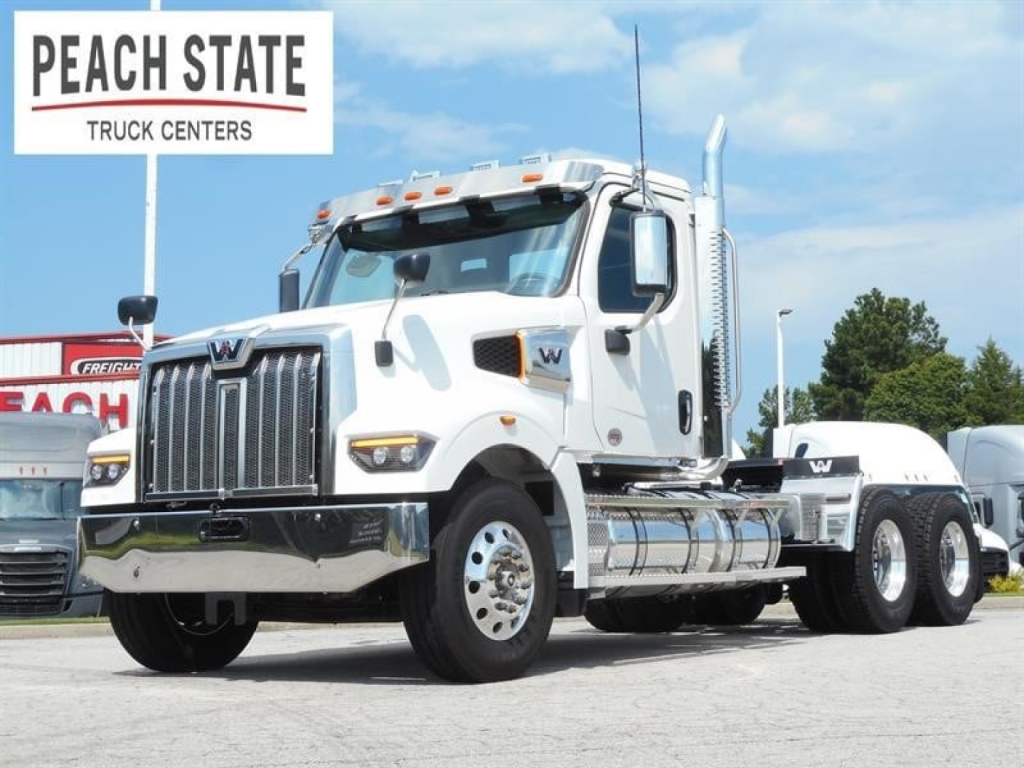
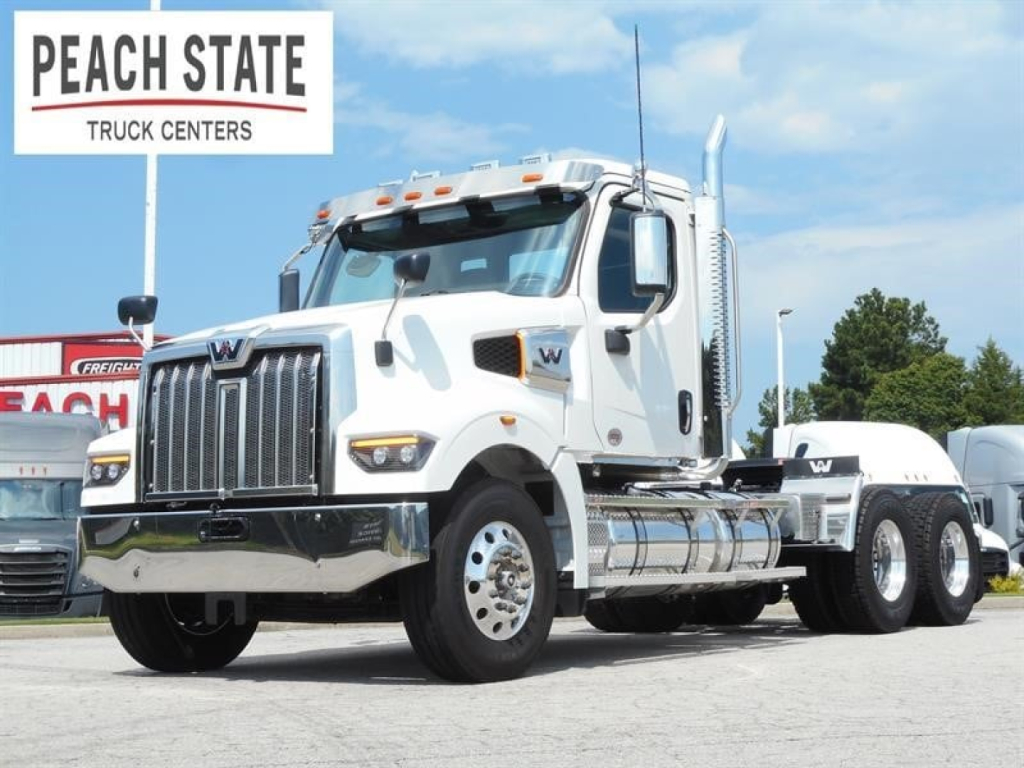
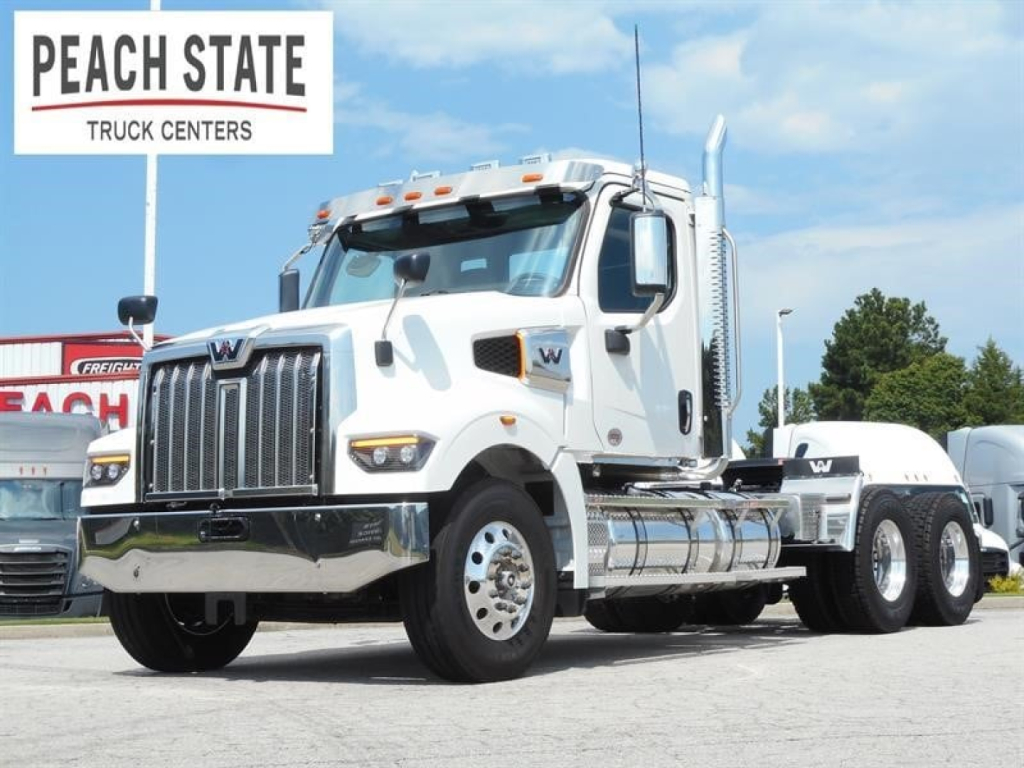
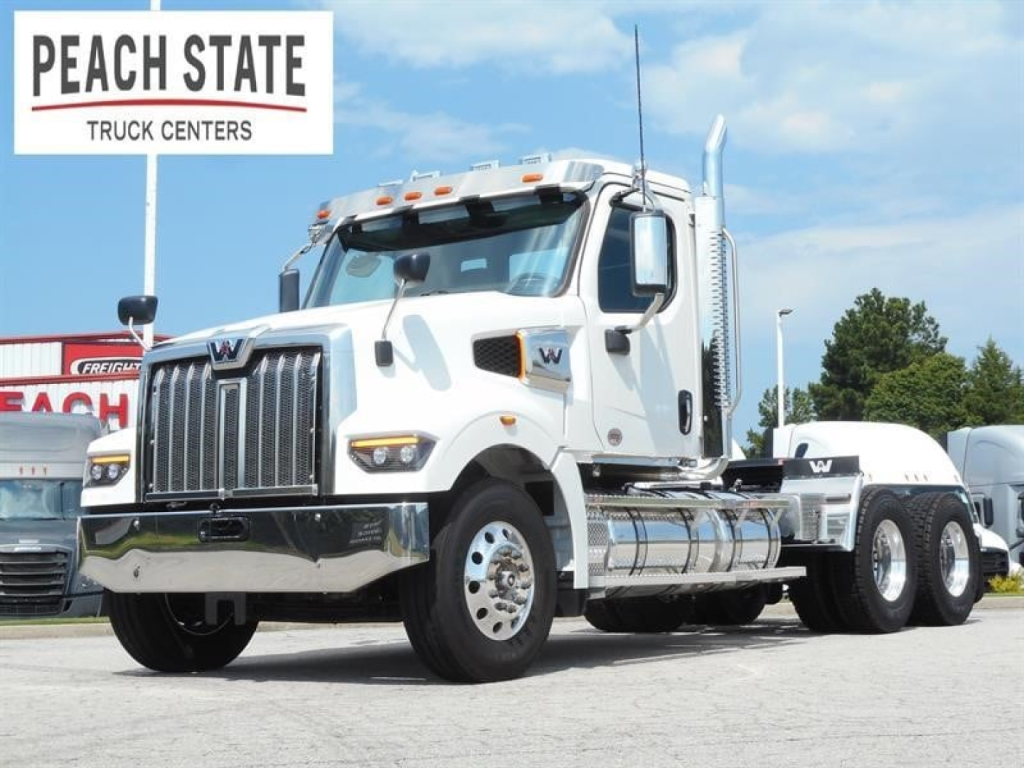
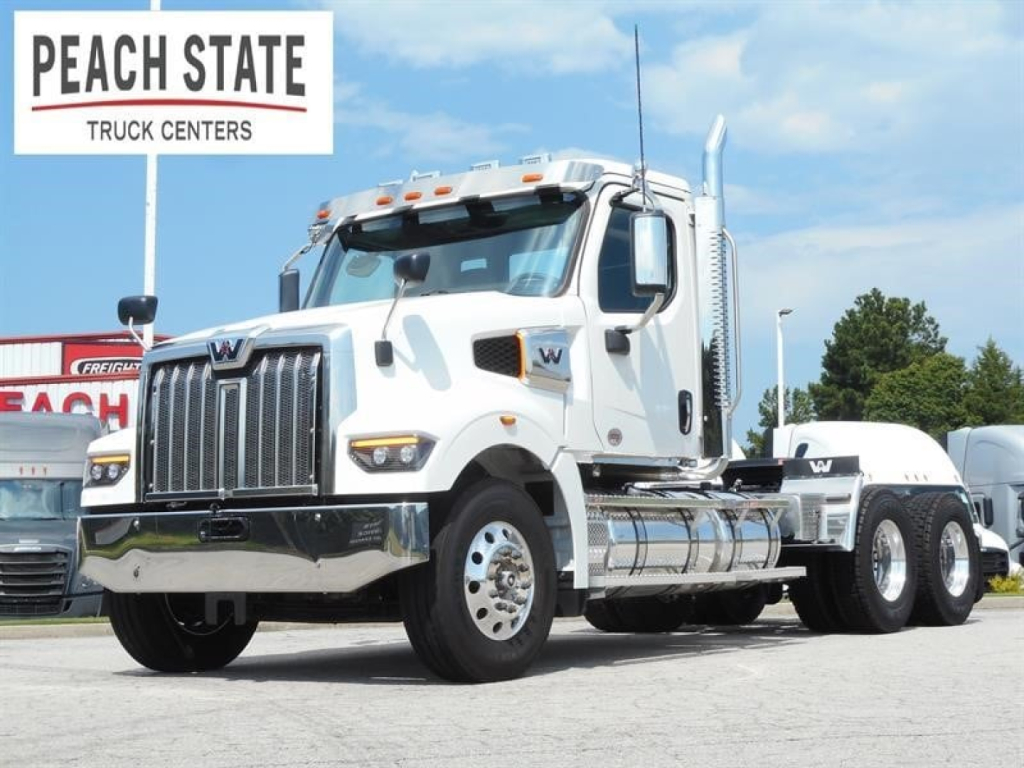
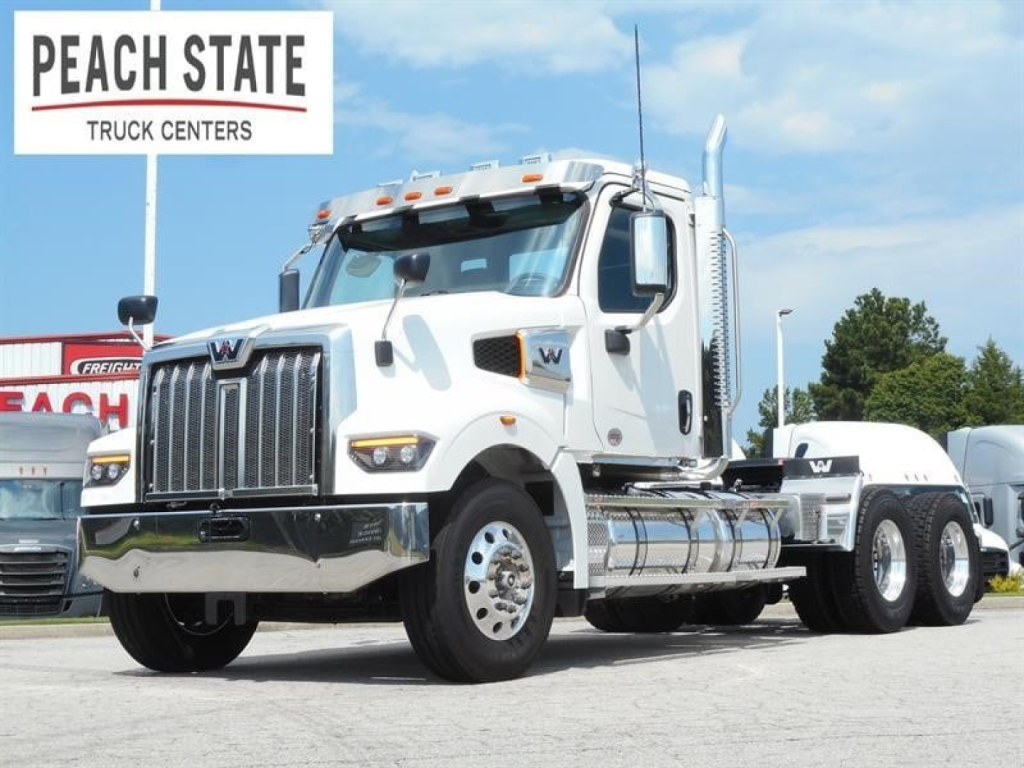
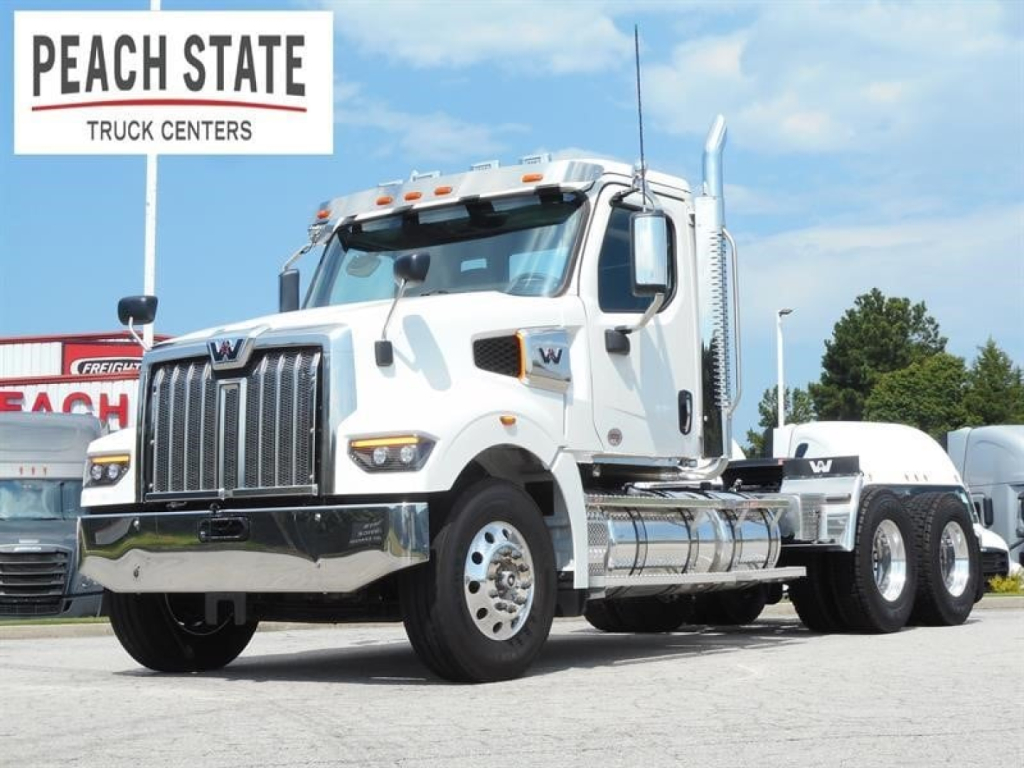
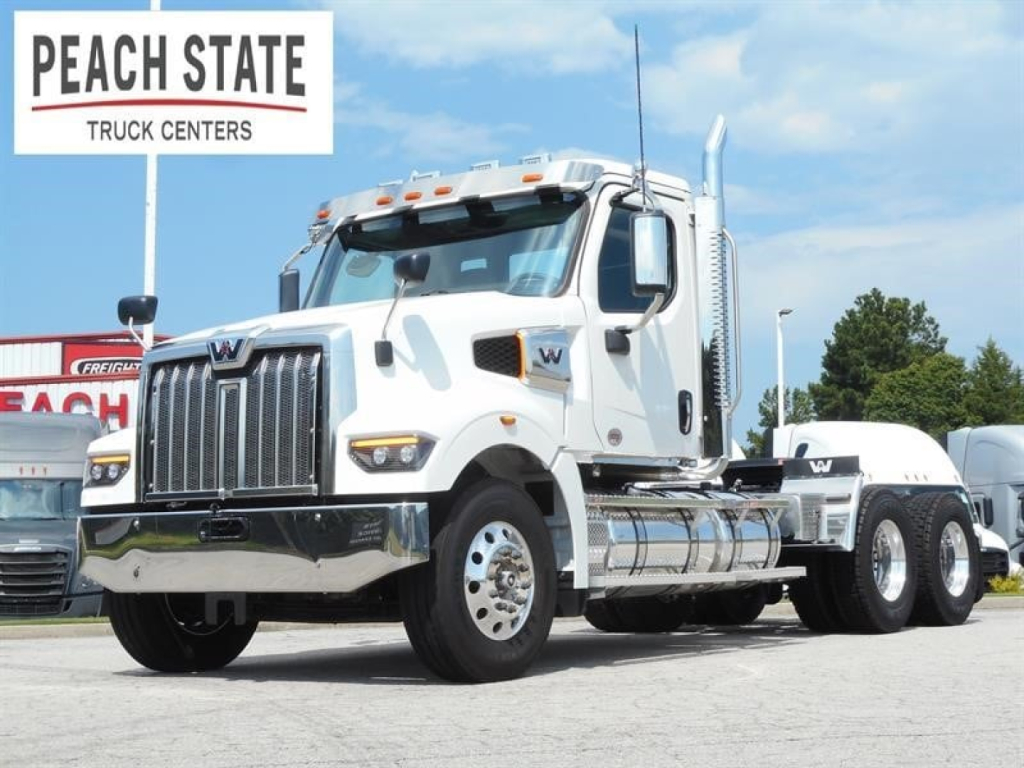
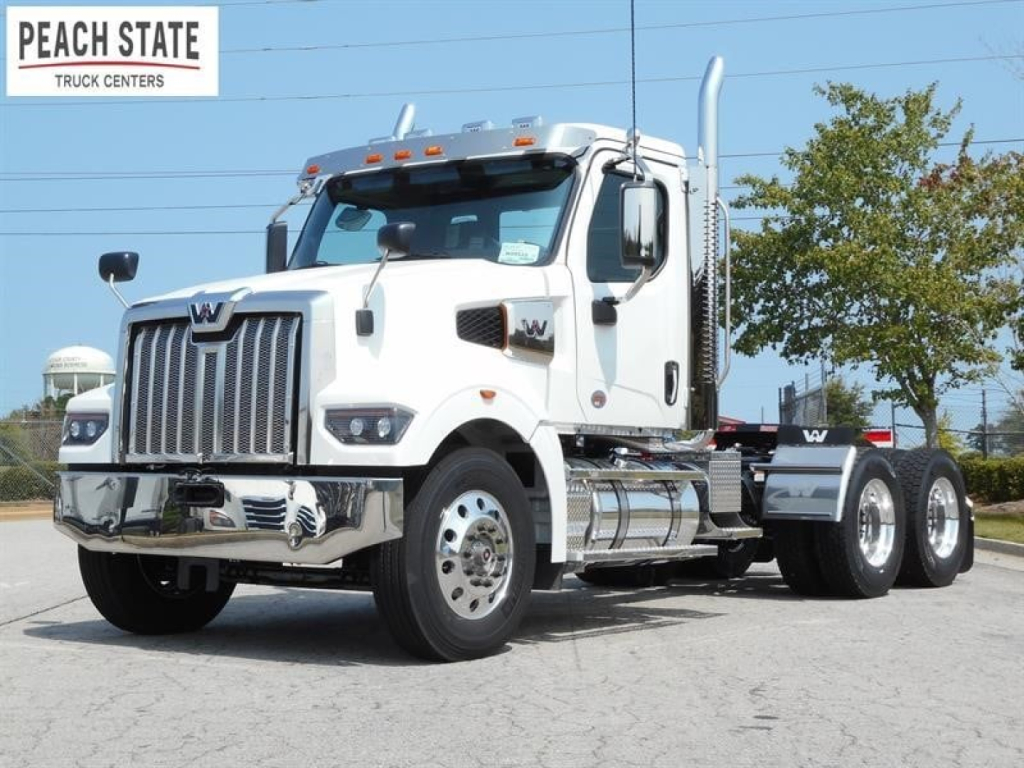
Shop Western Star day cab trucks in Georgia. Compare 49X specs, DD15 and DD16 power, wheelbases, axle setups, and vocational-ready features.
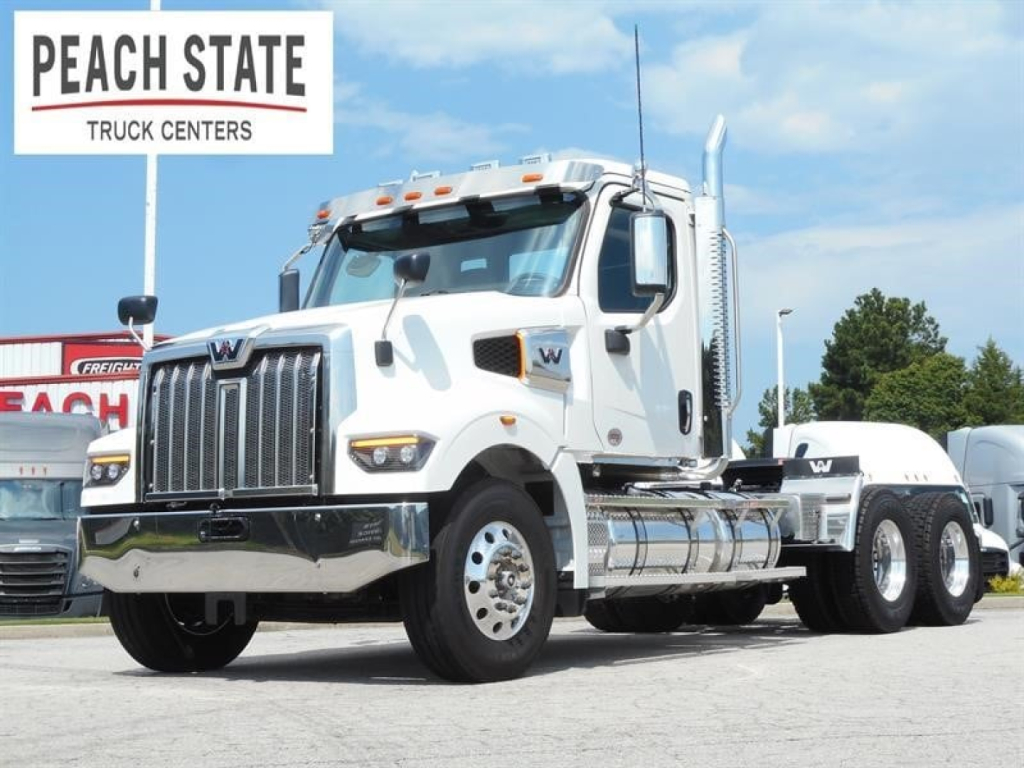
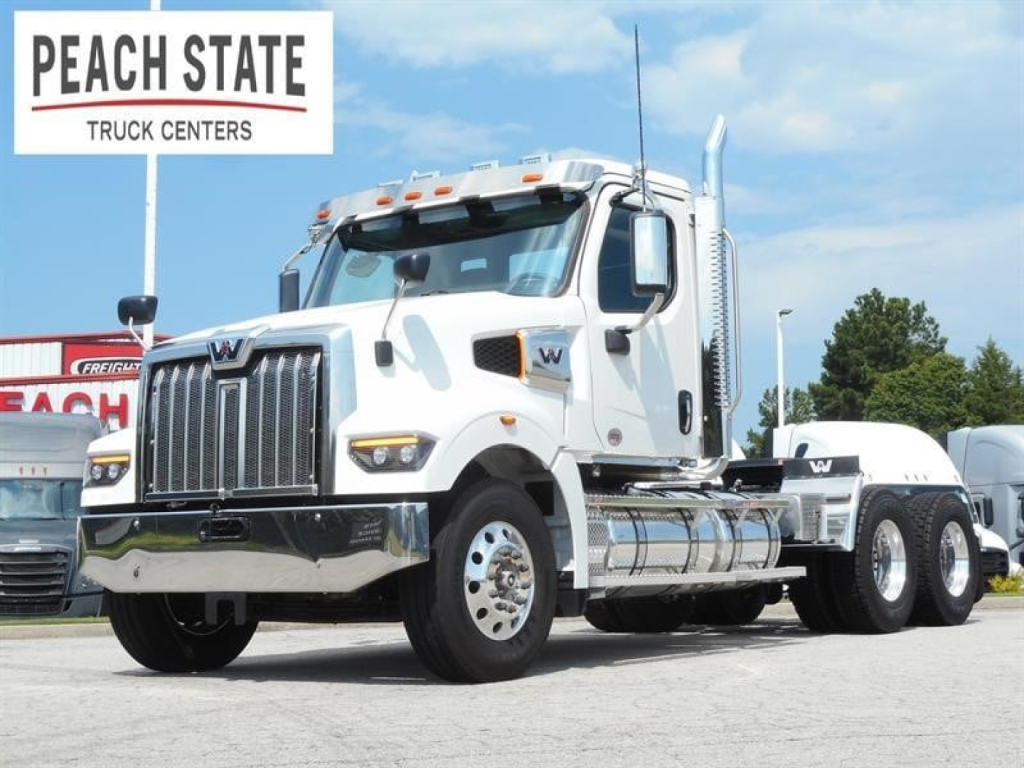
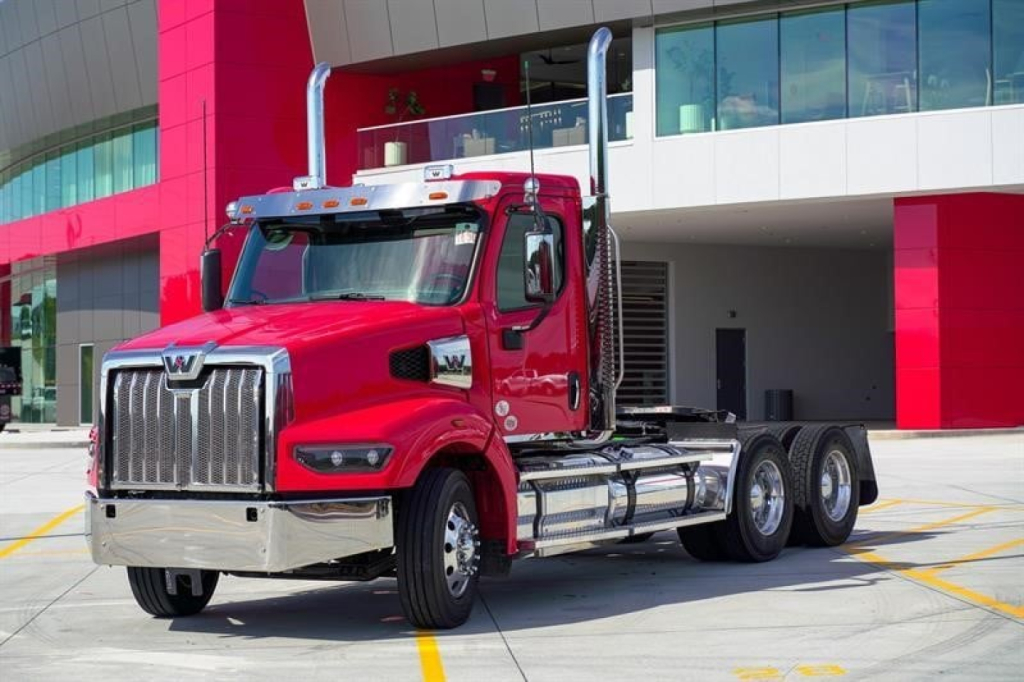
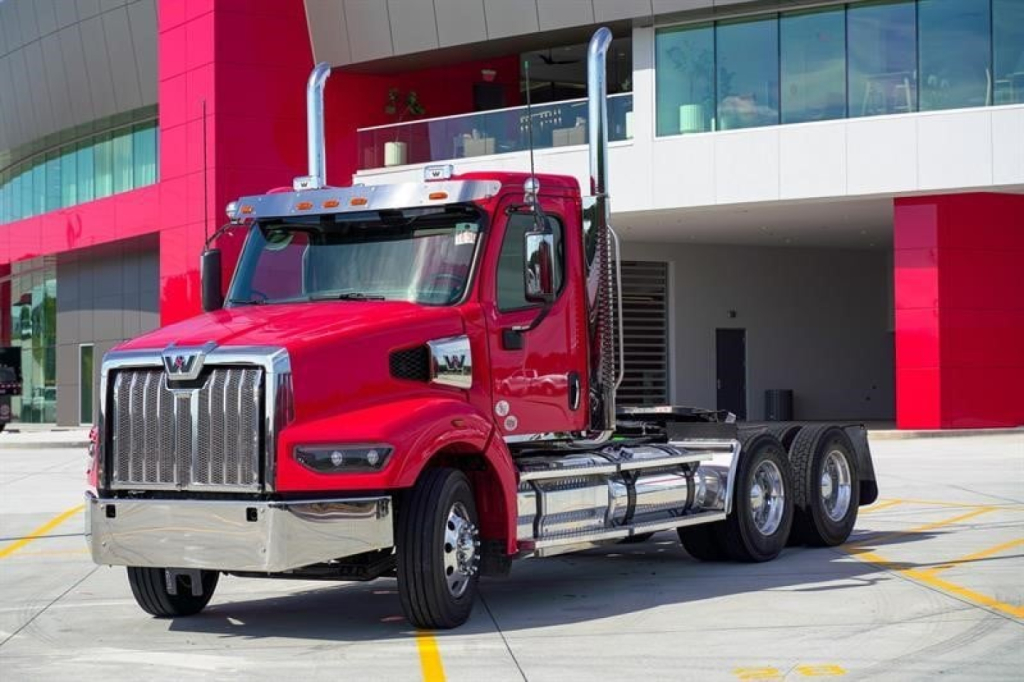
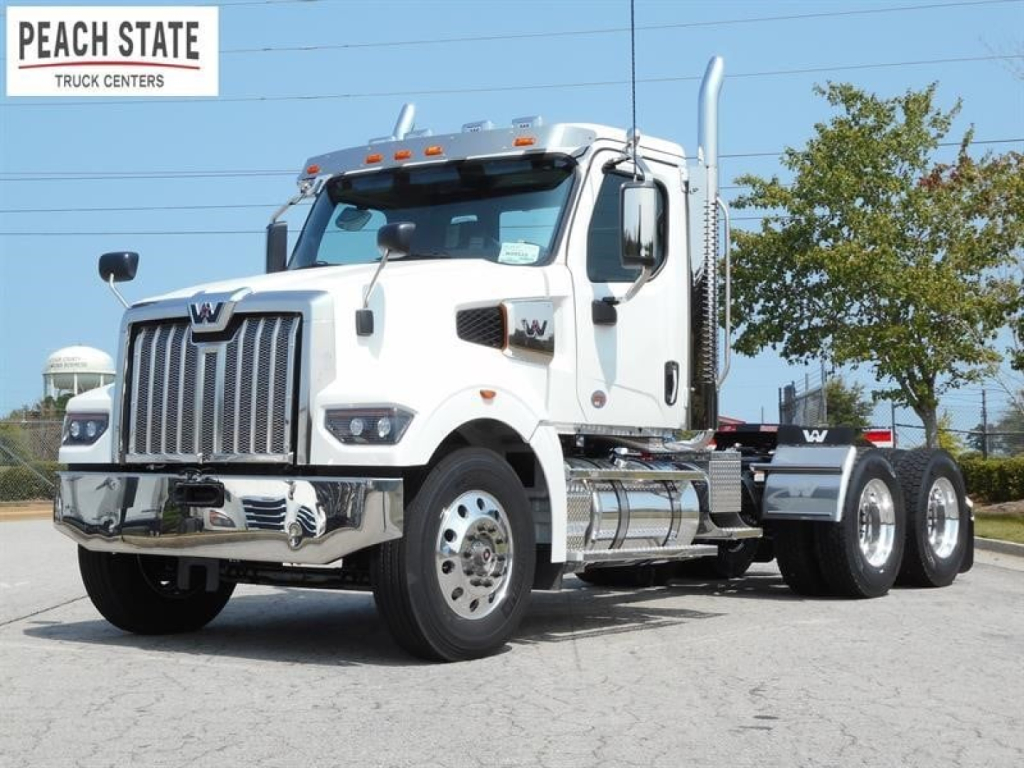
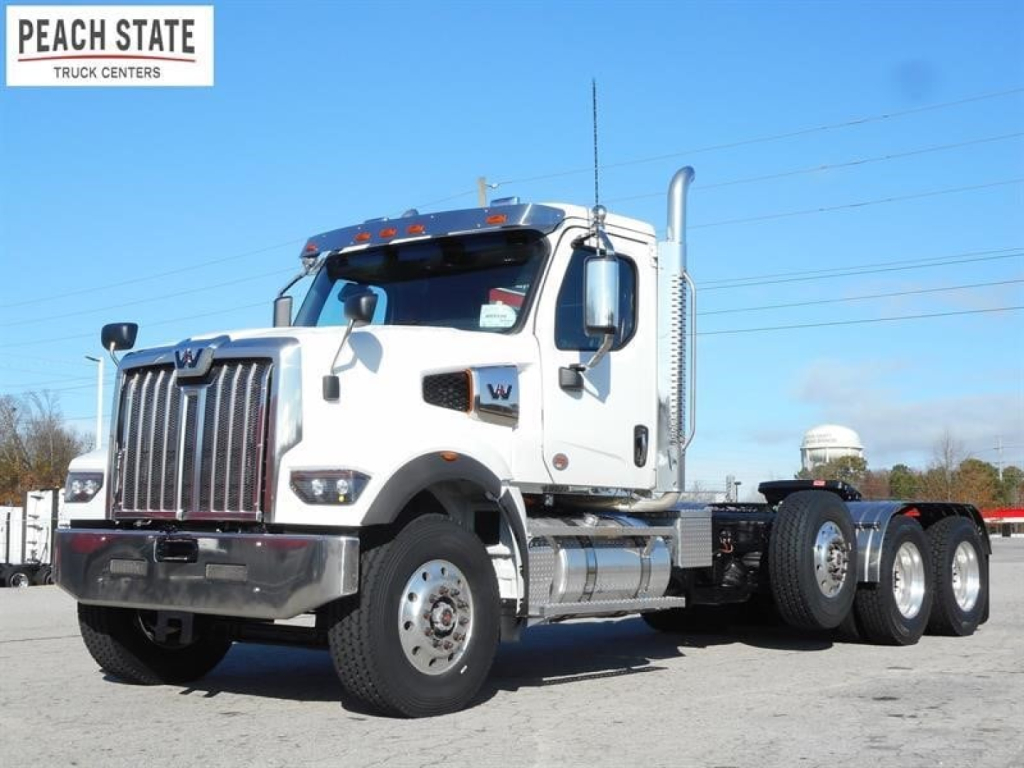
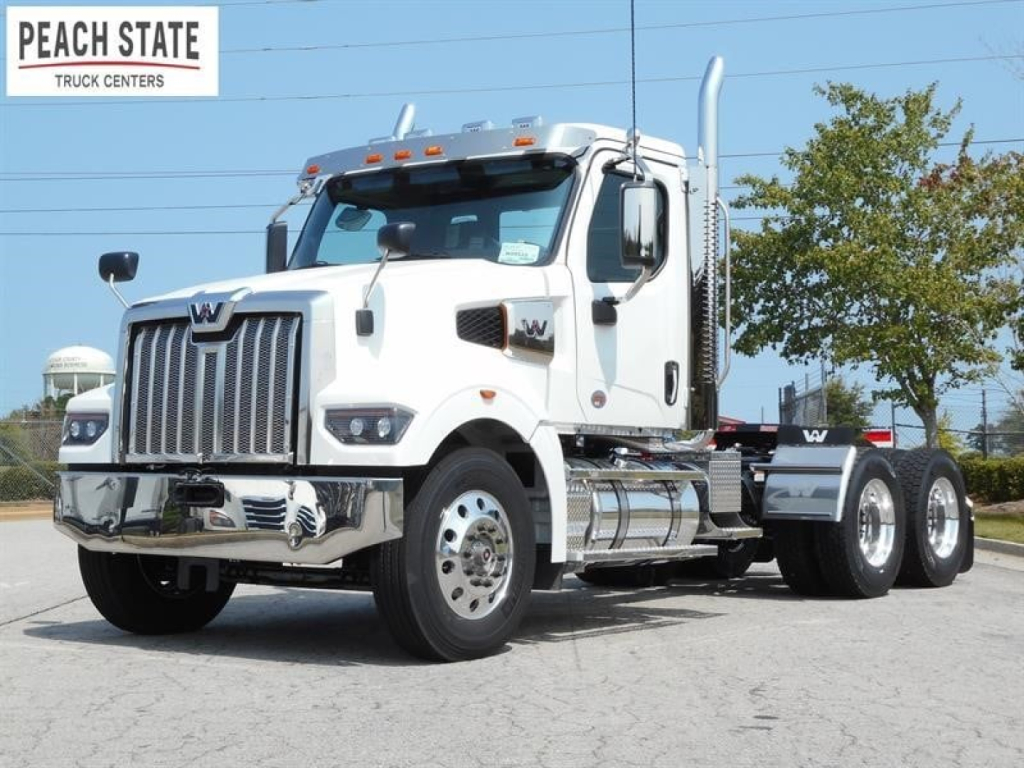
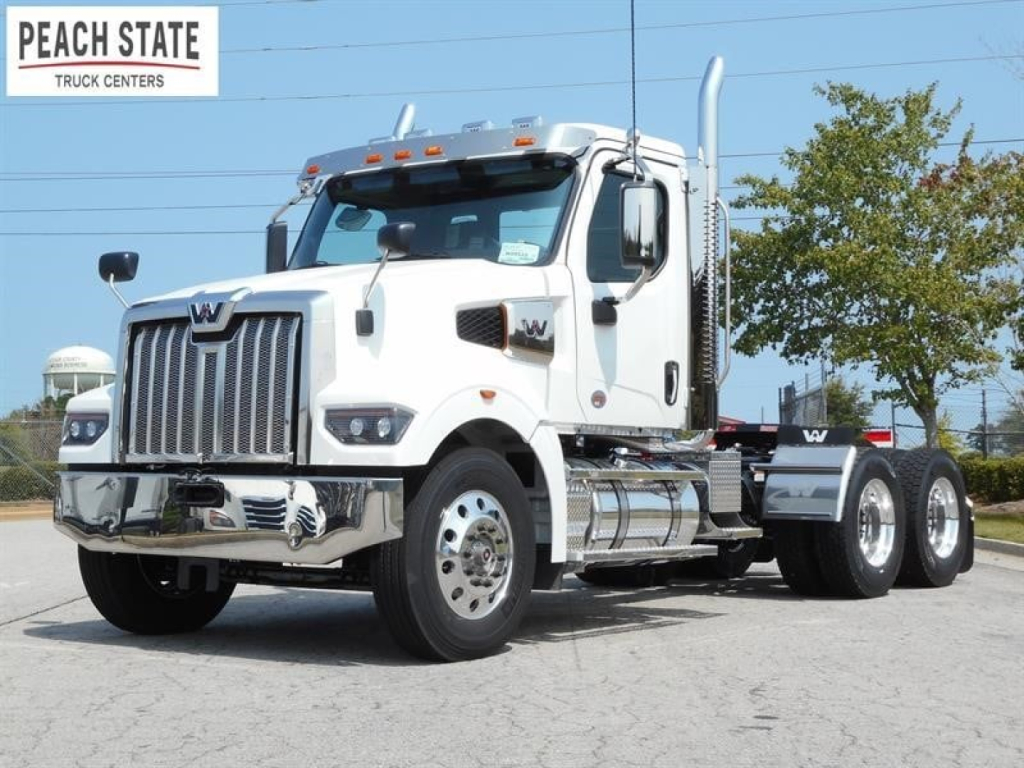
Selling a western star day cab truck? List your western star day cab truck for sale and reach thousands of commercial buyers.
Western Star Day Cab Trucks in Georgia
A buyer looking at a Western Star day cab should start with axle layout, wheelbase, and powertrain. Many day cab specs are tandem axle 6x4 tractors with wheelbases around the low-200-inch range, often paired with Detroit DD15 engines in the 450 to 505 horsepower range and Detroit DT12 automated manual transmissions. That setup fits regional van, flatbed, tanker, and general freight applications where maneuverability matters but you still want enough horsepower for interstate speeds and heavier gross weights. For more specialized work such as lowboy, heavy haul, or severe-duty vocational service, some Western Star day cabs move into tri-axle or 8x4 configurations, longer wheelbases, manual transmissions, and higher-output engines like the Detroit DD16 at 600 horsepower.
Spec details matter on this brand because Western Star buyers are often matching the truck to a specific body, trailer, or route profile. A 214-inch wheelbase, 12-speed AMT, 3.08 rear ratio, sliding fifth wheel, and air ride suspension make sense for regional tractor duty and frequent trailer interchange. A heavier vocational setup may call for double frame reinforcement, higher front axle ratings, locking differentials, exhaust brake, and a manual 18-speed for precise control on job sites or steep grades. Collision mitigation, aluminum wheels, and modern cab controls are common on newer units, but the more important question is whether the suspension, axle ratings, and drivetrain are aligned with the loads you actually pull.
Western Star day cabs also appeal to buyers who want a durable cab structure and a more premium vocational truck feel without giving up serviceability. Detroit power is common across late-model specs, which can simplify parts and maintenance planning for fleets already running Freightliner or Detroit-powered equipment. When comparing listings, pay close attention to front axle capacity, rear axle capacity, fifth wheel type, frame configuration, and intended use. A day cab set up for regional freight can look similar to a heavy-spec tractor at first glance, but the usable difference in gearing, axle capacity, and chassis design is significant once the truck is under load.
Frequently Asked Questions about Western Star Day Cab Trucks in Georgia
What is a Western Star day cab best used for?
A Western Star day cab is best suited for regional hauling, vocational tractor work, equipment transport, dump applications, and other operations where the driver returns home daily and does not need a sleeper. The platform is especially attractive when the job calls for a stronger chassis, higher axle ratings, or heavier-duty construction than a standard fleet road tractor.
What engine and transmission specs are common in Western Star day cab trucks?
Common specs include Detroit DD15 engines around 455 to 505 horsepower paired with Detroit DT12 automated manual transmissions in tandem axle 6x4 configurations. Heavy haul and severe-duty versions may step up to a Detroit DD16, higher horsepower, and an 18-speed manual transmission, especially when the truck is built for lowboy, construction, or oversized load service.
How do I choose the right wheelbase on a Western Star day cab?
Wheelbase should match the trailer, body layout, bridge law considerations, and how much maneuverability your operation needs. A shorter wheelbase is generally better for tighter job sites and urban or regional work, while a longer wheelbase can improve weight distribution and fit heavier tractor specifications, larger fuel capacity, or specialized applications such as lowboy and heavy equipment hauling.
Is a Western Star 49X day cab a highway truck or a vocational truck?
The 49X can be either, depending on how it is spec'd. Some 49X day cabs are configured as regional highway tractors with air ride suspension, aerodynamic components, and AMTs, while others are built as vocational or severe-duty units with heavier frames, higher axle capacities, differential locks, and manual transmissions for tougher operating conditions.
What should I compare first when shopping Western Star day cab listings?
Start with the application-critical specs: axle configuration, front and rear axle ratings, engine model, horsepower, transmission type, wheelbase, rear ratio, suspension, and fifth wheel setup. Those items determine how the truck will perform under load and whether it is truly suited for general freight, flatbed, tanker, lowboy, or vocational service.