
New 2026 Pickup 2wd Trucks For Sale
Shop new 2026 2WD pickup trucks with current tech, tow-focused configurations, and work-ready gas or diesel powertrain options.
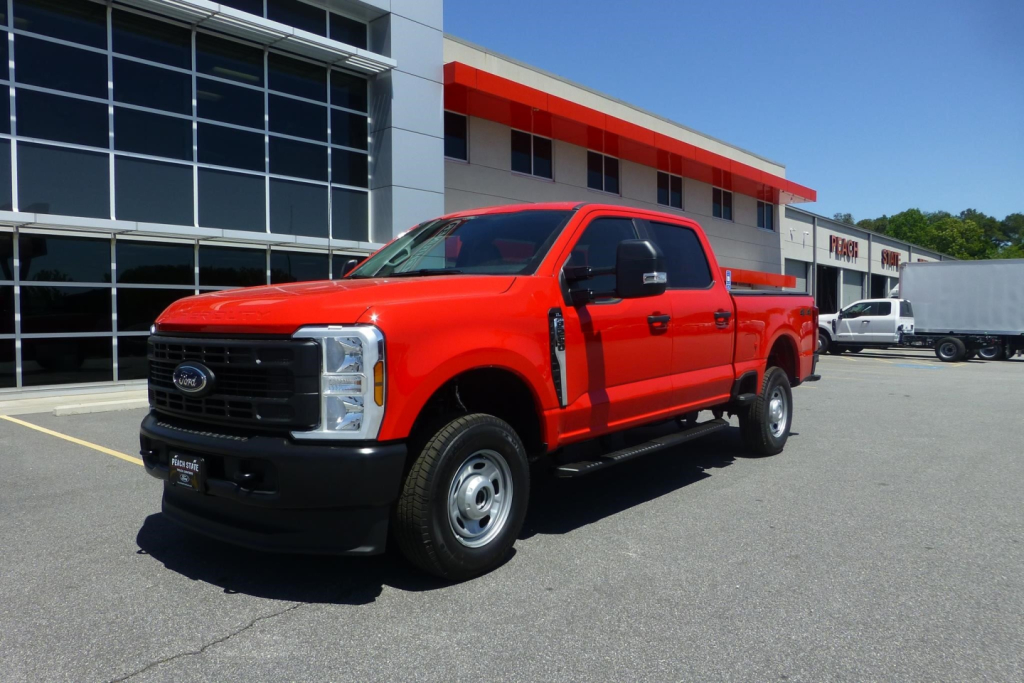
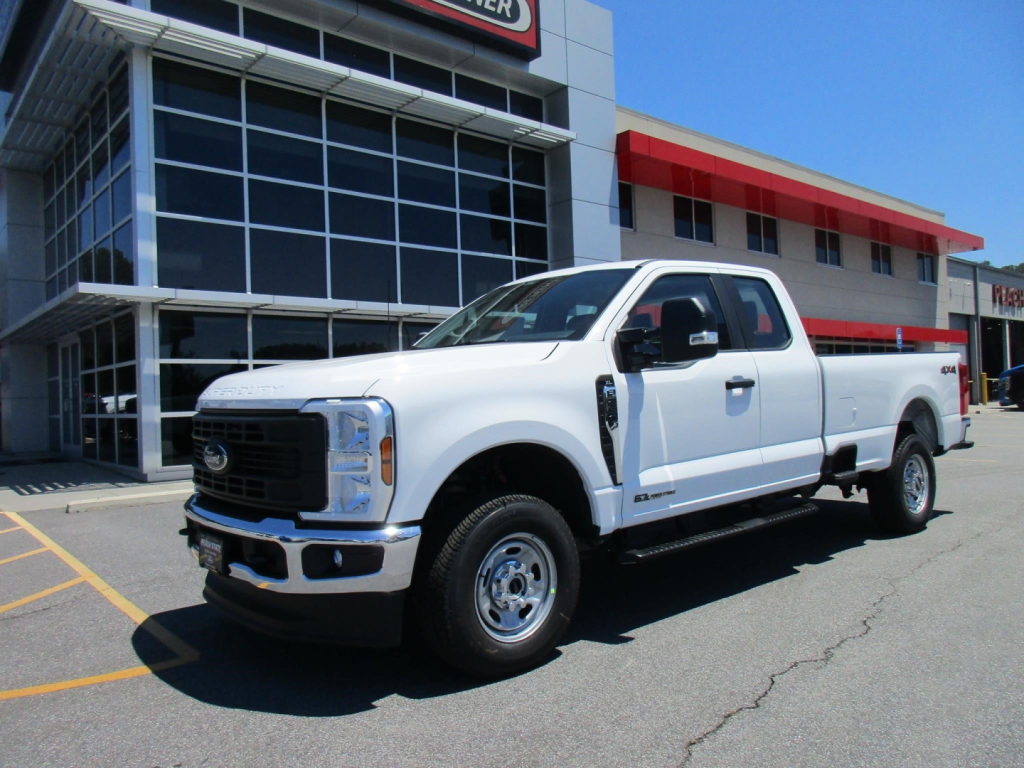
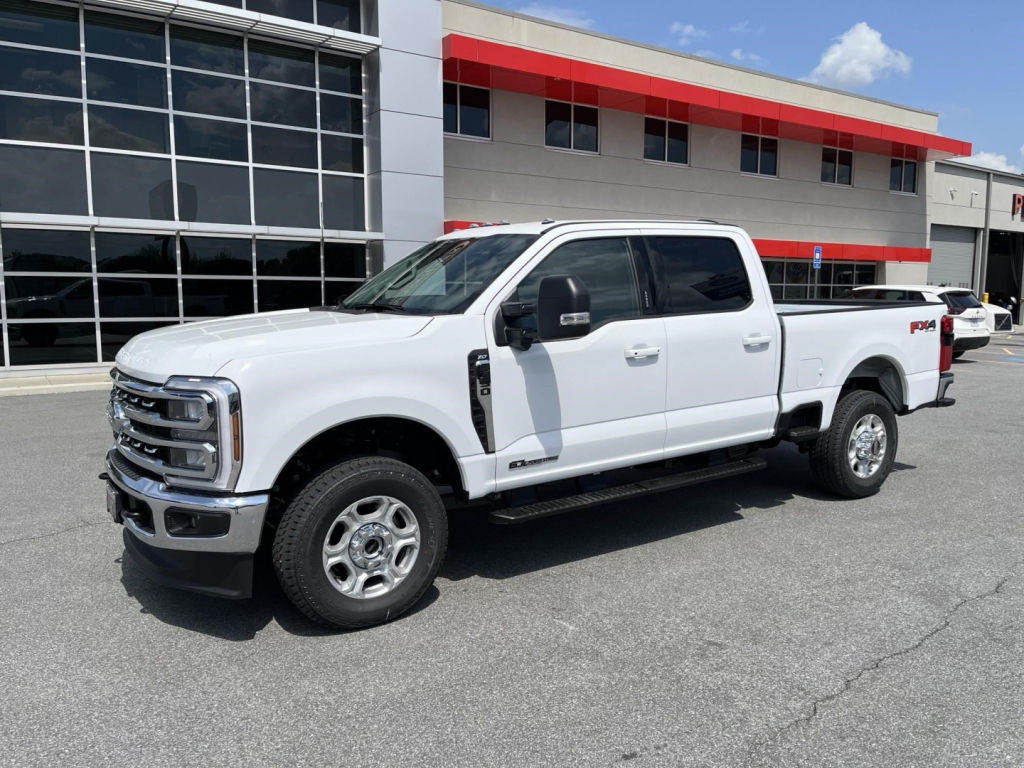
Selling a new 2026 pickup 2wd truck? List your new 2026 pickup 2wd truck for sale and reach thousands of commercial buyers.
New 2026 Pickup 2wd Trucks
The first buying decision is usually weight class and powertrain. In the heavy-duty range, common choices include 3/4-ton and 1-ton pickups such as F-250 and F-350 type models, available with gas V8 or diesel engines paired to 10-speed automatic transmissions. Diesel trucks remain the go-to option for frequent heavy towing, especially when the truck will carry a gooseneck or 5th-wheel hitch prep package, integrated trailer brake controller, tow mirrors, and upgraded cooling. Gas engines can make more sense for fleets with shorter routes, lighter trailers, lower acquisition cost targets, and simpler emissions considerations. On a new 2026 truck, buyers should compare GVWR, payload sticker, rear axle ratio, tow rating, bed length, cab configuration, and whether the truck is ordered for bumper-pull, gooseneck, or service-body use.
Cab and trim choices matter more than many buyers expect because these trucks often double as mobile offices. Crew cab layouts, interior work surfaces, remote start, keyless entry, heated seats, power sliding rear windows, and upgraded infotainment packages are now common on work-oriented pickups. For towing and driver visibility, useful equipment includes 360-degree camera systems, blind spot monitoring with trailer coverage, rear parking sensors, LED box lighting, and roof clearance lamps on higher GVWR configurations. Bed utility is another area to evaluate closely. Buyers should look for spray-in bedliners, tie-down provisions, upfitter switches, fifth-wheel or gooseneck prep, and compatibility with toolboxes, toppers, transfer tanks, or service body conversions.
A 2026 2WD pickup makes the most sense when the truck will spend most of its life on highways, city streets, yards, and maintained access roads. In those applications, the lower purchase price relative to a 4x4, easier service access, and strong towing stability on dry pavement are real advantages. The key is matching the truck to the actual work cycle instead of buying capability that will rarely be used. Buyers comparing listings in this class should focus less on badge and trim alone and more on axle capacity, hitch equipment, wheelbase, engine output, braking setup, and the technology package that supports safer towing and better driver productivity.
Frequently Asked Questions about New 2026 Pickup 2wd Trucks
What are the main advantages of a 2WD pickup truck over a 4x4 model?
A 2WD pickup generally offers a lower upfront cost, reduced drivetrain complexity, and in many cases slightly higher payload capacity because it carries less front driveline weight. It is usually the right fit for operations that stay on pavement or improved surfaces and do not require regular off-road traction. For towing, delivery, utility work, and fleet service in moderate conditions, a 2WD truck can be a more efficient spec.
Is a diesel engine worth it in a new 2026 2WD pickup?
A diesel is usually worth the premium when the truck will tow heavy trailers frequently, run long highway miles, or operate near the upper end of its GCWR on a regular basis. Diesel torque, exhaust braking on some applications, and durability under sustained load remain major benefits. If the truck will see lighter trailers, shorter routes, or mostly unloaded driving, a gas engine may deliver a better cost balance.
What specs matter most when comparing heavy-duty 2WD pickups?
GVWR, payload rating, rear axle ratio, engine choice, transmission, bed length, cab style, and trailer equipment should be at the top of the list. Buyers should also confirm whether the truck includes a factory integrated brake controller, gooseneck or fifth-wheel prep, tow mirrors, and the correct hitching hardware for the intended trailer. These details affect real working capacity more than trim level alone.
Are new 2WD pickups suitable for commercial towing and fleet use?
Yes, many 2WD pickups are specifically well suited for commercial towing and fleet applications when routes stay on maintained roads. They are commonly used for contractor fleets, municipal departments, utility work, hotshot support, and service operations that need strong payload and tow ratings without the added cost of four-wheel drive. Proper tire selection, axle ratio, and trailer setup are important to get the best performance.
What features improve towing safety on a new pickup truck?
The most useful towing-related features include an integrated trailer brake controller, extended or power tow mirrors, 360-degree camera views, blind spot monitoring that accounts for trailer length, rear parking sensors, and factory tow packages with upgraded cooling. Fifth-wheel or gooseneck prep is important for buyers planning to pull larger trailers. These systems improve hookup accuracy, lane changes, backing visibility, and overall driver confidence.