
New Pickup 2wd Trucks For Sale
Shop new 2WD pickup trucks for work or towing. Compare cab styles, gas and diesel engines, payload, GVWR, axle ratios, and tow setups.
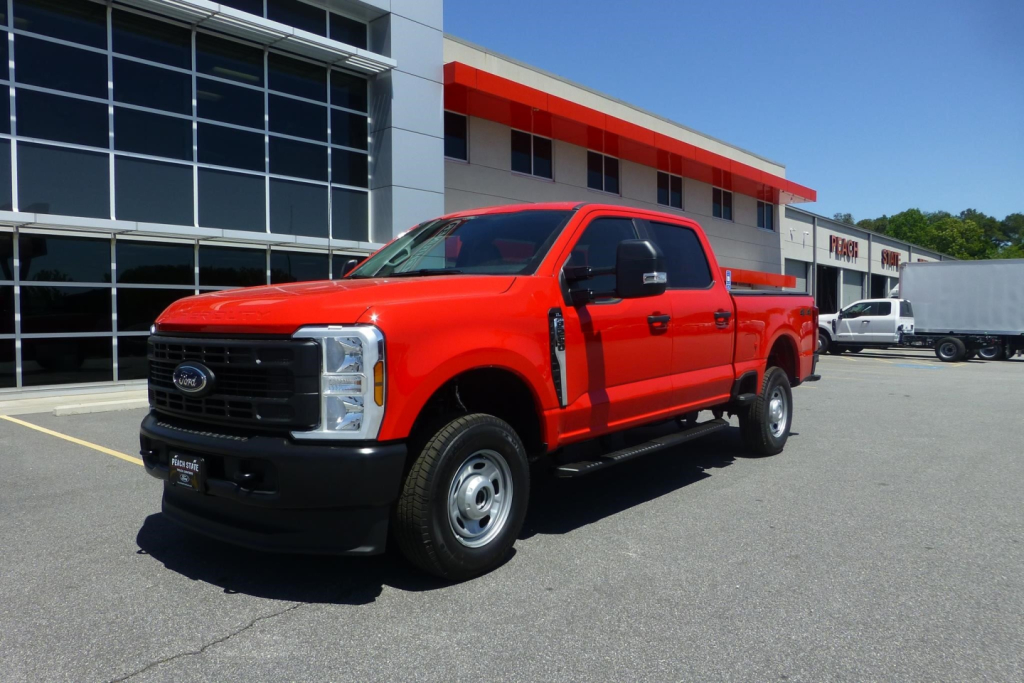
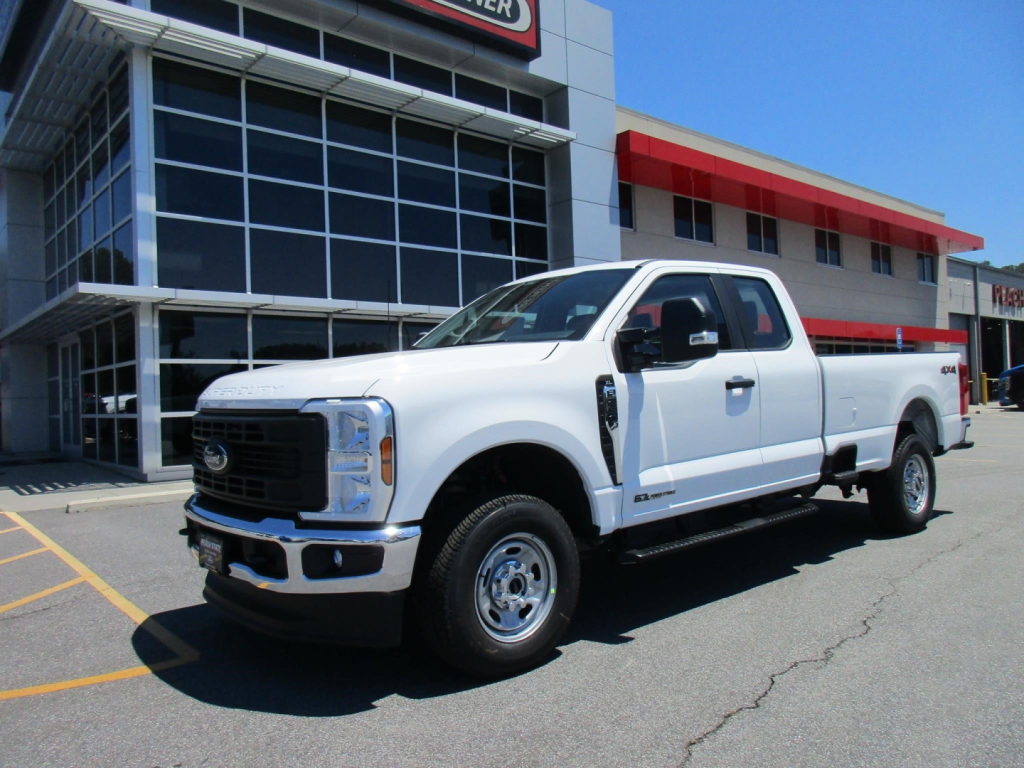
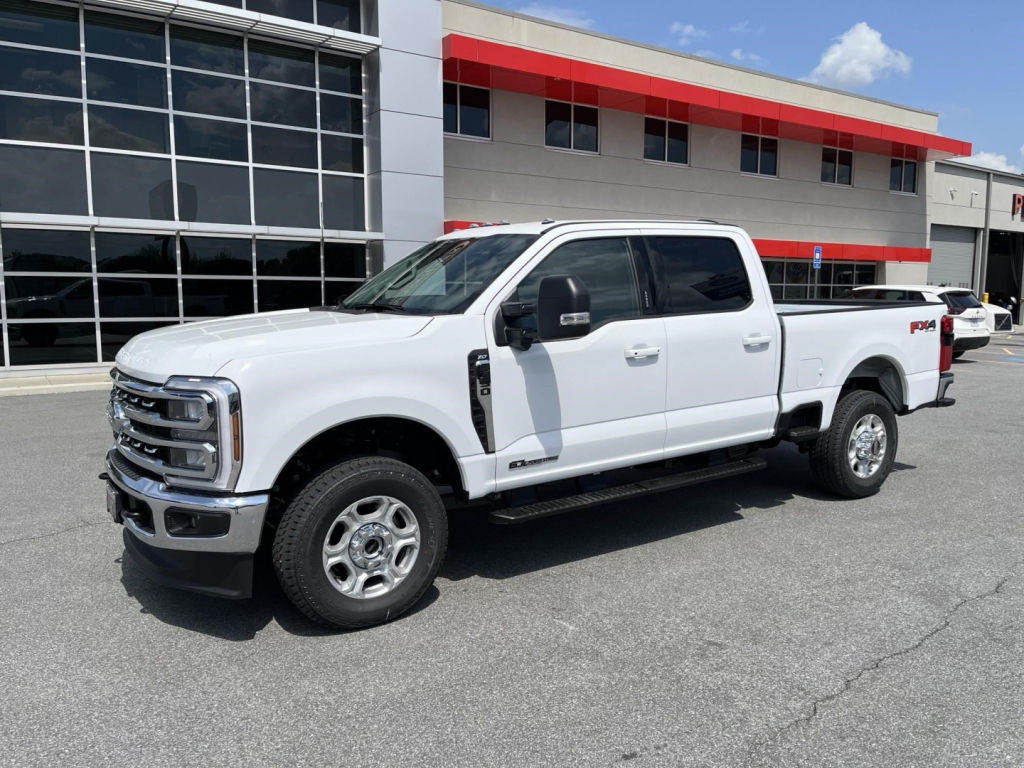
Selling a new pickup 2wd truck? List your new pickup 2wd truck for sale and reach thousands of commercial buyers.
New Pickup 2wd Trucks
The first buying decision is usually engine and weight class. Gas engines tend to carry a lower purchase price and lower maintenance costs, which matters for local service work, lighter trailers, and lower annual mileage. Diesel engines are common in 3/4-ton and 1-ton pickups because they deliver strong low-rpm torque for towing equipment, enclosed trailers, livestock trailers, and gooseneck or 5th-wheel loads. Pay close attention to GVWR, rear axle ratio, conventional tow rating, and payload sticker, since these numbers determine how well the truck matches your actual work. In heavier 2WD pickups, buyers should also look for factory trailer brake controllers, integrated tow packages, upfitter switches, locking rear axles, and 5th-wheel or gooseneck prep if the truck will handle serious trailer duty.
Cab and bed configuration matter just as much as the powertrain. Regular cab and extended cab trucks usually make sense when cargo space in the bed matters more than rear-seat room, while crew cab pickups are the better choice for crews, family use, or buyers carrying tools and gear inside the cab. Bed length affects turning radius, trailer clearance, and how easily the truck can carry pallets, compressors, transfer tanks, or slide-in equipment. On newer pickups, buyers should also compare practical features such as trailer tow mirrors, 360-degree cameras, blind spot monitoring calibrated for trailers, rear parking sensors, LED box lighting, remote start, and power sliding rear windows. These are not cosmetic upgrades when the truck is backing to a hitch several times a day.
A new pickup 2WD truck is best evaluated as a work platform, not just a trim level. Look past appearance packages and confirm axle capacity, tire rating, wheelbase, hitch equipment, cooling package, and available bed technology. If the truck will tow often, a diesel-powered Class 3 pickup with the right axle and hitch prep can be a strong fit. If it will serve as a general-purpose fleet truck, a gas 4x2 may deliver the best balance of purchase cost, payload, and service simplicity. The right truck in this category is the one that matches the trailer, route, and duty cycle without paying extra for capability you will not use.
Frequently Asked Questions about New Pickup 2wd Trucks
What are the advantages of a 2WD pickup truck compared to a 4WD pickup?
A 2WD pickup truck usually has a lower purchase price, fewer drivetrain components to maintain, and slightly less curb weight than a comparable 4WD model. That lower weight can help payload on some configurations. For buyers who operate mainly on paved roads, in warmer climates, or in fleet applications where towing and carrying matter more than off-road traction, a 4x2 truck often delivers better value without giving up the core capability of the chassis.
Is a new 2WD pickup good for towing?
Yes, many new 2WD pickups are very capable tow vehicles, especially in 3/4-ton and 1-ton configurations. Diesel engines, higher GVWR packages, proper axle ratios, and factory tow equipment can make a 2WD pickup well-suited for equipment trailers, enclosed trailers, and 5th-wheel or gooseneck applications. The key is to verify the truck's actual tow rating, payload, rear axle capacity, and hitch setup rather than assuming all heavy-duty pickups are equipped the same way.
Should I choose a gas or diesel engine in a new 2WD pickup?
A gas engine is often the better fit for lower annual mileage, lighter trailer work, local routes, and buyers focused on lower upfront cost and simpler maintenance. A diesel engine makes more sense when the truck will tow heavy loads regularly, run long highway miles, or operate in demanding duty cycles where low-end torque and sustained pulling power are important. The right choice depends on trailer weight, route type, idle time, and expected ownership costs.
What specs matter most when comparing new 2WD pickups for work use?
The most important specs are GVWR, payload, wheelbase, cab style, bed length, rear axle ratio, engine output, and the truck's rated towing capacity. Buyers should also confirm practical tow and work features such as integrated trailer brake controllers, towing mirrors, locking rear differentials, hitch prep packages, camera systems, and tire load ratings. These details determine how well the truck performs in real service, especially when hauling equipment or towing every day.
What is the difference between a 3/4-ton and 1-ton 2WD pickup?
A 1-ton pickup generally offers higher payload and towing capability than a 3/4-ton truck because it is built with heavier springs, axles, and chassis components. In 2WD form, both can be strong work trucks, but the 1-ton is usually the better match for heavier pin weights, larger gooseneck trailers, service bodies, and more demanding commercial use. A 3/4-ton often works well for mixed-duty use where ride quality, lower cost, and moderate towing are the priority.