
New Pickup 2wd Trucks For Sale in Georgia
Shop new 2WD pickup trucks in Georgia. Compare payload, towing, cab layouts, bed lengths, gas and diesel options for work or fleet use.
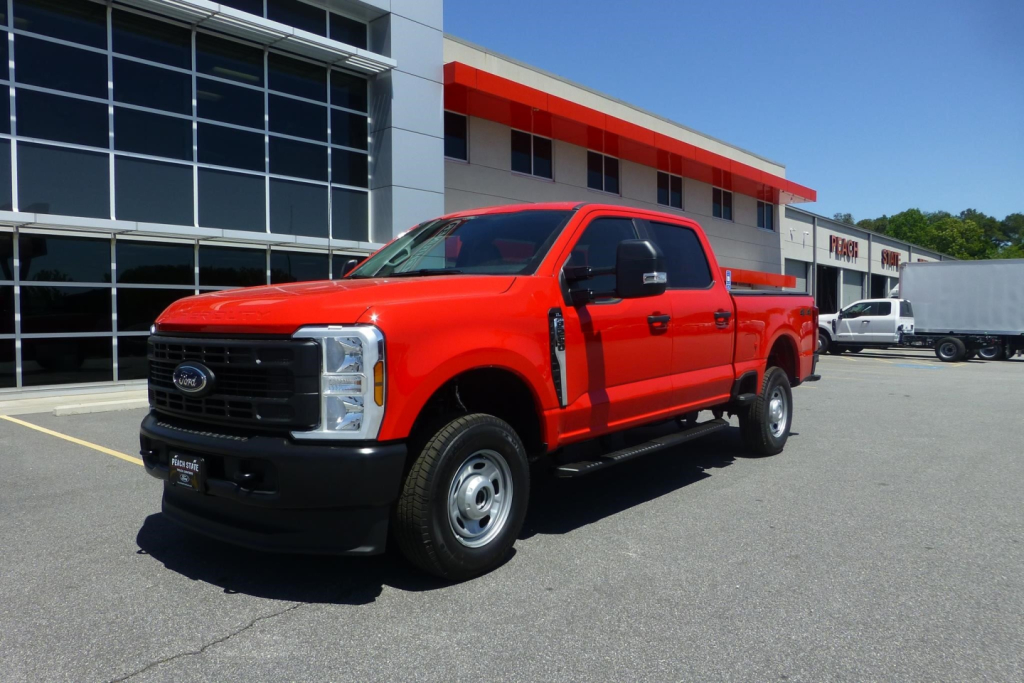
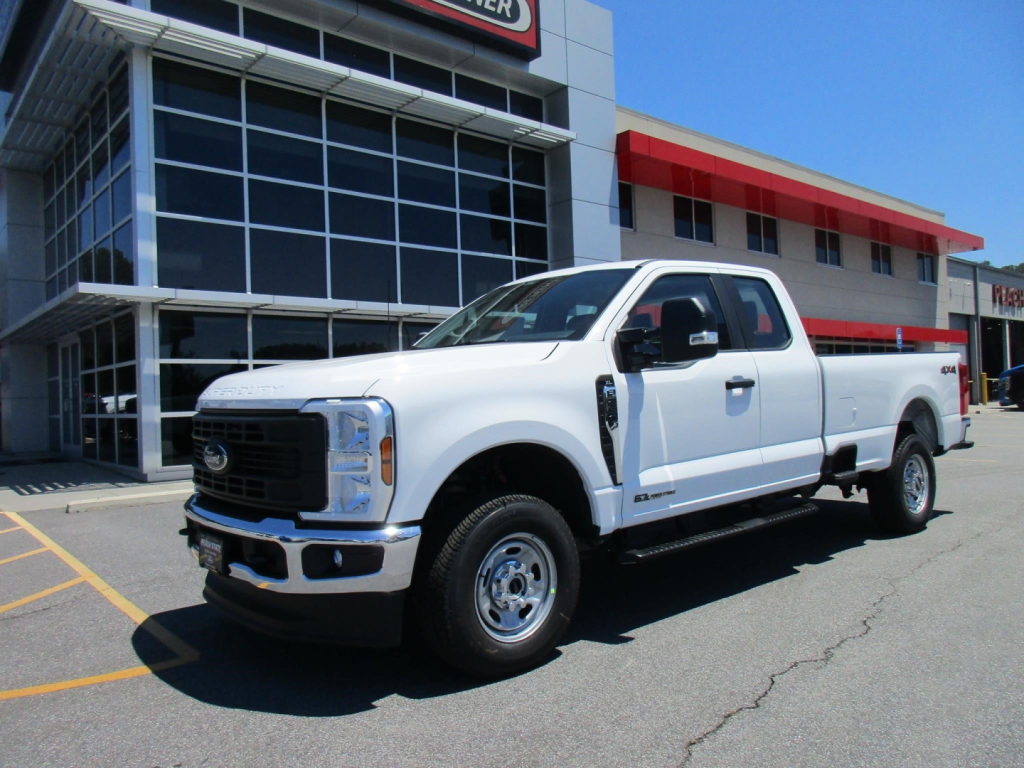
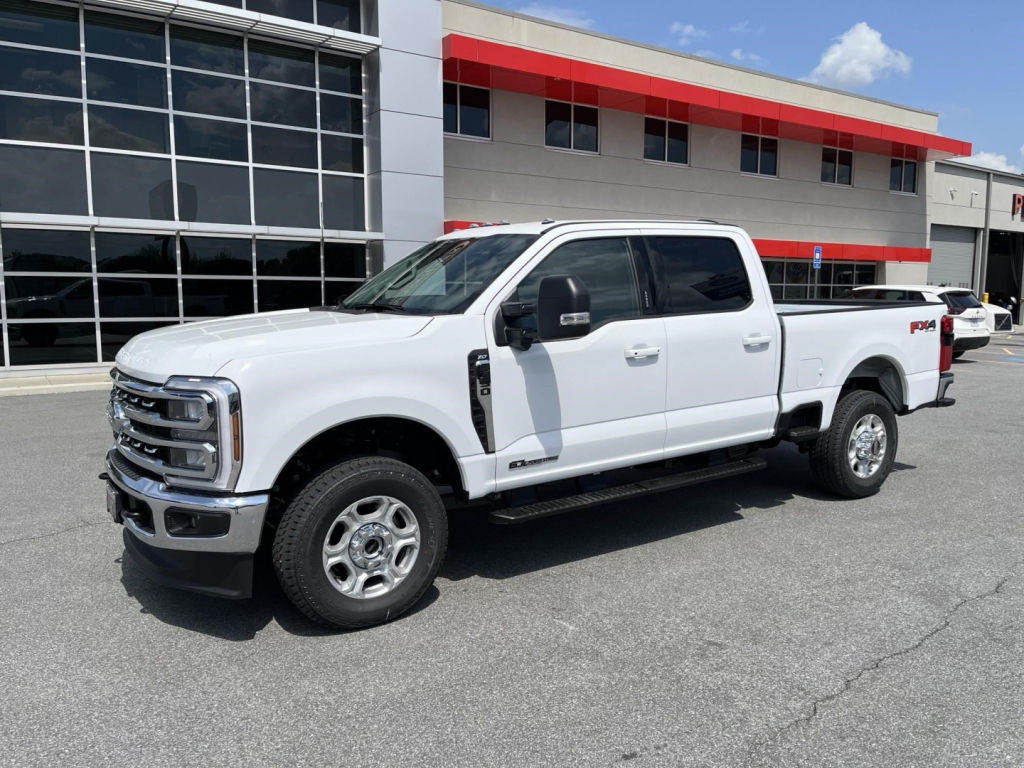
Selling a new pickup 2wd truck? List your new pickup 2wd truck for sale and reach thousands of commercial buyers.
New Pickup 2wd Trucks in Georgia
The big buying decisions usually start with powertrain and chassis setup. Gas engines often make sense for local use, lower annual mileage, and fleets focused on acquisition cost and easier maintenance. Diesel power is common when the truck will spend a lot of time towing equipment, hauling heavier payloads, or running long distances at highway speed. Transmission gearing, integrated trailer brake controllers, tow mirrors, factory hitch prep, and cooling packages matter more than trim level when the truck is expected to work every day. On heavier pickup platforms such as F-250 and F-350 class trucks, a 2WD configuration can still provide serious towing and payload capacity, especially when paired with the right suspension package and axle.
Cab and bed configuration affects usability just as much as engine choice. Regular cab trucks are straightforward work units with lower curb weight and more bed-to-wheelbase efficiency. SuperCab and crew cab layouts add room for crews, tools, and jobsite flexibility. Bed length should match the job. Short beds are easier in town, while long beds improve cargo space, support ladder racks and toolboxes more effectively, and are often preferred for gooseneck or fifth-wheel applications. Many new pickups also come with features that matter in daily operation, including 360-degree cameras, rear parking sensors, LED bed lighting, remote start, heated seats, blind spot monitoring, upfitter-friendly electrical provisions, and trailer-specific camera views.
For buyers in Georgia, 2WD pickups fit well in utility, delivery, landscape, construction, and agricultural support roles where traction demands are moderate but tow ratings and bed utility still matter. The right truck depends on how often it tows, what kind of trailer it pulls, how much payload stays in the bed, and how much time it spends in urban traffic versus highway miles. A good comparison between listings should focus on axle rating, payload sticker, tow package content, tire and wheel setup, hitch prep, and cab-bed configuration before getting into appearance packages or luxury features. In this class, the best value usually comes from matching the truck’s ratings and equipment to the job instead of buying more drivetrain than the application requires.
Frequently Asked Questions about New Pickup 2wd Trucks in Georgia
What are the main advantages of a 2WD pickup truck over a 4x4?
A 2WD pickup usually costs less to buy, weighs less, and has fewer drivetrain components to maintain than a similar 4x4 model. That can translate into better payload in some configurations, simpler service, and lower operating cost for fleets that stay mostly on paved roads or maintained job sites. For Georgia use, where snow and severe off-road conditions are less common than in other regions, a 2WD truck is often the more efficient choice if the work does not require front axle traction.
Is a new 2WD pickup truck good for towing?
Yes, many new 2WD pickups are strong tow vehicles, especially in heavy-duty configurations. Towing performance depends more on engine output, axle ratio, cooling capacity, wheelbase, rear suspension, and factory tow equipment than on four-wheel drive alone. Buyers should verify the truck’s exact conventional tow rating, gooseneck or fifth-wheel prep if needed, integrated trailer brake controller, and payload sticker, because trailer pin weight and hitch weight can become the limiting factor before the advertised max tow rating.
Should I choose a gas or diesel engine in a 2WD pickup?
Gas engines are a good fit for lighter towing, shorter routes, lower annual mileage, and buyers prioritizing lower purchase price and simpler emissions-related maintenance. Diesel engines are usually the better choice for frequent towing, heavier trailers, long highway runs, and applications where low-end torque matters. In heavy-duty pickups, diesel power can make a major difference in drivability under load, but the added cost only pays off when the truck is worked hard enough to use that capability.
What specs matter most when comparing new 2WD pickups?
The most important specs are GVWR, payload rating, rear axle ratio, engine and transmission combination, cab style, bed length, wheelbase, and tow-package content. Buyers using the truck for trailer work should also check for hitch prep, trailer brake controller, tow mirrors, and camera systems designed for backing and trailer visibility. If the truck will carry tools, service bodies, or bed-mounted equipment, axle ratings and payload sticker numbers are more useful than general model-name comparisons.
Are heavy-duty 2WD pickups common in fleet and work applications?
Yes, heavy-duty 2WD pickups are common in contractor fleets, municipal departments, utility operations, and agricultural support. They are often selected because they provide strong towing and payload capability without the cost and added weight of a front-drive axle system. For buyers running mainly on-road, a 2WD F-250 or F-350 class truck can be a very effective platform for service work, equipment transport, and jobsite support.