
New 2026 Rollback Trucks For Sale
Shop new 2026 rollback trucks with low-profile carriers, wheel lifts, winches, and medium-duty chassis for towing and vehicle transport.
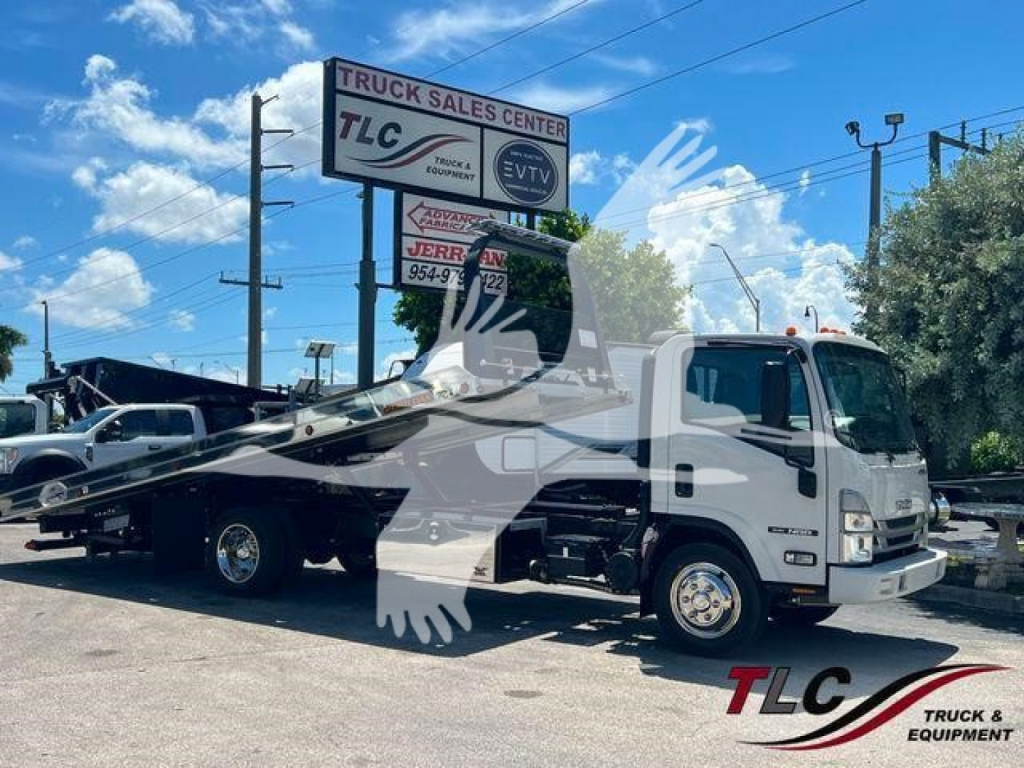
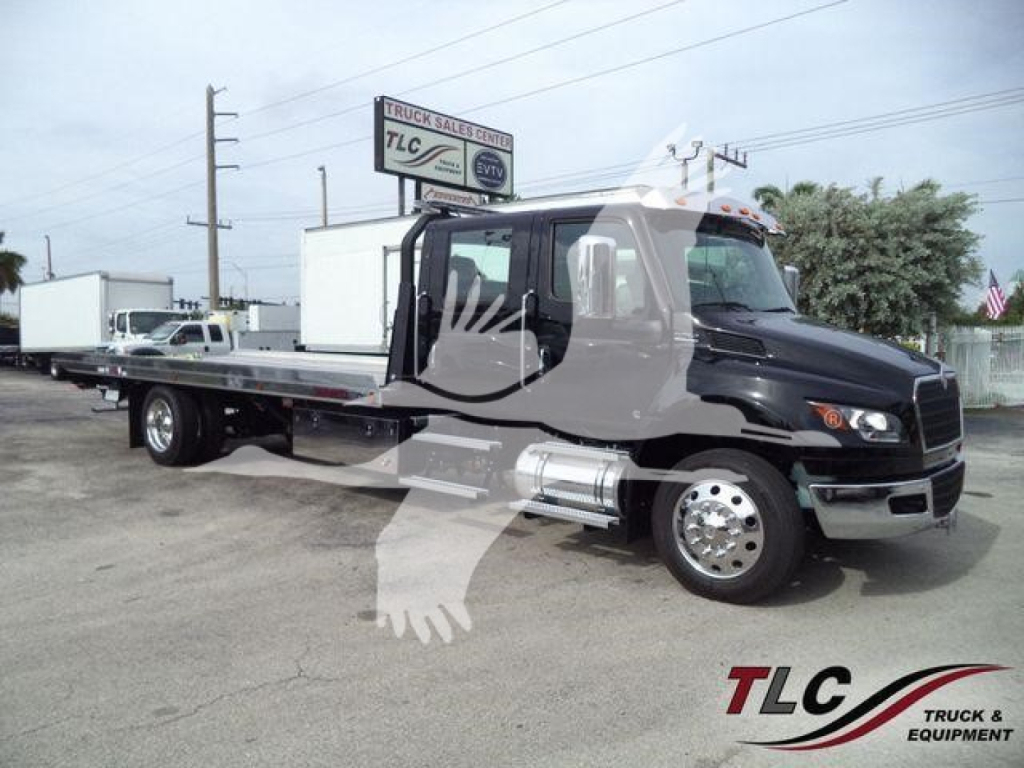
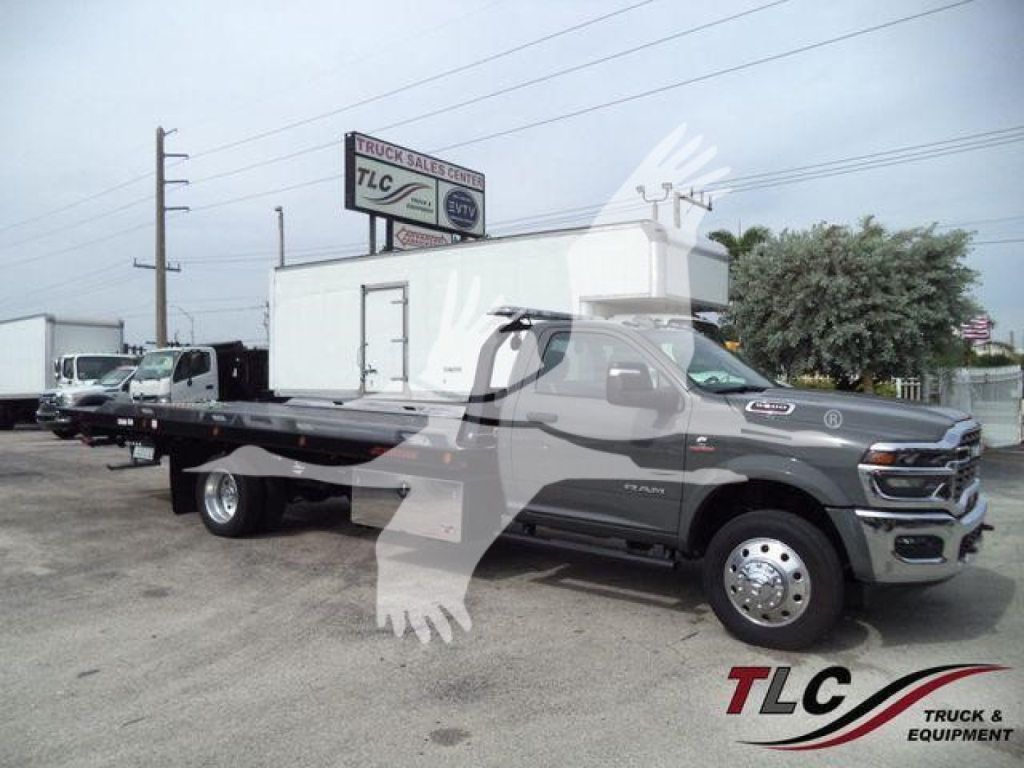
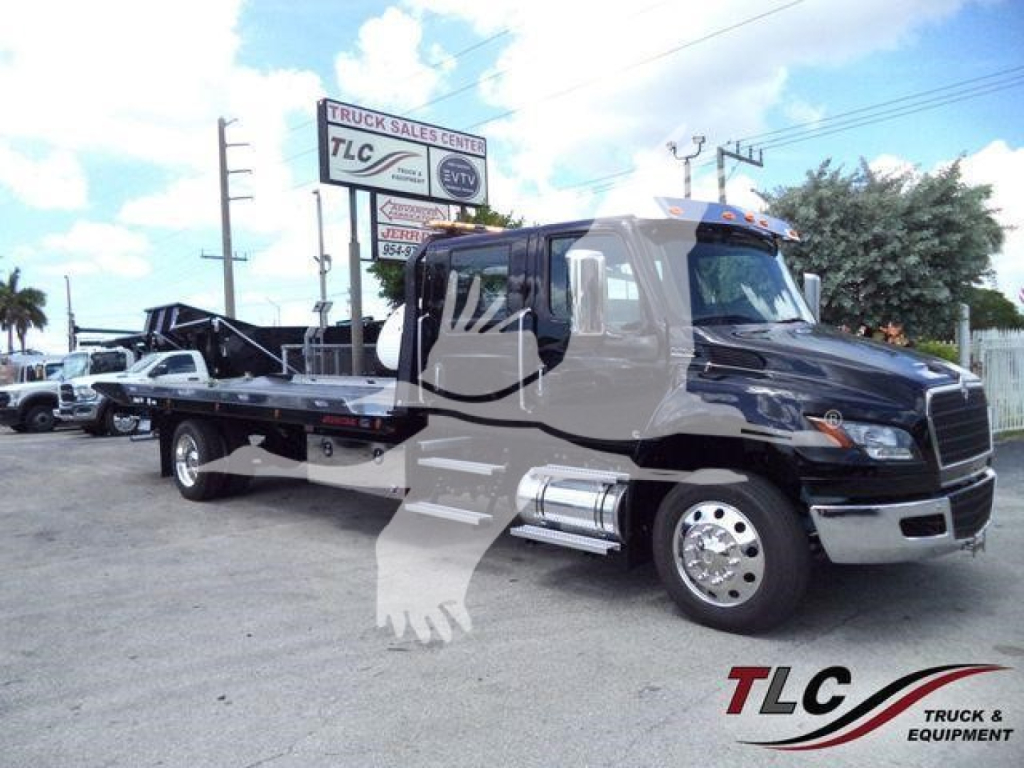
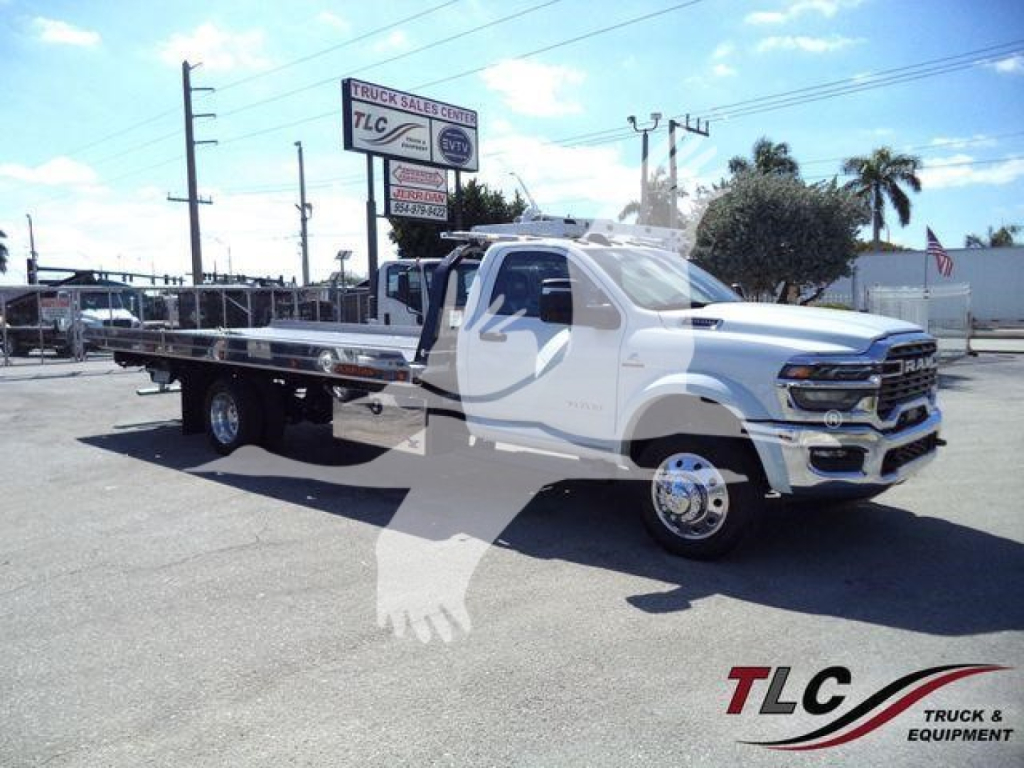
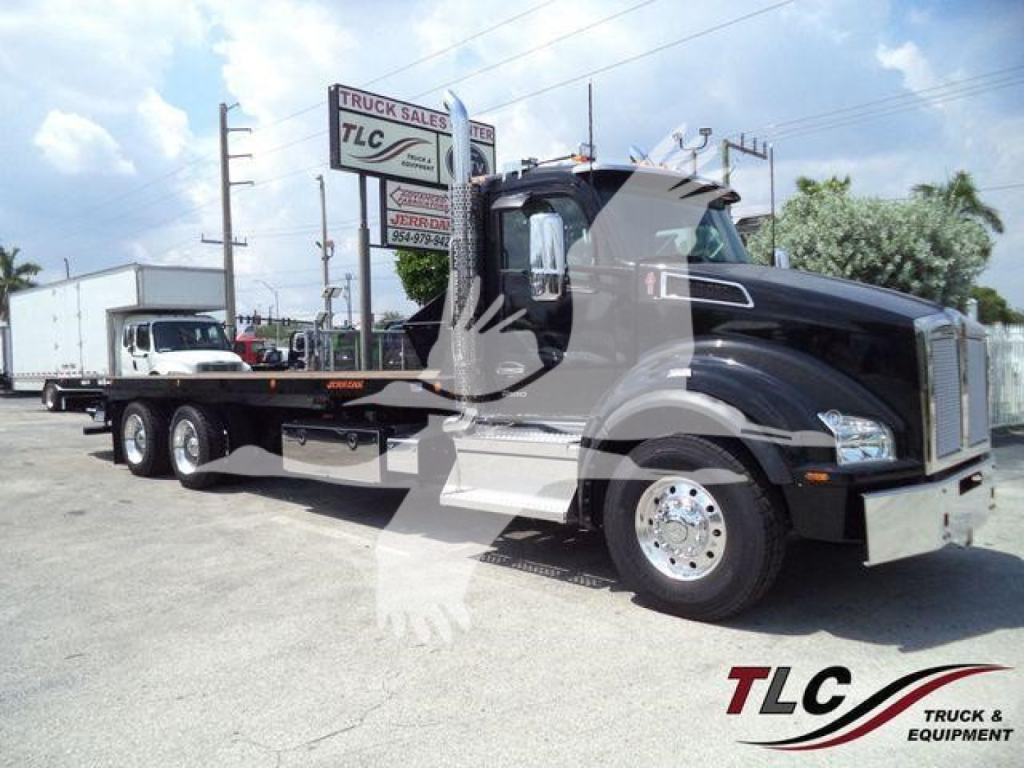
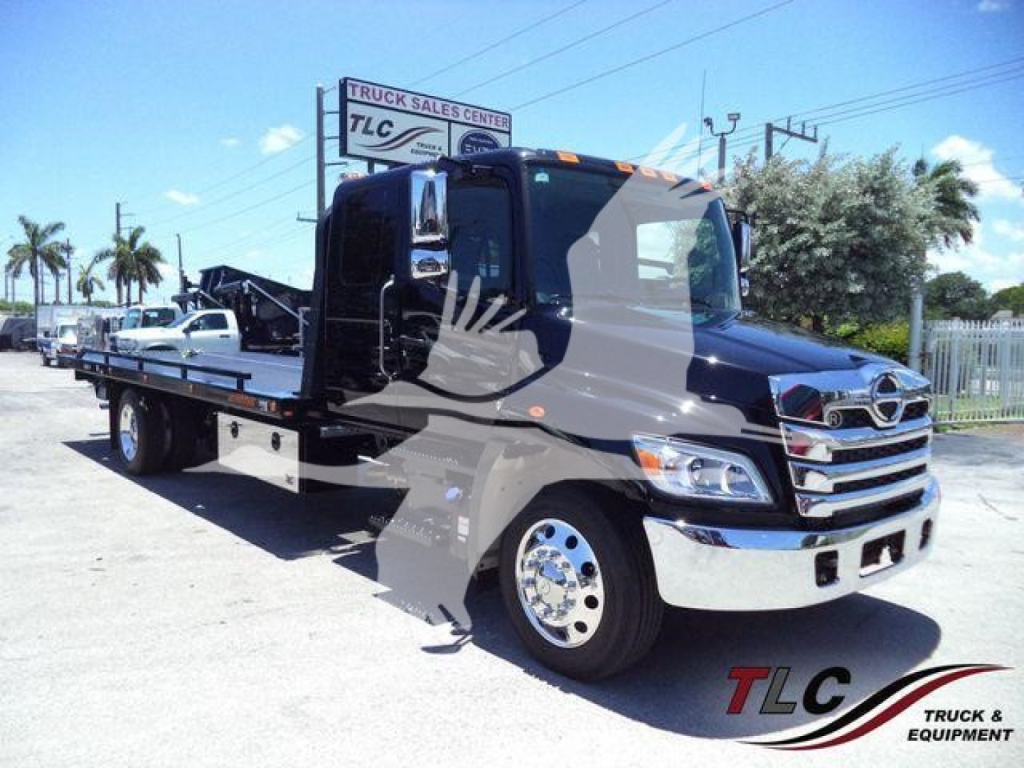
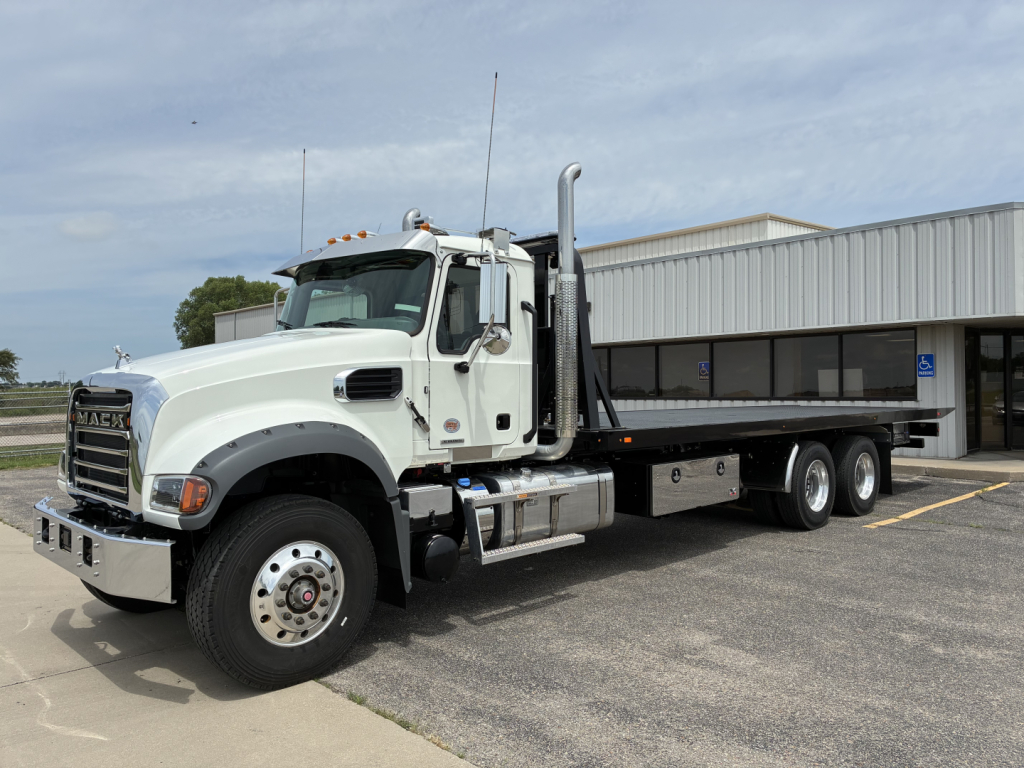
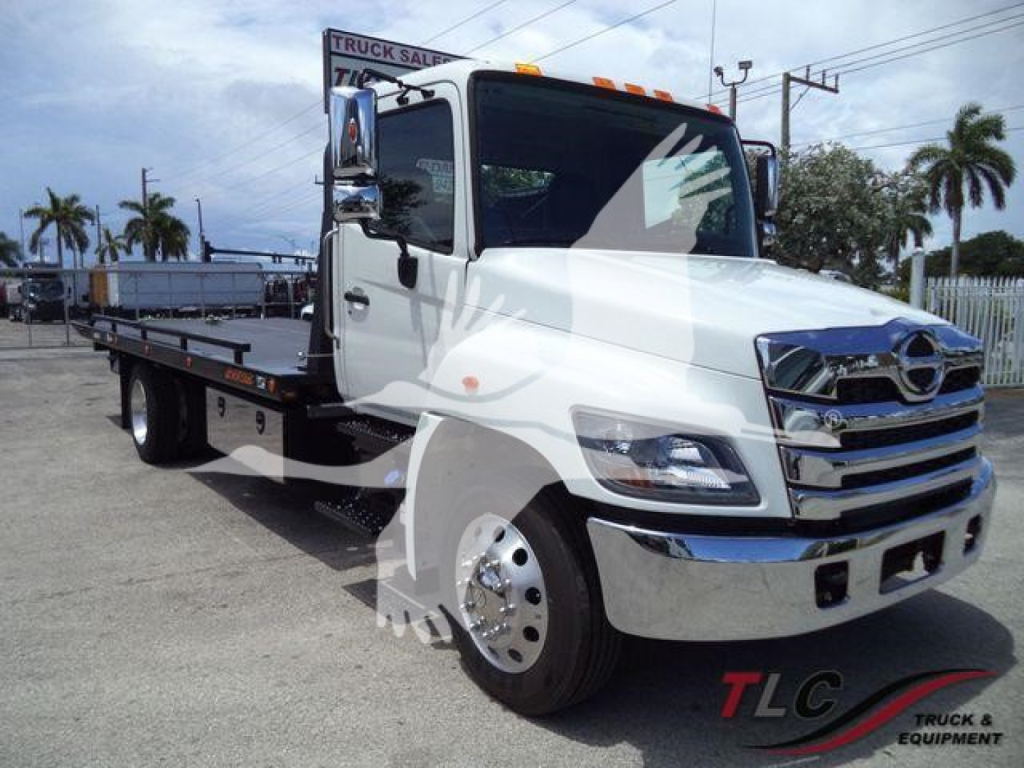
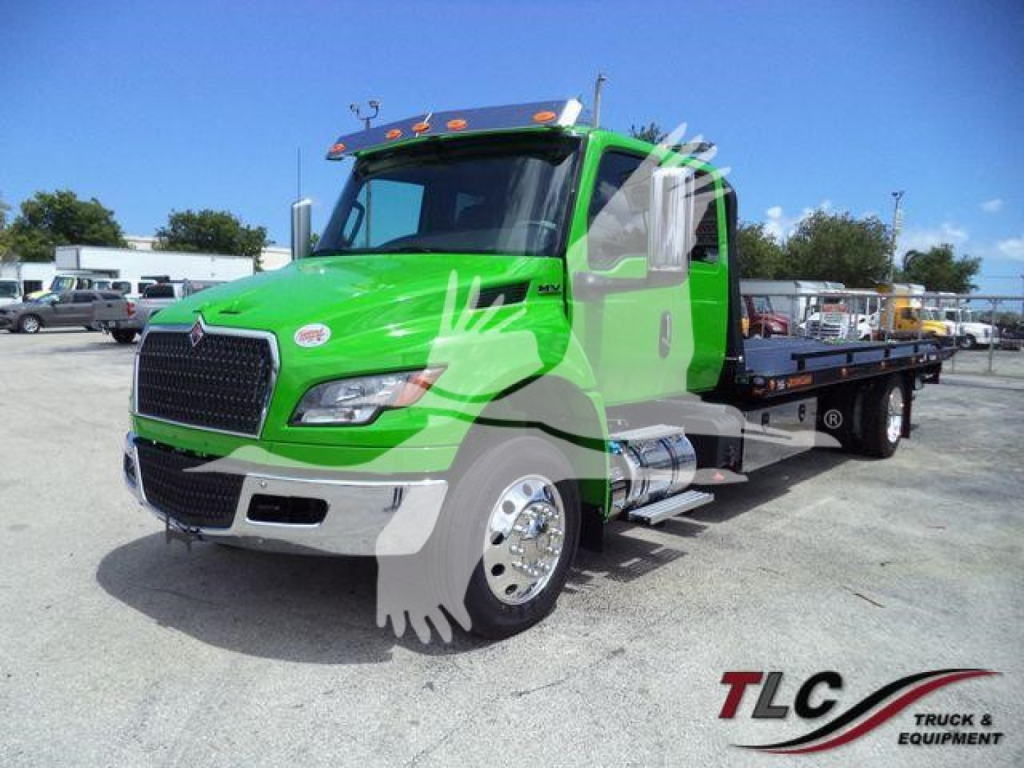
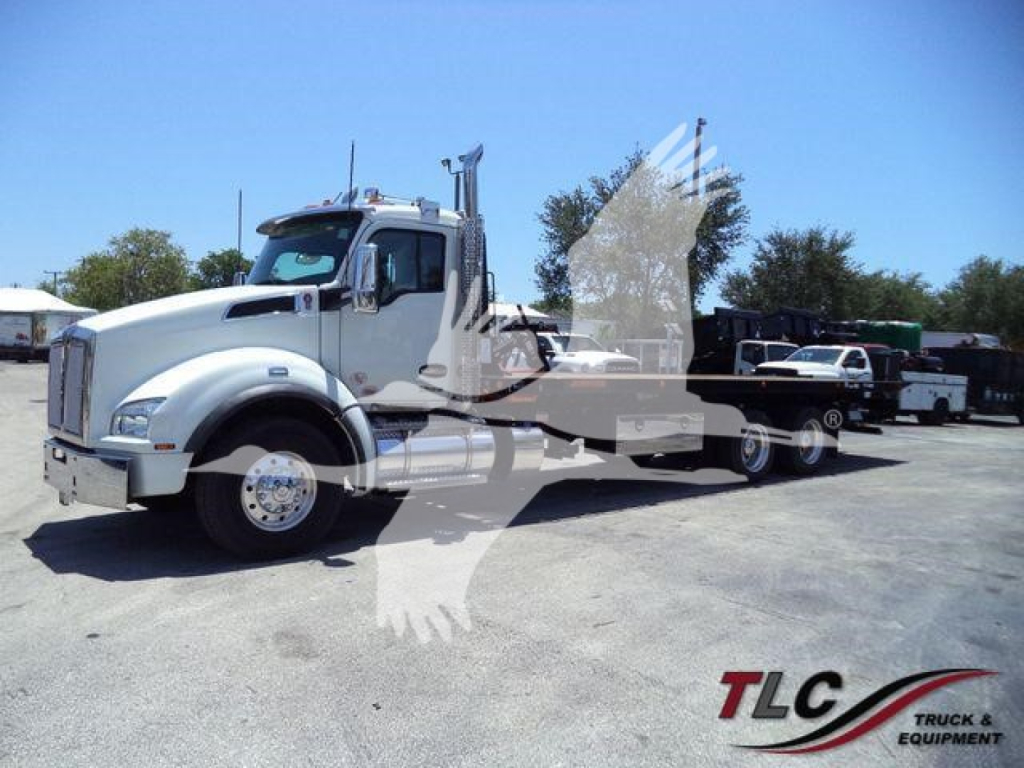
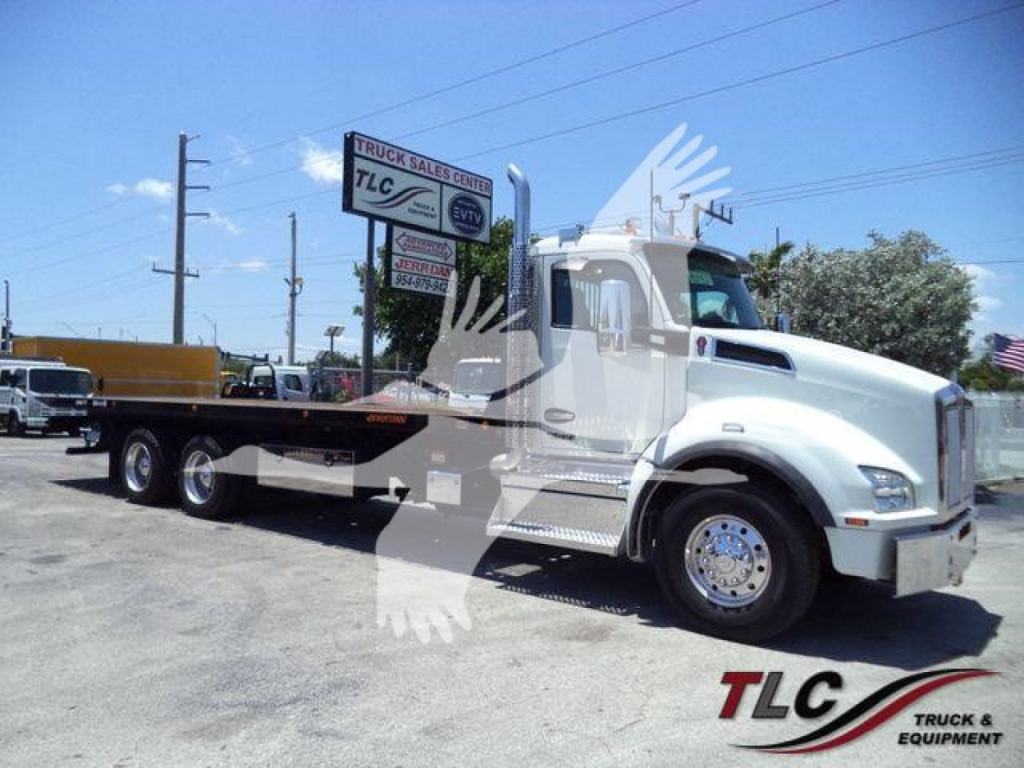
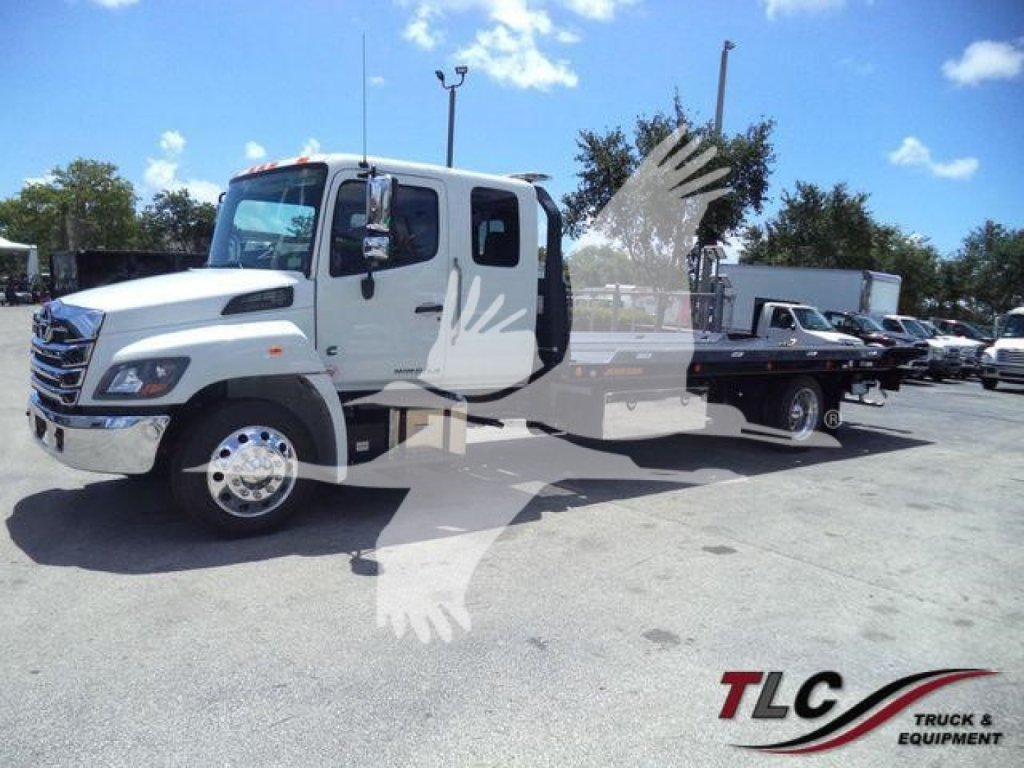
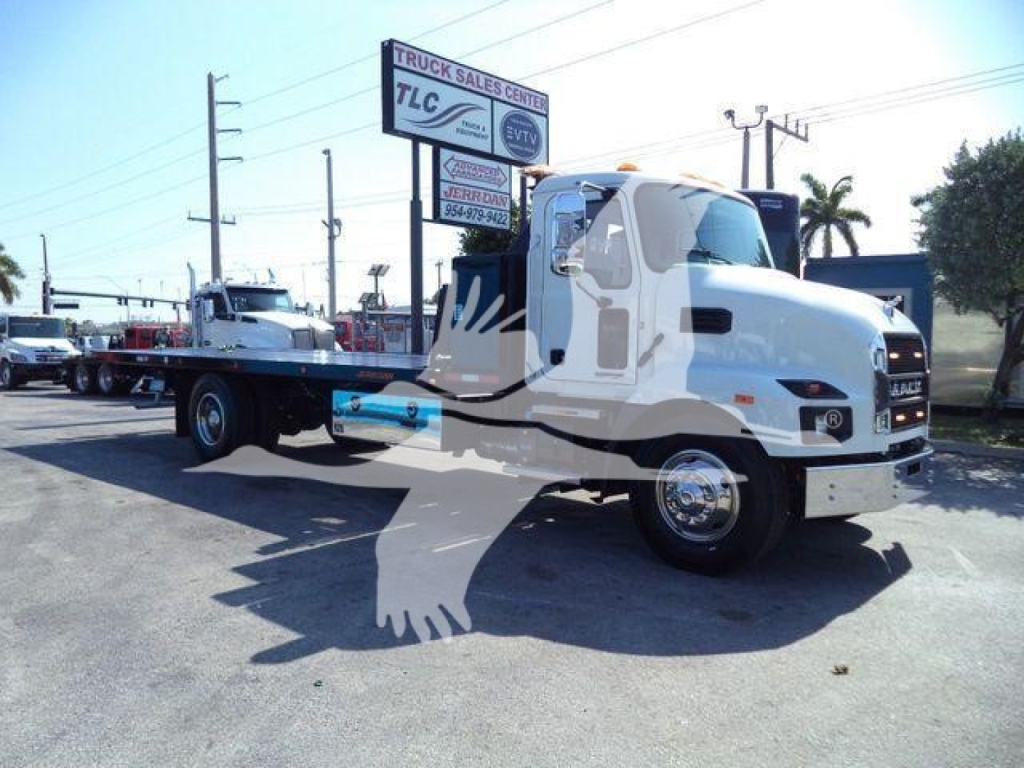
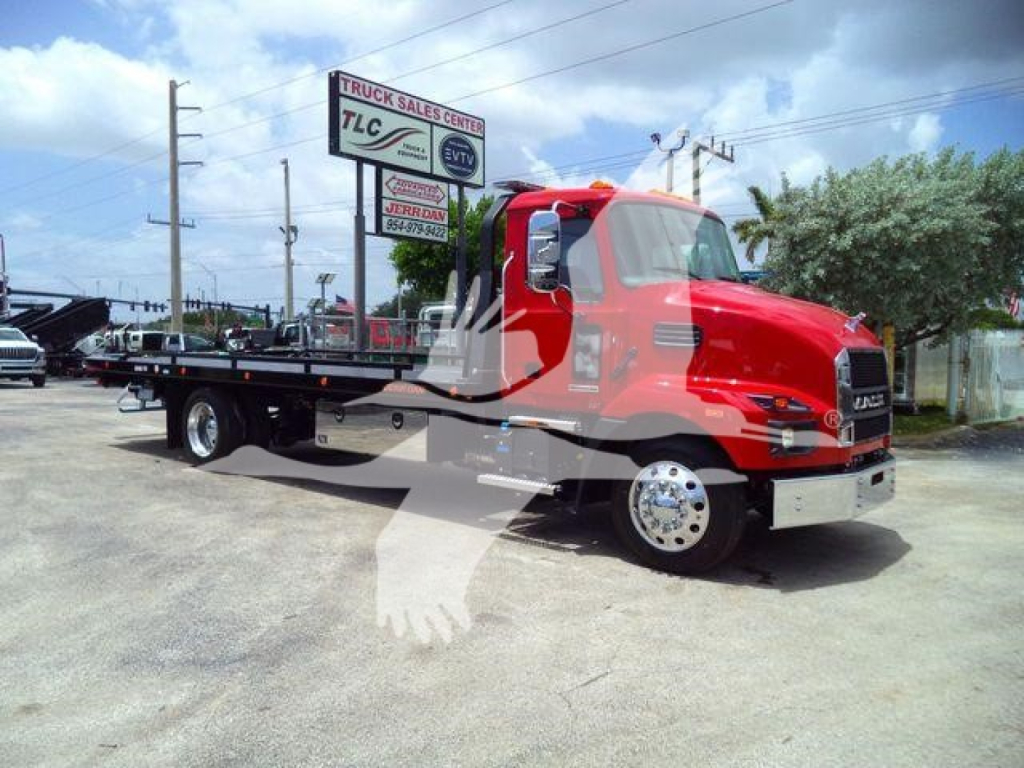
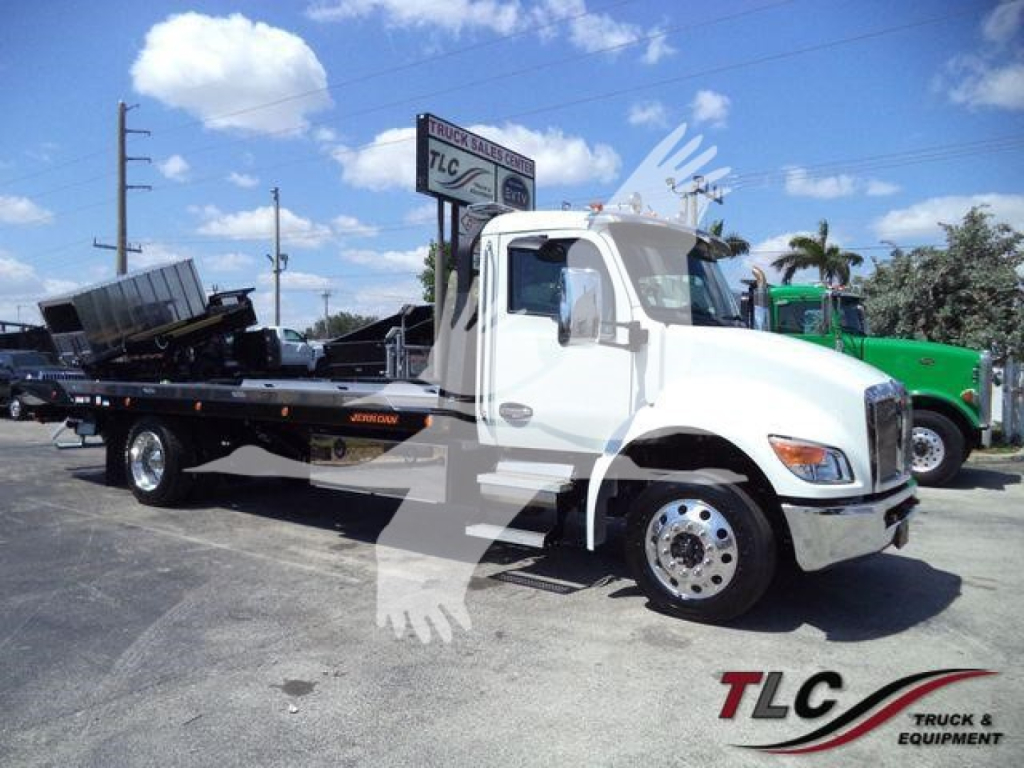
Showing 1 to 28 of 31 results
Selling a new 2026 rollback truck? List your new 2026 rollback truck for sale and reach thousands of commercial buyers.
New 2026 Rollback Trucks
The chassis decision drives how the truck works in the field. Medium-duty platforms such as the Kenworth T280, Peterbilt 337, Freightliner M2 106 Plus, Mack MD6, and Ram 5500 are common in this category, typically paired with diesel engines around 300 hp and Allison automatic transmissions. GVWR often lands around 25,950 to 26,000 pounds on CDL edge trucks, though smaller cab chassis can vary. Air brakes and air ride suspension are common on heavier medium-duty rollbacks, while lighter chassis may use hydraulic brake systems. Low-profile 22.5 tires, locking differentials, aluminum wheels, and dual fuel tanks are all practical spec points if the truck will spend long hours in rotation service or cover wide rural territories.
The bed and recovery package deserve close attention because that is where daily productivity is won or lost. Many new rollback trucks in this class use Jerr-Dan or Century LCG carriers with steel or aluminum decks rated around 6 tons to 12,000 pounds. Steel decks generally cost less and hold up well in hard use, while aluminum reduces weight and can improve payload margin. Important features include dual-angle or shark-style decks for better breakover clearance, 8,000 to 10,000 pound winches with free spool, 3,500 pound hydraulic wheel lifts with L-arms, removable blade rails, toolboxes, hose reels, work lights, and wireless remotes for bed functions. If the truck will handle recoveries at night or on busy roads, strobes, scene lighting, cameras, and organized storage make a real difference in safety and setup time.
A buyer comparing new 2026 rollback trucks should think beyond the headline specs and match the truck to the job mix. Urban impound and accident response often favor a compact wheelbase, strong lighting package, and quick bed cycle times. Dealer transport and long-distance vehicle moves may justify a 22-foot deck, larger toolbox layout, and more comfortable cab. Low-clearance sports cars, EVs, and all-wheel-drive vehicles put more value on extra-low deck height, gentle load angle, and secure tie-down points. Warranty coverage on the carrier, hydraulics, and structure is worth reviewing closely, along with service access for the chassis and upfit brand. The best rollback truck is the one with the right bed geometry, recovery equipment, and chassis rating for the vehicles you actually load every week.
Frequently Asked Questions about New 2026 Rollback Trucks
What is the difference between a rollback truck and a standard tow truck?
A rollback truck uses a sliding, tilting bed to pull the vehicle fully onto the carrier deck, while a standard tow truck often lifts one end of the vehicle and tows it with two wheels on the road. For damaged vehicles, low-clearance cars, all-wheel-drive units, and longer transport distances, a rollback is usually the safer and more versatile choice because the entire vehicle rides on the deck.
What bed size is most common on a new rollback truck?
The most common bed sizes in this class are 20-foot and 22-foot carriers, usually in 96-inch or 102-inch widths. A 20-foot deck works well for general towing and tighter city operation, while a 22-foot deck gives more flexibility for longer vehicles and improved load positioning. Width and deck profile matter just as much as length if you regularly handle pickups, SUVs, or low-slung passenger cars.
How much weight can a rollback truck usually carry?
Many light- to medium-duty rollback trucks are equipped with carrier bodies rated around 6 tons, or roughly 12,000 pounds, though the true working capacity depends on the chassis, body design, wheelbase, and how the load is positioned on the deck. Buyers should review both the carrier rating and the truck's GVWR, axle ratings, and wheel lift rating to understand real-world capability.
Should I choose a steel or aluminum rollback bed?
Steel beds are common because they are durable, widely available, and typically lower in upfront cost. Aluminum beds reduce body weight, which can improve payload margin and corrosion resistance. The better choice depends on your operating environment, expected duty cycle, and how important weight savings are relative to purchase price and long-term repair considerations.
What features matter most for recovery work on a rollback?
The most important features are low deck angle, a reliable hydraulic system, a properly sized winch, and a wheel lift that matches the vehicles you plan to move. Dual-angle decks, wireless controls, work lights, strobes, underbody tool storage, and camera systems also improve efficiency and safety. For mixed towing service, these features often have more day-to-day value than cosmetic upgrades.