
New 2026 Rollback Trucks For Sale in Florida
Shop new 2026 rollback trucks in Florida. Compare deck lengths, chassis, GVWR, wheel-lift, winch, and low-profile carrier specs.
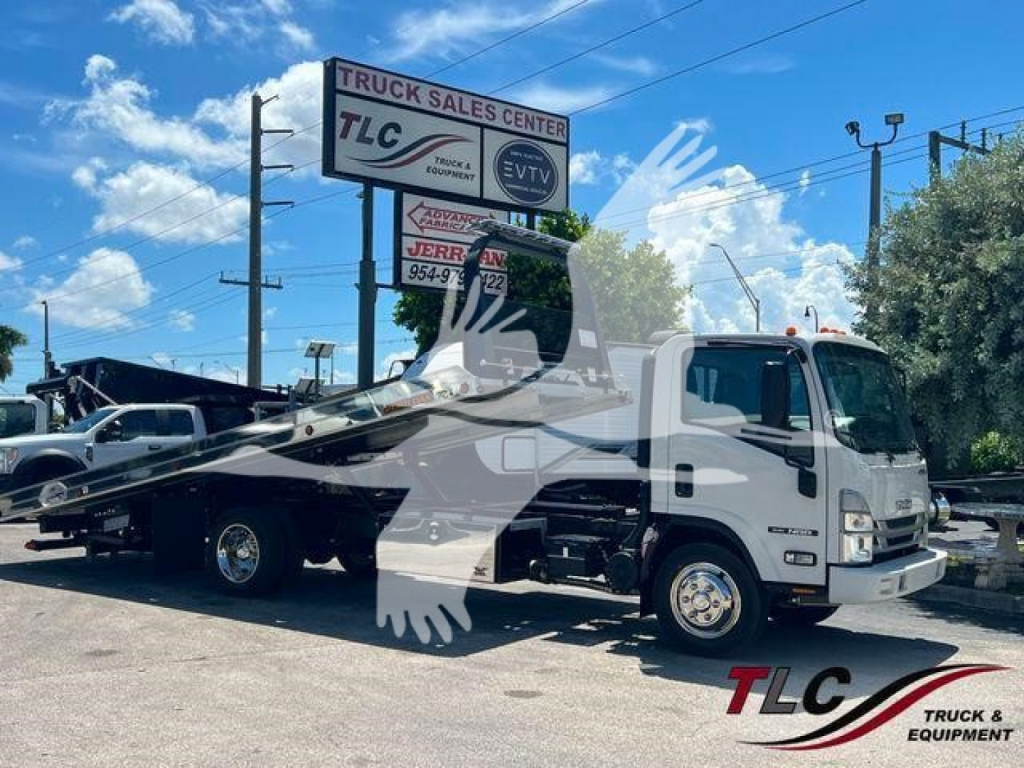
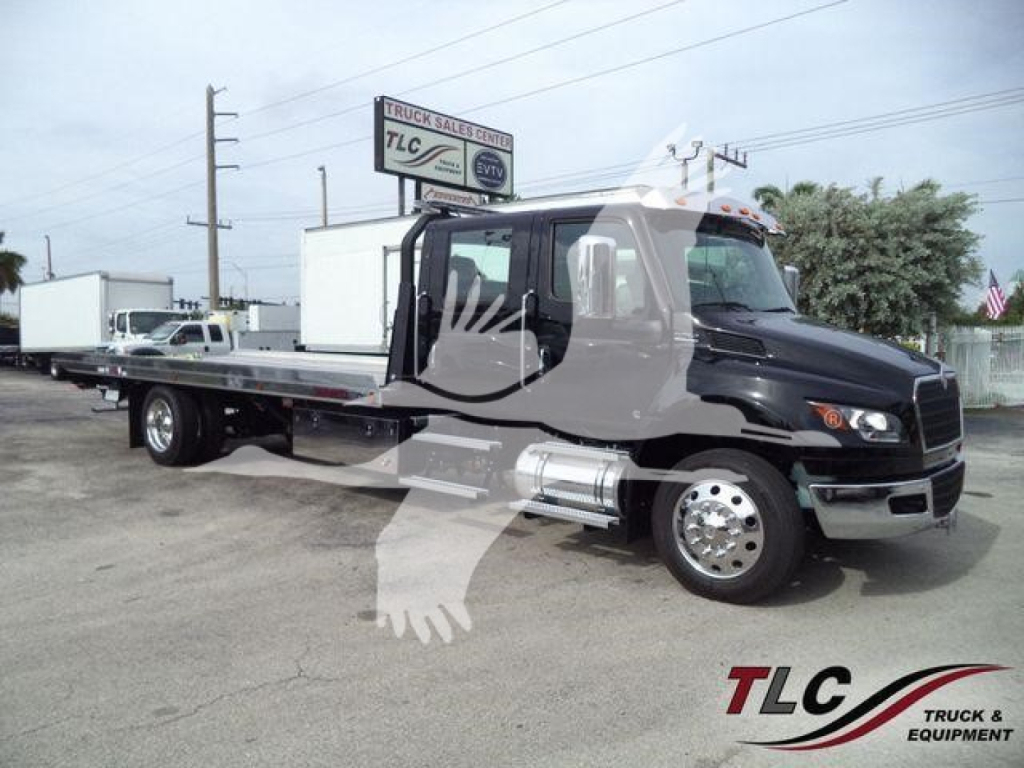
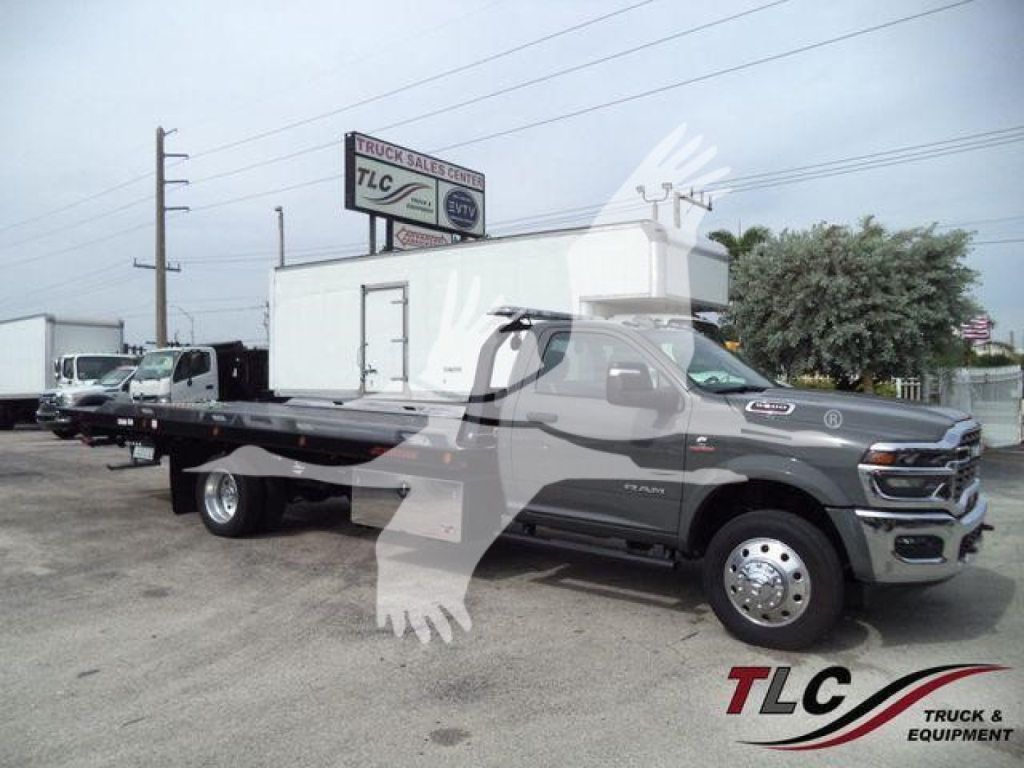
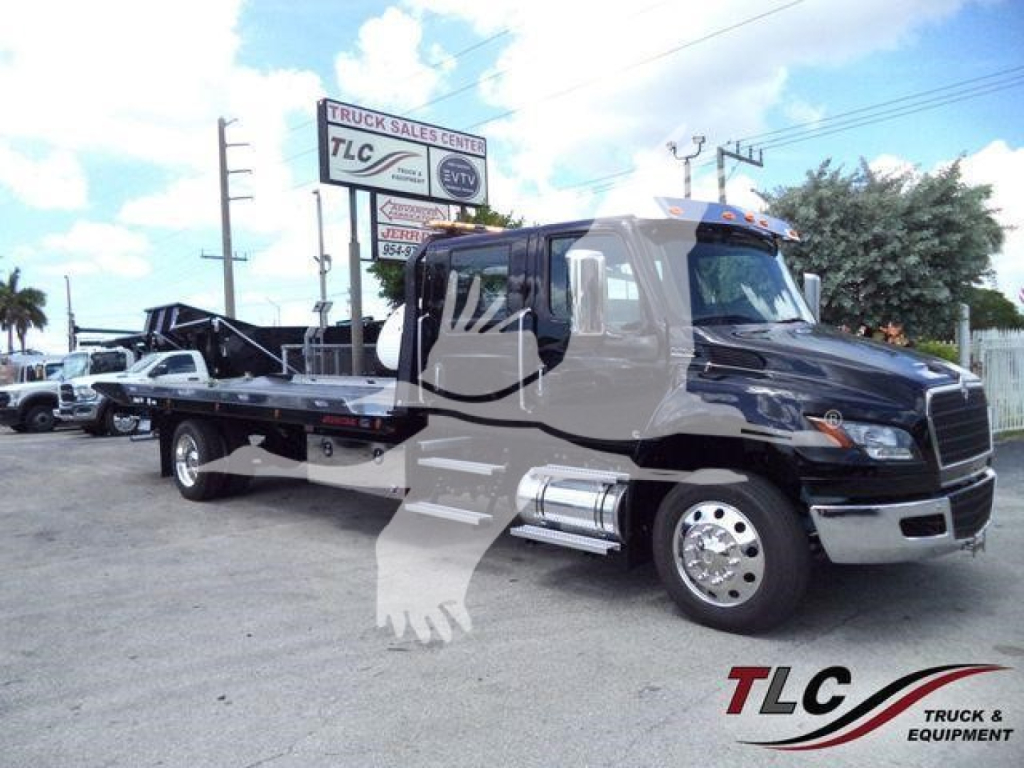
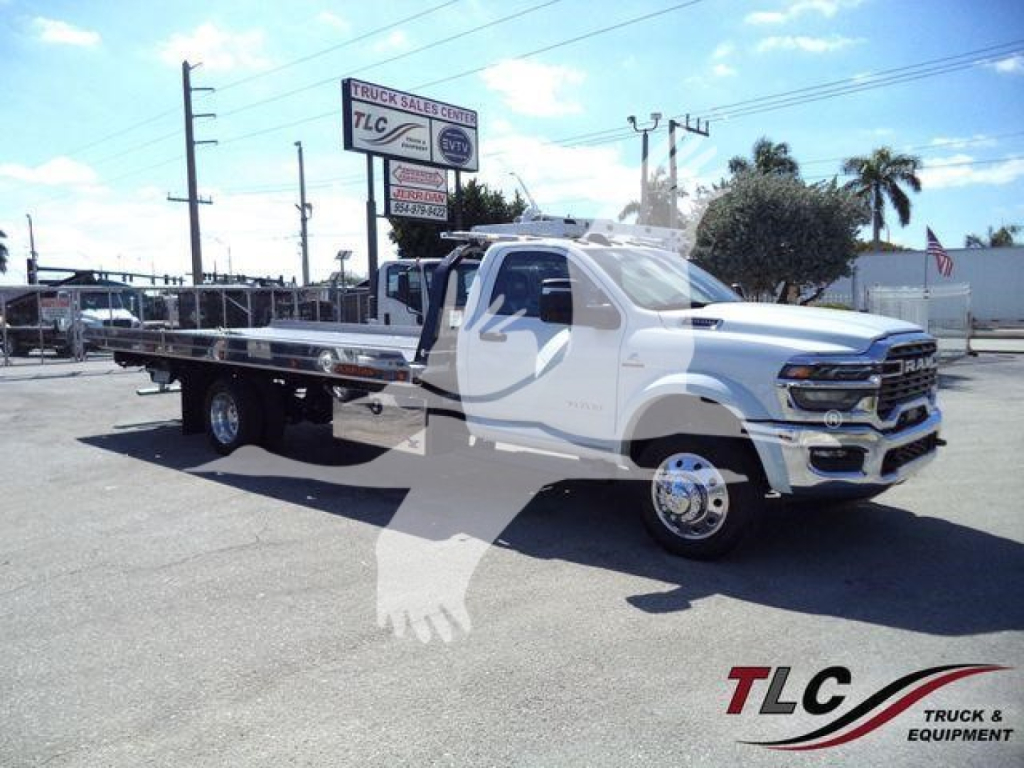
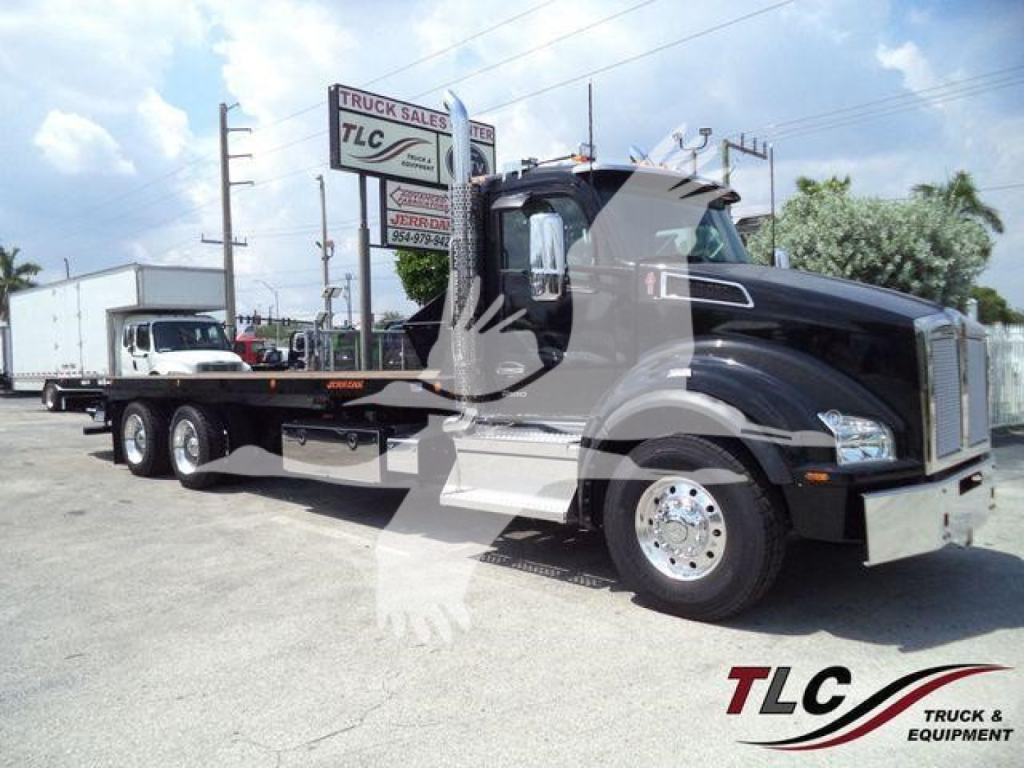
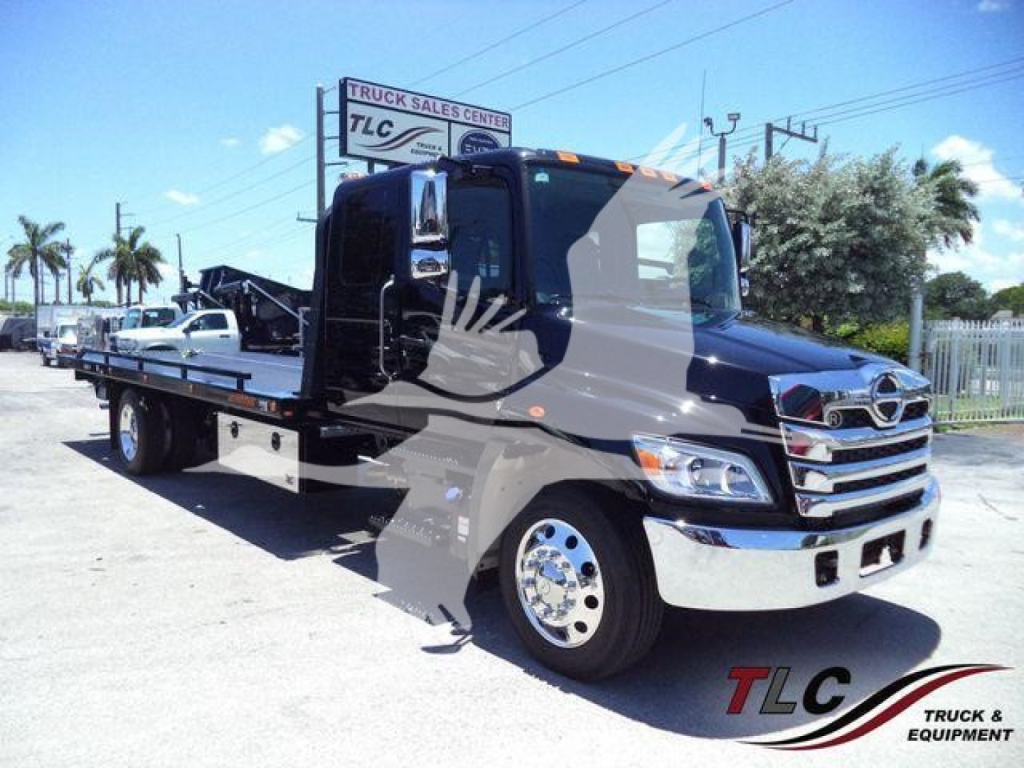
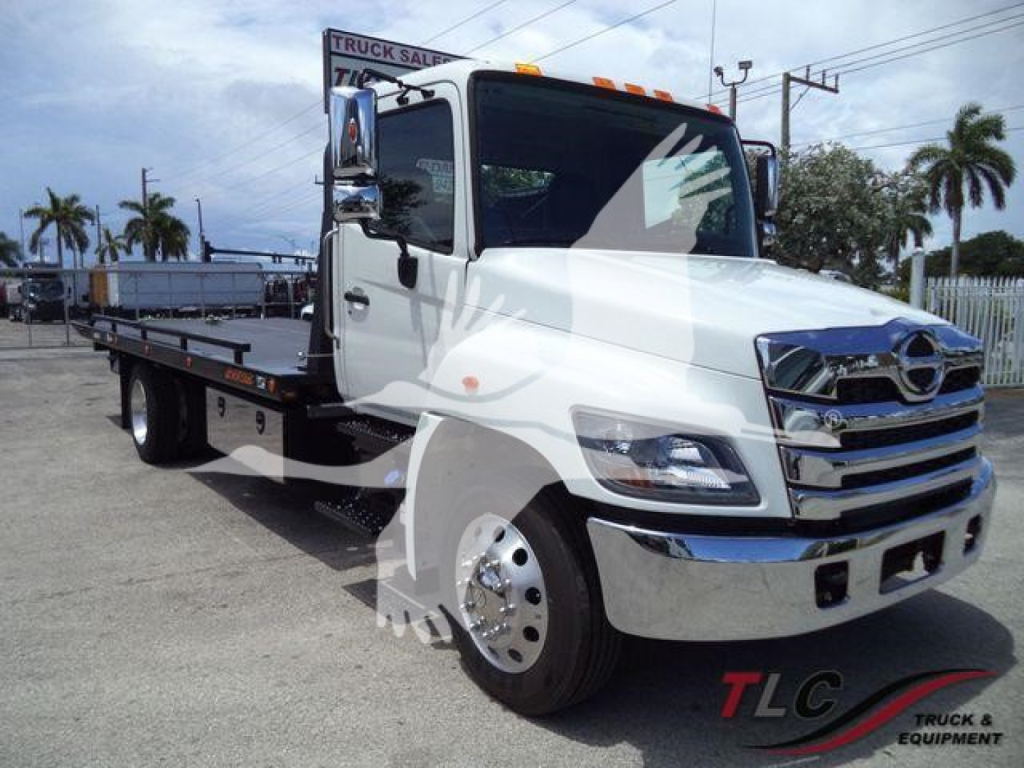
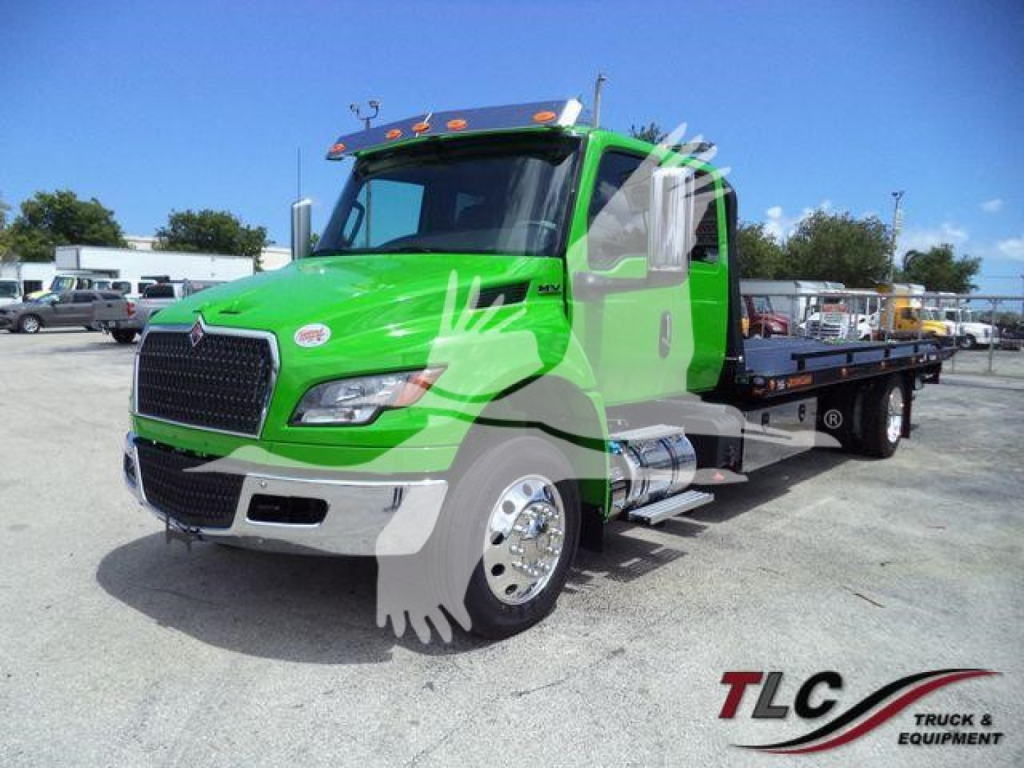
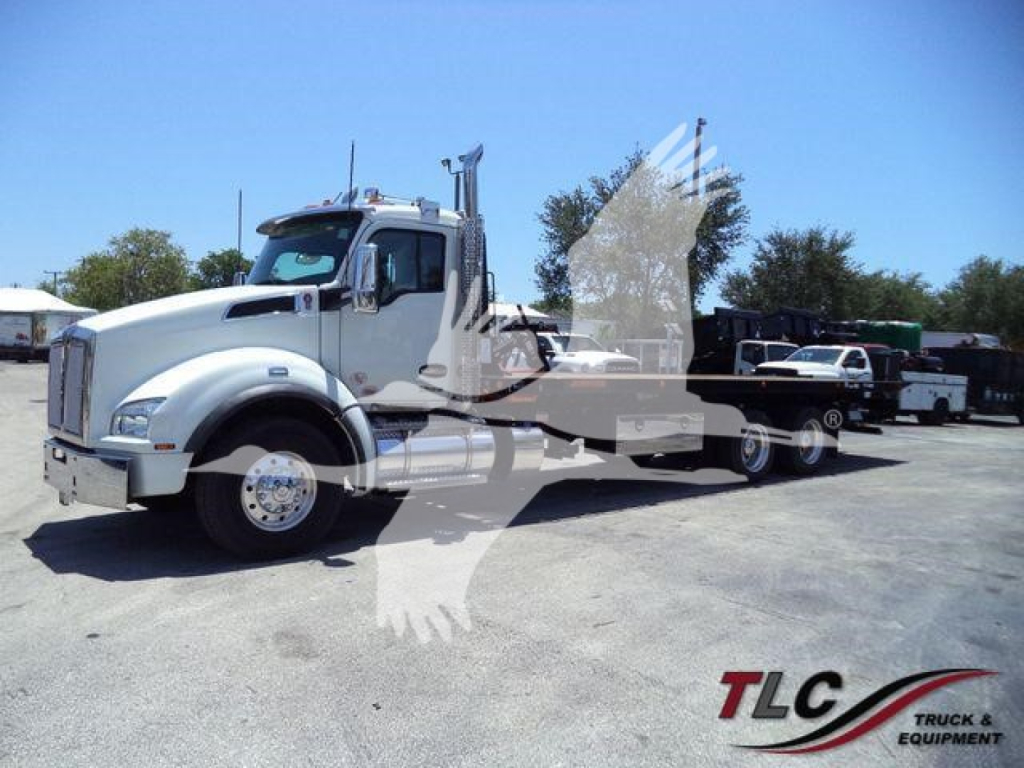
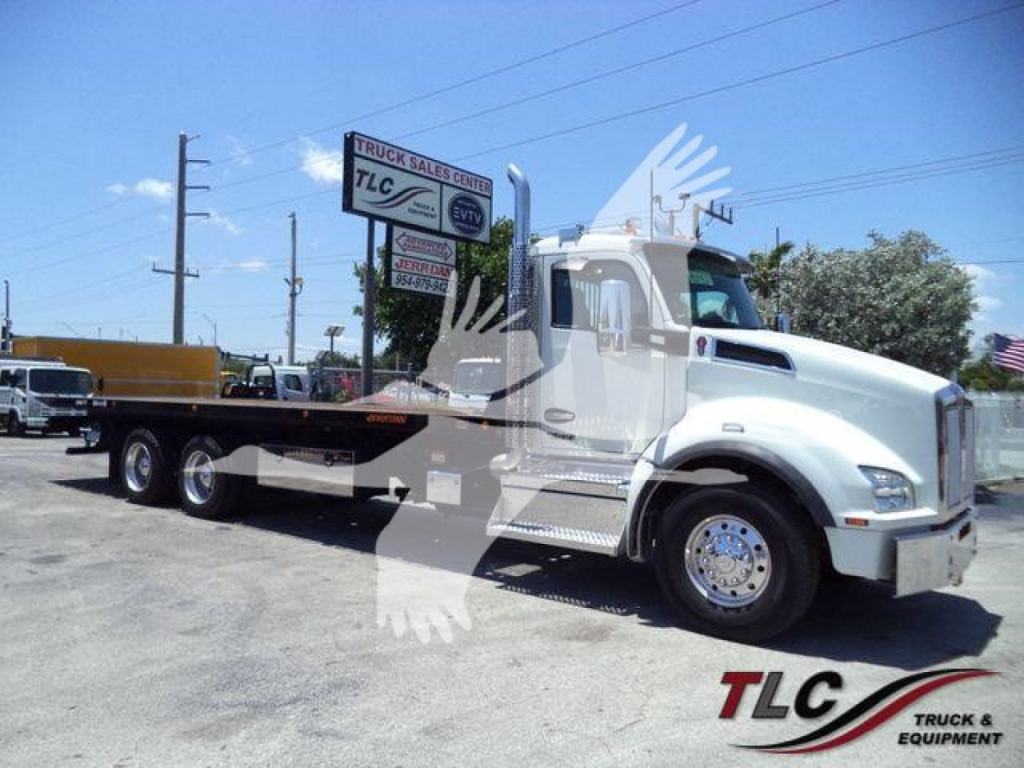
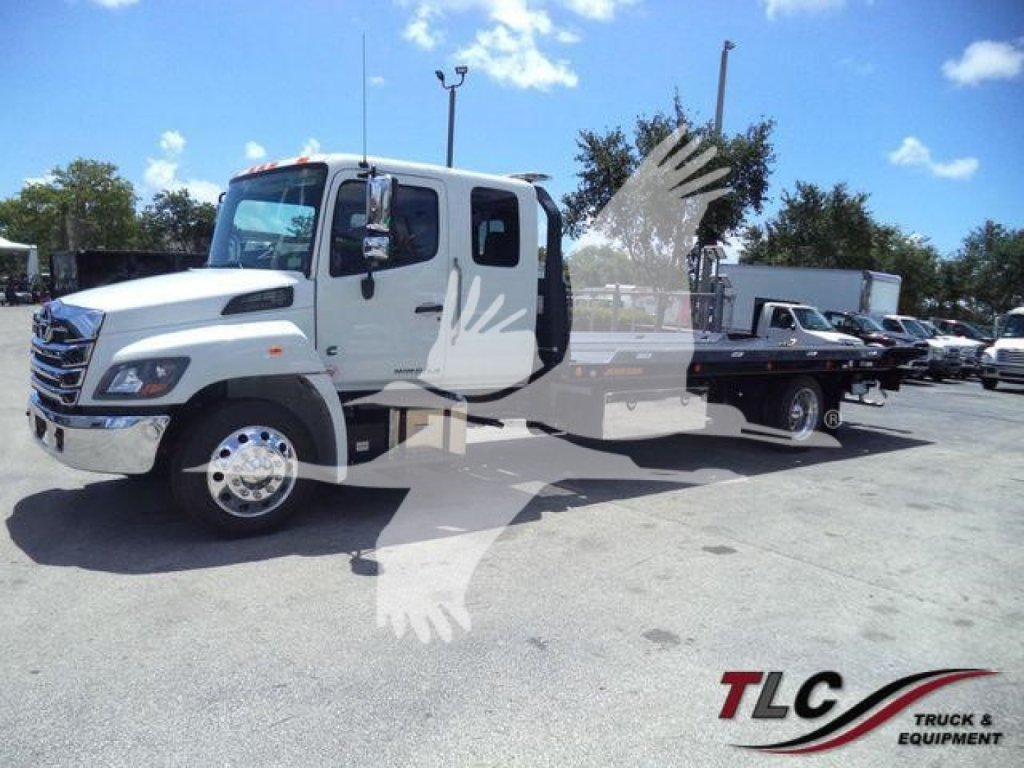
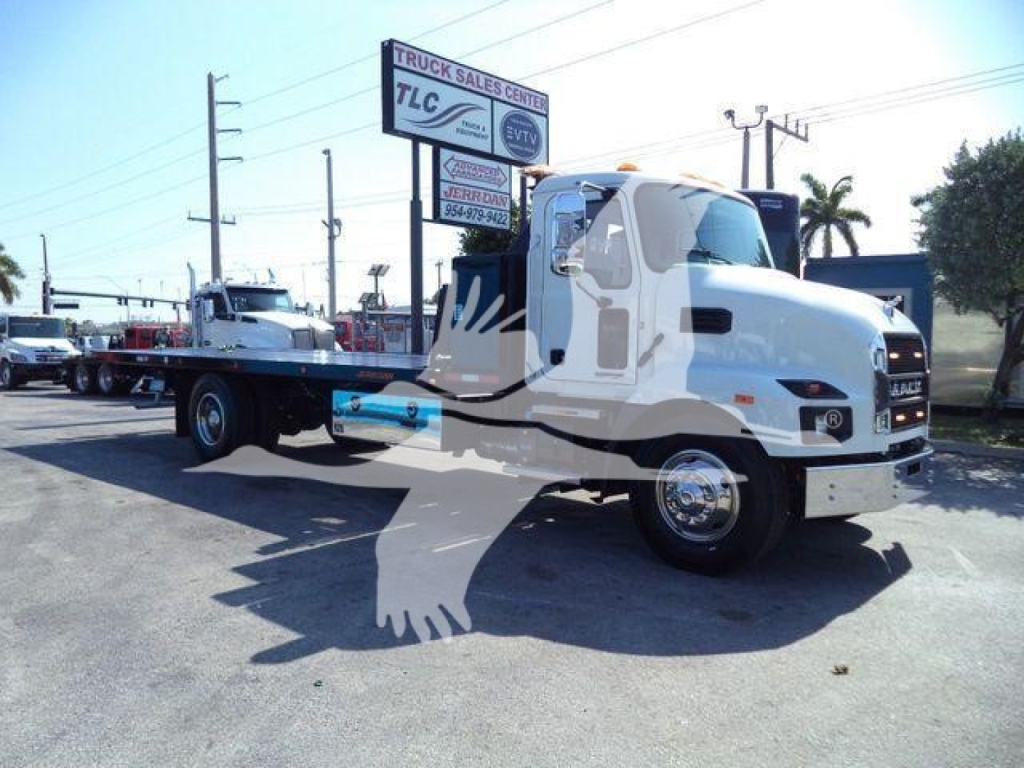
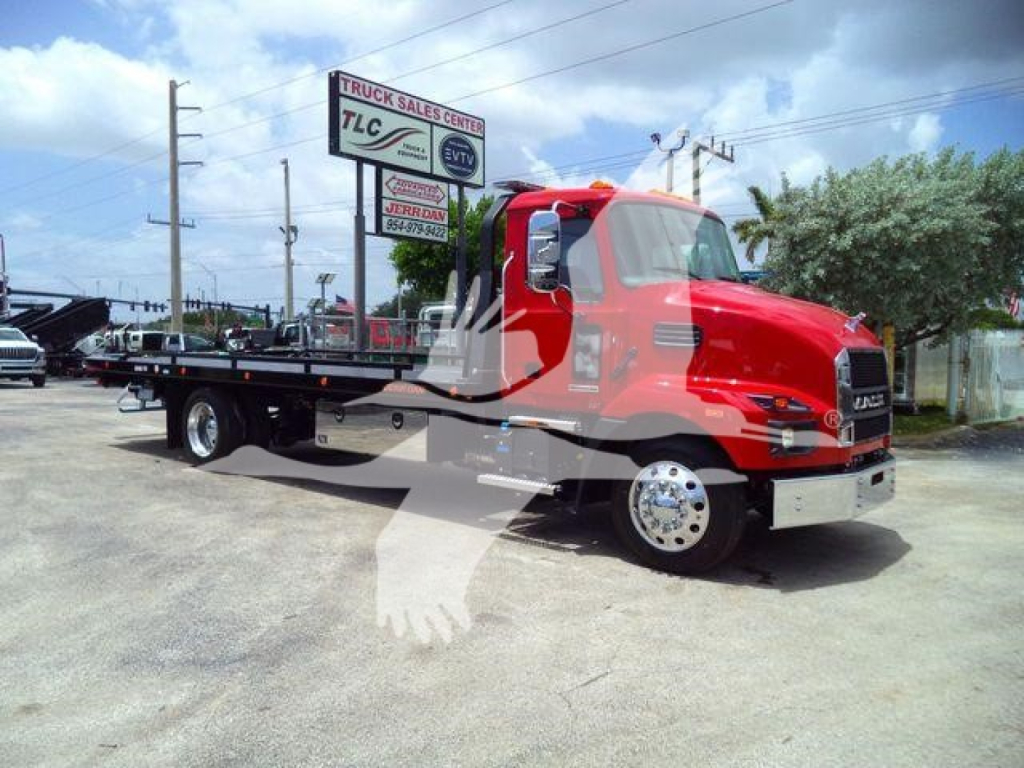
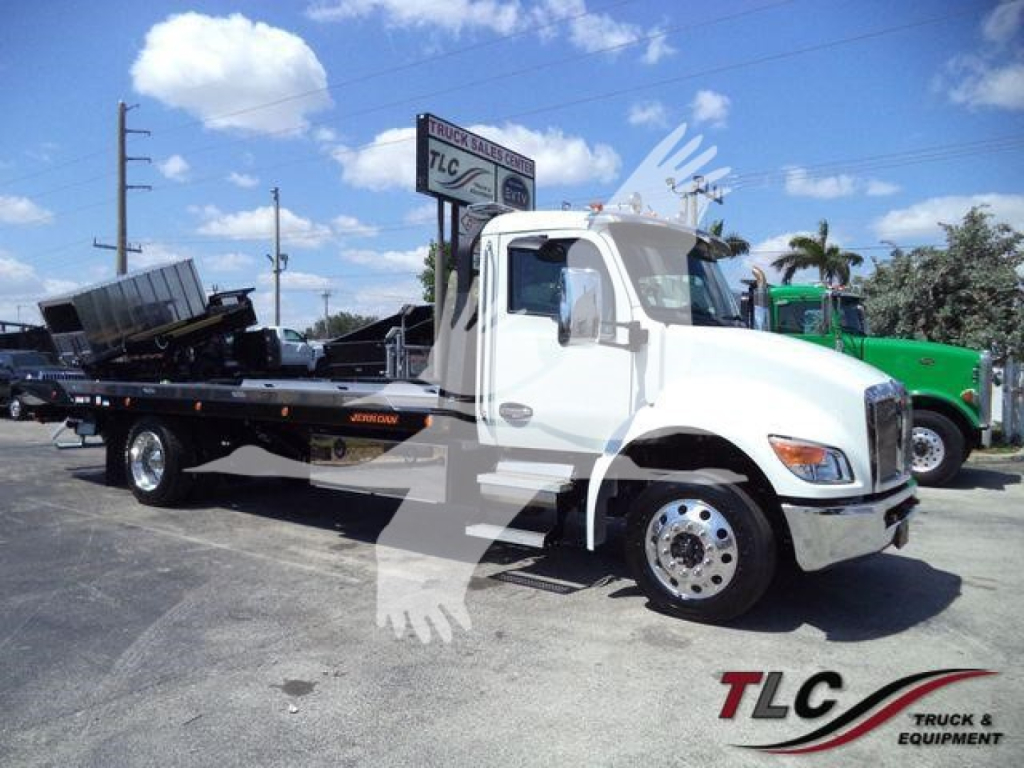
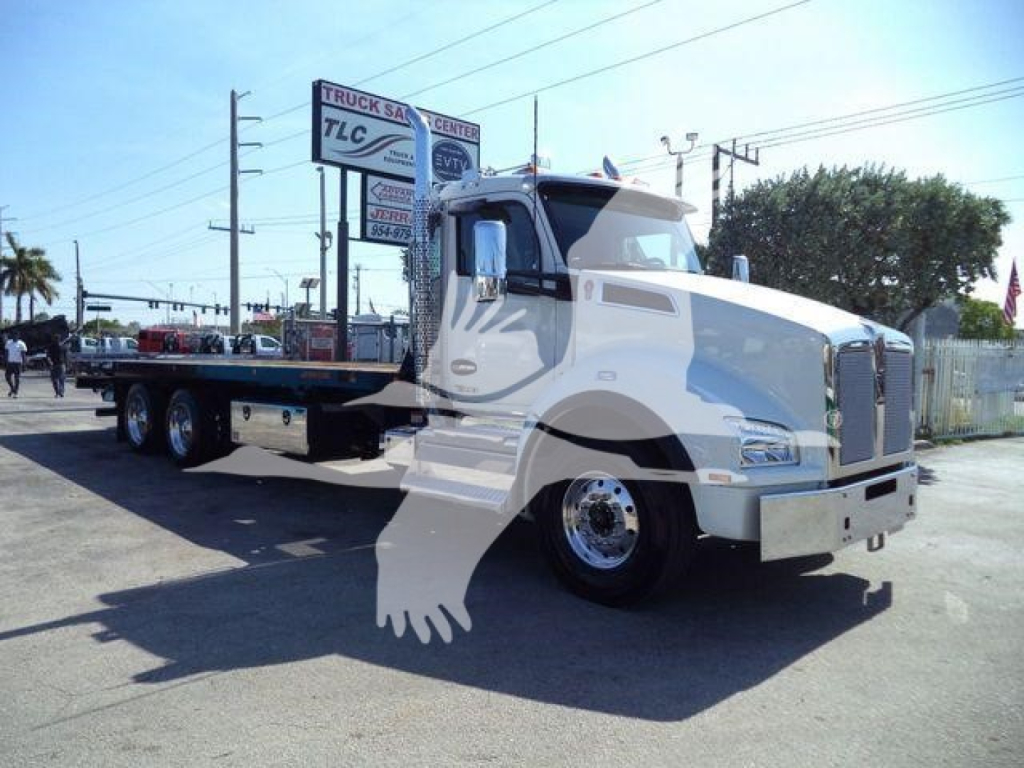
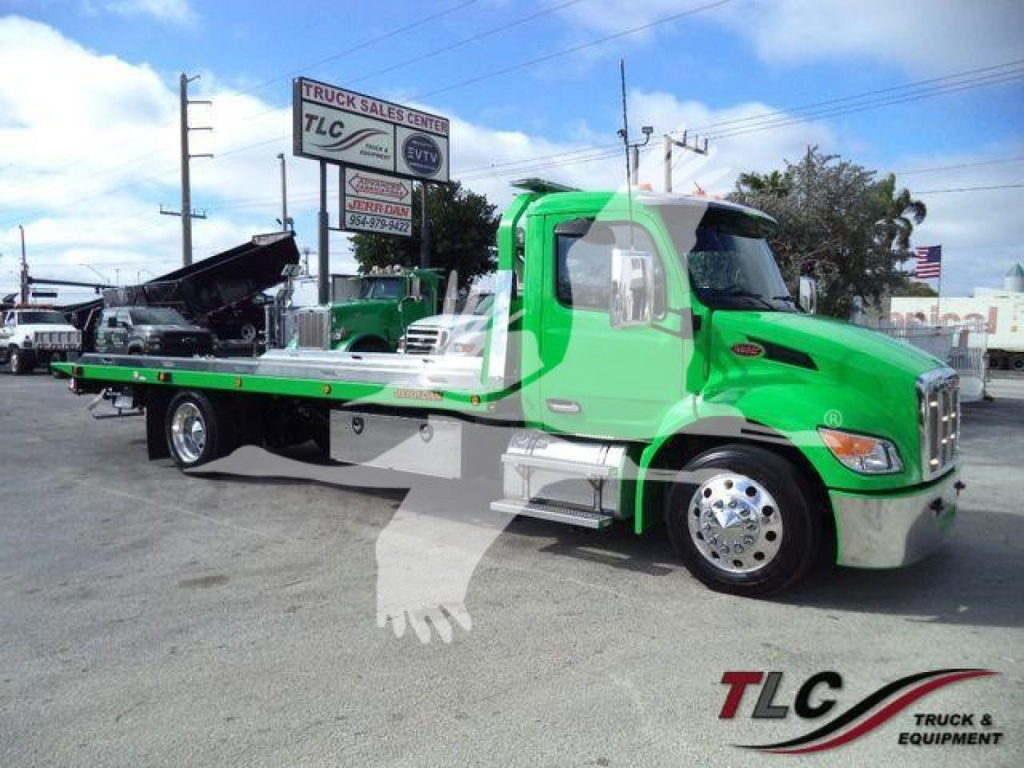
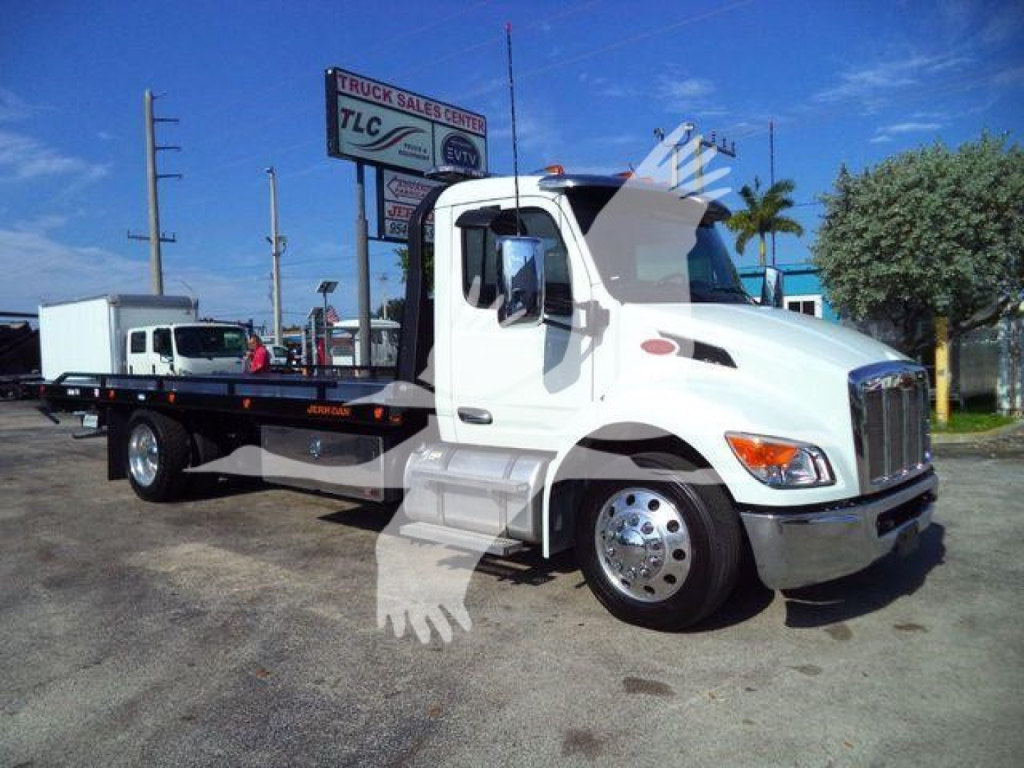
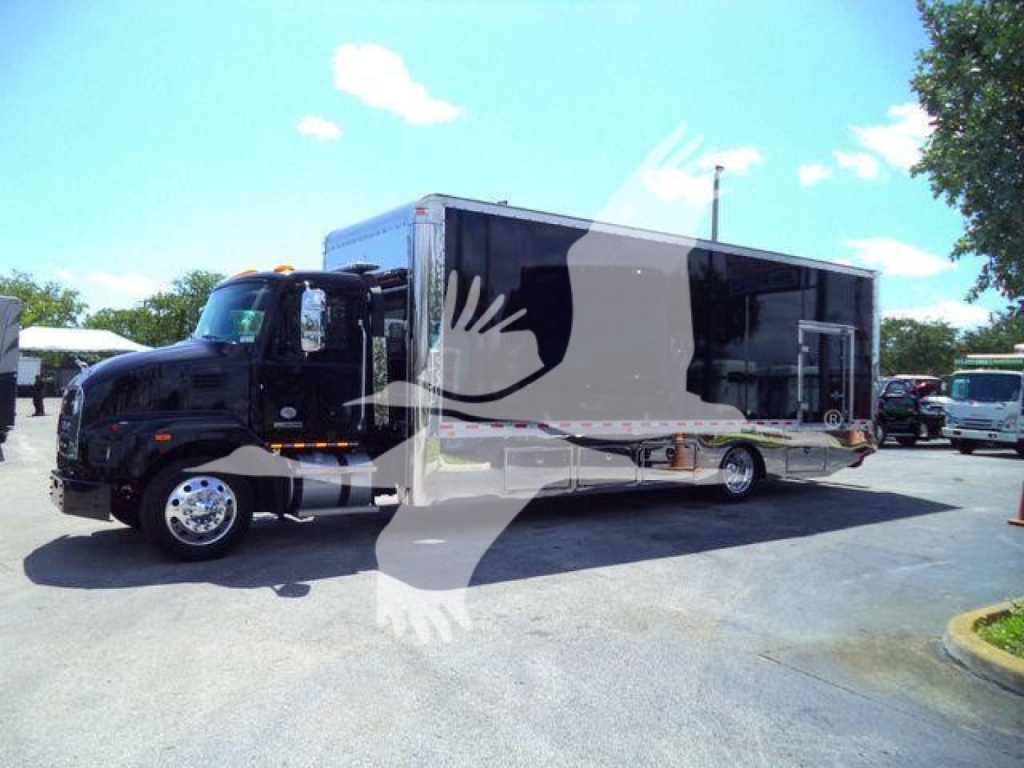
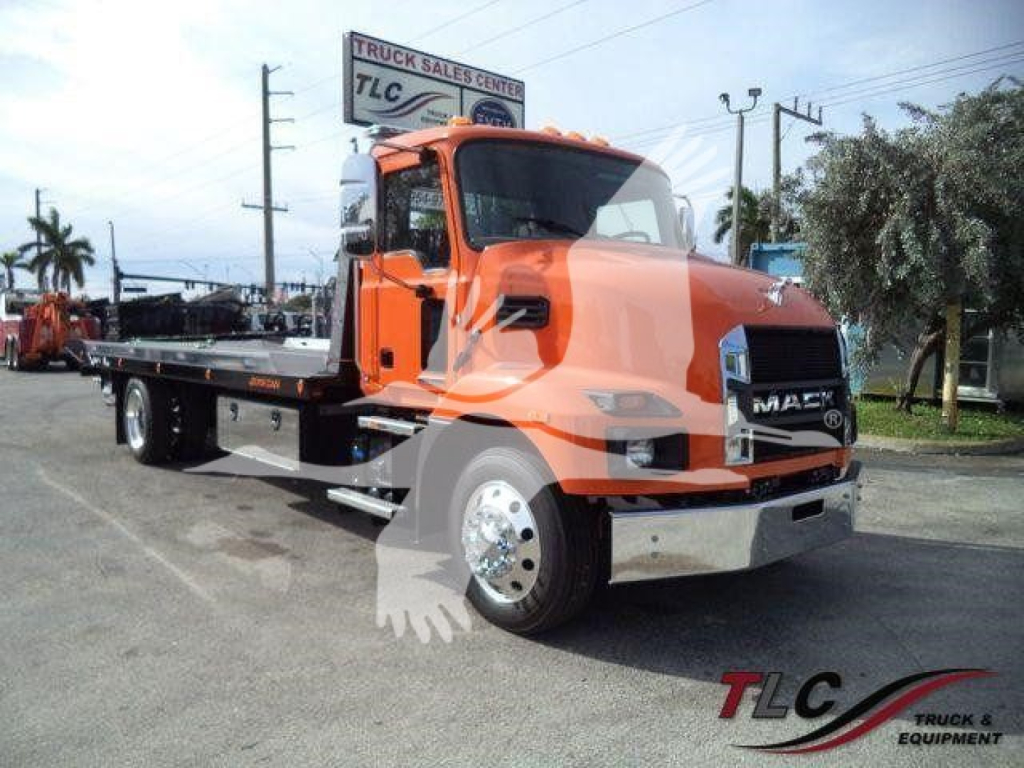
Showing 1 to 28 of 30 results
Selling a new 2026 rollback truck? List your new 2026 rollback truck for sale and reach thousands of commercial buyers.
New 2026 Rollback Trucks in Florida
Chassis choice drives how the truck performs in city towing, roadside recovery, and multi-carrier traffic. In this market, rollback bodies are commonly mounted on Class 5 through Class 7 platforms such as Ram 5500, Ford F-600, Chevrolet Silverado 6500HD, Peterbilt 337, and Ford F-750. Typical GVWR ranges run from about 19,500 pounds into the 26,000-pound class, depending on the truck and body combination. Buyers in Florida often look closely at 4x2 versus 4x4, automatic transmissions, diesel engine ratings, brake type, and suspension. Air brakes and air ride can improve control and driver comfort on heavier spec trucks, while hydraulic brakes and simpler spring suspension can be a practical fit for lighter urban routes. A 26,000 GVWR truck can be especially attractive for operators who want strong capability without moving into a higher CDL and compliance profile, though local and federal requirements should always be confirmed for the exact configuration.
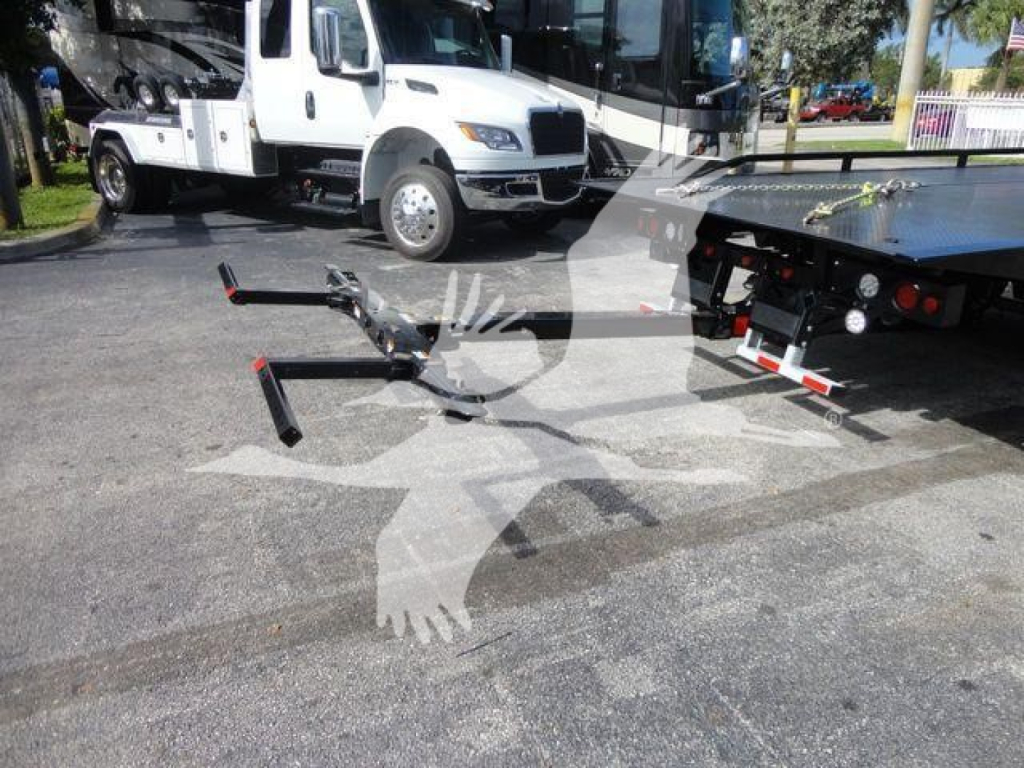
Body equipment is where one rollback separates itself from another. A typical new carrier in this segment may include a 6-ton bed rating, a 3,500-pound hydraulic wheel-lift with L-arms, and an 8,000-pound winch. Removable rails, blade rails, shark-style deck designs, toolboxes, work lights, wireless controls, backup cameras, and LED warning packages are all common options that affect daily use. If the truck will spend most of its life on passenger vehicles, low approach angle and deck height are usually more important than maximum body capacity on paper. If the work mix includes pickups, vans, or commercial units, pay closer attention to axle ratings, frame strength, wheelbase, wheel-lift geometry, and usable deck length behind the headboard. In Florida, corrosion resistance also matters, so aluminum decks, aluminum wheels, stainless trim, sealed lighting, and clean hydraulic routing can all pay off over time in coastal or high-humidity service.
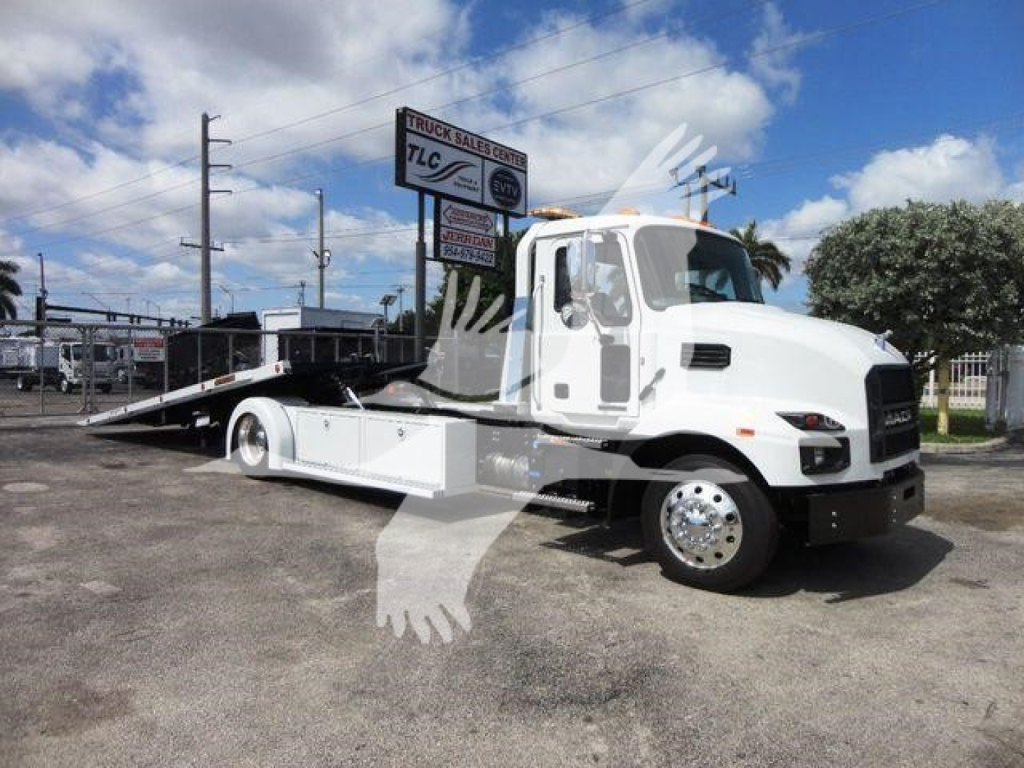
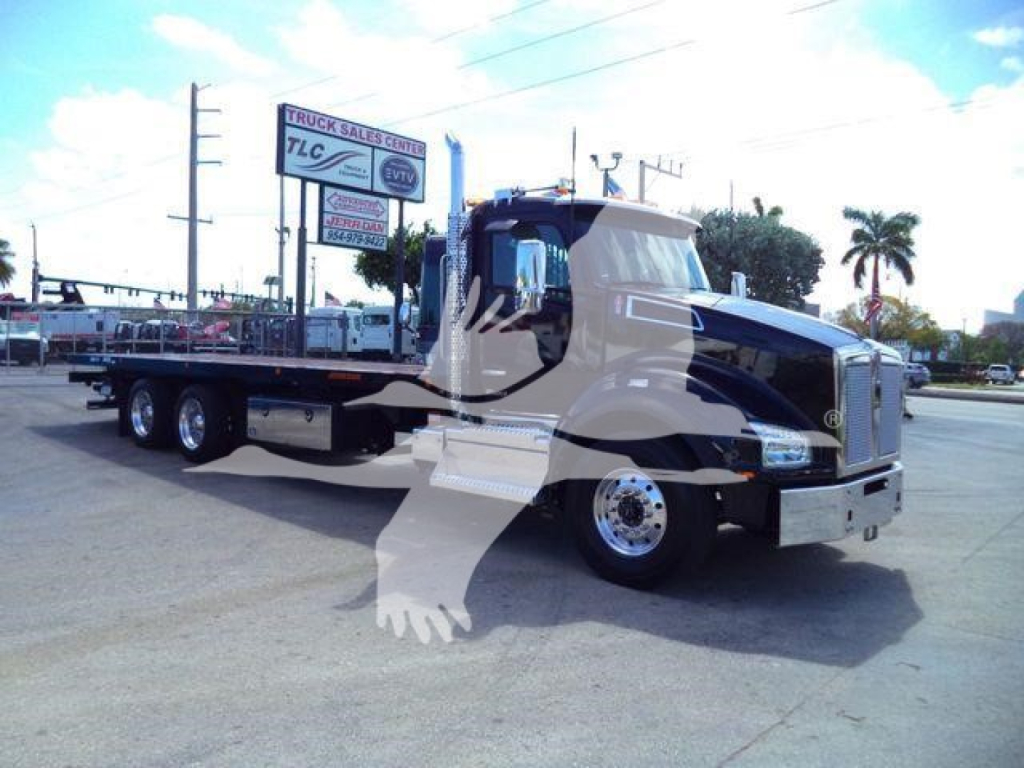
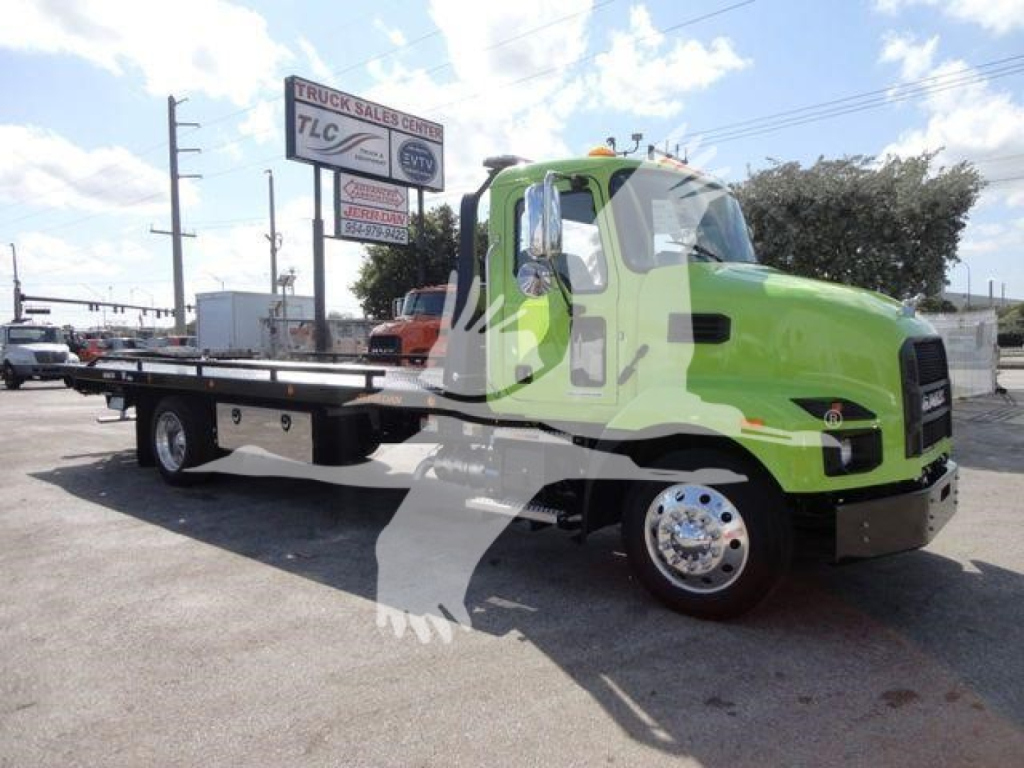
The best 2026 rollback truck is the one matched to the jobs you actually run. A lighter 20-foot carrier can be ideal for tight metro towing and quick turnaround. A heavier 21-foot or 22-foot setup on a medium-duty chassis gives more stability, more storage, and better flexibility for larger vehicles. Buyers should compare bed manufacturer reputation, cylinder and cable layout, remote control system, tie-down points, wheel-lift capacity, and service access just as closely as they compare engine badges. A rollback earns its keep on uptime, loading speed, and safe handling under real roadside conditions, so practical spec decisions usually matter more than cosmetic add-ons.
Frequently Asked Questions about New 2026 Rollback Trucks in Florida
What is the typical capacity of a rollback truck?
Most new rollback trucks in this category are built around a 6-ton carrier body, with a hydraulic wheel-lift commonly rated around 3,500 pounds and a winch often rated around 8,000 pounds. Actual usable capacity depends on the chassis GVWR, axle ratings, body material, deck length, and installed equipment. Buyers should look at the complete truck certification and not just the body rating, because payload changes significantly between a lighter aluminum carrier and a heavier steel-bodied setup.
Is an aluminum rollback bed better than a steel bed?
Aluminum beds are popular because they reduce curb weight, improve payload, and resist corrosion well in humid or coastal conditions like Florida. Steel beds are usually less expensive up front and remain a solid choice for fleets that value lower replacement cost and traditional repair familiarity. The right choice depends on your duty cycle, expected payload, corrosion exposure, and how long you plan to keep the truck.
What deck length should I choose on a rollback truck?
A 20-foot deck is a common choice for light-duty towing, repossession work, and operations that spend a lot of time in traffic or tight urban spaces. A 21-foot or 22-foot deck gives more flexibility for longer wheelbase pickups, SUVs, vans, and some medium-duty vehicles. Deck length should be evaluated with wheel-lift design, headboard position, wheelbase, and overall truck maneuverability, because a longer deck is useful only if it still fits your route profile.
Do I need a low-profile or extra low-profile rollback deck?
A low-profile or XLP deck is valuable if you regularly handle sports cars, lowered vehicles, EVs, or damaged units with limited ground clearance. The lower load angle helps reduce bumper, valance, and underbody contact during loading. For mixed-service towing, this feature can save time and reduce claim risk, especially when paired with the right bed width, rail design, and wheel-lift setup.
What should Florida buyers pay attention to on a new rollback truck?
Florida buyers often focus on corrosion resistance, cooling performance, lighting visibility, and easy service access. Aluminum components, stainless hardware, sealed LED lighting, and clean hydraulic installation can hold up better in coastal air and year-round humidity. Because many operators run a mix of highway and stop-and-go towing, buyers also tend to prioritize automatic transmissions, strong air conditioning, backup cameras, and warning light packages that support safe roadside operation.