
New 2026 Kenworth Rollback Trucks For Sale in Florida
Shop new 2026 Kenworth rollback trucks in Florida. Compare T280 and T880 carrier specs, deck sizes, winch ratings, and towing upfits.
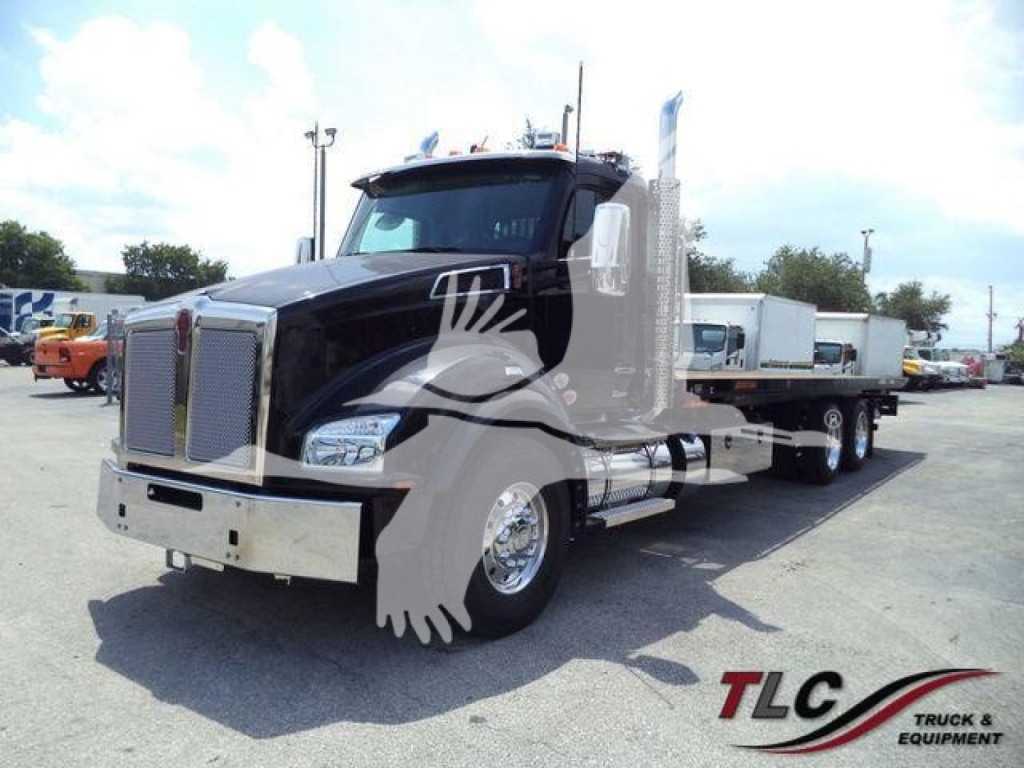
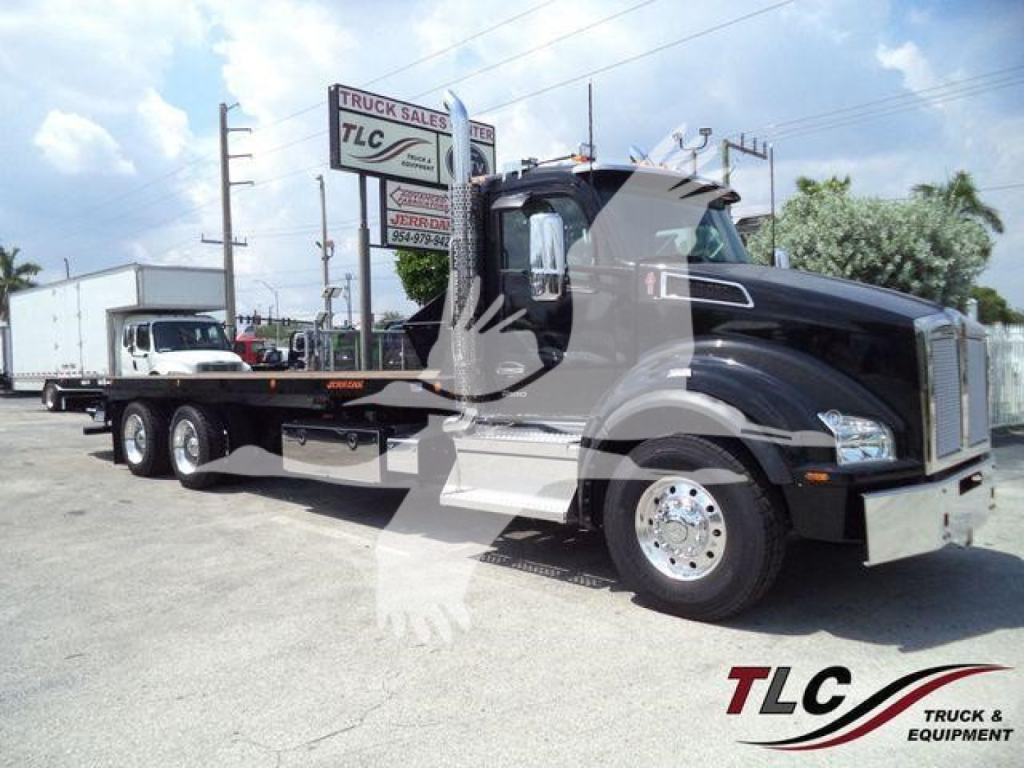
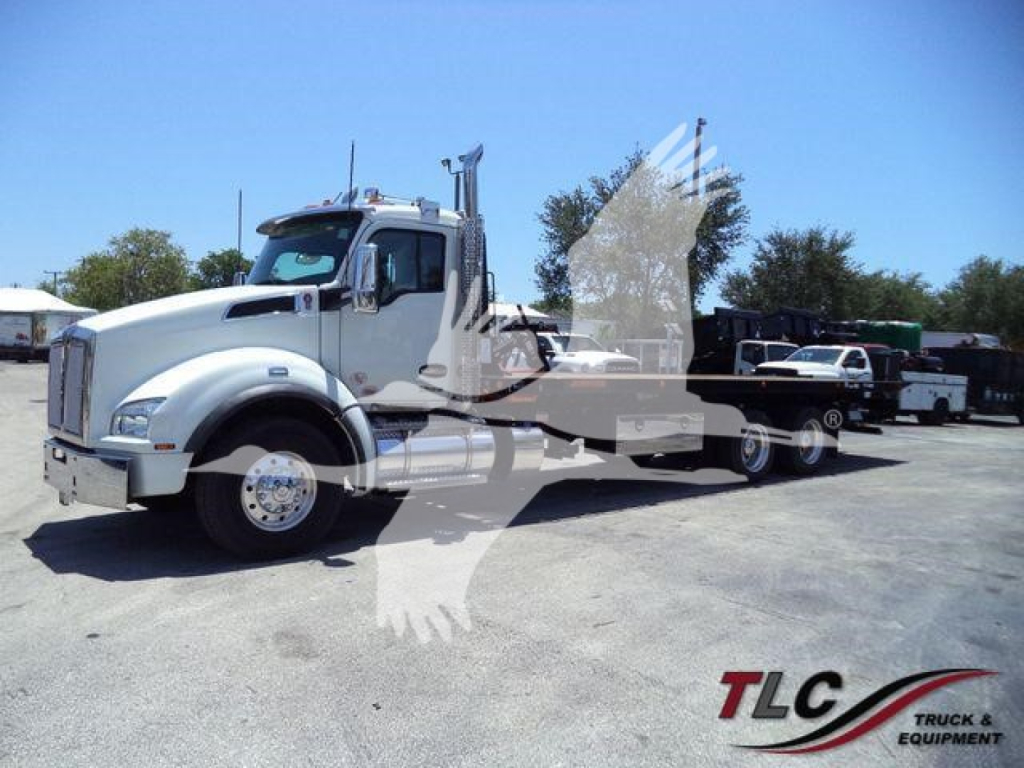
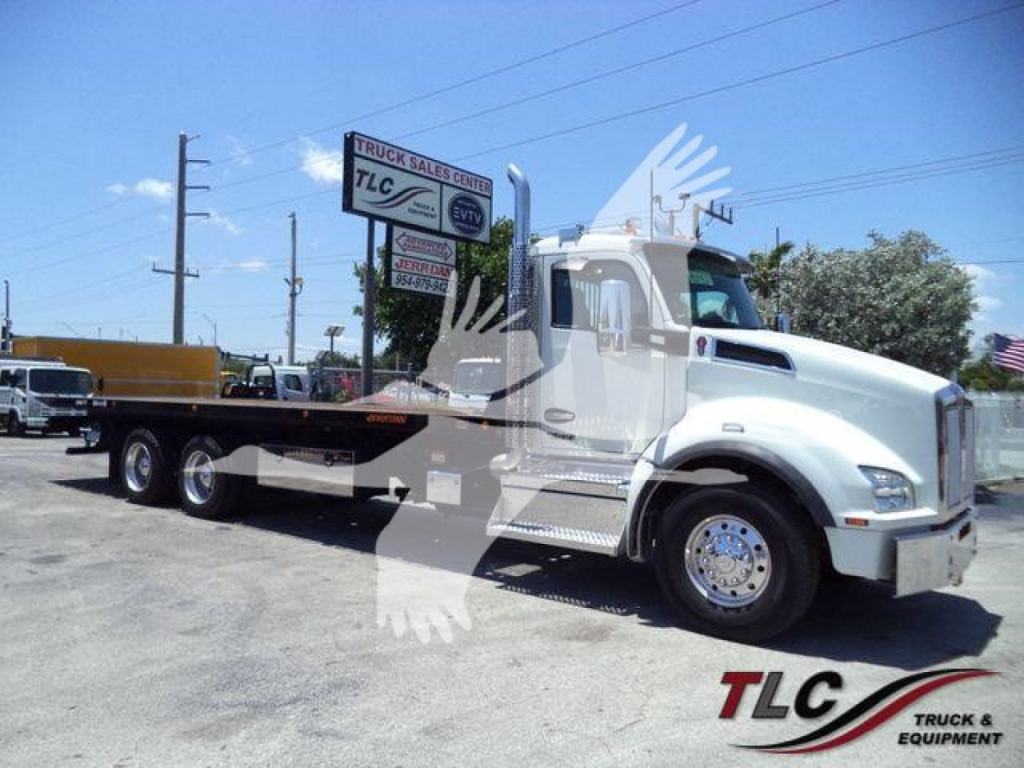
Selling a new 2026 kenworth rollback truck? List your new 2026 kenworth rollback truck for sale and reach thousands of commercial buyers.
New 2026 Kenworth Rollback Trucks in Florida
Frequently Asked Questions about New 2026 Kenworth Rollback Trucks in Florida
What is the difference between a light-duty Kenworth rollback and a heavy-duty industrial transporter rollback?
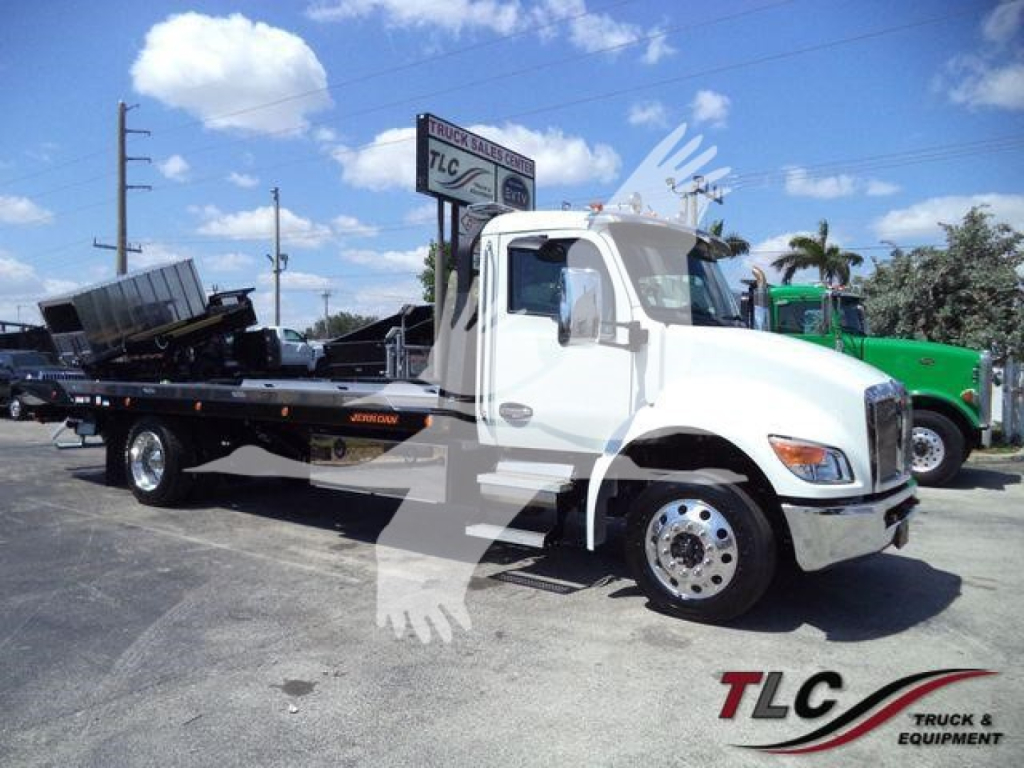
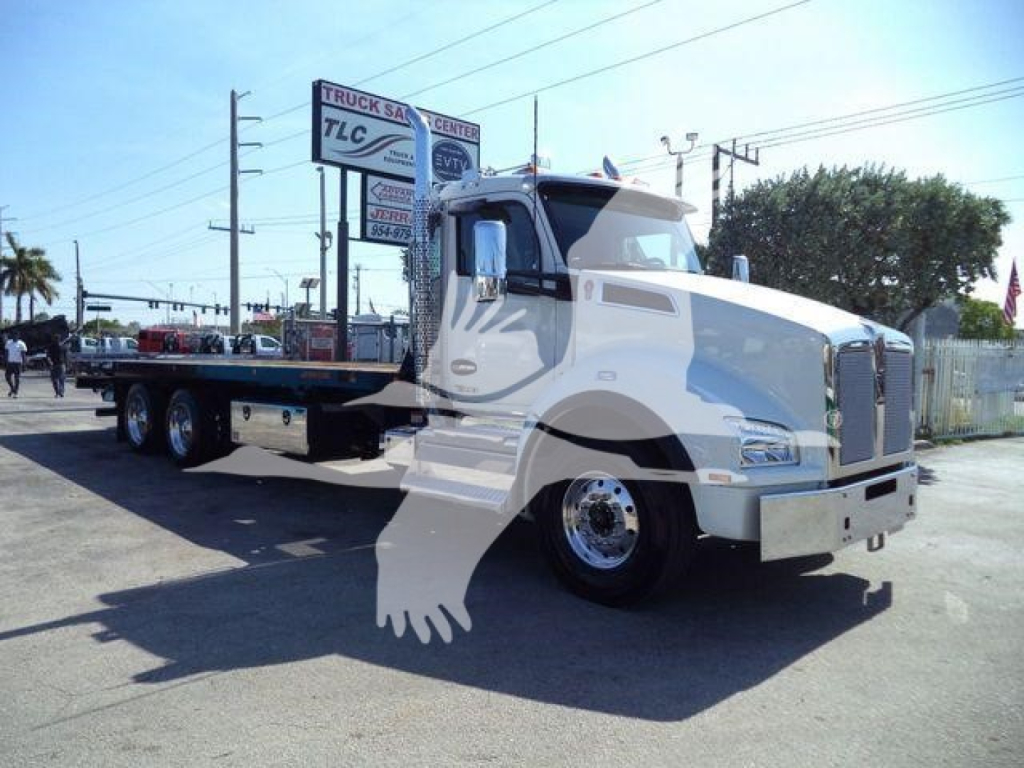
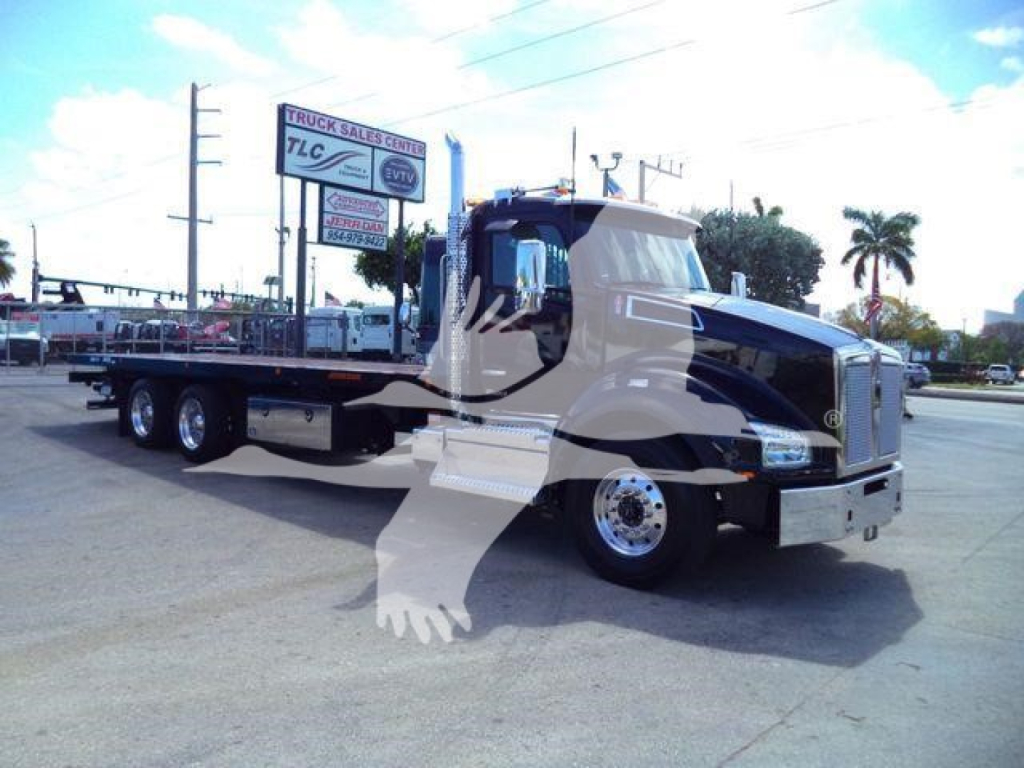
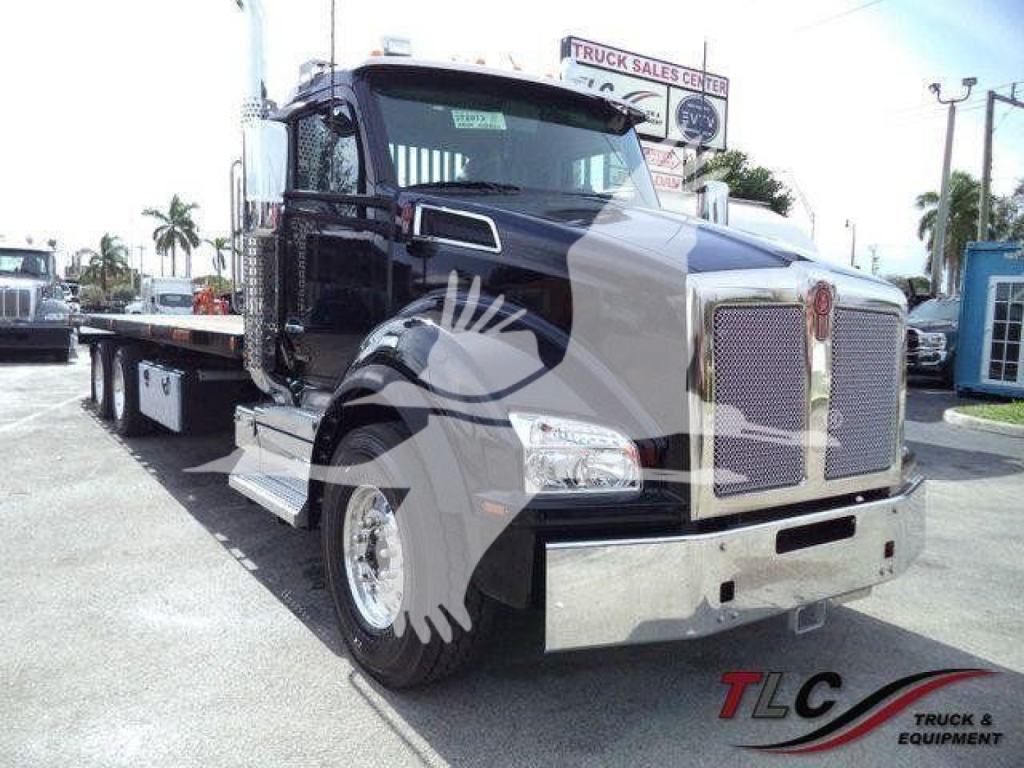
A light-duty Kenworth rollback, often built on a T280-class chassis, is usually configured for vehicle recovery, dealer transport, auctions, and general car hauling. These trucks commonly run around a 25,950 to 26,000 GVWR range with 20-foot or 22-foot low-profile decks and winches in the 8,000-pound class. A heavy-duty industrial transporter rollback, often built on a T880 chassis, is designed for heavier payloads, longer decks, and more demanding frame and axle requirements. Those trucks may carry 28-foot bodies, much higher GVWR ratings, stronger winches, and towing hardware suited for equipment movement rather than routine passenger vehicle recovery.
What deck size is best on a Kenworth rollback truck?
The right deck size depends on the cargo mix. A 20-foot or 22-foot low-profile deck is the most common choice for standard towing and vehicle transport because it provides good loading angles, better maneuverability, and strong compatibility with cars, SUVs, pickups, and many work vans. A 28-foot deck is more common on industrial transporter rollback trucks where deck space and axle placement matter for equipment, pallets, or longer loads. Buyers should consider wheelbase, overhang, and weight distribution together because deck length alone does not determine how useful the truck will be in daily operation.
Why do buyers look for low-profile or LCG rollback bodies?
Low-profile, low-center-of-gravity rollback bodies are popular because they improve loading angles and make it easier to load lower-clearance vehicles without scraping front fascias, side skirts, or underbody components. That is especially important for performance cars, luxury vehicles, lowered pickups, and specialty fleet units. An LCG body can also help the operator load more quickly and with less cribbing or ramp setup. Buyers comparing rollbacks should check deck height, tail angle, wheel-lift or tail structure, and whether the body uses steel or aluminum components that affect both durability and tare weight.
What chassis and powertrain features matter most on a new Kenworth rollback?
For most buyers, the key chassis decisions are engine rating, automatic transmission model, brake type, suspension, and rear axle specification. Medium-duty rollback trucks commonly use a Cummins diesel paired with an Allison automatic because that combination is proven in stop-and-go towing service. Air brakes and air ride suspension are common on more premium specs and can improve control, ride quality, and body stability. A locking differential, wheelbase matched to the carrier body, and the right front and rear axle ratings are all critical because rollback performance depends as much on chassis balance as on engine horsepower.
What upfit features add the most day-to-day value on a rollback tow truck?
The most useful upfit features are usually the ones that improve loading speed, securement, and operator efficiency. Buyers often prioritize a quality winch with free spool, wireless bed controls, removable blade rails, adequate toolbox space, work lights, strobe packages, hose reels, and practical side-step access. On transporter-style units, stake pockets, rub rails, dock stabilizers, and pintle hitch arrangements may be more important than appearance accessories. In Florida, corrosion resistance also matters, so aluminum wheels, aluminum fuel tanks, stainless trim in high-exposure areas, and well-finished body components can help a new rollback hold up better in coastal and humid conditions.