
New Kenworth Rollback Trucks For Sale
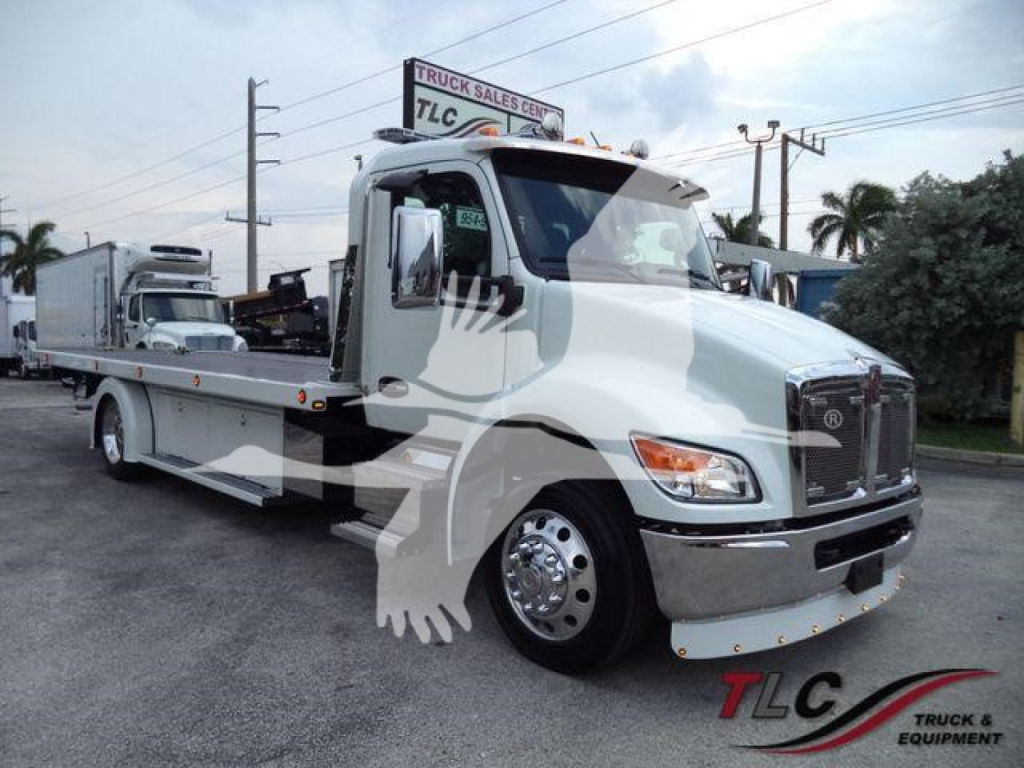
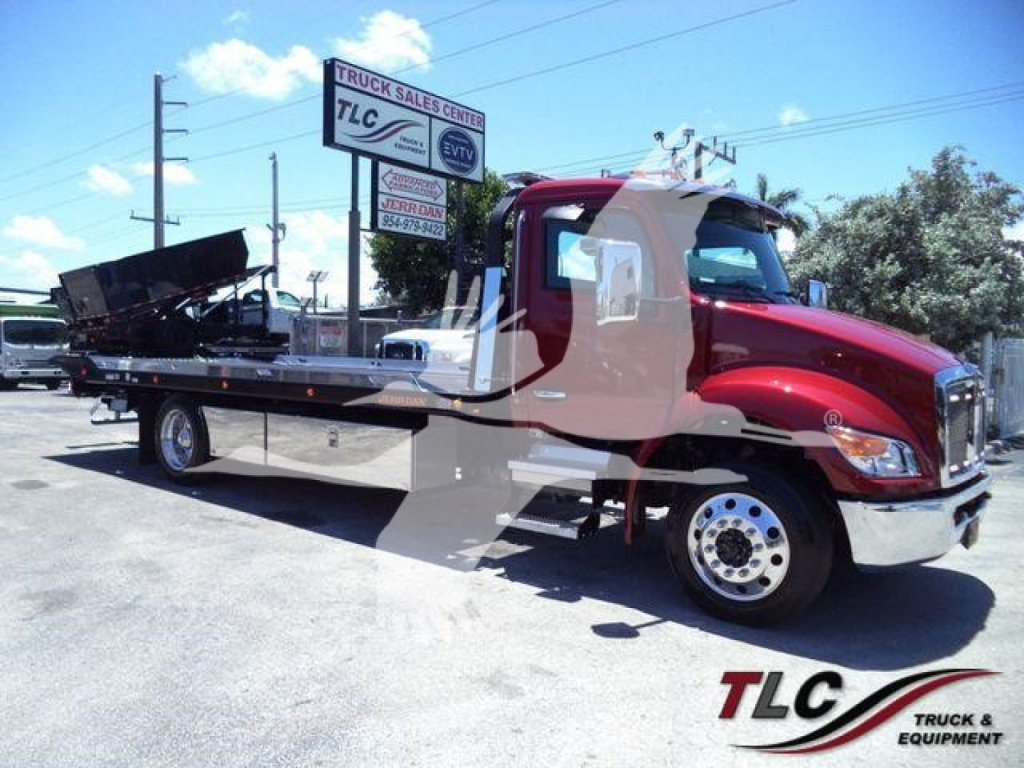
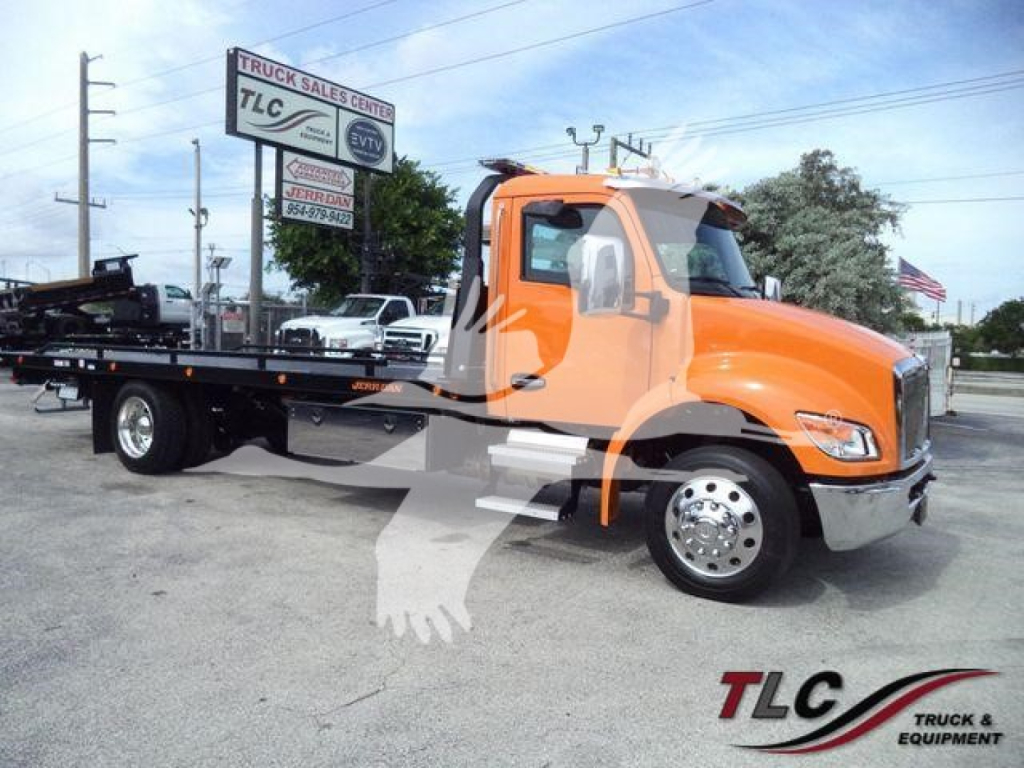
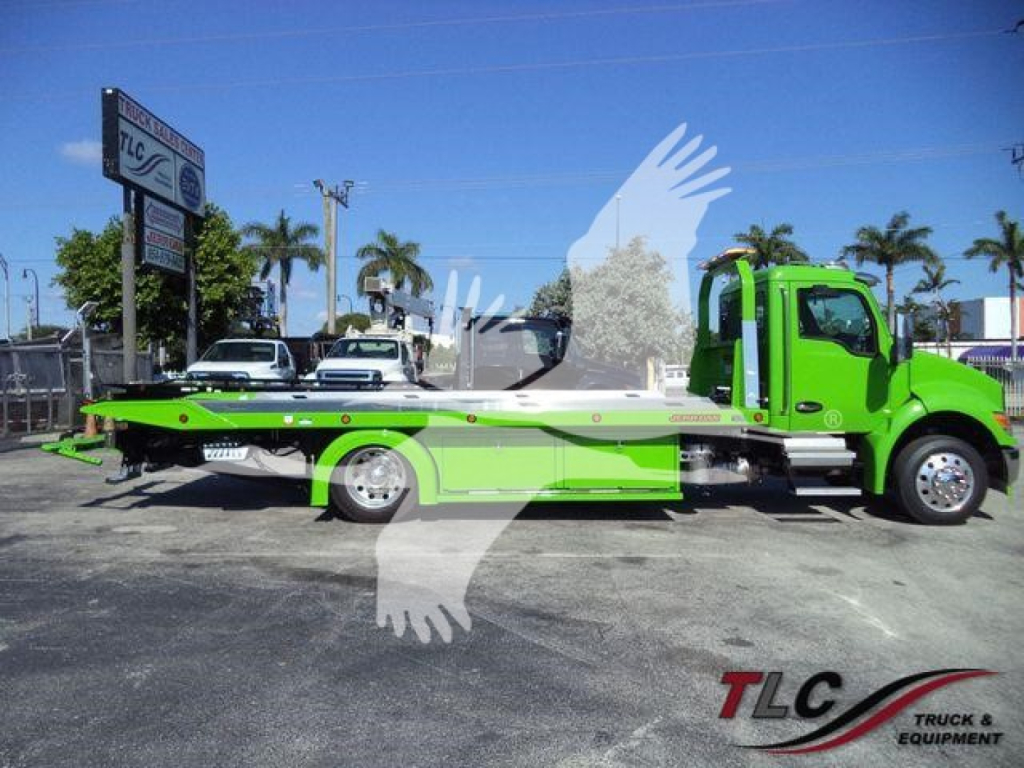
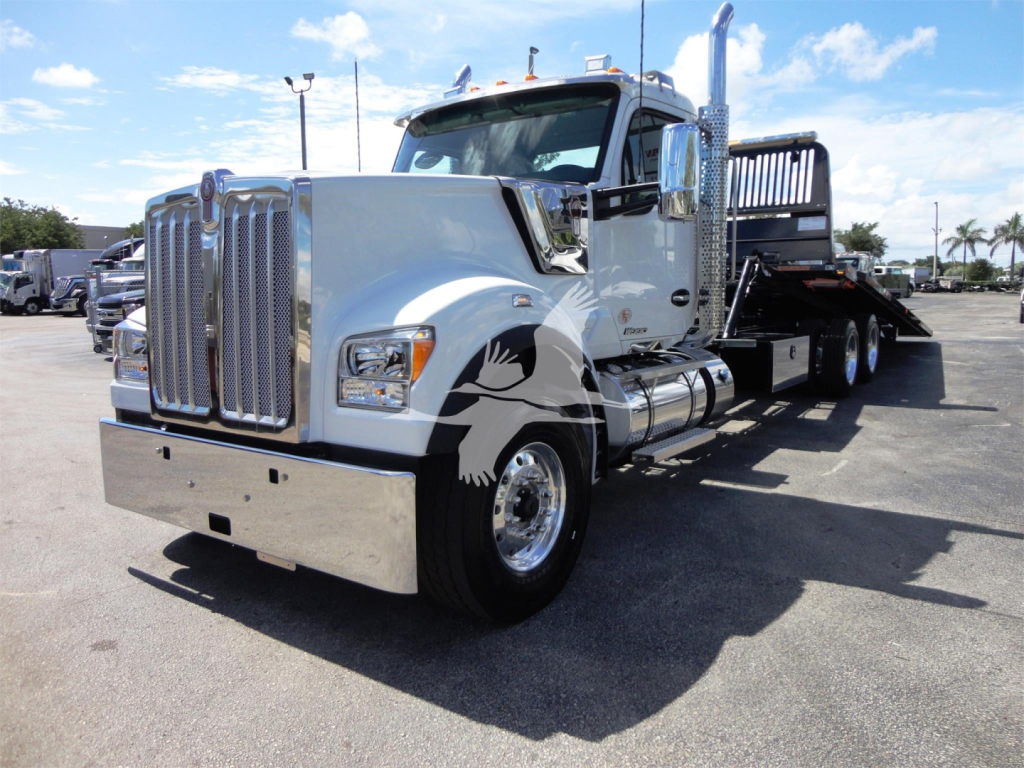
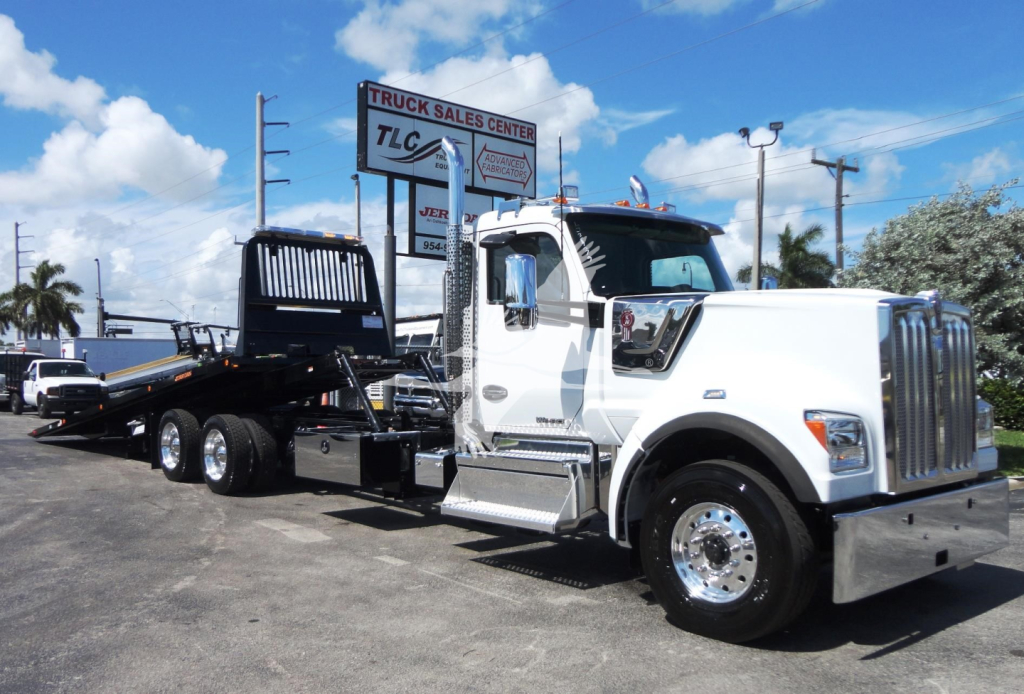
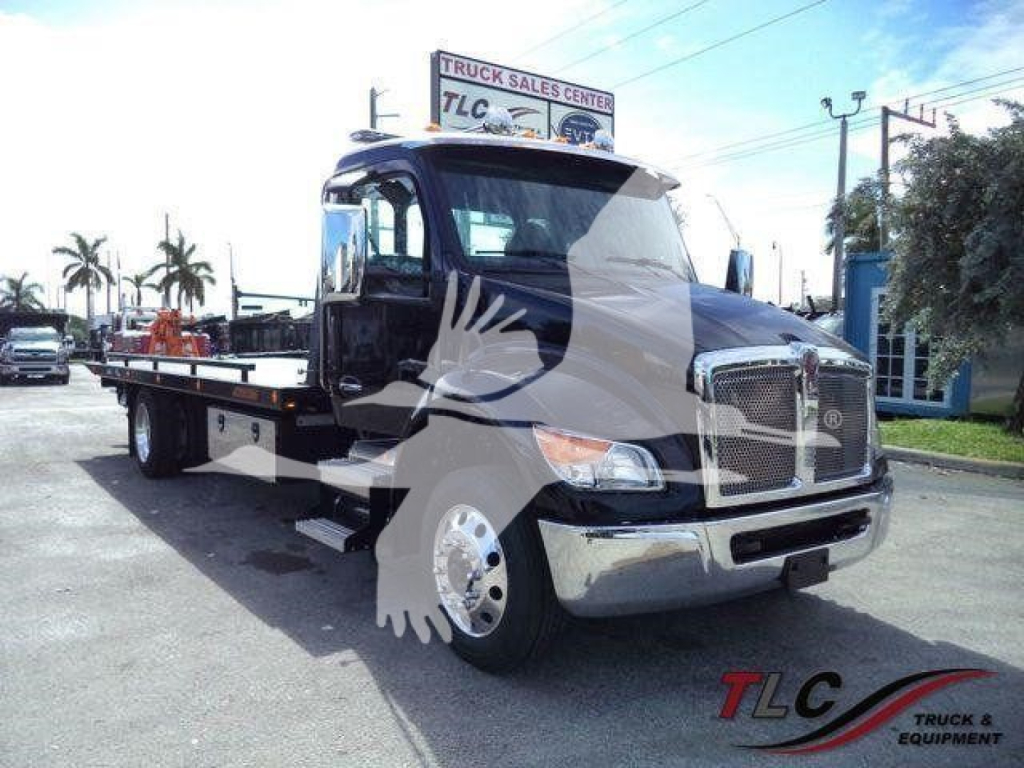
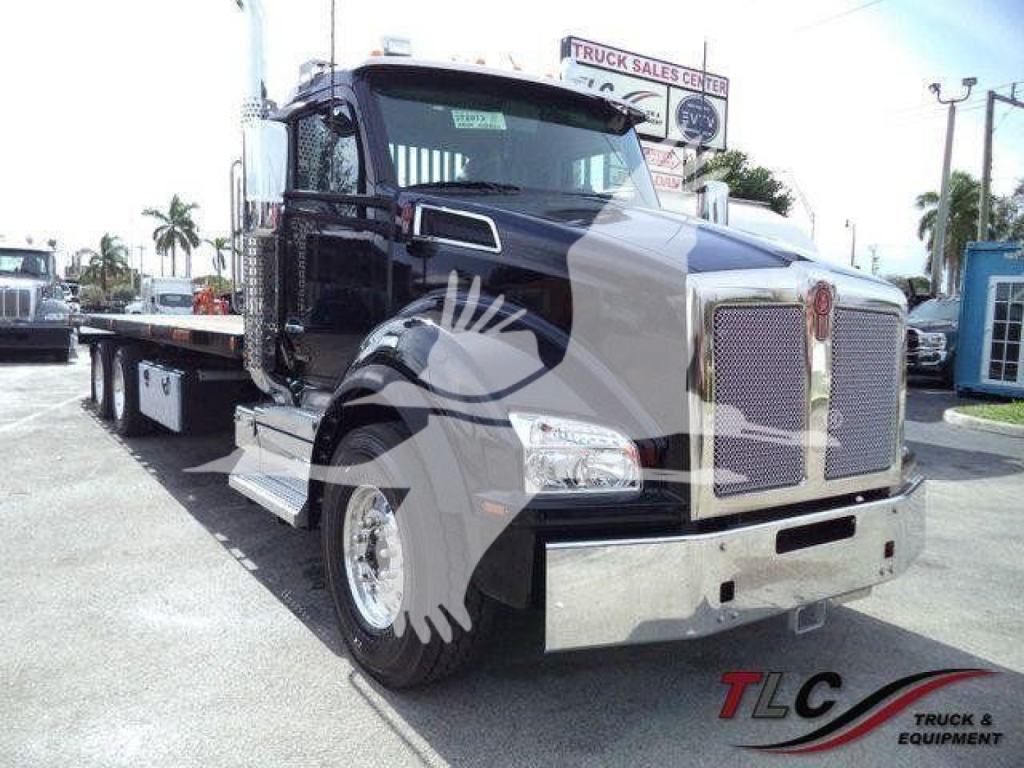
Shop new Kenworth rollback trucks with carrier and transporter configurations, Cummins power, Allison automatics, and Jerr-Dan beds.
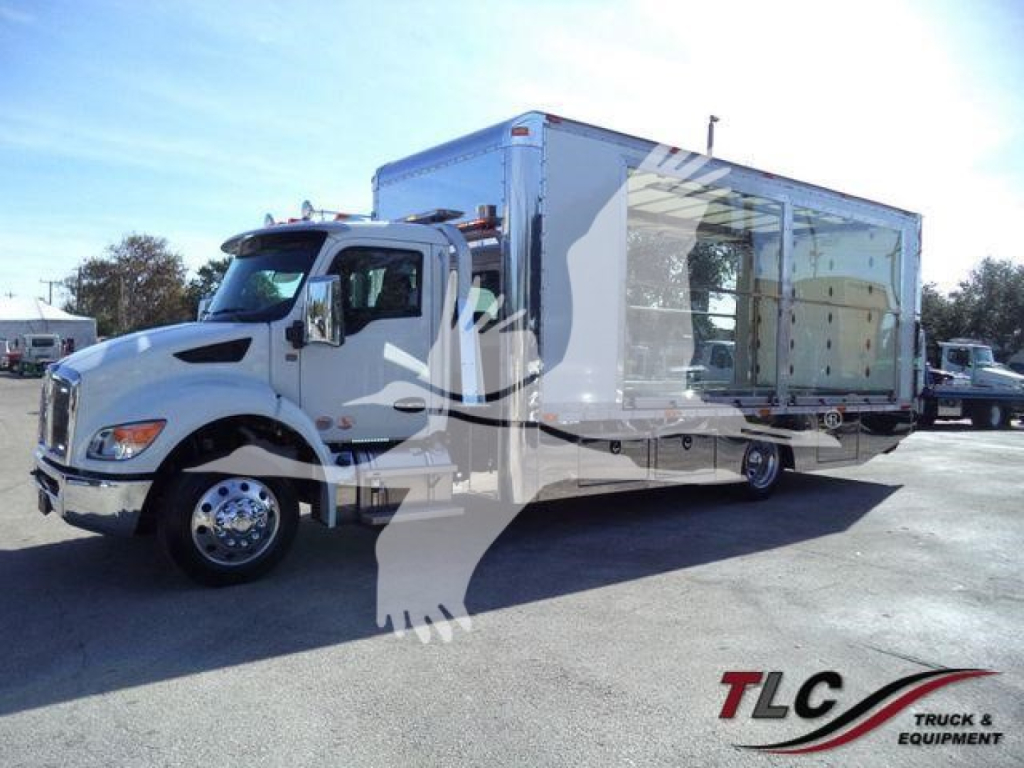
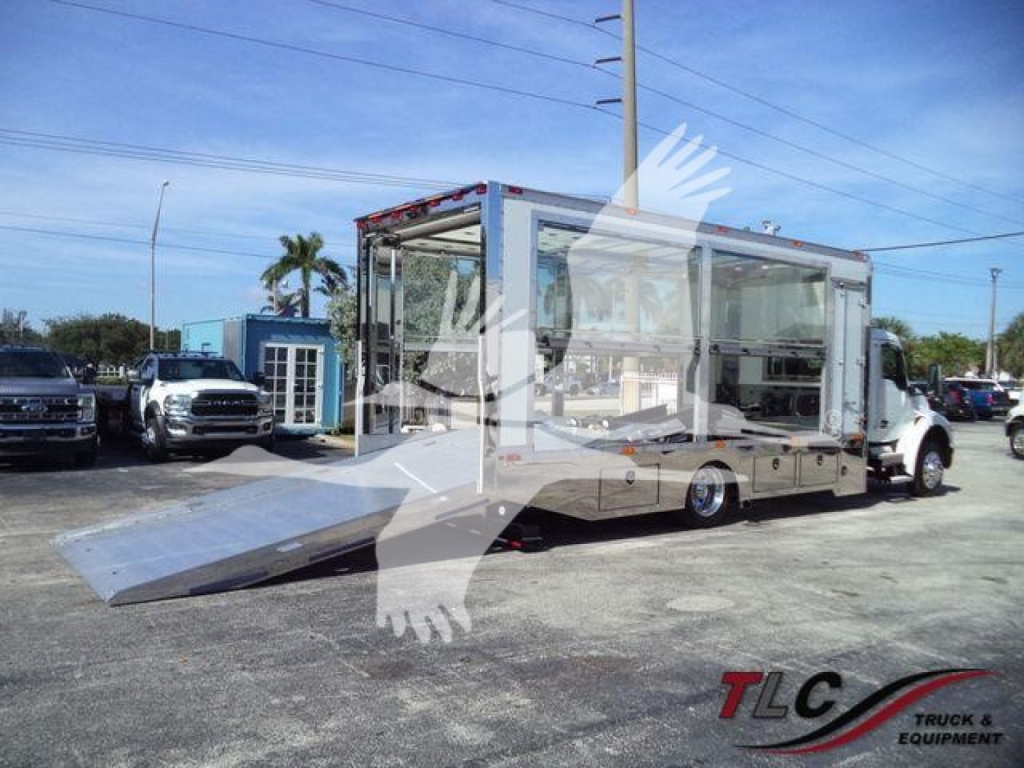
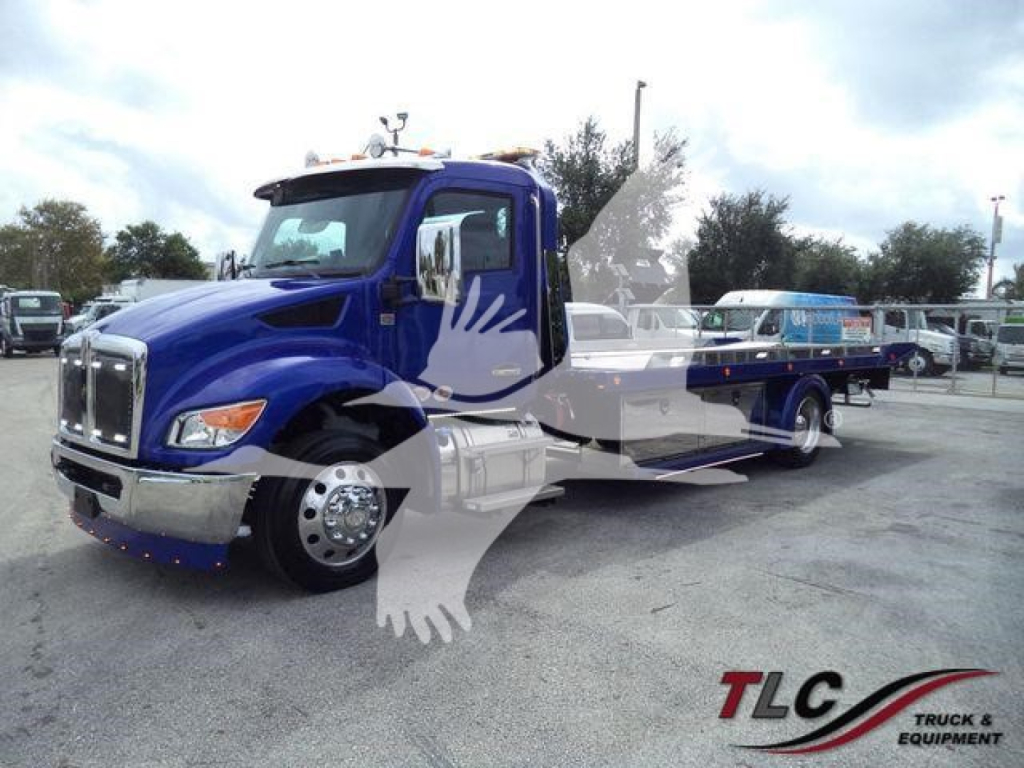
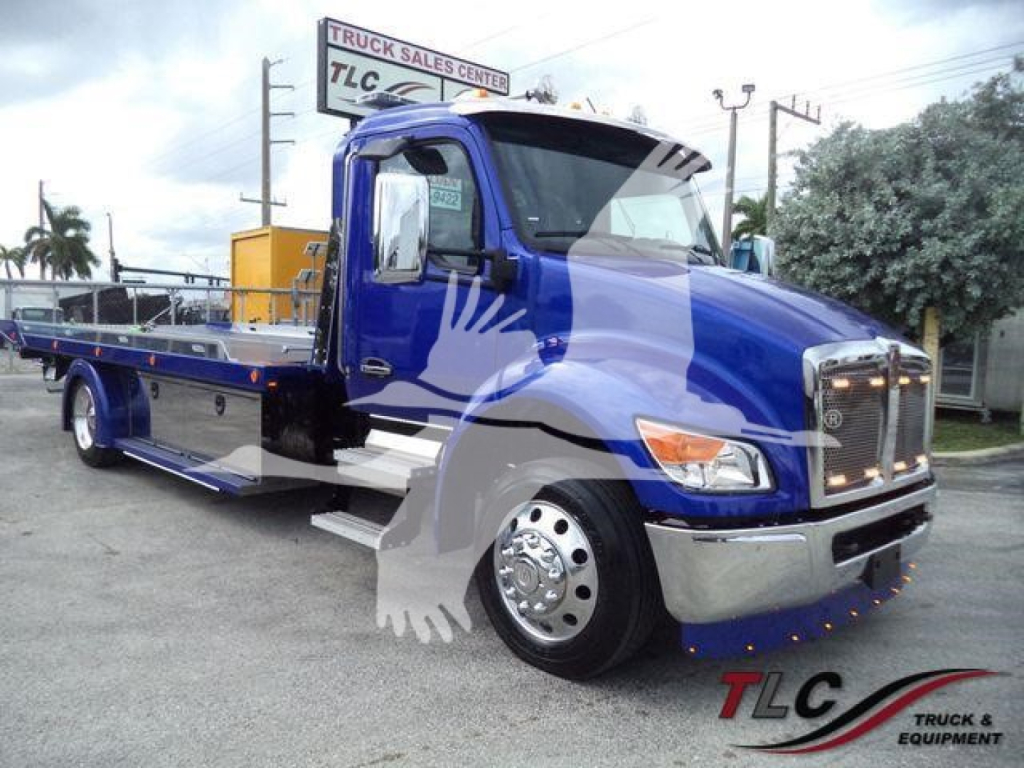
Selling a new kenworth rollback truck? List your new kenworth rollback truck for sale and reach thousands of commercial buyers.
New Kenworth Rollback Trucks
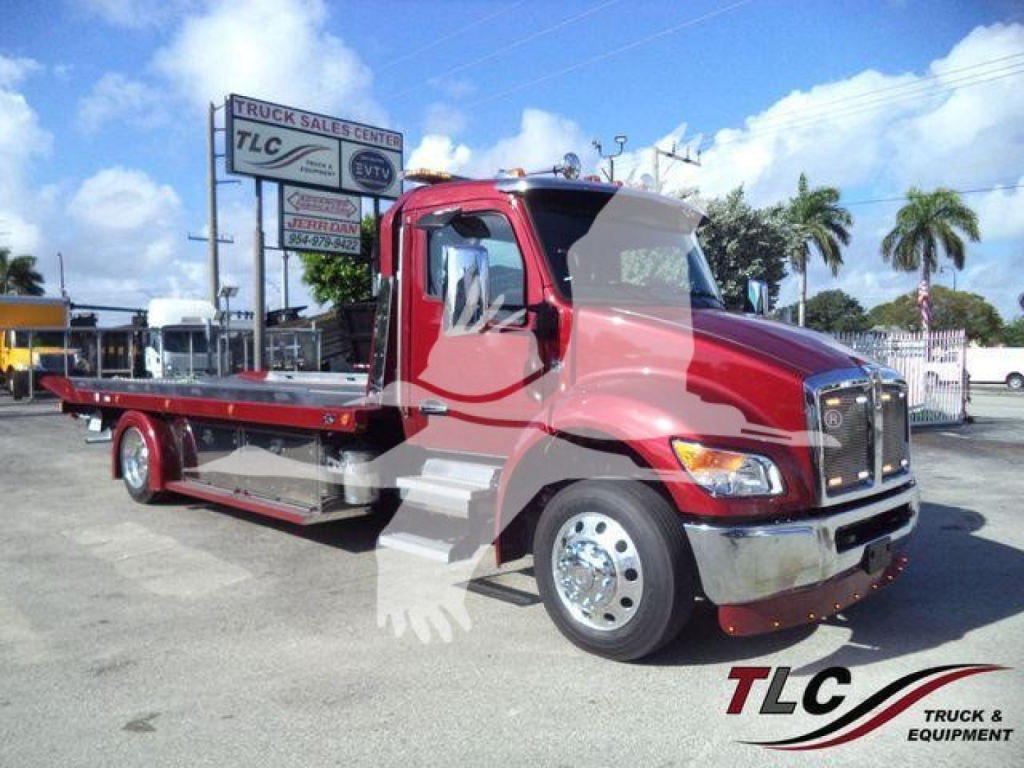
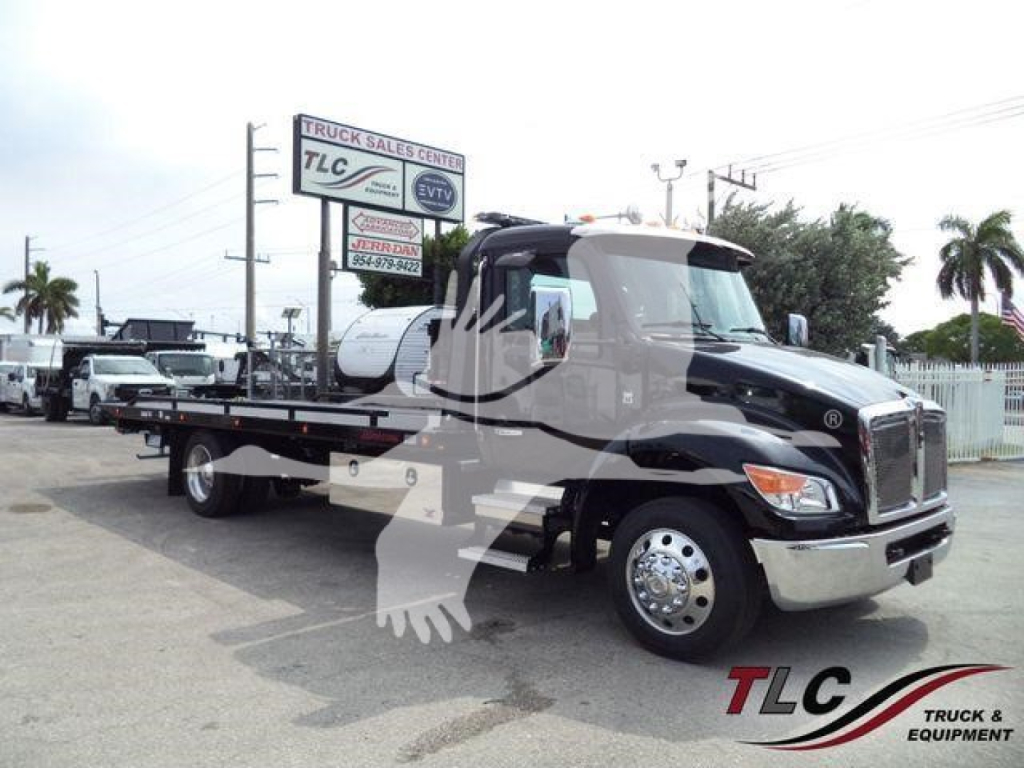
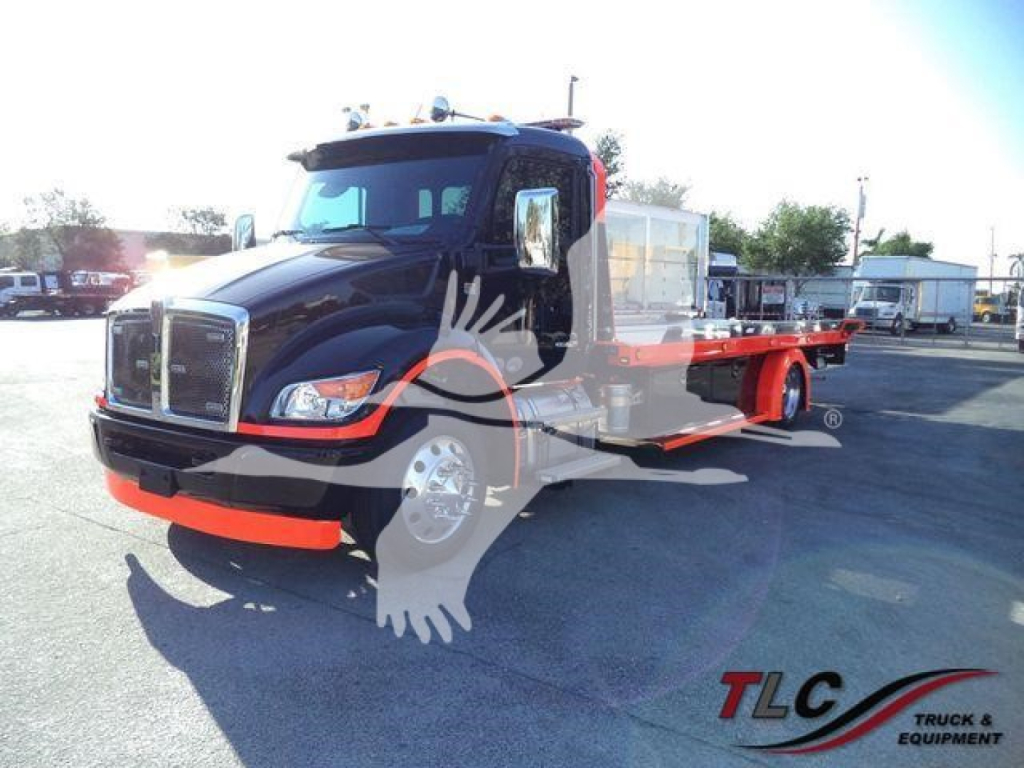
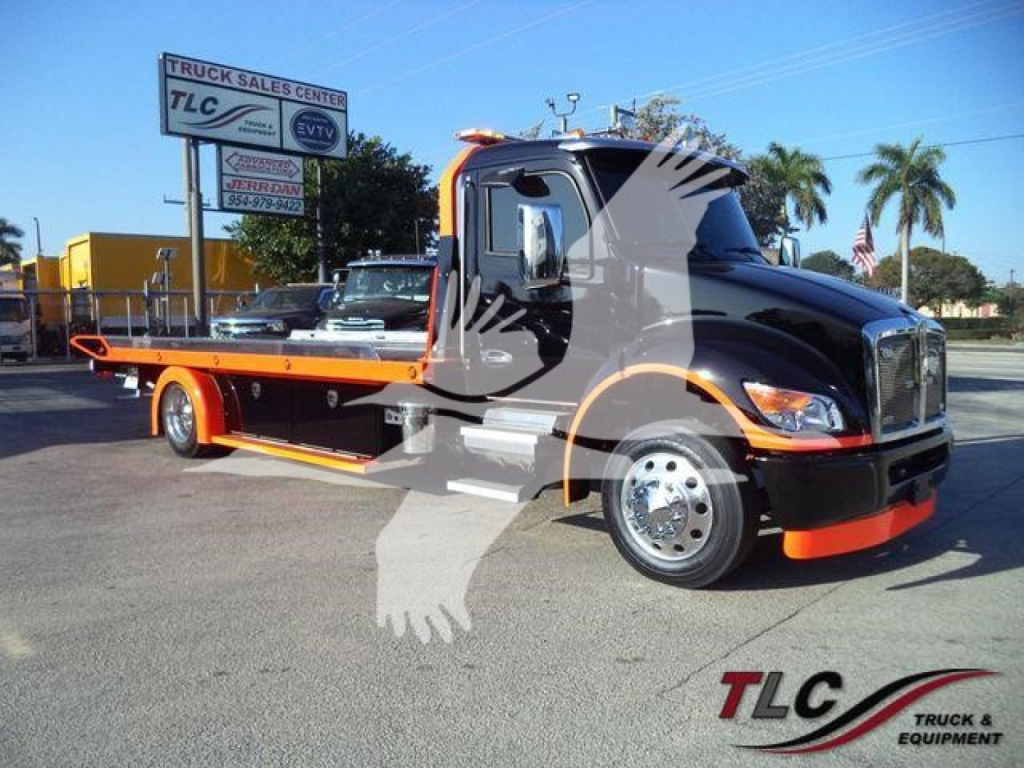
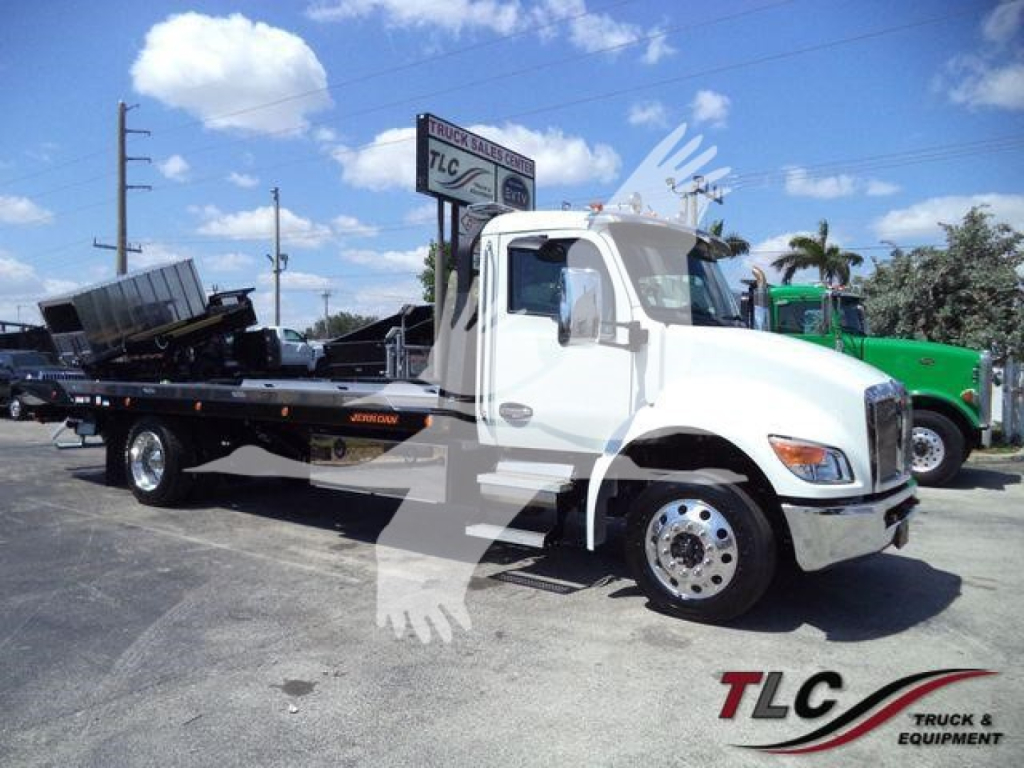
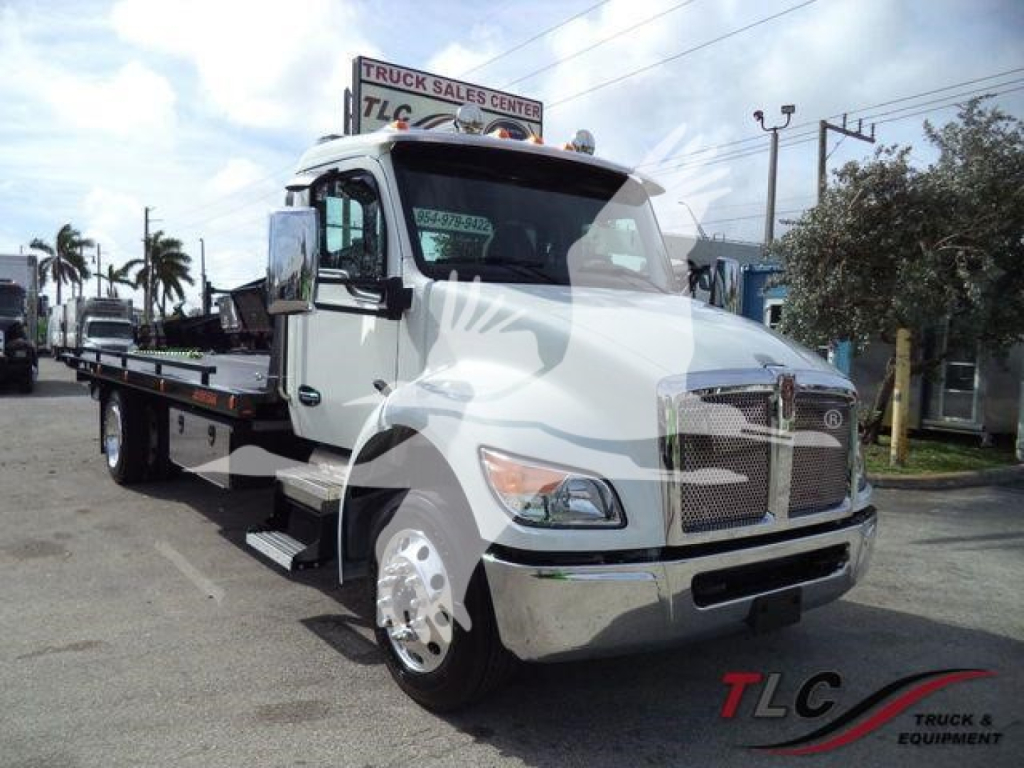
The first buying decision is usually chassis class and bed application. A T280-based rollback is a strong fit for towing companies, auctions, dealerships, repossession work, and general vehicle transport. These trucks often run in the 25,950 to 26,000 GVWR range with air brakes, air ride suspension, Allison automatic transmissions, and 20 to 22 foot low-profile carrier bodies. Low center of gravity, or LCG, and XLP-style decks matter if you regularly load lowered cars, crossovers, and longer wheelbase pickups because approach angle and breakover clearance directly affect loading speed and damage risk. Typical specs in this class include 6-ton bed ratings, 8,000 to 10,000 lb winches, removable rails or blade rails, and wheel lifts around 3,500 lb for towing a second unit or handling recoveries more efficiently.
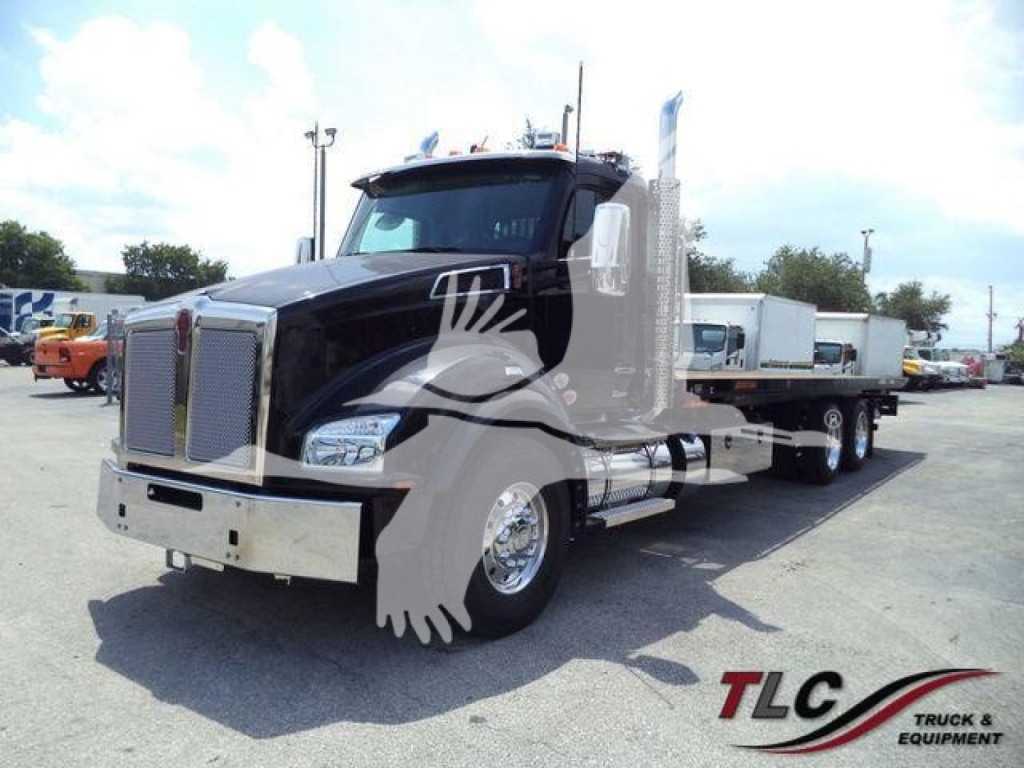
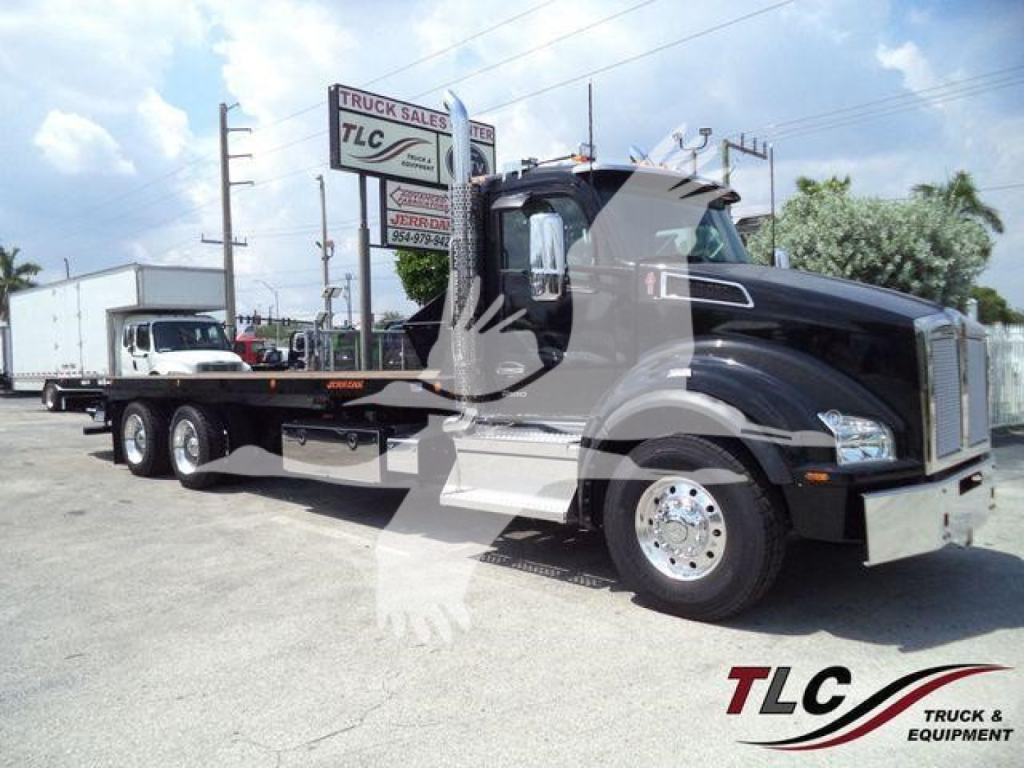
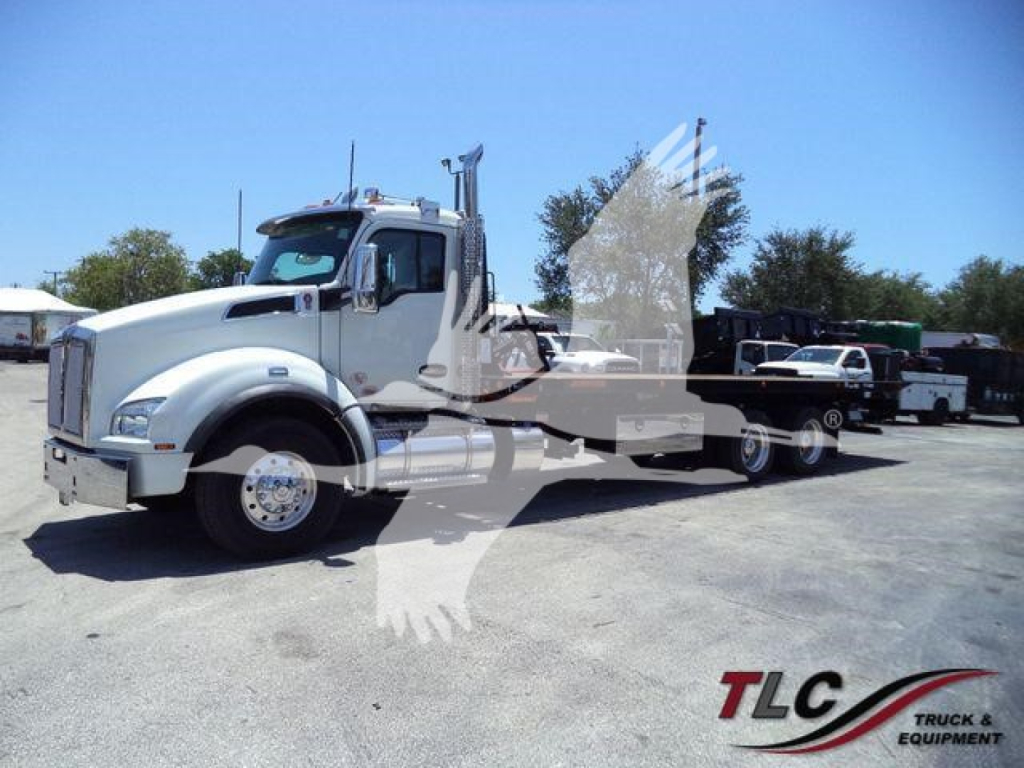
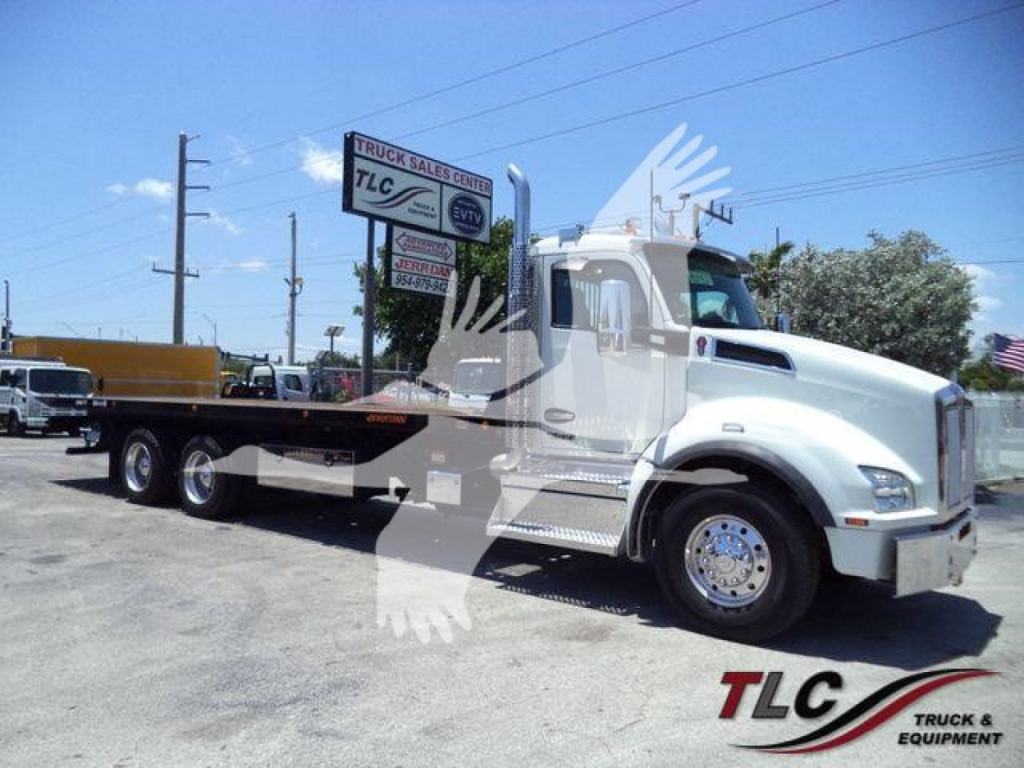
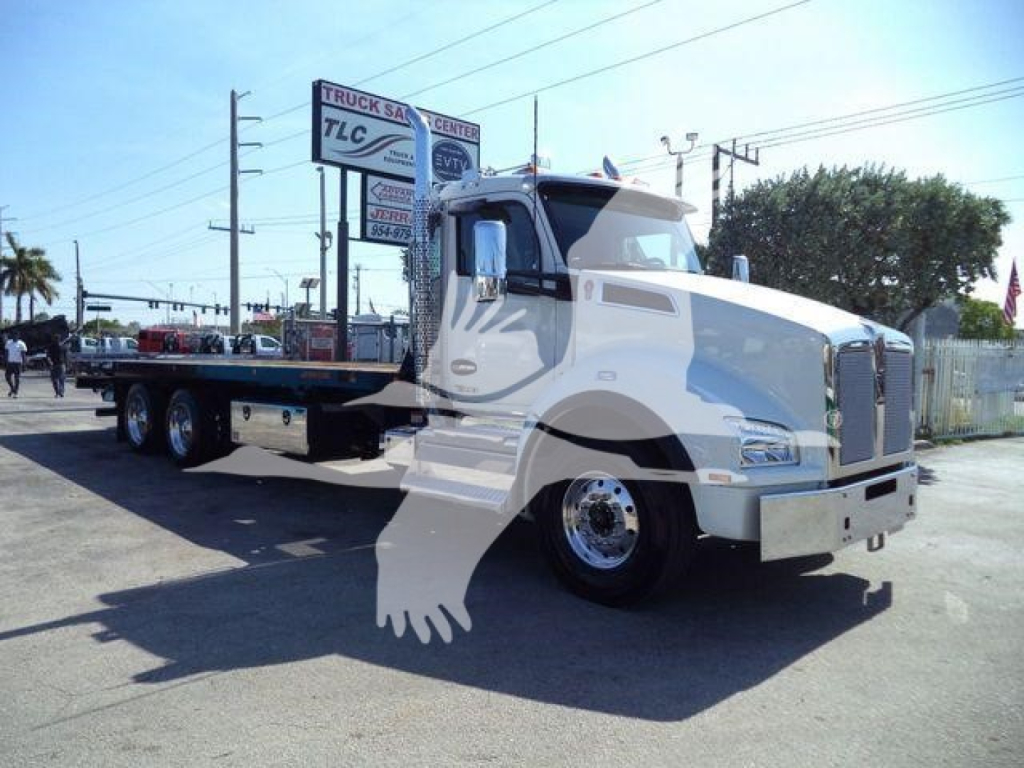
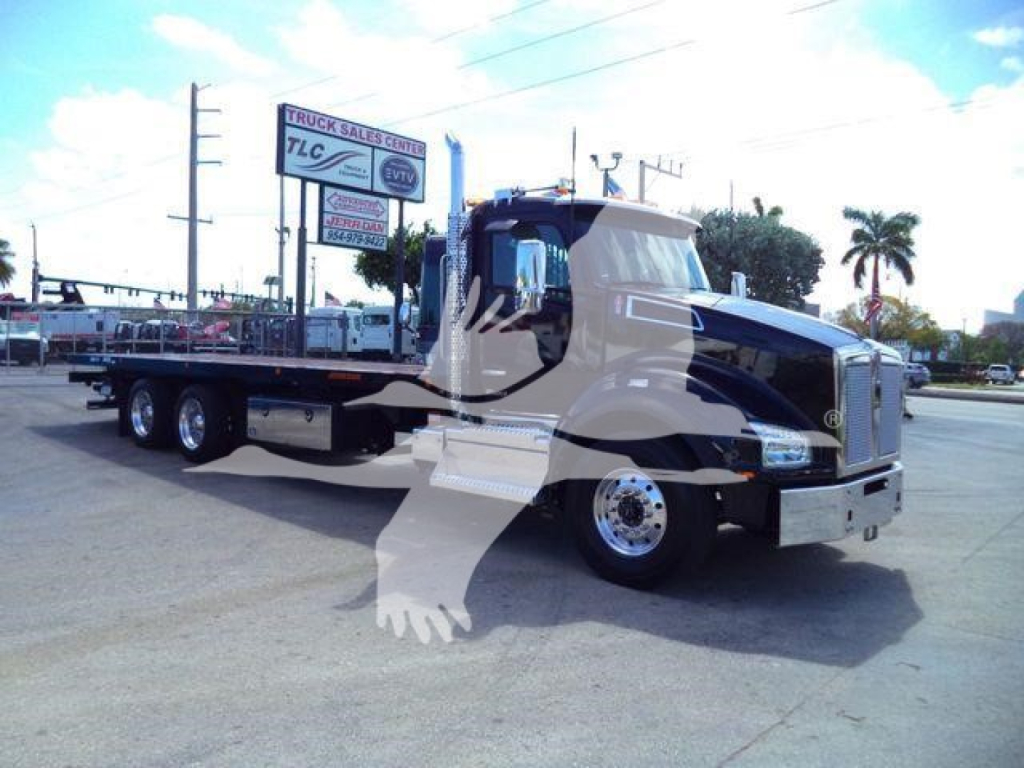
A Kenworth T880 rollback is a different tool entirely. These heavier configurations are used as industrial transporters and equipment haulers where deck strength, chassis capacity, and rear suspension matter more than urban maneuverability. Listings in this class often show 28 foot beds, approximately 101 to 102 inch deck widths, wood or steel deck surfaces, 20,000 lb winches, pintle hitch arrangements, rear glad hands, dock stabilizers, and GVWRs around 60,000 lb with 20,000 lb front and 40,000 lb rear axle ratings. Buyers hauling scissor lifts, skid steers, compressors, or other jobsite equipment should look closely at deck construction, subframe corrosion protection, rub rails, stake pockets, tie-down layout, and whether the truck is set up for trailer towing in addition to bed hauling.
On new Kenworth rollback trucks, the details that affect daily uptime are often in the upfit. Jerr-Dan bodies are common in this segment, and buyers should compare wireless remote functions, headboard design, toolbox capacity, lighting packages, hose reel placement, and winch free-spool setup. Air ride suspension can improve ride quality for transported vehicles, while aluminum wheels, heated power mirrors, and cab comfort options matter if the truck will be on dispatch all day. If the work mix includes passenger cars, light trucks, and occasional commercial units, prioritize deck angle, wheel-lift capacity, and storage for chains, straps, dollies, and recovery gear. If the truck will spend more time on industrial freight or equipment moves, prioritize wheelbase, axle ratings, bed length, hitch capacity, and the durability of the deck and subframe over cosmetic trim.
Frequently Asked Questions about New Kenworth Rollback Trucks
What is the difference between a Kenworth T280 rollback and a Kenworth T880 rollback?
The Kenworth T280 is typically used as a medium-duty rollback for vehicle recovery, dealership transport, auction runs, and general car hauling. It commonly carries a 20 to 22 foot low-profile bed and operates around the 26,000 GVWR class. The Kenworth T880 is usually spec'd as a heavy industrial rollback with a longer 28 foot deck, much higher axle ratings, and the chassis strength to move equipment and heavier freight. The right choice depends on whether your work is primarily passenger vehicles and light-duty towing or heavier commercial and equipment transport.
What bed length is most common on a new Kenworth rollback truck?
The most common bed lengths in this category are 20, 22, and 28 feet. A 20 or 22 foot bed is standard for many T280 car carriers because it balances maneuverability with enough deck space for cars, pickups, and light commercial units. A 28 foot bed is more common on T880 industrial transporter builds where longer deck space is needed for equipment, palletized freight, or larger vehicles. Bed length should be matched to the cargo you load most often, not just maximum capacity on paper.
Why do low-profile or LCG rollback beds matter?
A low-profile or low center of gravity bed reduces loading angle and helps prevent front bumper, rocker panel, or underbody contact when loading low-clearance vehicles. That matters for sports cars, luxury vehicles, EVs, and lowered pickups, but it also speeds up routine loading because the truck needs less setup to achieve a safe approach angle. For operators handling a lot of modern passenger vehicles, LCG and XLP-style carriers are often more important than cosmetic options.
What winch and wheel-lift capacities are typical on Kenworth rollback trucks?
Medium-duty rollback trucks in this class often carry 8,000 to 10,000 lb winches and wheel lifts around 3,500 lb. Heavy-duty industrial transporter configurations can step up to 20,000 lb winches and more robust towing and hitch hardware. Buyers should match winch rating to real recovery conditions, including dead pulls, load resistance, and the grade where the truck operates. Wheel-lift capacity also matters if the truck will tow a second vehicle or perform more than straight deck transport.
What should buyers inspect most closely on a new rollback upfit?
The most important areas are deck design, hydraulic function, tie-down layout, tool storage, control access, and body manufacturer support. Check deck width, rail style, rub rail and stake pocket placement, winch mounting, lighting visibility, and whether the remote controls operate all major functions cleanly. Also verify hitch setup, rear stabilizers if equipped, and how the toolboxes and accessories are integrated into the body. A well-spec'd rollback is not just about the chassis and engine. The upfit determines how efficiently the truck works every day.