
New 2025 Kenworth Rollback Trucks For Sale
Shop new 2025 Kenworth rollback trucks, including T280 carriers with Jerr-Dan beds built for towing, vehicle recovery, and transport work.
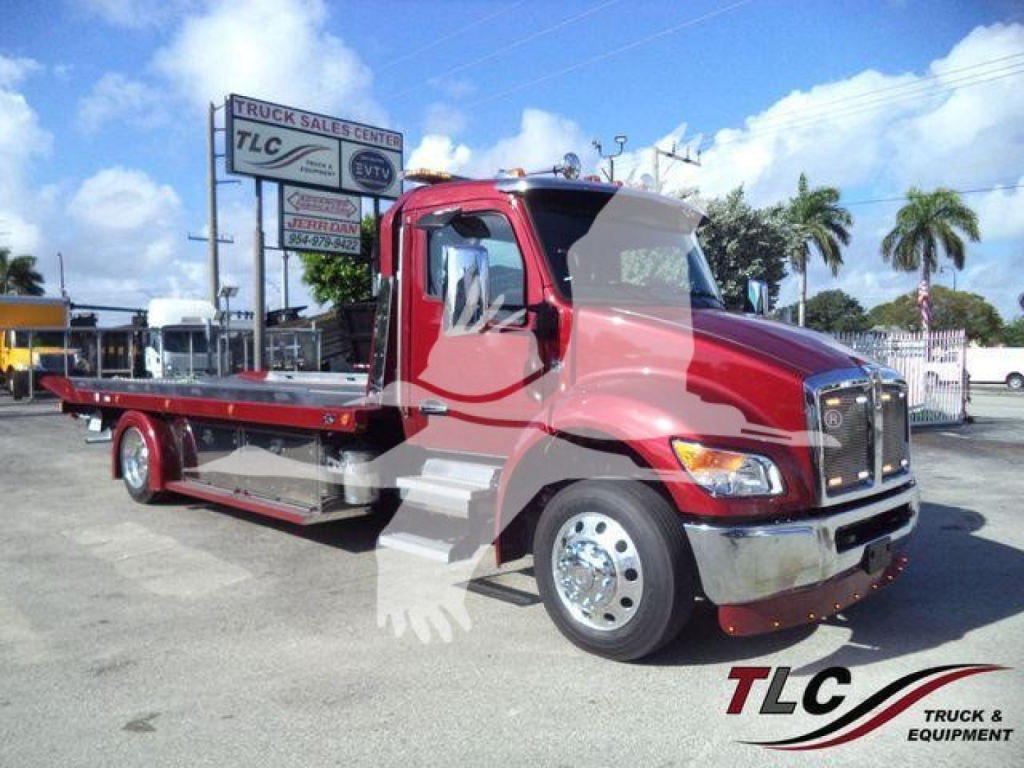
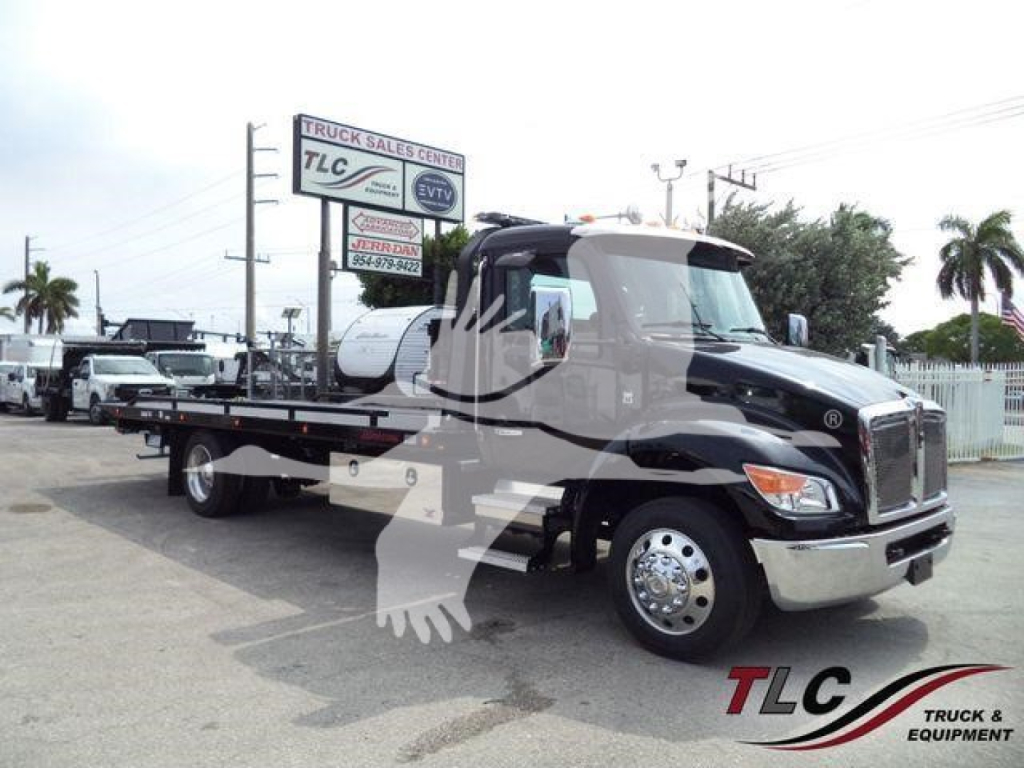
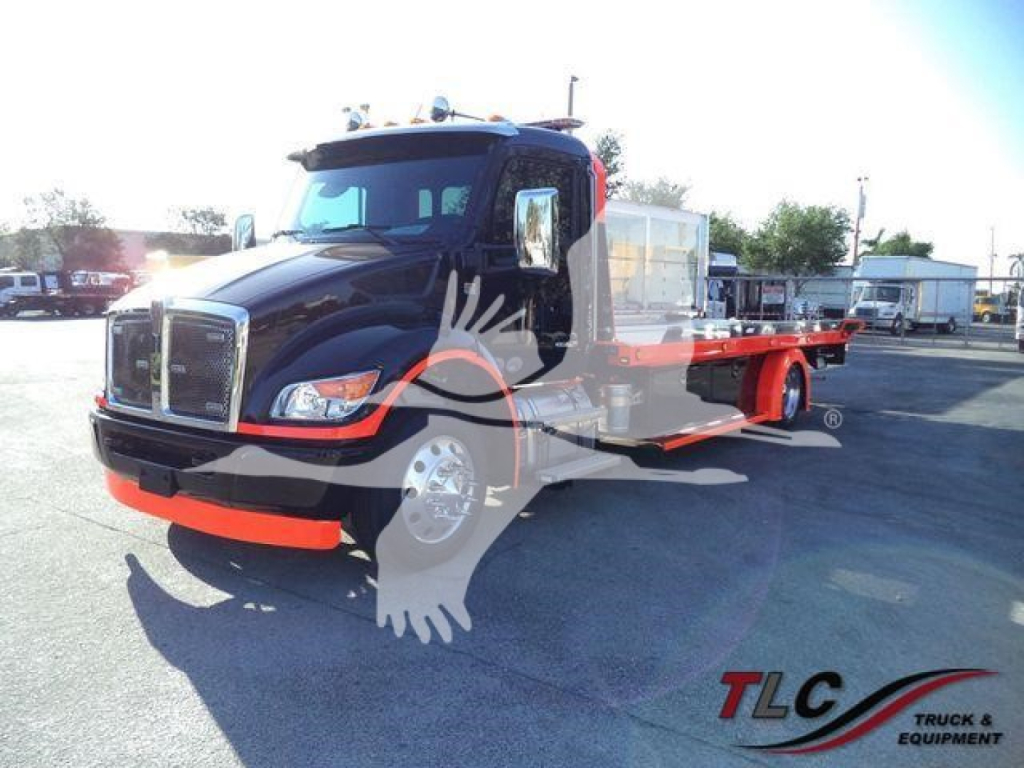
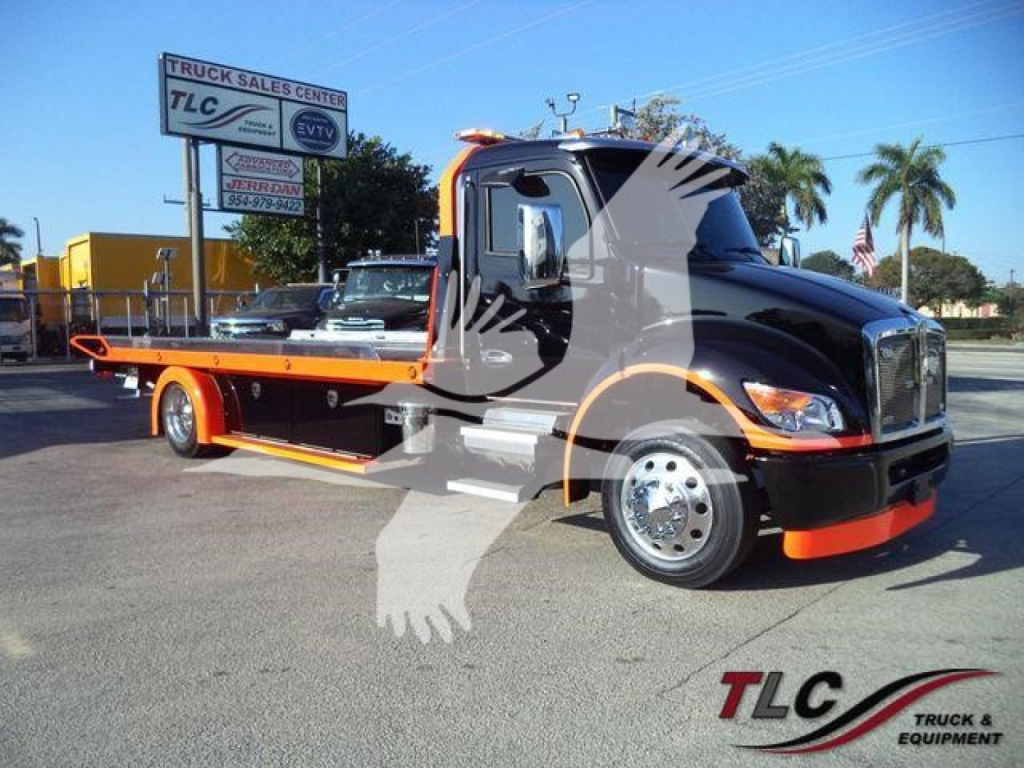
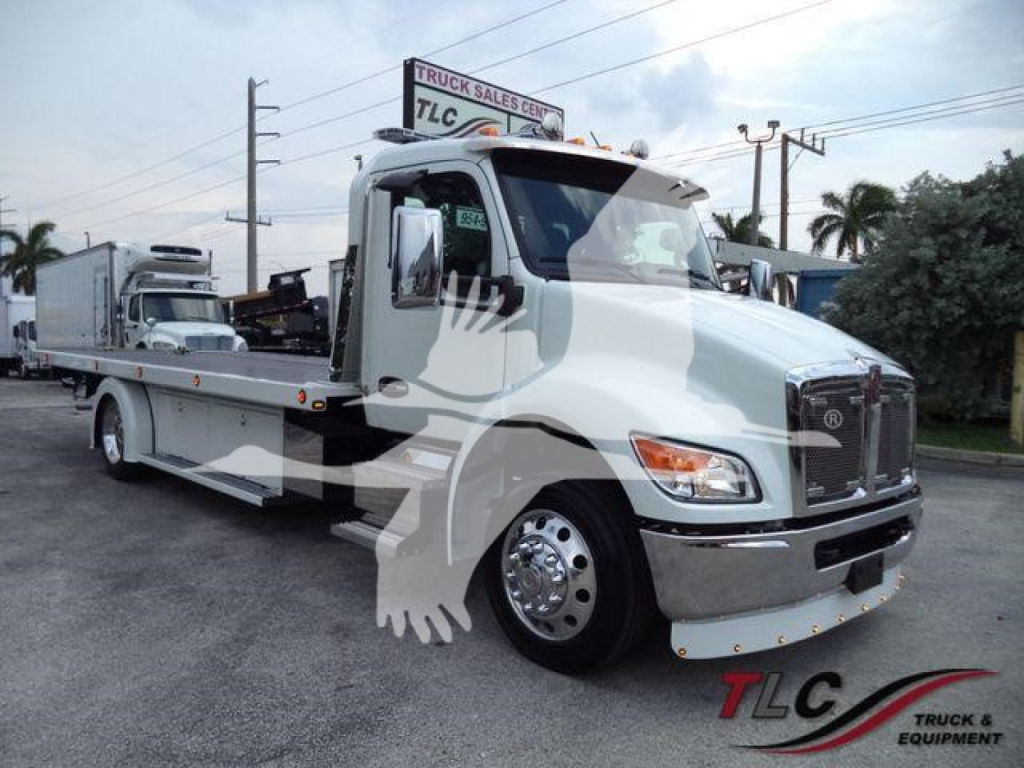
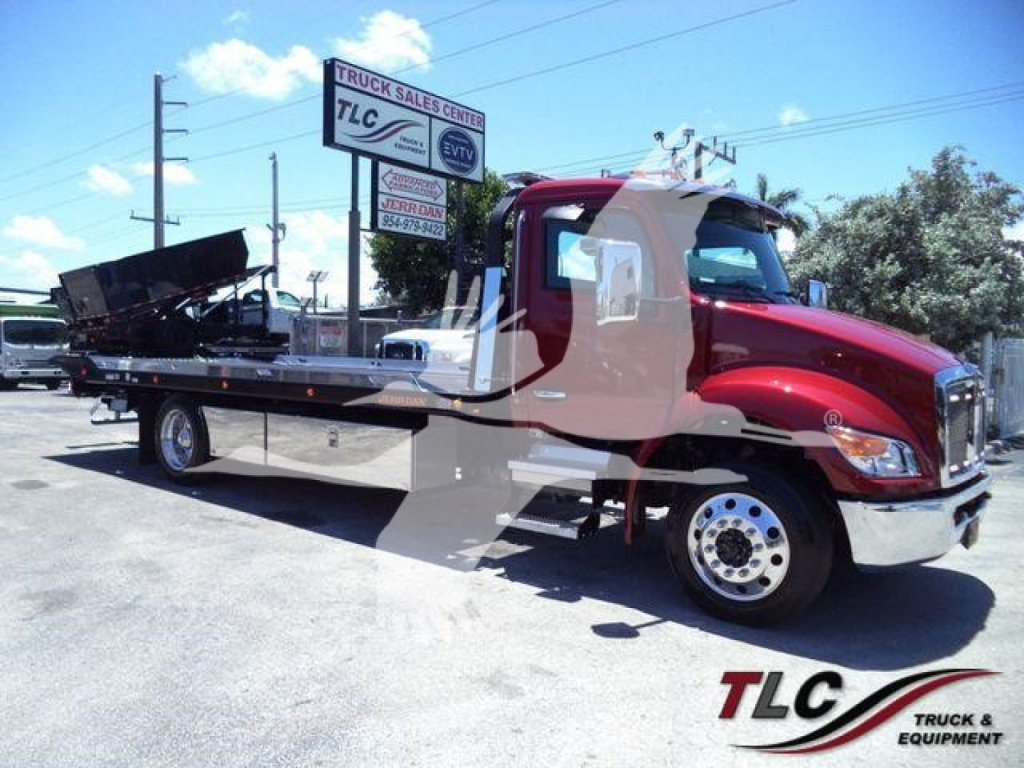
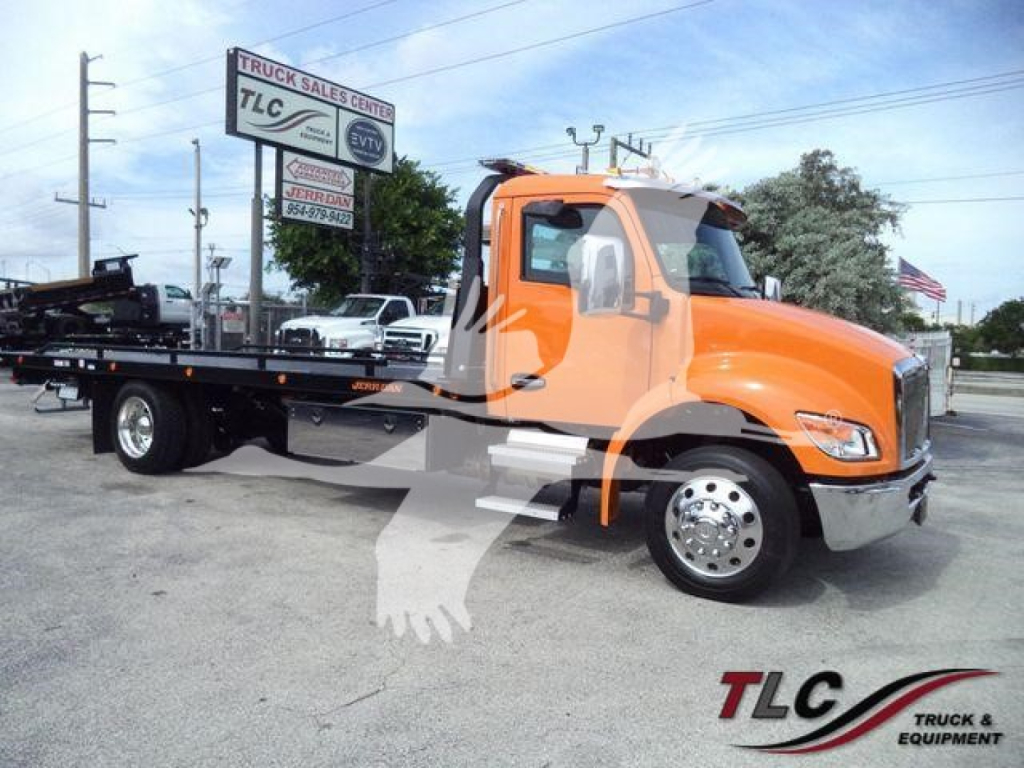
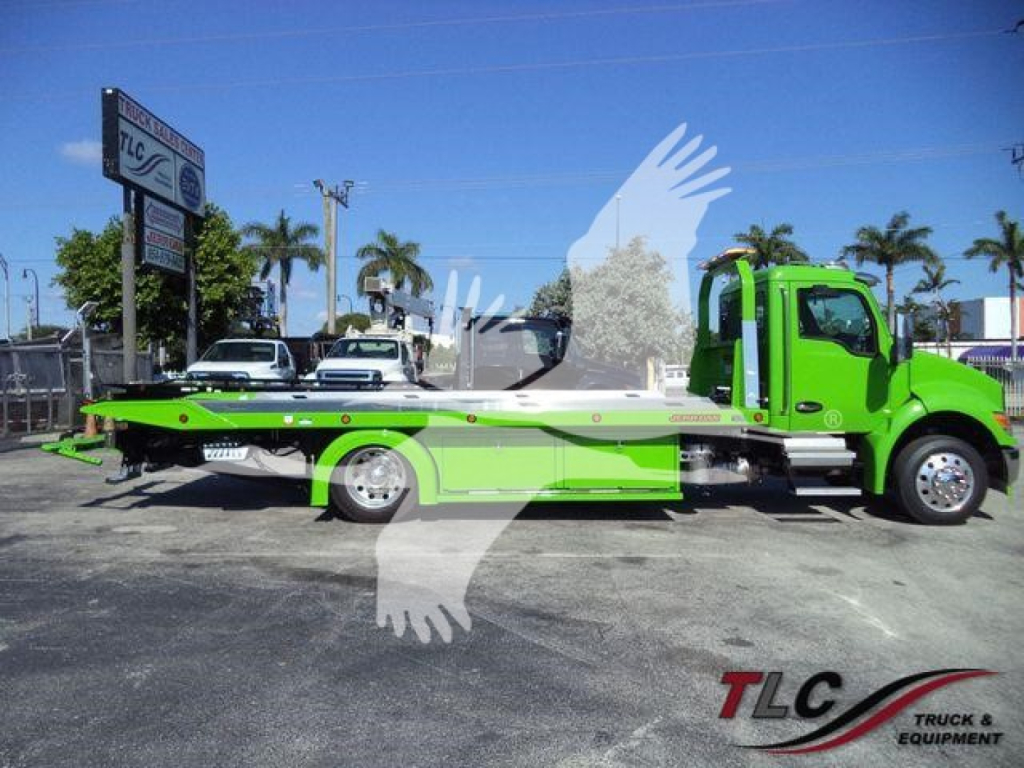
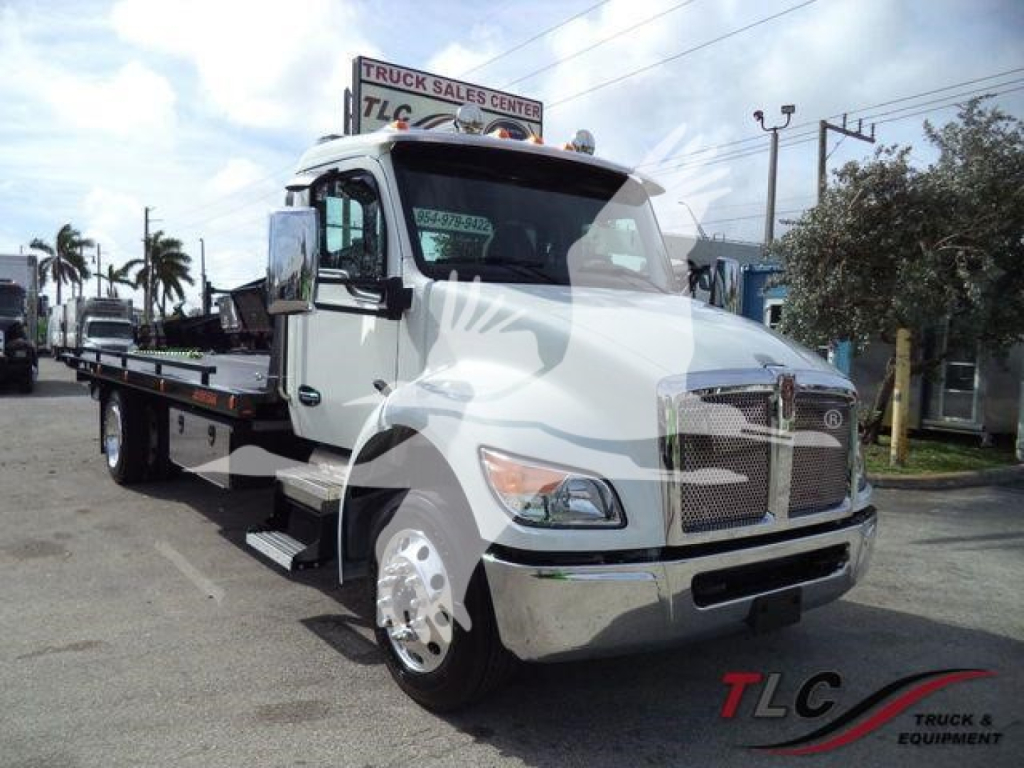
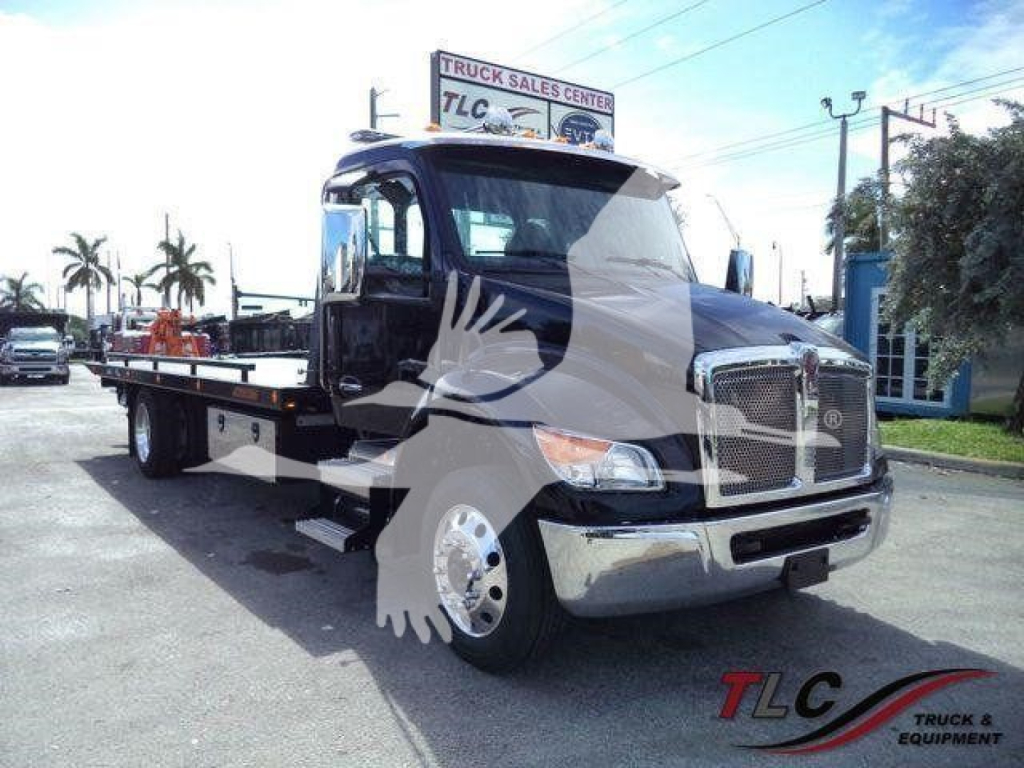
Selling a new 2025 kenworth rollback truck? List your new 2025 kenworth rollback truck for sale and reach thousands of commercial buyers.
New 2025 Kenworth Rollback Trucks
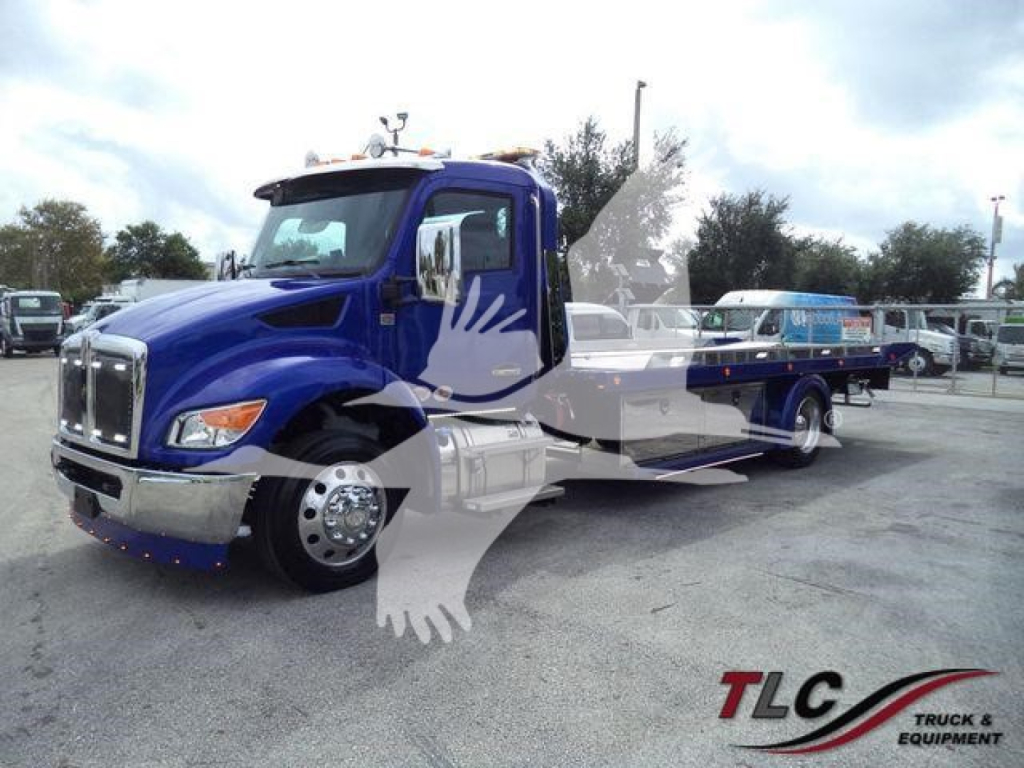
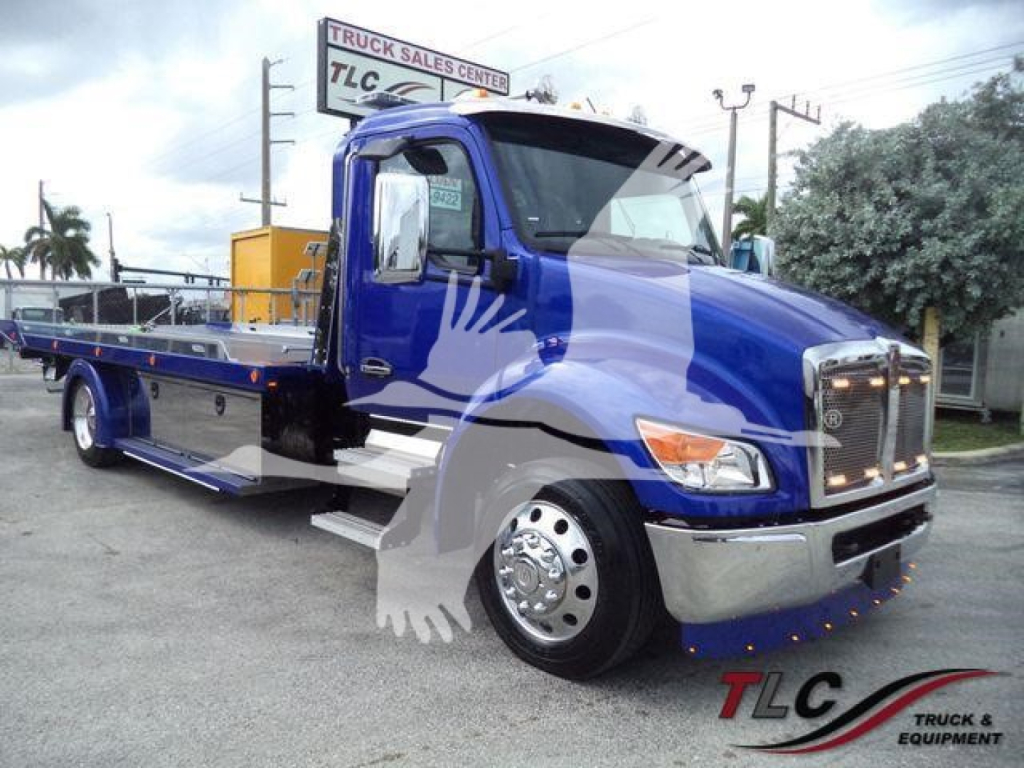
For light-duty and medium-duty towing, buyers usually focus first on GVWR, bed length, bed material, and winch rating. Many 2025 Kenworth rollback trucks in this class are configured around a 25,950 to 26,000 GVWR chassis, which keeps them versatile for vehicle transport, dealer work, auction runs, and general tow service. Typical carrier bodies include 20-foot or 22-foot decks, commonly 96 to 102 inches wide, with low center of gravity designs for better loading angles. Steel beds generally offer durability and lower repair cost in hard-use service, while aluminum rollback bodies reduce weight and can improve payload flexibility. Common body features include 6-ton deck ratings, 8,000 to 10,000 lb winches, 3,500 lb wheel lifts, removable rails, wireless bed remotes, and integrated toolbox packages.
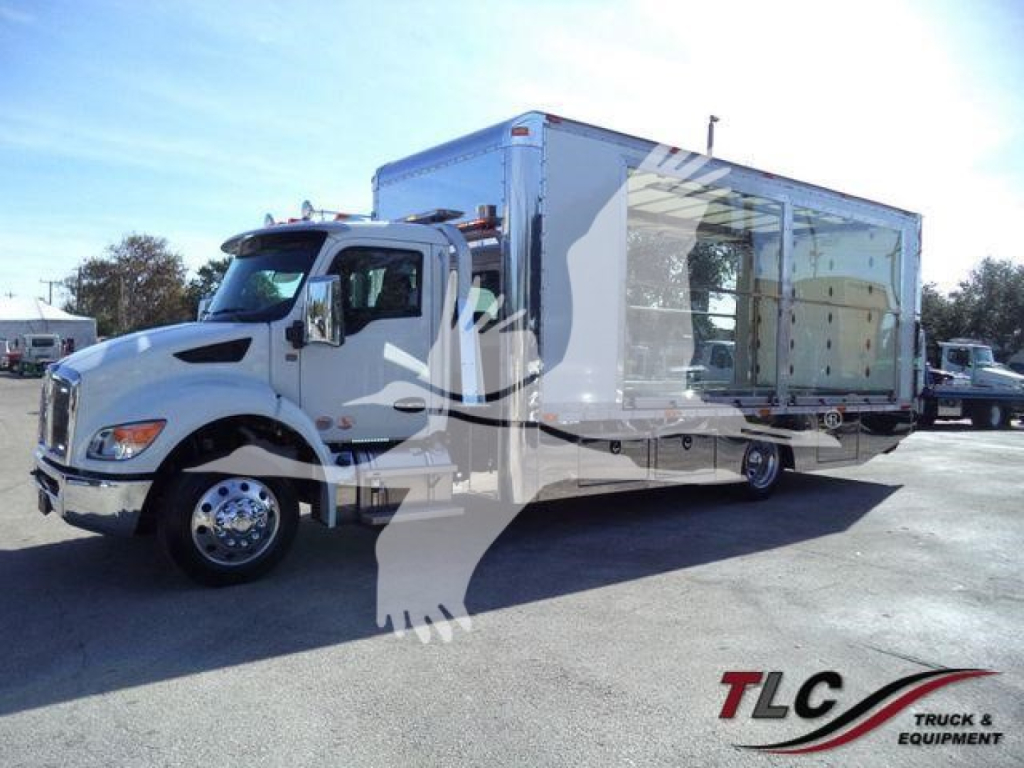
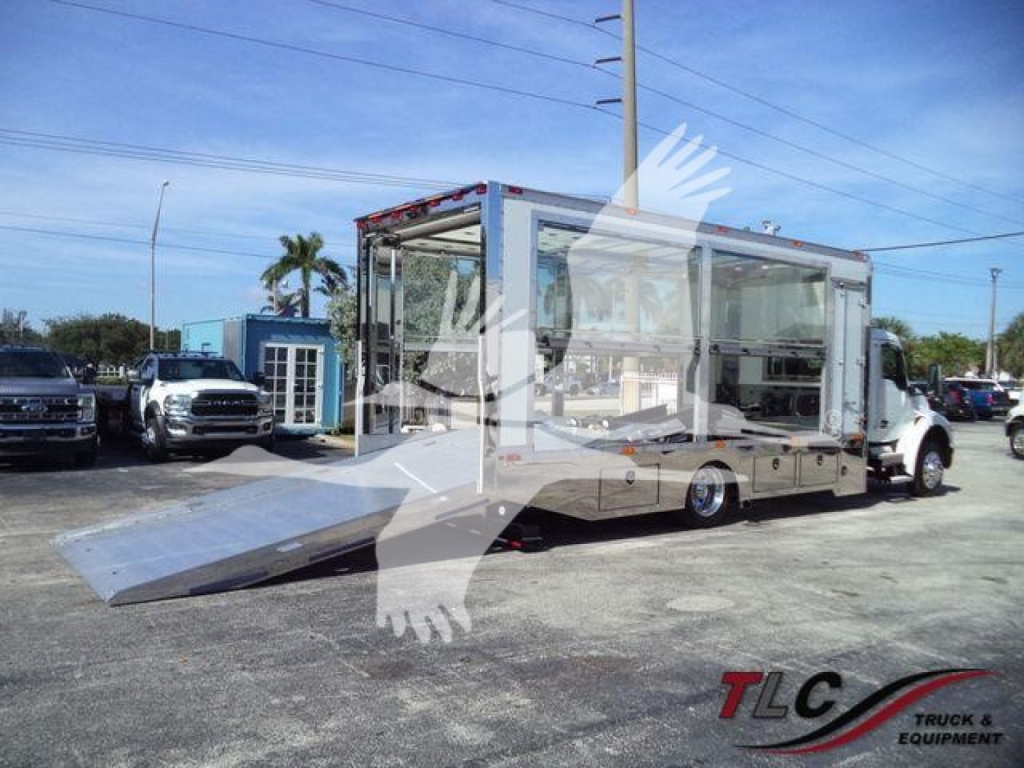
A Kenworth rollback also appeals to buyers who care about driver environment and presentation. The T280 is known for a well-finished cab, good visibility, and a more upscale feel than many work-truck platforms in the medium-duty space. That matters for companies running branded towing fleets, dealer transport routes, or municipal and contract work where appearance counts. Typical specs in this segment include power windows and locks, aluminum fuel tanks, heated power mirrors, 22.5-inch low-profile tires, differential lock, and air ride seating. Upfit variations can be extensive, from basic car carrier layouts to enclosed rollback builds, Shark-style dual-angle carriers, and custom light packages for high-visibility recovery service.
The key buying decision is matching the rollback to the actual mix of jobs. A 20-foot or 22-foot low-profile carrier on a Kenworth T280 fits standard passenger vehicles, light trucks, and day-to-day tow calls with strong maneuverability and lower operating cost than a heavier platform. If the work leans toward longer wheelbase vehicles, skid steers, forklifts, or industrial loads, buyers should pay close attention to deck width, approach angle, subframe design, tie-down points, suspension capacity, and wheel-lift configuration. New 2025 Kenworth rollback trucks stand out when the chassis and carrier are spec'd as a system, not just assembled as separate pieces. That means checking body brand, structural warranty, PTO and hydraulic setup, free-spool operation, lighting layout, storage access, and how the truck will actually perform under daily dispatch conditions.
Frequently Asked Questions about New 2025 Kenworth Rollback Trucks
What is the typical GVWR for a new 2025 Kenworth rollback truck?
Most new 2025 Kenworth rollback trucks in the medium-duty towing segment are built around a 25,950 to 26,000 GVWR chassis, especially on the Kenworth T280. That size is popular because it supports a 20-foot or 22-foot carrier body, provides strong capability for passenger vehicles and light trucks, and remains practical for daily tow work. Buyers should still verify front axle, rear axle, suspension, and body ratings because rollback performance depends on the full chassis and carrier combination, not GVWR alone.
What bed length is most common on a Kenworth rollback?
The most common bed lengths on a Kenworth rollback in this class are 20-foot and 22-foot decks. A 20-foot rollback can be a good fit for tight urban towing and standard vehicle transport, while a 22-foot bed gives more flexibility for longer vehicles and improved loading position. Width also matters, with many bodies built at 96 inches or 102 inches wide. Low-profile and low center of gravity designs are especially desirable because they improve approach angle and help with loading lower-clearance vehicles.
Is a steel or aluminum rollback bed better?
Neither material is automatically better. Steel rollback beds are often preferred for hard-use towing because they are rugged, familiar to repair, and well suited for fleet service. Aluminum rollback beds reduce body weight, which can help with payload flexibility and corrosion resistance. The right choice depends on the truck's application, local climate, and how the operator balances durability, weight, and long-term maintenance cost. Buyers should also compare subframe design, crossmember construction, and deck surface details, not just the material itself.
What features matter most on a rollback tow truck for daily service?
For daily service, the most important features usually include bed length, winch capacity, wheel-lift rating, loading angle, remote controls, storage, and chassis ride quality. A rollback that is easy to load, easy to secure, and easy for the driver to operate will usually outperform a truck that simply has a longer option list. Air ride suspension, air brakes, an Allison automatic, differential lock, low-profile tires, and a practical toolbox layout all contribute to better day-to-day usability. Lighting placement, hose reel setup, free-spool winch operation, and access to controls also matter more than many first-time buyers expect.
Are Kenworth rollback trucks used only for towing cars?
No. While car hauling and vehicle recovery are the most common uses, Kenworth rollback trucks are also used for equipment transport, dealer transfer work, auction runs, municipal fleet support, and light industrial hauling. The exact use depends on the body rating, deck size, tie-down configuration, and wheel-lift setup. Some rollback trucks are built as standard car carriers, while others are configured as enclosed carriers or industrial transporter rollbacks for more specialized jobs.