
Kenworth Rollback Trucks For Sale
Browse Kenworth rollback trucks with carrier beds, wheel lifts, and winches built for towing, recovery, vehicle transport, and equipment hauling.
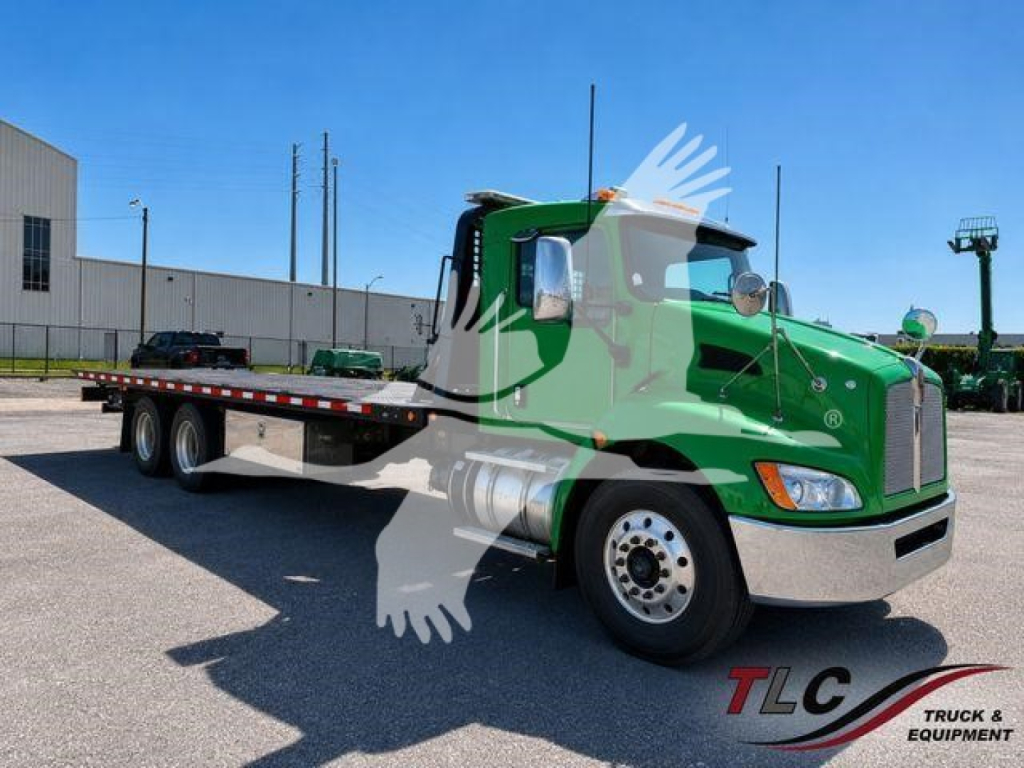
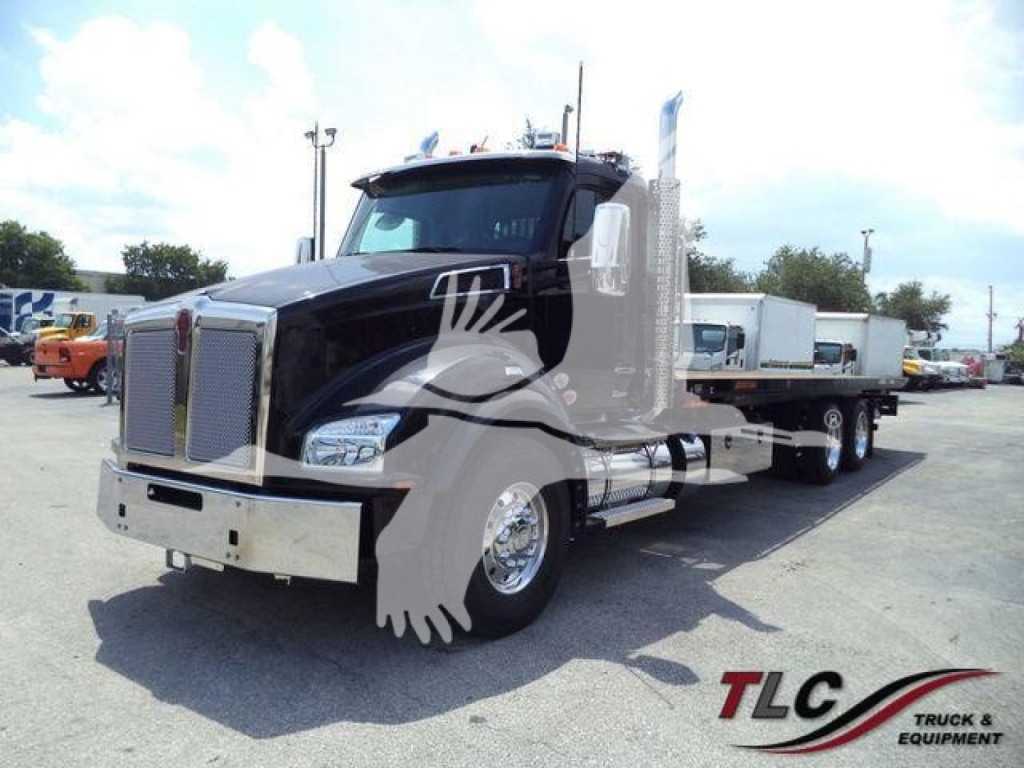
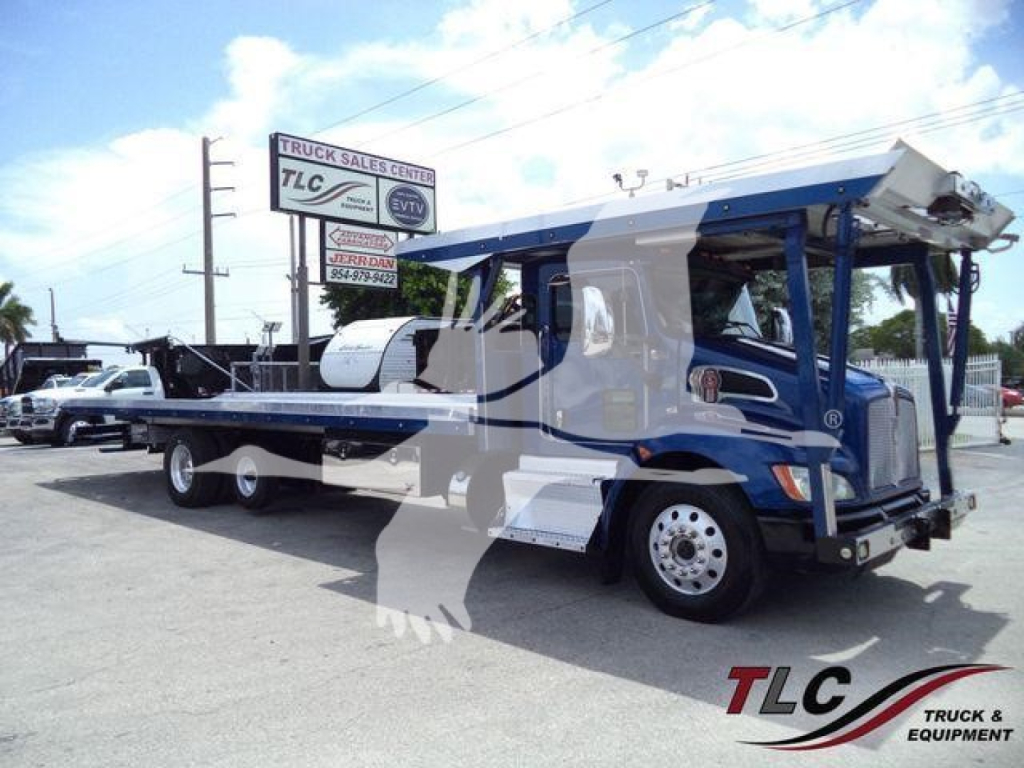
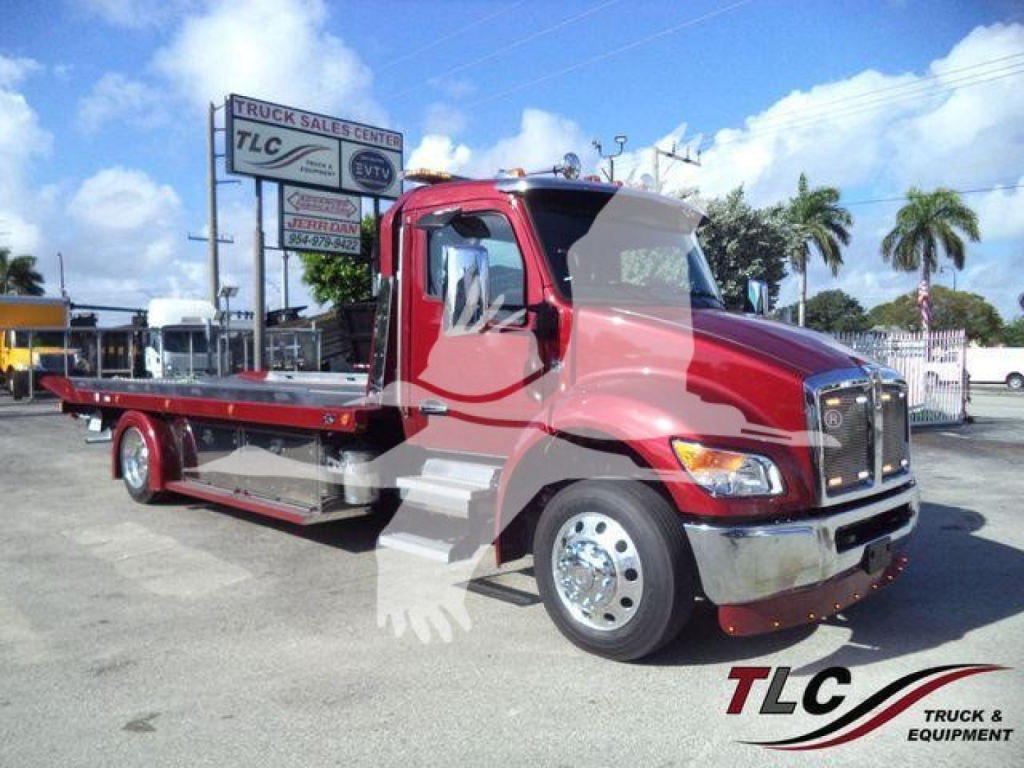
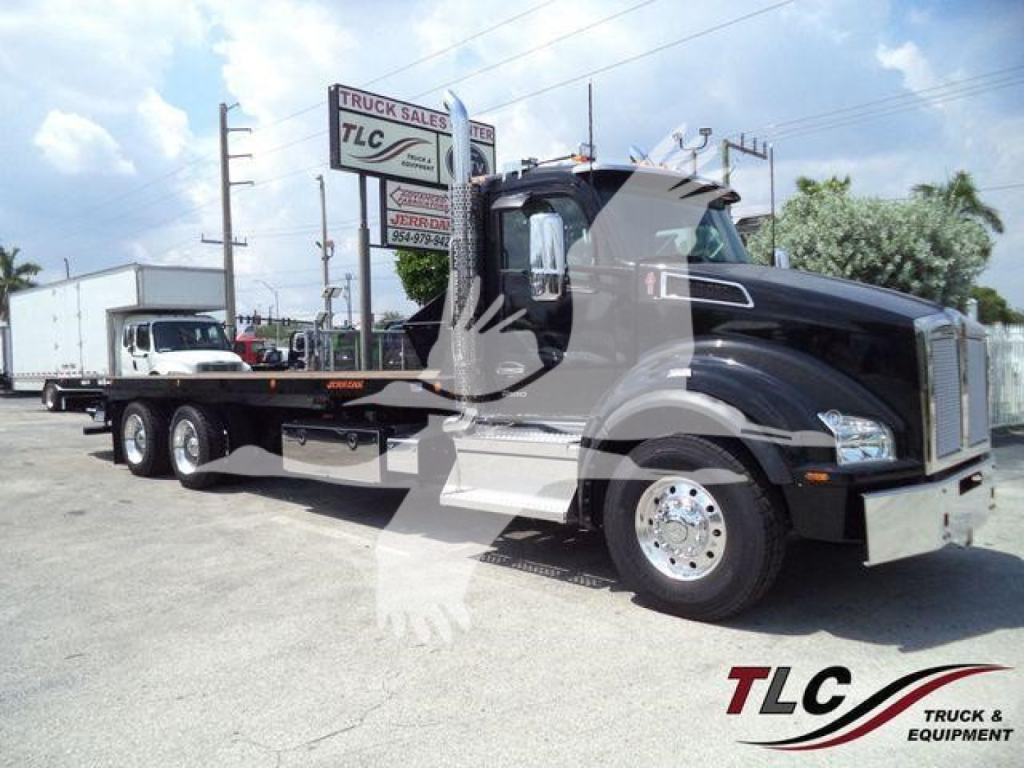
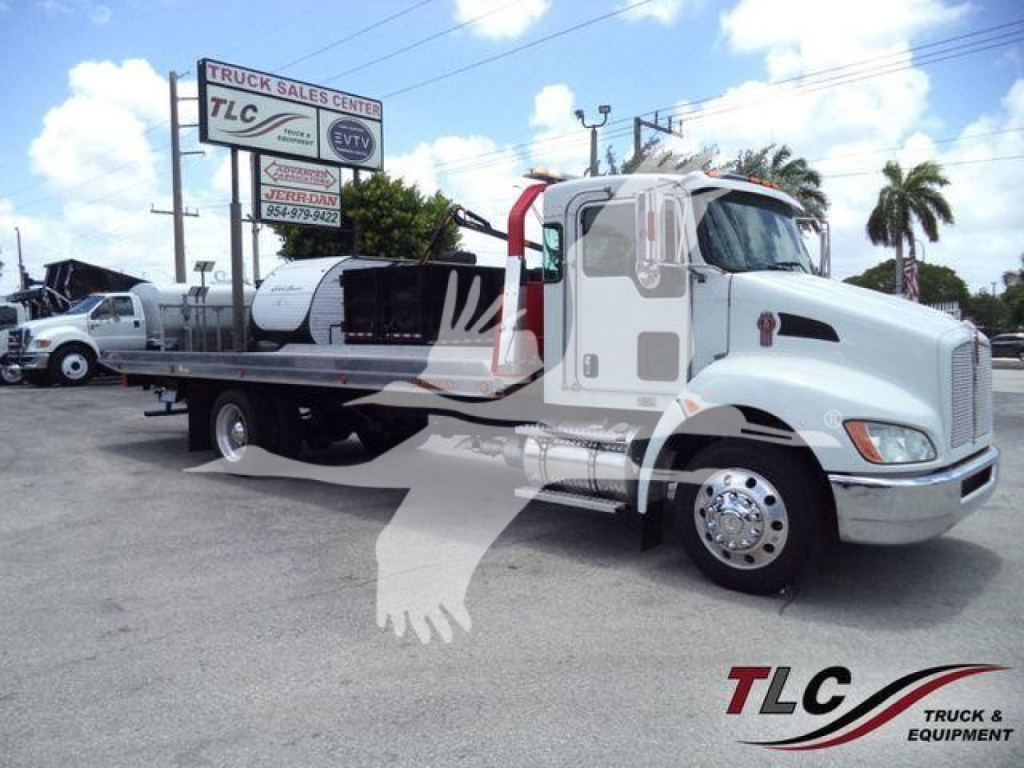
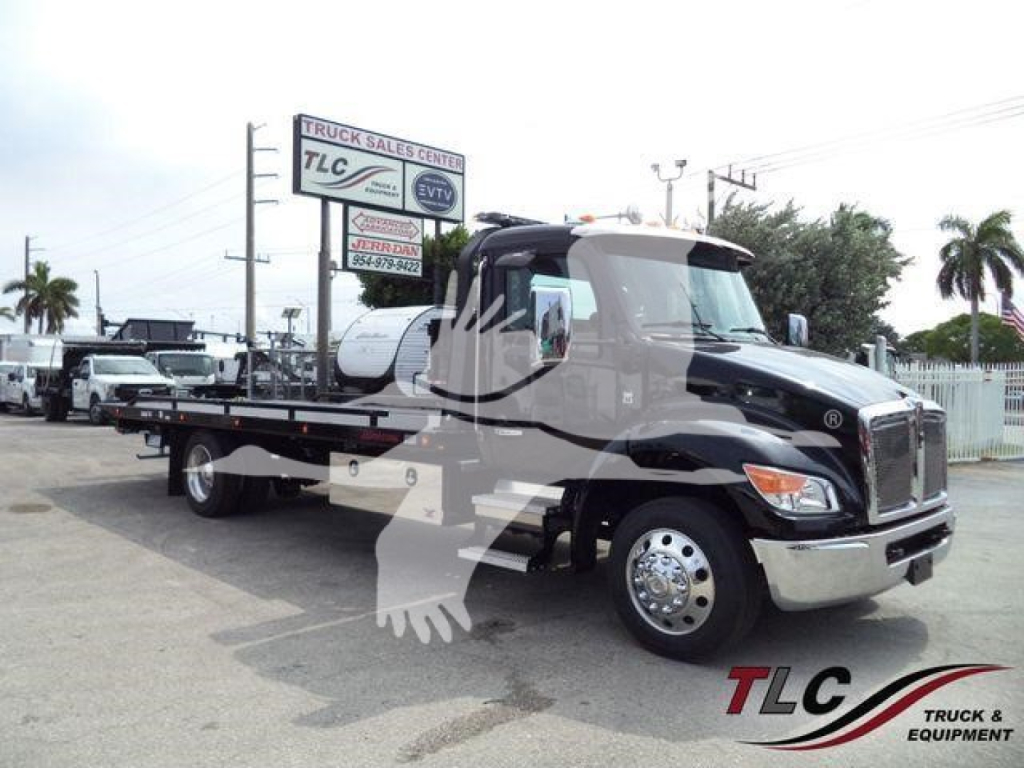
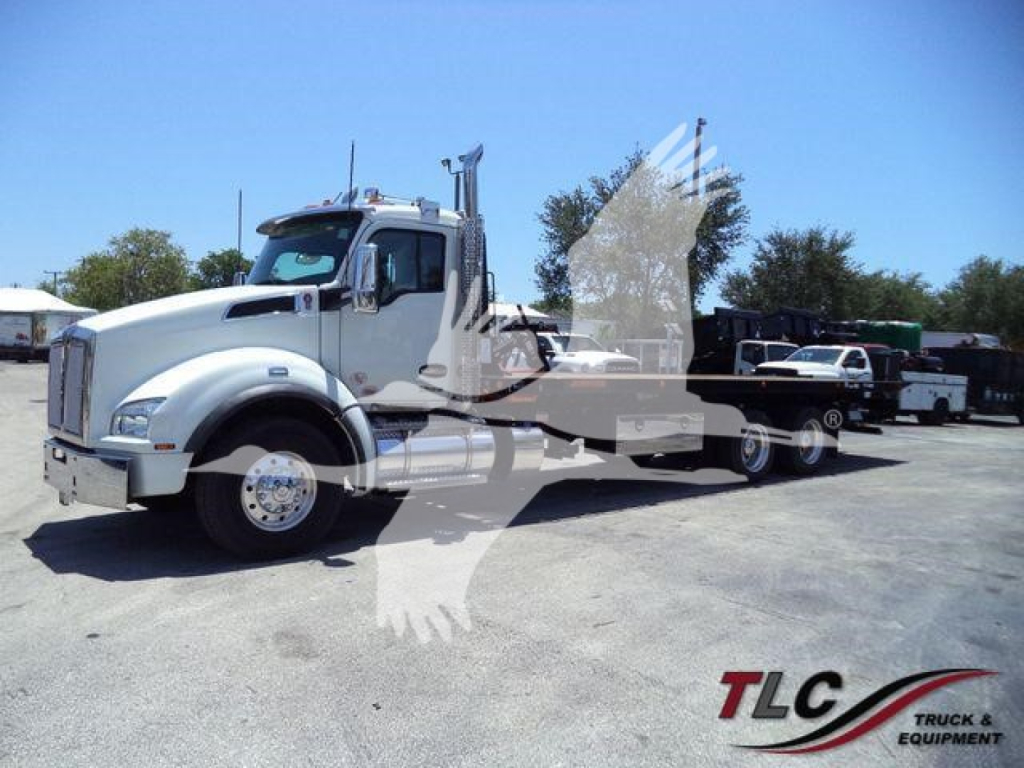
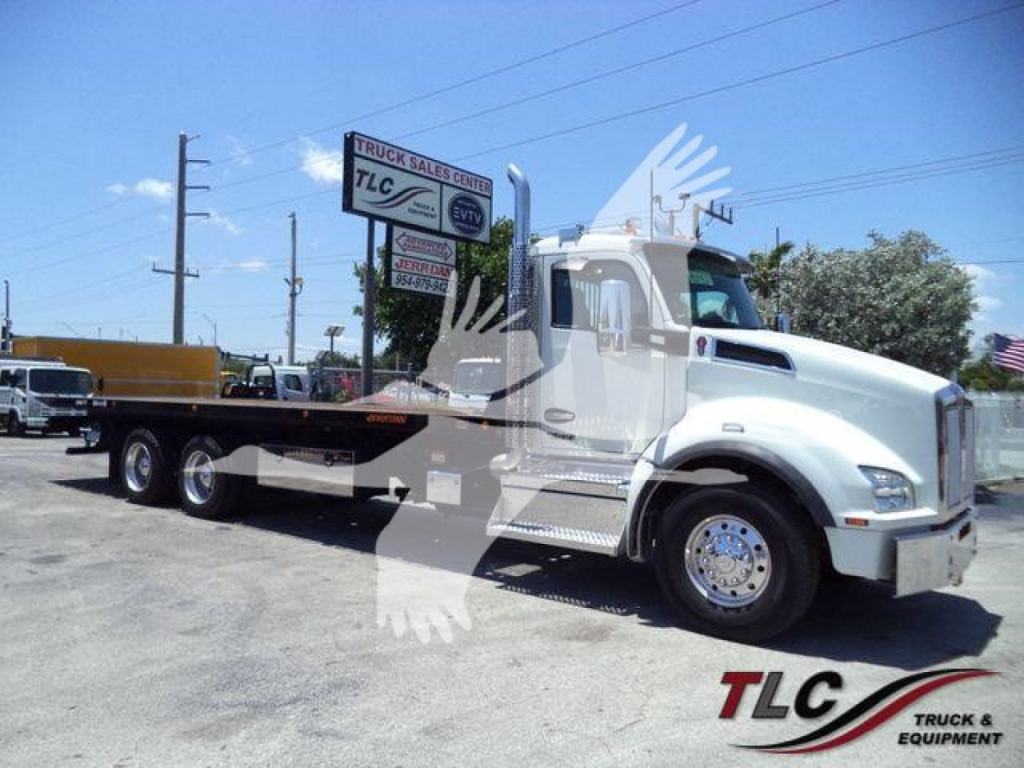
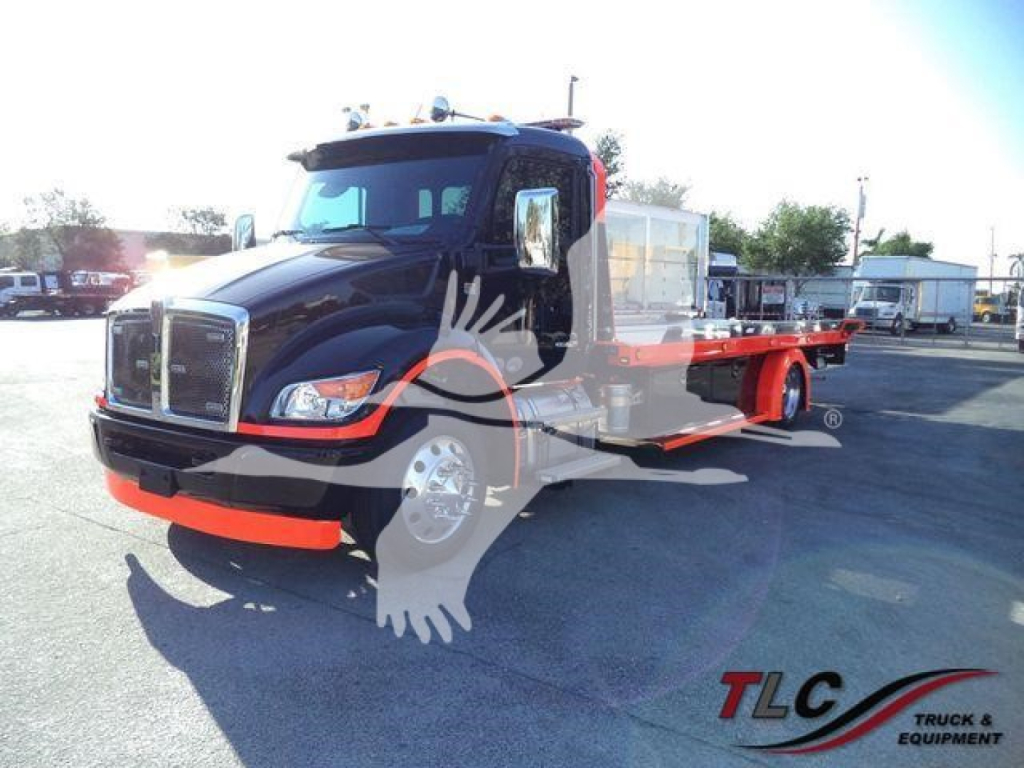
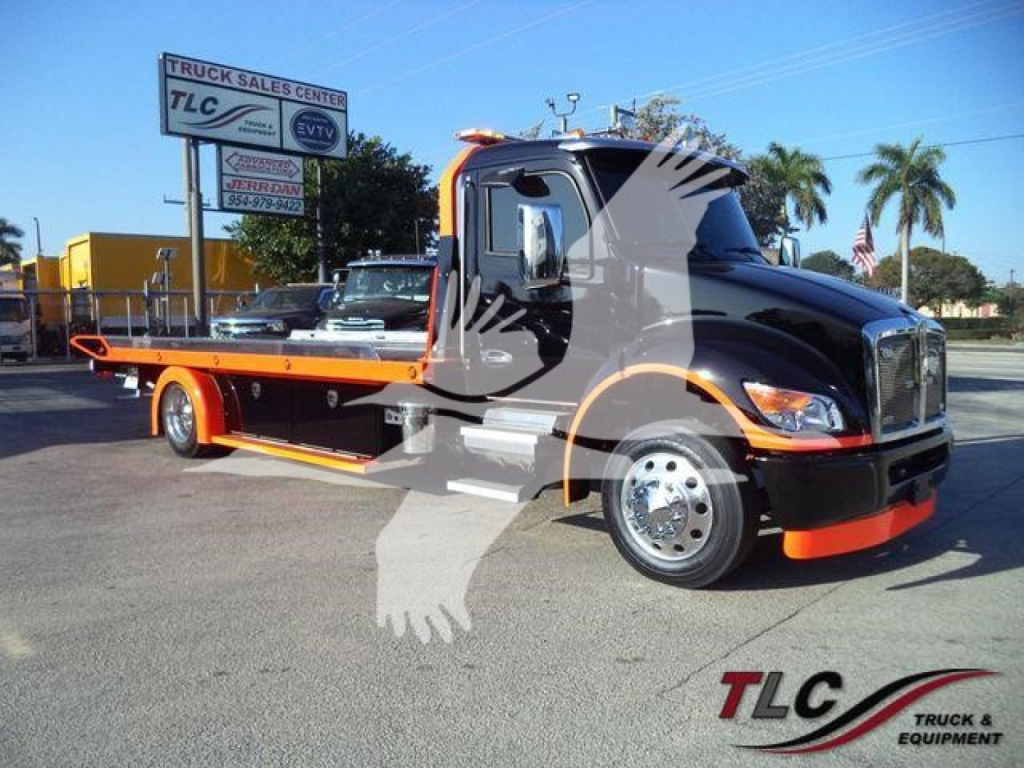
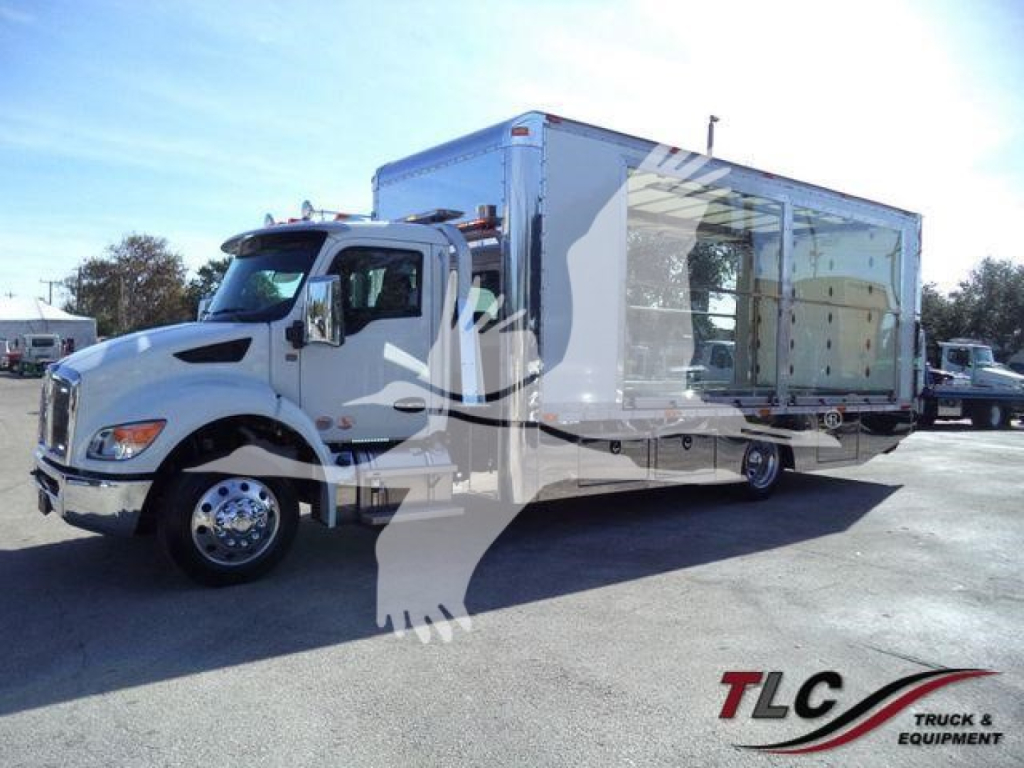
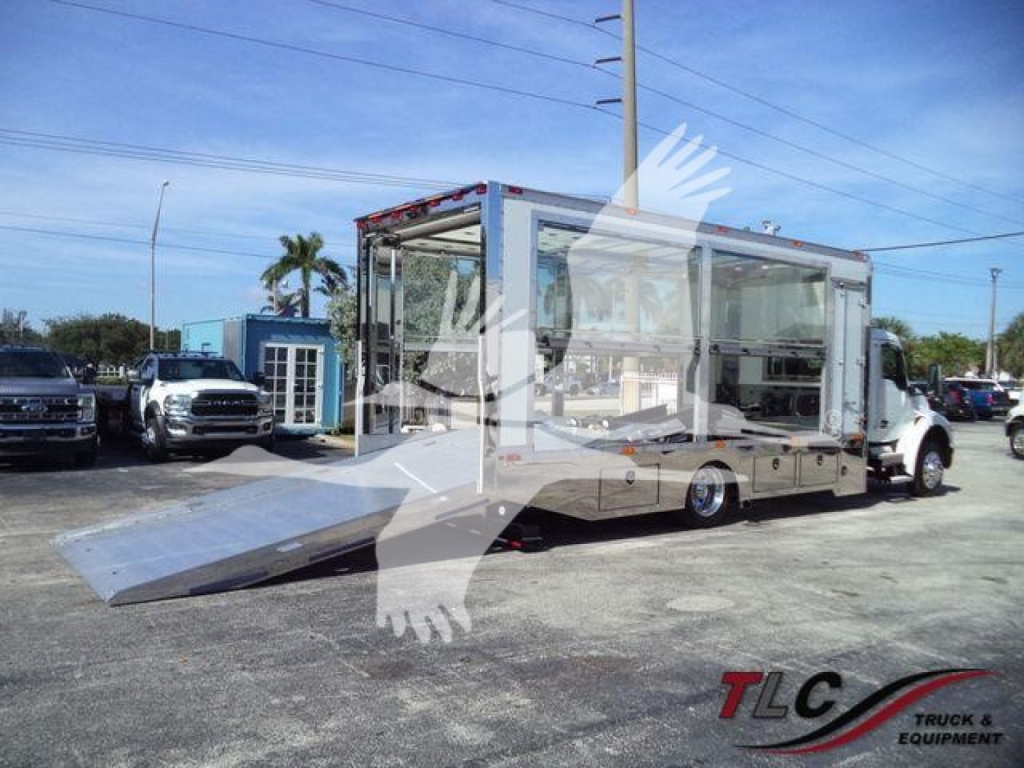
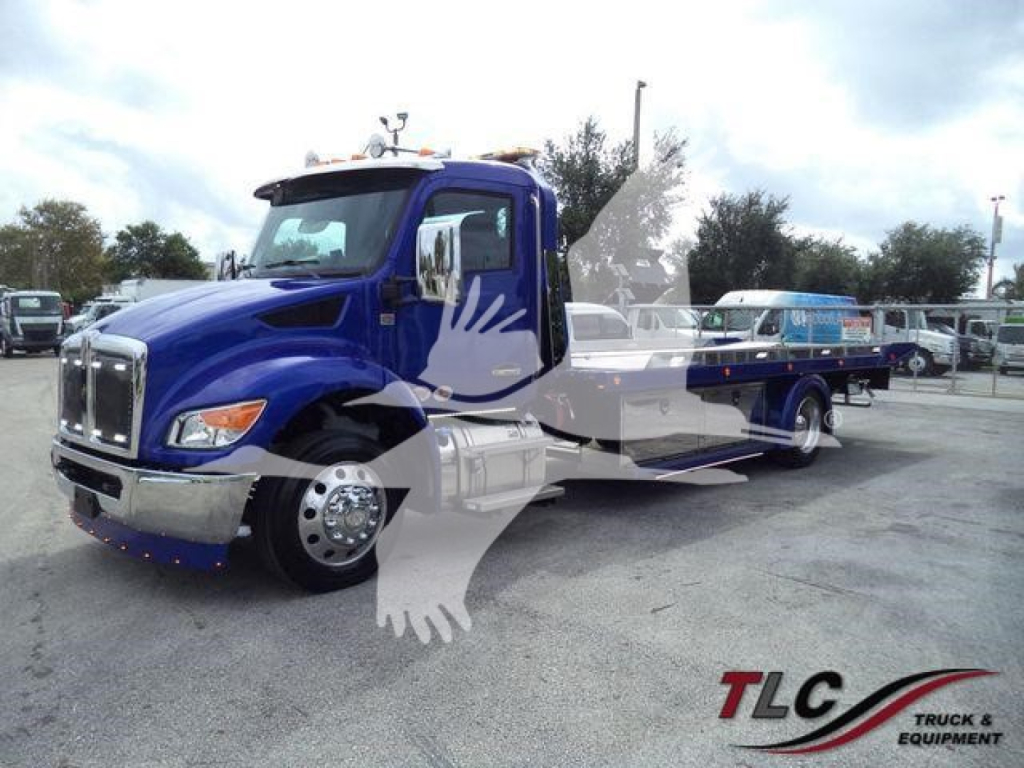
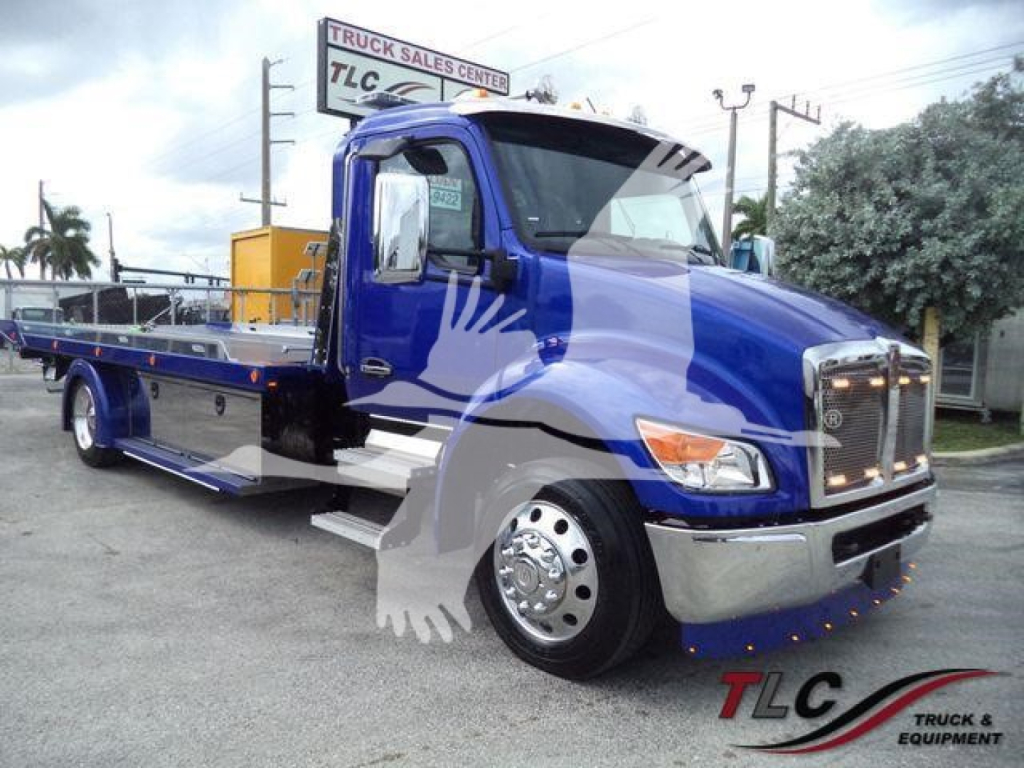
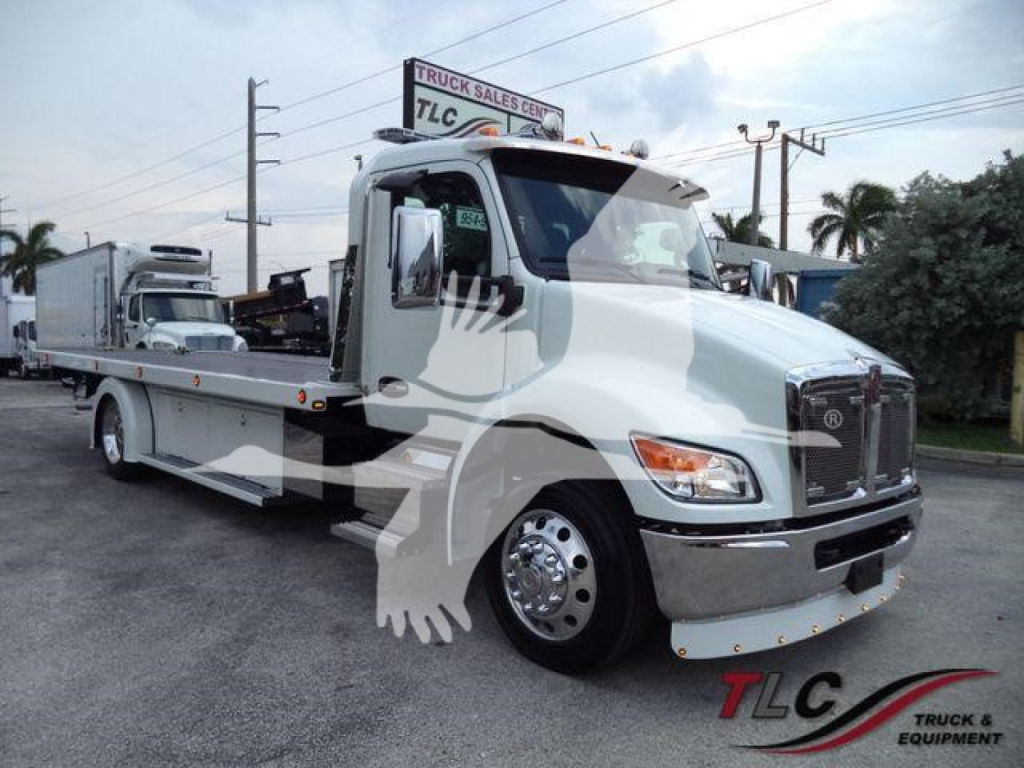
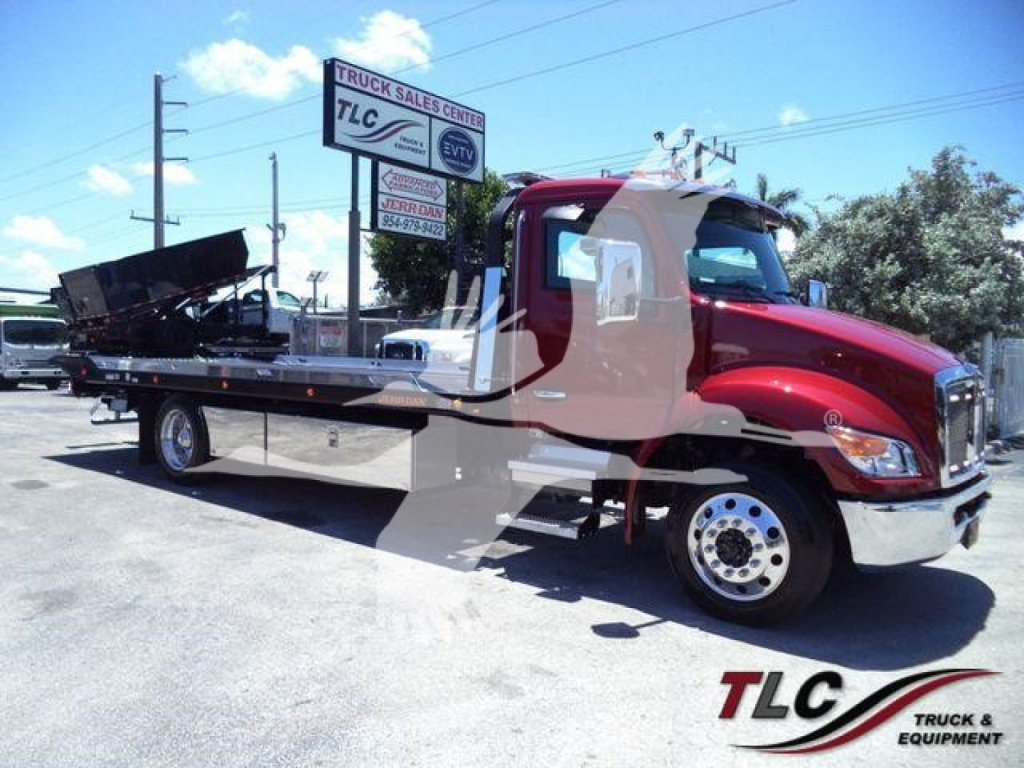
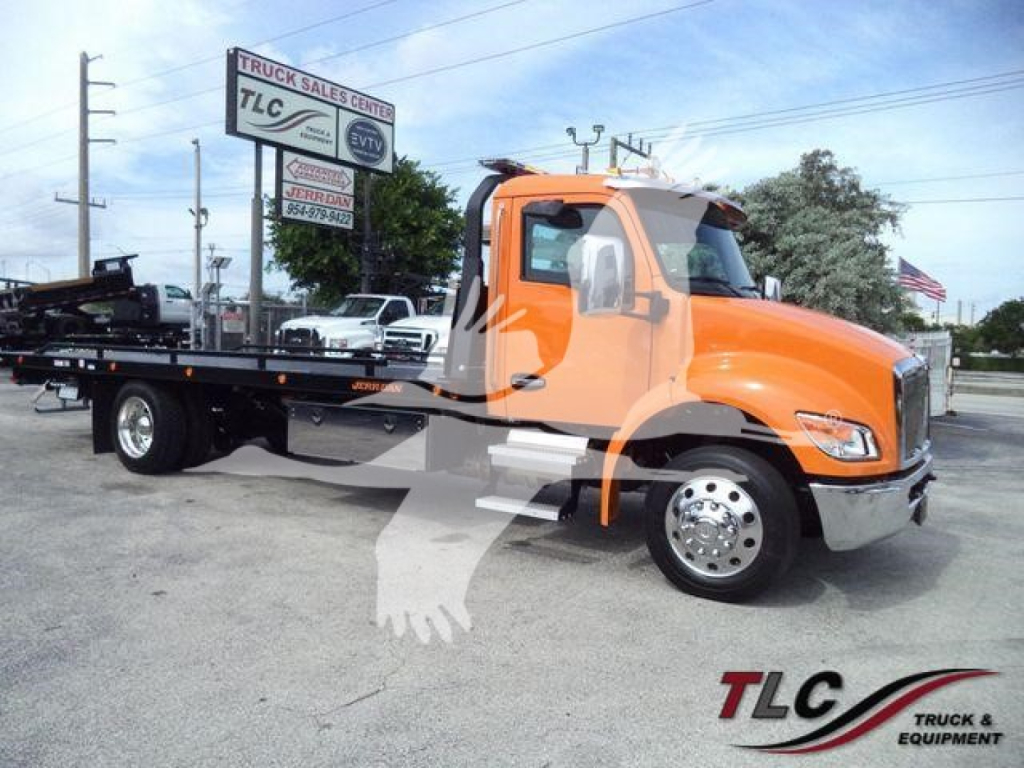
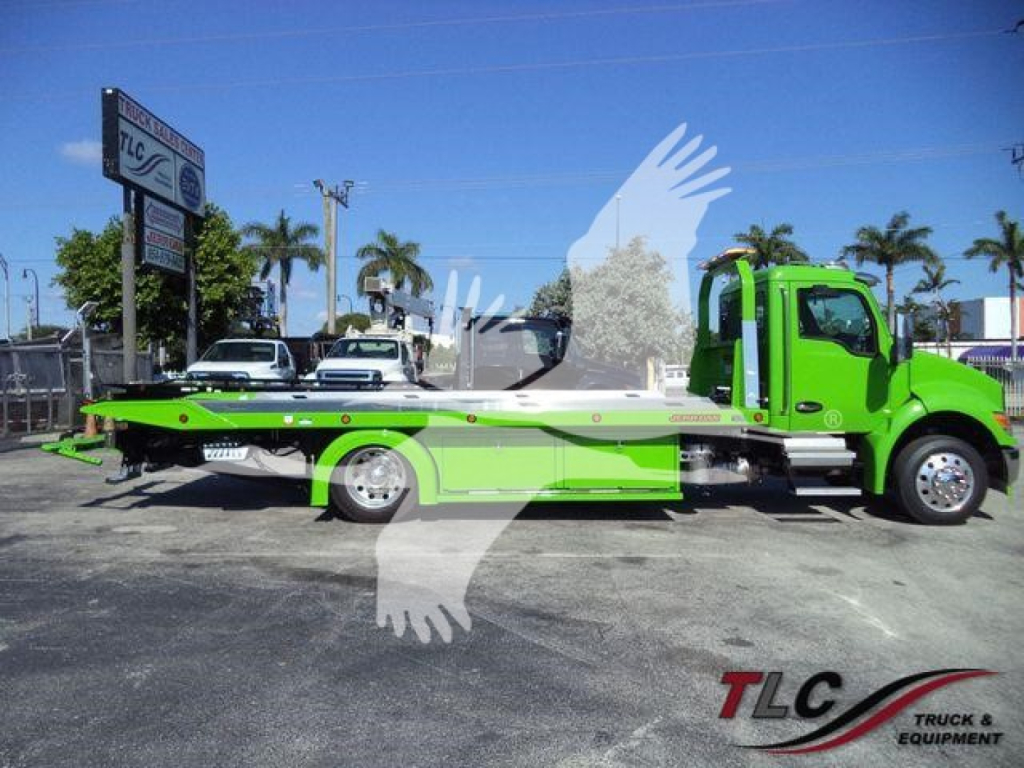
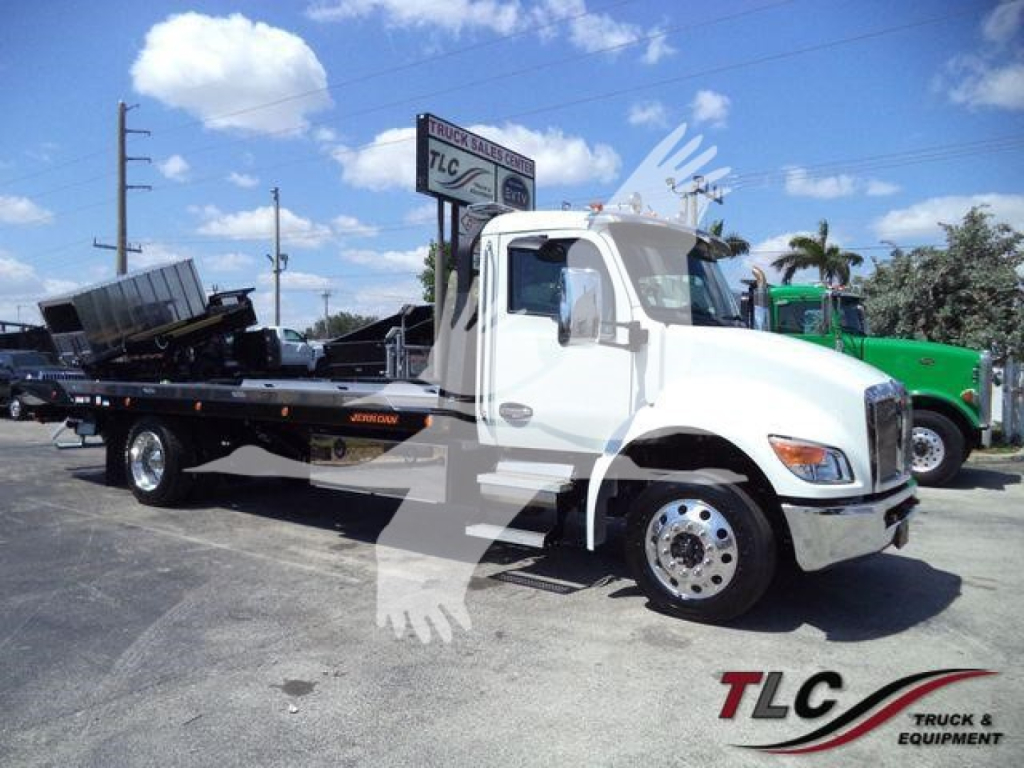
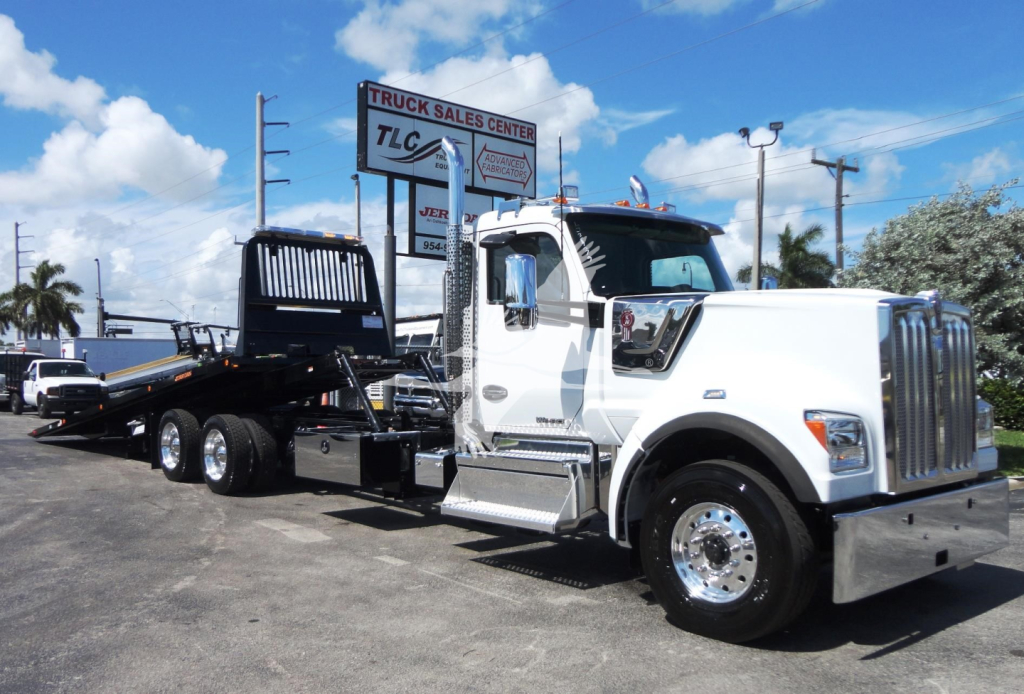
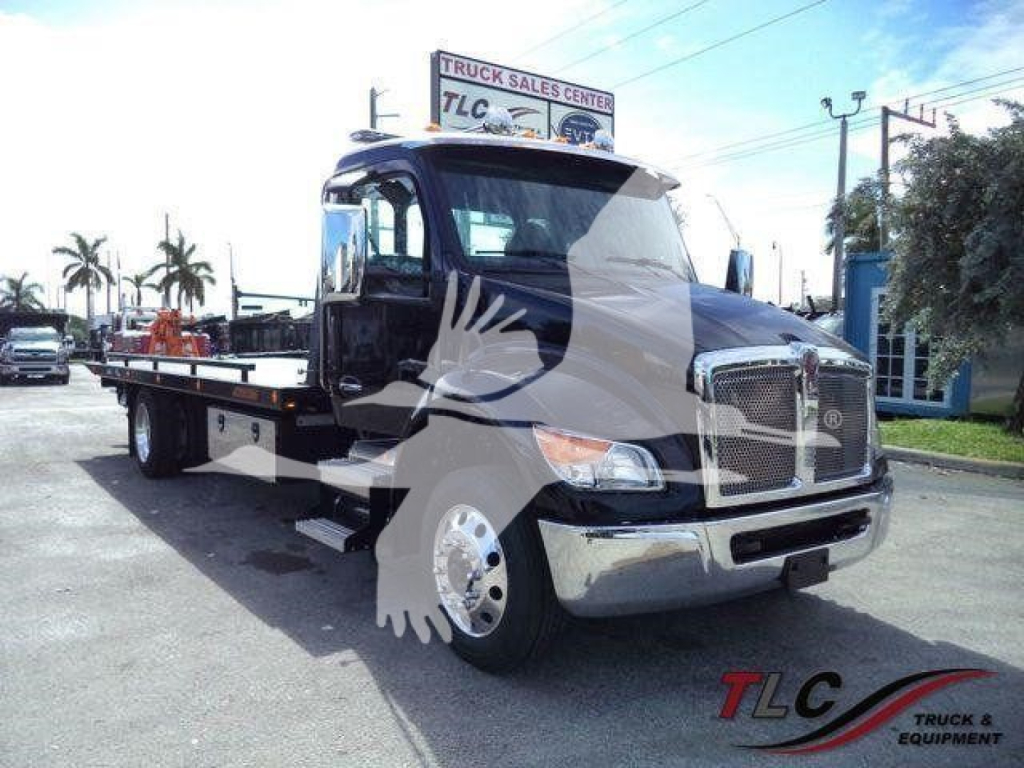
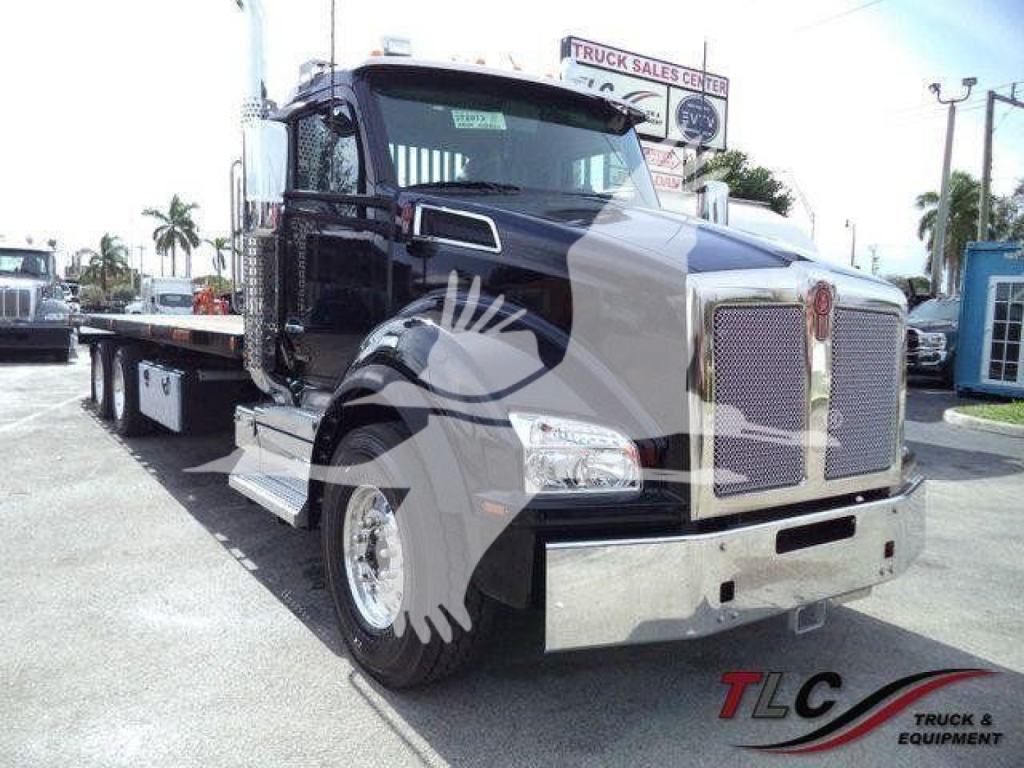

Selling a kenworth rollback truck? List your kenworth rollback truck for sale and reach thousands of commercial buyers.
Kenworth Rollback Trucks
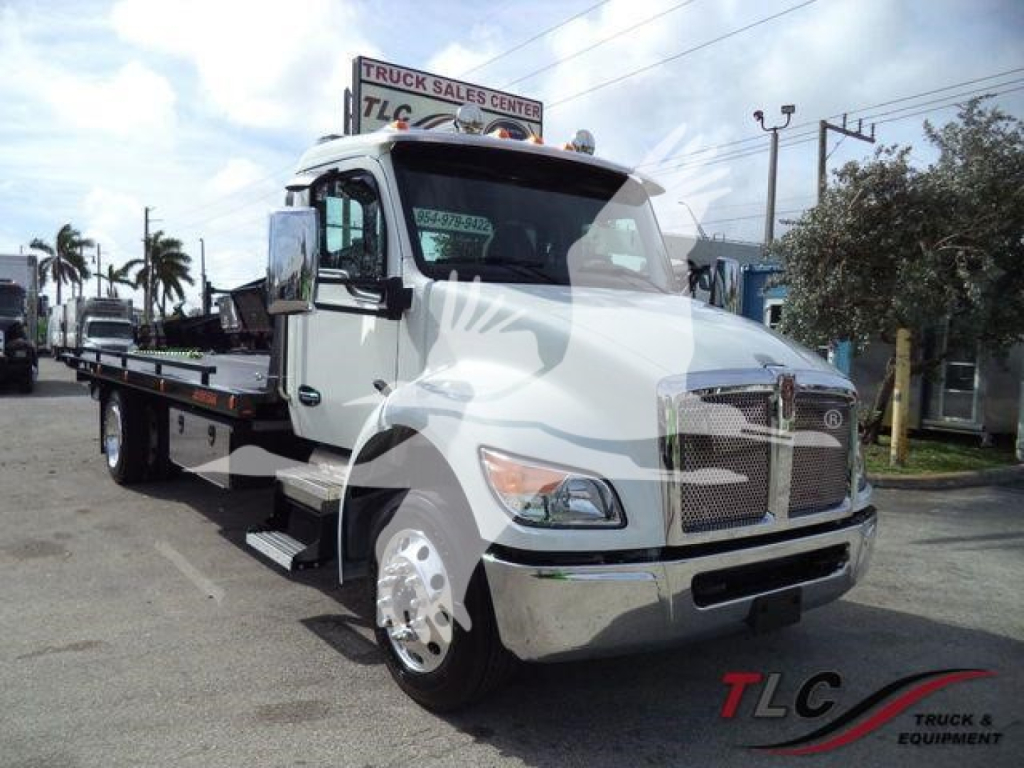
The first buying decision is usually chassis class and bed size. Many Kenworth rollback trucks in the medium-duty range carry a 22-foot by 102-inch bed with a 6-ton rating, often paired with a 3,500-lb wheel lift and an 8,000-lb or 10,000-lb winch. That configuration fits general towing, dealership transfers, and day-to-day vehicle transport well. When the work shifts toward industrial hauling, buyers often step up to longer 26-foot or 28-foot transporter decks, higher GVWRs, heavier front and rear axle ratings, and larger winches in the 20,000-lb range. Engine and transmission combinations typically include Cummins diesel power with Allison automatic transmissions, which are popular in rollback service because they are easy to operate in stop-and-go work and provide predictable low-speed control during loading and recovery.
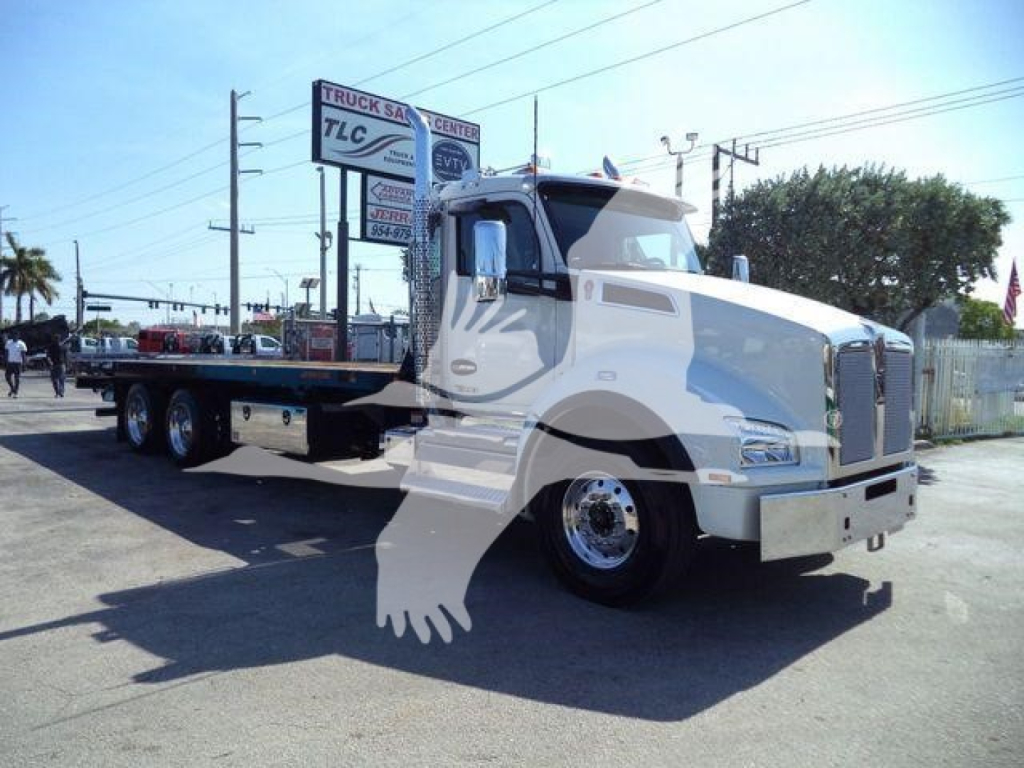
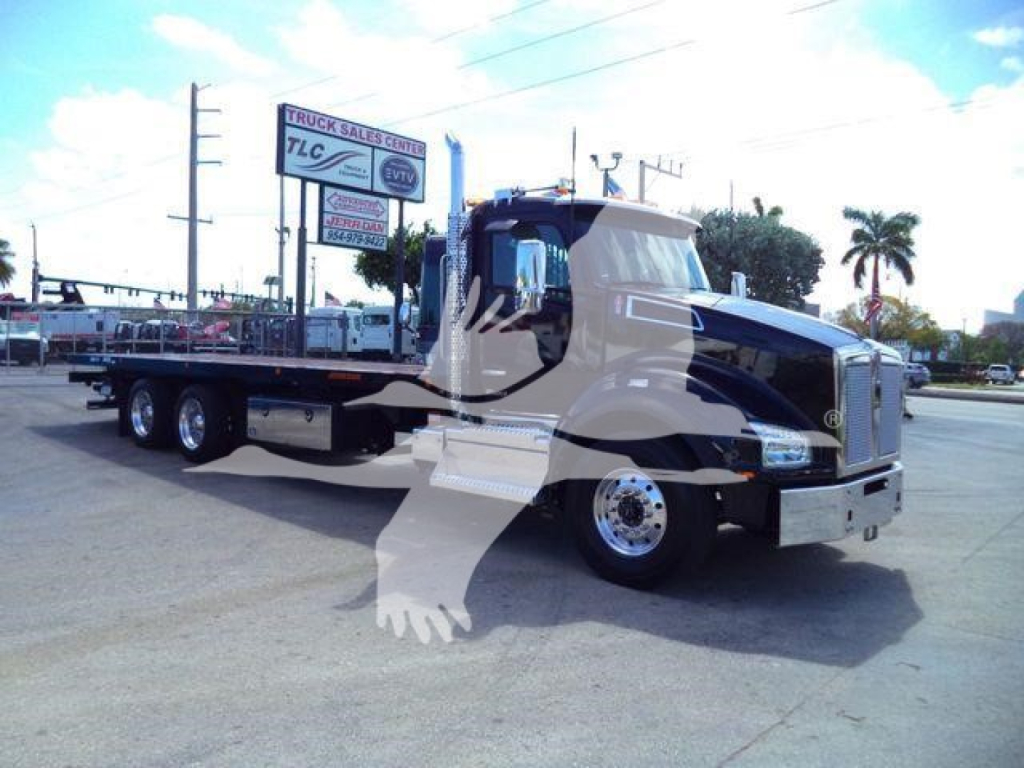
Upfit details matter as much as the badge on the hood. Buyers should look closely at bed construction, deck height, wheel-lift capacity, blade rail design, toolbox layout, lighting package, and remote-control functions. Low-profile or LCG/XLP beds help with approach angle and reduce the chance of scraping low cars or specialty vehicles. Aluminum decks can save weight and resist corrosion, while steel decks may appeal to fleets that prioritize ruggedness and repairability. Common features include removable rails, stake pockets, rub rails, headboards, dual work lights, wireless bed remotes, and hydraulic or manual free-spool winches. If the truck will do more than car hauling, check for hitch equipment, rear air connections, dock stabilizers, and tie-down storage that supports equipment securement.
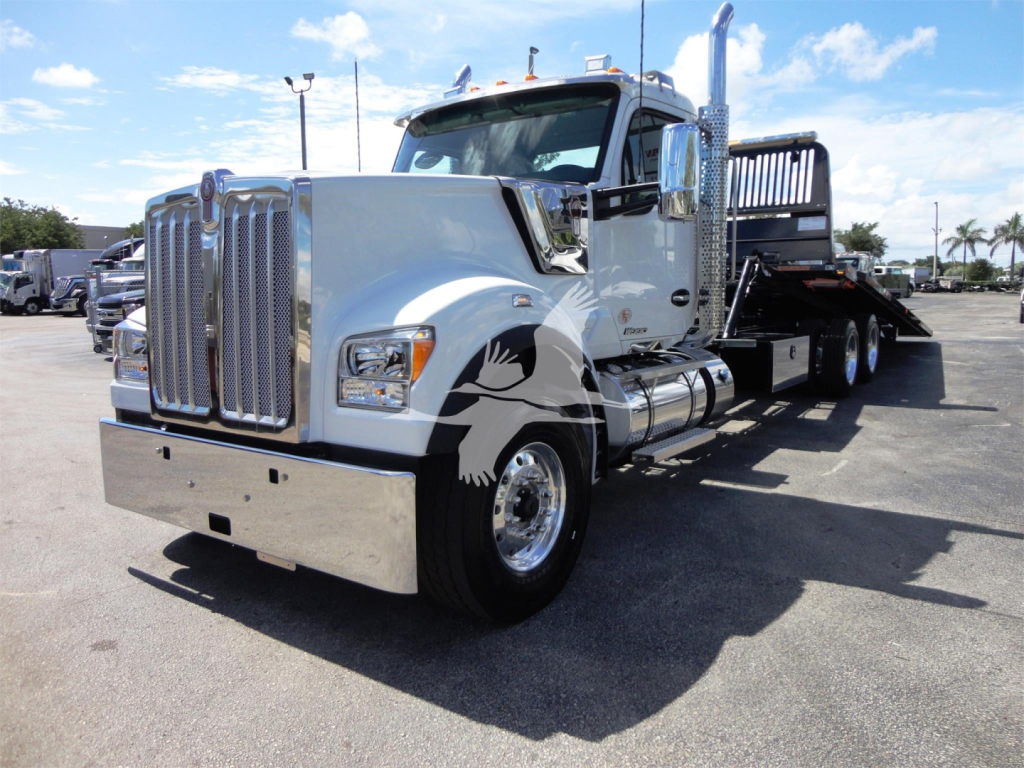
Kenworth rollback trucks also stand out for driver environment and spec flexibility. Air ride suspension, air brakes, aluminum wheels, low-pro 22.5 tires, locking differentials, and upgraded interior seating are common on well-equipped units because rollback work is repetitive and often urban. A buyer comparing listings should pay attention to actual GVWR, axle ratings, wheelbase, and body manufacturer, not just model year. The right rollback depends on what is being hauled, where the truck will run, and how often it will load on uneven ground, tight streets, or highway shoulders. A T280 or T370 can be an efficient everyday tow platform, while a T880 rollback is better suited to heavier transporter work where frame strength, axle capacity, and larger upfit components are priorities.
Frequently Asked Questions about Kenworth Rollback Trucks
What is the difference between a Kenworth rollback truck and a wrecker?
A Kenworth rollback truck uses a hydraulic slide and tilt bed to load vehicles or equipment fully onto the deck, while a traditional wrecker lifts one end of the vehicle and tows it with the other end on the ground. Rollbacks are usually preferred for all-wheel-drive vehicles, low-clearance cars, damaged vehicles, and machines that need full-deck transport. Wreckers can be faster for short tows and recovery positioning, but a rollback generally offers better vehicle protection and more loading versatility.
Which Kenworth models are commonly used for rollback applications?
The Kenworth T270, T280, and T370 are common medium-duty rollback chassis, and the T880 is a popular option for heavier industrial transporter and equipment-hauling applications. The lighter medium-duty models are often used with 21-foot or 22-foot carriers for cars, pickups, and light commercial vehicles. The T880 is typically selected when the truck needs a longer bed, higher axle ratings, more GVWR, and stronger components for heavier loads and more demanding service.
What bed size and capacity should I look for in a Kenworth rollback?
A 22-foot by 102-inch bed with about a 6-ton deck rating is one of the most common rollback configurations for general towing and vehicle transport. That setup usually handles passenger vehicles, light trucks, and many service fleet jobs efficiently. Buyers moving equipment or larger commercial units may need a 26-foot or 28-foot deck, a higher wheel-lift rating, and a larger winch. The right choice depends on the heaviest and longest loads the truck will carry, plus local bridge laws, axle spacing, and operating conditions.
Are low-profile rollback beds worth it on a Kenworth chassis?
Yes, low-profile beds are often worth the added cost if the truck regularly loads sports cars, lowered vehicles, electric vehicles, or specialty equipment with limited ground clearance. A low deck height improves load angle and reduces the chance of bumper, fascia, or underbody contact during loading. Many buyers specifically look for LCG or XLP style carriers because they broaden the range of vehicles the truck can handle safely and efficiently.
What specs matter most when comparing used Kenworth rollback trucks?
The most important specs are GVWR, axle ratings, wheelbase, engine and transmission combination, bed manufacturer, deck length, bed material, winch rating, and wheel-lift capacity. Condition matters just as much, especially on hydraulic components, bed pins, cylinders, controls, PTO operation, and frame integrity around the body mounts. On a used rollback, service history, corrosion exposure, tire condition, and signs of overload or recovery damage can tell you more than model year alone.