
Kenworth Rollback Trucks For Sale in Florida
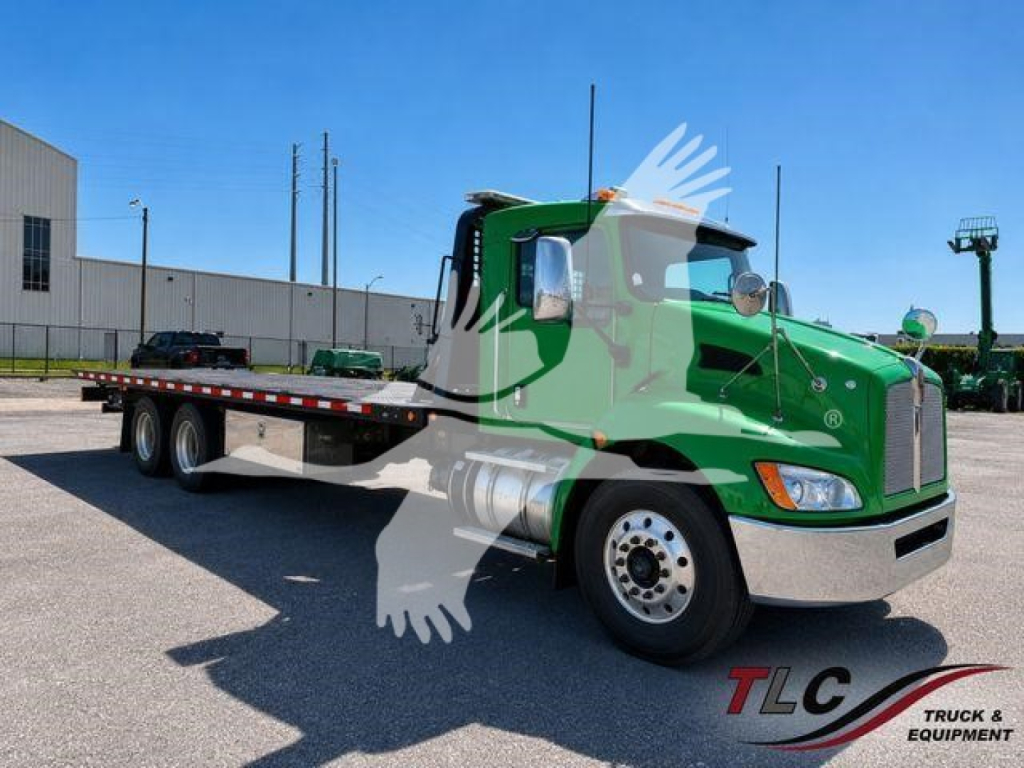
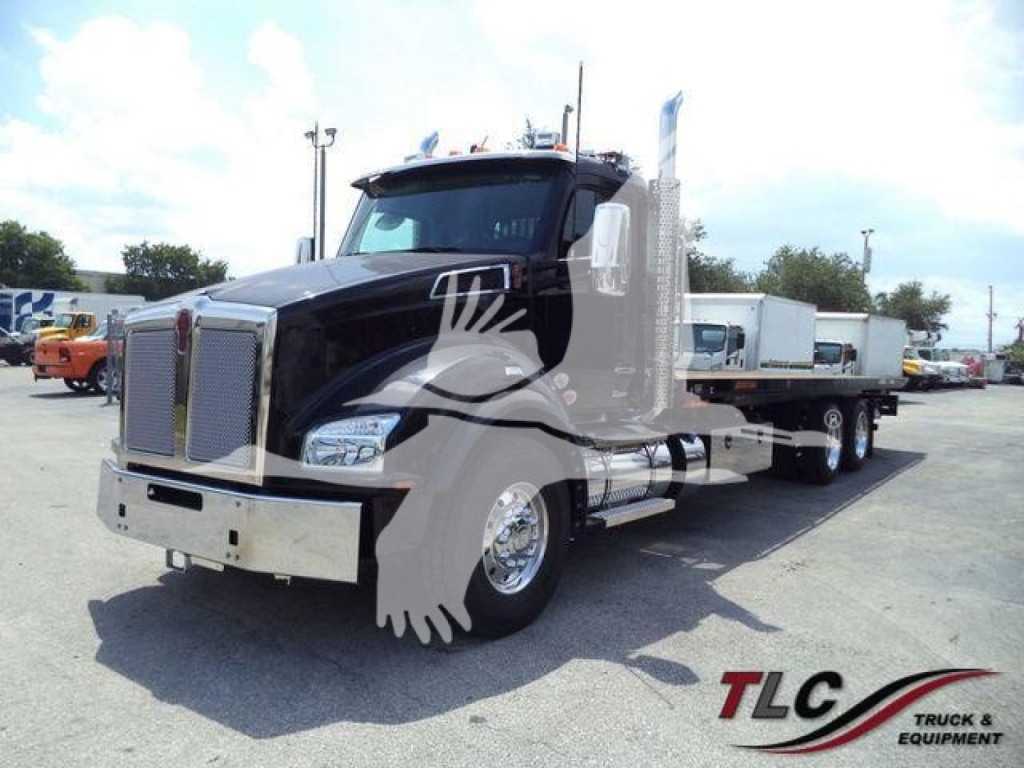
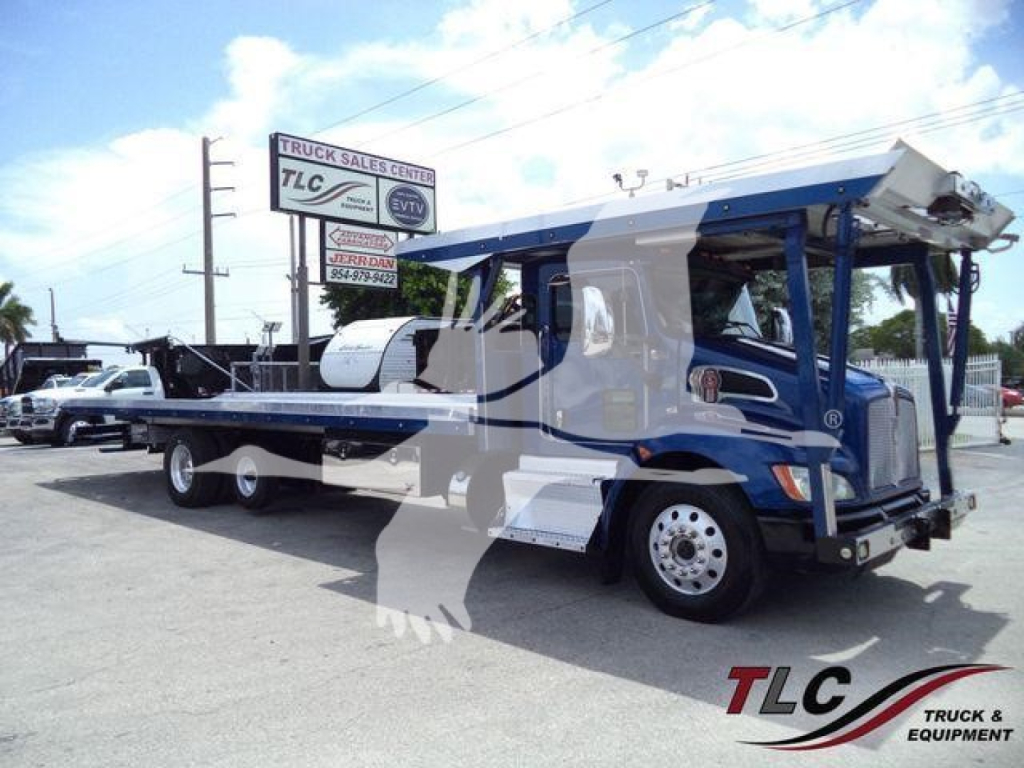
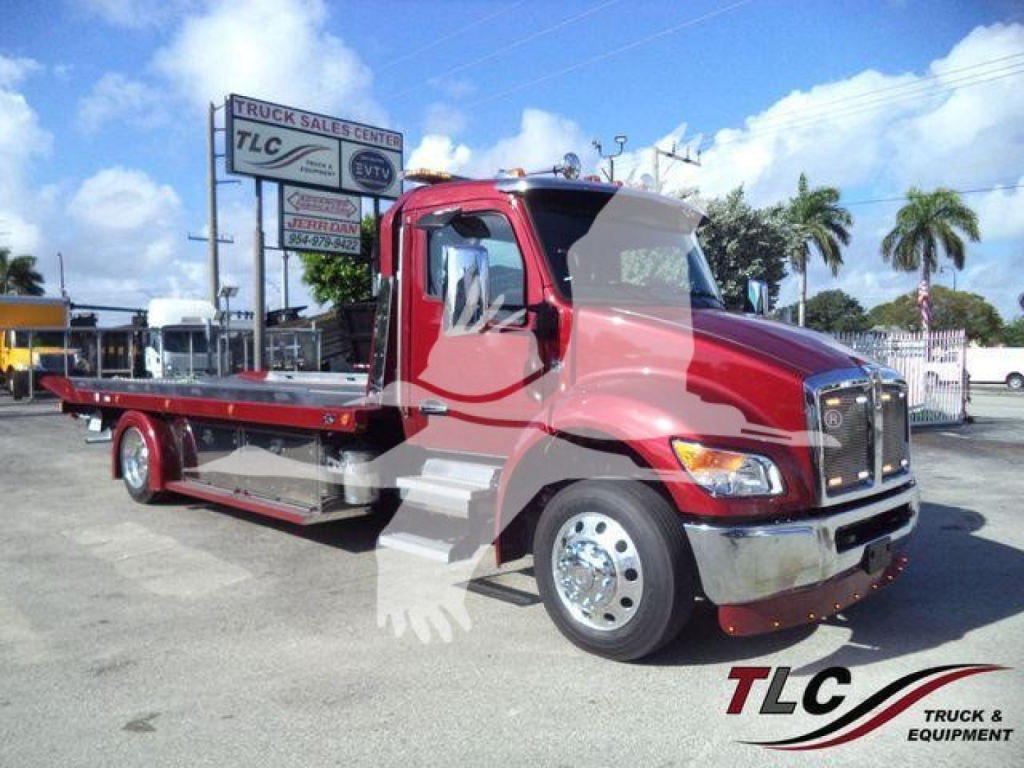
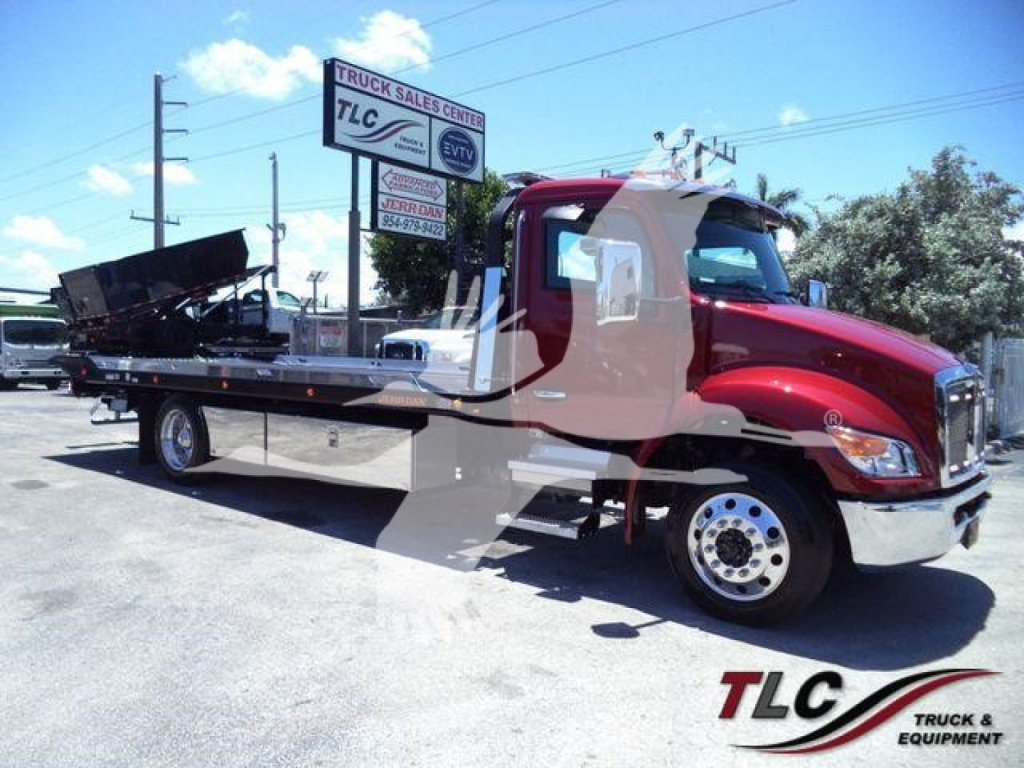
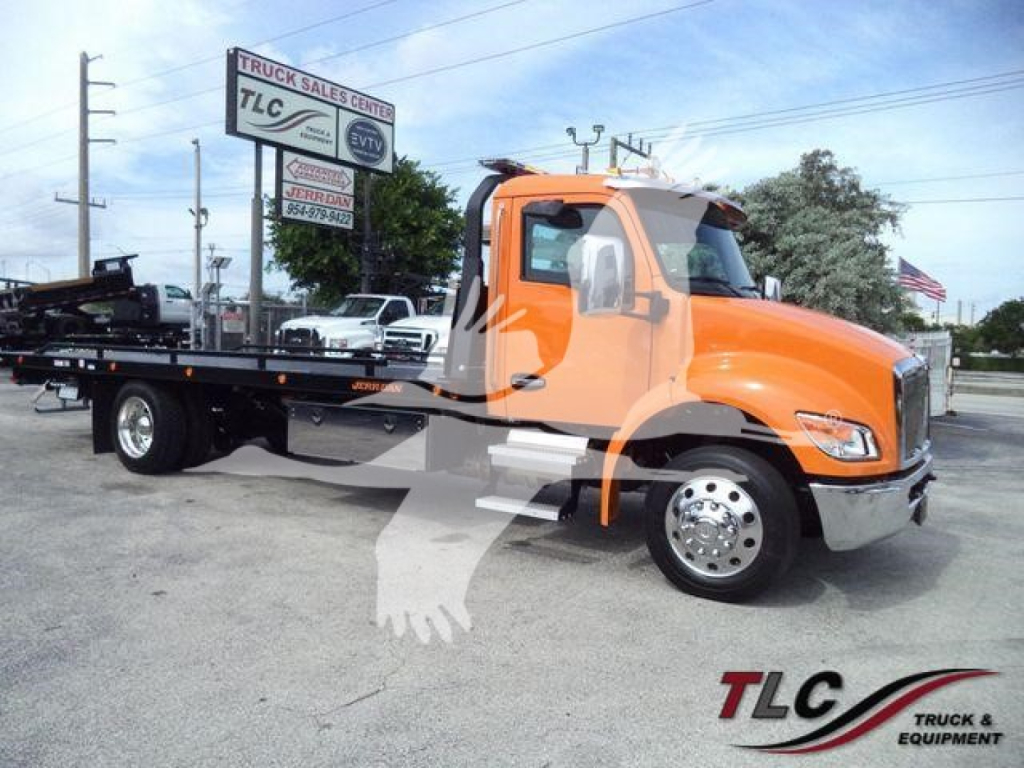
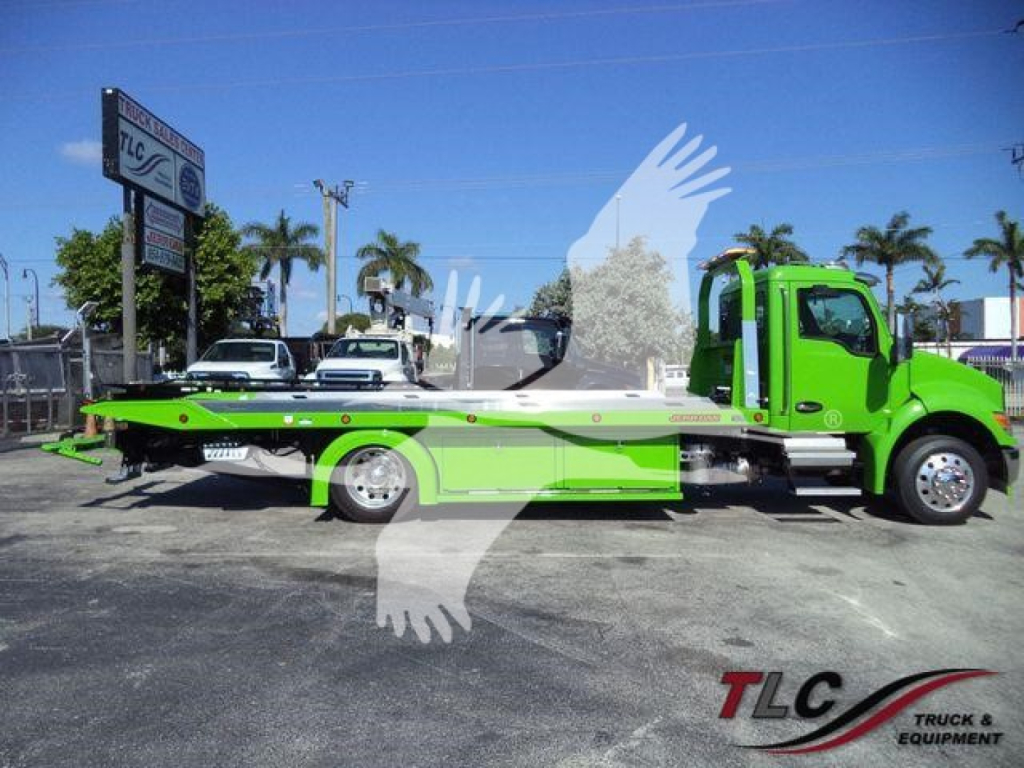
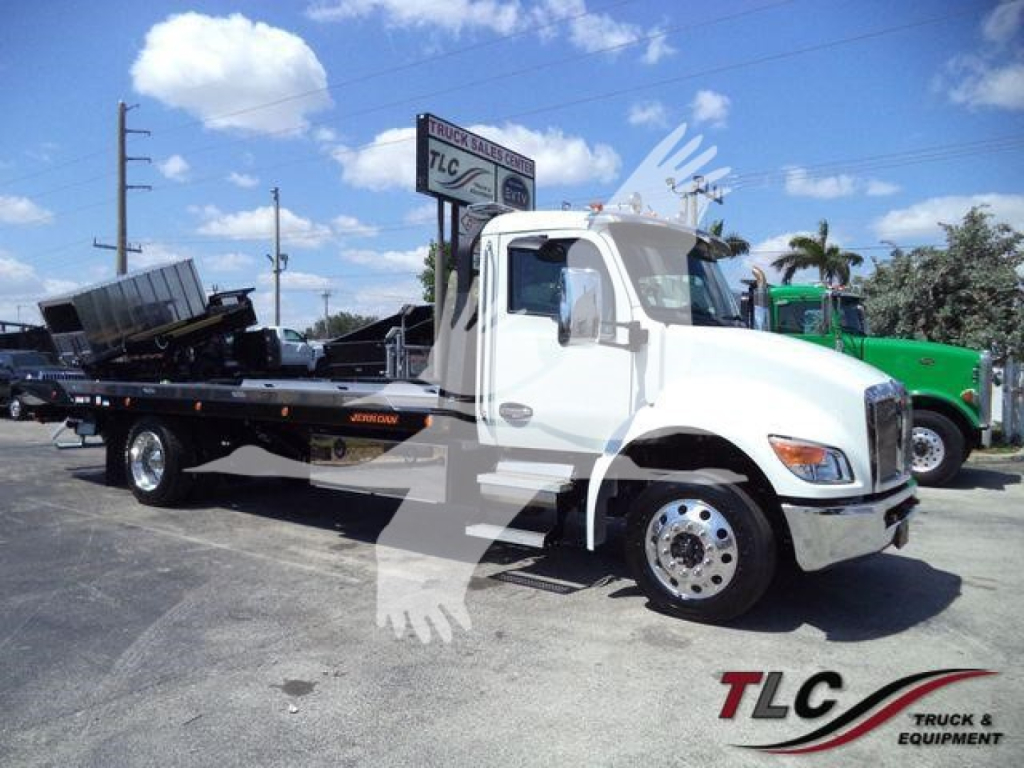
Browse Kenworth rollback trucks built for towing, recovery, and equipment transport, with popular T280, T370, and T880 carrier setups.

Selling a kenworth rollback truck? List your kenworth rollback truck for sale and reach thousands of commercial buyers.
Kenworth Rollback Trucks in Florida
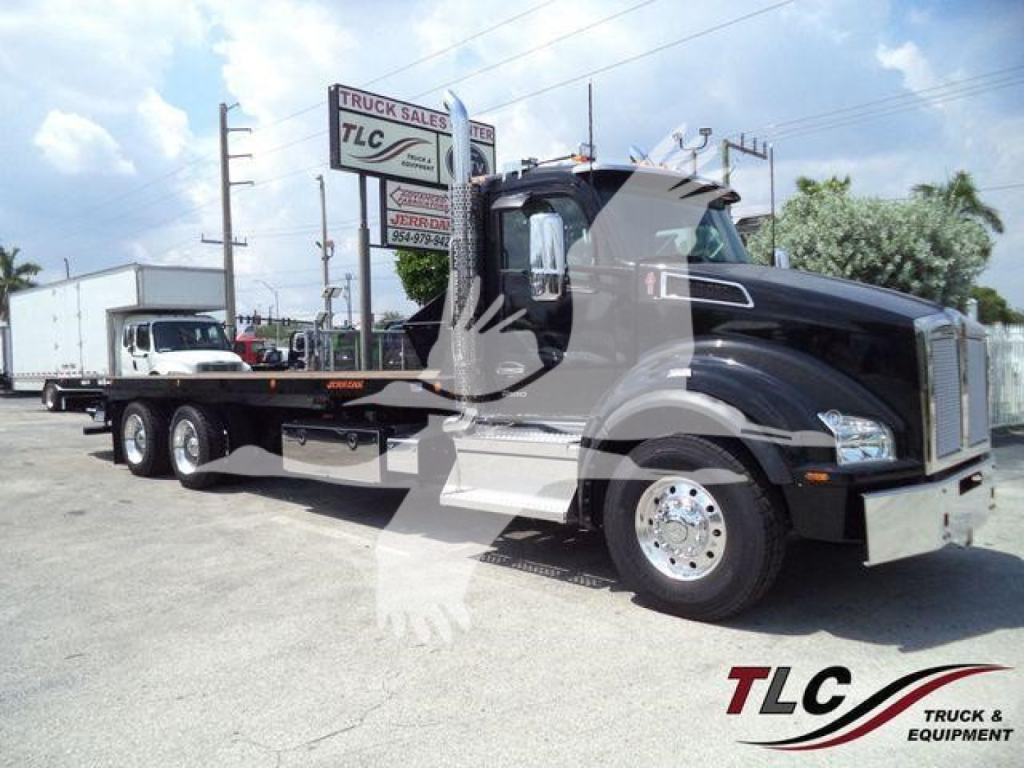
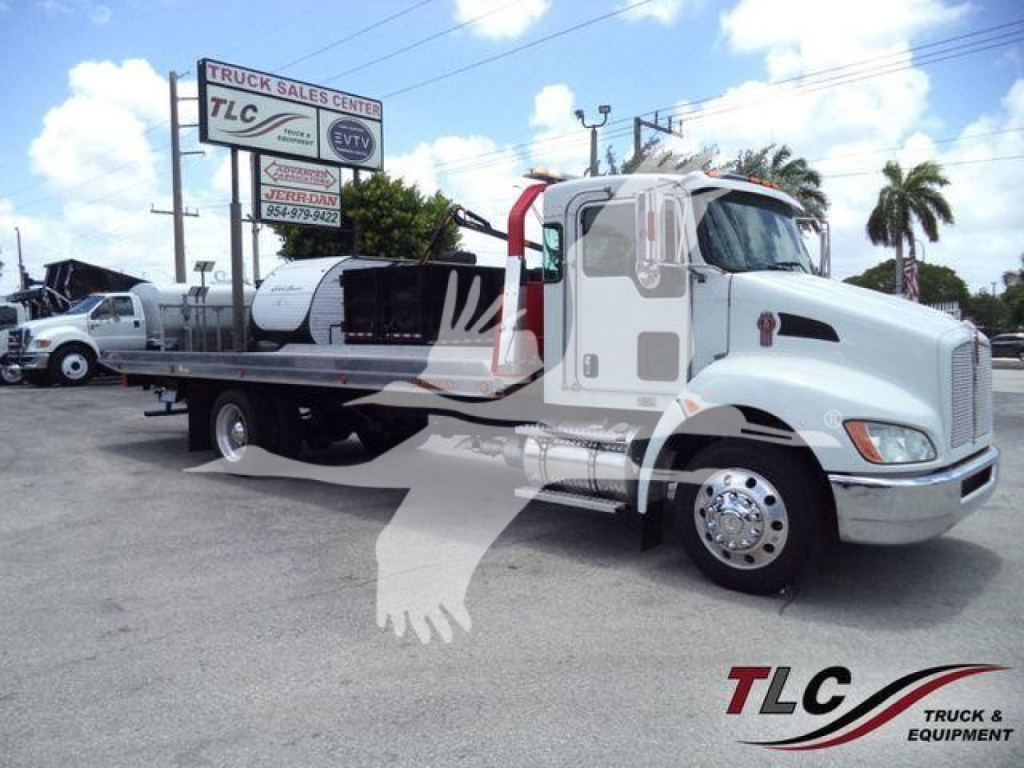
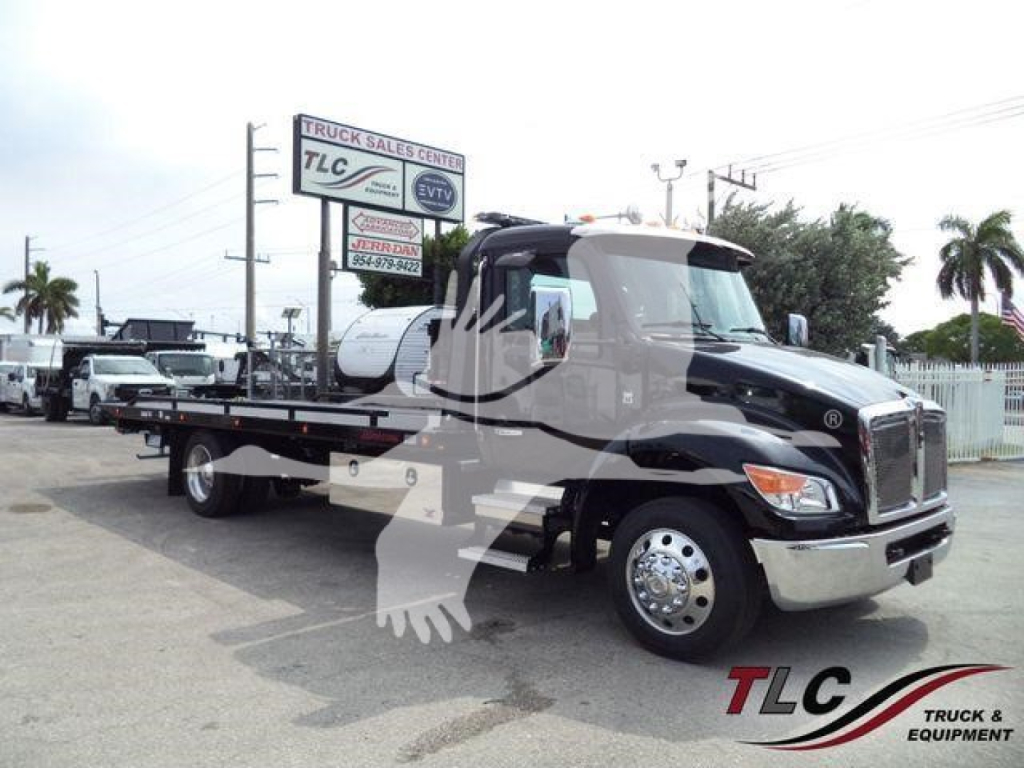
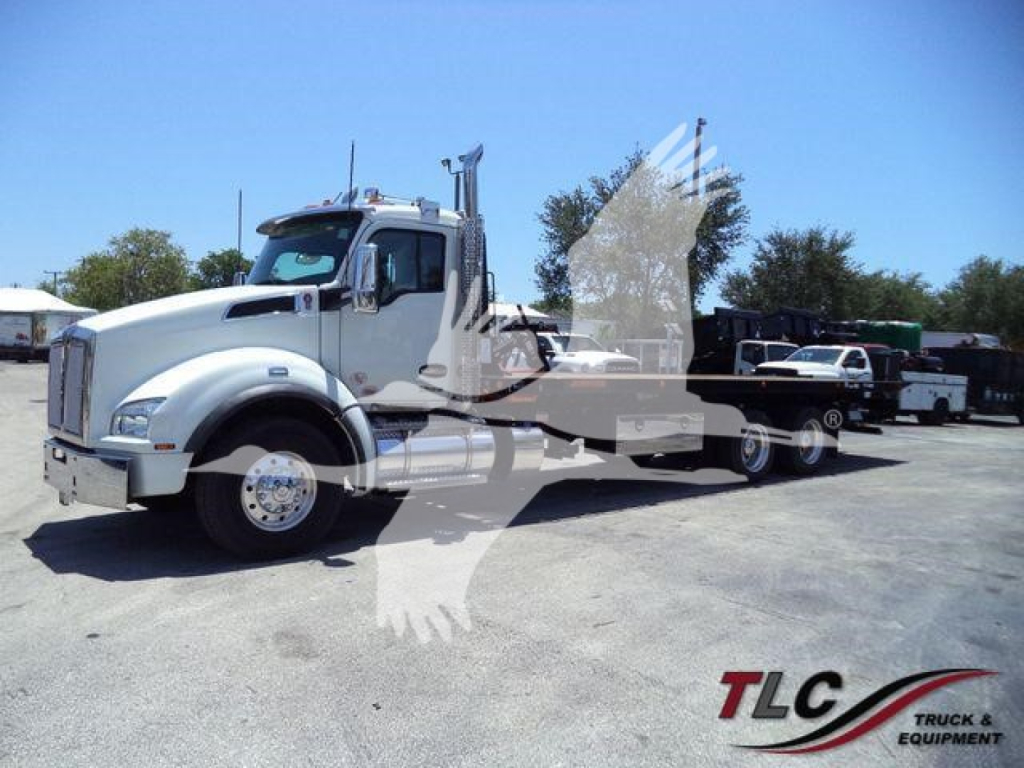
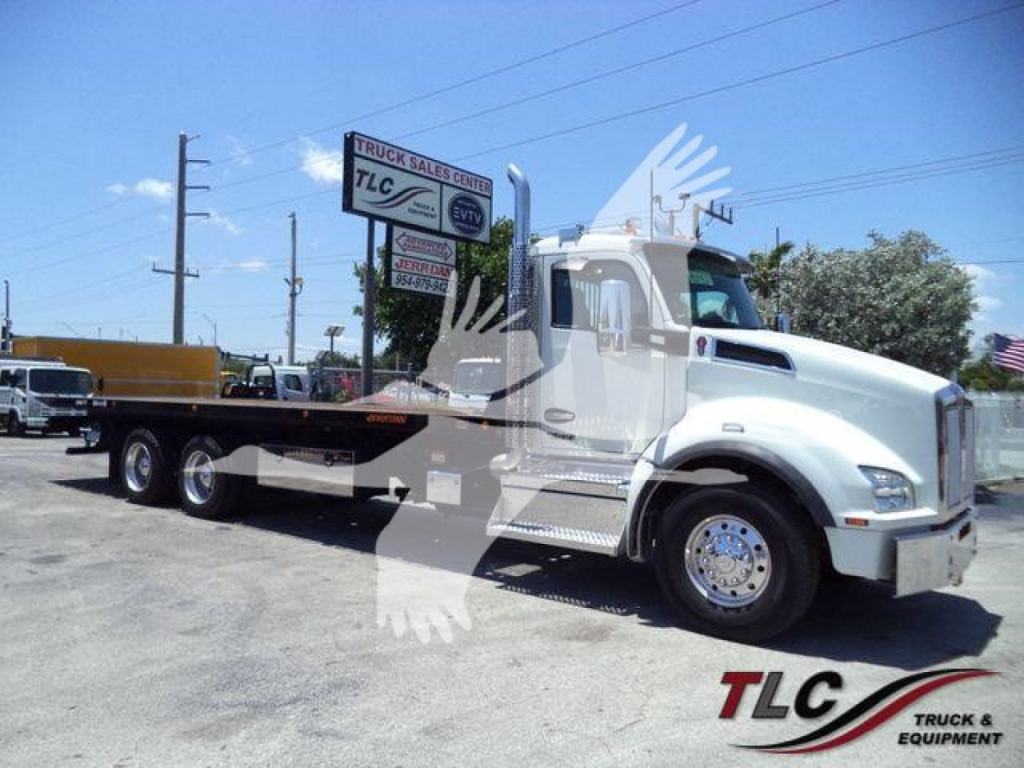
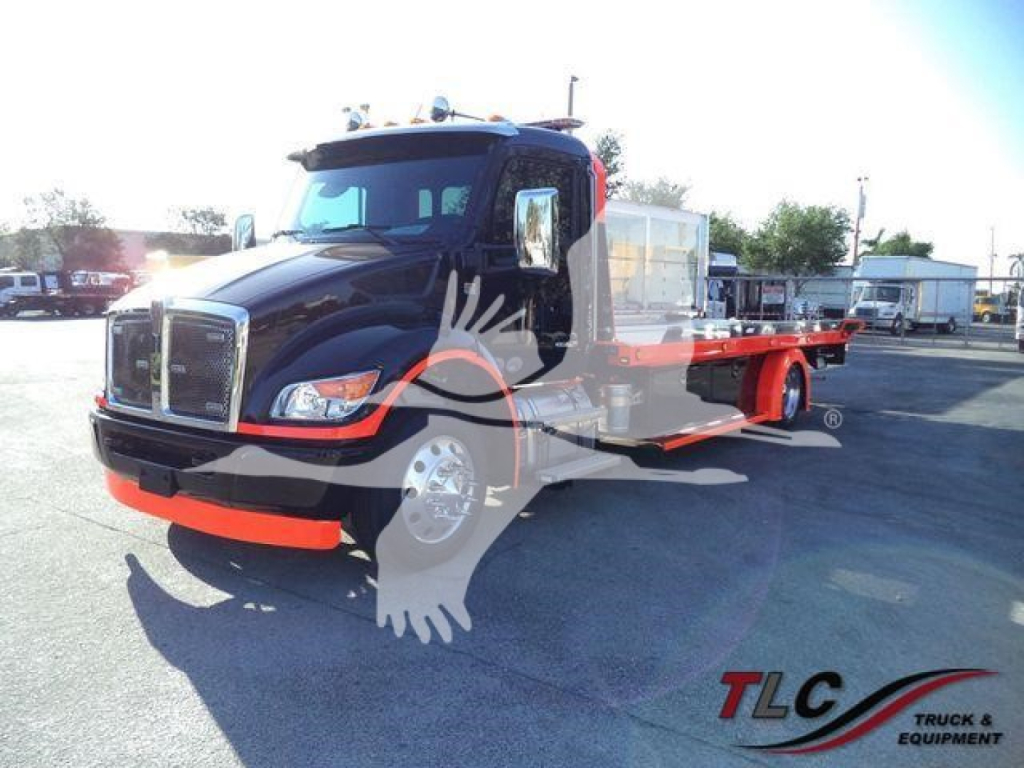
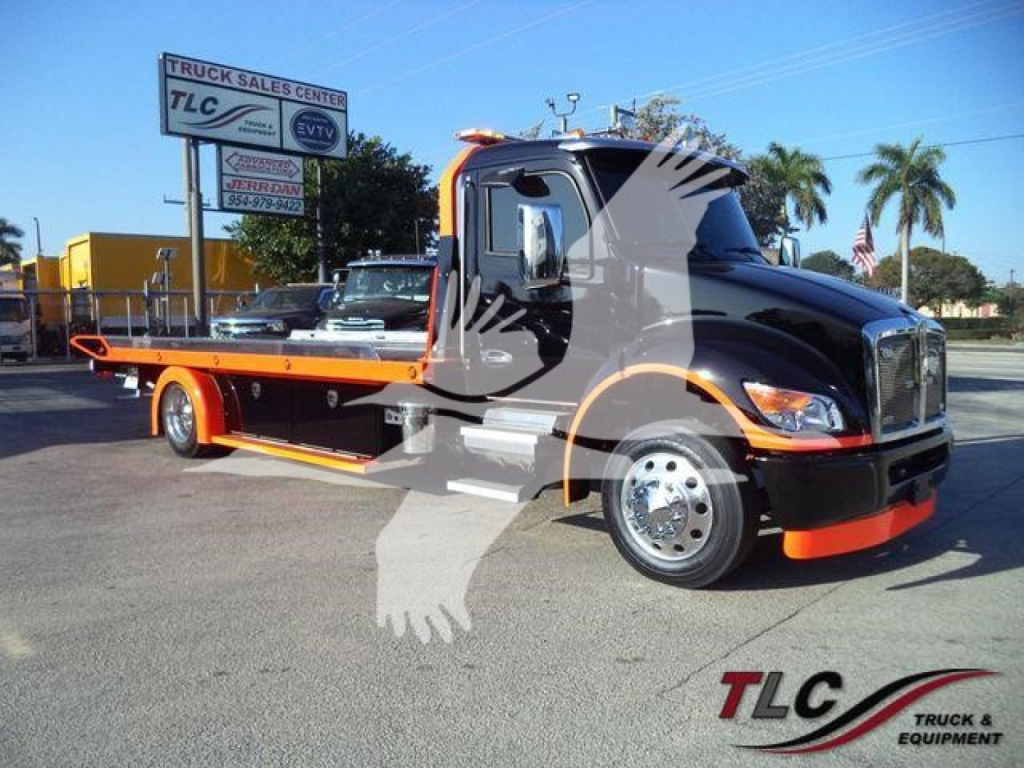
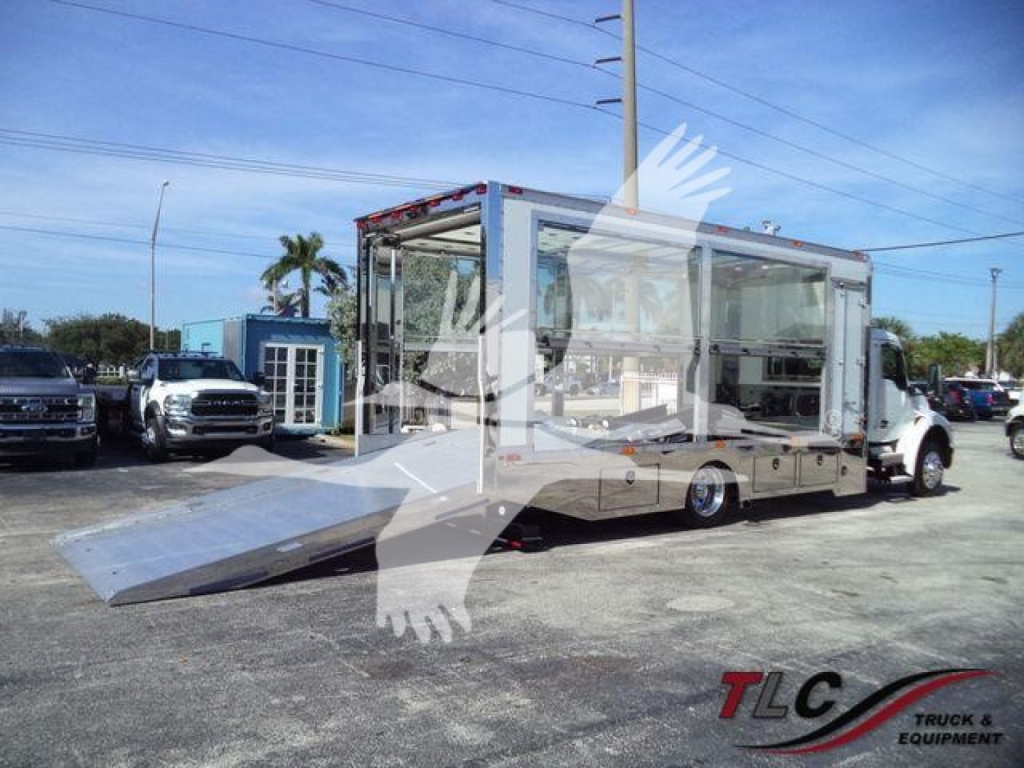
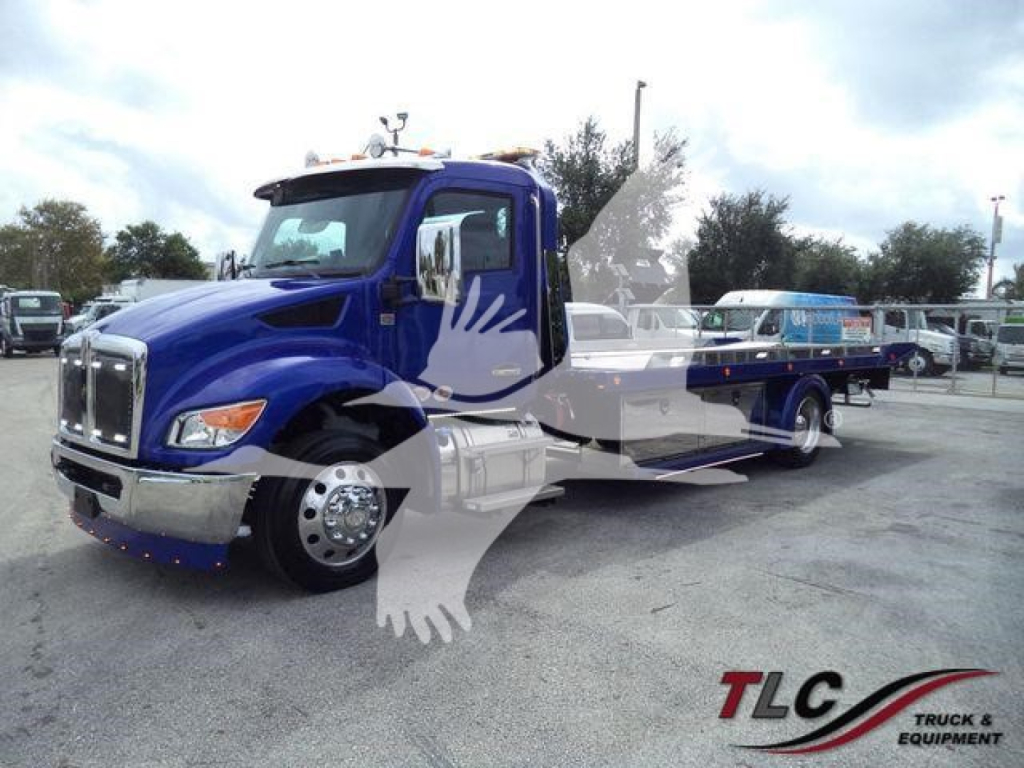
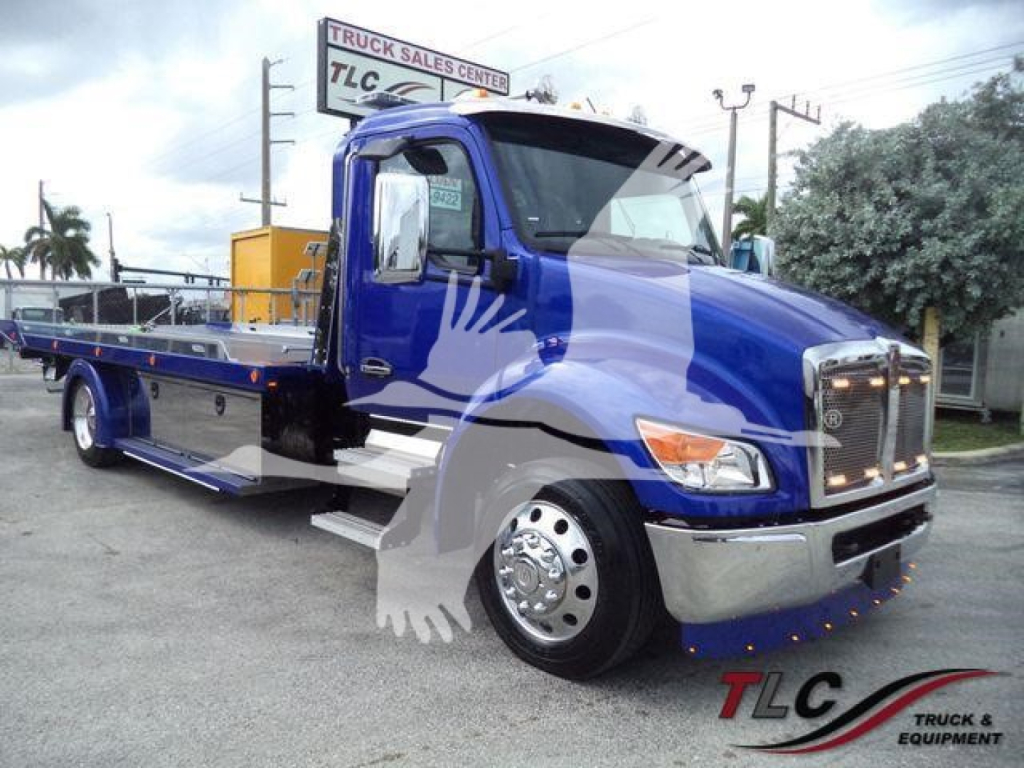
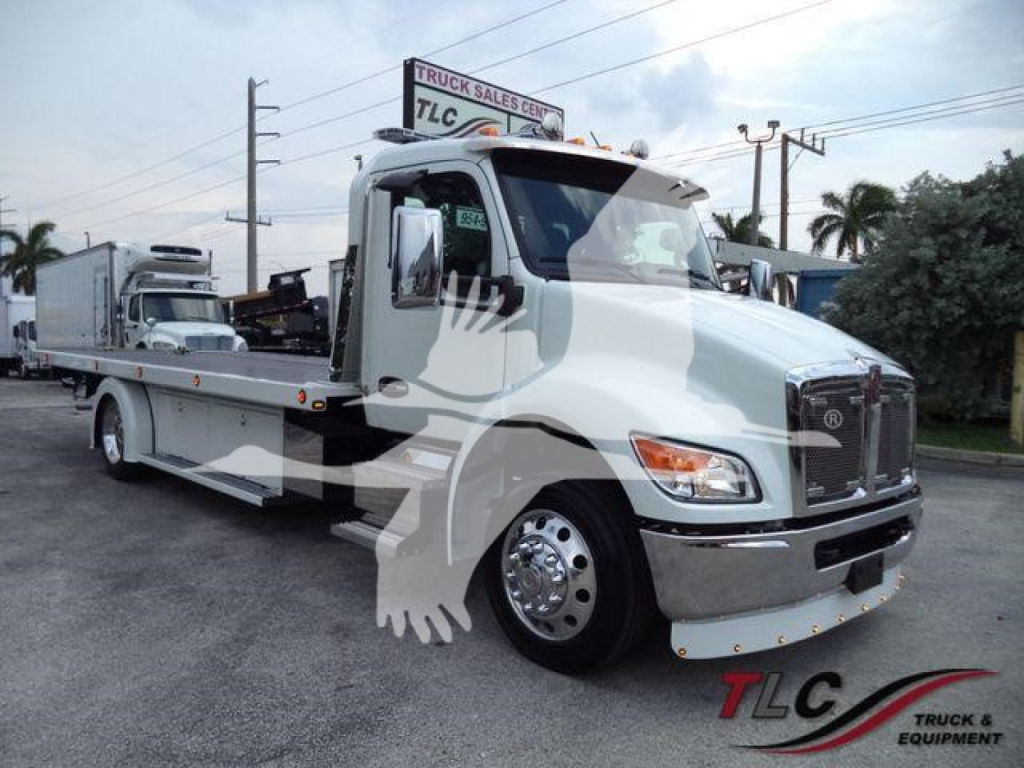
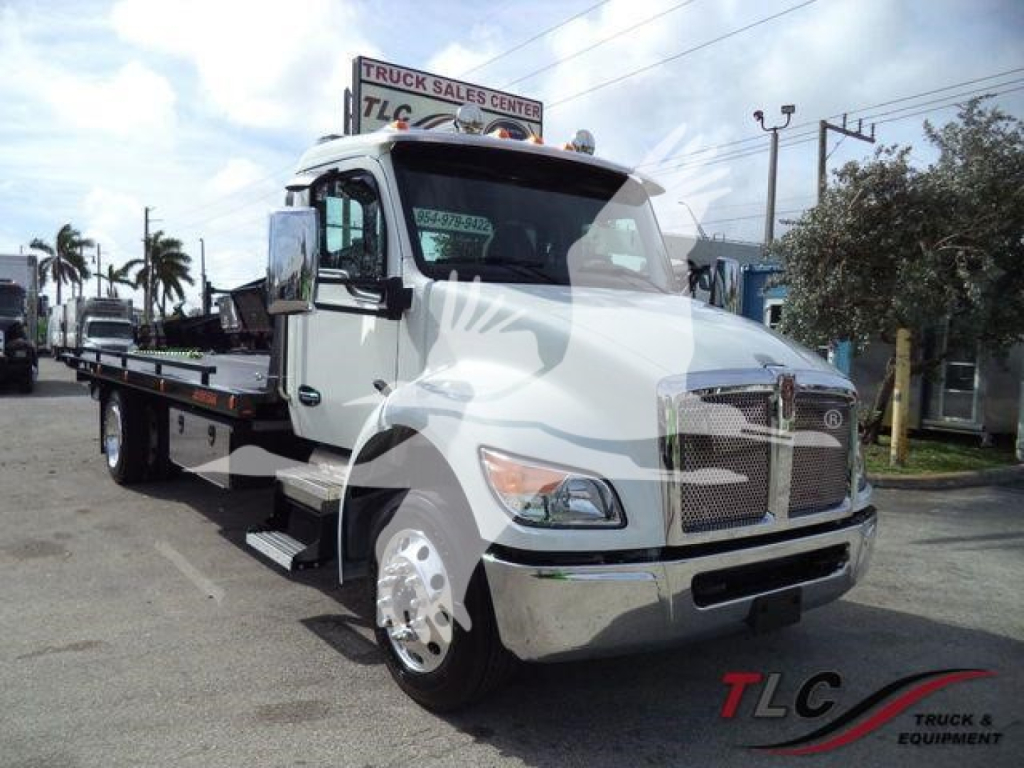
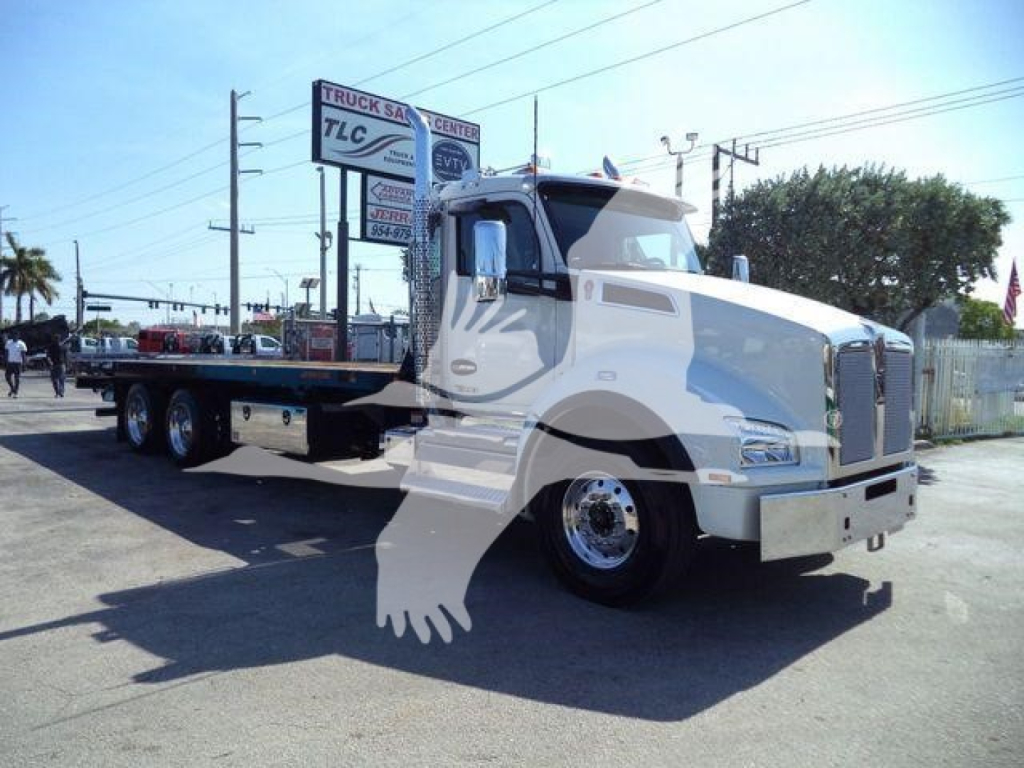
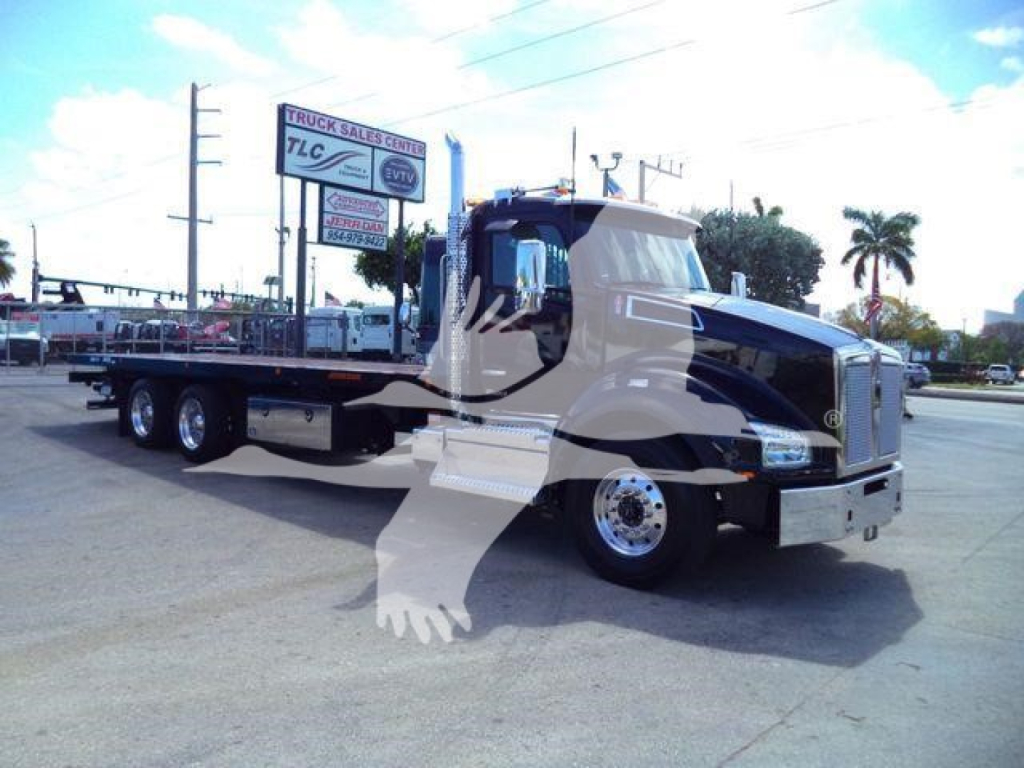
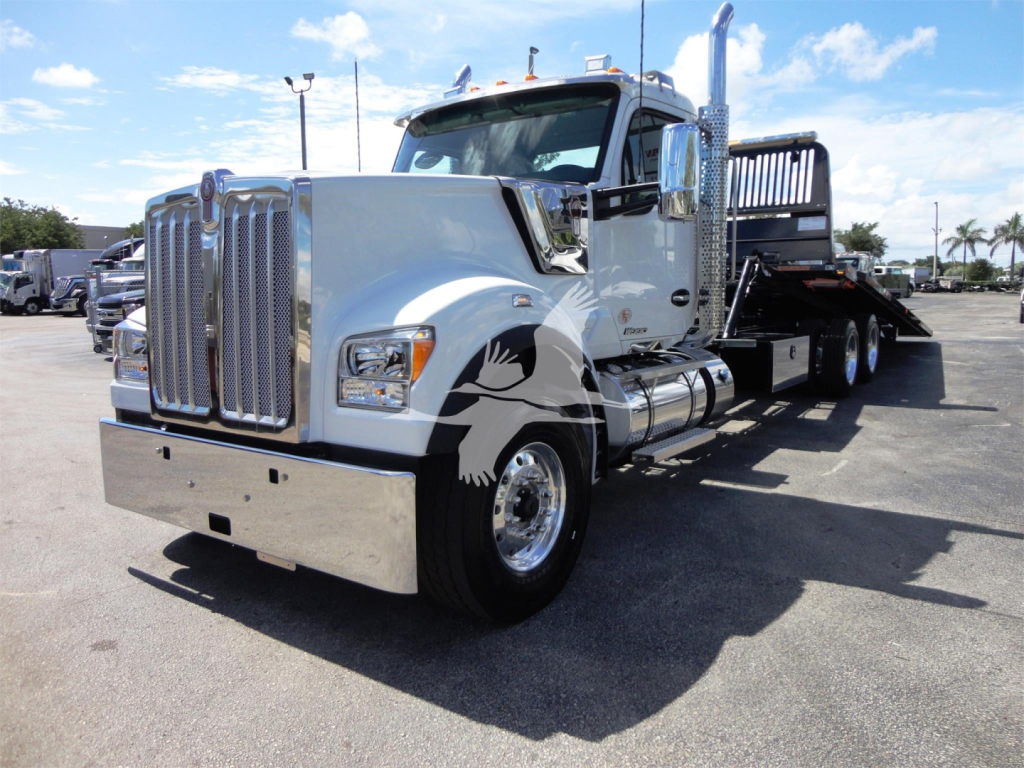
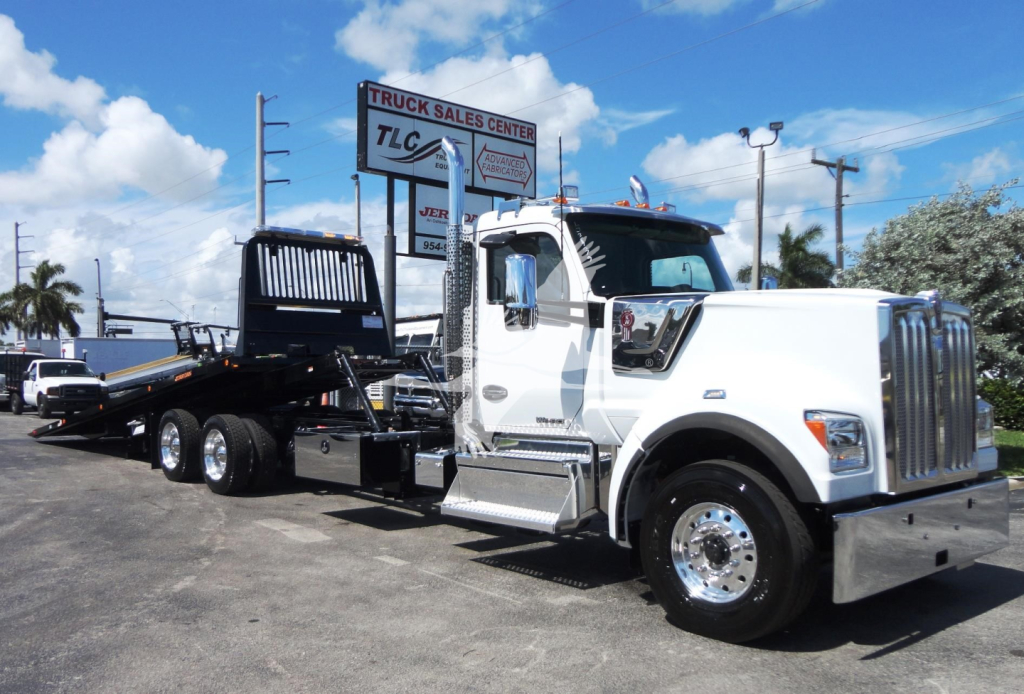
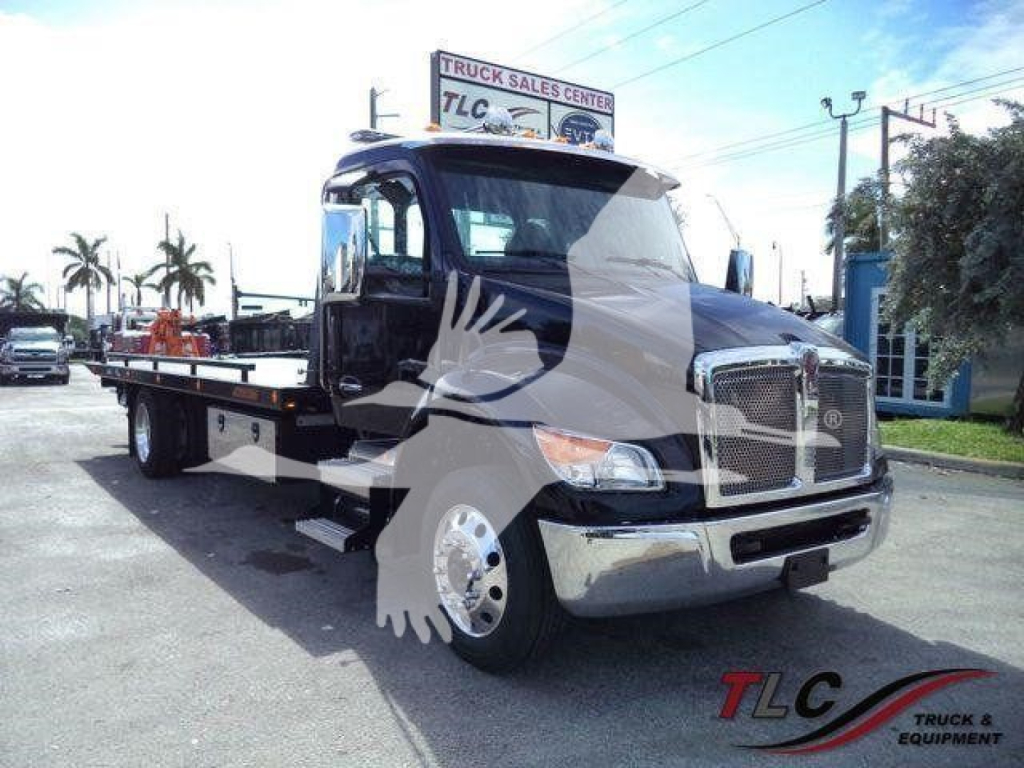
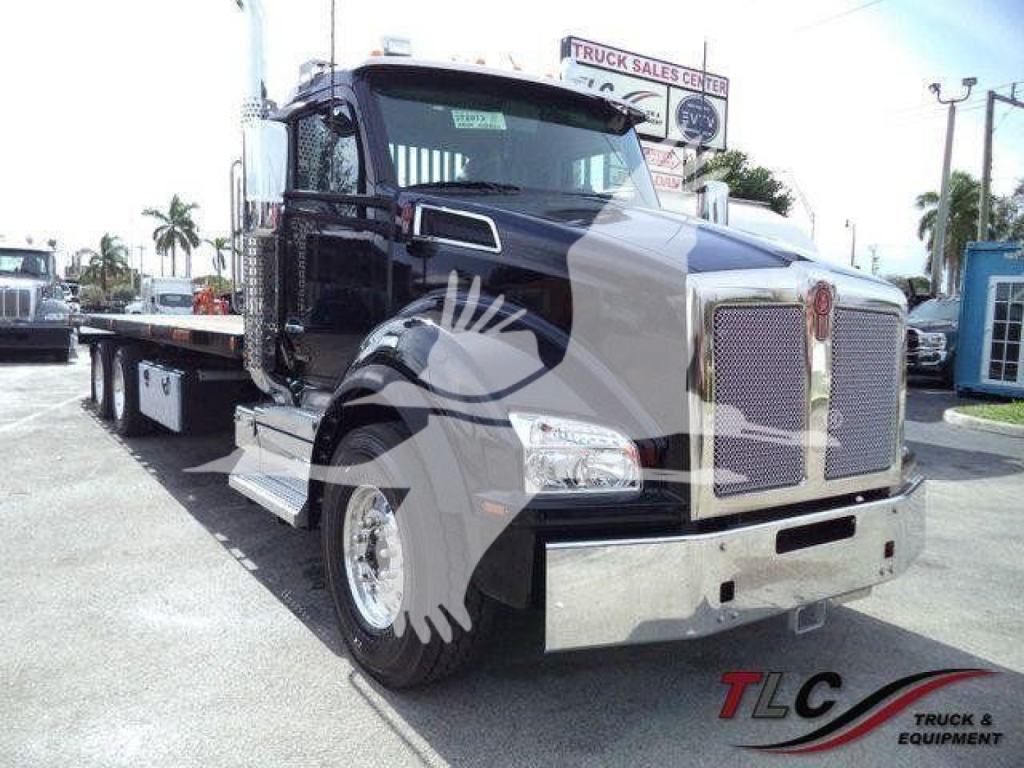
The biggest decision is usually chassis class and bed style. A T280 rollback is commonly spec'd as a 25,950 to 26,000 GVWR carrier with a 20-foot to 22-foot low-profile deck, often paired with a Cummins B6.7 and an Allison automatic. These trucks are popular for standard tow work, dealer transport, auction runs, and general vehicle recovery because they offer good maneuverability with enough deck length for pickups, SUVs, and most passenger vehicles. A T370 can bridge the gap when more front axle capacity, stronger components, or a different wheelbase target is needed. On the heavy end, a Kenworth T880 rollback is typically built as an industrial transporter with a 28-foot deck, higher axle ratings, and much more winch and chassis capacity for moving equipment, forklifts, or larger commercial units.
Body and carrier specs matter as much as the cab and engine badge. Many rollback buyers compare aluminum versus steel decks, low-car angle designs, bed width, wheel-lift rating, and winch capacity before anything else. Common features include Jerr-Dan or similar carrier bodies, 96-inch to 102-inch wide decks, 8,000 to 20,000 pound winches, wireless remotes, removable rails, blade rails, toolboxes, and LED work lighting. For equipment hauling or industrial transporter applications, look closely at deck construction, galvanized or reinforced subframes, stake pockets, rub rails, rear dock stabilizers, pintle hitch capacity, and air connections at the rear. For standard towing, a low center of gravity carrier with a proper wheel-lift setup can improve loading angles and reduce headaches with low-clearance cars.
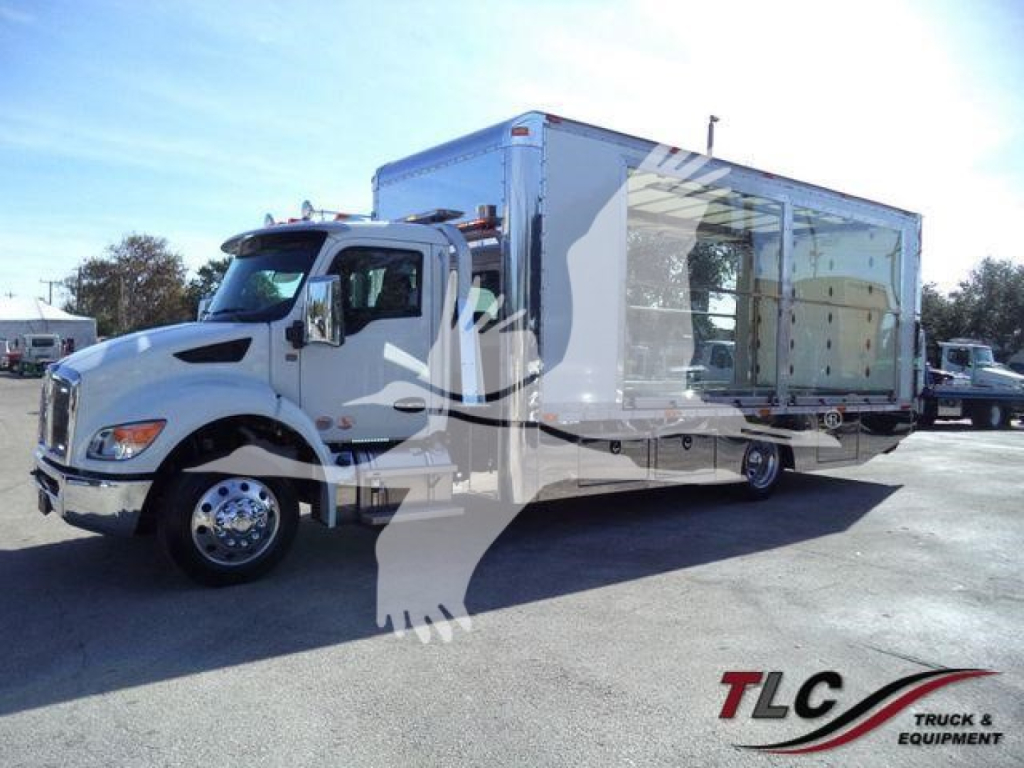
A good Kenworth rollback truck should be evaluated as a complete package, not just by model year or engine horsepower. Check wheelbase, rear axle ratio, suspension type, brake spec, deck manufacturer, hydraulic operation, and how the bed is mounted to the chassis. In Florida, bright warning lighting, clean electrical work, and dependable air conditioning matter more than many buyers first realize. If the truck will spend most of its time in repossession, accident recovery, dealer transfer, or enclosed specialty transport, the right storage layout and control placement can improve daily productivity as much as raw capacity. The best choice is the truck that matches your typical load, recovery environment, and licensing requirements without forcing you into too much chassis or too little deck.
Frequently Asked Questions about Kenworth Rollback Trucks in Florida
What is the difference between a Kenworth T280 rollback and a Kenworth T880 rollback?
A Kenworth T280 rollback is generally a medium-duty carrier used for passenger vehicles, light trucks, and everyday towing work. It is commonly spec'd around the 26,000 GVWR range with a 20-foot or 22-foot deck and an automatic transmission. A Kenworth T880 rollback is a much heavier platform designed for industrial transporter and equipment-hauling applications, often with a 28-foot deck, substantially higher axle ratings, and more winch capacity. The T280 is usually chosen for maneuverability and lighter recovery work, while the T880 is selected when payload, deck length, and chassis strength are the priority.
What deck length is most common on a Kenworth rollback truck?
The most common deck lengths depend on the job. For standard car carrier and tow work, 20-foot and 22-foot rollback beds are very common, especially on Kenworth T280 chassis. These sizes handle most cars, SUVs, pickups, and small commercial vehicles while keeping the truck practical in tighter urban areas. For industrial transport or equipment hauling, a 28-foot rollback bed is more common on heavier chassis like the Kenworth T880 because it provides the deck space and stability needed for larger machines and commercial loads.
Are aluminum or steel rollback beds better on a Kenworth carrier?
Neither material is automatically better. Aluminum rollback beds reduce weight, resist corrosion well, and can help maximize legal payload, which is useful in humid and coastal markets like Florida. Steel beds are often favored for durability, repairability, and heavy-use applications where the deck may see harsher loading conditions. The right choice depends on what the truck hauls, how often it operates near salt exposure, and whether the priority is lower weight or long-term toughness under demanding service.
What should I check when buying a used Kenworth rollback truck?
Start with the full spec sheet, then inspect the truck as a combined chassis and body package. Key items include GVWR, wheelbase, axle ratings, transmission model, suspension type, brake system, and engine service history. On the carrier body, inspect the deck structure, subframe, hydraulic cylinders, hoses, winch operation, bed slide function, wheel-lift components, controls, lighting, and toolbox condition. Rust, corrosion, cracked welds, uneven bed movement, and poor electrical repairs are all warning signs. A rollback that looks clean but has weak hydraulics or body fatigue can become expensive very quickly.
Are Kenworth rollback trucks good for Florida towing operations?
Kenworth rollback trucks can be a very good fit for Florida operators because the chassis is well suited for high-use commercial service and can be configured for light-duty towing, specialty transport, or industrial hauling. In this market, buyers usually place extra value on corrosion-resistant materials, reliable cab air conditioning, strong warning light packages, and easy-to-clean interiors. Aluminum decks, stainless trim, sealed electrical connections, and clean underbody condition are especially important for trucks exposed to coastal air, frequent rain, and year-round heat.