
2026 Kenworth Rollback Trucks For Sale
Shop 2026 Kenworth rollback trucks with carrier beds, wheel lifts, winches, and towing-ready specs for light-duty and industrial transport.
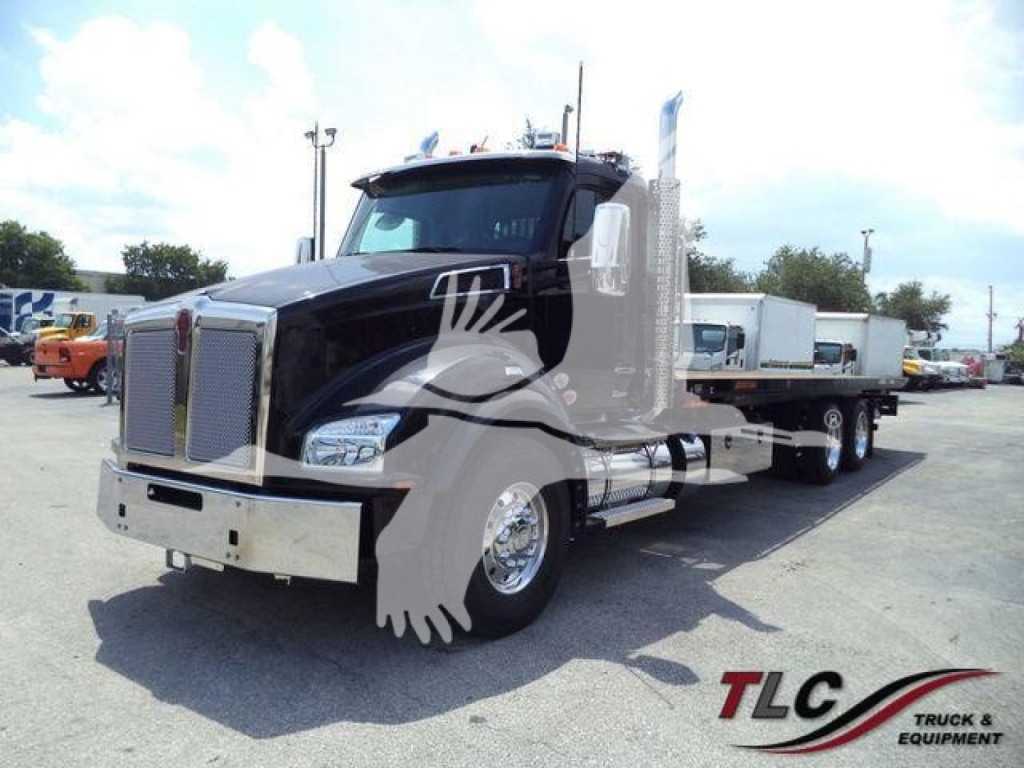
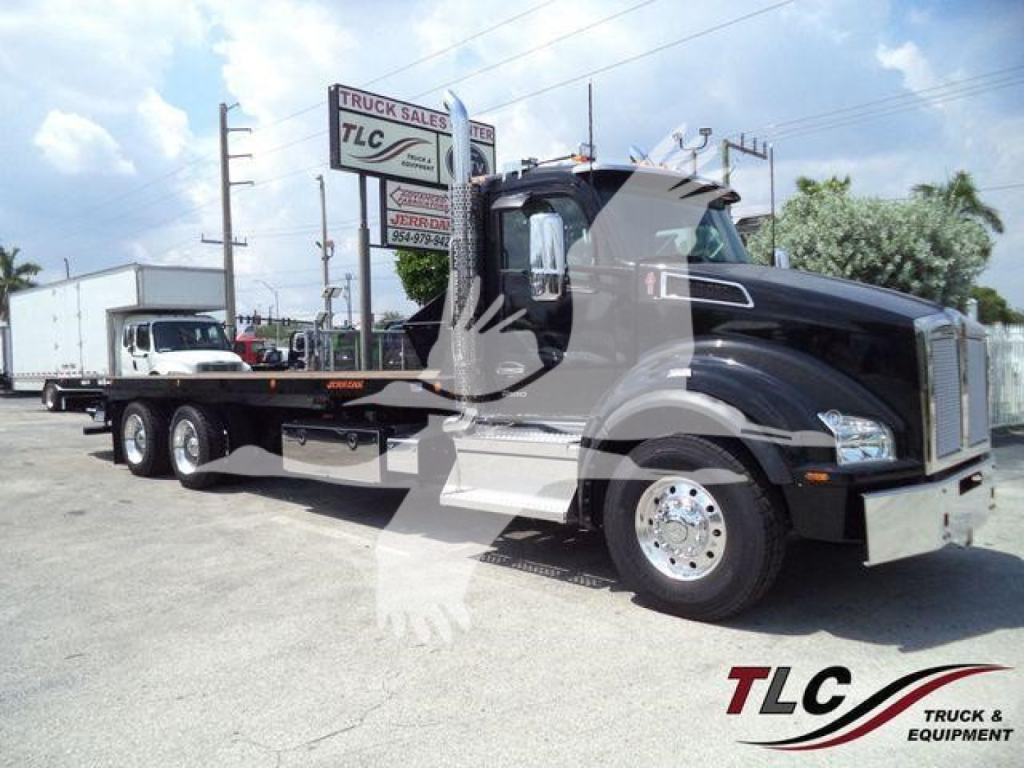
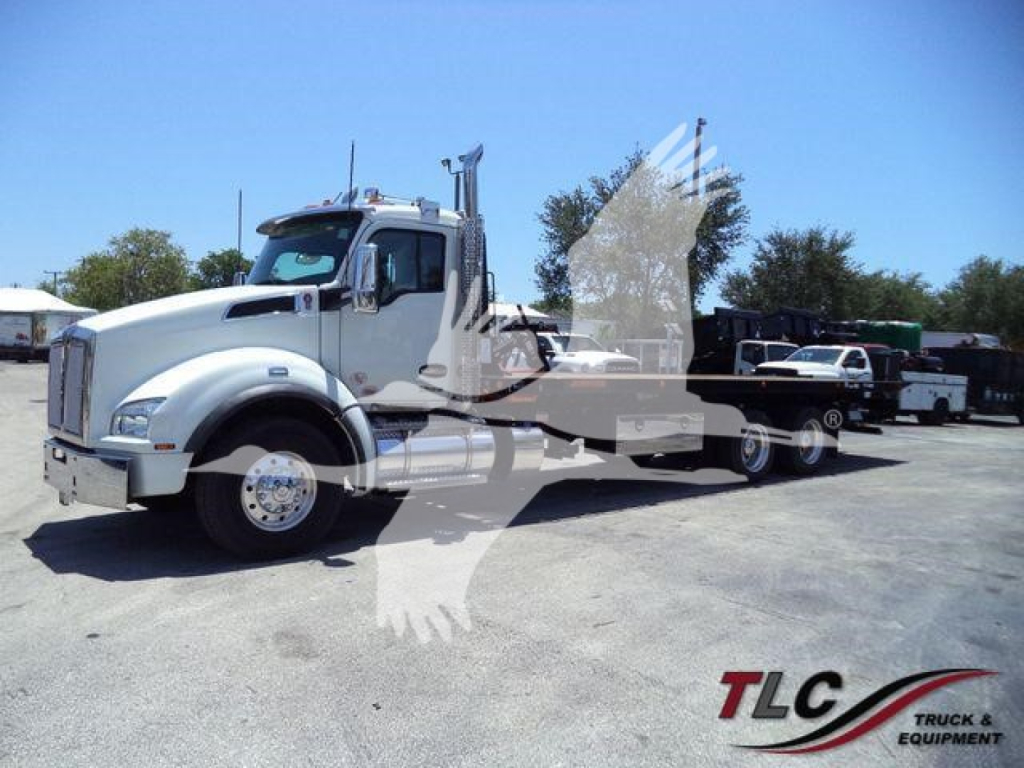
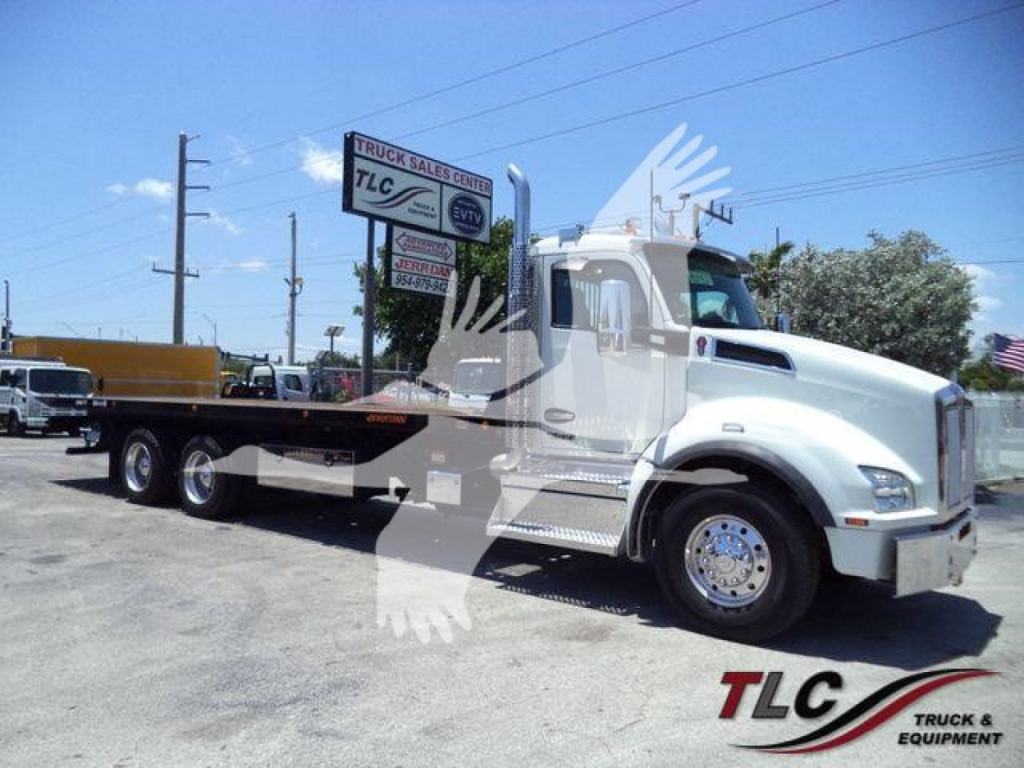
Selling a 2026 kenworth rollback truck? List your 2026 kenworth rollback truck for sale and reach thousands of commercial buyers.
2026 Kenworth Rollback Trucks
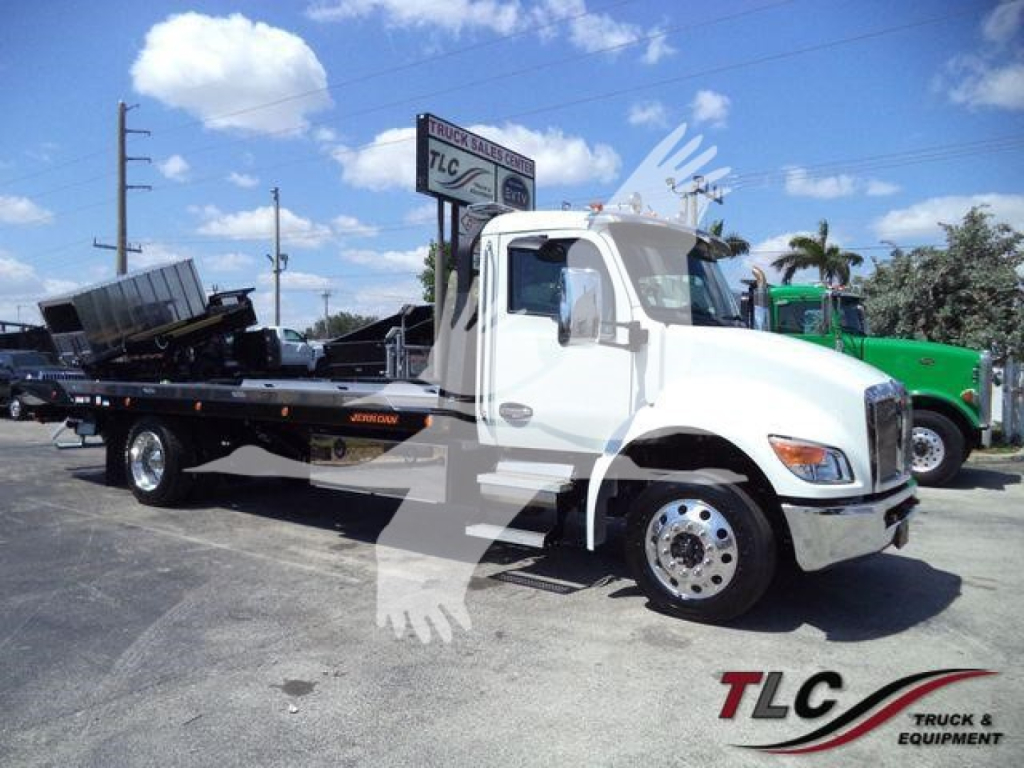
The first decision is bed style and payload class. Many Kenworth rollback trucks use low center of gravity, or LCG, decks in steel or aluminum, often around 96 to 102 inches wide. A 6-ton carrier body with an 8,000 lb winch and 3,500 lb wheel lift is a common fit for light and medium vehicle towing, repossession, and general car hauling. On the heavy side, industrial rollback builds can step up to longer wood or steel transporter decks, 20,000 lb winches, dock stabilizers, pintle hitches, and much higher GVWR ratings for machinery, pallets, forklifts, or specialty equipment. If your work includes low-clearance cars, deck angle, shark or dual-angle design, and bed height matter as much as raw capacity.
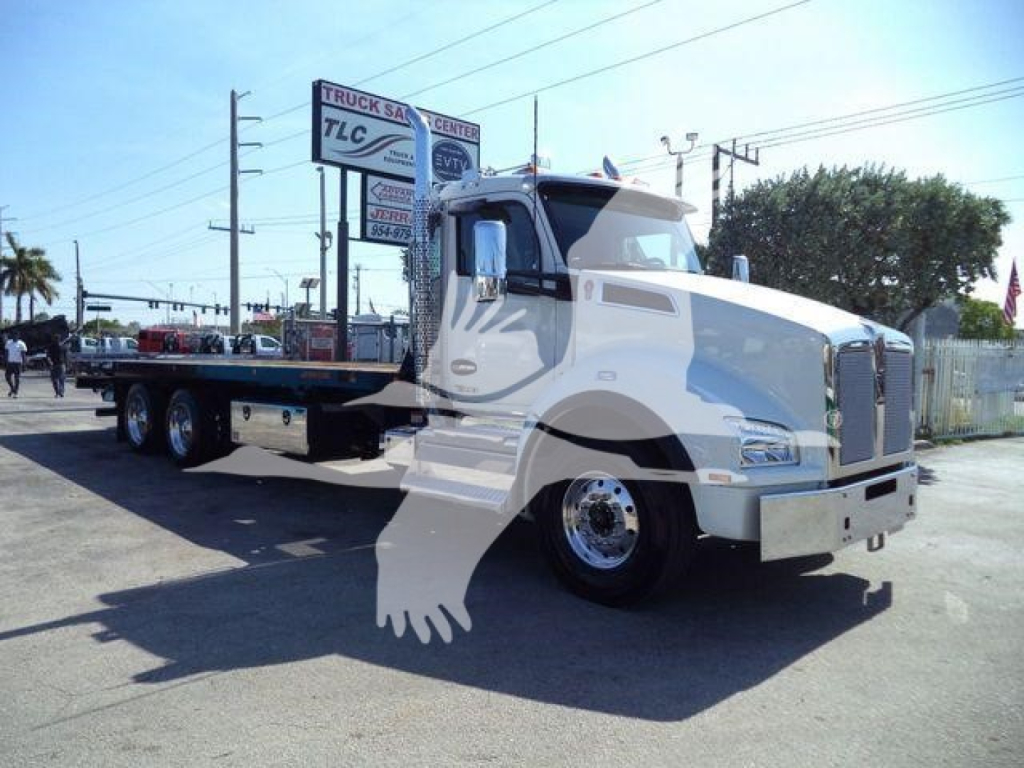
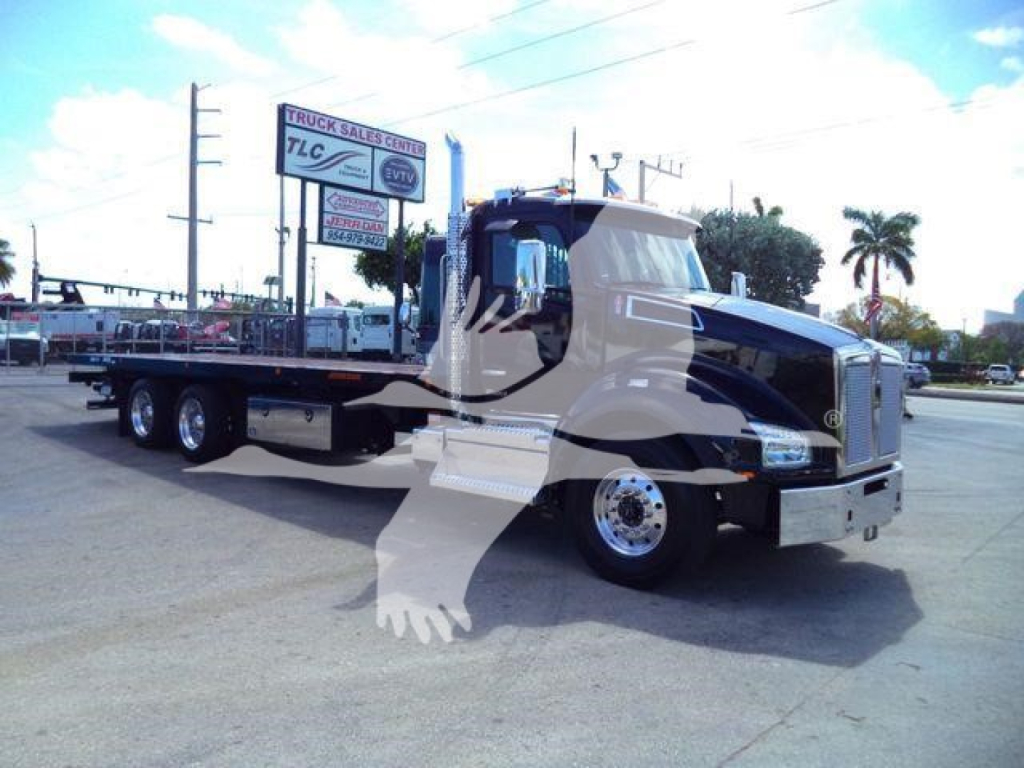
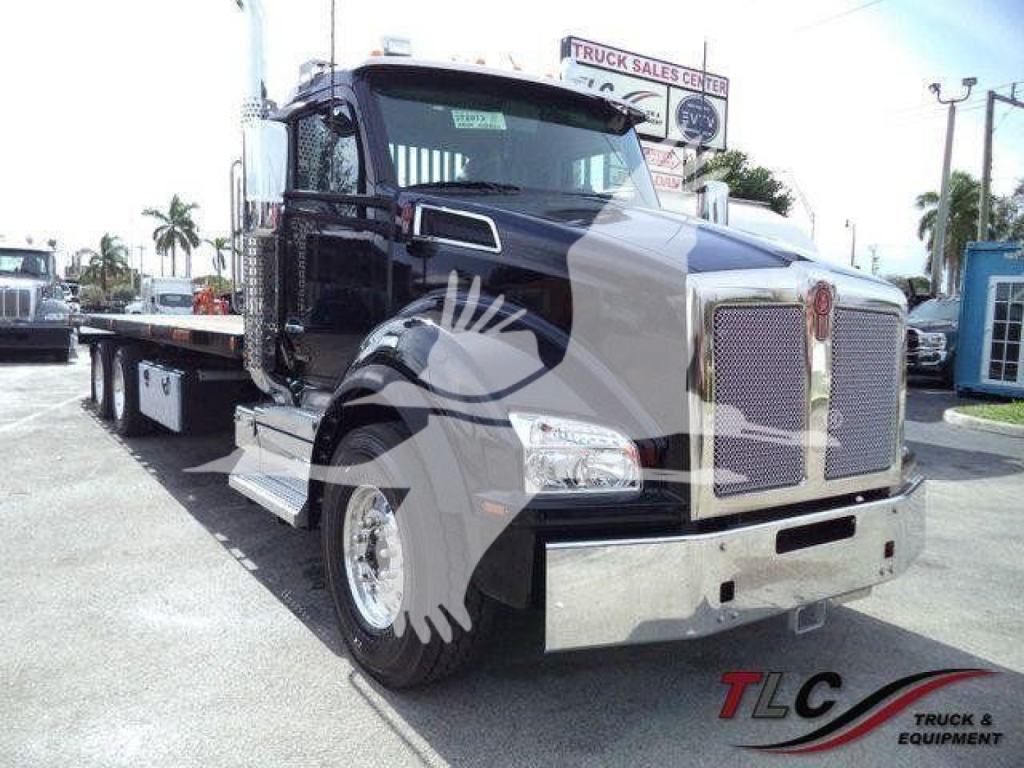
Chassis spec is just as important as body spec. A Kenworth T280 rollback often lands in the Class 6 range around 25,950 to 26,000 GVWR with a Cummins diesel, Allison automatic, air brakes, and air ride suspension. That is a practical setup for urban towing, auction runs, body shop work, and regional carrier service. A Kenworth T880 rollback moves into a different class entirely, with substantially higher front and rear axle ratings, more horsepower, and the ability to support a 28 foot industrial transporter bed. Buyers comparing listings should look closely at wheelbase, rear axle ratio, suspension rating, brake type, low-profile tire spec, and whether the truck is optimized for recovery work or equipment transport.
Upfit details separate an average rollback from one that is ready to earn. Common features in this category include wireless remotes, removable blade rails, scuff-resistant deck surfaces, toolboxes, hose reels, work lights, light bars, backup cameras, and stainless trim packages. For towing applications, confirm the wheel lift rating, winch line pull, tie-down package, and storage layout for chains, straps, skates, and recovery gear. For equipment hauling, pay attention to deck length, rub rails, stake pockets, rear glad hands, hitch configuration, and loading stability. Kenworth rollback trucks are often chosen because they combine strong driver comfort, a professional appearance, and chassis durability with rollback bodies that can be tailored for towing, transport, or specialized enclosed carrier work.
Frequently Asked Questions about 2026 Kenworth Rollback Trucks
What is the difference between a Kenworth T280 rollback and a Kenworth T880 rollback?
A Kenworth T280 rollback is usually a medium-duty carrier suited for vehicle towing, dealer transport, and local or regional recovery work. It commonly carries a 20 to 22 foot low-profile rollback body with a 6-ton deck, moderate winch capacity, and a wheel lift for secondary tows. A Kenworth T880 rollback is a heavier platform designed for industrial transporter bodies, longer decks, higher GVWR ratings, and more demanding equipment hauling. The T880 is generally the better fit when payload, axle capacity, and heavy-duty chassis strength matter more than tight-city maneuverability.
What bed length is most common on a Kenworth rollback truck?
The most common bed lengths in this category are about 20 to 22 feet on medium-duty rollback tow trucks and around 28 feet on heavy industrial transporter rollbacks. A 20 to 22 foot bed is typical for cars, pickups, SUVs, and general towing service. A 28 foot deck is more common when the truck is used to move equipment, longer loads, or heavier commercial units. The right length depends on what you haul, how much overhang you can accept, and whether loading angle is critical for low-clearance vehicles.
Are 2026 Kenworth rollback trucks better suited for towing vehicles or hauling equipment?
This category covers both applications, but the body and chassis spec determine where a truck fits best. A low-profile carrier with a wheel lift, 8K winch, and 6-ton bed is typically configured for towing and vehicle transport. A rollback with a longer deck, higher GVWR, stronger winch, pintle hitch, and transporter-style body is better suited for equipment hauling. Buyers should match the truck to the actual job mix rather than assuming every rollback works equally well in both roles.
What specs matter most when comparing rollback truck listings?
The key specs are GVWR, axle ratings, engine horsepower, transmission model, bed length, bed width, deck material, winch capacity, and wheel lift rating. Buyers should also check for air brakes versus hydraulic brakes, air ride suspension, low-profile tires, and the exact carrier body brand and model. Operational details such as wireless controls, toolbox space, lighting, camera systems, and tie-down equipment also affect day-to-day usability. The most important comparison is how the chassis capacity and rollback body rating work together for your intended load.
What is an LCG or low-profile rollback bed, and why does it matter?
LCG stands for low center of gravity, and it refers to a rollback body designed to sit lower and load at a shallower angle. That matters when transporting low-clearance cars, performance vehicles, forklifts, or other equipment that can drag or hang up on a steeper deck. A low-profile or dual-angle bed can reduce loading issues, improve versatility, and make the truck easier to use across a wider mix of vehicles. For many buyers, deck height and approach angle are just as important as the published tonnage rating.