
New 2026 Kenworth Rollback Trucks For Sale
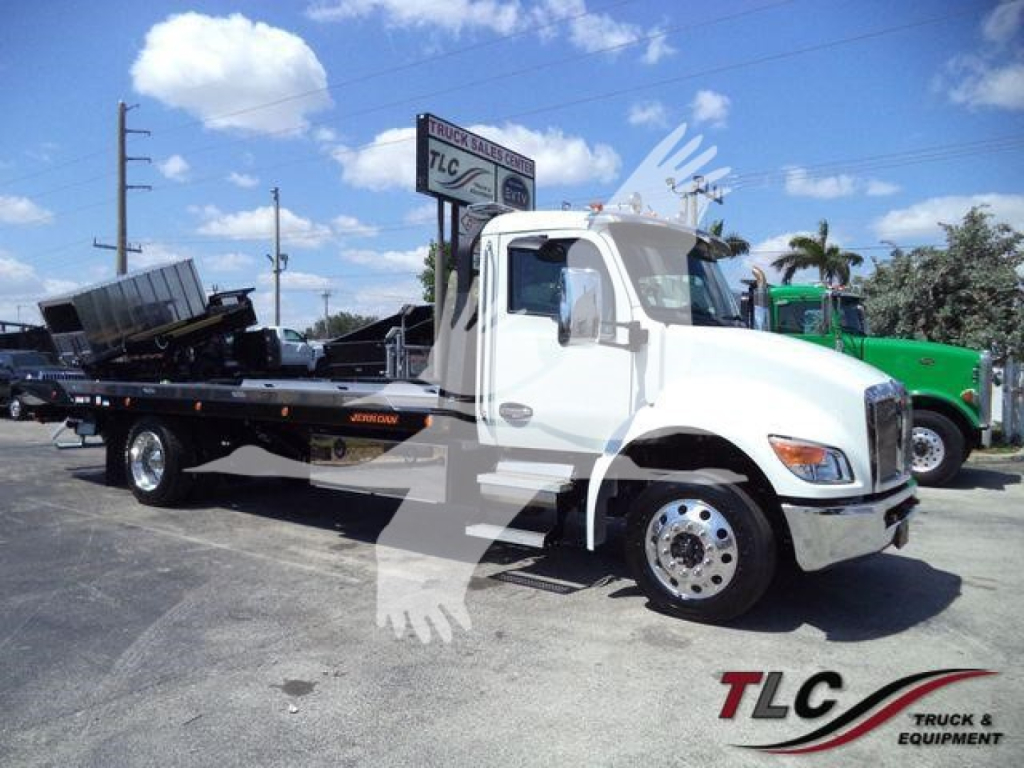
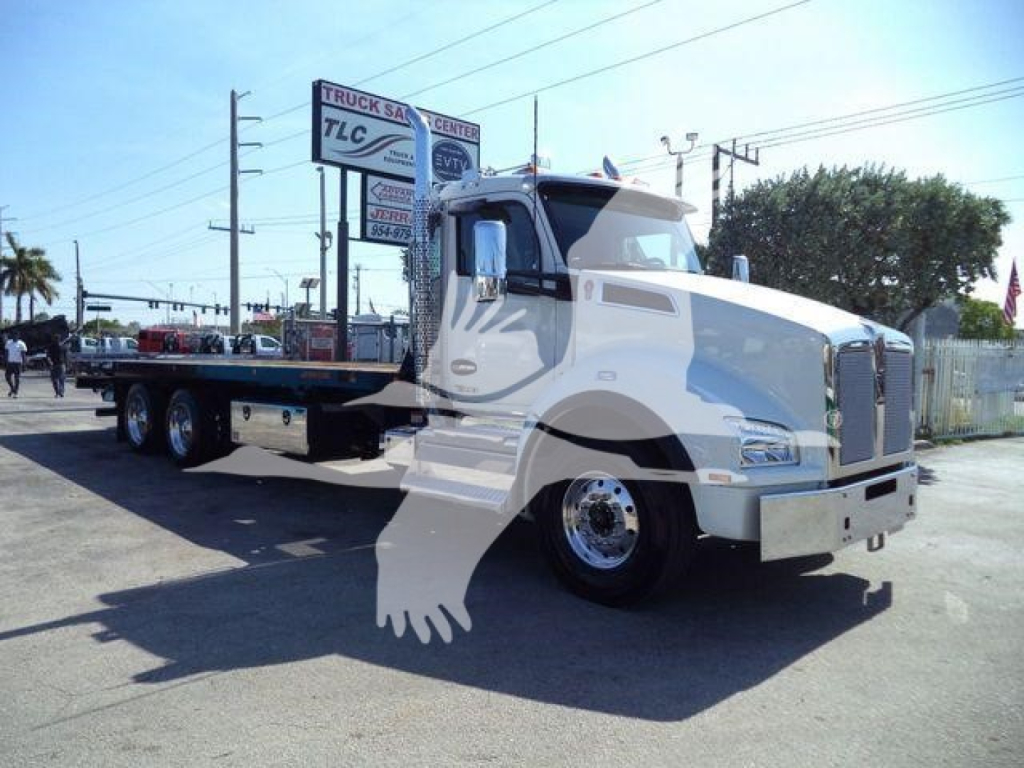
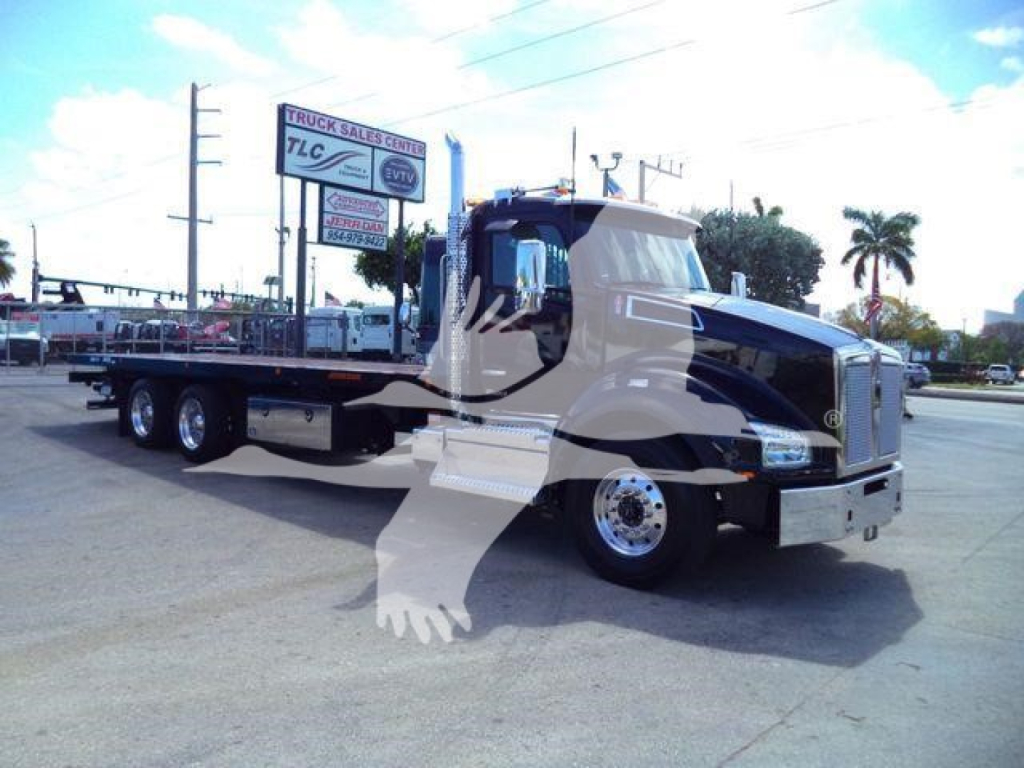
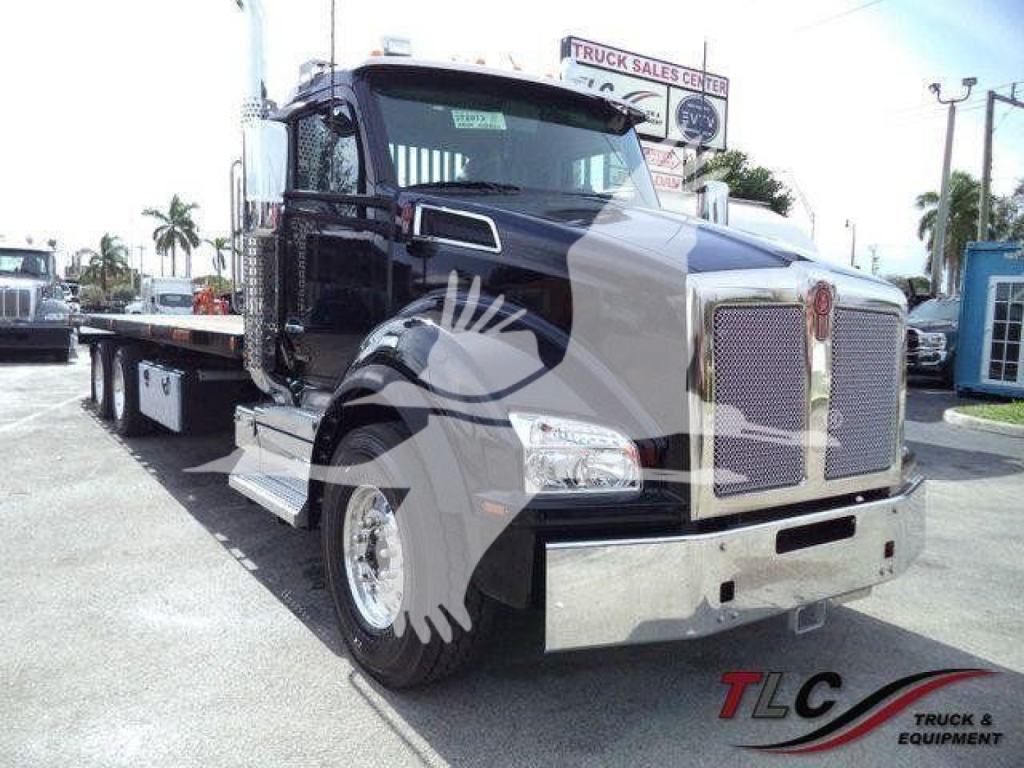
Shop new 2026 Kenworth rollback trucks, including T280 and T880 carriers with Jerr-Dan beds, low-profile decks, winches, and wheel lifts.
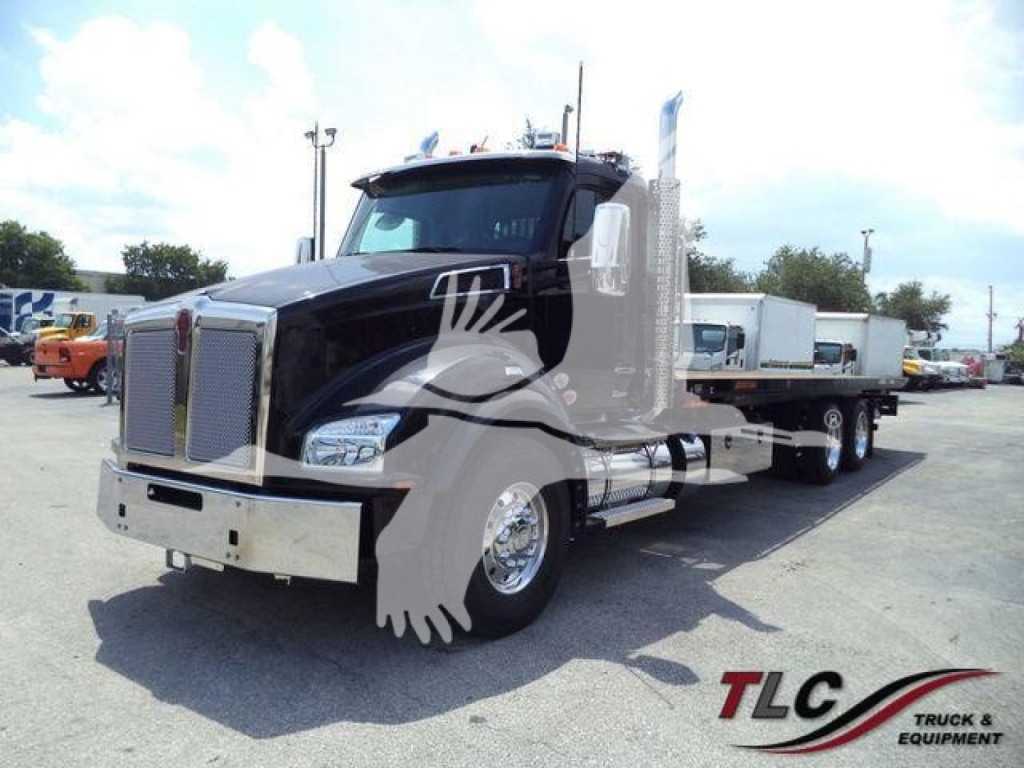
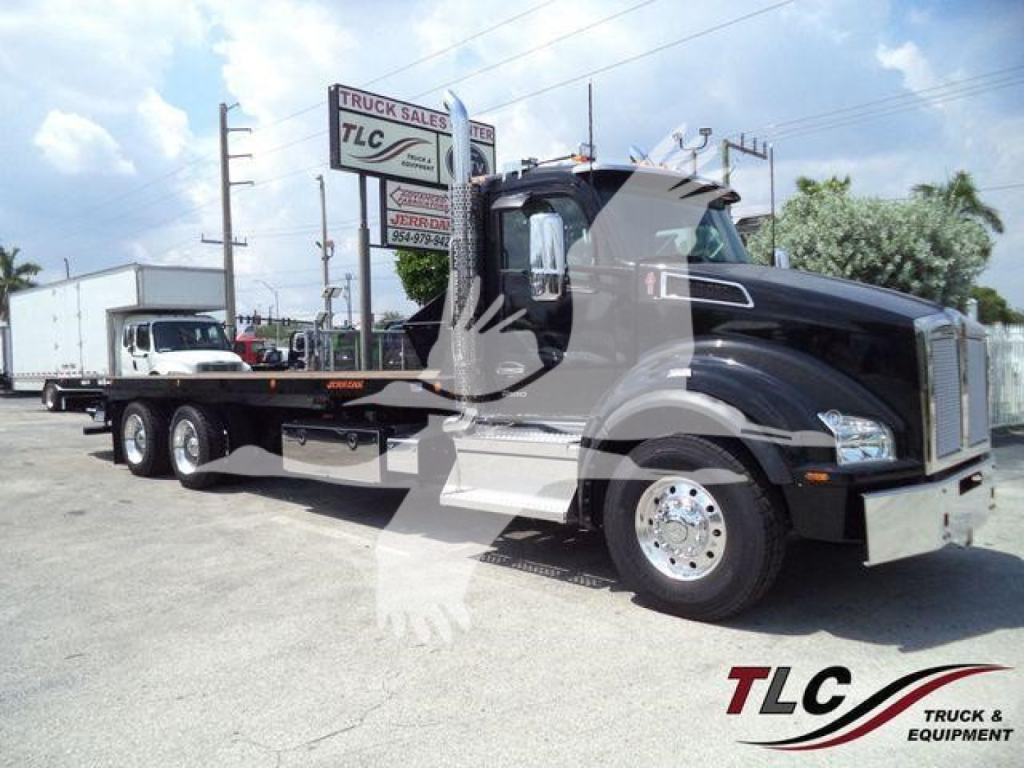
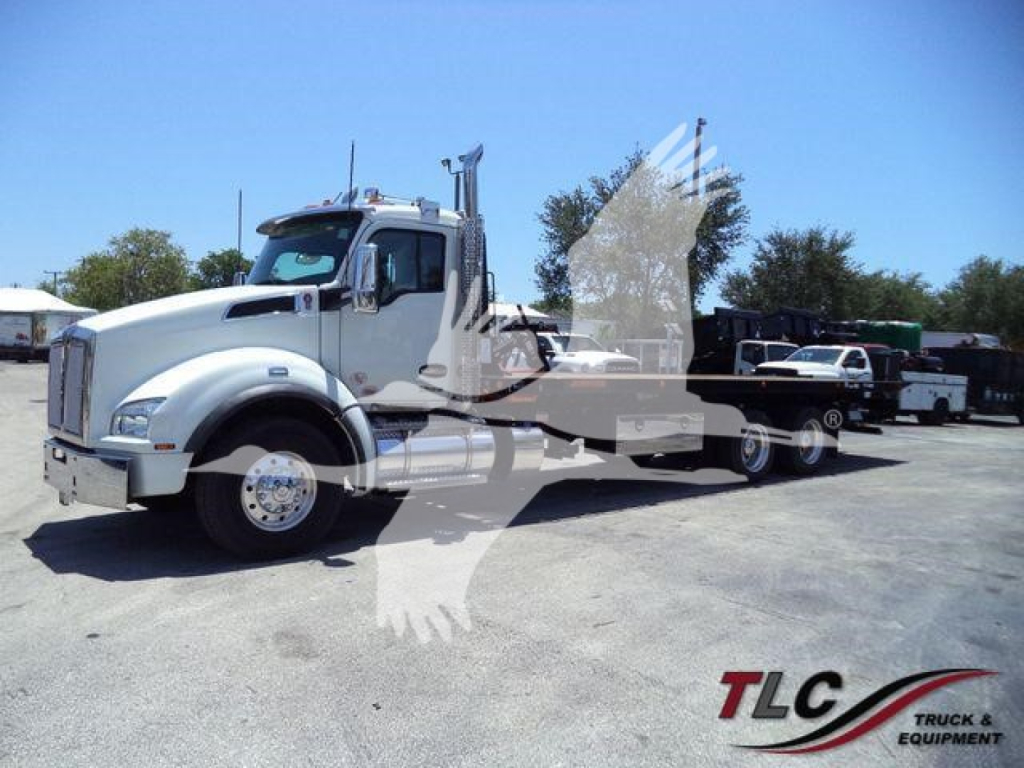
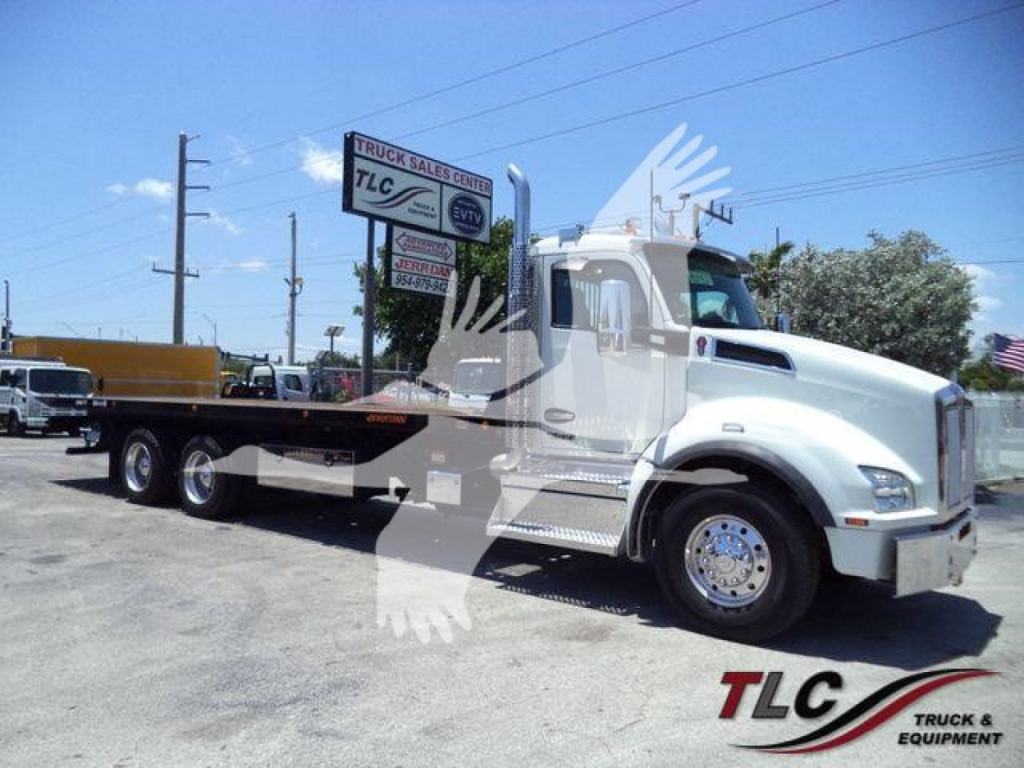
Selling a new 2026 kenworth rollback truck? List your new 2026 kenworth rollback truck for sale and reach thousands of commercial buyers.
New 2026 Kenworth Rollback Trucks
For most buyers, the first decision is chassis class and deck configuration. A T280-based rollback often lands around 25,950 to 26,000 GVWR and is commonly paired with a 20-foot or 22-foot low center of gravity deck, often 96 or 102 inches wide. These trucks are popular for vehicle recovery, dealer transport, auction runs, and general towing where a 6-ton carrier body, 8,000 to 10,000 lb winch, and 3,500 lb wheel lift cover the majority of calls. A T880 rollback is a different tool altogether, often set up with a 28-foot industrial transporter body, wider deck, heavier front and rear axle ratings, and a much higher gross vehicle weight rating for moving larger equipment, forklifts, loaded vans, or work trucks. Buyers comparing steel versus aluminum decks should weigh durability, corrosion resistance, payload, and repair cost. Steel beds remain common for hard-use towing, while aluminum can help reduce tare weight and improve legal payload.
The upfit details matter as much as the cab and engine. Low-profile XLP or LCG decks help reduce load angle and improve clearance for low cars, long wheelbase vehicles, and damaged units. Dual-angle or shark-style decks can make loading easier in real-world recovery work. Common spec points include wireless bed controls, air or manual free-spool winches, removable blade rails, stationary or dressed-up headboards, rear work lights, backup cameras, hose reels, underbody toolboxes, and integrated light packages. On the chassis side, buyers typically look for Cummins diesel power, Allison automatic transmissions, air brakes, air ride suspension, locking differentials, aluminum wheels, and 22.5 low-profile tires. Cab comfort features like air ride seating, power mirrors, and easy step-in height matter more than they might seem on a truck that spends all day making short stops.
A good Kenworth rollback spec should match the truck's actual job mix. Urban towing and repossession work usually favor maneuverability, lower deck height, and efficient medium-duty power. Highway carrier work benefits from stable ride quality, secure tie-down layout, and enough wheelbase to balance deck length without hurting turning radius too badly. Industrial hauling puts more emphasis on frame strength, axle capacity, winch rating, rear dock stabilizers, pintle setups, and deck width. Look closely at wheel-lift design, toolbox placement, lighting visibility, and how the upfit leaves room for chains, straps, skates, dollies, and daily-use gear. For buyers who want a polished, professional carrier with a strong service network and a reputation for driver comfort, Kenworth rollback trucks remain a serious option in both standard tow service and specialized transport roles.
Frequently Asked Questions about New 2026 Kenworth Rollback Trucks
What is the difference between a Kenworth T280 rollback and a Kenworth T880 rollback?
The T280 is typically used as a medium-duty carrier for passenger vehicles, pickups, light commercial units, and everyday tow work. It commonly runs in the 26,000 GVWR class with 20-foot or 22-foot rollback bodies and focuses on maneuverability, lower operating cost, and CDL-flexible applications where regulations allow. The T880 is a heavier platform designed for industrial transporter and severe-duty applications, with higher axle ratings, larger rollback bodies such as 28-foot decks, and substantially more capacity for equipment, larger trucks, and heavier loads.
What deck size is best on a rollback truck?
The right deck size depends on what you haul most often. A 20-foot or 22-foot low-profile deck is common for general towing, auto recovery, dealer moves, and light truck transport because it balances loading ease with turning radius and overall truck length. A 28-foot deck is better suited for industrial transport and longer loads, especially when deck width and axle capacity support the job. Buyers should also compare 96-inch versus 102-inch deck width, load angle, rail style, and wheel-lift layout before deciding.
Are low-profile rollback decks worth it?
Yes, for many operators a low-profile or low center of gravity deck is one of the most useful upgrades on a carrier. Lower deck height improves approach angle and reduces the chance of scraping low-clearance cars, long wheelbase vehicles, and damaged units during loading. It can also speed up recovery work because the truck needs less setup to achieve a safe loading angle. If the truck will regularly handle sports cars, EVs, lowered vehicles, or auction traffic, a low-profile deck is often a smart spec choice.
What winch and wheel-lift capacity should a rollback truck have?
Many medium-duty rollback trucks are equipped with an 8,000 to 10,000 lb winch and a wheel lift rated around 3,500 lb, which is suitable for a large share of passenger vehicle and light truck towing. Heavier transporter applications may require significantly more winch capacity, especially when loading disabled equipment or non-running commercial units. The important point is to match winch rating, deck structure, chassis GVWR, and wheel-lift capacity to the actual mix of vehicles and equipment the truck will handle, not just the occasional ideal load.
Is aluminum or steel better for a rollback bed?
Steel rollback beds are widely used because they are durable, familiar to repair, and well suited for hard daily towing service. Aluminum beds reduce empty weight and can improve payload while offering good corrosion resistance, which is attractive in regions with road salt or high humidity. The best choice depends on operating environment, maintenance approach, and how important tare weight is in the overall spec. Buyers should compare not only bed material but also crossmember design, rail construction, and the long-term support available for the body brand.