
New 2026 International Rollback Trucks For Sale in Florida
Shop new 2026 International rollback trucks in Florida. Compare MV and CV car carriers with low-profile decks, wheel lifts, and towing-ready specs.
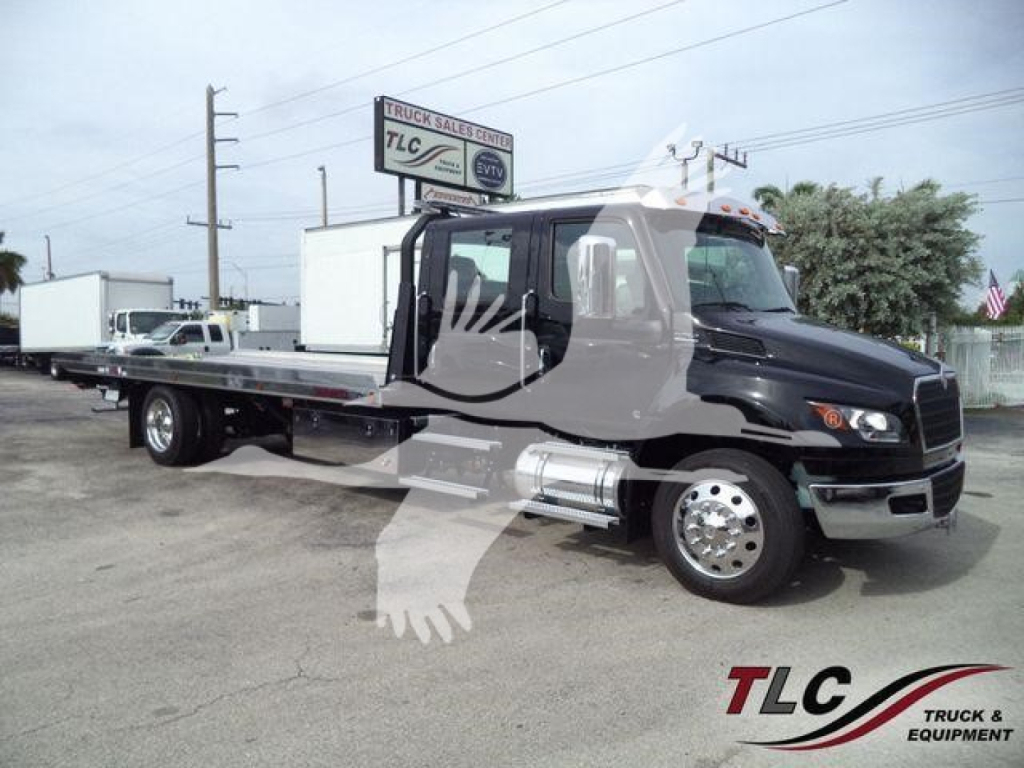
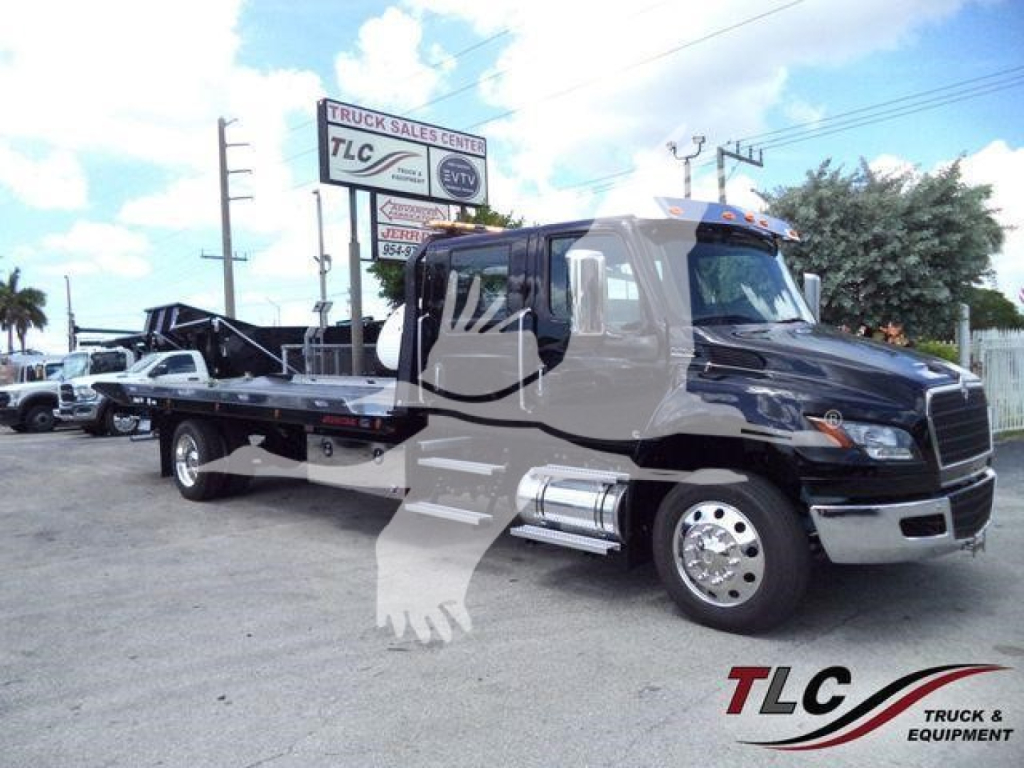
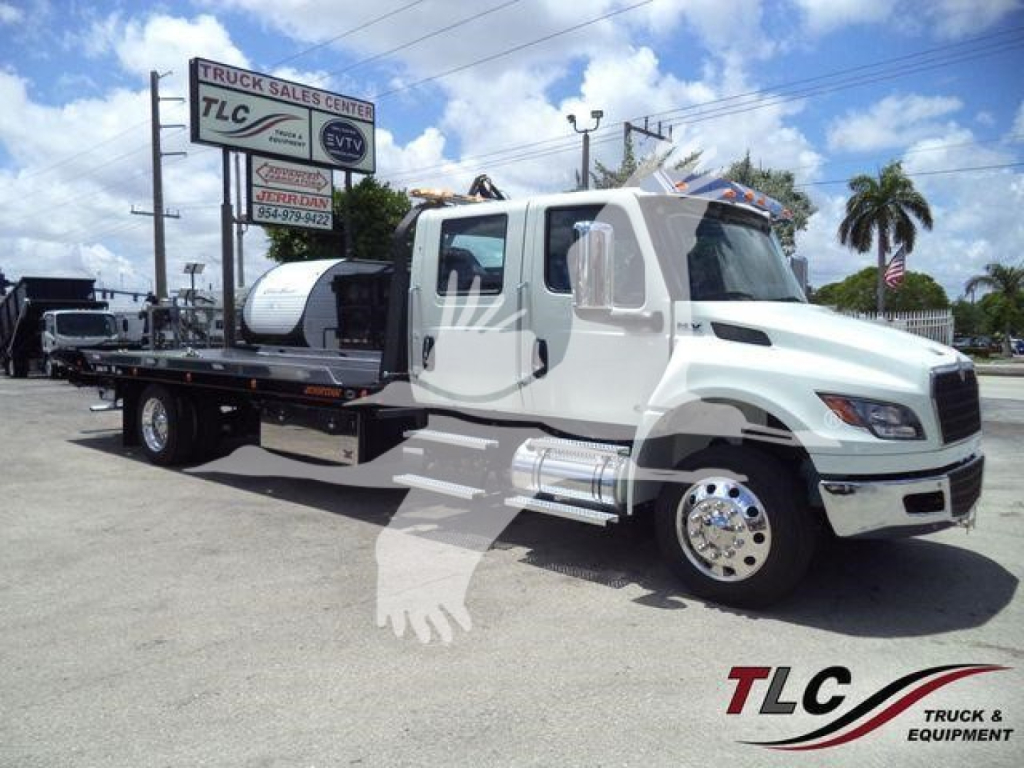
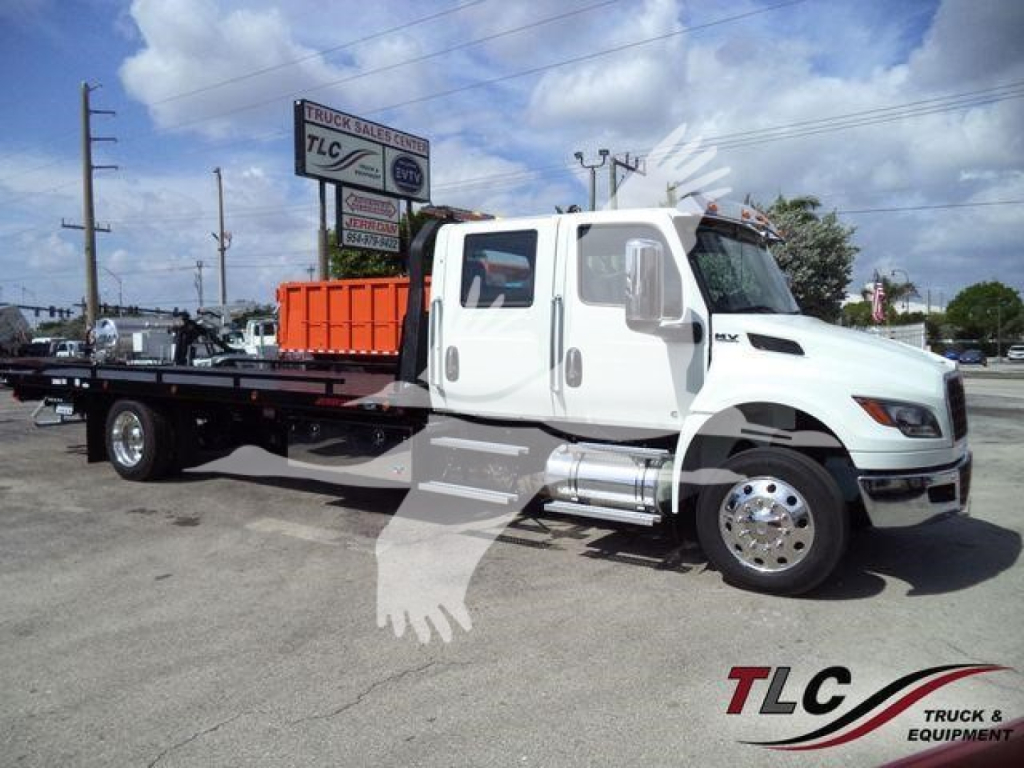
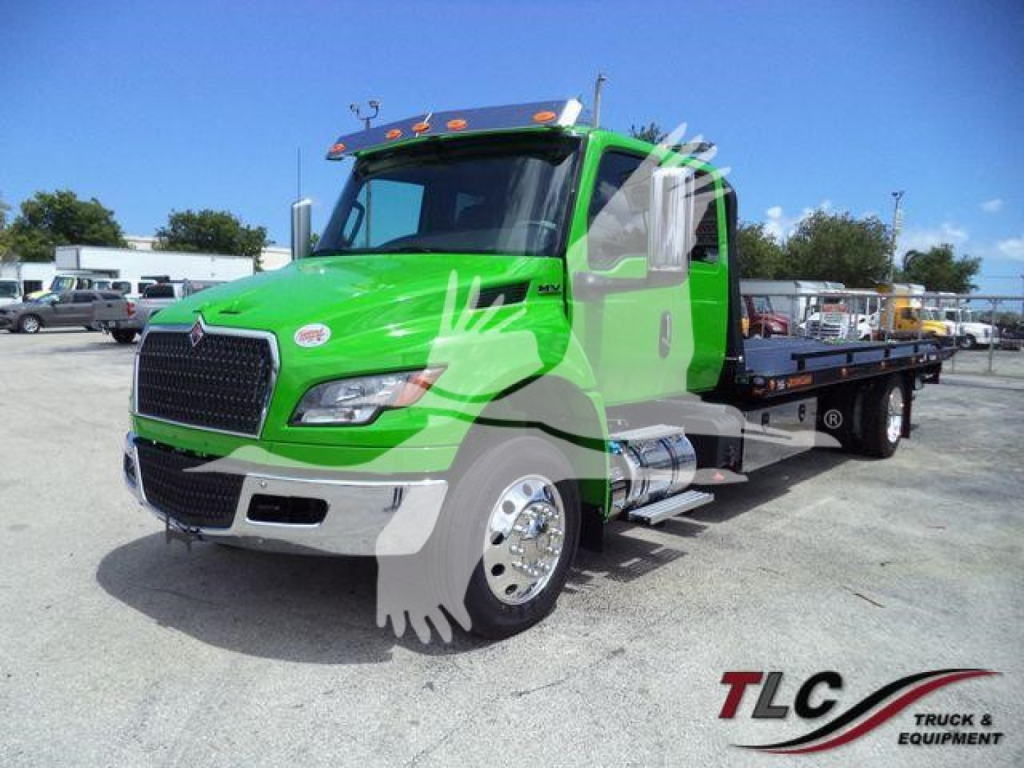
Selling a new 2026 international rollback truck? List your new 2026 international rollback truck for sale and reach thousands of commercial buyers.
New 2026 International Rollback Trucks in Florida
Frequently Asked Questions about New 2026 International Rollback Trucks in Florida
What is the difference between an International CV rollback and an International MV rollback?
The International CV is typically a lighter-duty rollback platform, often used for auto transport, light towing, and applications where a 19,500 GVWR truck and optional 4x4 capability make sense. The International MV is a medium-duty platform better suited for higher-frequency towing, heavier vehicles, and a larger 22-foot carrier body. MV-based rollbacks commonly bring a Cummins diesel, air brakes, air ride suspension, and a 26,000 GVWR setup, which gives buyers more chassis capability and generally better suitability for commercial towing fleets.
What deck size is most common on a new International rollback truck?
The most common deck sizes in this category are 20-foot and 22-foot carriers, usually 102 inches wide. A 20-foot deck is common on CV-based trucks and works well for standard passenger vehicles, light trucks, and tighter operating environments. A 22-foot deck is more common on MV-based trucks and gives the operator more flexibility with wheelbase, weight distribution, and loading position. Low-profile and extra-low-profile deck designs are especially desirable because they reduce load angle and make it easier to handle lower-clearance vehicles.
What capacity should buyers expect from a new International rollback?
Many new International rollback trucks in this class are equipped with a 6-ton carrier body, an 8,000 lb winch, and a 3,500 lb hydraulic wheel lift with L-arms. That combination covers a wide range of passenger vehicle, crossover, pickup, and light commercial recovery work. Buyers still need to separate body rating from real-world payload, because the usable capacity depends on the chassis GVWR, wheelbase, cab configuration, fuel capacity, and body upfit. The best buying decision comes from matching the truck’s axle ratings and weight distribution to the types of vehicles being loaded most often.
Why does wheelbase and cab-to-axle matter on an International rollback?
Wheelbase and cab-to-axle dimensions directly affect bed fitment, weight distribution, and towing stability. A longer cab-to-axle setup can improve how the load sits on the deck and may help reduce front axle unloading when carrying heavier vehicles toward the rear of the bed. That matters on 22-foot carriers in particular, where the buyer wants the truck to balance well during loading, transport, and wheel-lift use. Operators in commercial towing usually pay close attention to these dimensions because they influence both legal axle loading and day-to-day drivability.
What features matter most on a rollback truck used in Florida?
In Florida, corrosion resistance, cooling performance, and ease of loading are high-priority features. Buyers often look for aluminum wheels, polished or aluminum fuel tanks, stainless trim on toolboxes and light housings, and LED lighting that holds up in humid conditions. A low-profile deck is useful for sports cars and low-clearance vehicles common in urban and coastal markets. For frequent stop-and-go towing, an automatic transmission, strong air conditioning, and a practical toolbox and strap storage layout also matter because they improve productivity and operator comfort in a hot-weather service environment.