
New International Rollback Trucks For Sale
Shop new International rollback trucks built for towing and vehicle transport, with CV and MV chassis, low-profile decks, wheel lifts, and diesel power.
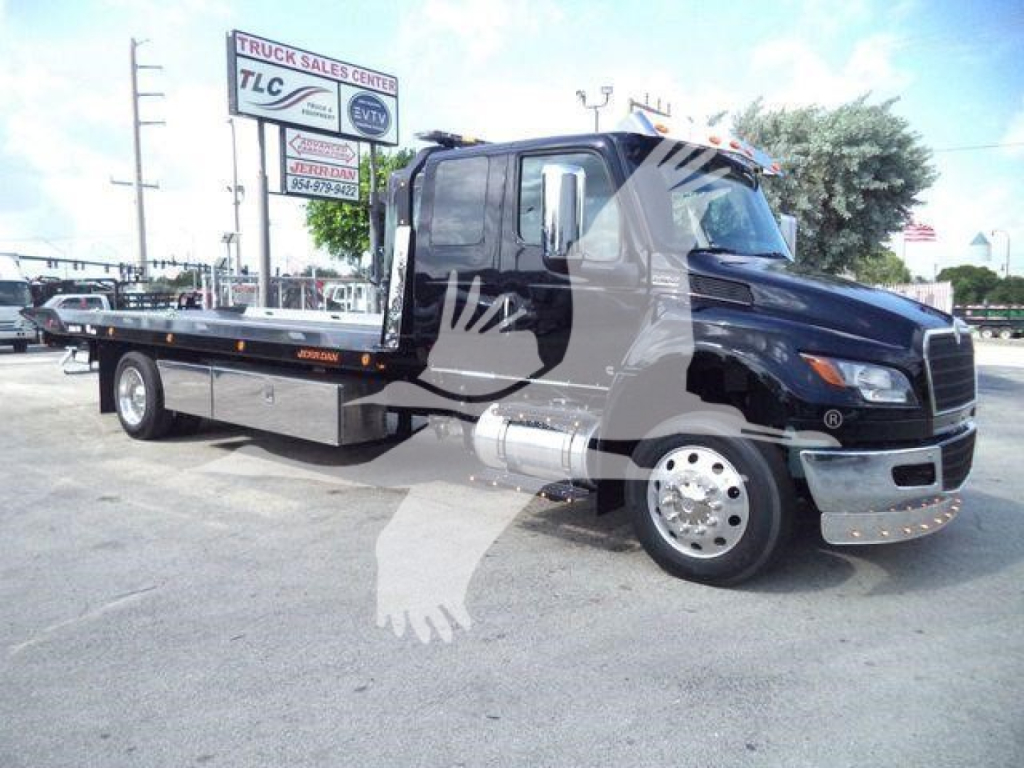
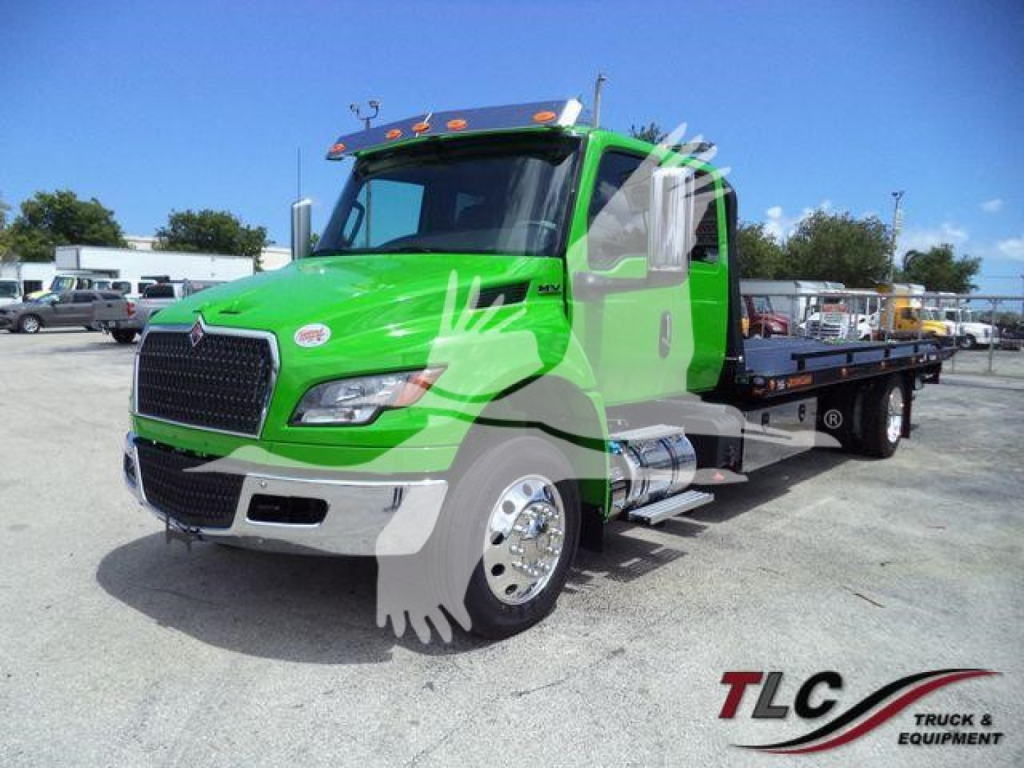
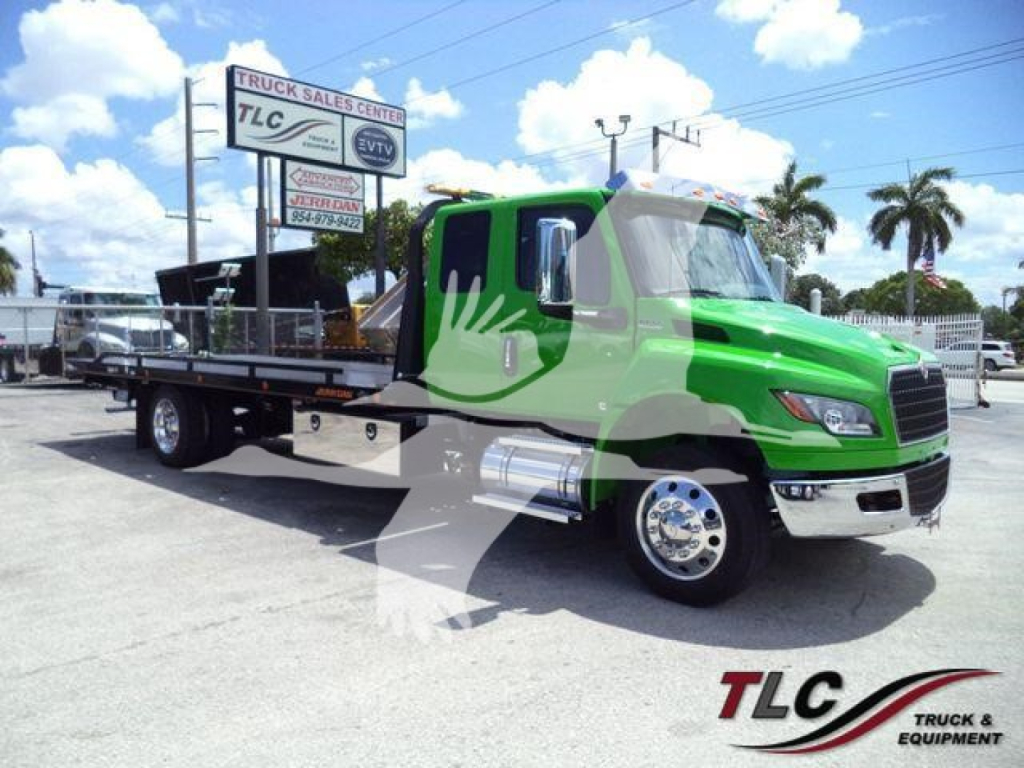
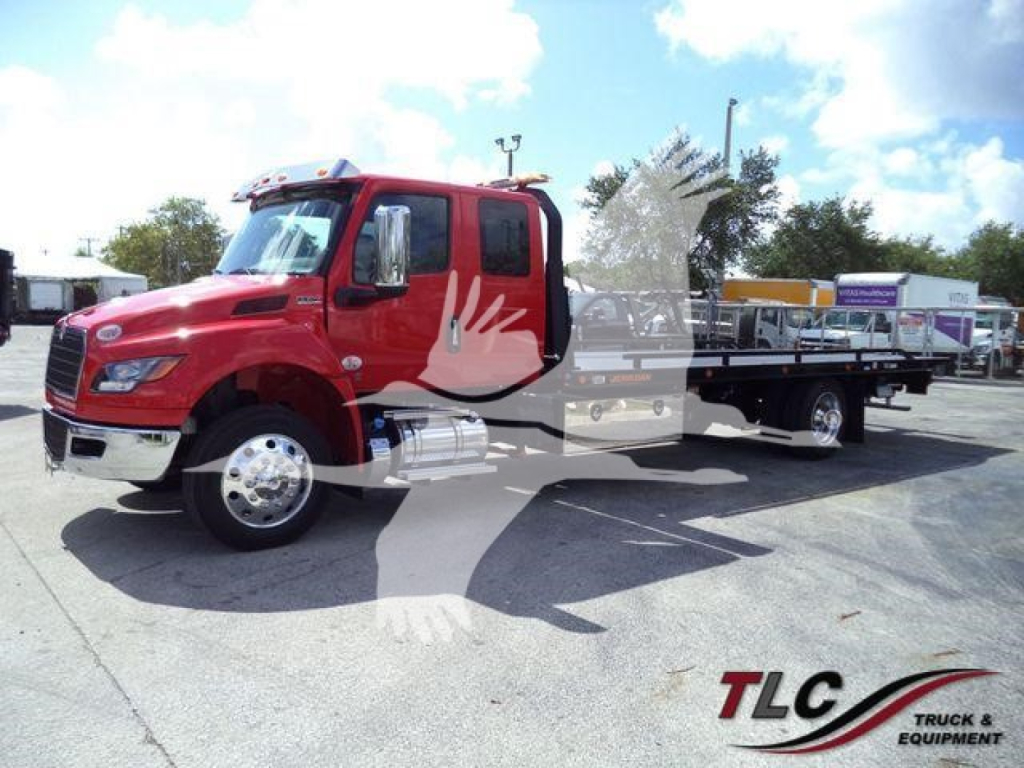
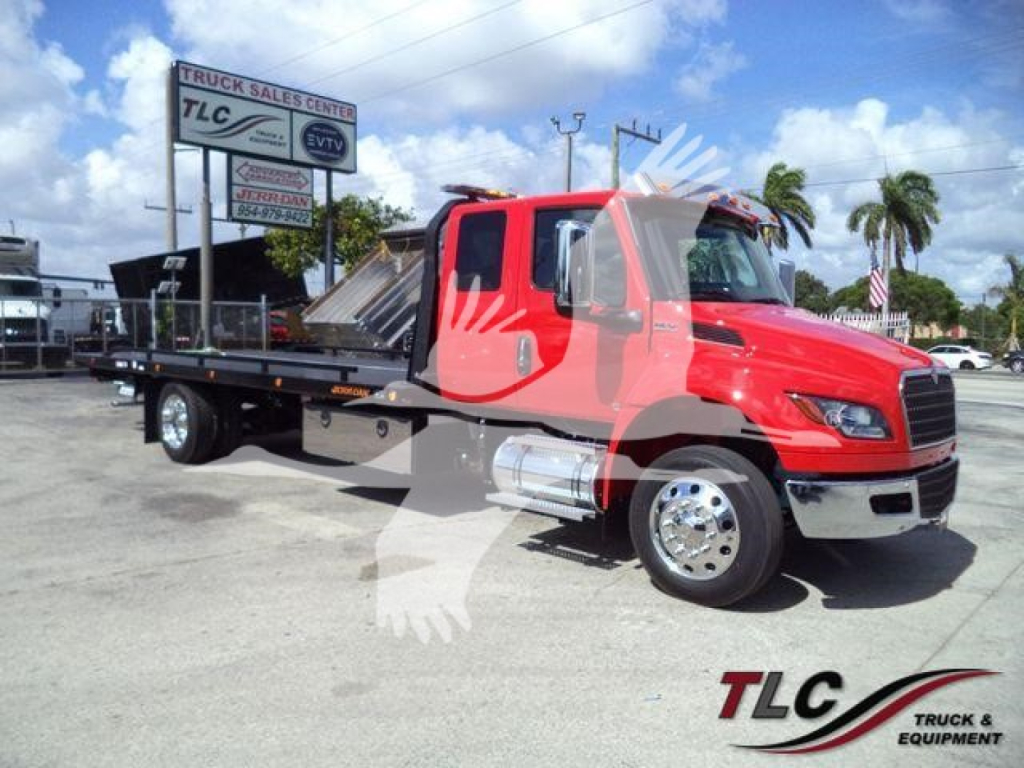
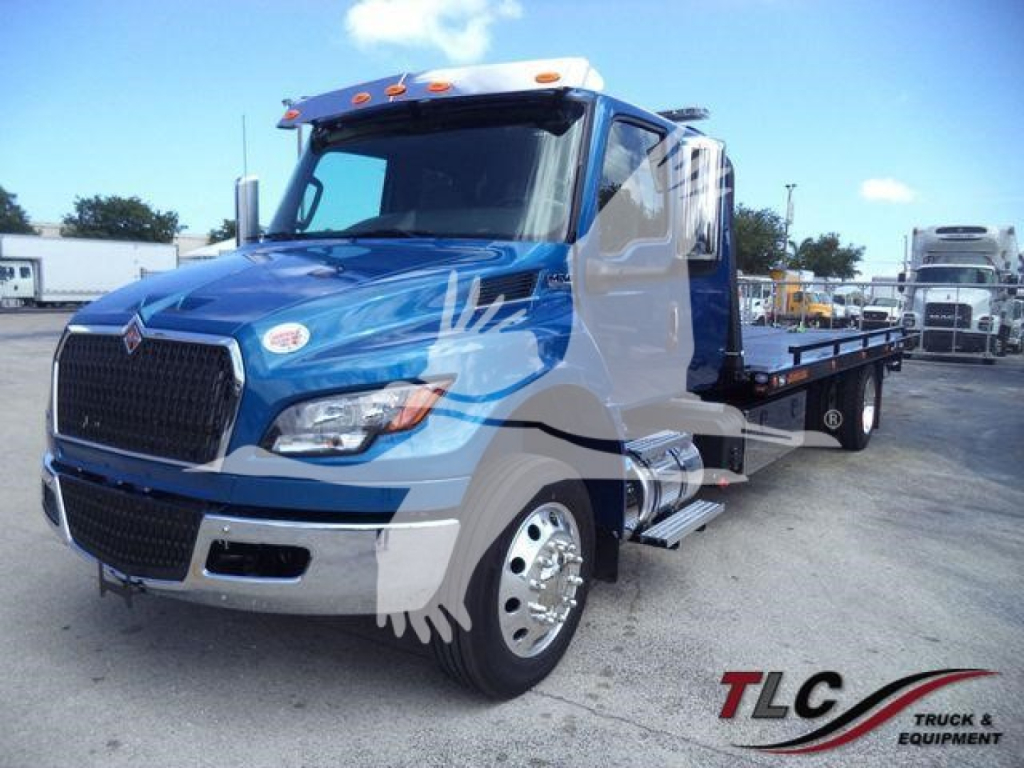
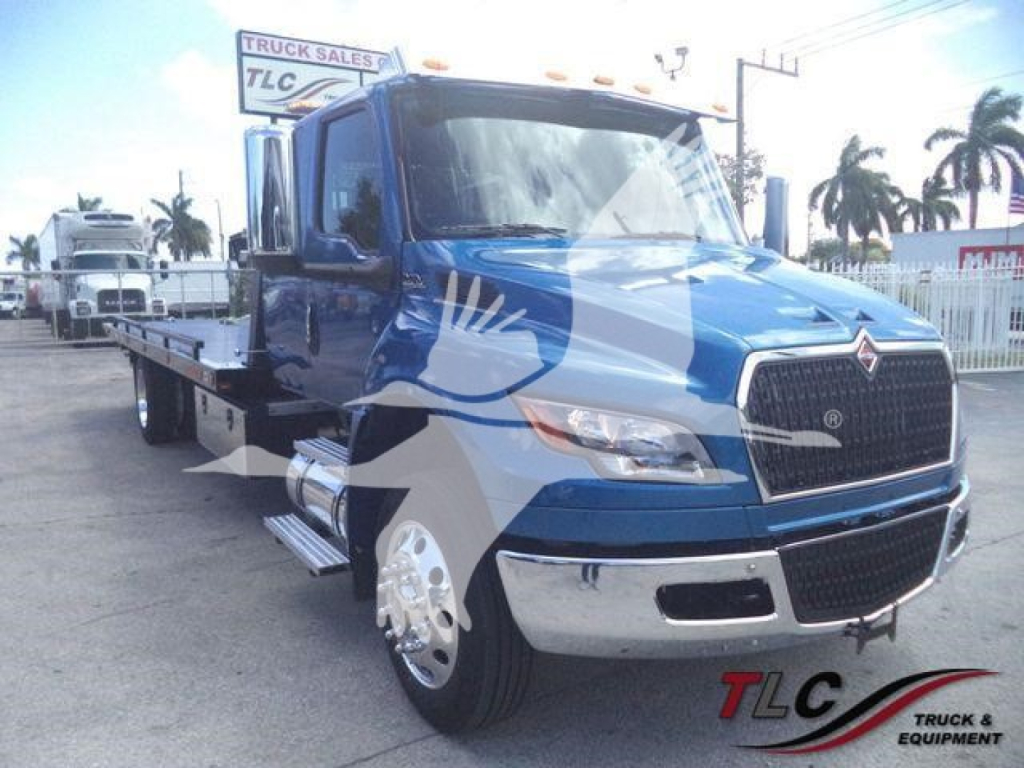
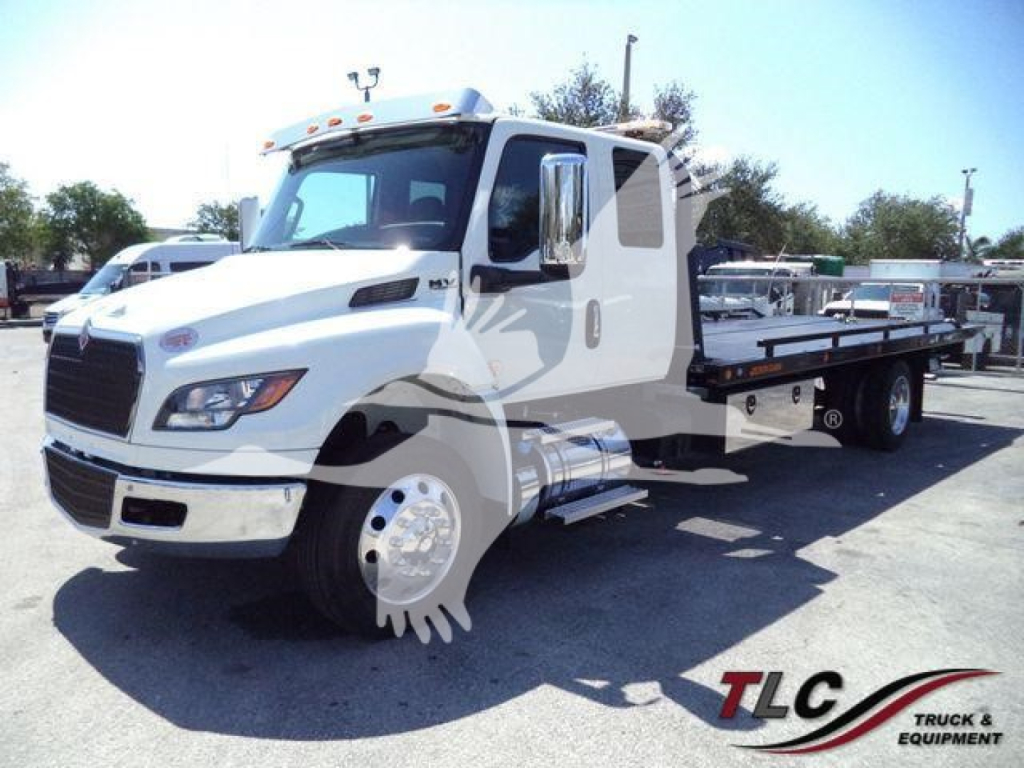
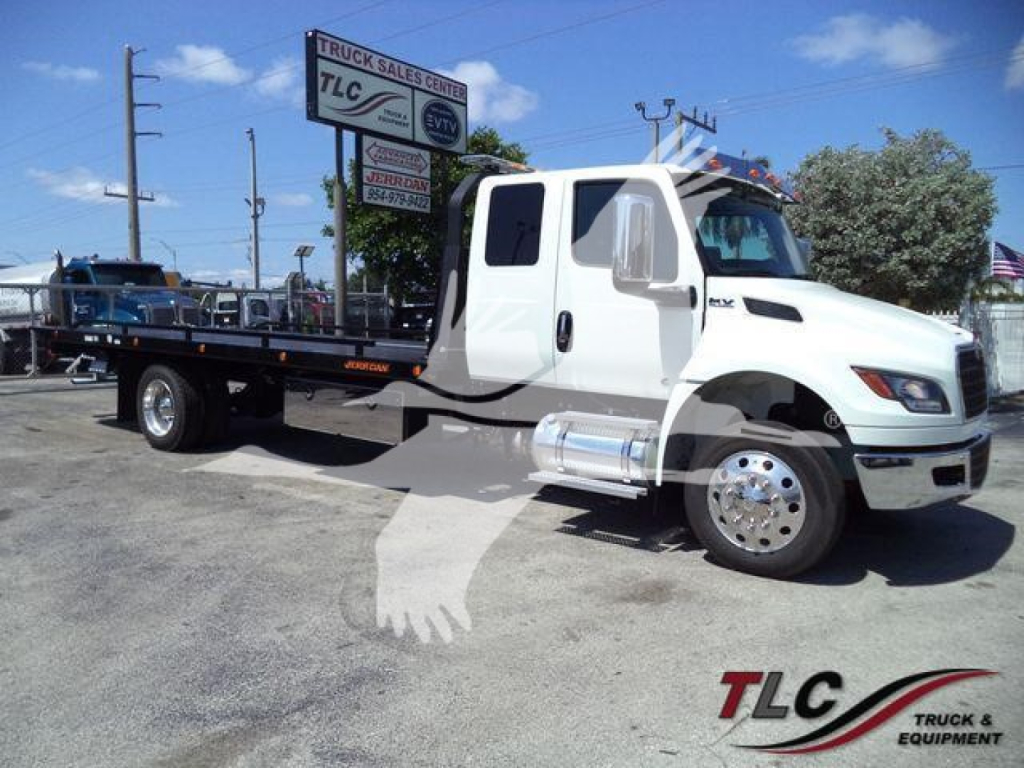
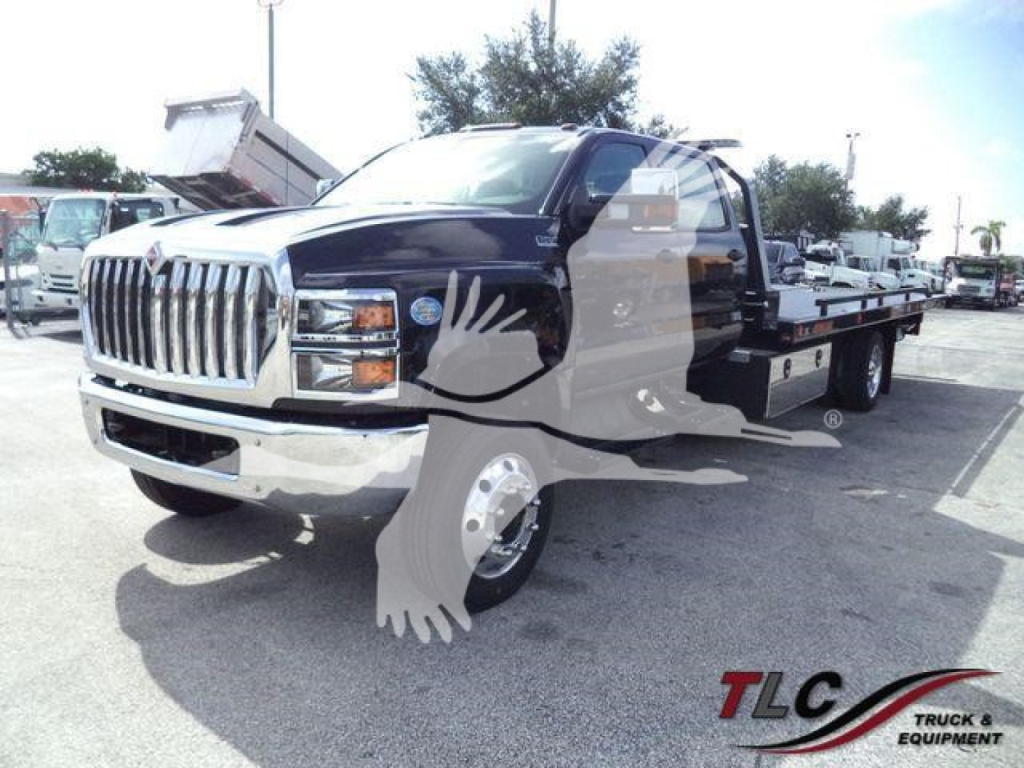
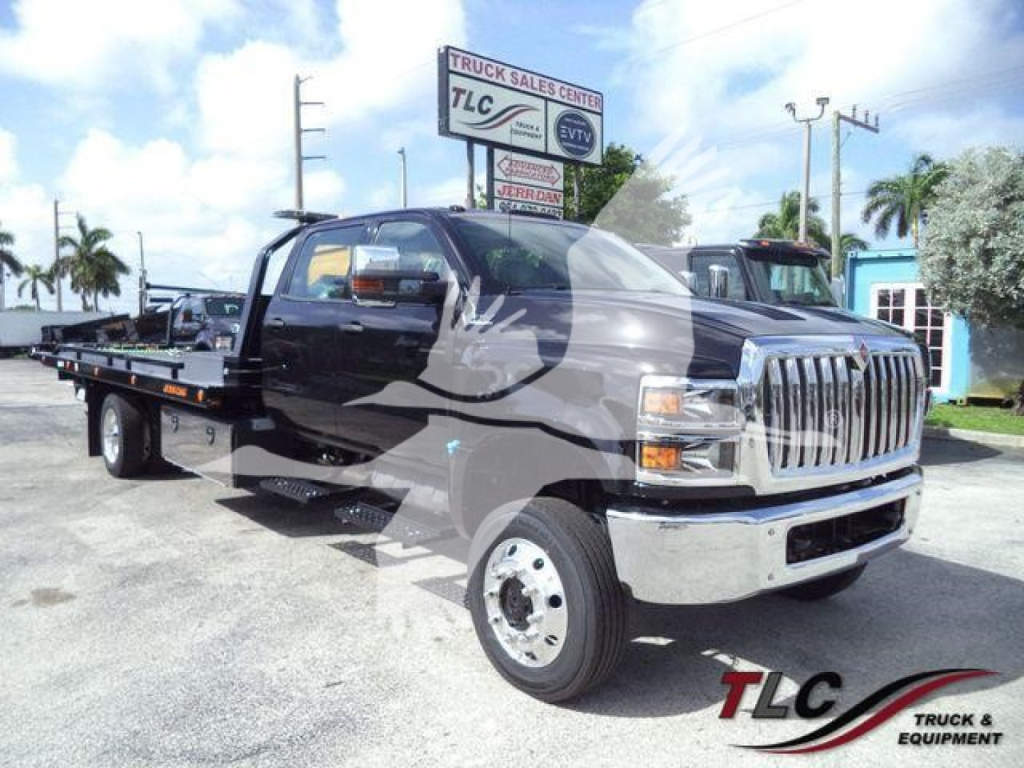
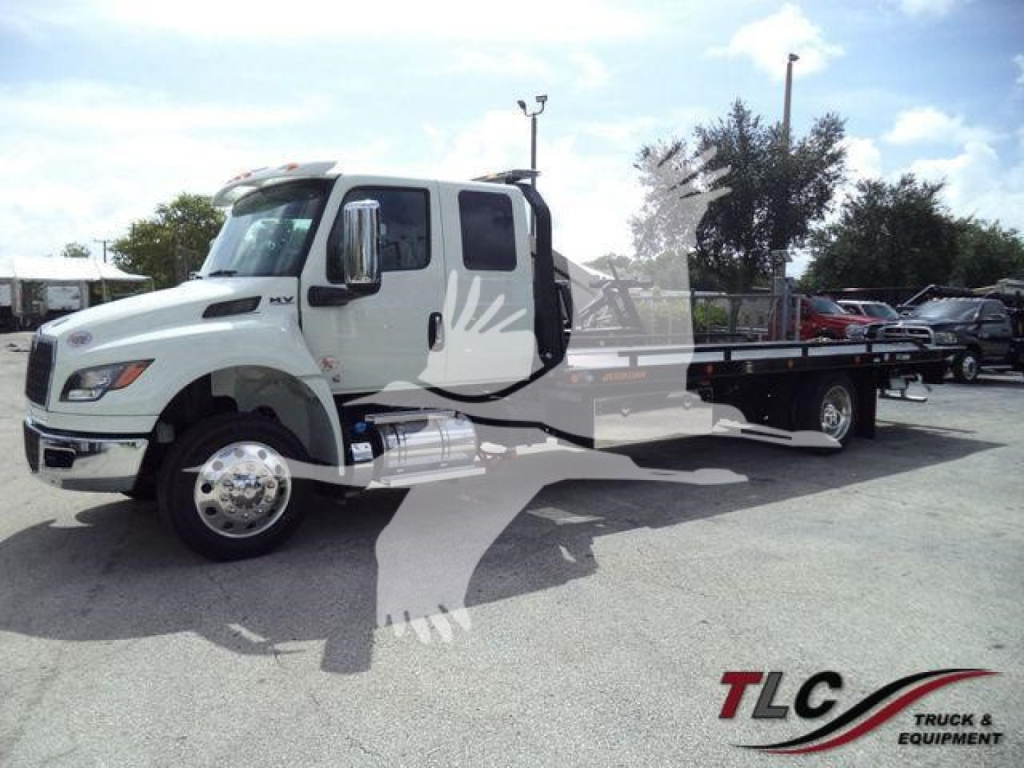
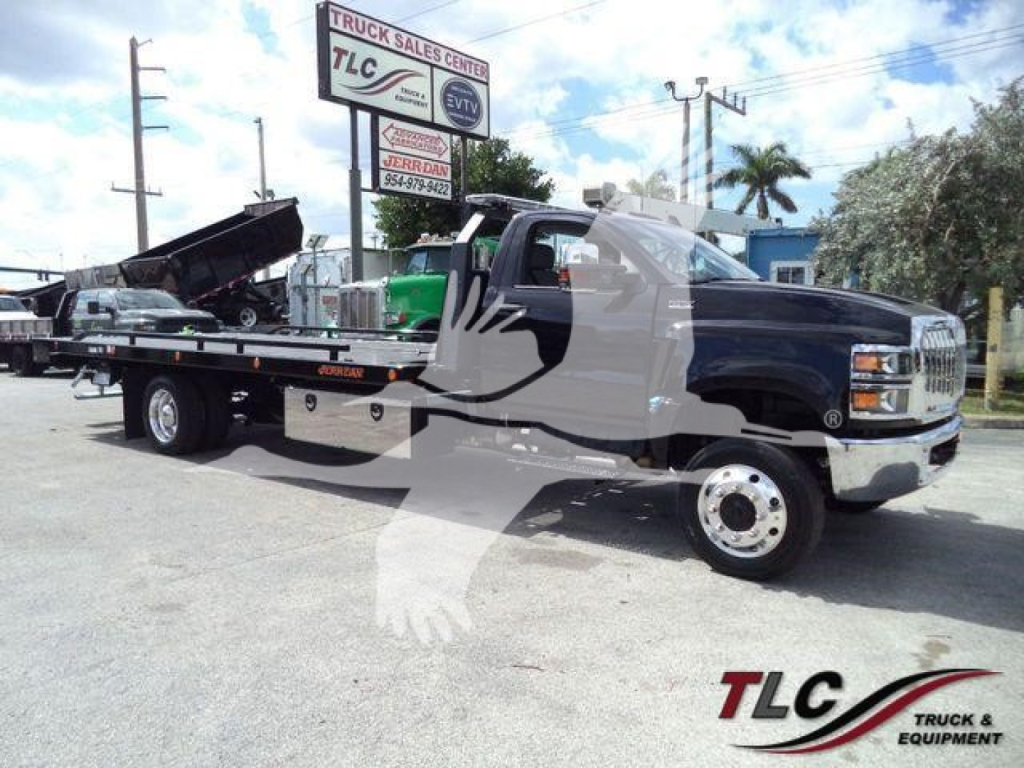
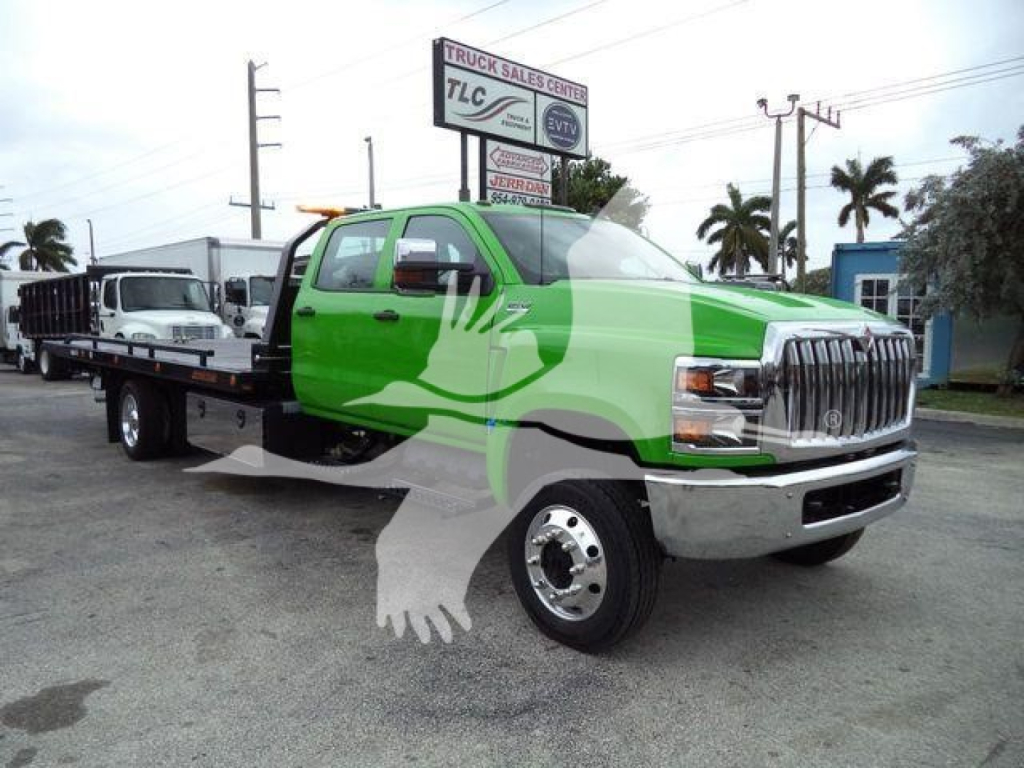
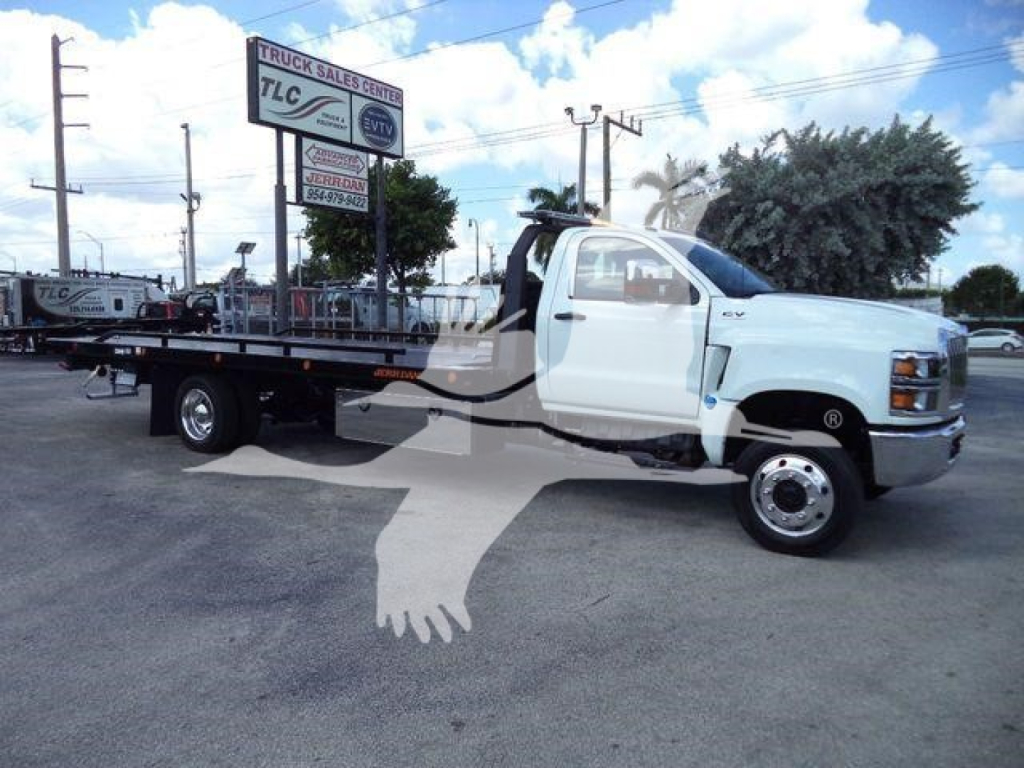
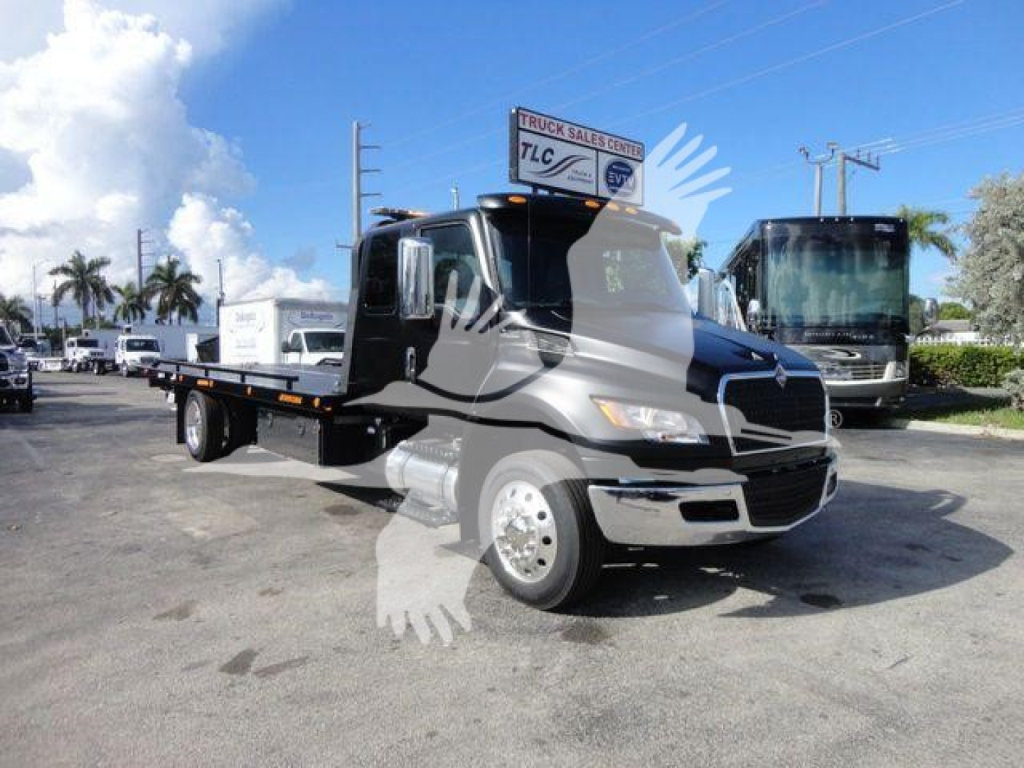
Showing 1 to 28 of 40 results
Selling a new international rollback truck? List your new international rollback truck for sale and reach thousands of commercial buyers.
New International Rollback Trucks
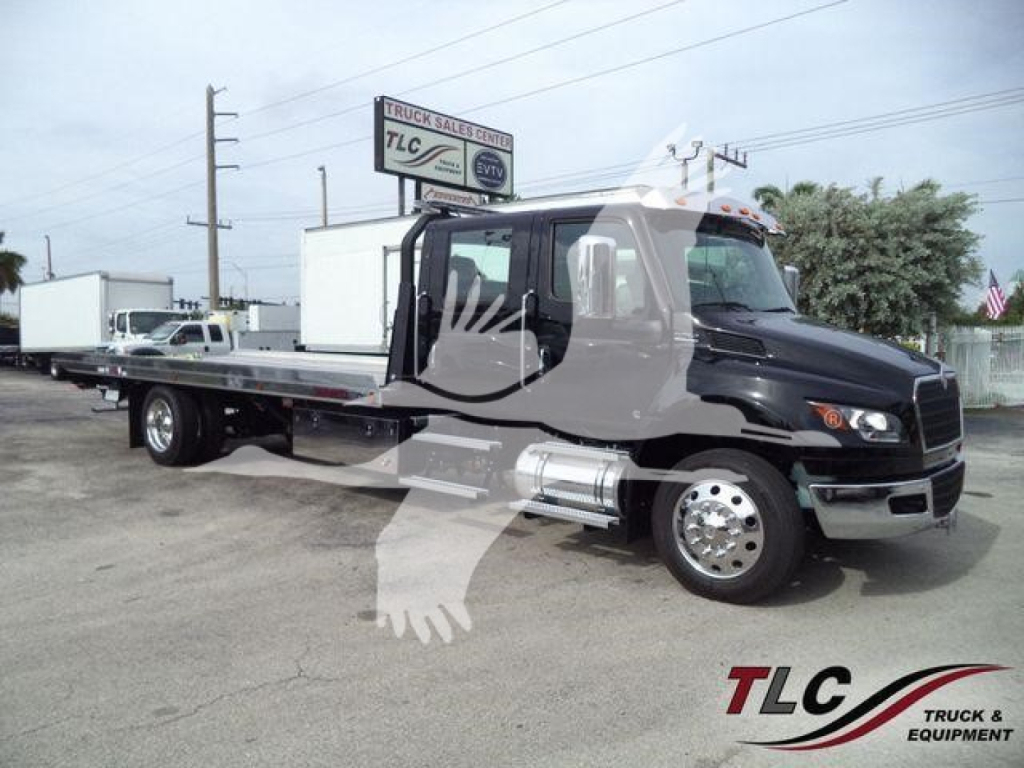
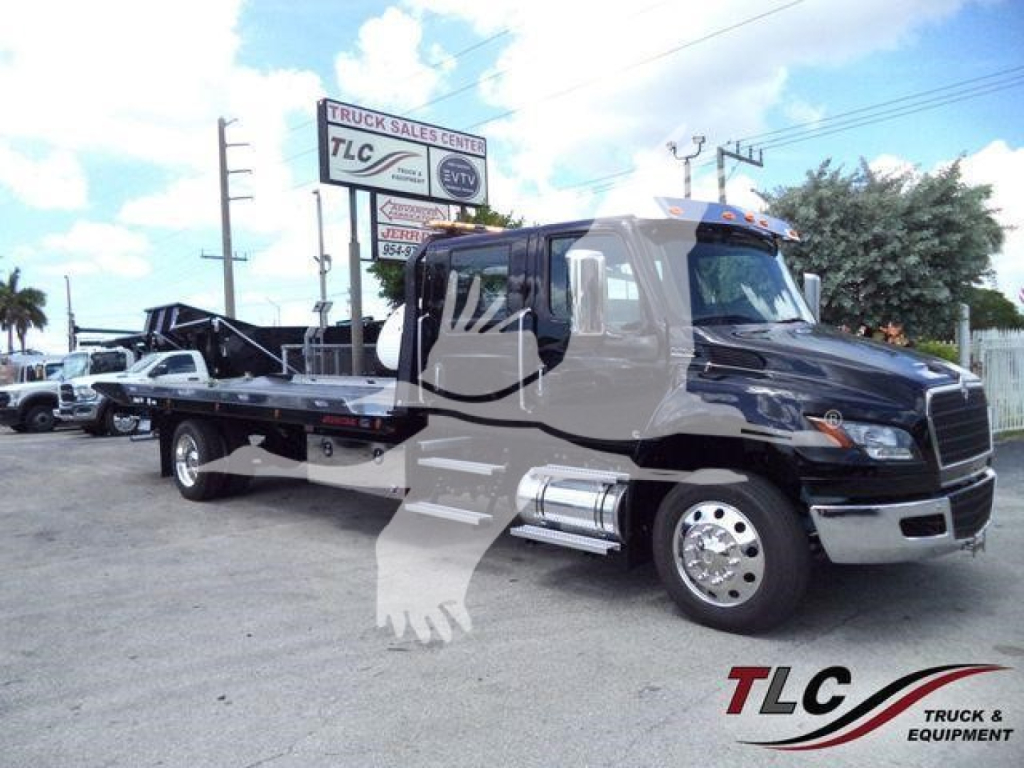
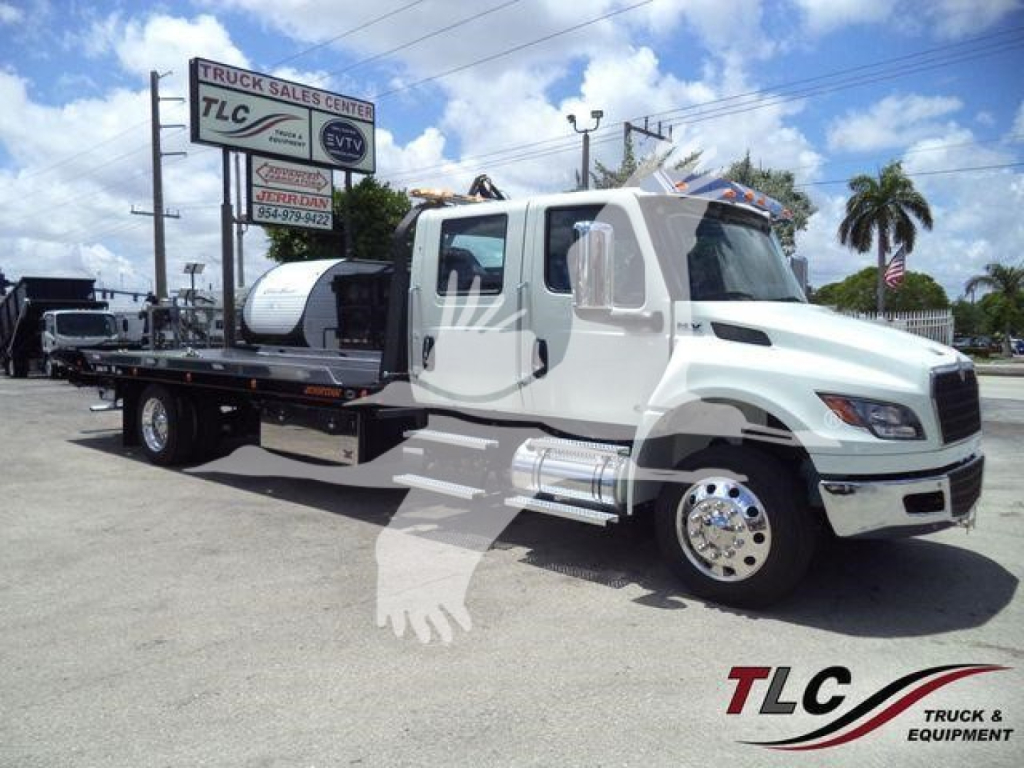
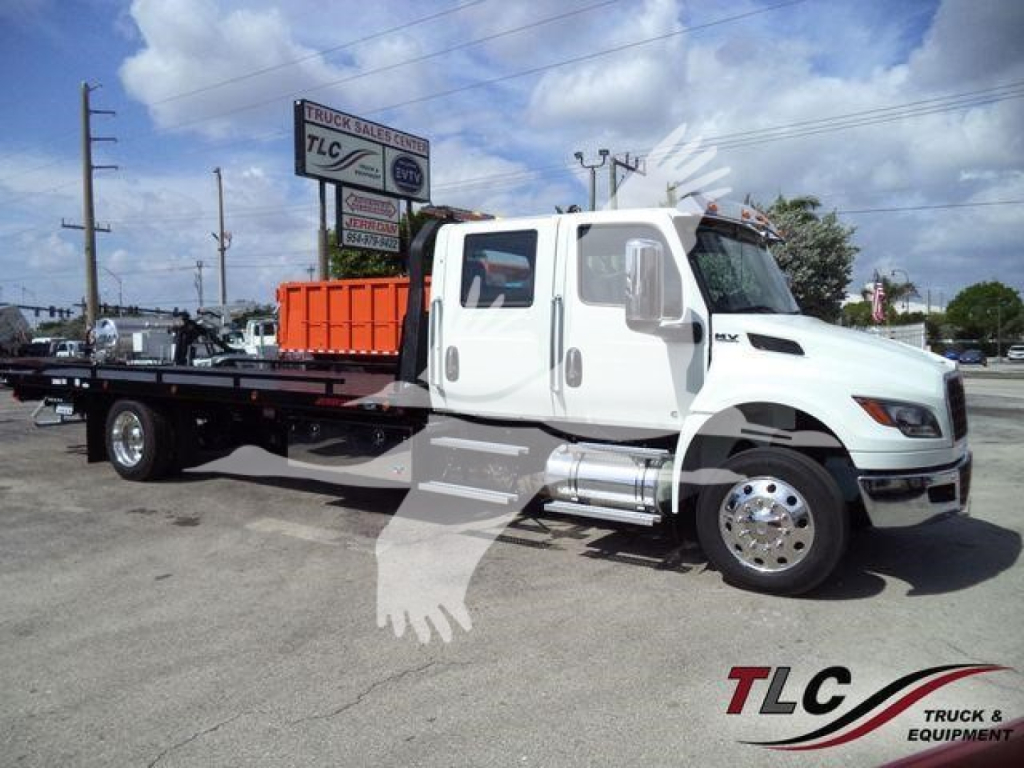
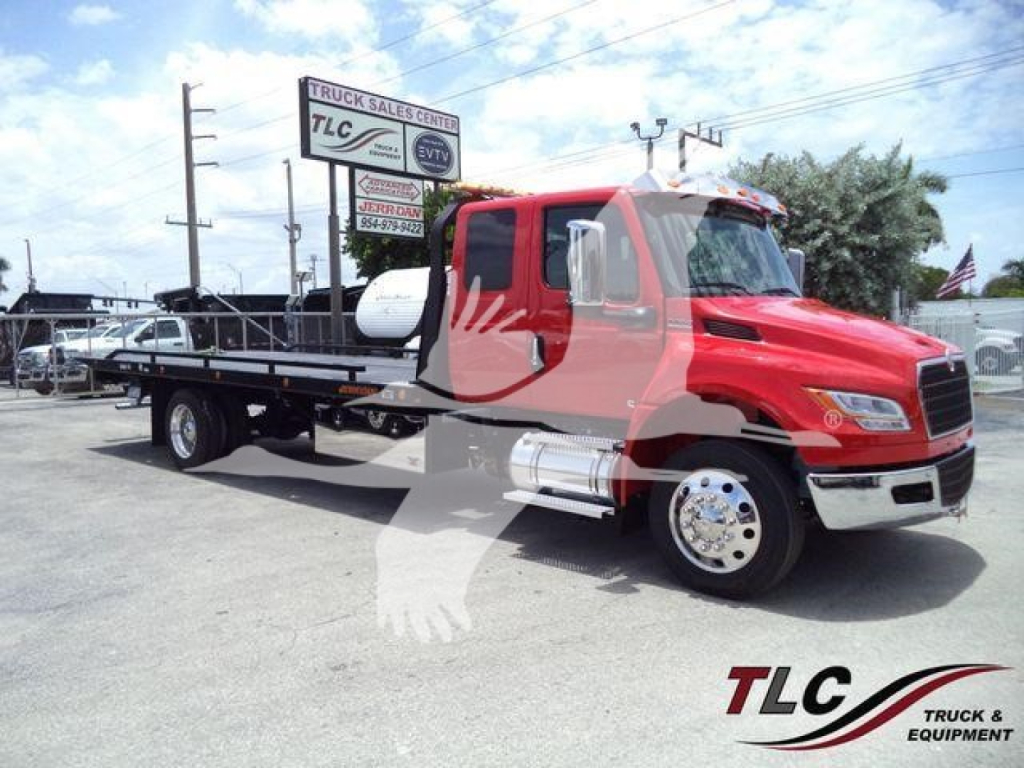
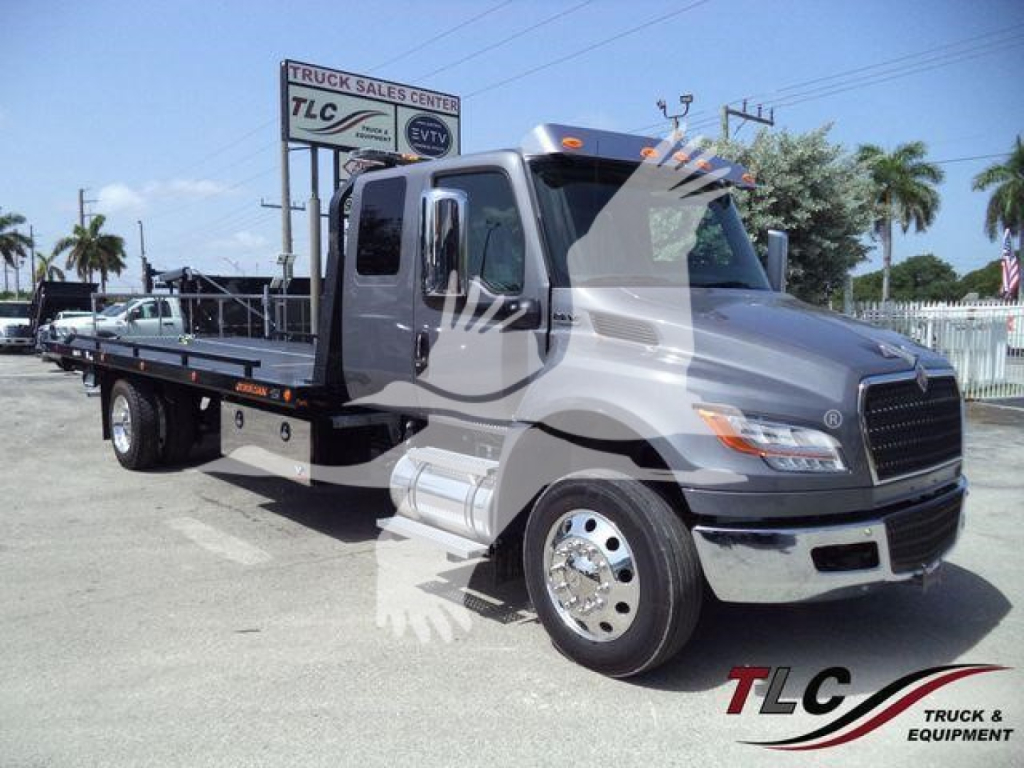
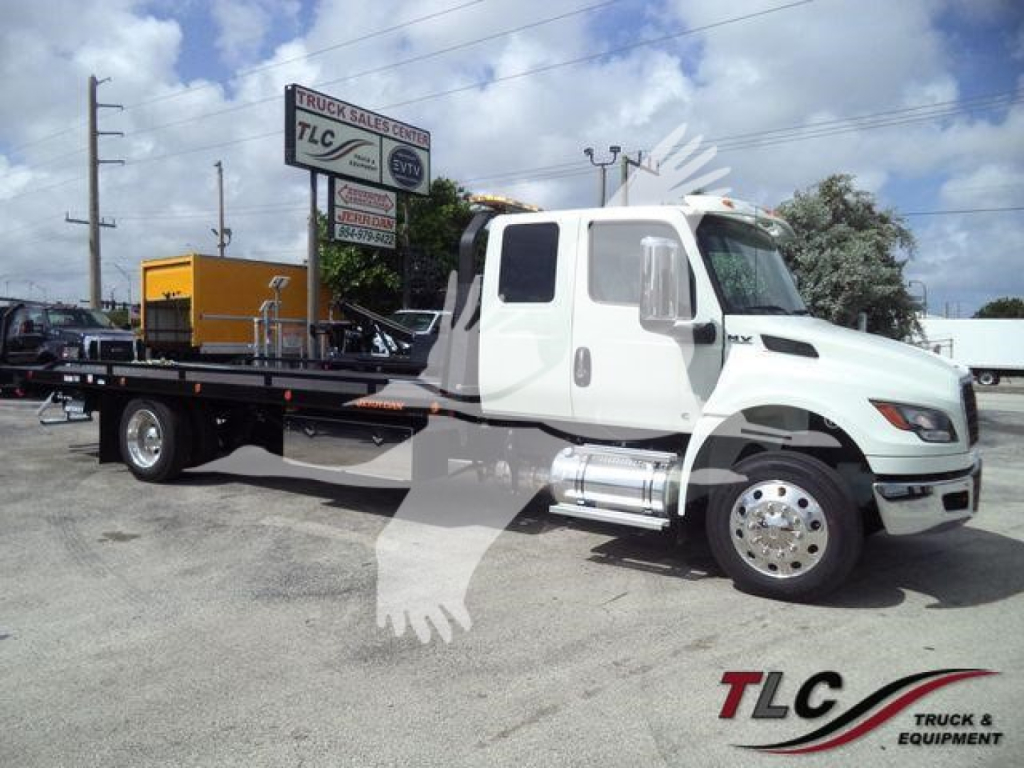
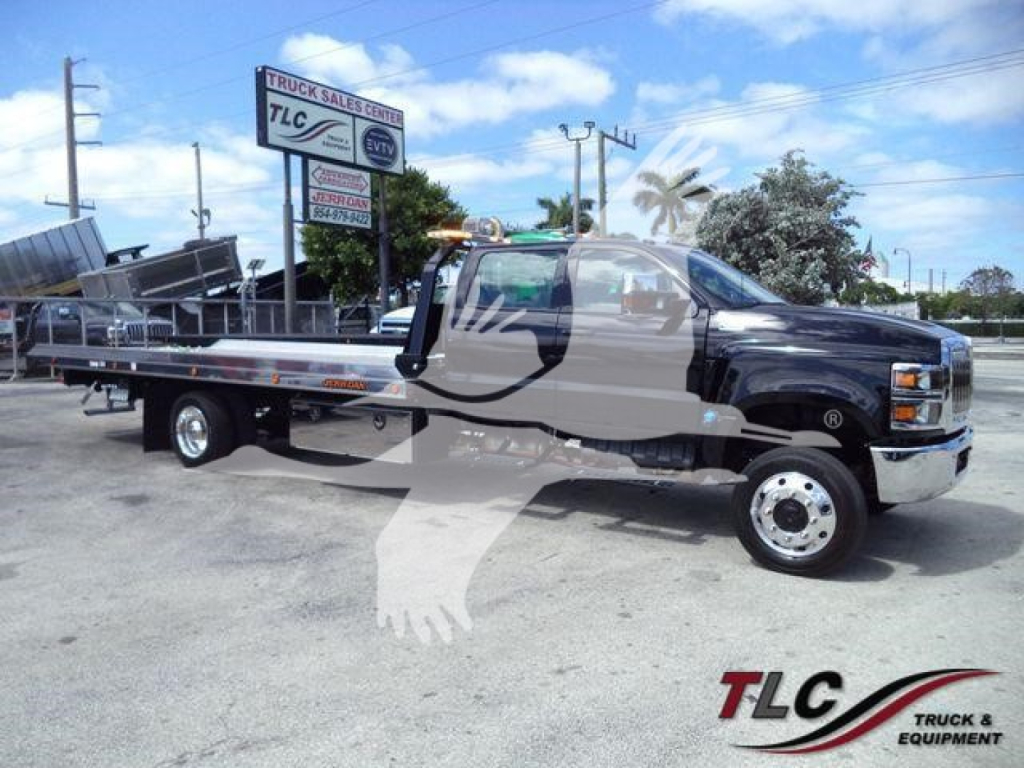
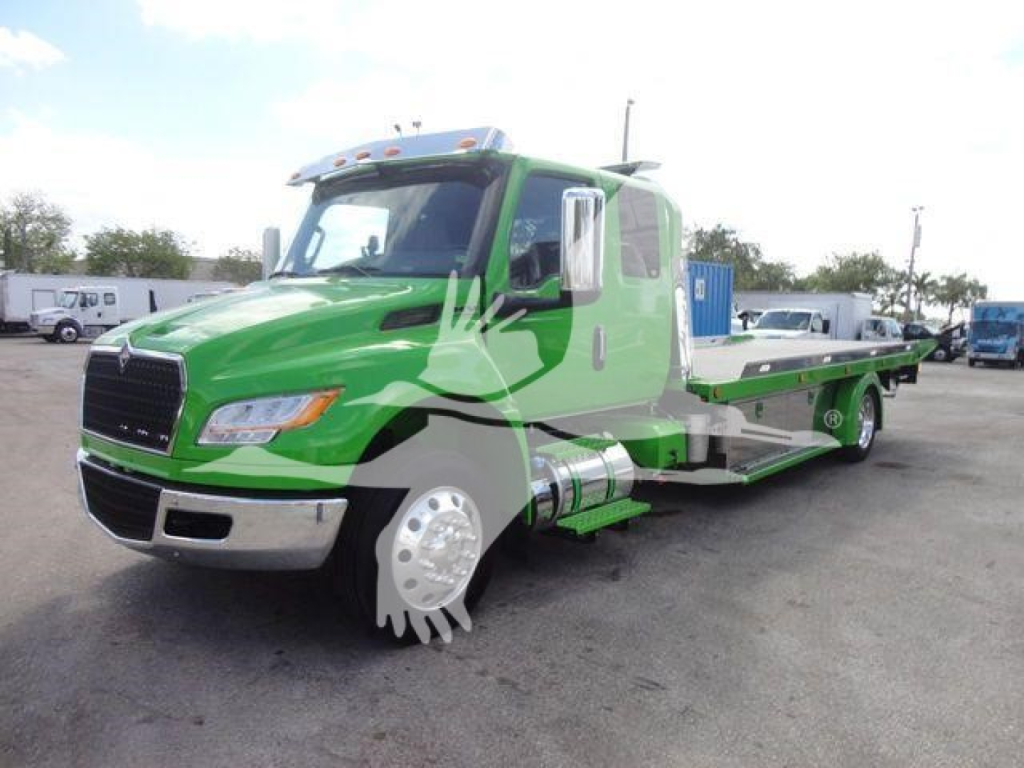
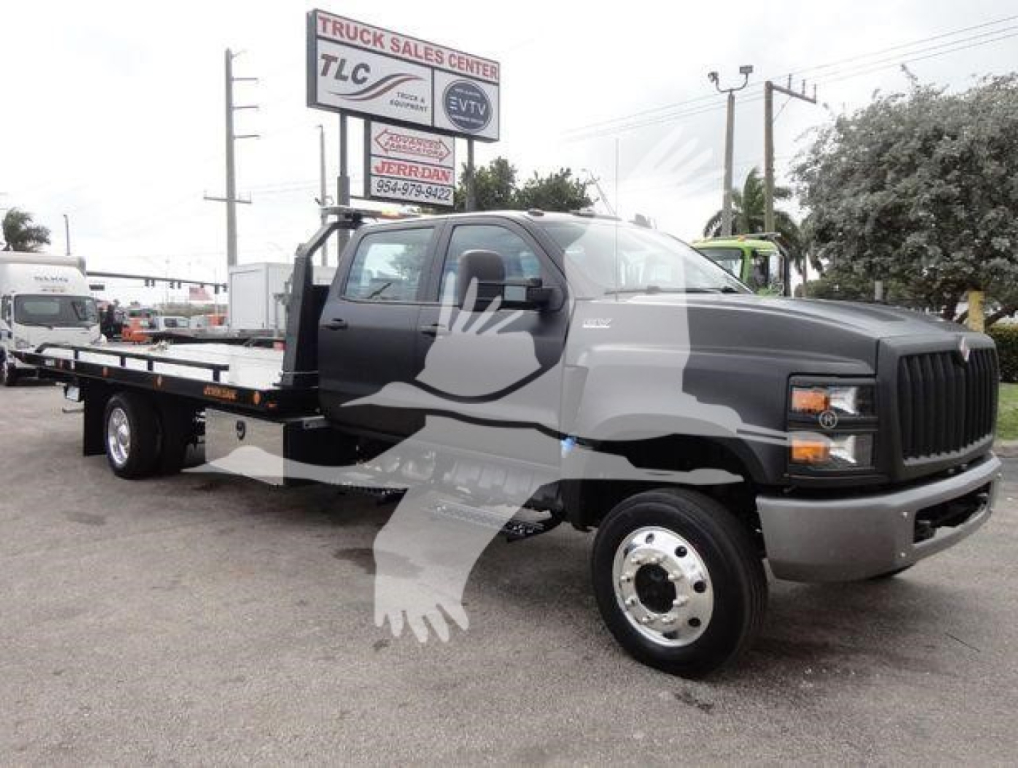
One of the first decisions is chassis class and GVWR. New International CV rollback trucks are commonly built around a 19,500 GVWR setup with a diesel engine, automatic transmission, and often 4x4, which is valuable for recovery work on shoulders, gravel lots, and winter roads. International MV rollback trucks are often spec'd around 26,000 GVWR with a larger cab, air ride suspension, air brakes, and low-profile 22.5 rubber for better stance and deck geometry. Bed lengths in this category typically run 20 to 22 feet and 102 inches wide, with 6-ton carrier ratings being common. Many units include a 3,500 lb hydraulic wheel lift with L-arms, which adds flexibility for towing a second vehicle position or handling damaged vehicles that are not ideal winch-and-carry loads.
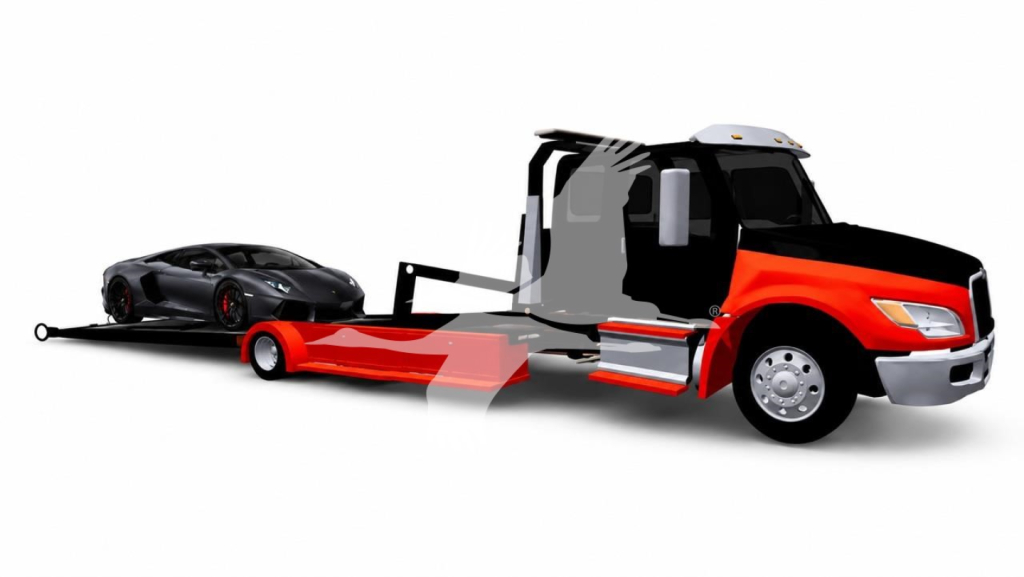
Deck design is a major buying point. XLP or low-carrier-angle decks reduce approach angle and help with low-clearance cars, EVs, sports cars, and damaged vehicles that would otherwise drag on loading. Buyers should compare steel versus aluminum decks based on operating priorities. Steel beds are durable and familiar in hard-use towing, while aluminum beds reduce weight and can help payload and corrosion resistance. Fixed rails versus removable rails also matter. Removable rails can make side access easier and improve loading flexibility, while fixed rails may suit operators who prefer a more traditional, simpler body layout. Common supporting equipment includes 8,000 lb-class winches, wireless winch remotes, LED light bars, underbody toolboxes, work lights, and strobe packages for roadside visibility.
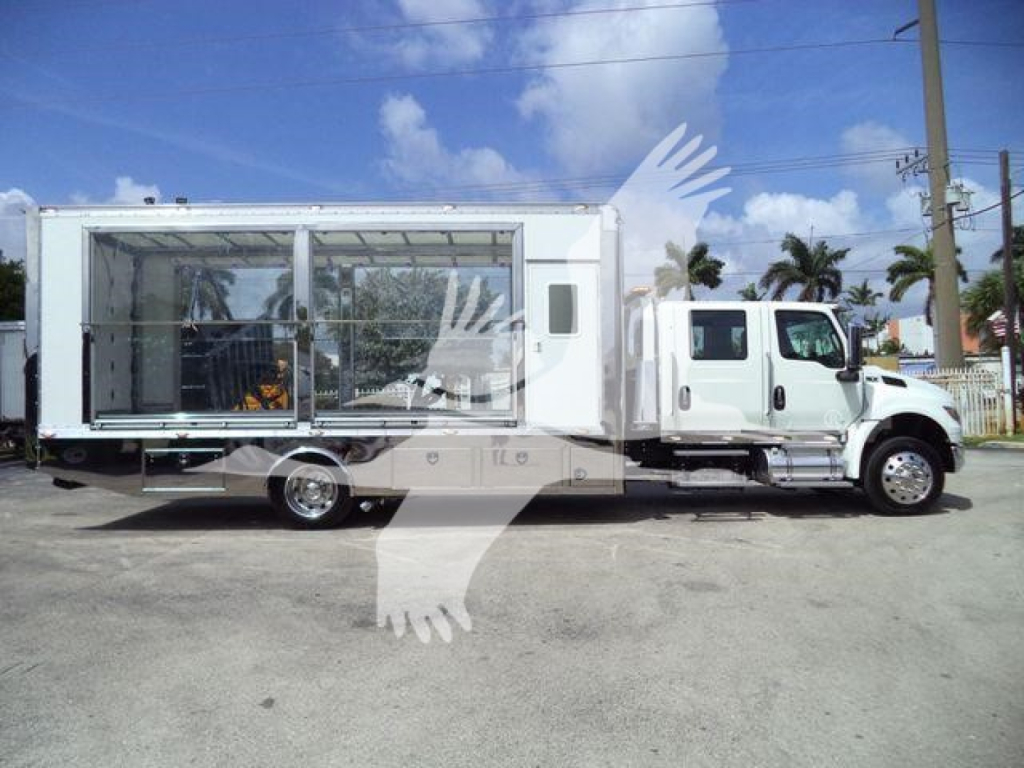
A good International rollback spec is not just about body rating. Pay attention to cab configuration, turning radius, wheelbase, suspension, and storage layout because those details affect daily productivity. A regular cab CV may be the better fit for tight city recoveries, while a crew cab or extended cab adds room for crew, customers, or gear. On medium-duty MV builds, features such as air ride seats, polished tanks, upgraded bumpers, and custom toolbox or side-step layouts often show up because these trucks spend long hours in service. For buyers comparing new International rollback trucks for sale, the key is matching chassis size, deck material, wheel-lift capability, and low-angle loading performance to the type of vehicles you haul most often.
Frequently Asked Questions about New International Rollback Trucks
What is the difference between an International CV rollback and an International MV rollback?
The International CV is a lighter-duty platform commonly used for 19,500 GVWR rollback applications, often with 4x4 capability and a diesel automatic powertrain suited for city towing, roadside service, and lighter vehicle transport. The International MV is a medium-duty chassis typically built closer to 26,000 GVWR and is better suited for heavier commercial use, larger carrier bodies, air brake configurations, and fleets that want more chassis capacity and durability for constant towing work.
What bed length is most common on a new International rollback truck?
Most new International rollback trucks in this category are equipped with 20-foot to 22-foot carrier beds that are about 102 inches wide. That size works well for standard passenger vehicles, pickups, vans, and many light commercial units. Buyers hauling lower vehicles or wanting easier loading should pay close attention to deck angle and low-profile body design, not just overall bed length.
Is an aluminum deck or steel deck better on a rollback tow truck?
An aluminum deck reduces body weight and offers strong corrosion resistance, which can help operators who want lower tare weight and easier long-term upkeep. A steel deck is often preferred for rugged day-to-day towing service because it is widely familiar, durable, and typically easier to repair after hard commercial use. The better choice depends on whether your priority is lighter weight and corrosion resistance or traditional heavy-use durability.
Why is an XLP or extra low-profile deck important on a rollback?
An XLP deck lowers the loading angle, which helps prevent front valances, rocker panels, and low ground-clearance vehicles from scraping during loading. That matters for sports cars, luxury vehicles, electric vehicles, and damaged units that cannot easily climb a steep deck. In practical towing work, a lower deck angle can speed up loading, reduce the need for extra ramping, and expand the range of vehicles the truck can handle safely.
What should I look for besides the carrier body rating on a new rollback truck?
Body rating is only one part of the purchase decision. Buyers should also review GVWR, axle ratings, wheelbase, brake type, drivetrain, wheel-lift capacity, winch rating, toolbox layout, lighting package, and cab configuration. Those factors affect legal payload, maneuverability, roadside safety, operator comfort, and how efficiently the truck performs in your specific towing segment.