
New 2023 International Rollback Trucks For Sale
Shop new 2023 International rollback trucks, including CV and MV platforms with low-profile carriers, wheel lifts, diesel power, and tow-ready specs.
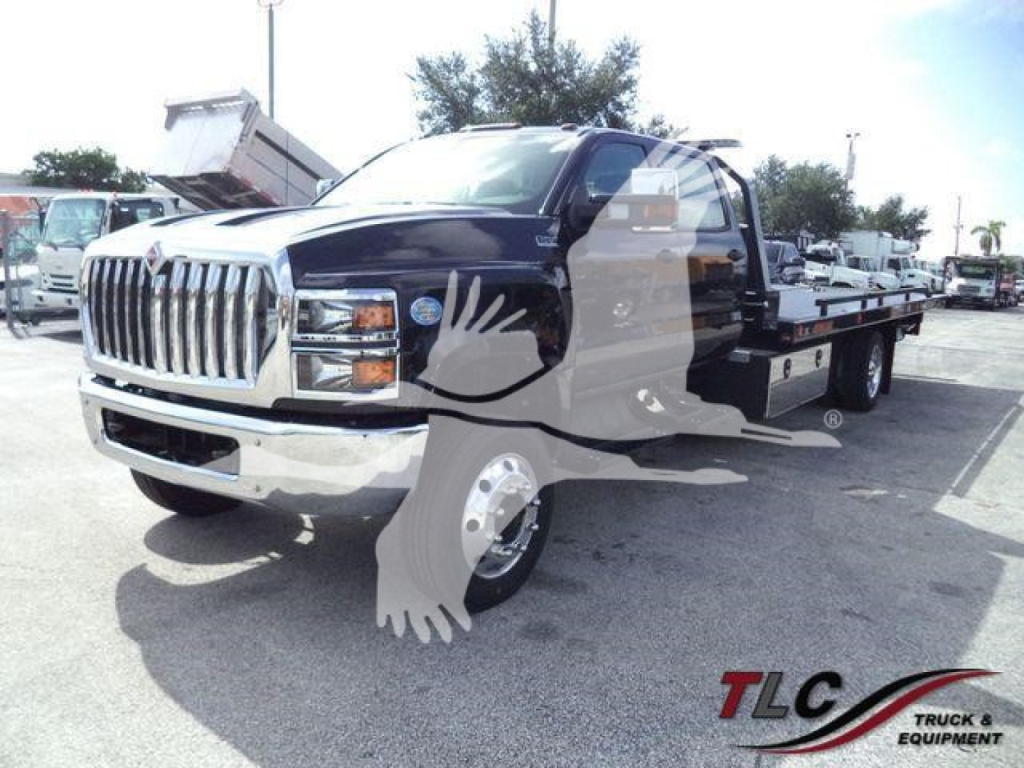
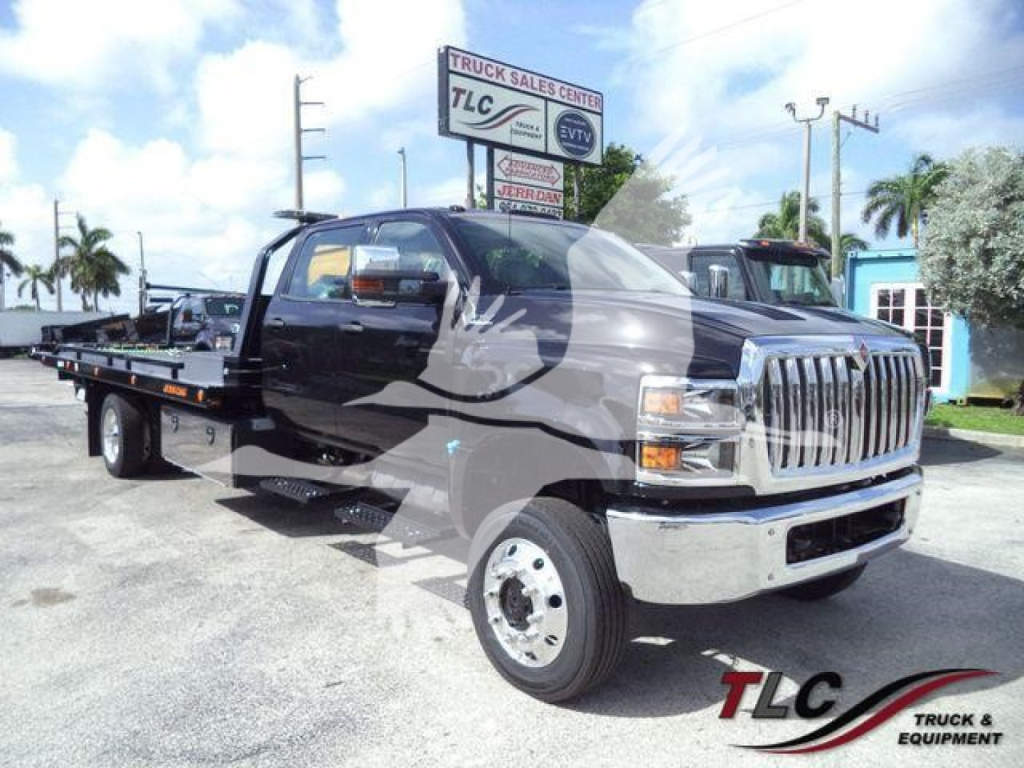
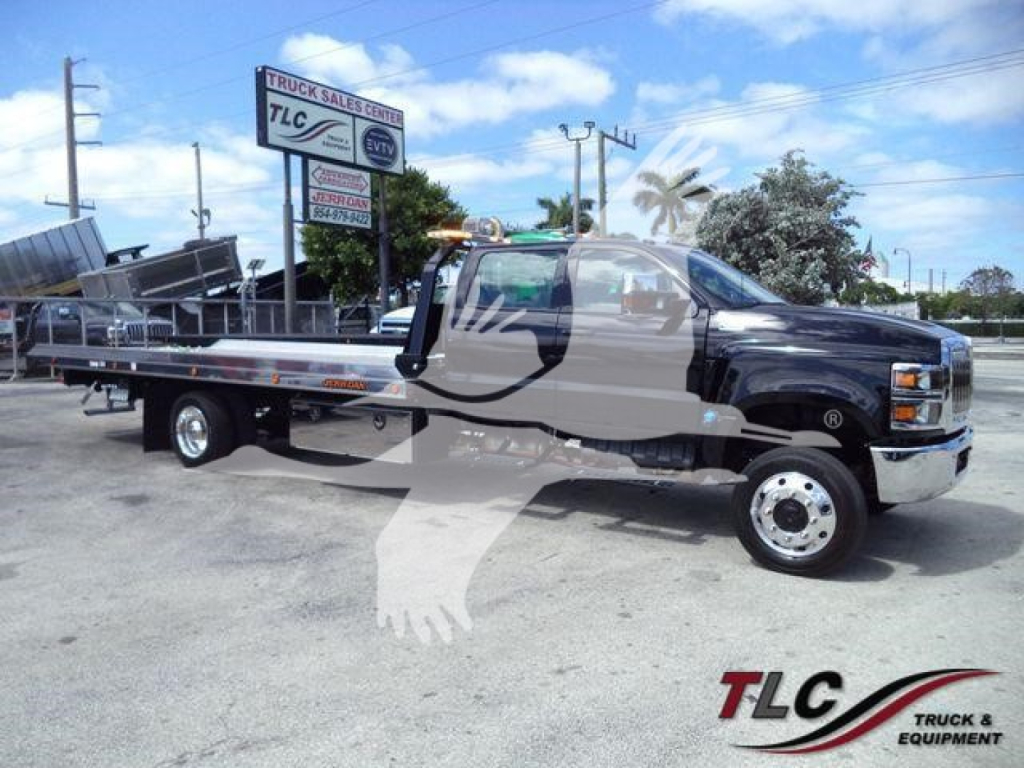
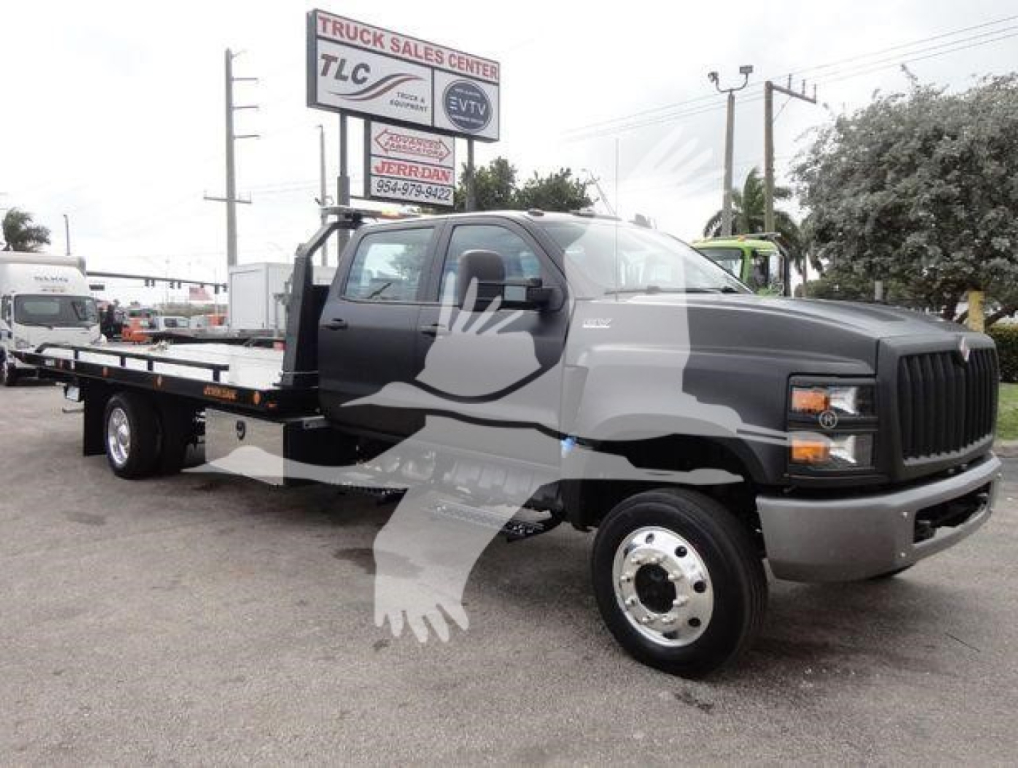
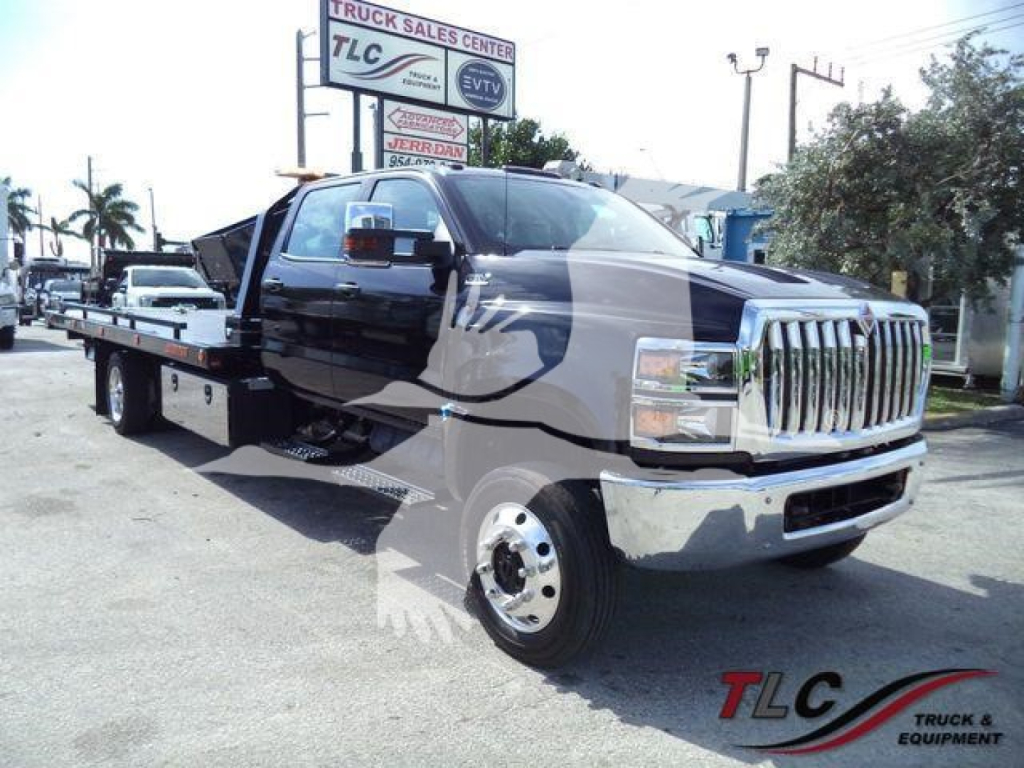
Selling a new 2023 international rollback truck? List your new 2023 international rollback truck for sale and reach thousands of commercial buyers.
New 2023 International Rollback Trucks
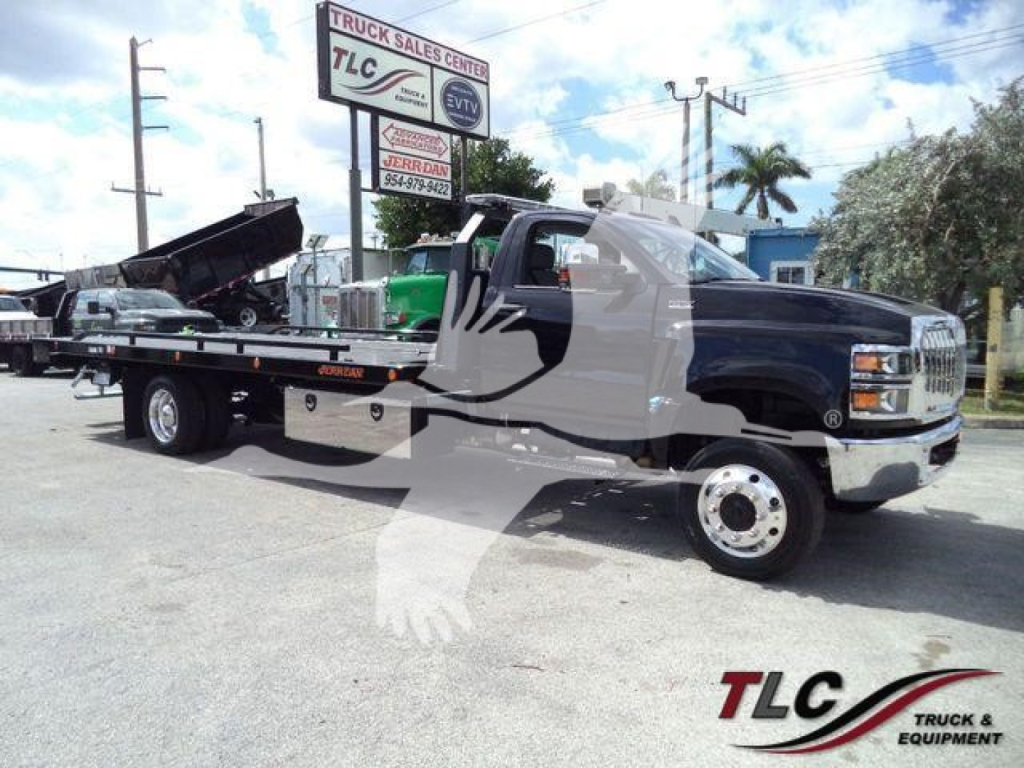
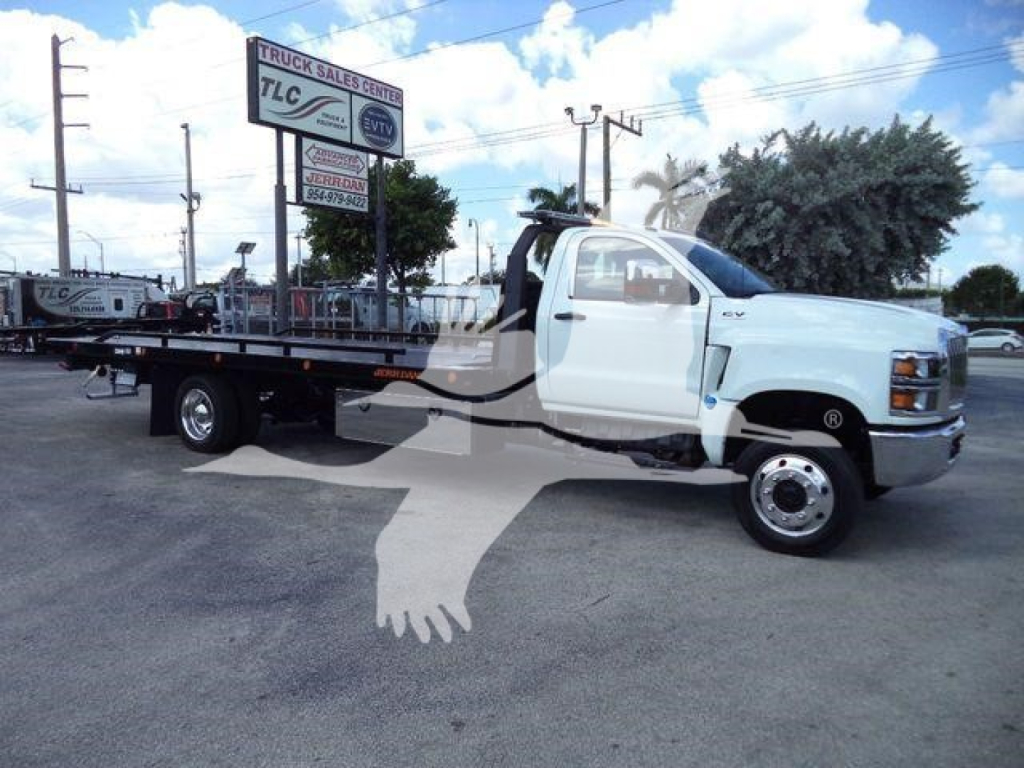
A typical 2023 International rollback in this class carries a 20-foot to 22-foot deck, usually 102 inches wide, with extra low profile geometry to reduce load angle and improve clearance for low cars, crossovers, and damaged vehicles. Many are equipped with 6-ton carrier bodies, 3,500-lb hydraulic wheel lifts, L-arms, and integrated winches. Buyers should pay close attention to deck material and rail configuration. Aluminum decks save weight and resist corrosion, while steel decks usually appeal to operators who want lower upfront cost and a more traditional repair path. Fixed rails add containment and confidence for everyday towing, while removable rails create more flexibility when loading wider vehicles or equipment.
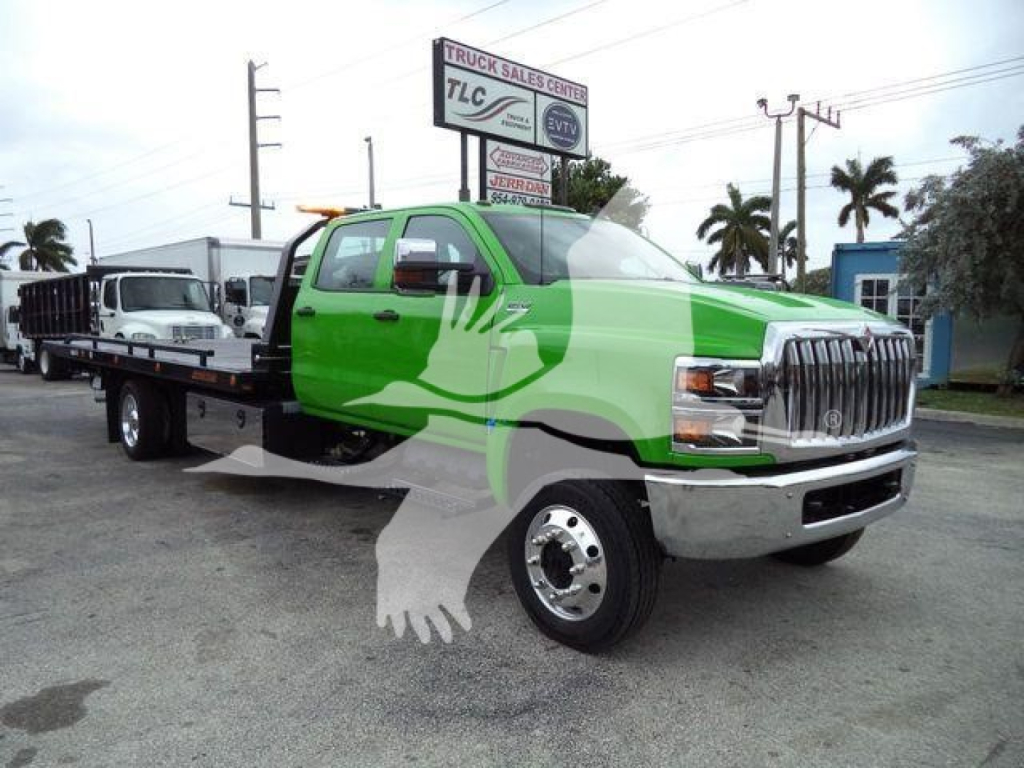
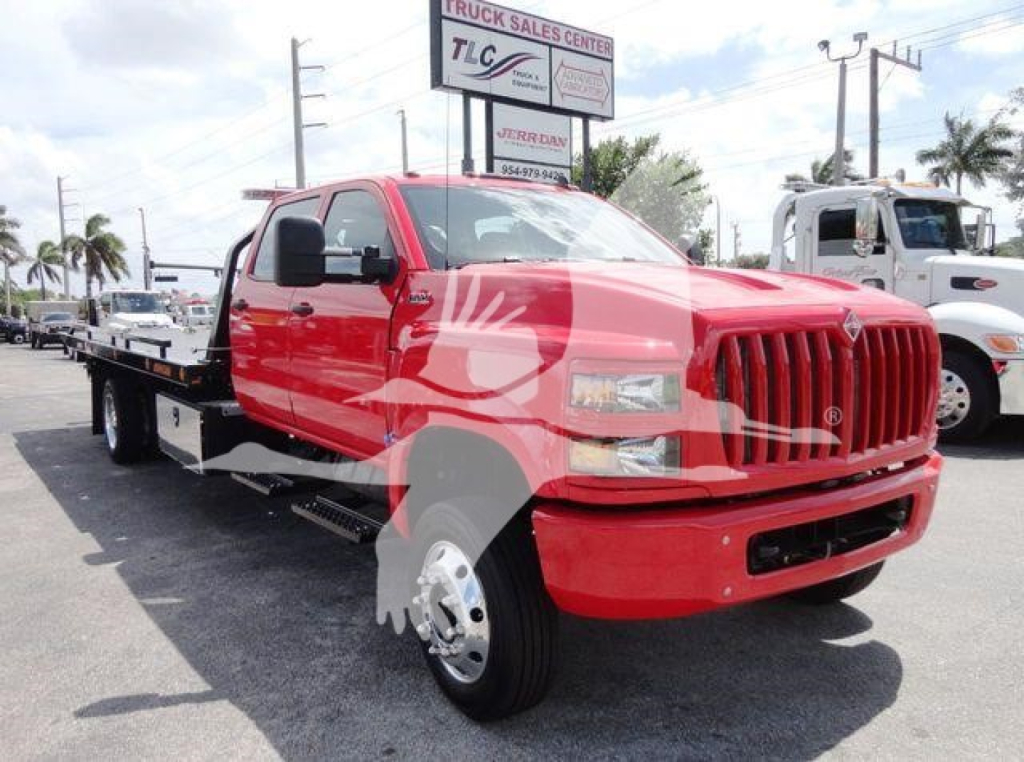
The chassis spec matters as much as the body. On CV-based rollback trucks, a crew cab can add utility for towing companies running a driver and service tech together, but it also affects wheelbase, body balance, and available payload. Four-wheel drive is a major advantage for recovery work, rural routes, snow-belt operations, and unpaved lots. On MV-based units, buyers often look for air ride suspension, 22.5 low-profile tires, and higher horsepower diesel ratings for better stability and road manners under regular commercial use. Tool box layout, headboard design, light bar placement, wireless winch controls, and underbody work lighting also affect day-to-day productivity more than many first-time buyers expect.
For most operators, the real buying decision is matching deck length, wheel-lift setup, and chassis capacity to the mix of sedans, pickups, vans, and disabled vehicles they move every week. A 20-foot XLP carrier on an International CV is well suited for general towing, auction work, and local recovery. A 22-foot carrier on an International MV makes more sense when the route includes heavier vehicles, longer wheelbases, or higher annual utilization. Look closely at GVWR, front and rear axle ratings, wheelbase, winch capacity, and the practical loading angle of the bed. Those numbers will tell you more about real-world performance than the paint, trim, or badge package.
Frequently Asked Questions about New 2023 International Rollback Trucks
What is the difference between an International CV rollback and an International MV rollback?
The International CV is a lighter-duty platform commonly used for rollback work around a 19,500 GVWR, often with a 6.6L Duramax diesel and Allison automatic transmission. It is a strong fit for general towing, vehicle transport, and local service where maneuverability and 4x4 availability matter. The International MV is a heavier medium-duty chassis with more payload margin, more robust commercial components, and configurations that may include air brakes and air ride suspension. Buyers moving heavier vehicles more often usually lean toward the MV.
What deck length is most common on a 2023 International rollback truck?
In this category, 20-foot and 22-foot decks are the most common. A 20-foot deck is popular on CV-based rollbacks and handles most passenger cars, light trucks, and small vans well. A 22-foot deck is more common when buyers need extra room for longer wheelbase vehicles, more flexibility in vehicle positioning, or a heavier medium-duty chassis setup. The right choice depends on the actual mix of units you transport, not just the maximum deck capacity.
Is an aluminum rollback deck better than a steel deck?
Aluminum decks reduce body weight and improve corrosion resistance, which can help preserve payload and lower long-term rust concerns. Steel decks are often preferred for their lower initial cost, familiar repair practices, and durability in demanding day-to-day towing environments. Neither is automatically better for every operation. Buyers should weigh payload needs, climate, maintenance practices, and how rough the truck's daily use will be.
Why does XLP or low-profile deck design matter on a rollback?
An XLP or extra low profile rollback deck lowers the loading angle, which makes it easier to load low-clearance cars, damaged vehicles, and specialty units without scraping bumpers or underbody components. This is one of the most important practical features on a modern car carrier. A lower approach angle can speed up loading, reduce risk of damage claims, and expand the types of vehicles the truck can handle without extra cribbing or workarounds.
What should I check besides the listed ton rating on a rollback truck?
The ton rating is only one part of the buying decision. Buyers should also verify GVWR, axle ratings, deck length and width, wheel-lift rating, winch capacity, chassis wheelbase, brake type, suspension setup, and whether the rail and toolbox configuration fits the intended work. Real towing performance depends on how the chassis and carrier body work together. A truck with the right balance, loading angle, and axle capacity will usually outperform a higher-rated truck that is poorly matched to the job.