
New International Rollback Trucks For Sale in Florida
Shop new International rollback trucks in Florida. Compare CV and MV carrier specs, deck sizes, wheel-lift setups, and towing features.
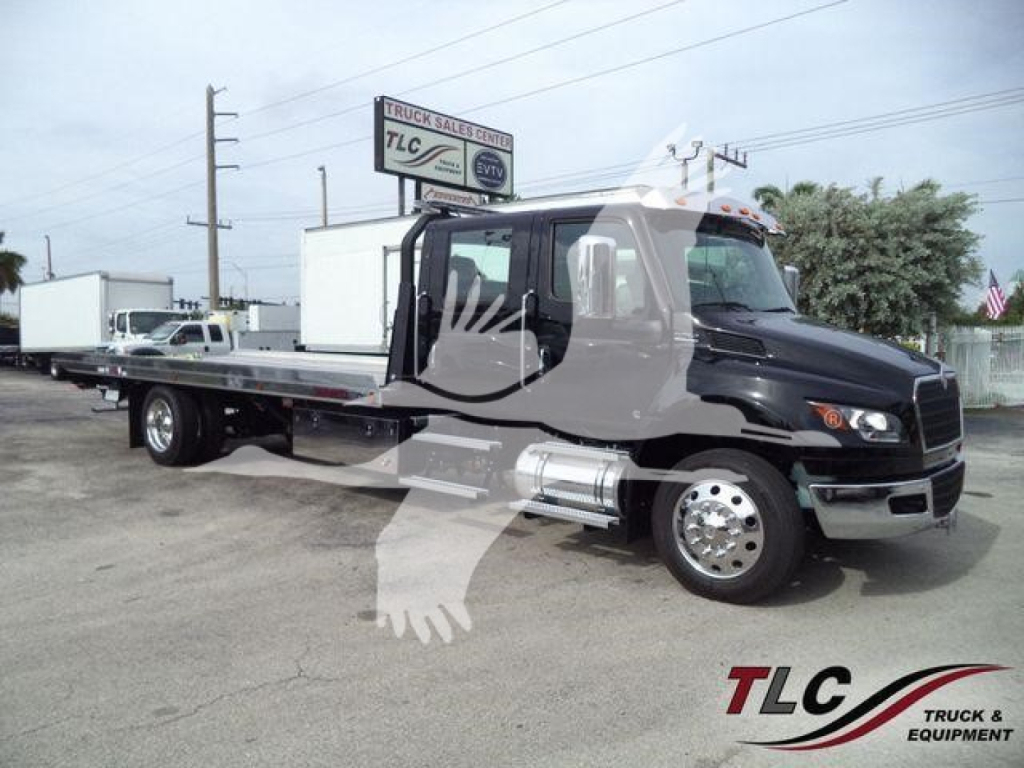
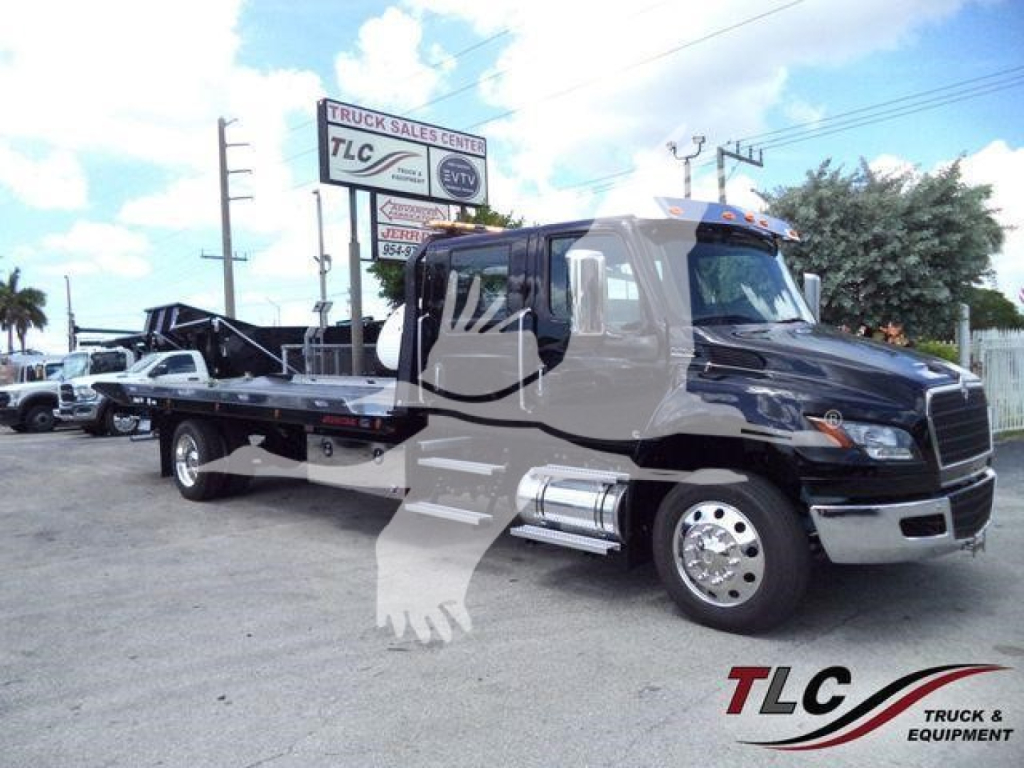
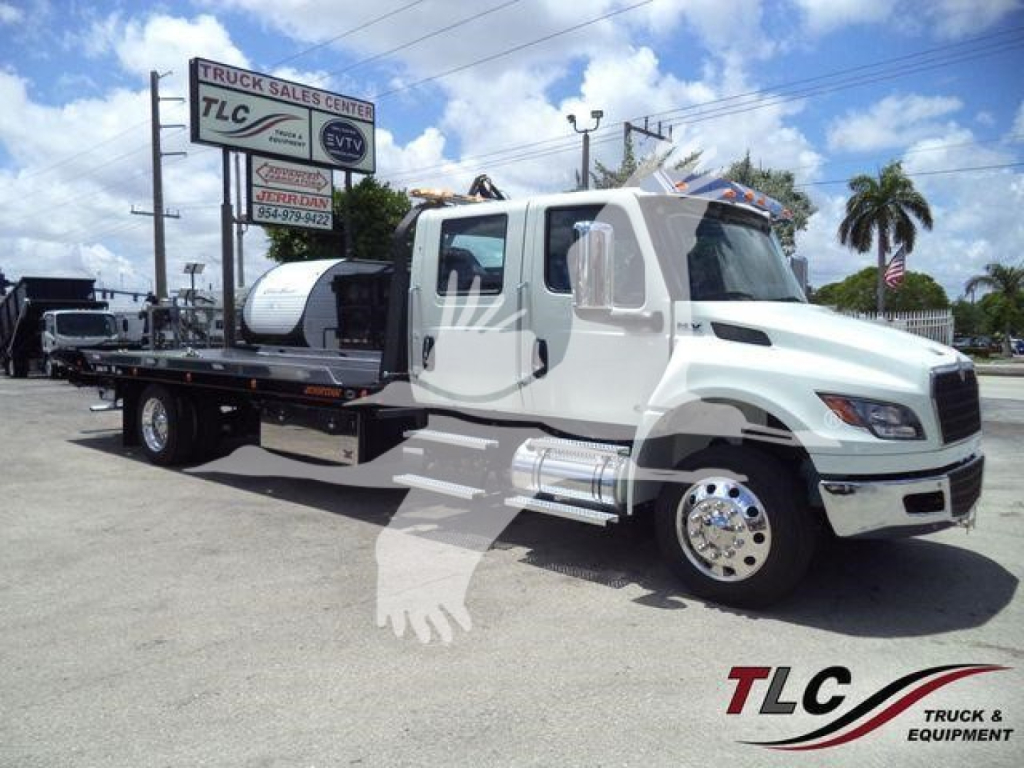
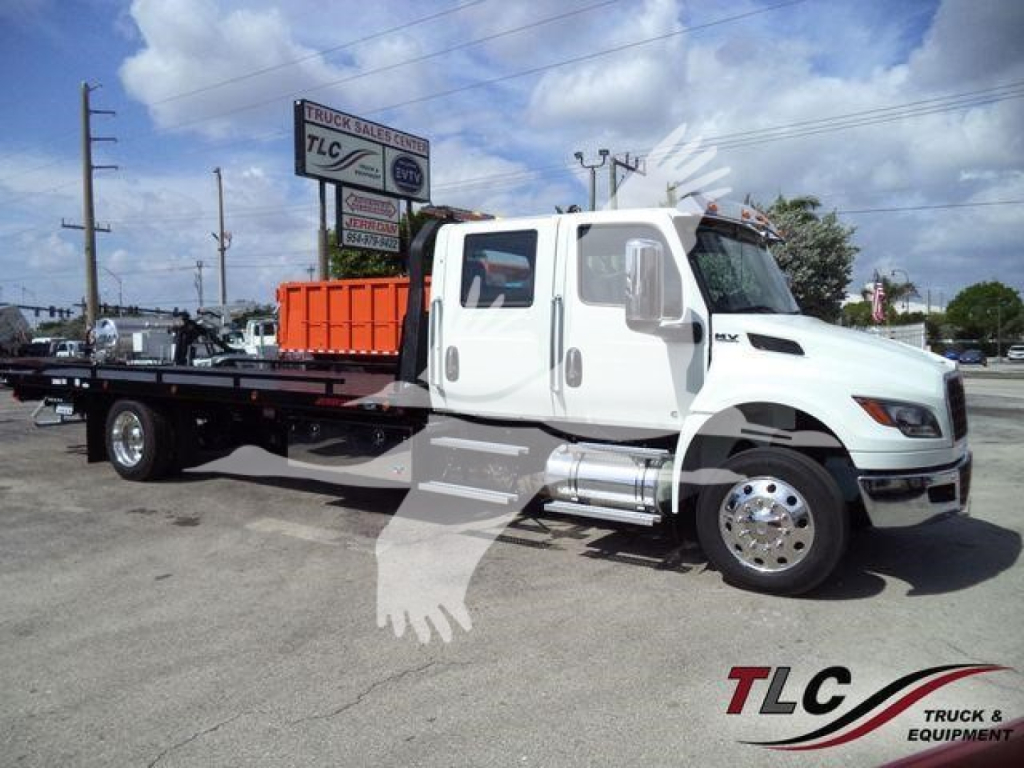
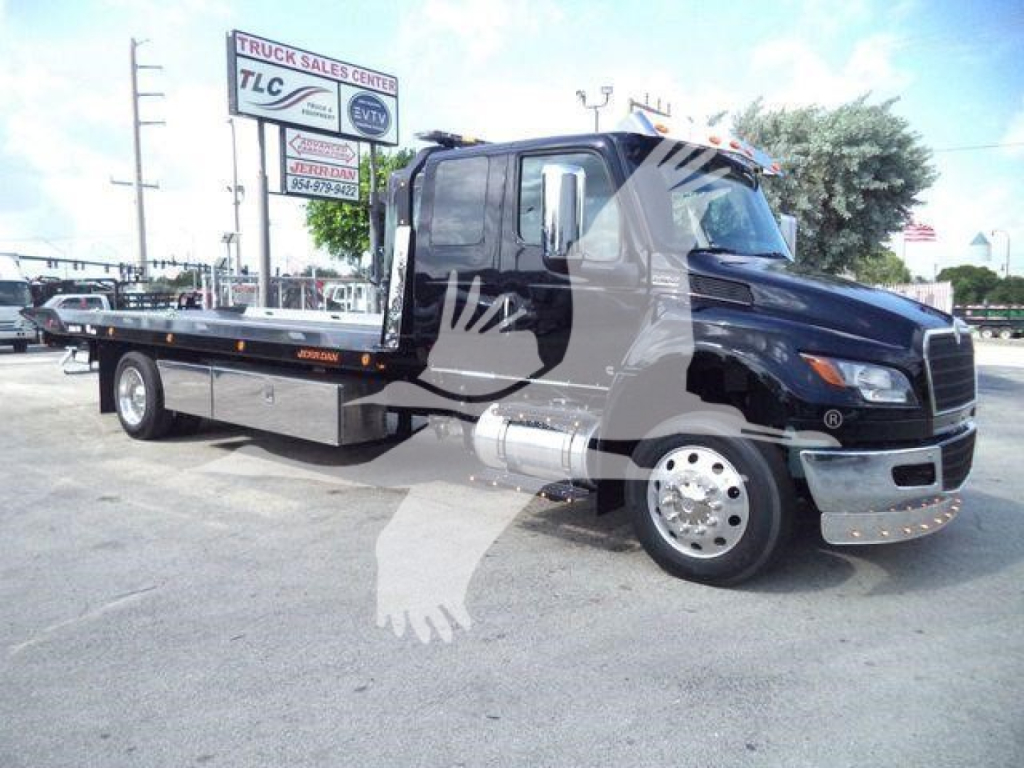
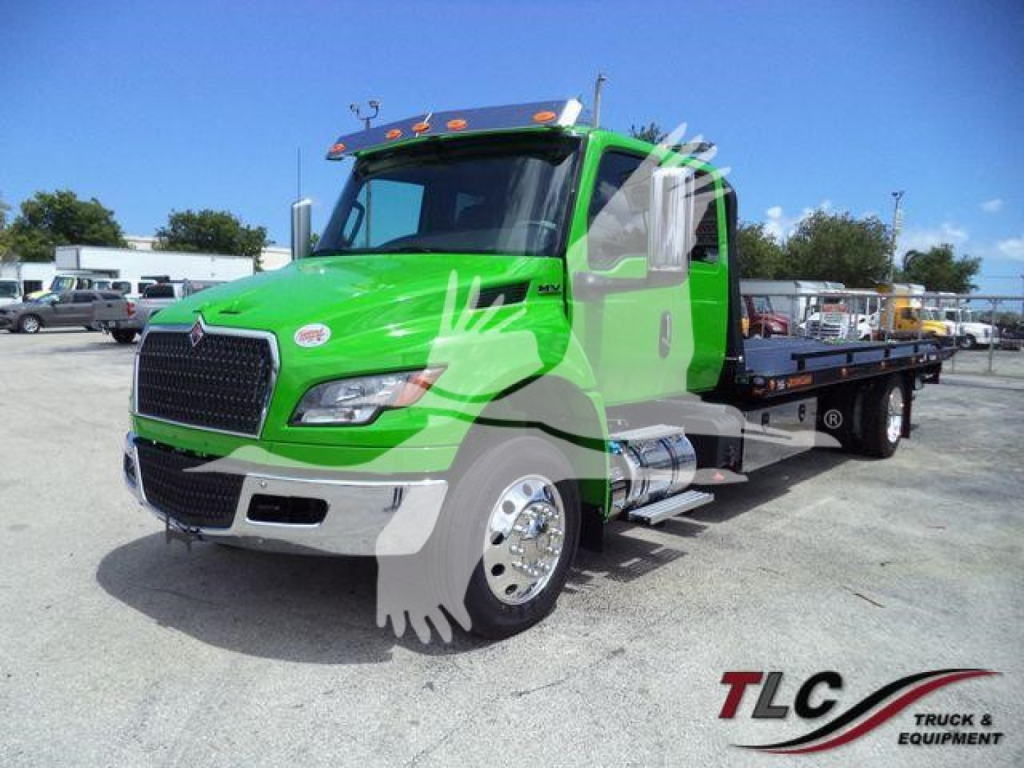
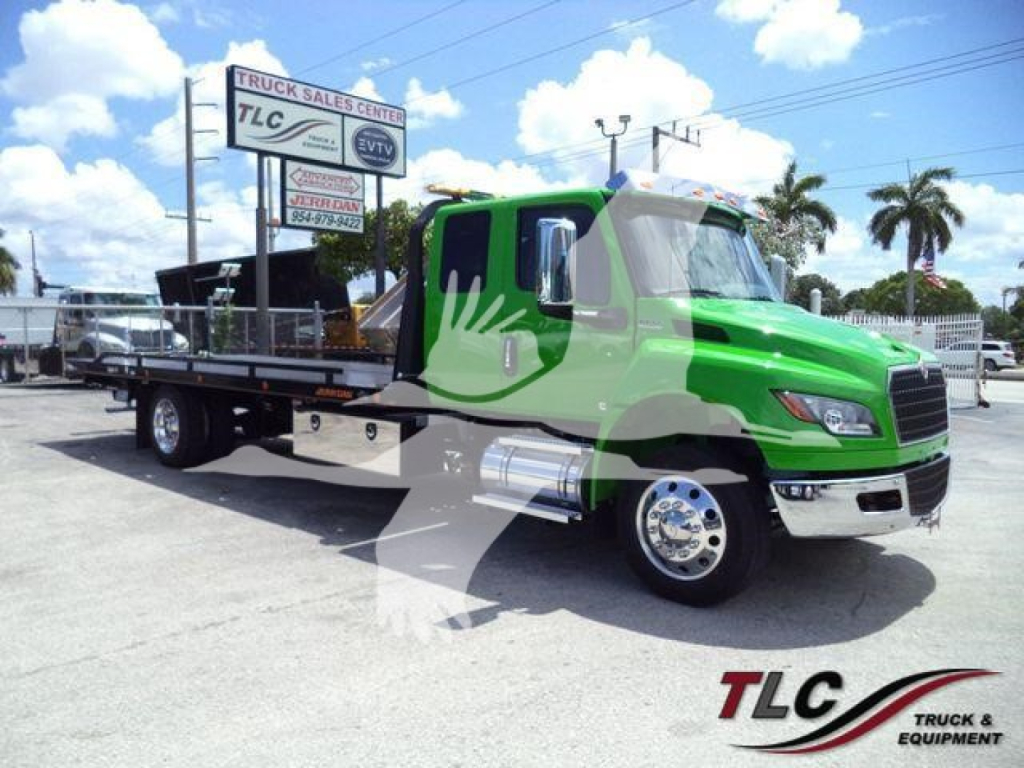
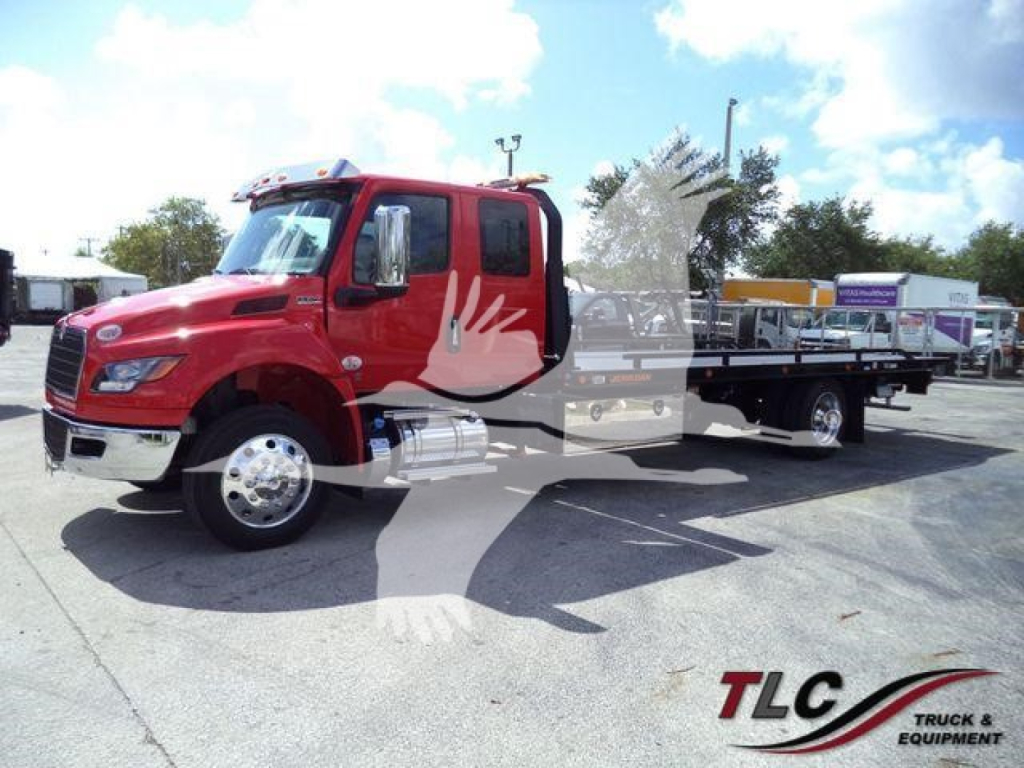
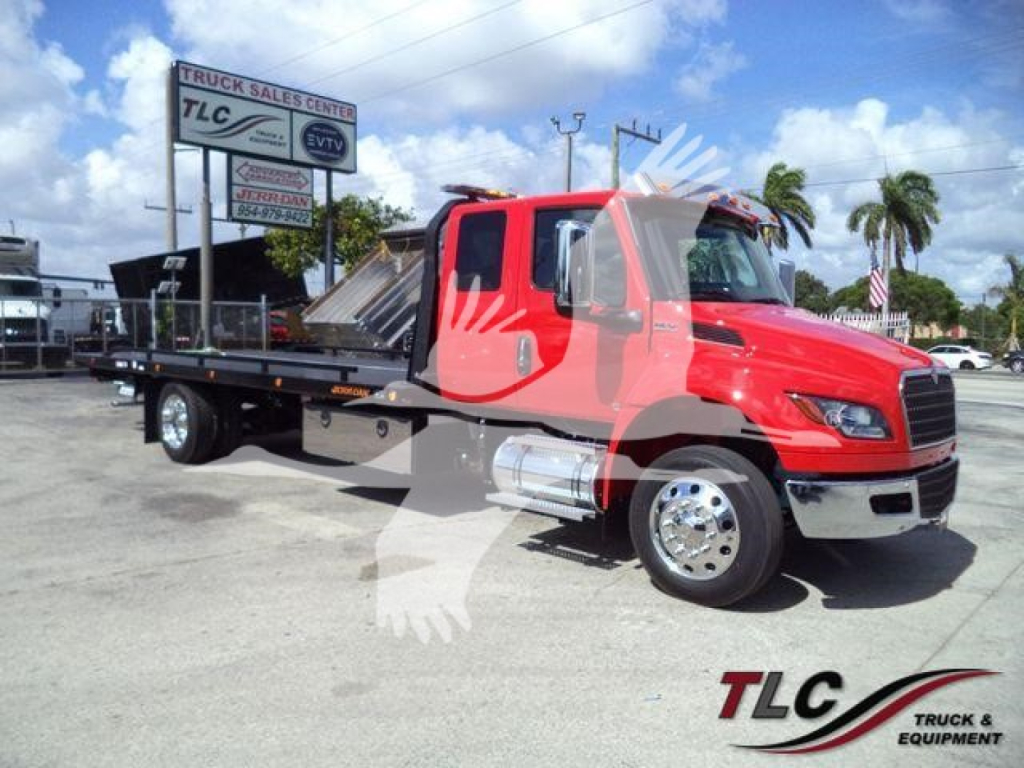
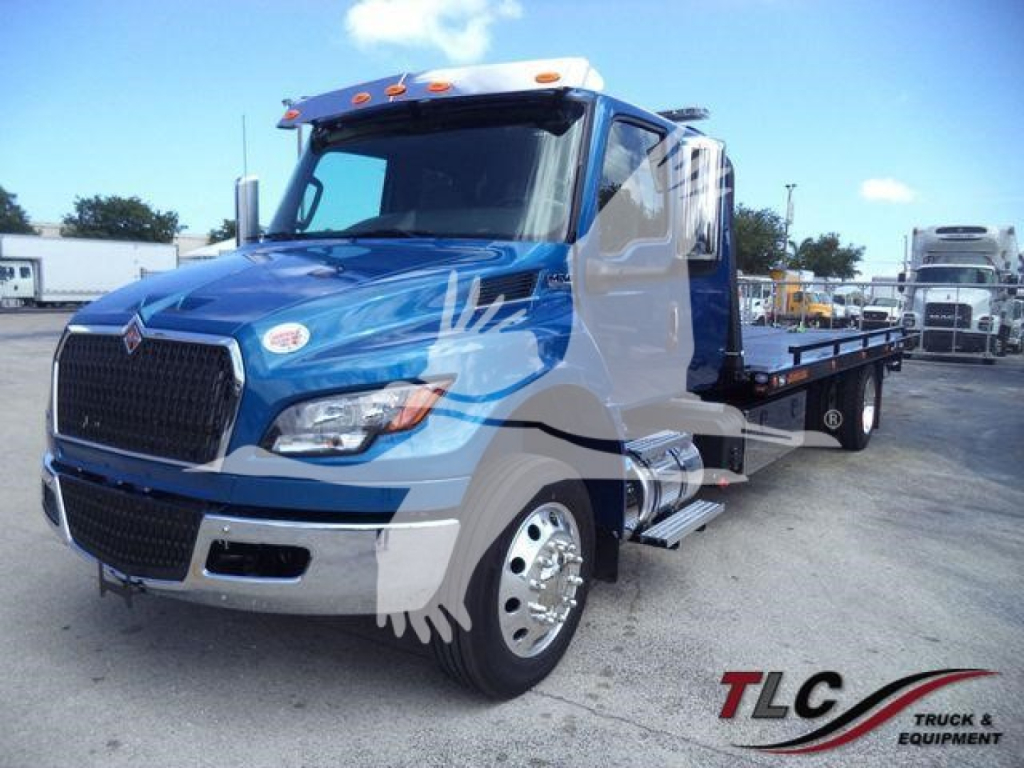
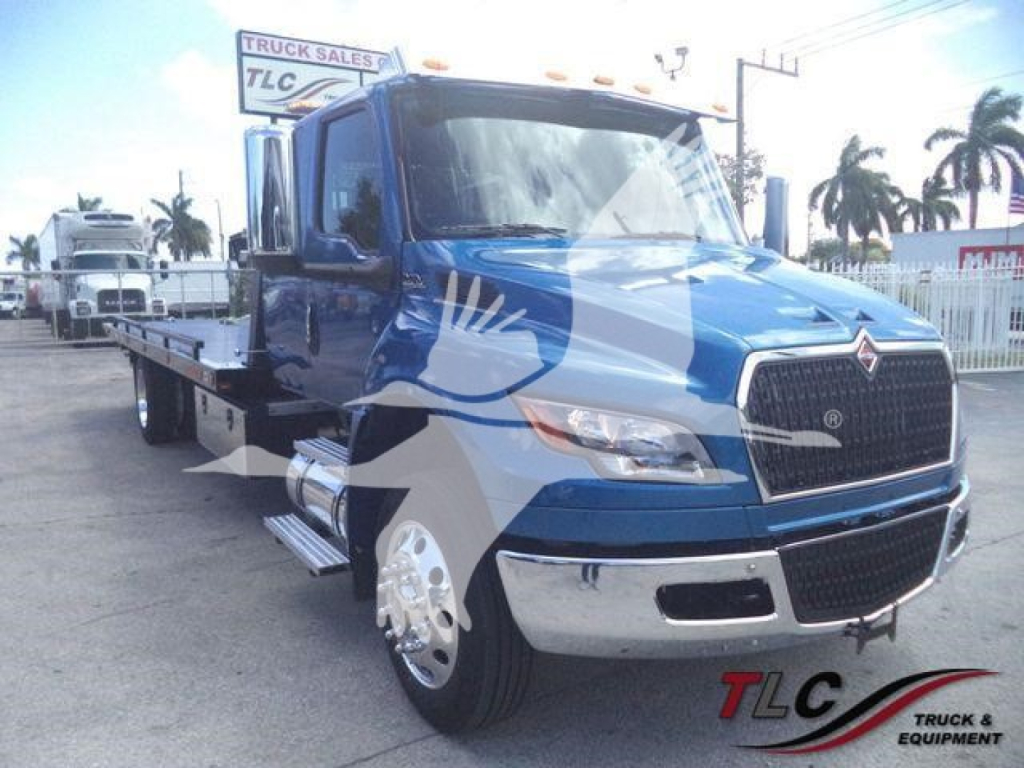
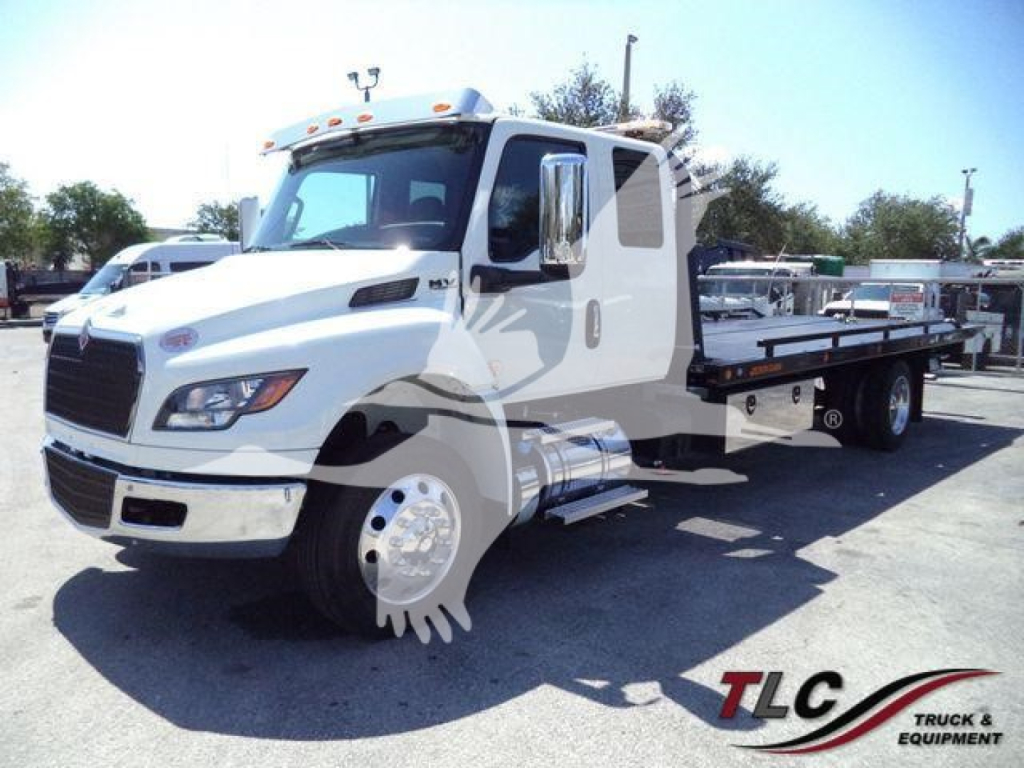
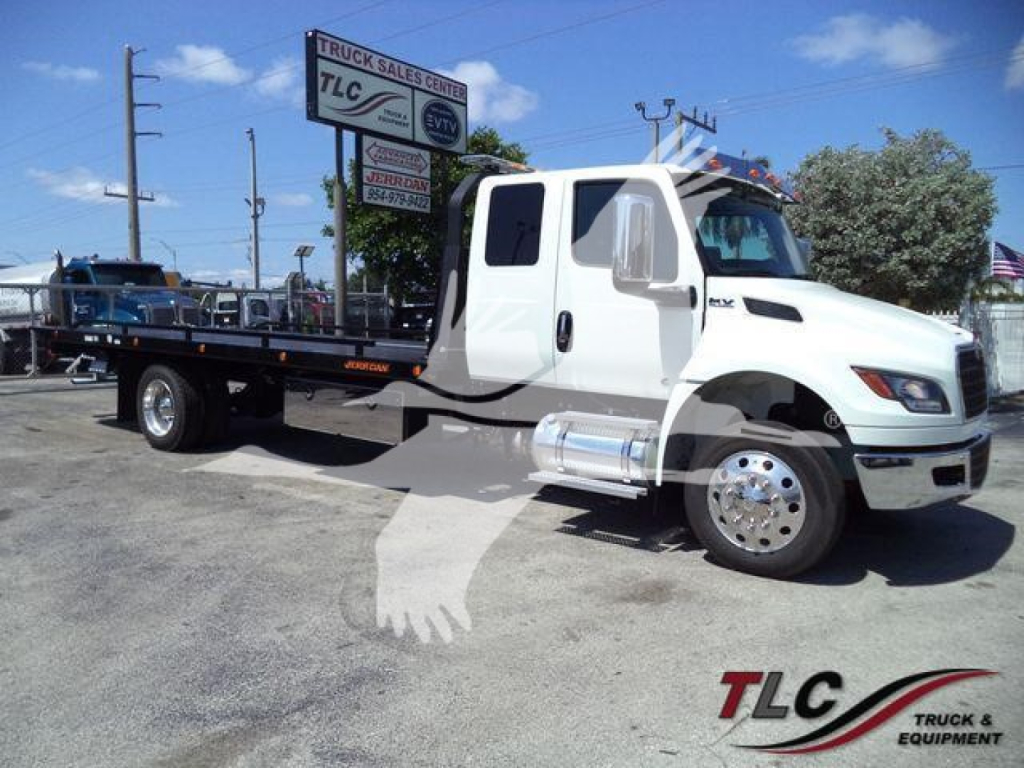
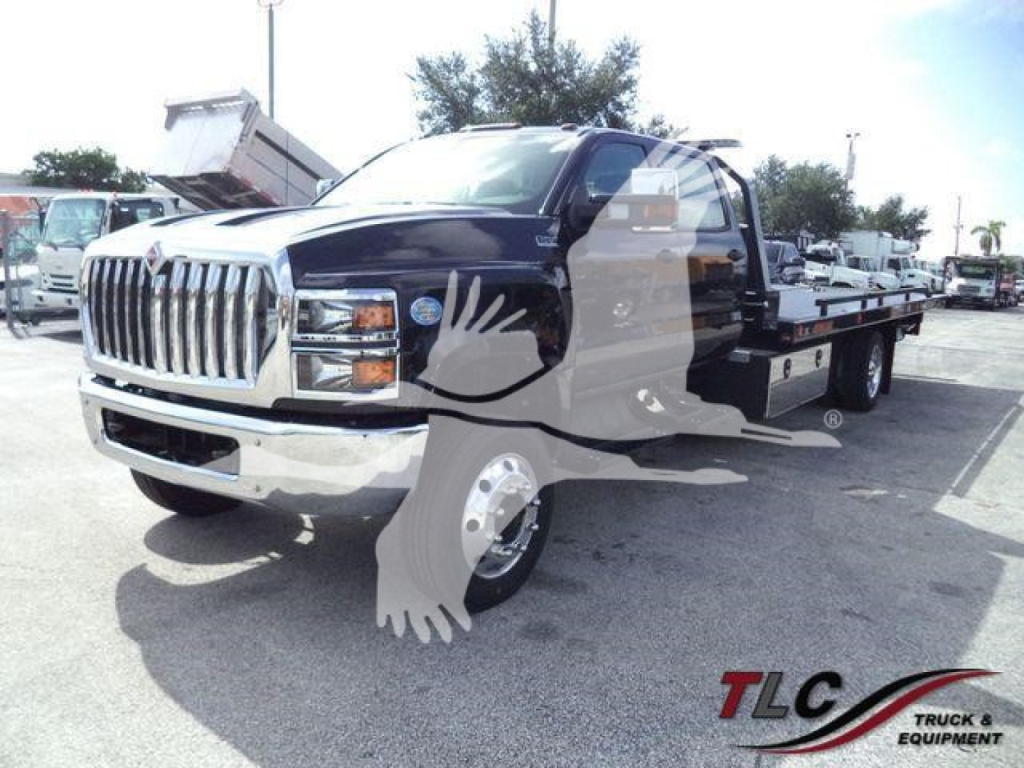
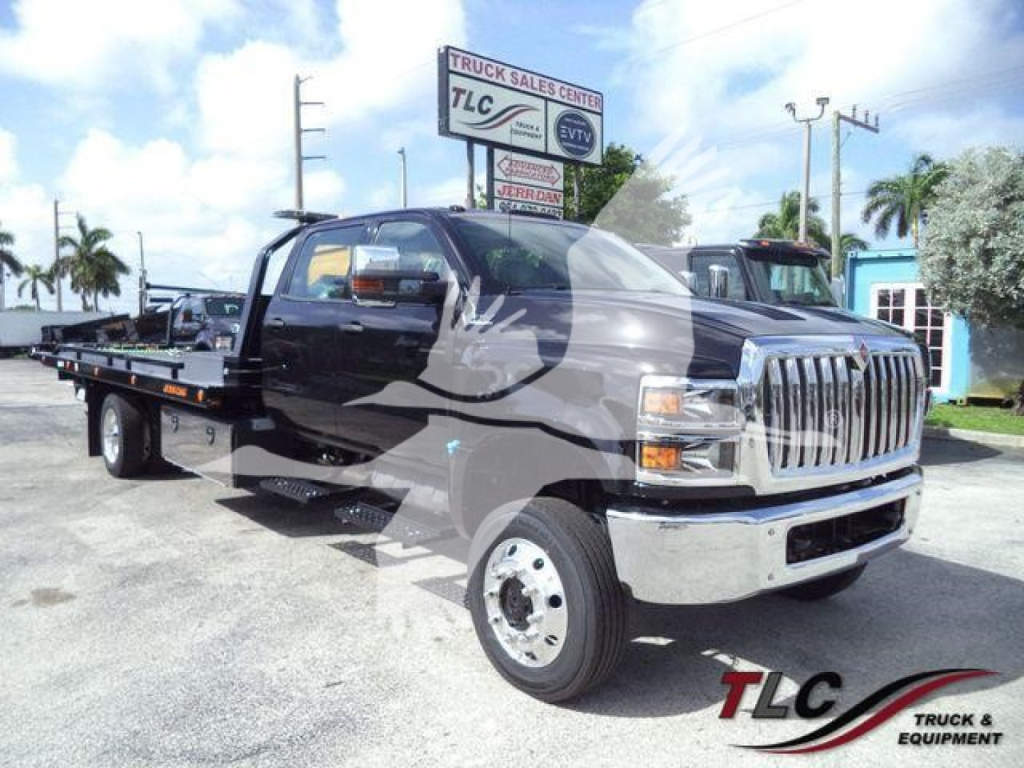
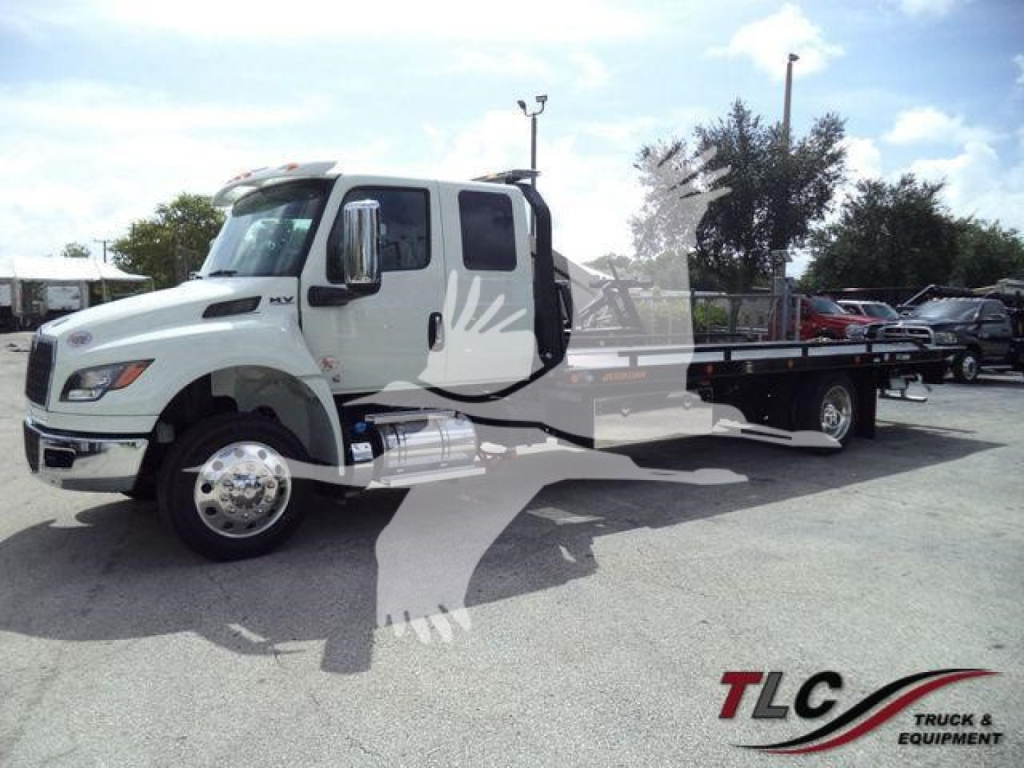
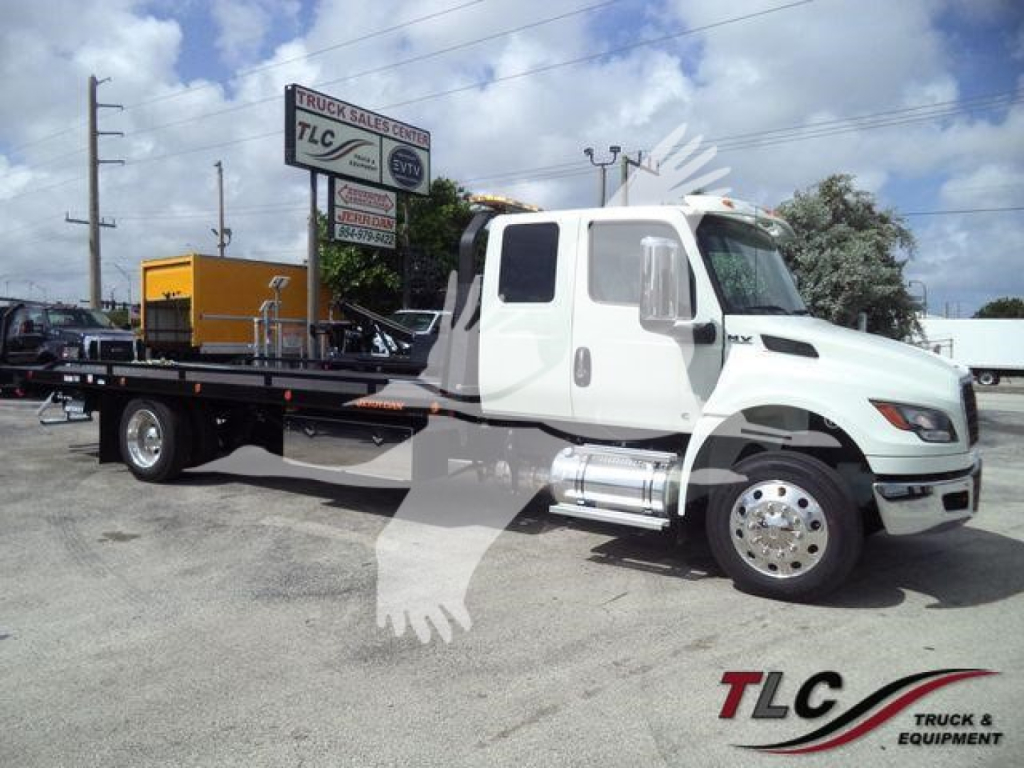
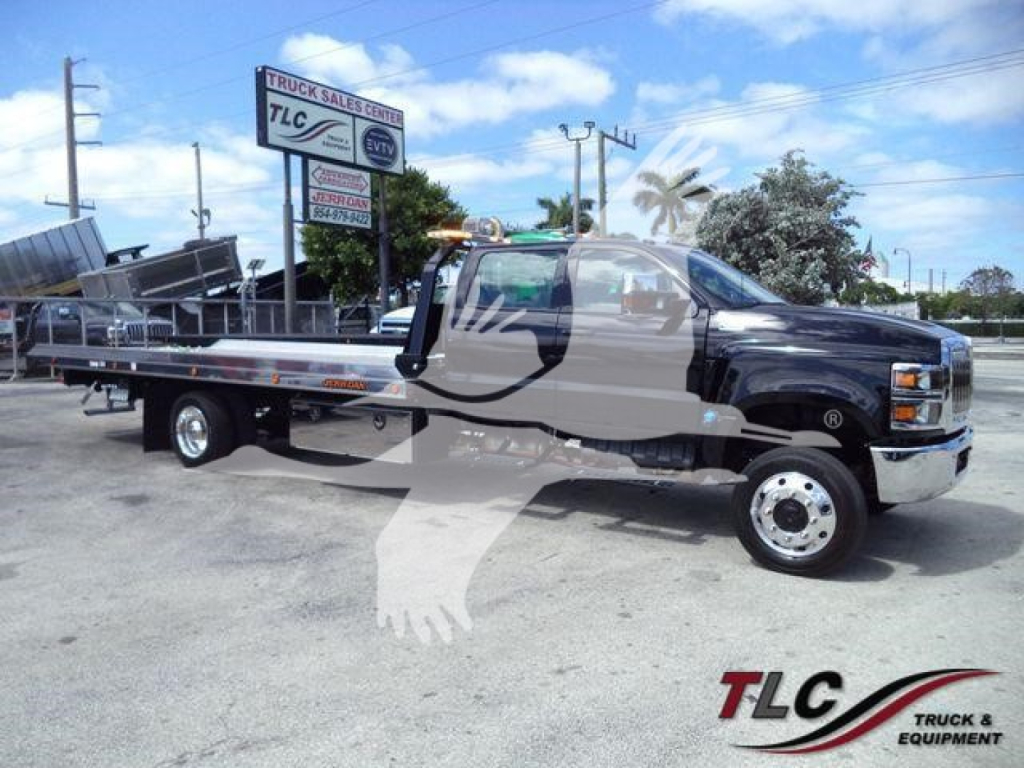
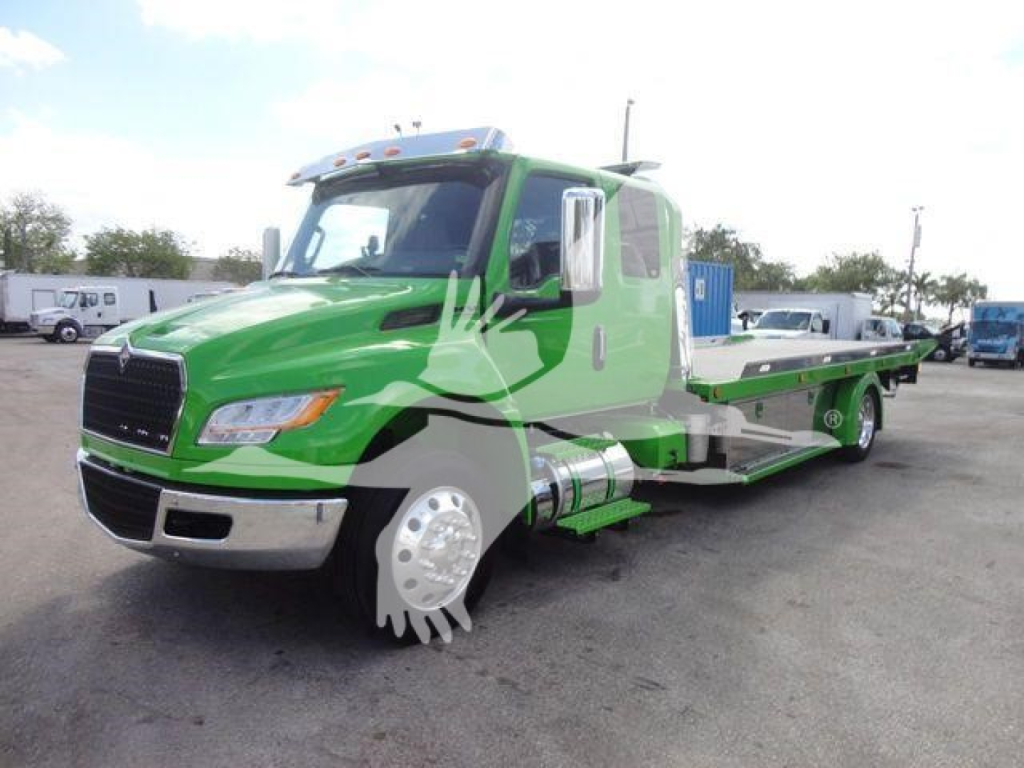
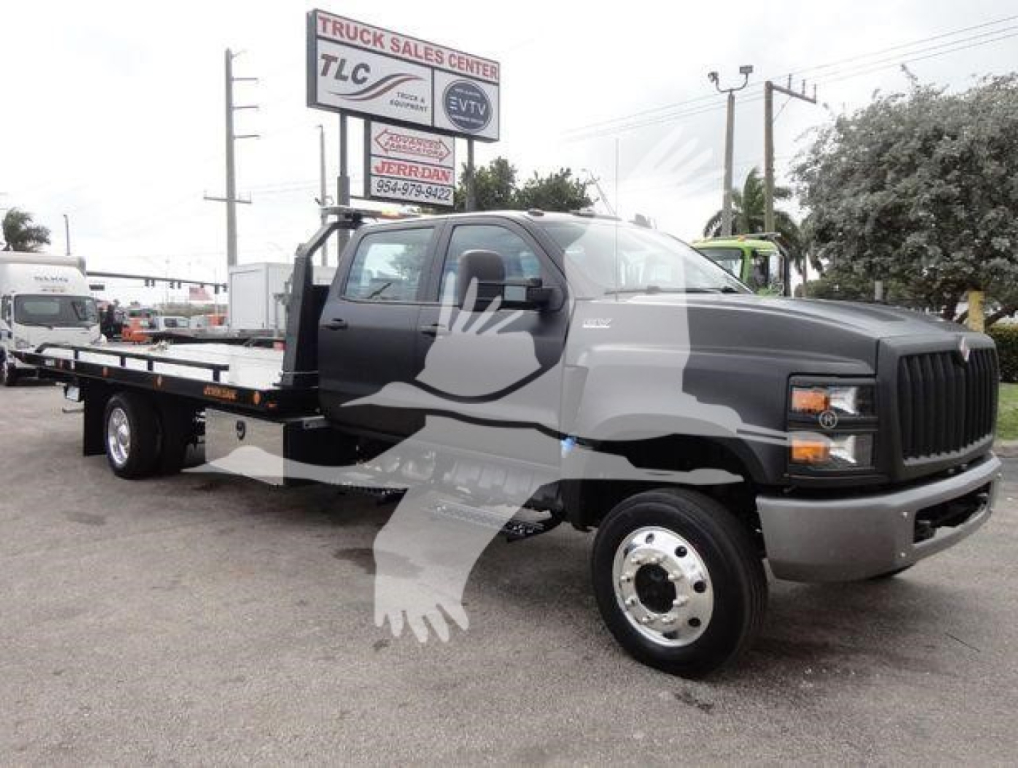
Showing 1 to 28 of 40 results
Selling a new international rollback truck? List your new international rollback truck for sale and reach thousands of commercial buyers.
New International Rollback Trucks in Florida
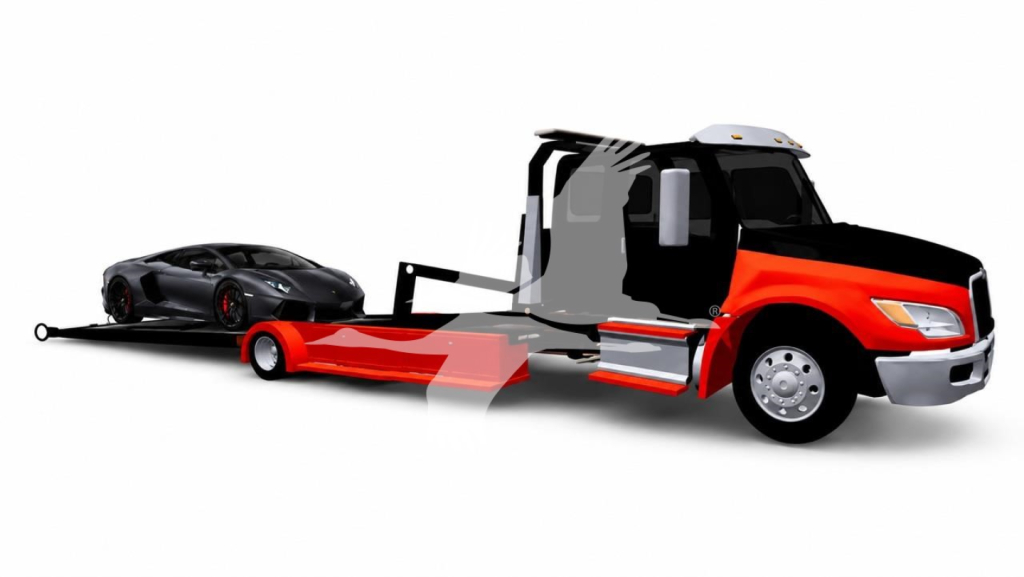
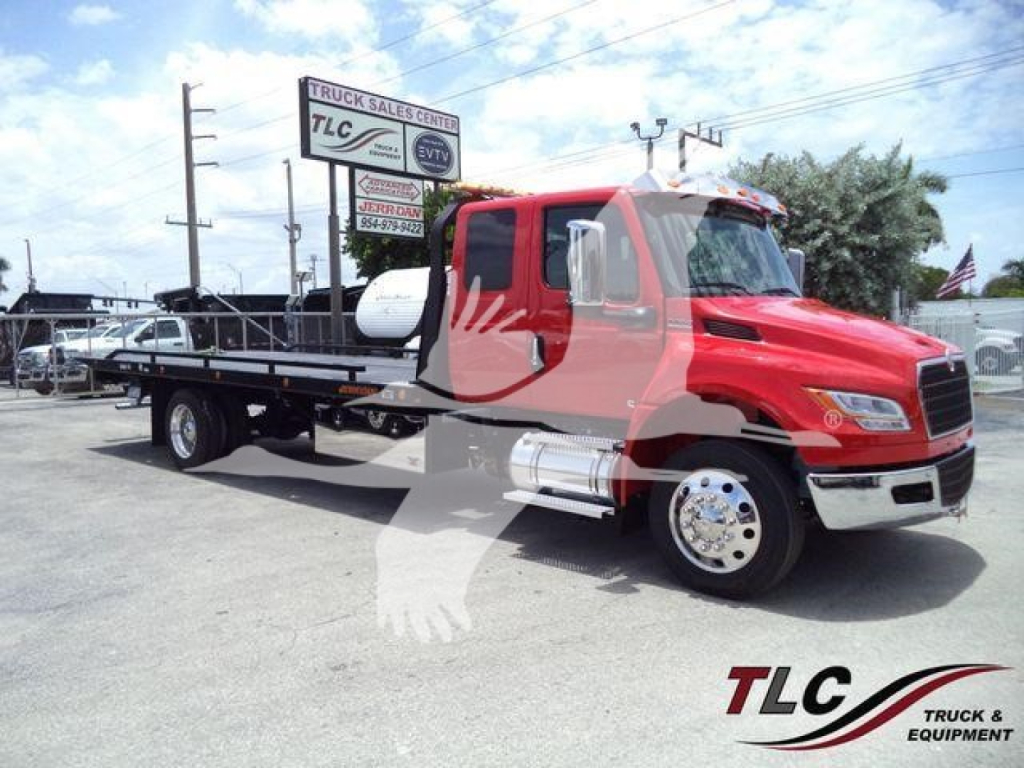
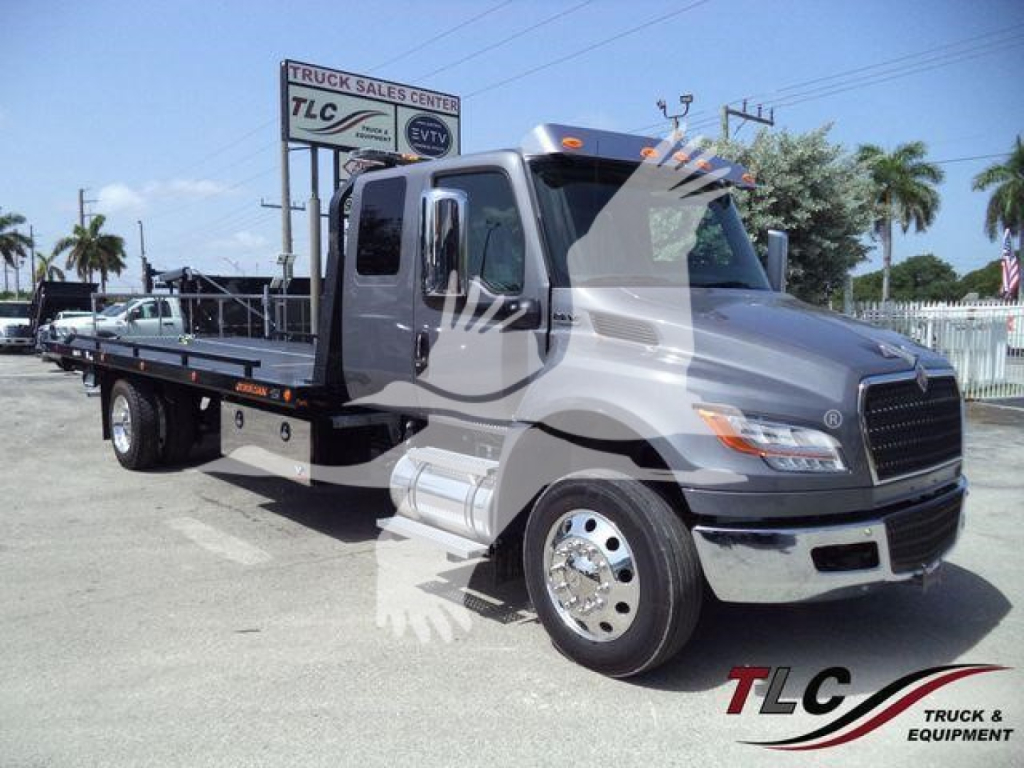
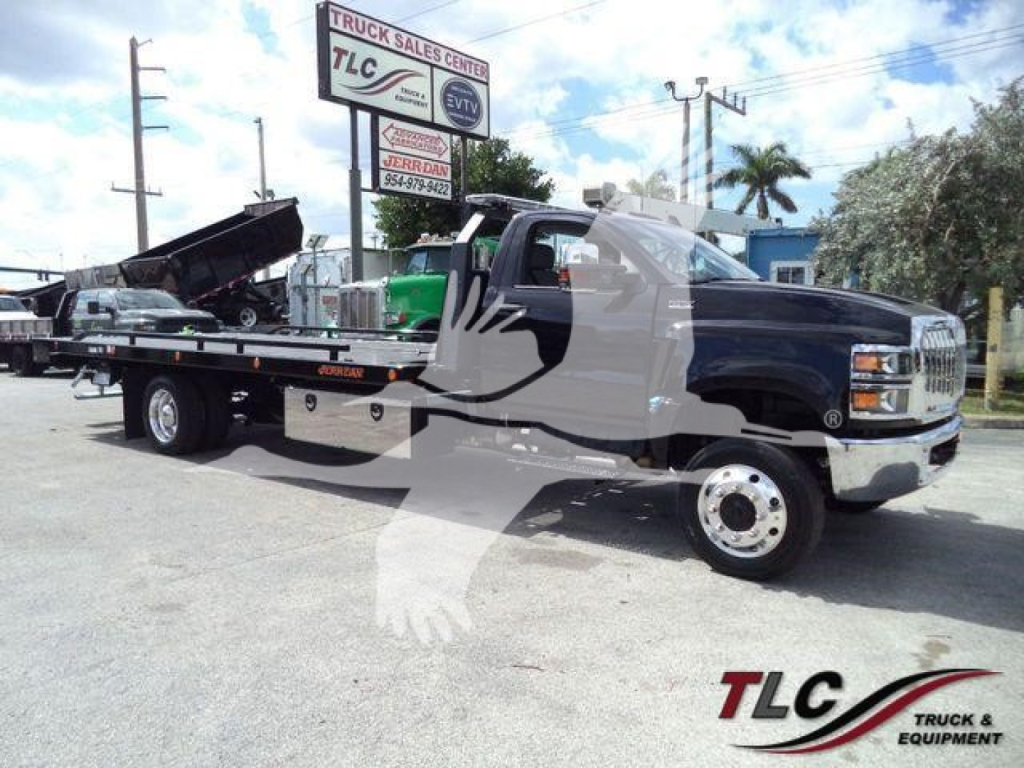
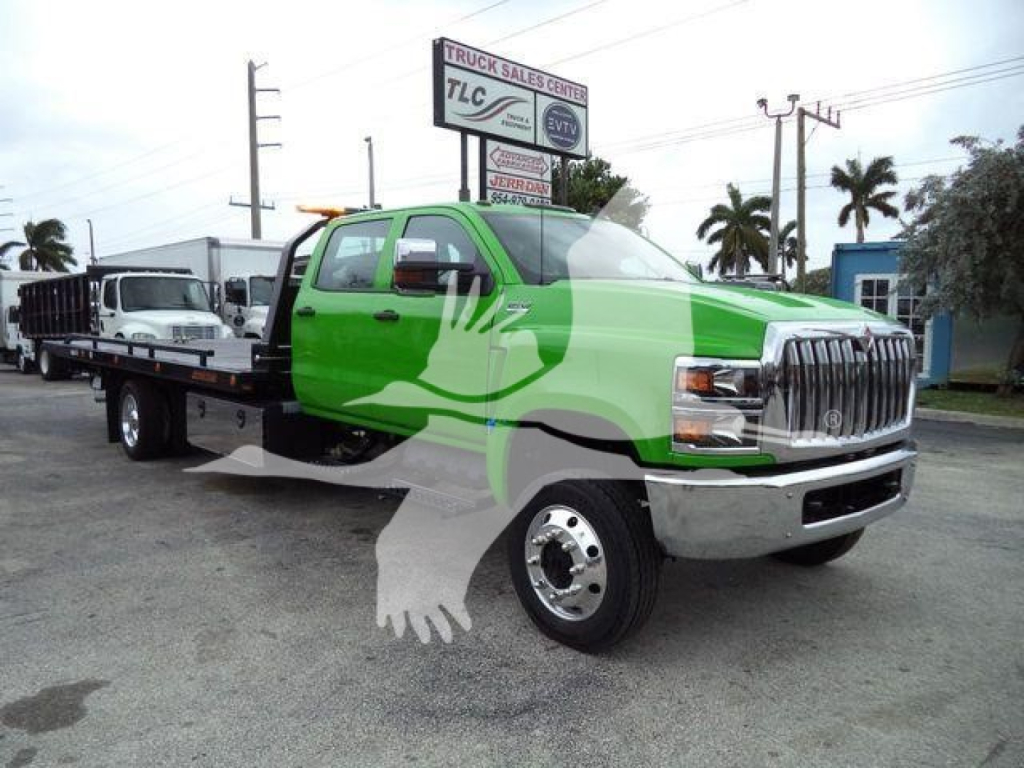
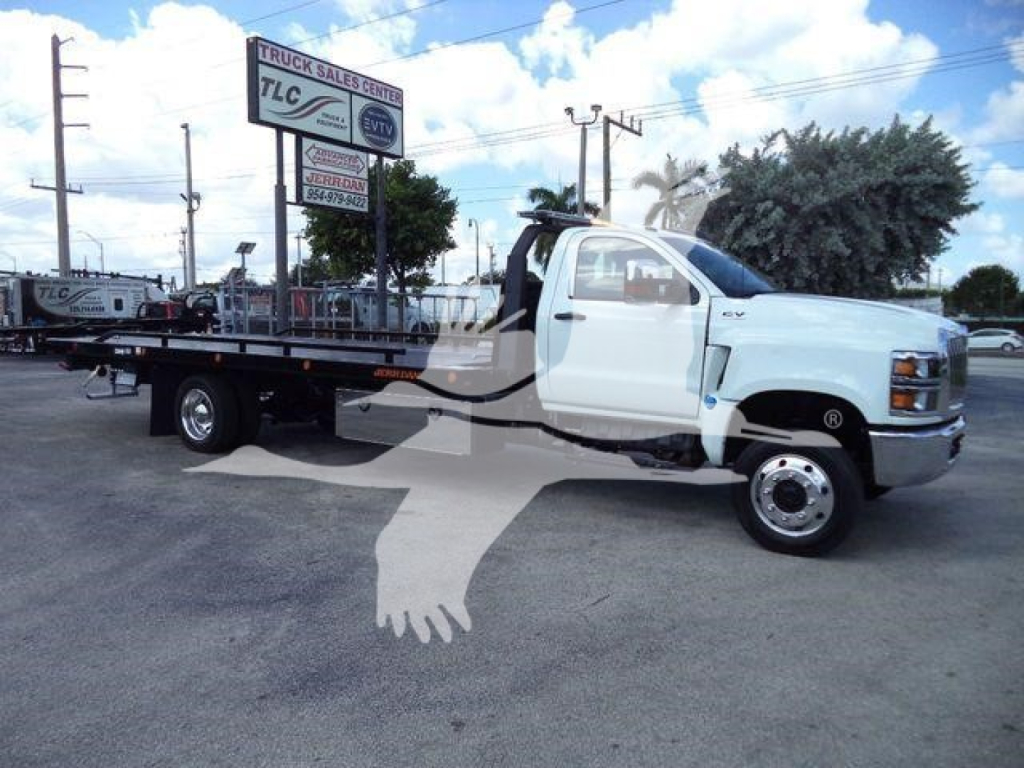
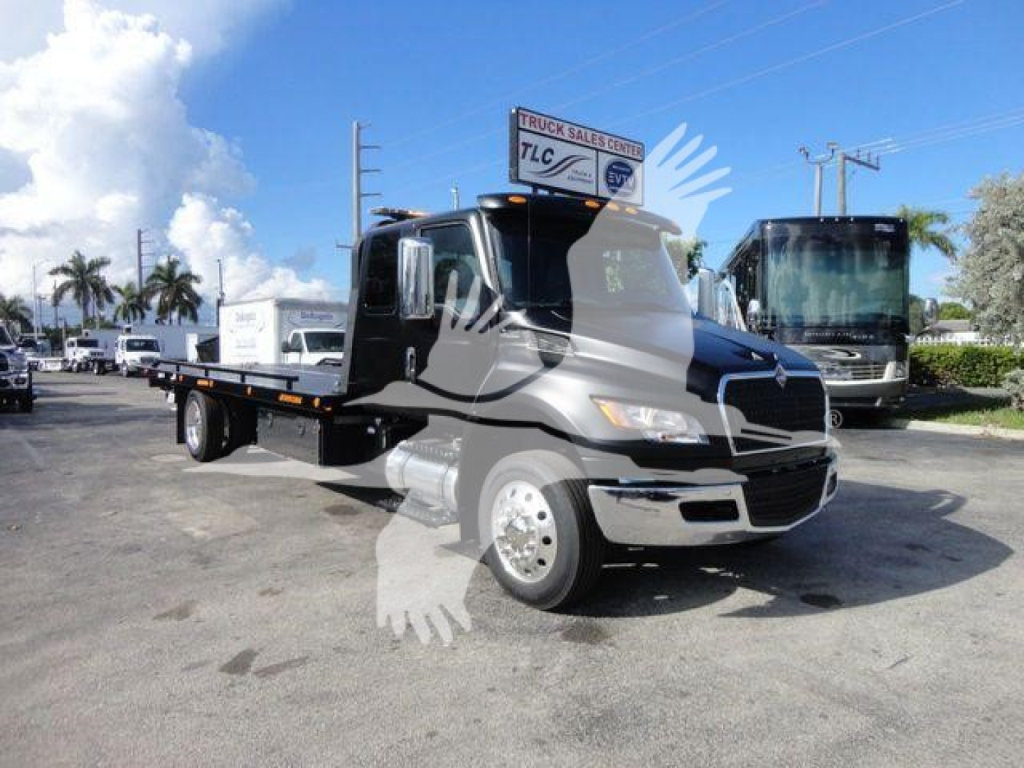
On the lighter side, International CV rollback trucks commonly pair a 6.6L Duramax diesel with an Allison automatic and 4x4 capability, a useful setup for mixed pavement, shoulder recoveries, and tight urban work. Typical bodies in this class are 20 to 21 feet long and 102 inches wide, often rated around 6 tons with an extra low profile deck for better approach angle on low-clearance cars. Many units use a 3,500 lb hydraulic wheel-lift with L-arms, which adds flexibility for short tows after loading another vehicle or for moving disabled units that do not need full deck transport. Steel decks generally cost less and hold up well in hard daily use, while aluminum decks reduce weight and can improve available payload.
If the work leans more commercial, the International MV rollback platform brings a meaningful step up in chassis capacity, braking, and ride quality. A typical MV carrier may include a Cummins diesel in the 300 hp range, Allison automatic, air brakes, air ride suspension, and 22.5 low-profile rubber, all of which matter when the truck is spending full days under load. Bed specs often move to a 22 foot x 102 inch low center of gravity carrier with an 8,000 lb winch, wireless controls, removable rails, larger toolboxes, and more extensive warning and work lighting. For Florida operators, corrosion resistance, sealed lighting, clean hydraulic routing, and practical storage for straps, chains, skates, and tie-down gear are worth close attention because heat, rain, and coastal exposure can shorten component life if the build is not well thought out.
A smart buying decision comes down to matching the truck to the vehicles you actually move. Check GVWR against real-world curb weight, body weight, fuel, passengers, and recovery equipment so the payload numbers work in service, not just on paper. Look at deck length and XLP or LCG design if you regularly haul low sports cars, EVs, or longer wheelbase pickups. Confirm wheel-lift rating, winch capacity, rail style, cab configuration, and toolbox layout based on your route density and call type. International rollback trucks are popular because the controls are straightforward, the chassis are familiar to many fleets, and the platform scales from light-duty repossession and dealer moves up to heavier commercial transport and municipal support.
Frequently Asked Questions about New International Rollback Trucks in Florida
What is the difference between an International CV rollback and an International MV rollback?
The International CV is typically a Class 5 platform around 19,500 GVWR and is commonly used for lighter car hauling, dealer transfers, repossession, and general towing where maneuverability matters. The International MV is a medium-duty platform often set at 26,000 GVWR with a larger chassis, stronger suspension and brake options, and more room for heavier rollback bodies and equipment. If the operation handles mostly passenger vehicles and light pickups, the CV is often enough. If the truck will carry heavier loads, more gear, or run long commercial shifts, the MV usually gives better capacity and durability.
What deck length is most common on a new International rollback truck?
The most common deck lengths in this category are 20, 21, and 22 feet, usually at 102 inches wide. A 20 foot deck works well for standard passenger vehicles and many light trucks. A 21 or 22 foot deck provides more flexibility for longer wheelbase pickups, vans, and better weight placement on the carrier. Buyers moving low-clearance or specialty vehicles should also pay attention to deck profile, because an XLP or low center of gravity design can matter as much as the overall deck length.
Is a steel deck or aluminum deck better on a rollback truck?
A steel deck is usually less expensive, handles hard daily use well, and is common in fleets that prioritize durability and lower upfront cost. An aluminum deck cuts body weight, which can improve legal payload and may help with fuel efficiency. Aluminum can also be attractive in humid or coastal environments because it resists corrosion better than painted steel. The tradeoff is that repair approach, price, and long-term wear characteristics differ, so the better choice depends on duty cycle, budget, and how important weight savings is to the operation.
Why does an extra low profile rollback deck matter?
An extra low profile deck reduces the loading angle, which makes it easier to load vehicles with low ground clearance such as sports cars, modified cars, EVs, and some luxury sedans. A lower approach angle also reduces the chance of scraping bumpers, splitters, or battery shielding during recovery or transport. For operators handling a broad mix of vehicles, an XLP or LCG carrier can reduce loading problems and speed up difficult calls. It is one of the most important body features to compare when shopping rollback trucks.
What should buyers in Florida look for on a new rollback truck?
Florida buyers should pay close attention to corrosion resistance, cooling performance, weatherproof electrical components, and lighting visibility. Coastal humidity and salt exposure can be hard on fasteners, wiring, and unfinished metal, so aluminum components, sealed connectors, and quality paint or stainless trim can add value over time. Strong air conditioning, practical toolbox sealing, and reliable warning lights are also important because many Florida rollback trucks spend long hours in heat, rain, and roadside traffic. A 4x4 chassis can also be useful in areas with soft shoulders, storm cleanup work, or mixed off-pavement access.